If Your Oregon Rhododendron Struggles In Spring, These May Be The Reasons
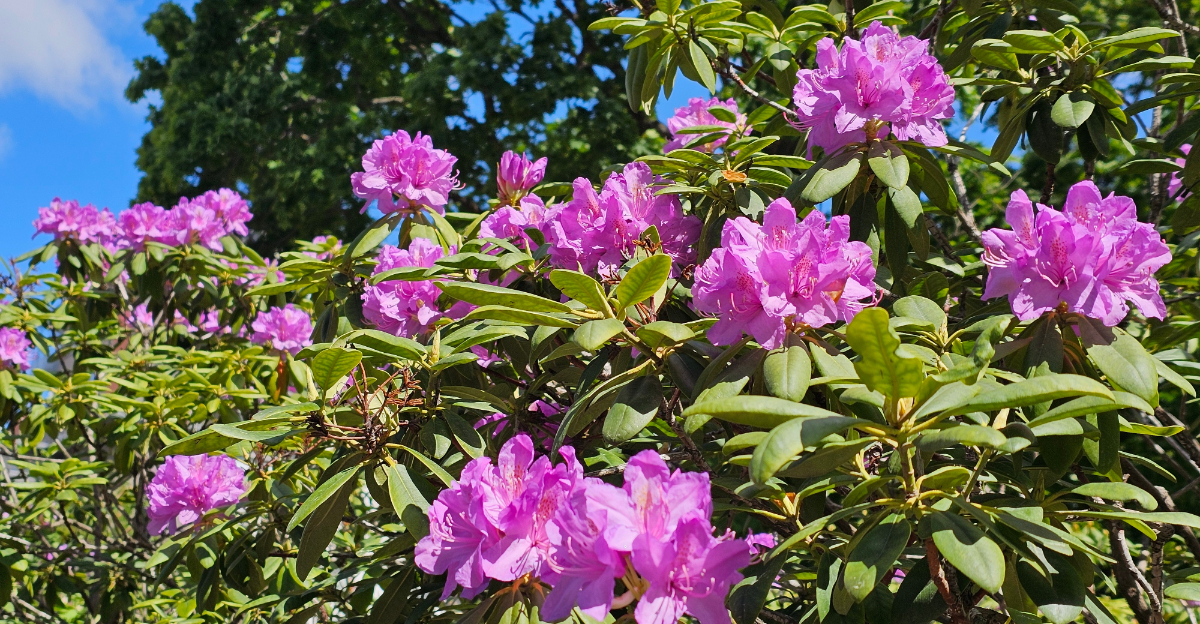
Spring arrives in Oregon and rhododendrons should be bursting with glossy leaves and bold blooms, yet some shrubs look tired, droopy, or slow to wake up. Gardeners often blame cold snaps or too much rain, but the real culprit can hide right under your feet.
Soil that drains poorly, swings in acidity, or stays chilly for too long can stress roots and block nutrients just when plants need energy most. Add late frosts, soggy mulch, or crowded planting spots, and those famous flowers may never fully form.
The good news is rhododendrons are great communicators once you know the signs. Yellowing leaves, bud drop, and weak growth all tell a story about what is happening below the surface.
Ready to play plant detective and bring your shrubs back to their lush, blooming glory this season? Simple tweaks can revive color, boost vigor, and spark a brighter spring display outside today.
1. Poor Drainage And Soggy Spring Soil
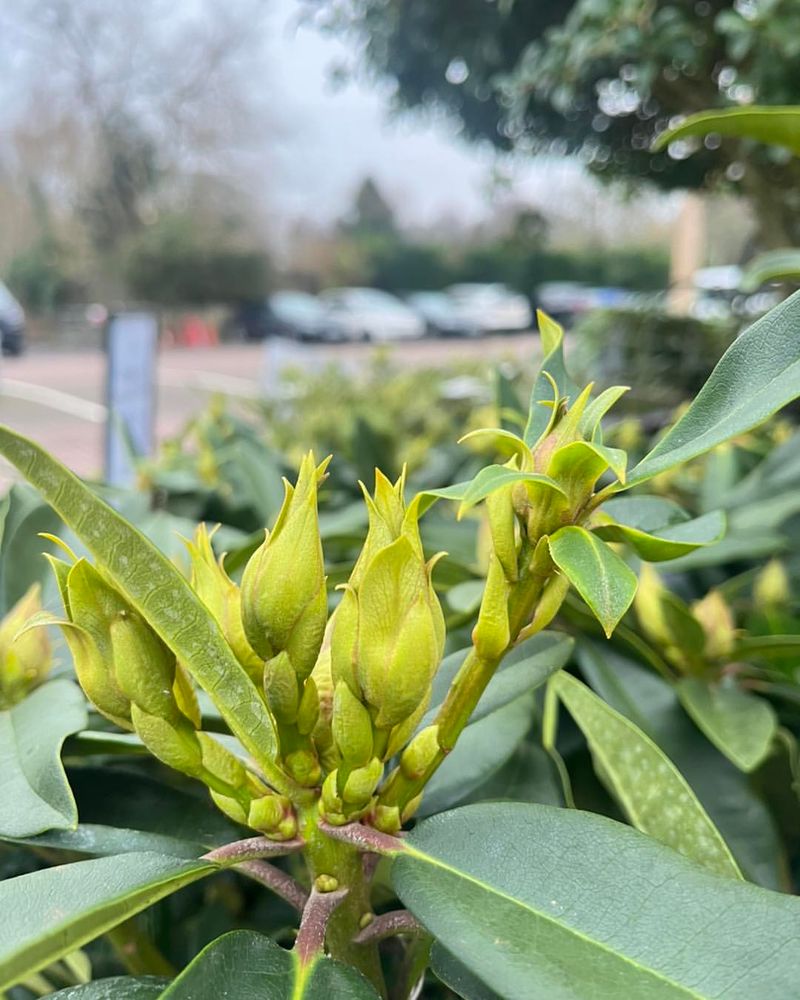
Spring rains are wonderful for Oregon’s lush landscapes, but they can spell trouble for rhododendrons planted in the wrong spot. These shrubs need soil that drains well because their roots sit close to the surface.
When water pools around the base or the ground stays soggy for days, roots can’t get the oxygen they need to stay healthy.
Heavy clay soil is common throughout Oregon valleys and can hold water like a bucket. Rhododendrons planted directly into clay without soil amendments struggle every spring when rainfall increases.
The roots essentially sit in a swamp, unable to function properly even though the plant looks like it has plenty of water.
You’ll notice yellowing leaves, wilting despite wet soil, and poor bud development when drainage becomes an issue. Raised beds work wonderfully in Oregon gardens with heavy soil.
Mixing in compost, bark, and perlite creates the fluffy, well-draining environment rhododendrons crave.
Check your planting site after heavy rain to see how quickly water disappears. If puddles stick around for more than a few hours, your rhododendron needs better drainage.
Fixing this problem early prevents bigger headaches down the road and helps your shrub thrive through Oregon’s notoriously wet springs.
2. Root Rot Striking From Below
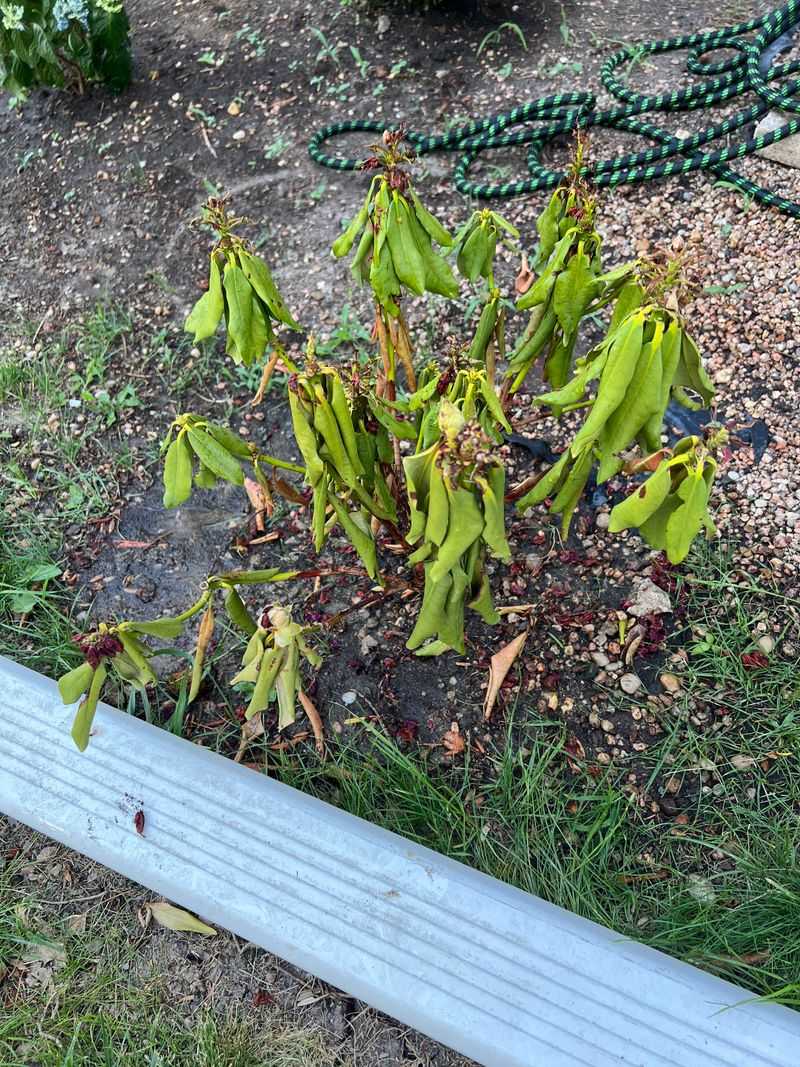
Healthy roots mean healthy plants, but you can’t see what’s happening underground until symptoms appear above. Root rot sneaks up on rhododendrons when soil stays too wet for too long, allowing harmful fungi to attack the delicate root system.
Oregon’s cool, damp spring weather creates perfect conditions for these destructive organisms to thrive.
Phytophthora is the main villain behind root rot in Pacific Northwest gardens. This soil-borne pathogen loves moisture and attacks roots when they’re already stressed from poor drainage.
Once established, it spreads quickly through the root zone, cutting off the plant’s ability to absorb water and nutrients.
Symptoms show up gradually as leaves turn yellow or bronze, especially on lower branches. The shrub might wilt even when soil feels damp, and new growth looks stunted or discolored.
Pull back mulch and check the root crown area for dark, mushy tissue instead of firm, white healthy roots.
Prevention beats treatment every time with root rot. Plant rhododendrons in well-draining locations with amended soil that doesn’t stay waterlogged.
Avoid overwatering even during dry spells, and make sure your Oregon garden has good air circulation around plants. Fungicides help only if caught extremely early, so focus on creating conditions where root rot can’t get started.
3. Late Frost Damaging Tender Buds
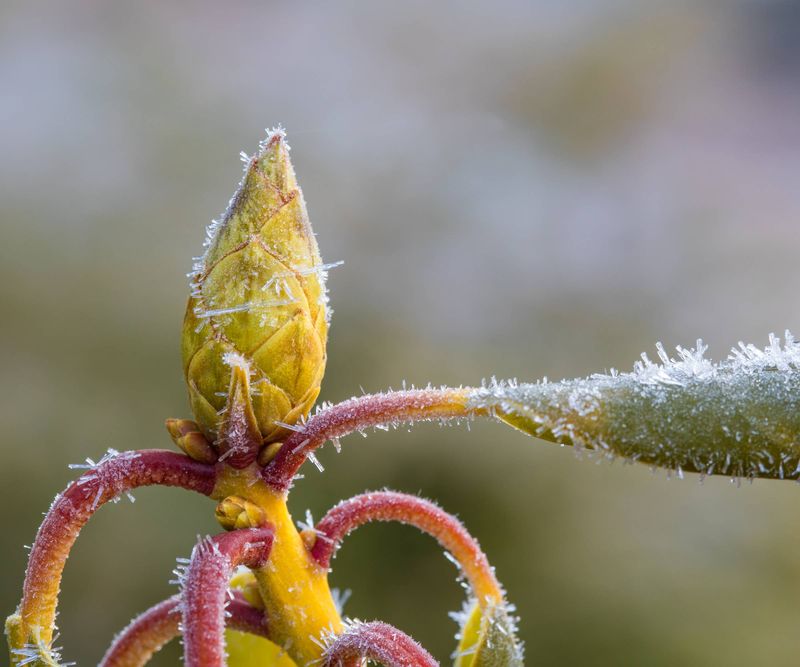
Oregon springs can fool you with warm February days followed by freezing nights in March. Rhododendrons start waking up when temperatures rise, pushing out tender new growth and swelling flower buds.
Then a late cold snap hits, and all that beautiful potential gets zapped overnight.
Flower buds are especially vulnerable once they start opening. Temperatures below 28 degrees can damage delicate petals still tucked inside, turning them brown and mushy.
You won’t see the damage right away, but when buds finally open, flowers look spotted, brown, or fail to open completely. New leaf growth gets hit too, emerging twisted or blackened at the tips.
The Willamette Valley and coastal areas experience unpredictable spring freezes that catch gardeners off guard. One night of frost can ruin months of anticipation for spring blooms.
Some rhododendron varieties handle cold better than others, but even hardy types suffer when buds are actively growing.
Cover plants with frost cloth when freezes threaten during budding season. Old sheets or blankets work in a pinch for smaller shrubs.
Remove coverings once temperatures rise above freezing during the day. Planting rhododendrons in protected locations near buildings or under tree canopy helps moderate temperature swings throughout Oregon’s tricky spring weather patterns.
4. Soil pH Locking Out Nutrients
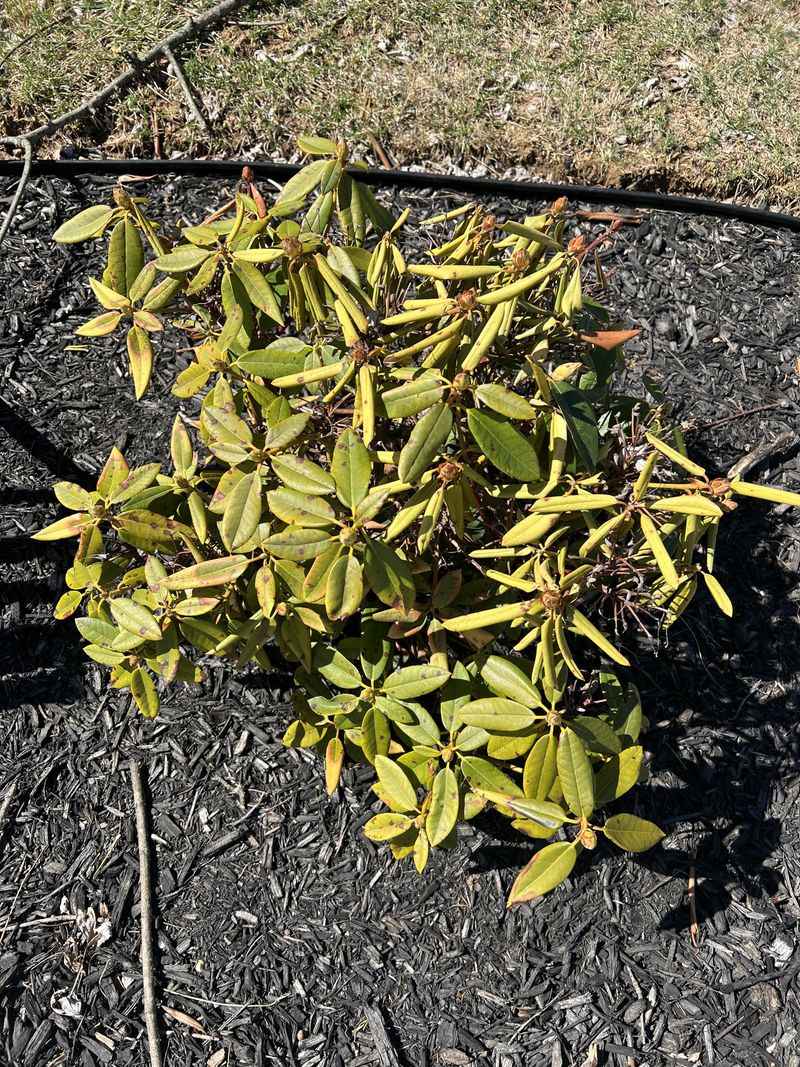
Rhododendrons are picky eaters with specific requirements for soil chemistry. They absolutely need acidic soil with a pH between 4.5 and 6.0 to access nutrients properly.
When pH creeps higher into neutral or alkaline territory, essential elements get locked up in forms roots can’t absorb, no matter how much fertilizer you apply.
Iron deficiency shows up first as chlorosis, where leaves turn yellow but veins stay green. This classic symptom appears frequently in Oregon gardens where soil naturally leans alkaline or has been amended with lime.
Magnesium and manganese deficiencies follow similar patterns, causing poor growth and weak spring performance.
Many Portland-area soils and those east of the Cascades run alkaline naturally. Even acidic soils can shift over time from tap water with high mineral content or decomposing concrete from nearby foundations.
Testing your soil pH takes minutes with an inexpensive kit and solves the mystery of why your rhododendron looks pale and sickly.
Lowering pH requires patience and the right amendments. Sulfur works slowly but effectively to acidify soil over several months.
Organic matter like peat moss and pine bark mulch helps maintain acidity naturally. Avoid lime-based products anywhere near rhododendrons.
Retest soil every couple years to catch pH problems before they affect plant health during critical spring growth periods across Oregon gardens.
5. Winter Burn Showing Up In Spring
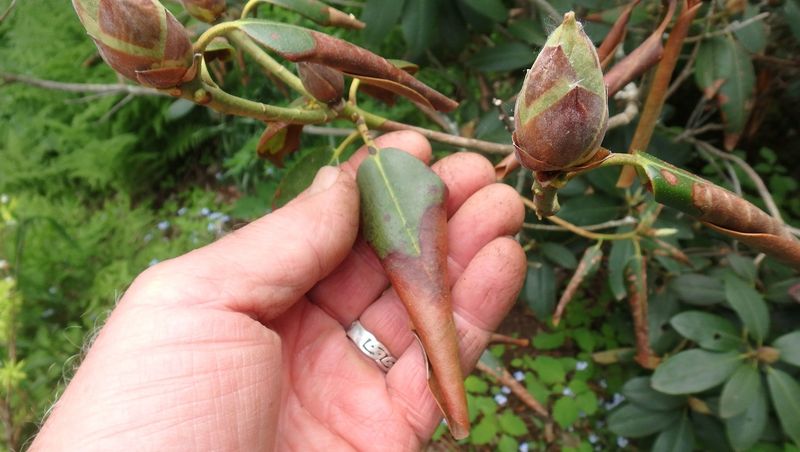
Cold winter winds can be brutal on evergreen rhododendrons, even in mild Oregon climates. Leaves lose moisture through their surfaces faster than roots can replace it when ground freezes or stays very cold.
The result is winter burn or desiccation that doesn’t become obvious until spring arrives and new growth should be starting.
Affected leaves look scorched around the edges, turning brown and crispy. Sometimes entire leaves bronze or curl up tightly.
The damage happened months ago during winter cold snaps, but you’re seeing the aftermath now. Plants weakened by winter burn struggle to produce flowers and healthy new foliage when growing season begins.
Exposed locations catch the worst winter burn in Oregon gardens. North and east-facing sites with full wind exposure see more damage than protected spots.
Gorge areas and higher elevations experience stronger winds that pull moisture from leaves relentlessly throughout winter months.
Anti-desiccant sprays applied in late fall create a protective coating on leaves that reduces moisture loss. Burlap windbreaks shield plants from harsh winds without blocking light.
Water rhododendrons deeply before ground freezes so roots have moisture reserves. Mulch heavily around the base to insulate roots and prevent deep soil freezing.
These simple steps protect your investment and ensure strong spring performance despite Oregon’s occasionally harsh winter conditions.
6. Fungal Diseases
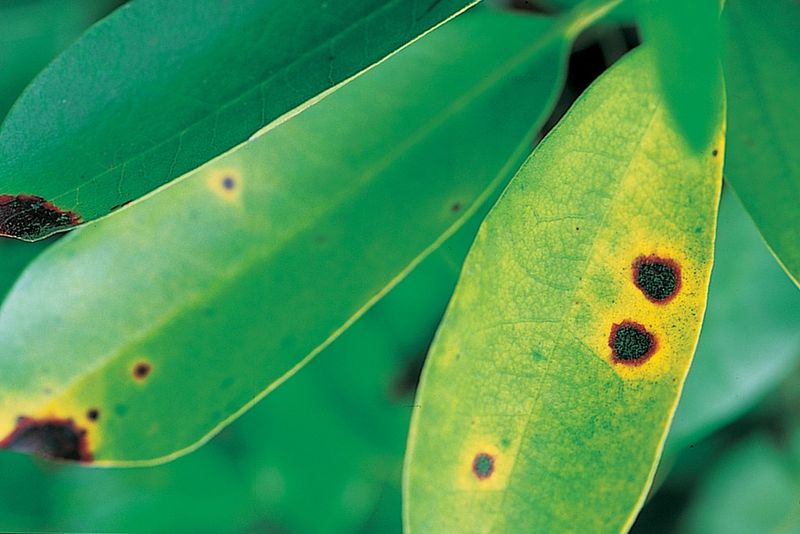
Oregon’s wet spring weather creates a paradise for fungal diseases that attack rhododendrons. Botryosphaeria, Phytophthora, and Phomopsis are common culprits that cause branch dieback, spotted leaves, and overall decline.
These pathogens thrive in cool, moist conditions and spread rapidly through splashing rain and contaminated pruning tools.
Symptoms vary depending on which fungus attacks your plant. Leaf spots start small and dark, expanding into larger brown patches.
Entire branches may wilt suddenly while the rest of the plant looks fine. Cankers appear as sunken, discolored areas on stems where fungus has invaded woody tissue.
Left unchecked, these diseases weaken plants progressively each spring.
Overhead watering and crowded plantings encourage fungal problems in Oregon landscapes. Spores spread easily when leaves stay wet for extended periods.
Poor air circulation around dense shrubs keeps humidity high and foliage damp, creating ideal infection conditions throughout the rainy season.
Prune out diseased branches several inches below visible damage using clean, sharp tools. Disinfect pruners between cuts with rubbing alcohol or bleach solution.
Remove fallen leaves and debris from around plants where spores overwinter. Space rhododendrons properly for good airflow.
Water at soil level rather than overhead when supplemental irrigation becomes necessary. Fungicide applications help protect new growth but won’t cure established infections in Oregon gardens.
7. Too Much Water, Not Enough Air
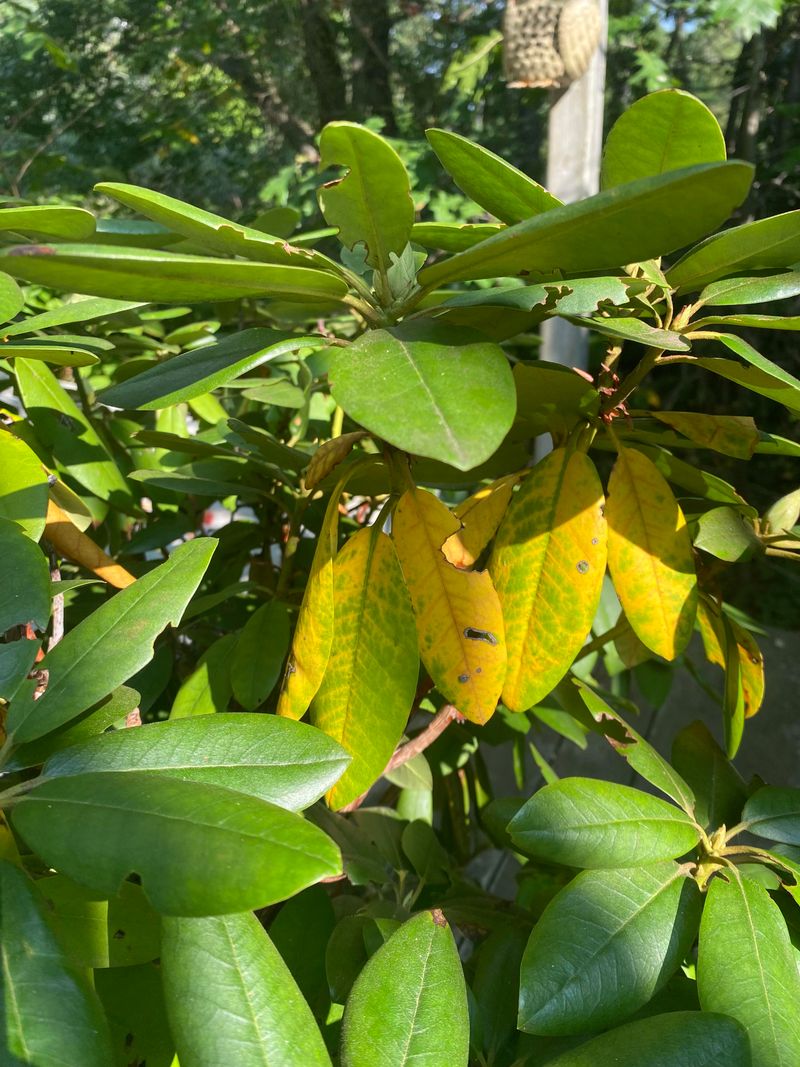
Gardeners often assume more water equals healthier plants, but rhododendrons break that rule completely. Their shallow, fibrous root systems need a careful balance of moisture and oxygen.
When soil stays constantly saturated, air pockets fill with water and roots literally suffocate, unable to perform basic functions even though water surrounds them.
Oregon’s abundant spring rainfall means supplemental watering is rarely necessary. Yet many gardeners continue irrigation schedules established during summer, drowning their rhododendrons in kindness.
Automatic sprinkler systems running on timers compound the problem, adding water when soil already holds plenty from recent rain.
Overwatered rhododendrons show confusing symptoms that mimic drought stress. Leaves turn yellow and droop despite wet soil.
Growth slows or stops completely. Flower buds drop before opening.
The plant looks miserable even though you’ve been watering faithfully, leaving you wondering what went wrong.
Check soil moisture before watering by sticking your finger several inches deep. If it feels damp, skip watering even if the surface looks dry.
Rhododendrons prefer deep, infrequent watering rather than frequent shallow applications. During Oregon’s wet spring months, natural rainfall typically provides everything these shrubs need.
Turn off automatic irrigation systems or adjust zones to exclude rhododendron areas. Let soil dry slightly between waterings to maintain that crucial balance of moisture and air for healthy root function.
8. Stress From Improper Planting Location
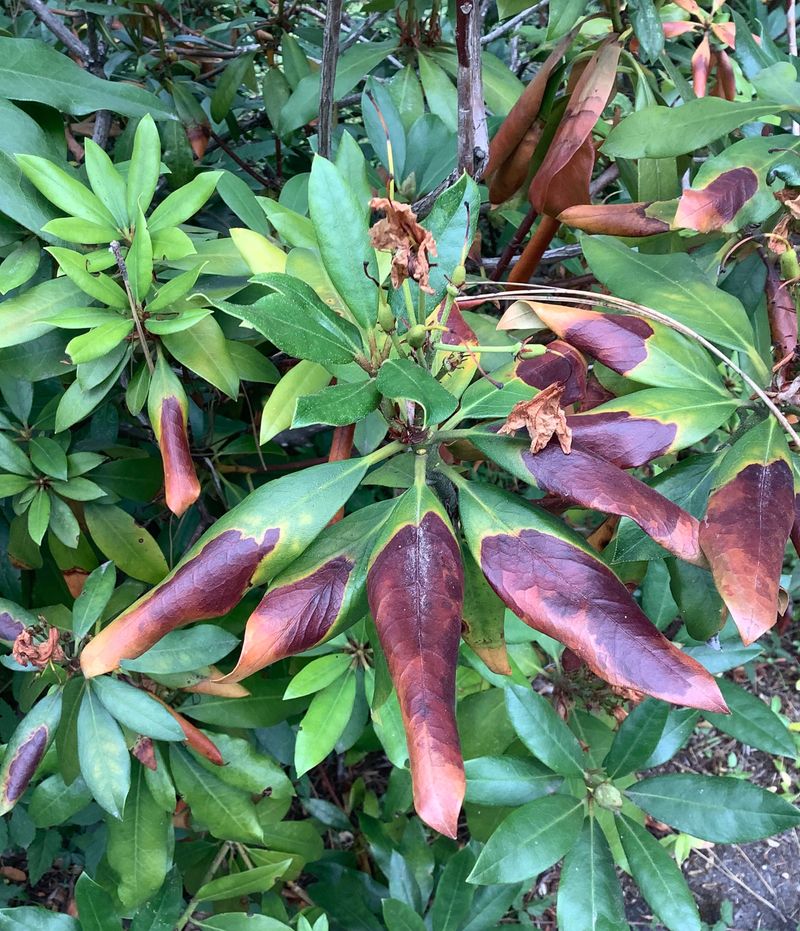
Location matters tremendously for rhododendron success in Oregon gardens. These woodland natives evolved under tree canopy with dappled shade and protection from harsh elements.
Planting them in full sun or deep shade, exposed windy sites, or competition with aggressive tree roots sets them up for failure from day one.
Full sun locations cause leaf scorch and stress, especially during Oregon’s increasingly warm spring afternoons. Leaves bleach yellow or develop brown patches.
Plants flower poorly and growth stays stunted. On the flip side, too much shade from dense evergreen cover means weak, leggy growth with few flowers. Rhododendrons need that Goldilocks zone of filtered light throughout the day.
Planting too close to large trees creates root competition for water and nutrients. Maple, birch, and Douglas fir roots spread aggressively, stealing resources from shallow rhododendron roots.
The shrub never gets enough to thrive, struggling through every spring despite your best care efforts. Wind exposure in open sites compounds stress by desiccating leaves and damaging tender new growth.
Choose planting sites with morning sun and afternoon shade for best results across Oregon. East or north-facing locations with overhead tree canopy provide ideal conditions.
Keep rhododendrons away from aggressive tree roots or install root barriers. Avoid planting against hot south or west-facing walls.
Taking time to select the right location prevents years of struggle and ensures spectacular spring displays.