Illinois Gardeners Admit These Hyacinth Mistakes Ruin Their Blooms Every Year
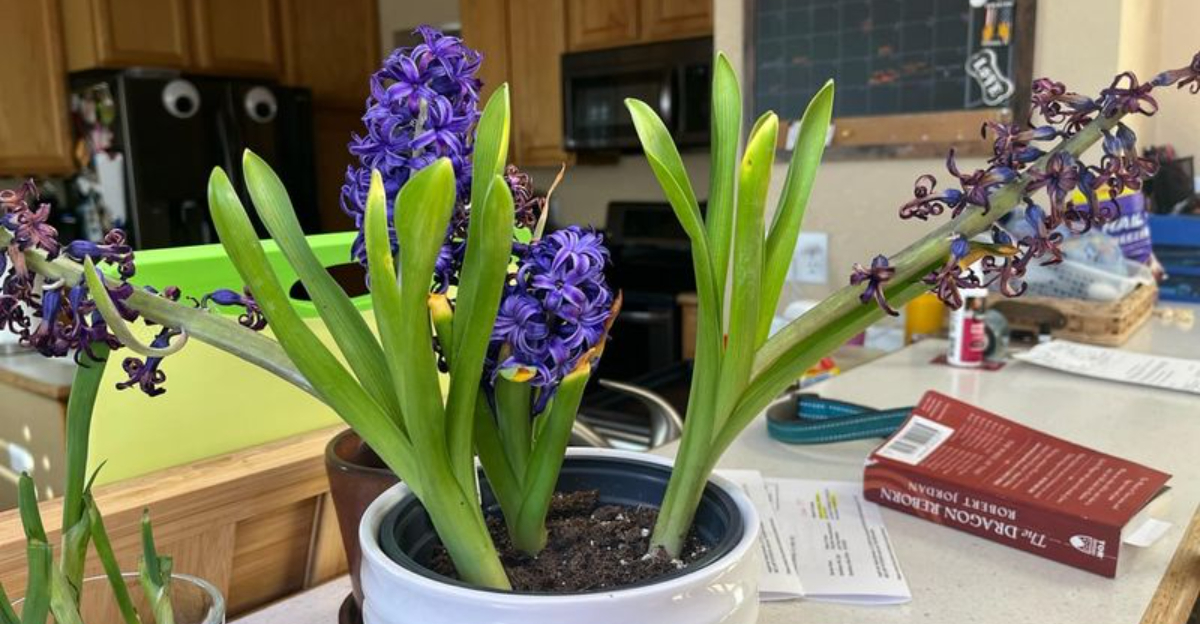
Hyacinths promise bold color and intoxicating fragrance—but Illinois gardeners admit they’re surprisingly easy to mess up.
Year after year, the same small mistakes lead to weak blooms, floppy stems, or disappointing displays that never quite live up to expectations.
The problem isn’t effort—it’s timing and technique.
From planting depth and soil conditions to winter chilling and spring care, hyacinths are picky about details many gardeners overlook.
Illinois’s freeze-thaw cycles only amplify these issues, turning minor missteps into major disappointments.
Gardeners often blame the bulbs when the real culprit is care that works almost right—but not quite.
The good news?
Once you know what’s going wrong, hyacinths are remarkably forgiving.
Avoiding these common mistakes can mean the difference between a forgettable bloom and a show-stopping spring display.
Sometimes, success isn’t about doing more—it’s about stopping the habits that quietly sabotage your flowers every single year.
Planting Hyacinth Bulbs Too Shallow
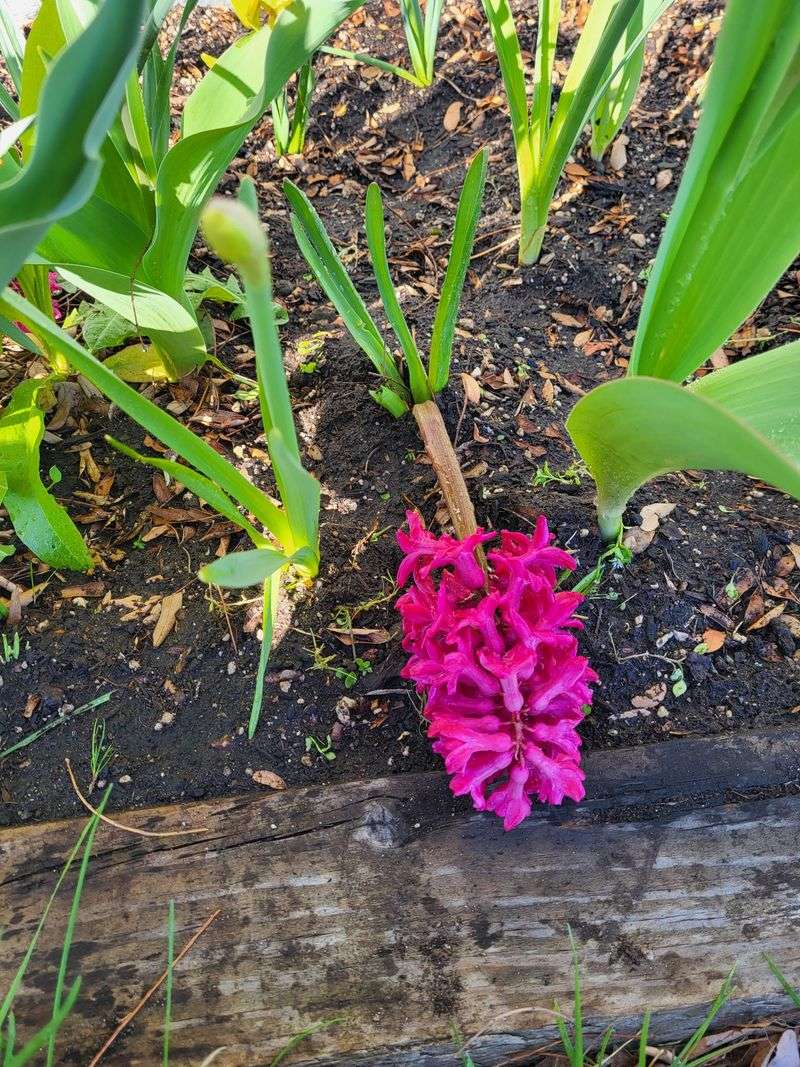
Shallow planting is one of the sneakiest mistakes that Illinois gardeners make with their hyacinth bulbs, and it causes problems long before spring arrives.
When bulbs sit too close to the surface, they become vulnerable to the wild temperature swings that Illinois winters are famous for.
One day it’s freezing, the next it warms up, and those constant changes push bulbs upward through the soil in a process called frost heaving.
Bulbs planted at the proper depth of six to eight inches stay insulated and protected from these temperature rollercoasters.
Shallow bulbs also dry out faster and struggle to develop the strong root systems they need to support those gorgeous, heavy flower spikes.
When spring finally comes, shallow-planted hyacinths often produce weak, floppy stems or blooms that never fully open.
Some bulbs may not bloom at all because they spent the winter fighting to survive rather than preparing for their spring show.
Always measure your planting depth carefully and add a layer of mulch for extra insulation against Illinois’s unpredictable winter weather.
Planting Bulbs Too Late In Fall
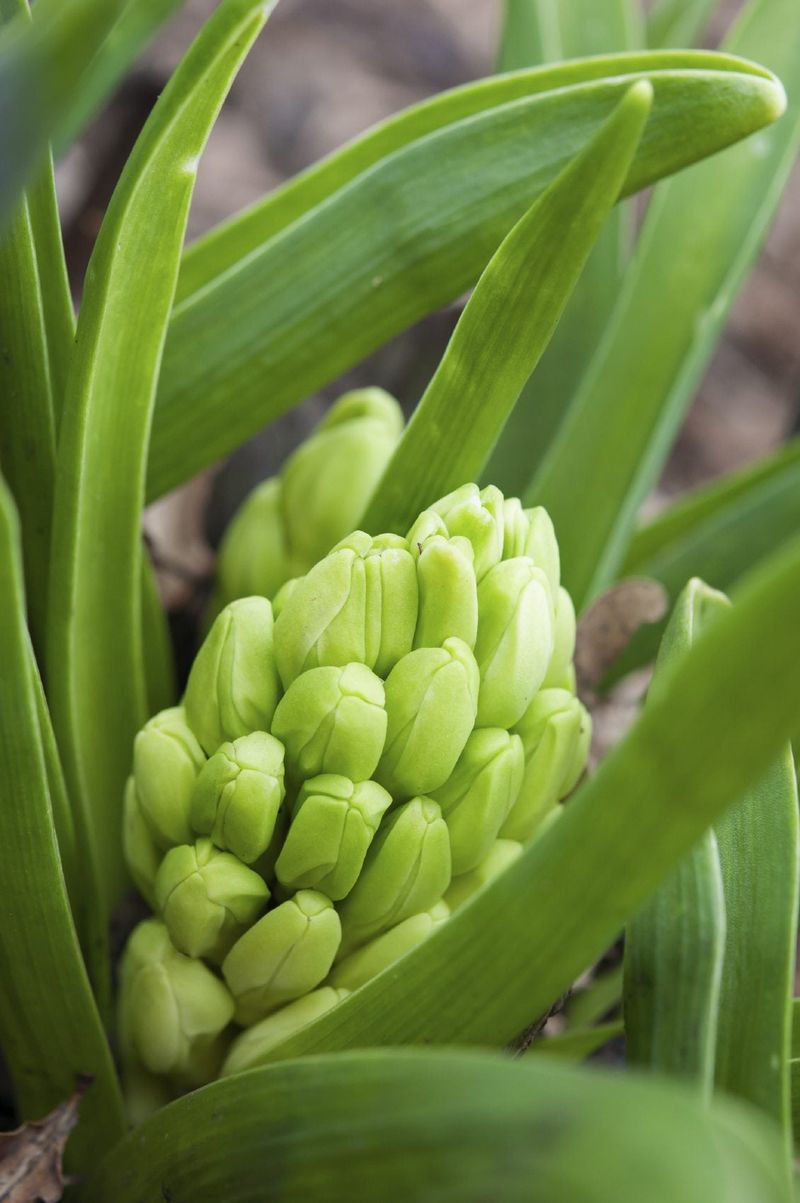
Timing is everything when it comes to planting hyacinth bulbs in Illinois, and waiting too long is a recipe for disappointment.
Hyacinths need several weeks of root growth before the ground freezes solid, typically requiring planting by mid-October at the latest.
When you plant in late November or even early December, the soil temperature has already dropped too low for roots to develop properly.
Without an established root system, bulbs can’t absorb the water and nutrients they need to fuel spring blooming.
Late-planted bulbs often sit dormant all winter without making any progress, then struggle to catch up when warmer weather finally arrives.
The result is delayed flowering, smaller blooms, or sometimes no flowers at all because the bulb simply ran out of time and energy.
Mark your calendar for early to mid-October as your ideal planting window, giving bulbs at least six weeks before hard frost.
If you miss this window, consider forcing bulbs indoors instead or saving them for next year’s proper planting season.
Skipping The Required Cold Period
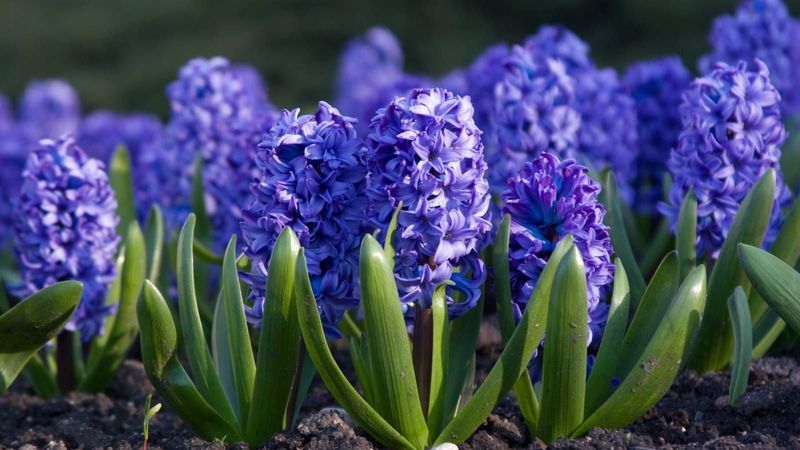
Hyacinths are programmed by nature to require a long, cold winter before they’ll produce their spectacular spring blooms.
This chilling period, typically twelve to fifteen weeks of temperatures between 35 and 48 degrees Fahrenheit, triggers the internal changes that lead to flowering.
Some gardeners try to outsmart nature by keeping bulbs indoors or planting them in protected areas that don’t get cold enough.
Without adequate chilling, hyacinths produce weak, stunted flower spikes or lush green foliage with no blooms at all.
Illinois winters usually provide plenty of natural cold, but problems arise when gardeners bring bulbs inside too early or plant them in overly warm microclimates.
Bulbs planted near heated basements, south-facing walls, or under heavy mulch may not experience the consistent cold they require.
If you’re forcing hyacinths indoors, you must refrigerate them for the full chilling period before bringing them into warmth and light.
Trust the process and let your bulbs experience the full Illinois winter they need to deliver those fragrant, colorful blooms come spring.
Overwatering After Planting
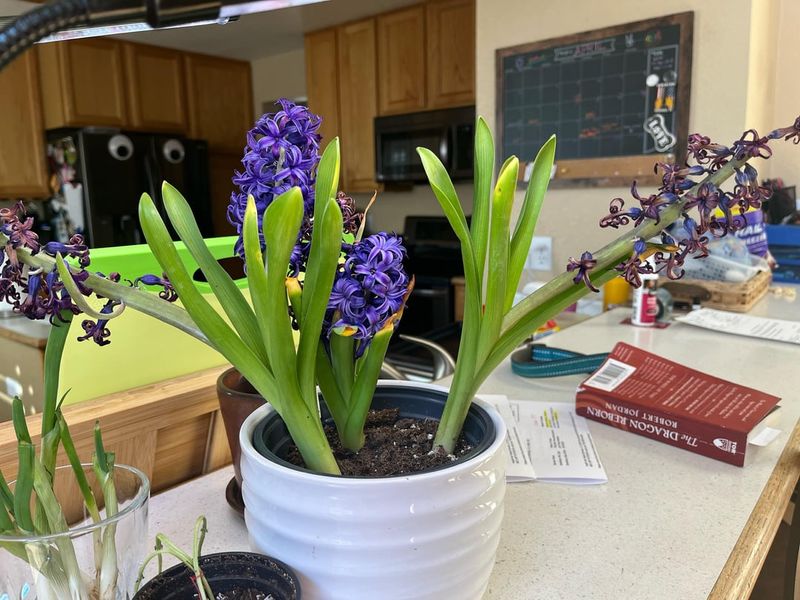
Well-meaning gardeners often shower their newly planted hyacinth bulbs with too much water, thinking they’re helping them get established.
In reality, hyacinth bulbs need surprisingly little water after planting, especially during Illinois’s naturally wet fall and spring seasons.
Bulbs are essentially storage organs that contain everything they need to grow and bloom, and they’re extremely sensitive to excess moisture.
When soil stays constantly wet, bulbs literally begin to rot from the outside in, turning soft and mushy instead of firm and healthy.
Illinois’s heavy clay soils and frequent autumn rains mean that most planted bulbs receive plenty of natural moisture without any supplemental watering.
Adding extra water on top of what nature provides creates a waterlogged environment where beneficial roots can’t develop and harmful fungi thrive.
After planting, water once to settle the soil, then step back and let rainfall do the rest unless you’re experiencing an unusually dry fall.
Check soil moisture before watering by sticking your finger two inches down—if it feels damp, your bulbs are fine and need nothing more from you.
Planting In Heavy Clay Without Improving Drainage
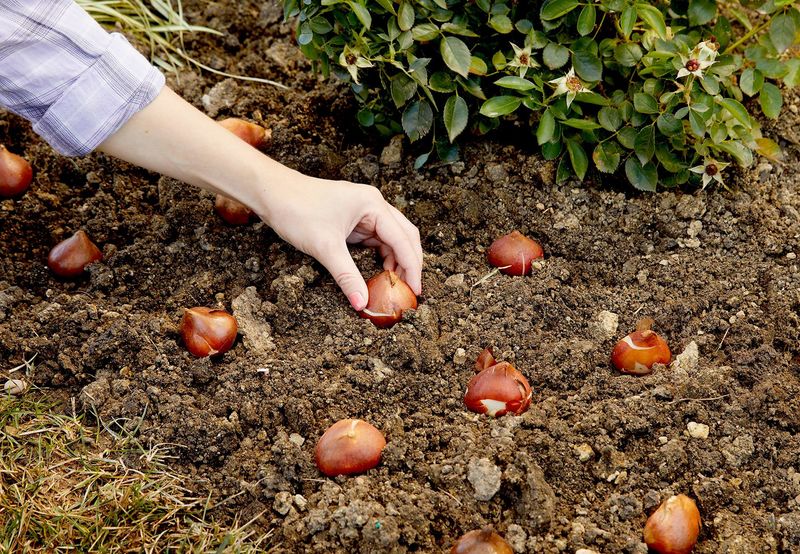
Illinois is notorious for its heavy clay soils that pack down hard and hold water like a bathtub, creating nightmare conditions for hyacinth bulbs.
Clay particles are incredibly tiny and fit together tightly, leaving almost no air spaces for water to drain through or roots to breathe.
When hyacinth bulbs sit in clay soil, they’re essentially trapped in a wet, airless environment that promotes rot and prevents healthy growth.
Even if bulbs survive the winter, they often produce weak, stunted blooms because their roots couldn’t access the oxygen and nutrients they needed.
The solution isn’t avoiding clay soil entirely but improving it before planting by mixing in generous amounts of compost, sand, or peat moss.
Amending clay creates larger soil particles and air pockets that allow water to drain away from bulbs while still retaining some moisture for roots.
Aim to improve the soil to a depth of at least twelve inches, well below where your bulbs will sit.
Consider raised beds or mounded planting areas if your clay is particularly stubborn, giving bulbs the drainage advantage they absolutely must have.
Applying Fertilizer At The Wrong Time
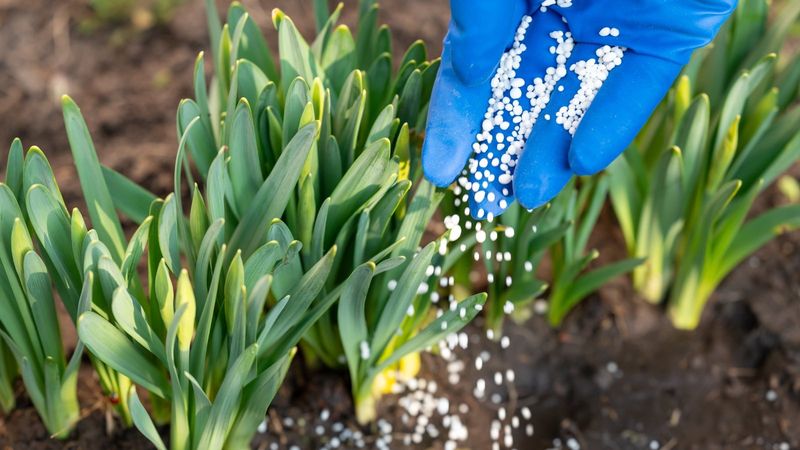
Fertilizer timing confuses many gardeners because the rules for hyacinths are different from what works for other garden plants.
Applying fertilizer at planting time in fall does virtually nothing because bulbs are focused on root growth, not nutrient uptake.
Most of that fall fertilizer simply washes away over winter before the bulb can use it, wasting your money and potentially harming nearby plants.
Similarly, fertilizing after blooms fade is too late to help the current season’s bulb development and energy storage.
The sweet spot for fertilizing hyacinths is early spring when green shoots first emerge and begin actively growing toward bloom.
This is when bulbs are hungriest and can actually absorb and use the nutrients you’re providing to support strong stems and vibrant flowers.
Use a balanced bulb fertilizer or bone meal scratched into the soil surface around emerging shoots, watering it in gently.
A second light application right after blooming helps bulbs replenish their energy reserves for next year, but timing that first spring feeding correctly makes the biggest difference.
Cutting Leaves Too Early After Blooming
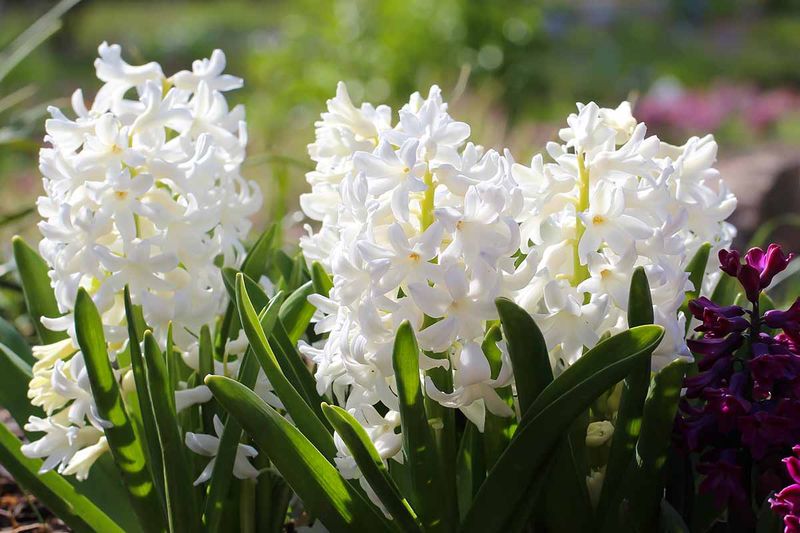
Once those gorgeous hyacinth blooms fade, it’s tempting to tidy up the garden by cutting back the remaining foliage that looks increasingly messy.
However, those green leaves are working overtime to gather sunlight and produce energy through photosynthesis, which gets stored in the bulb for next year.
Cutting leaves while they’re still green is like unplugging a battery before it finishes charging—you’re stopping the process before the bulb has what it needs.
Hyacinth bulbs that lose their foliage prematurely enter the next winter with depleted energy reserves and produce weak blooms or none at all.
The leaves need to remain in place until they turn completely yellow and brown, which typically takes six to eight weeks after flowering ends.
You can deadhead the spent flower stalks to prevent seed formation, but leave every bit of green foliage untouched no matter how unsightly it becomes.
Disguise ripening foliage by planting later-blooming perennials nearby that grow up and hide the yellowing leaves naturally.
Patience during this awkward phase pays off with much better blooms the following spring when those bulbs have fully recharged their batteries.
Expecting The Same Bloom Quality Every Year
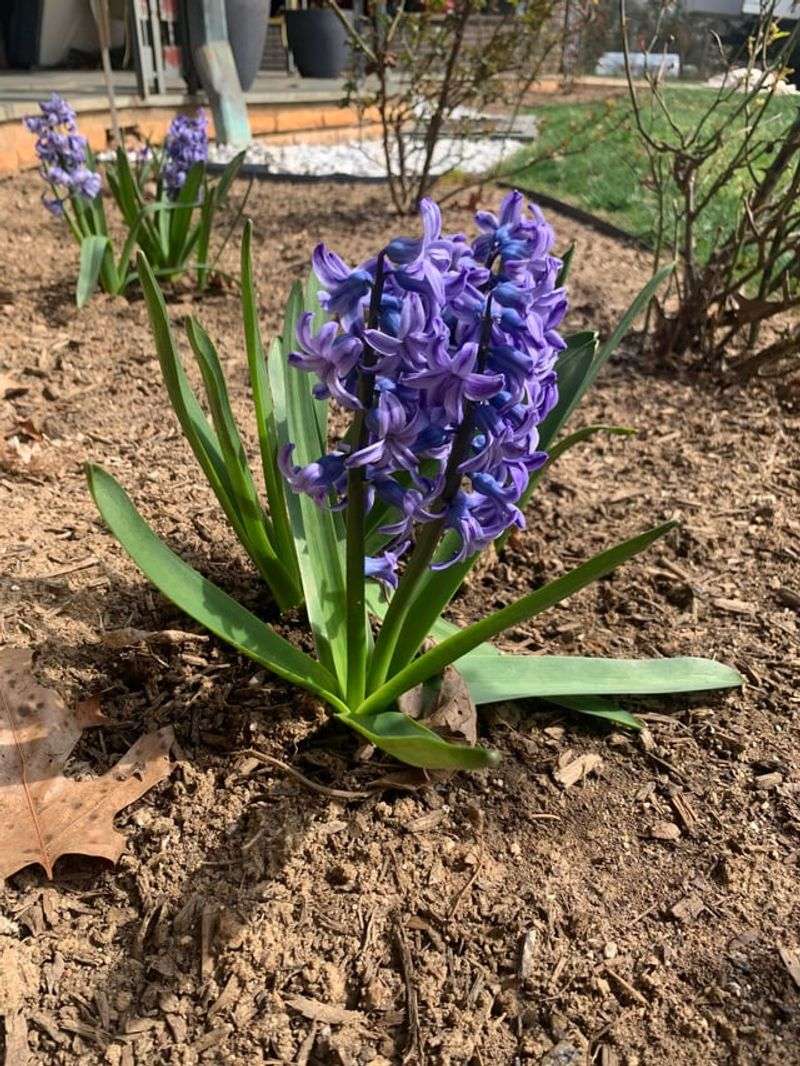
First-year hyacinth blooms are absolutely spectacular, with massive, densely packed flower spikes that practically drip with fragrance and color.
Many gardeners assume this incredible display will repeat every spring, then feel discouraged when second-year blooms are noticeably smaller and less impressive.
Here’s the truth that bulb companies don’t advertise prominently: hyacinths naturally decline after their first flowering season, and that’s completely normal.
Commercial growers pamper bulbs for years in perfect conditions to produce those show-stopping first blooms, conditions that home gardens simply can’t replicate.
After that first year, hyacinths typically produce looser, smaller flower spikes that are still pretty but lack that initial wow factor.
This decline doesn’t mean you’ve done anything wrong or that your bulbs are damaged—it’s just their natural life cycle in typical garden settings.
Understanding this pattern prevents unnecessary frustration and helps you appreciate hyacinths for what they are rather than expecting perpetual perfection.
Many gardeners treat hyacinths as short-term investments, replacing them every few years to maintain that spectacular first-year display they love most.
Ignoring Rodent Protection
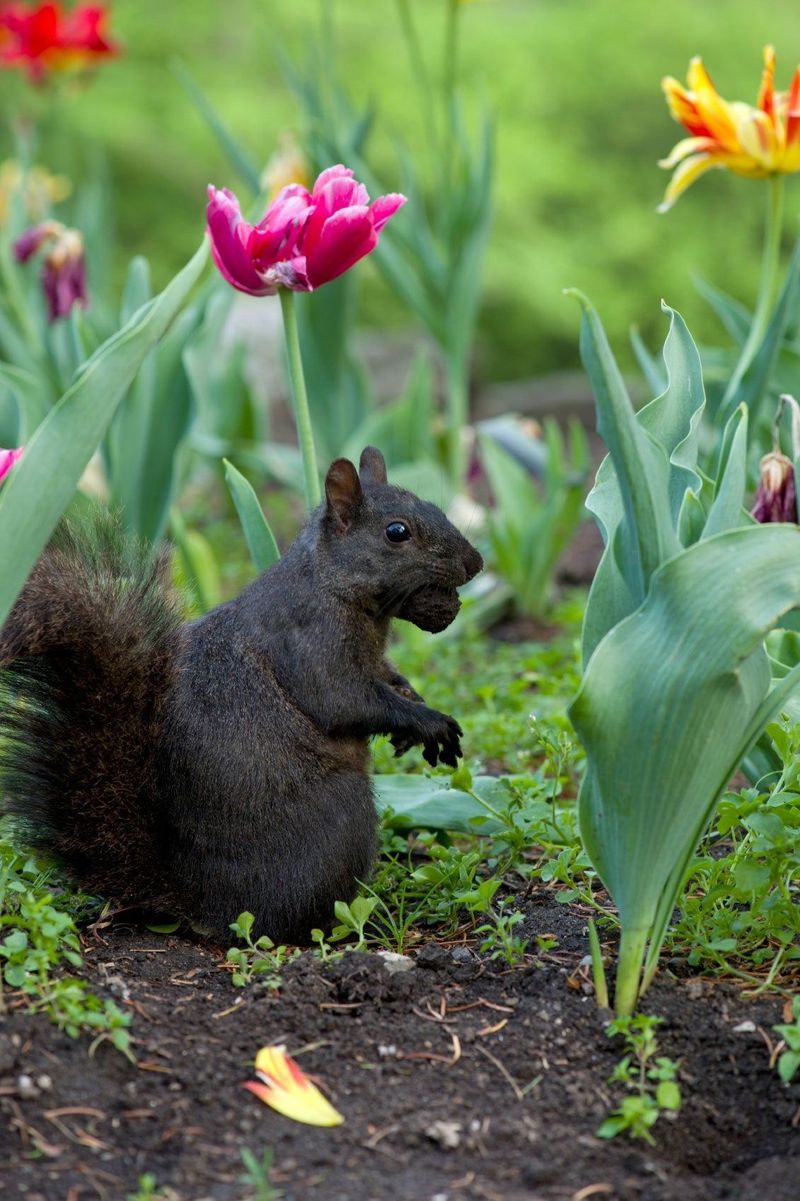
Illinois gardens are home to an army of hungry rodents that view freshly planted hyacinth bulbs as a delicious autumn buffet.
Squirrels, voles, chipmunks, and mice have incredible senses of smell that lead them straight to your newly buried bulbs within hours of planting.
One morning you have a carefully planned hyacinth display, and the next morning you have empty holes and scattered soil where your bulbs used to be.
Voles are particularly destructive because they tunnel underground and munch bulbs from below, leaving no obvious evidence until spring when nothing comes up.
Gardeners who skip rodent protection often lose a significant percentage of their bulbs before winter even begins, then blame the bulbs themselves for not growing.
Protection methods include covering planted areas with hardware cloth, mixing in sharp gravel that rodents dislike digging through, or using repellent sprays.
Some gardeners plant bulbs in wire cages or baskets that allow roots to grow out while keeping teeth away from the bulbs themselves.
Taking these precautions at planting time means your hyacinths actually have a chance to bloom instead of becoming wildlife snacks before they sprout.
Leaving Bulbs In Poor Locations Year After Year
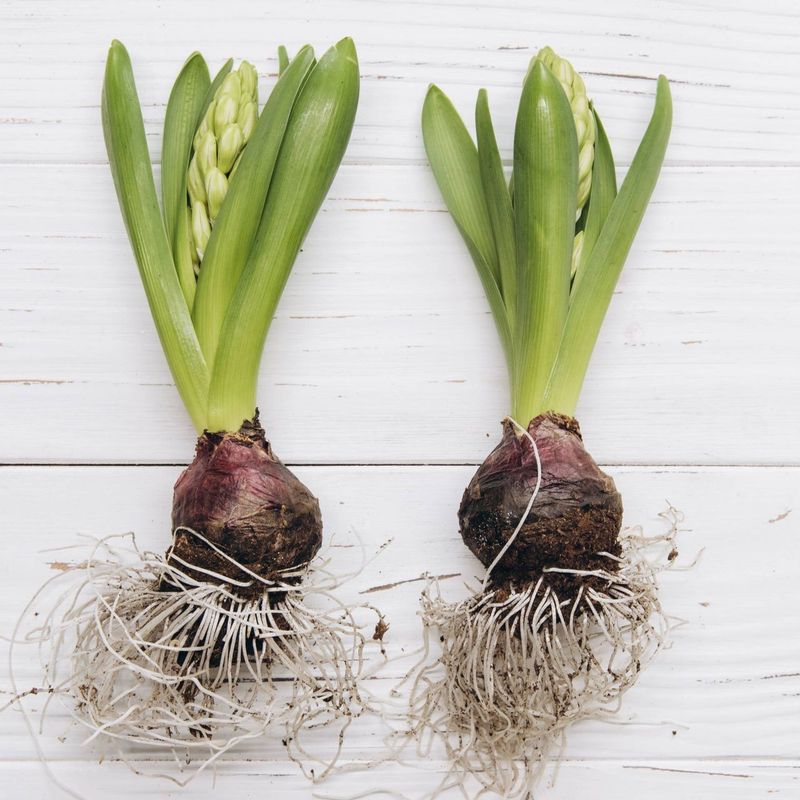
Sometimes gardeners plant hyacinths in less-than-ideal spots and then wonder why the bulbs decline steadily despite receiving otherwise good care.
Hyacinths need full sun to light shade, excellent drainage, and soil that isn’t compacted or constantly wet to perform their best.
Bulbs planted in heavy shade under trees, in low spots that collect water, or in areas with compacted soil will struggle year after year.
No amount of fertilizer, proper watering, or careful timing can overcome fundamentally wrong growing conditions that stress the bulbs continuously.
Many gardeners assume that once bulbs are planted, they must stay in that location permanently, but hyacinths can actually be moved.
After foliage ripens completely in late spring, you can carefully dig bulbs and relocate them to a better spot with improved conditions.
Moving struggling bulbs to sunnier, better-drained locations often revives them and leads to improved blooming the following season.
Evaluate your planting sites honestly and be willing to make changes rather than fighting against conditions that will never allow your hyacinths to thrive properly.