Illinois Gardeners Are Reporting More Night Active Beetles Than Before
Gardeners across Illinois are starting to notice more beetles showing up after dark, and it is catching many people off guard.
These nighttime visitors are appearing around lights, plants, and patios more often than in past seasons, raising plenty of questions.
I keep hearing the same thing from gardeners who swear their yards look normal during the day, then suddenly feel busy once the sun goes down.
This shift is not random, and understanding why it is happening makes the sightings feel far less surprising.
1. Why More Beetles Are Becoming Active After Dark In Illinois
Climate patterns across Illinois have shifted noticeably over recent years, creating warmer evenings that encourage beetles to emerge when darkness falls across yards.
Many beetle species naturally prefer cooler temperatures, so they wait until nighttime to search for food, mates, and suitable places to lay eggs.
Urban areas in Illinois generate heat that lingers after sunset, making nights even more comfortable for these insects to move around freely.
Increased moisture from irregular rainfall patterns also supports beetle populations, giving them more breeding sites and food sources throughout the state.
Gardens with dense vegetation provide perfect hiding spots during the day, so beetles feel safe venturing out once homeowners turn on their lights.
Natural predators like birds are less active at night, which gives beetles a survival advantage when they forage under the cover of darkness.
Changes in agricultural practices around Illinois have also altered beetle habitats, pushing more of them into residential gardens where they search for plants.
Understanding these environmental factors helps Illinois gardeners recognize why beetle activity has increased so dramatically after the sun goes down each evening.
2. The Types Of Beetles Gardeners Are Noticing Most At Night
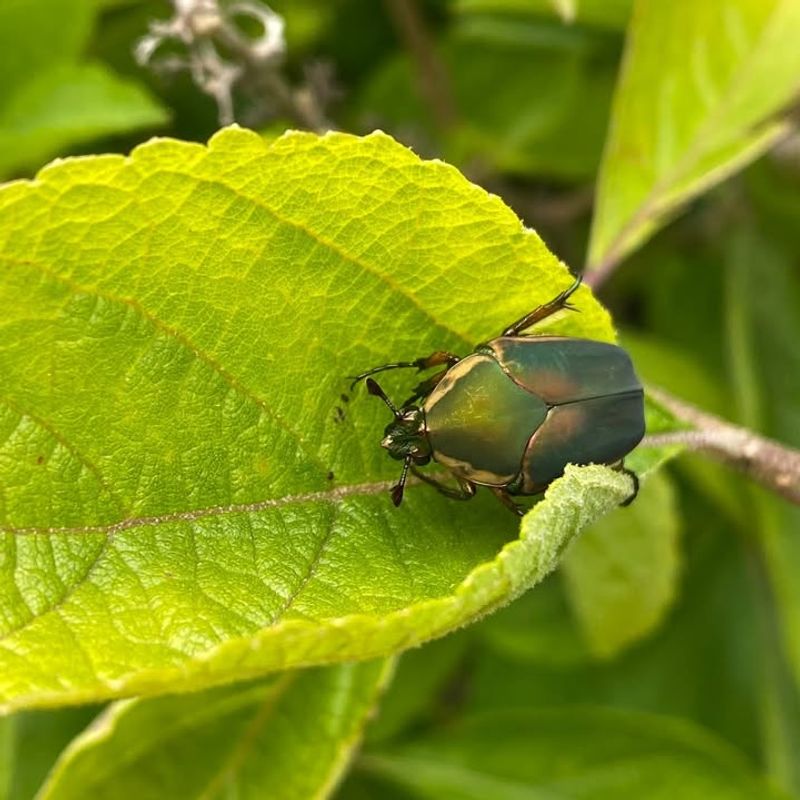
Japanese beetles rank among the most commonly reported nocturnal visitors in Illinois gardens, easily recognized by their metallic green bodies and copper-colored wings.
June bugs, also called May beetles, appear in large numbers during warm evenings and are attracted to porch lights throughout residential neighborhoods.
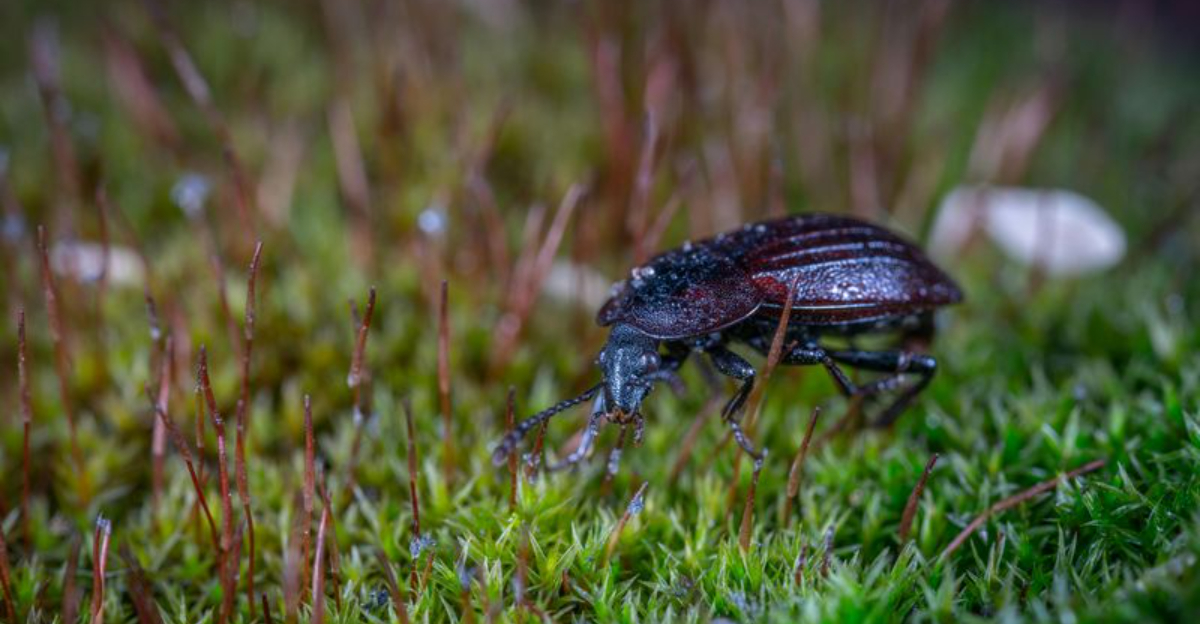
Ground beetles, which are actually beneficial predators, patrol garden soil at night searching for slugs, grubs, and other pests that damage plants.
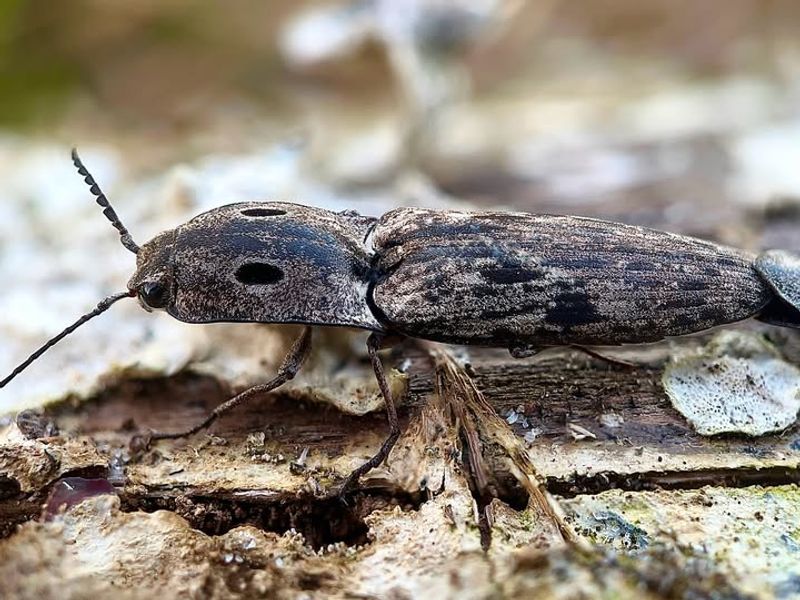
Click beetles get their name from the clicking sound they make and often show up around outdoor lighting fixtures across Illinois properties.
Bark beetles, though smaller and harder to spot, become active after dark and can sometimes be found on tree trunks and woody plants.
Rove beetles, with their distinctive short wing covers, scurry across garden paths and mulch beds once the sun sets over Illinois landscapes.
Scarab beetles, including various dung beetle species, also emerge at night and are sometimes spotted near compost piles or organic garden matter.
Knowing which beetles visit your Illinois garden helps you determine whether they pose a threat to plants or actually provide helpful pest control.
3. How Warm Nights Are Changing Beetle Behavior
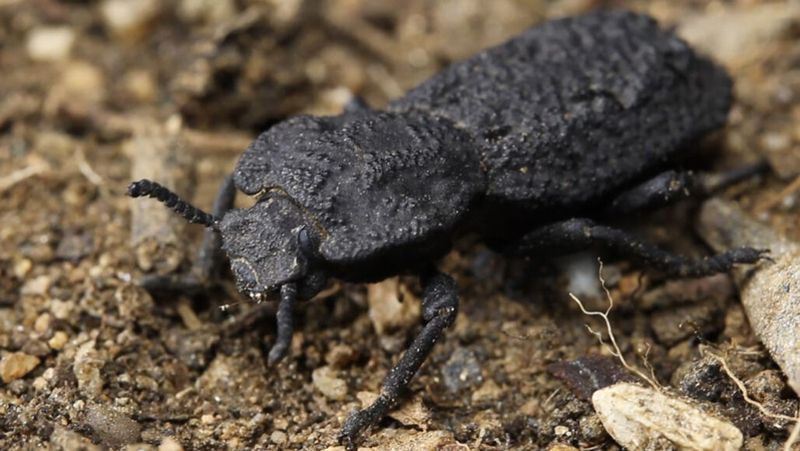
Rising nighttime temperatures across Illinois have fundamentally altered when and how beetles conduct their essential activities like feeding, mating, and searching for shelter.
Beetles are cold-blooded creatures, meaning their body temperature depends entirely on the surrounding environment, so warmer nights increase their energy and activity.
Extended periods of warm weather allow beetles to remain active later into the fall season, giving them more time to reproduce successfully.
Illinois summers now feature more consecutive warm nights, which means beetles spend less time dormant and more time consuming garden plants and flowers.
Warmer soil temperatures also speed up beetle larval development underground, leading to larger populations emerging when conditions become favorable for nighttime activity.
Some beetle species that previously stayed dormant during cooler evenings now venture out regularly, expanding their feeding hours throughout Illinois residential areas.
Heat retention in urban and suburban Illinois neighborhoods creates microclimates that stay warm well into the night, encouraging even more beetle movement.
Gardeners who understand this temperature connection can better predict when beetles will be most active and plan their garden protection strategies accordingly.
4. Why Outdoor Lights Are Drawing Beetles Into Yards
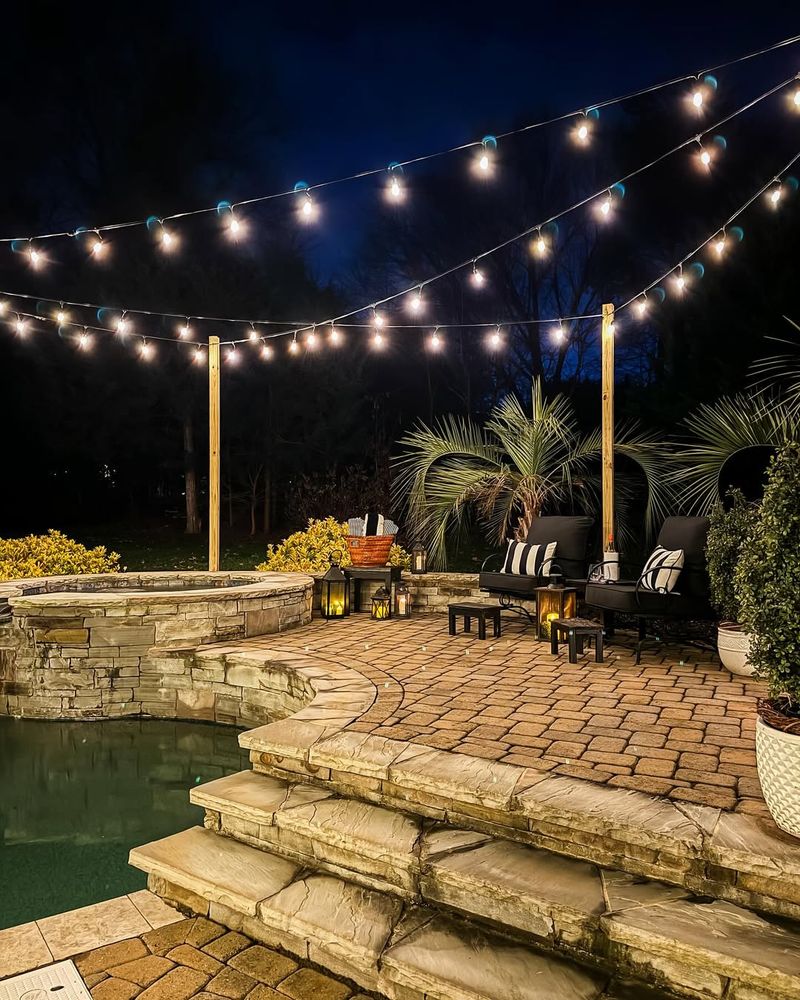
Artificial lighting disrupts beetle navigation systems because many species use natural light sources like the moon and stars to orient themselves properly.
When beetles encounter bright outdoor lights in Illinois yards, they become confused and circle the light source repeatedly instead of flying away.
Porch lights, security lights, and decorative landscape lighting all emit wavelengths that certain beetle species find irresistible, drawing them from considerable distances.
White and blue-tinted lights attract more beetles than yellow or amber lights, which emit wavelengths that insects find less appealing overall.
Once beetles arrive at a light source, they often stay nearby, feeding on plants in the illuminated area throughout the night.
Illinois gardeners who leave outdoor lights on all night unintentionally create gathering spots where beetles congregate in much larger numbers than normal.
Motion-sensor lights reduce this problem by only activating when needed, giving beetles less time to discover and swarm around the light source.
Switching to insect-resistant bulbs or amber LED lights can dramatically reduce the number of beetles attracted to your Illinois property each evening.
5. Where These Beetles Tend To Gather After Sunset
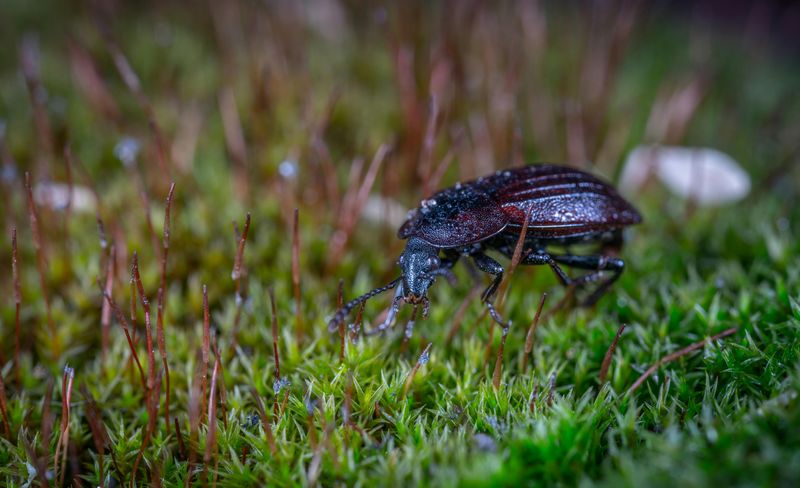
Flowering plants like roses, hibiscus, and petunias become beetle magnets after dark because their fragrance intensifies during cooler evening hours across Illinois.
Vegetable gardens, especially those with tomatoes, beans, and leafy greens, attract hungry beetles searching for tender foliage to consume during nighttime feeding.
Compost bins and piles of organic matter draw beetles that feed on decomposing plant material, making these areas hotspots for nocturnal activity.
Trees and shrubs with damaged bark or oozing sap attract beetles that feed on these substances, often gathering in groups on trunks.
Mulched garden beds provide ideal daytime hiding spots, and beetles emerge from underneath the mulch once darkness falls over Illinois properties.
Areas near outdoor water features, birdbaths, or leaky hoses attract beetles seeking moisture, especially during dry periods in the growing season.
Dense groundcover and low-growing plants offer beetles shelter and easy access to food, making these spots popular gathering areas throughout the night.
Knowing where beetles prefer to gather helps Illinois gardeners focus their monitoring efforts and take protective action in the most vulnerable areas.
6. What Their Night Activity Means For Lawns And Plants
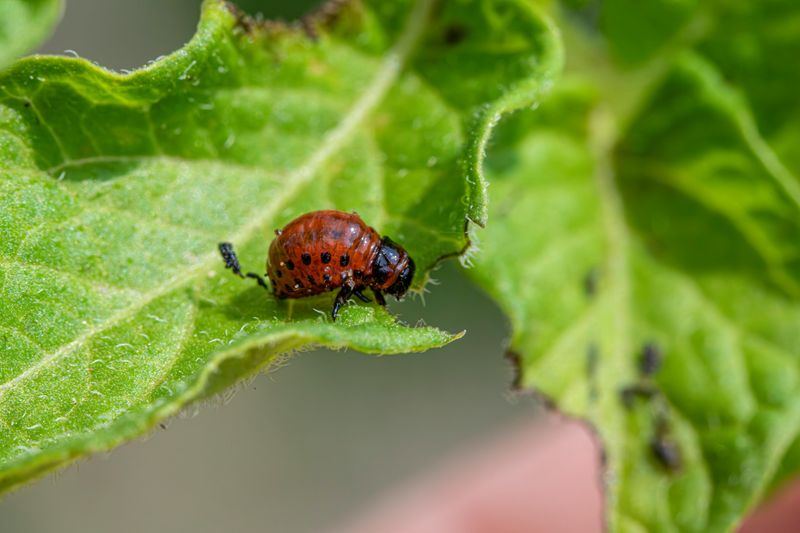
Nocturnal feeding by beetles can cause significant damage to plant leaves, creating irregular holes and skeletonized foliage that weakens overall plant health gradually.
Lawns in Illinois often suffer from beetle grubs feeding on grass roots underground, which leads to brown patches and thinning turf areas.
Flowers lose their visual appeal when beetles chew petals and buds during nighttime visits, reducing the ornamental value of your carefully maintained garden.
Some beetle species spread plant diseases as they move from one plant to another, introducing pathogens that can harm your entire garden.
Heavy beetle populations can stress plants by removing too much foliage, making them more vulnerable to other pests, diseases, and environmental stressors.
Fruit and vegetable crops may experience reduced yields when beetles damage flowers, preventing proper pollination from occurring during the critical growing season.
However, beneficial beetles like ground beetles actually help Illinois gardens by preying on harmful insects, slugs, and pest eggs found throughout garden beds.
Recognizing the difference between harmful and helpful beetles allows gardeners to protect beneficial species while managing those that cause genuine plant damage.
7. When This Surge Is Most Noticeable During The Year

Late spring marks the beginning of increased beetle activity across Illinois, typically starting in May when soil temperatures warm sufficiently for emergence.
June represents peak beetle season in most Illinois regions, with adult beetles emerging in massive numbers to feed and reproduce during warm nights.
July continues the trend with high beetle populations, especially during heat waves when warm nights encourage extended periods of feeding and mating activity.
August still shows significant beetle presence, though numbers may decline slightly as some species complete their life cycles and populations naturally decrease.
Early fall can bring a second smaller surge of beetle activity in Illinois when certain species produce late-season generations before winter arrives.
Warm autumn nights delay beetle dormancy, allowing them to remain active longer than they would during cooler years with more typical weather.
Spring rains followed by warm, humid nights create ideal conditions for beetle emergence, making these periods particularly challenging for Illinois gardeners and homeowners.
Tracking these seasonal patterns helps you anticipate when beetle problems will be worst and prepare appropriate management strategies for your specific garden.
8. What Gardeners Should And Should Not Worry About

Japanese beetles deserve attention because they feed on hundreds of plant species and can quickly defoliate roses, fruit trees, and ornamental plants throughout Illinois.
June bugs, while annoying, typically cause minimal plant damage as adults, though their larvae can harm lawn roots if populations become excessively large.
Ground beetles should not cause concern because they are beneficial predators that help control garden pests without damaging any plants or flowers.
Click beetles rarely cause significant problems in gardens, and most species found in Illinois are harmless or even beneficial to overall garden health.
Rove beetles are generally helpful because they prey on other insects, though their somewhat intimidating appearance can alarm gardeners who encounter them unexpectedly.
Excessive use of broad-spectrum insecticides harms beneficial beetles along with pests, disrupting natural pest control and potentially creating larger problems over time.
Focusing on proper plant health through watering, fertilizing, and mulching makes Illinois gardens more resilient to beetle damage without requiring aggressive chemical interventions.
Learning to identify specific beetle species helps you make informed decisions about which ones require management and which ones actually benefit your garden.