Illinois Homes Are Seeing Something New Crawl In As Temperatures Drop
That chirp behind your walls is not your imagination. Crickets are steadily moving into your Illinois home in surprising numbers. Falling temperatures guide them toward your warmest, driest rooms.
Doorways and small hidden cracks become their easiest paths inside. Basements stay quiet by day, then start humming near you. Laundry rooms carry every chirp until you finally notice it clearly.
You hear it clearest right when your house goes quiet. Illinois winters no longer keep these insects outside your home. Cracks you never noticed are now their favorite doorway inside.
Warmth draws them toward you faster than most homeowners expect. Every unsealed gap near you slowly becomes a gentle invitation. Nights grow colder while your walls grow noticeably louder.
Overlooking that sound rarely makes it fade completely from your home. Waiting only gives the chirping more time inside your walls. Your next move decides whether that sound fades or continues.
A New Sound And Sight In Illinois Homes
That chirping sound at 2 a.m. is not peaceful. Illinois homes are seeing something new crawl in as temperatures drop, and crickets are among the most common intruders this fall.
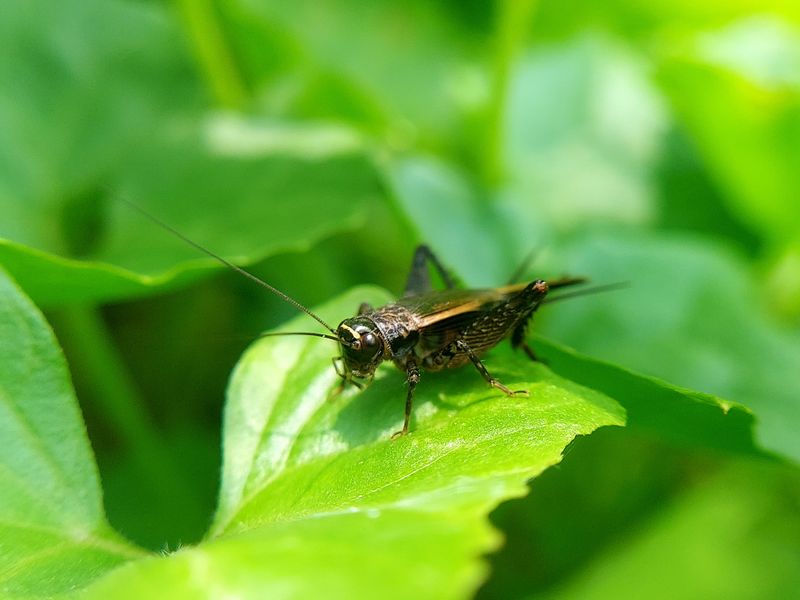
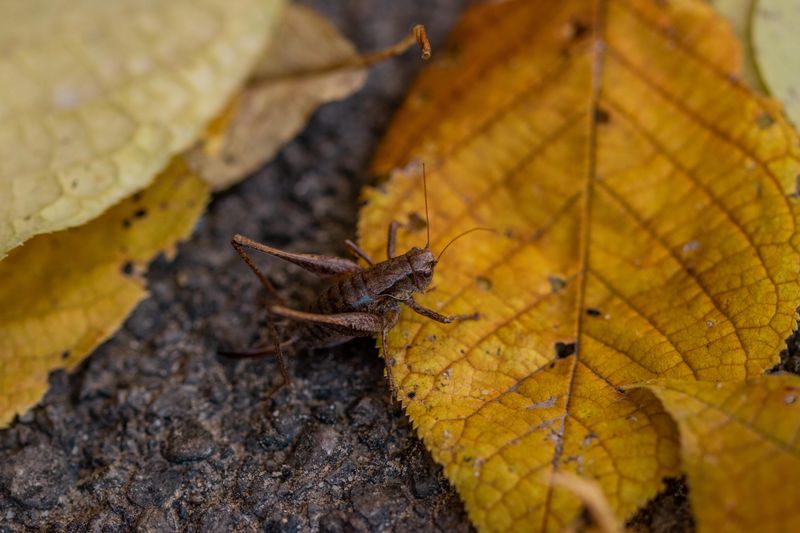
House crickets and camel crickets are commonly found in basements, garages, and laundry rooms during Illinois falls. Pest control providers in Illinois often see increased calls related to indoor cricket activity as fall progresses.
Crickets are not dangerous, but they are annoying and surprisingly destructive. They chew through fabric, paper, and even rubber-coated wires when food sources are scarce.
Most people hear crickets before they spot one. That rhythmic chirp bounces off hard surfaces, making it nearly impossible to pinpoint where the bug is hiding.
Camel crickets are especially unsettling because of how unpredictably they move. Homeowners who encounter one in a dark corner often get a startling surprise.
The good news is that crickets are manageable with the right approach. Understanding why they enter your home is the first step toward stopping them cold.
Knowing what you are dealing with changes everything. Crickets are opportunists, and your warm home is exactly what they are searching for when outdoor temperatures begin to fall.
Why Crickets Head Indoors As Temperatures Drop
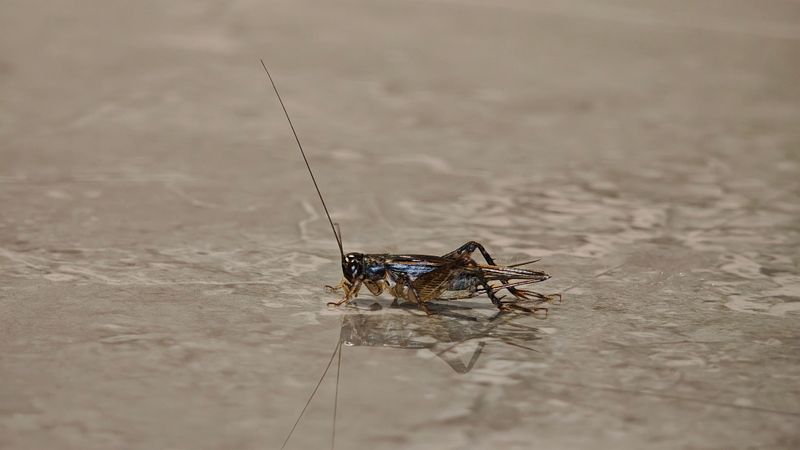
Crickets are cold-blooded creatures, meaning their body temperature matches their surroundings. As outdoor temperatures drop, they move quickly to find warmth indoors.
Your home radiates heat through its foundation, walls, and vents. To a cricket, that warmth is as attractive as a lit-up diner on a cold highway.
Fall triggers a survival instinct in crickets to seek shelter before the first hard frost arrives. They are not choosing your home personally; they are just following heat signals.
Once inside, crickets slow down and become less active. They conserve energy and look for dark, damp spaces to hide until conditions outside improve.
Illinois homes are seeing something new crawl in as temperatures drop partly because of recent shifts in seasonal weather patterns. Warmer falls mean crickets stay active longer before finally pushing indoors.
Your Illinois Garden Changes Every Week. Your Plan Should Too.
Gardening in Illinois changes quickly throughout the season. Every Friday you’ll receive a simple weekly plan showing exactly what to plant, prune, fertilize, harvest, and protect so you never miss the right timing.
Moisture also plays a big role in attracting crickets. Leaky pipes, damp crawl spaces, and wet basement corners create the perfect habitat for these cold-weather visitors.
Understanding their motivation helps you outsmart them. Cut off the warmth and moisture signals your home sends, and crickets will look elsewhere for their winter retreat.
Signs You Have Got A Cricket Problem
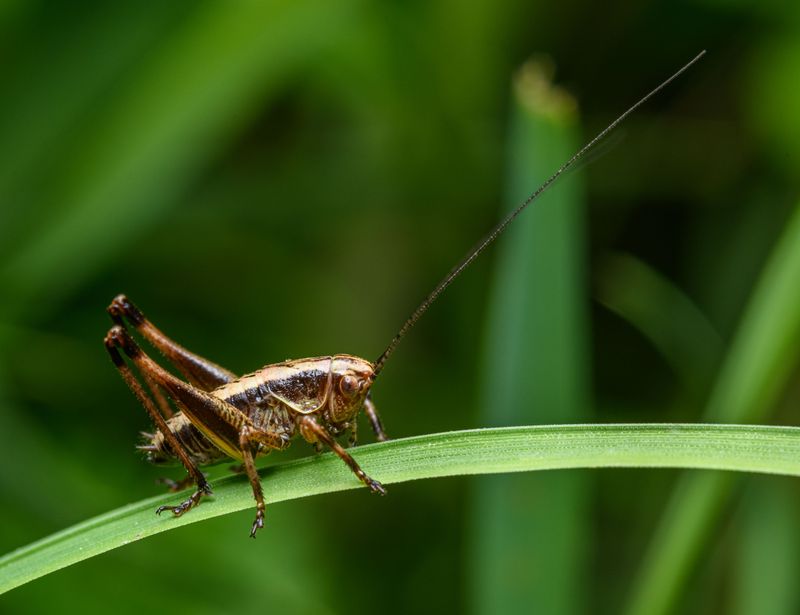
You might not see a cricket right away, but your home will tell you they are there. Chirping at night is the most obvious clue, especially if the sound echoes from below floor level.
Chewed fabric is another red flag most people overlook at first. Small irregular holes in clothing, curtains, or stored blankets often point to cricket activity nearby.
Cricket droppings look like tiny dark pellets and tend to cluster near baseboards. Finding these near a wall crack or drain means crickets are using that spot as a regular hangout.
A musty or earthy smell in your basement can sometimes be linked to a large cricket population. Their shed exoskeletons and droppings build up over time and create a faint odor.
Camel crickets are especially unsettling because their unpredictable jumping can catch people off guard. Their jumping patterns knock over lightweight items and leave smudge marks on walls when they land repeatedly in the same spot.
Check under cardboard boxes, behind water heaters, and near sump pumps. Crickets love those dark, slightly warm, often-ignored corners of your home.
Catching the problem early saves you a lot of frustration later. The faster you confirm crickets are present, the sooner you can take steps to reclaim your space from these unwelcome guests.
Common Entry Points Around Your Foundation
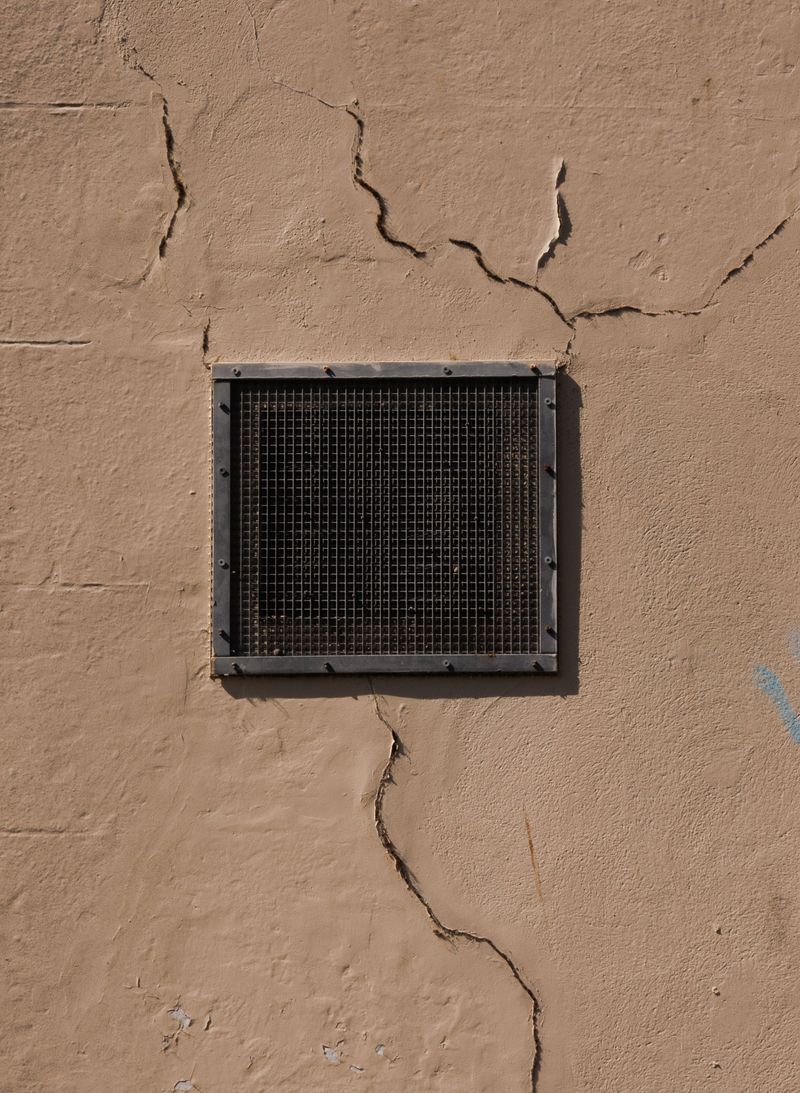
Crickets do not need a wide-open door to get inside your home. Even a very thin gap is often enough for most species to squeeze through.
Foundation cracks are the most common entry point homeowners miss during seasonal checks. These cracks develop naturally as soil shifts and concrete expands and contracts with temperature changes.
Gaps around basement windows are another favorite cricket highway. The seal between the window frame and the foundation often degrades over time, leaving an easy entry point for insects.
Utility penetrations, such as where pipes or cables enter your home, are frequently overlooked. Installers rarely seal these openings perfectly, and the gaps left behind are obvious to any searching cricket.
Crawl space vents without proper screens are basically open invitations. Crickets can walk right through an unscreened vent and set up camp in your insulation or subfloor.
Door sweeps that are worn, cracked, or missing entirely leave a gap at the base of your entry doors. Crickets can flatten themselves slightly and slip through these gaps with ease.
Illinois homes are seeing something new crawl in as temperatures drop, and most of those entry points are hiding in plain sight. A slow walk around your foundation with a flashlight can reveal more than you expect.
Sealing Cracks And Cutting Off Their Path Inside
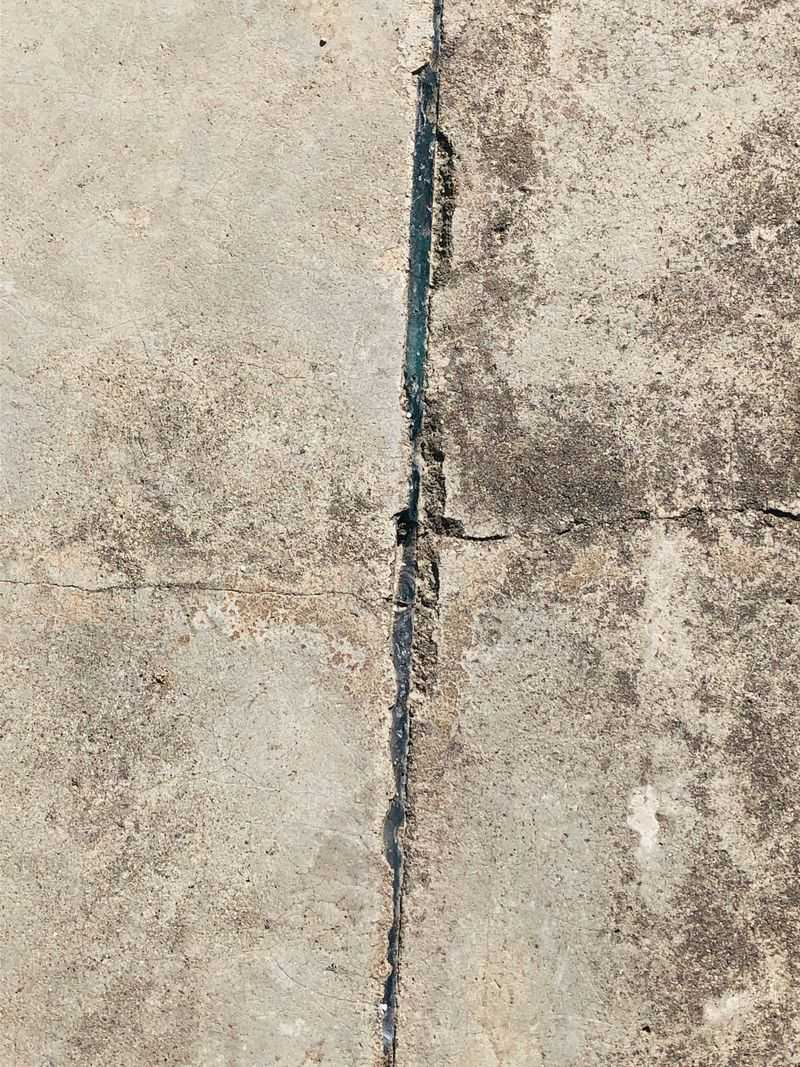
Grab a tube of silicone caulk and you already have one of the best cricket-prevention tools available. Sealing cracks around your foundation, windows, and pipes takes less than an afternoon and makes a huge difference.
Start with the basement windows. Run a bead of caulk along every joint where the frame meets the concrete, and replace any crumbling weatherstripping you find.
Foam sealant works well for larger gaps around utility pipes and conduit. It expands to fill irregular shapes and dries hard, creating a barrier that crickets cannot chew through easily.
Door sweeps are cheap and install in minutes. A fresh rubber sweep on your garage door and exterior entry doors blocks one of the most common cricket highways into your home.
Check your crawl space vents and replace any damaged screens with fine mesh hardware cloth. Standard insect screen mesh works, but hardware cloth holds up longer against repeated pest pressure.
Removing leaf piles and woodpiles from close to your foundation also helps. Crickets use that organic debris as a staging area before making their move toward your warm walls.
Sealing your home is not just about keeping crickets out this season. Every gap you close makes your home more energy-efficient and more resistant to other pests waiting for their own chance to sneak inside.
When To Call In Pest Control Help
Sometimes a caulk gun and a door sweep are not enough. When crickets are appearing daily, in large numbers, or in multiple rooms, it is time to bring in a professional.
Pest control technicians can identify the exact species invading your home. This matters because camel crickets and house crickets respond differently to treatments and baits.
A licensed pest pro will also locate entry points you likely missed. They have tools and training to spot gaps inside wall voids, under insulation, and behind finished basement walls.
Exterior perimeter treatments create a chemical barrier that crickets cross at their own risk. These treatments are typically applied around the foundation and are safe for pets and children once dry.
Indoor sticky traps placed near baseboards can help gauge the severity of the problem. Pest professionals use trap counts to measure activity levels and decide on the right treatment plan.
Ongoing quarterly pest control plans are worth considering if your home has a history of seasonal invasions. Prevention is always cheaper than a full-scale treatment after an infestation takes hold.
As temperatures drop, pest control professionals across the state typically see a busier stretch of cricket-related calls each fall. Calling early means faster relief and fewer sleepless nights listening to that persistent chirp.
Natural Remedies And Long-Term Prevention Tips
Not everyone wants to reach for chemicals right away, and that is a fair choice. Several natural methods work well for reducing cricket populations inside your home without strong pesticides.
Diatomaceous earth is a powdery substance made from fossilized algae, and it is lethal to crickets. Sprinkle it along baseboards, under appliances, and near any known entry points for steady results.
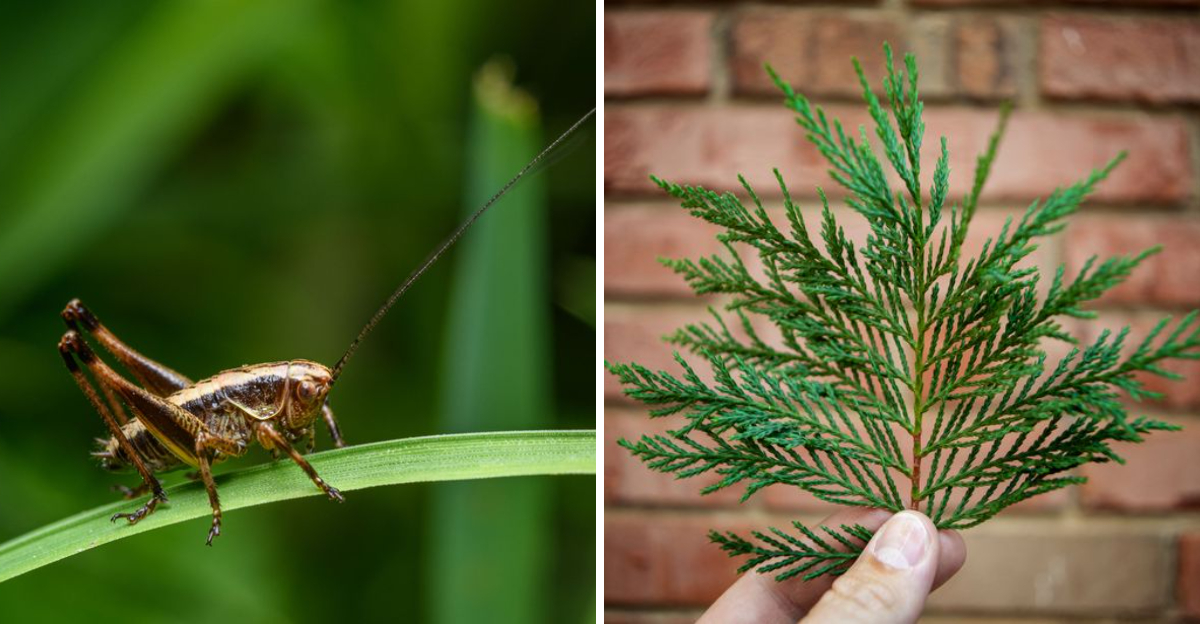
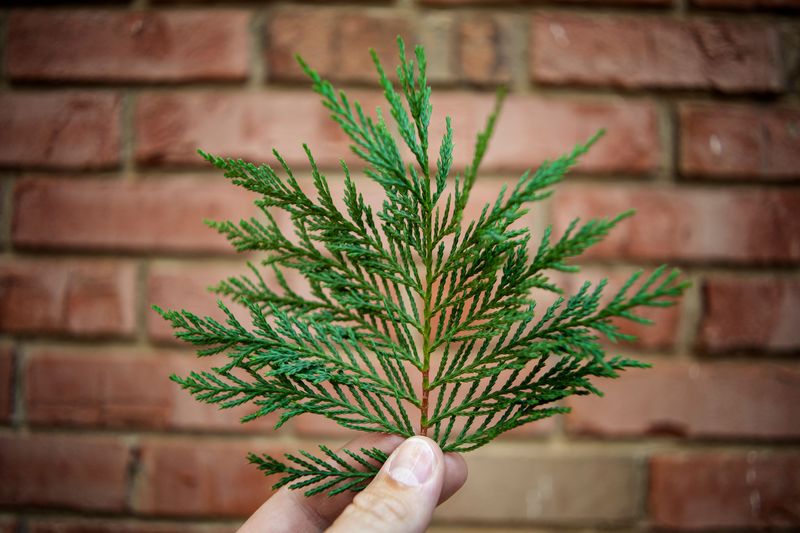
Cedar repels many insects naturally, including crickets. Cedar blocks or cedar oil spray placed in closets, basements, and storage areas can discourage crickets from settling into those spaces.
Essential oils like peppermint and clove have shown some effectiveness as cricket deterrents. Mix a few drops with water in a spray bottle and apply it along baseboards and window sills.
Reducing indoor humidity is one of the most powerful long-term strategies available. Run a dehumidifier in your basement and fix any leaky pipes to make your home less hospitable to moisture-loving crickets.
Outdoor lighting also plays a role in cricket attraction. Switching porch lights to yellow or amber bulbs reduces the number of insects drawn to your home’s exterior at night.
Long-term prevention is about making your home less appealing on every level. When you remove the warmth, moisture, and entry points that crickets rely on, your home stops being the destination they are looking for this season.