10 Illinois Plants That Laugh At Summer Heat And Barely Need Watering
Illinois summers show no mercy.
Weeks of blazing heat stack up, rain becomes a distant memory, and most garden plants begin their slow, dramatic surrender.
The air hangs heavy, the soil bakes dry, and the season tests everything growing in it. But not every plant flinches. Some plants were shaped by these exact conditions.
Long before garden hoses and irrigation systems, native Illinois plants were quietly thriving through the worst of it, drawing on deep roots and centuries of adaptation. They do not need coaxing.
They do not need rescuing. They simply grow, bloom, and hold their ground while everything around them struggles.
These resilient natives bring real beauty to summer gardens without demanding much in return. If you want a yard that survives the heat and still puts on a show, these tough, sun-loving plants are the place to start.
1. Black-Eyed Susan
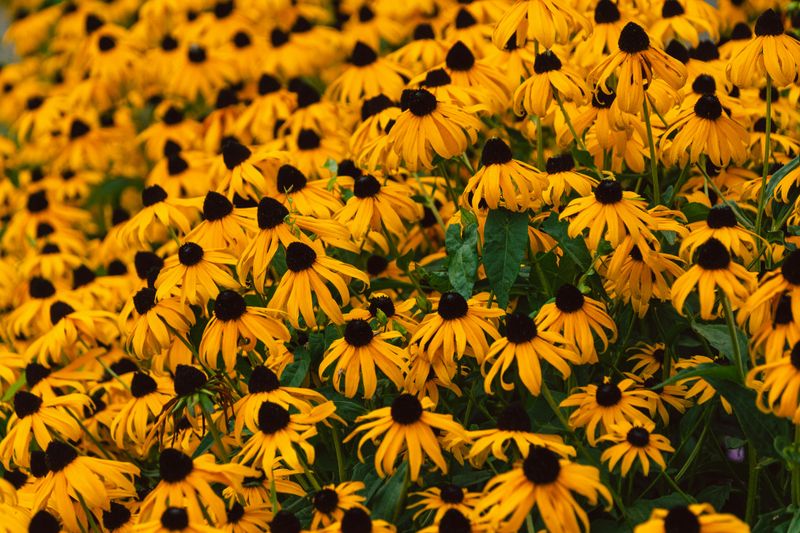
Sunny, bold, and completely unbothered by drought, black-eyed Susan is the plant that makes your garden look like it took effort when it really did not.
Native to Illinois prairies, this cheerful wildflower pushes out golden-yellow blooms with dark chocolate centers from June all the way into September.
Pollinators go absolutely wild for it.
Bees, butterflies, and goldfinches treat it like an all-you-can-eat buffet from midsummer through fall.
Plant it in full sun and it needs very little attention after that.
Seriously, overwatering is the one thing that can actually bother this plant.
It prefers lean, well-drained soil and handles clay like a champ, which makes it perfect for the unpredictable ground you find across much of the Midwest.
Black-eyed Susan spreads gently over time, filling in bare spots without becoming invasive or pushy.
It grows about two to three feet tall, making it a solid mid-border choice that pairs beautifully with grasses and coneflowers.
OOnce established, it tends to manage well on rainfall alone through most of the summer.
If you want one plant that delivers maximum color for minimum effort, this golden powerhouse belongs in your yard right now.
2. Purple Coneflower
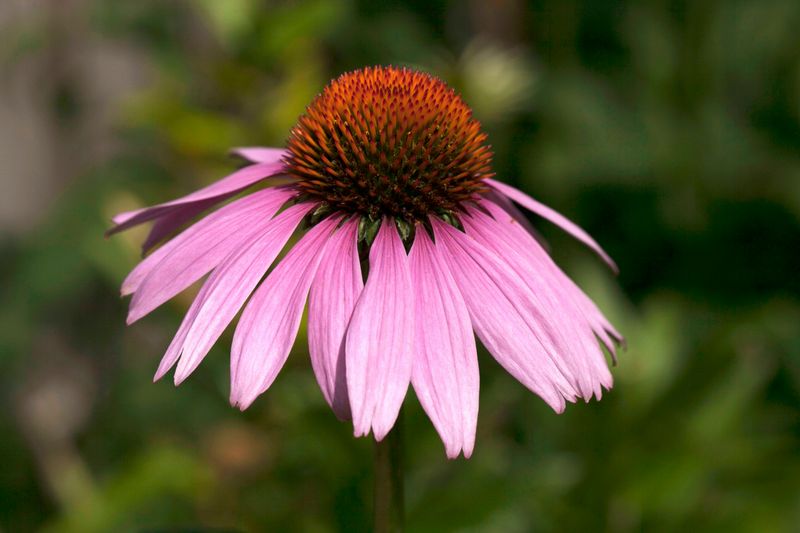
Purple Coneflower is the rock star of the native plant world.
Echinacea purpurea has been growing wild across Illinois for thousands of years, and it has zero intention of asking you for extra water.
Those rosy-purple petals sweep back from a spiky copper cone in a way that looks almost sculptural.
Even after the petals drop, the seed heads stand tall through winter, feeding hungry birds when everything else is bare and brown.
Plant it in full sun and average soil, and watch it settle in without complaint.
It blooms from June through August, drawing in monarch butterflies, swallowtails, and bumblebees like a flower magnet.
Heights range from two to five feet depending on the variety, so you have options for front or back borders.
Purple Coneflower spreads slowly by seed and by clumping, giving you more plants over time without any extra work on your part.
It handles heat waves, clay soil, and dry spells with the same easygoing calm.
Your Illinois Garden Changes Every Week. Your Plan Should Too.
Gardening in Illinois changes quickly throughout the season. Every Friday you’ll receive a simple weekly plan showing exactly what to plant, prune, fertilize, harvest, and protect so you never miss the right timing.
Gardeners who plant it once tend to never look back, because this plant simply delivers season after season without drama.
3. Blazing Star
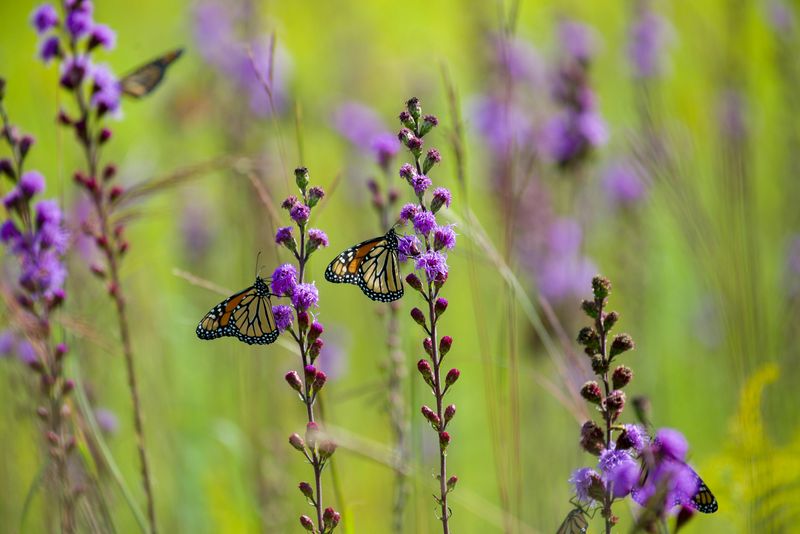
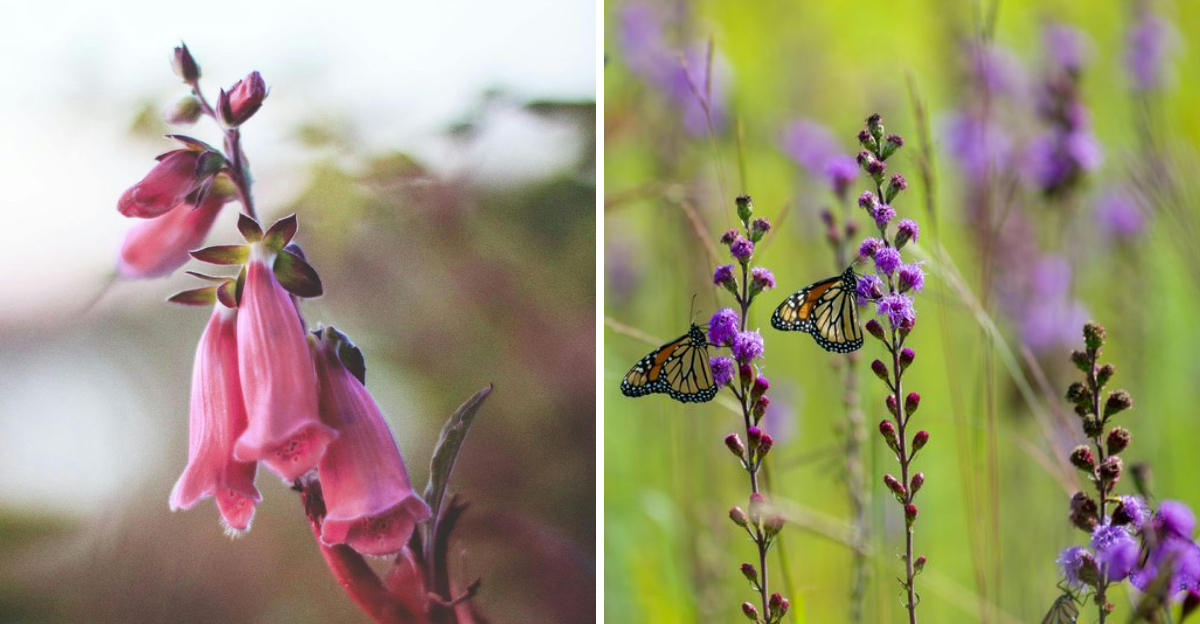
Blazing Star earned its name honestly, shooting up tall purple-magenta spikes that look like fireworks frozen mid-burst.
Also called Liatris, this native prairie plant blooms from the top of the spike downward, which is the opposite of most flowers and makes it genuinely fascinating to watch.
Hummingbirds and monarch butterflies treat those spikes like a pit stop on a long road trip.
It blooms in mid to late summer, right when many other plants are waving a white flag at the heat.
Growing from a corm underground, Blazing Star stores energy through dry spells and bounces back without missing a beat.
Full sun and well-drained soil are all it asks for, and it actually performs better in poor soil than in rich, heavily amended beds.
Expect plants to reach two to four feet, creating dramatic vertical interest that flat-growing plants simply cannot match.
Cut the spent spikes in fall or leave them standing for the birds.
Finches, especially goldfinches, pick those seed heads clean through the colder months.
If your summer garden has been looking flat and uninspired, a row of Blazing Star will change that conversation fast.
4. Little Bluestem Grass
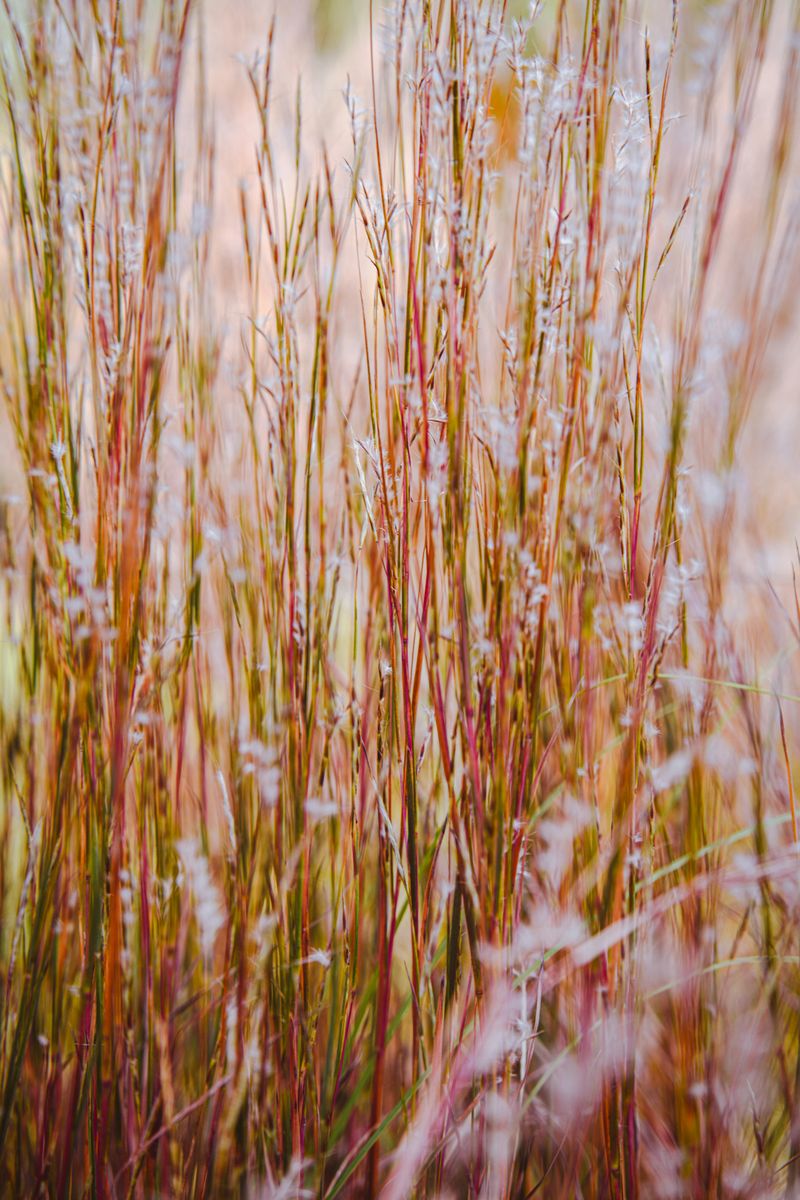
While most ornamental grasses turn soggy and sad by August, Little Bluestem just gets better.
This native prairie grass starts the season blue-green.
By fall, it transforms into a fiery copper-orange, giving you two completely different looks from one plant.
It is one of the most drought-tolerant plants you can grow anywhere in the Midwest, full stop.
Deep fibrous roots anchor it into the soil and pull moisture from levels shallow-rooted plants cannot reach.
Established clumps need no supplemental watering once they are settled in, which usually takes just one season.
Little Bluestem grows two to four feet tall and stays in a tidy clump, so it works in formal borders as well as naturalized areas.
Birds nest in dense plantings, and the fluffy silver seed heads catch morning light in a way that feels almost magical.
It thrives in poor, dry, sandy, or rocky soil where other plants sulk and struggle.
Pair it with black-eyed Susan or Blazing Star for a prairie-inspired combination that practically takes care of itself.
This grass proves that low maintenance and high beauty are not mutually exclusive goals.
5. Prairie Dropseed
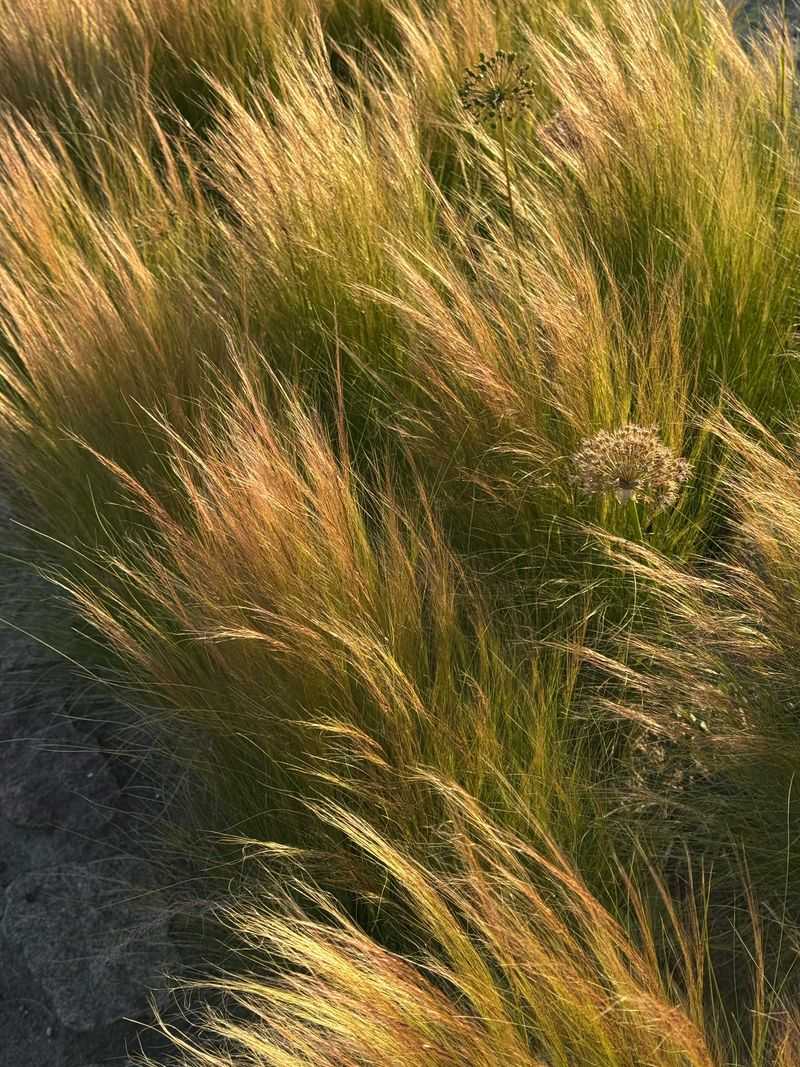
Garden designers quietly use Prairie Dropseed everywhere, and it shows.
Sporobolus heterolepis forms a perfect arching mound of hair-thin, bright green foliage that moves with every breeze like a living fountain.
In late summer it sends up airy seed heads with a surprisingly sweet, almost coriander-like fragrance that catches people off guard in the best way.
Native to Illinois prairies, this grass evolved to handle baking heat and months without rain without breaking a sweat.
Once established, it is essentially indestructible under normal Midwestern conditions.
It grows slowly at first, spending its energy building those deep roots, but by year three it is fully independent and stunning.
Prairie Dropseed reaches about two feet tall and wide, making it a graceful edging plant or ground cover alternative.
It does not spread aggressively, so you keep full control over where it grows.
Full sun and well-drained soil suit it best, though it tolerates light shade without completely losing its shape.
Gardeners who discover this grass tend to start planting it everywhere, and honestly, that instinct is completely justified.
6. Aromatic Aster
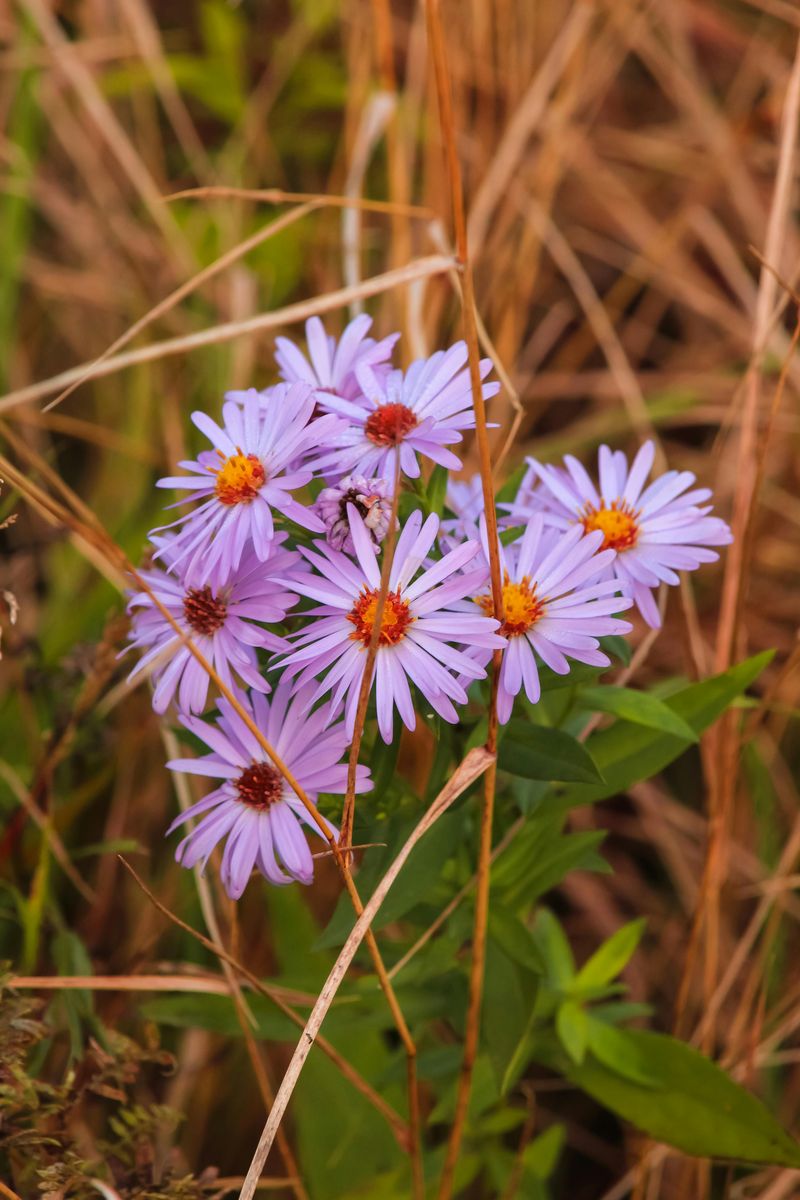
Aromatic Aster saves its best performance for last.
This late-blooming native opens hundreds of small violet-purple flowers in September and October.
Fall gardens have rarely looked this spectacular.
Crush a leaf between your fingers and you get a pleasant, resinous scent that explains exactly how this plant got its name.
Aromatic Aster is incredibly tough, handling drought, heat, and poor soil without complaint.
It forms a dense, shrubby mound that can reach three feet tall and wide, creating great structure in mixed borders.
Pollinators in the fall, especially late-season bees and butterflies, depend on plants like this when food sources are getting scarce.
Monarch butterflies fueling up for migration stop at Aromatic Aster almost every year, which makes it a genuinely meaningful plant to grow.
Plant it in full sun and forget to water it regularly, because this plant genuinely prefers it that way.
It handles clay soil and dry hillsides without any of the fussiness you see in non-native asters.
For a plant that asks for almost nothing and gives you a spectacular fall finale, Aromatic Aster is hard to top.
7. Pale Purple Coneflower
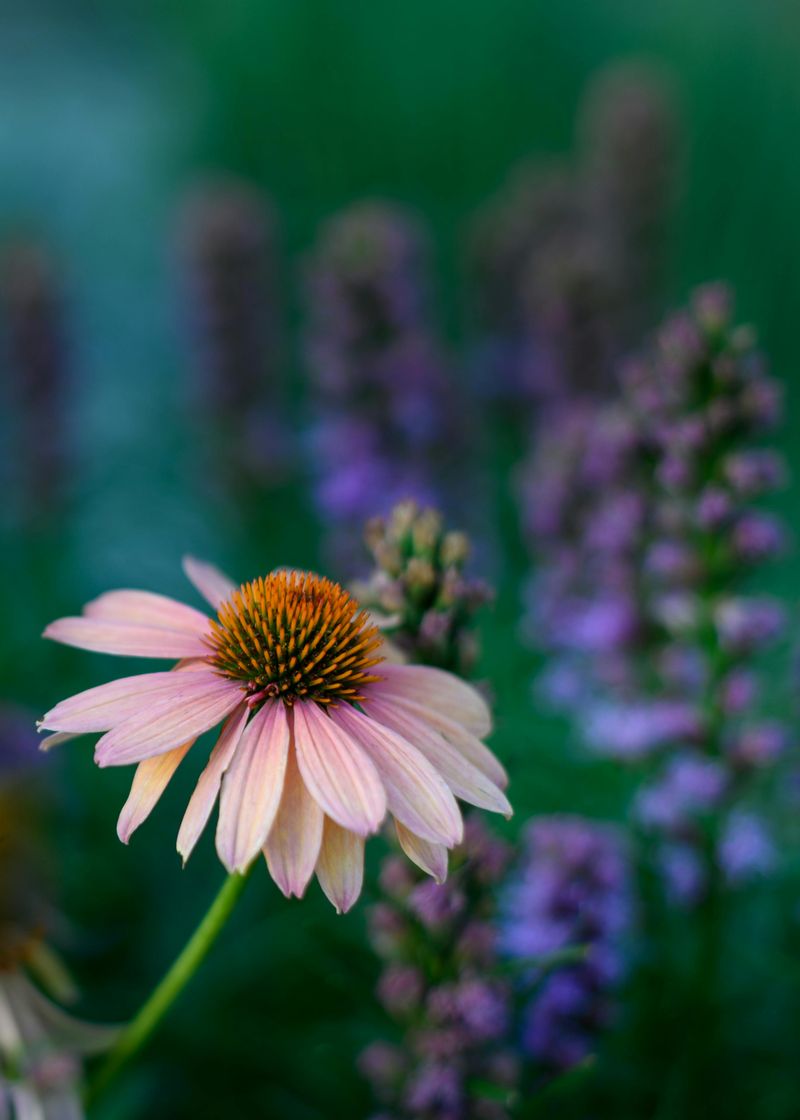
Echinacea pallida makes the classic coneflower look like it played it safe.
Longer, drooping petals set it apart from standard purple Coneflower and give it a genuinely wild, prairie feel.
Colors range from pale lavender to soft pink, and the tall dark cones add serious architectural presence to any planting.
This species is native specifically to dry prairies and open woodlands, meaning it was built for exactly the kind of hot, dry summers that Illinois throws at gardeners.
It grows three to four feet tall on sturdy stems that rarely need staking, even in wind.
Blooming from May into July, it fills the early summer gap before many other prairie plants hit their stride.
Bees and butterflies flock to the blooms, and birds clean out the seed heads in winter.
Lean, well-drained soil is the key to success here, since rich amended beds can actually make it floppy and short-lived.
Think of it as the quiet, elegant sibling in the coneflower family, one that does not need as much attention but rewards you just as generously.
8. Ohio Spiderwort
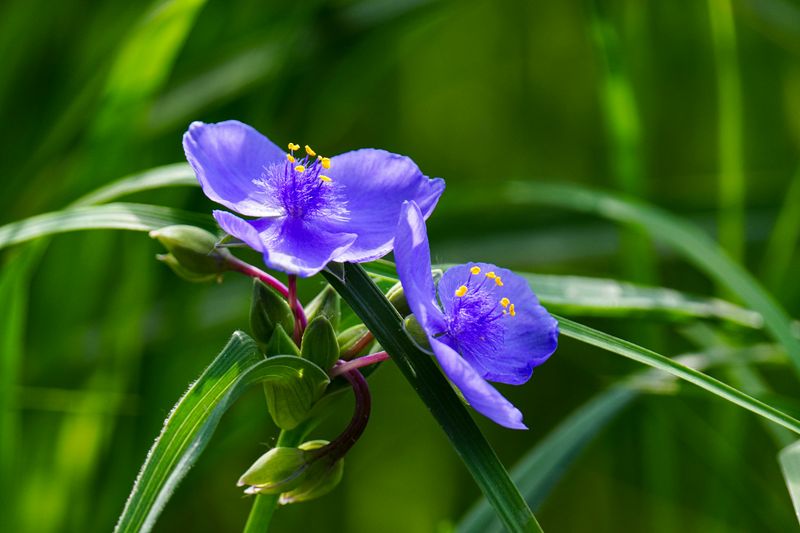
Forget the name. One look at Ohio Spiderwort’s jewel-toned blooms and you are hooked.
Tradescantia ohiensis opens clusters of vivid blue-purple three-petaled flowers each morning and closes them by afternoon.
Every bloom feels brief, precious, and worth catching.
Native across Illinois, it grows in prairies, roadsides, and open woods, which tells you exactly how adaptable it is.
Once established, Ohio Spiderwort handles dry spells without flinching, though it does appreciate some moisture in spring when it is getting going.
It blooms from May through July, then often goes dormant in the heat, cutting back on its own and re-emerging fresh in cooler weather.
Heights reach two to three feet, and plants spread by self-seeding into friendly drifts over time.
The strap-like foliage is attractive even when flowers are absent, adding a grassy texture to borders.
Grow it in full sun to part shade, and it will adapt without complaint either way.
For a plant with genuine personality and zero-drama care requirements, Ohio Spiderwort deserves far more attention than it typically gets.
9. Sky Blue Aster
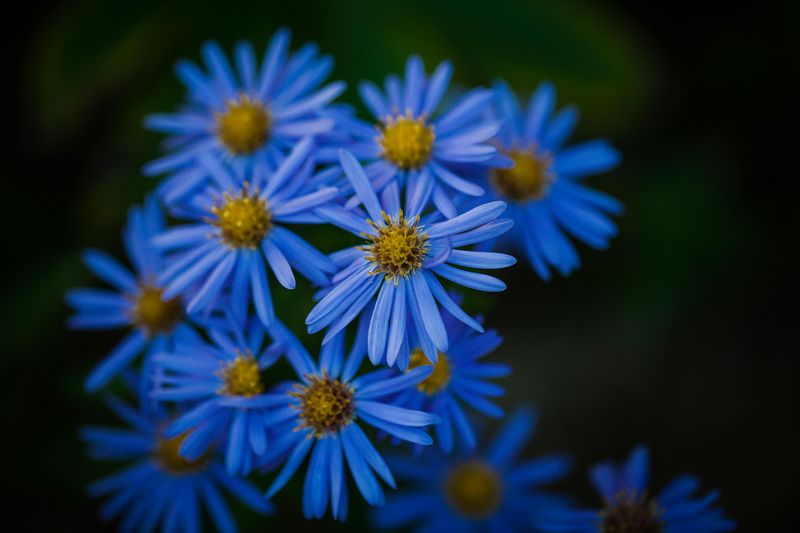
Sky Blue Aster in full bloom looks like someone scattered tiny blue stars across a green shrub.
It is native to dry prairies and open savannas across the Midwest, making it one of the best-adapted plants you can choose for a low-water Illinois garden.
The pale sky-blue flowers with yellow centers bloom from August through October, arriving just when the garden needs a second act.
Unlike many asters that flop or spread aggressively, Sky Blue Aster stays relatively compact and upright, reaching two to three feet tall with a tidy habit.
Rough, slightly sandpaper-textured leaves give it a distinctive look even before it blooms.
Full sun and dry to medium soil bring out the best performance, and it handles clay or sandy ground with equal ease.
Late-season pollinators, including native bees and migrating butterflies, count on these blooms as a critical food source in fall.
It spreads slowly by rhizomes, gradually filling in a space without taking over.
For Illinois plants that laugh at summer heat and barely need watering, Sky Blue Aster stands out as one of the most reliable choices in the entire list.
10. Foxglove Beardtongue
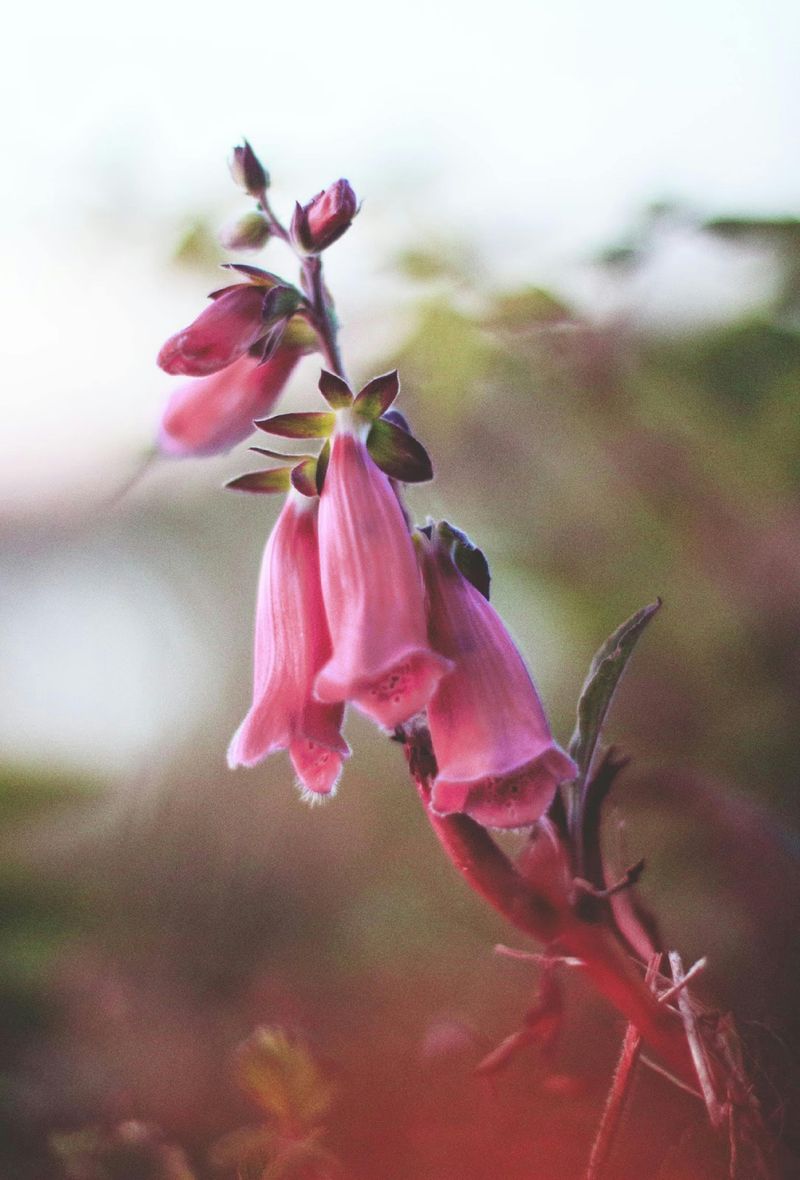
Penstemon digitalis sounds like a spell. In the garden, it almost acts like one.
Foxglove Beardtongue opens tall, elegant stalks of white tubular flowers with faint purple veining inside.
It does this in May and June, well ahead of most prairie plants.
Hummingbirds are absolutely obsessed with those tubular blooms, hovering at each flower with the focused intensity of a tiny jeweled helicopter.
Native to open woods and prairies across the state, this plant evolved to handle dry summers and thin soils without any outside help.
It grows two to five feet tall, creating beautiful vertical structure that early summer borders desperately need.
After blooming, the attractive seed heads and sometimes-reddish foliage keep the plant looking purposeful rather than spent.
Plant it in full sun to light shade in well-drained soil, and it will establish quickly and ask for almost nothing after that.
It pairs wonderfully with Blue Wild Indigo or Prairie Dropseed for a layered, naturalistic look.
Elegant, early, and unbothered by heat, Foxglove Beardtongue is the native garden anchor you did not know you were missing.