7 Important Things You Need To Know Before Xeriscaping Your Yard In Arizona
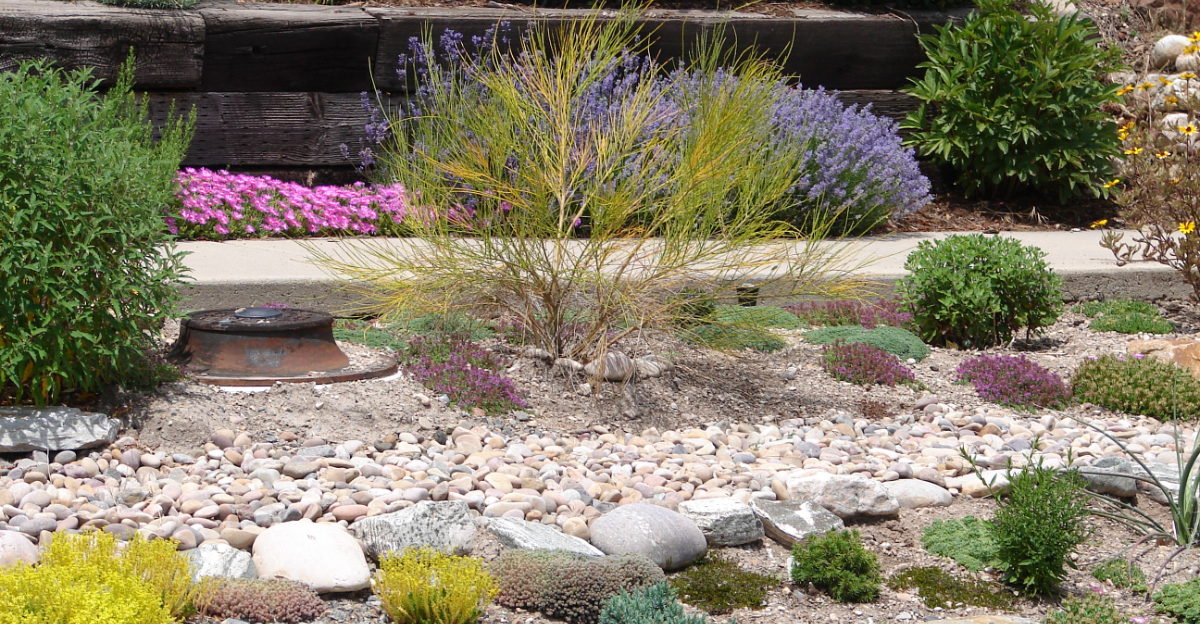
Xeriscaping sounds simple on paper, especially in a place as dry as Arizona, but it takes more planning than most people expect. Swapping grass for gravel and drought-tolerant plants is only part of the picture.
Soil conditions, drainage, sun exposure, and long-term water use all play a role in whether a yard thrives or struggles. Arizona’s intense heat and alkaline soil can quickly expose poor plant choices or irrigation mistakes.
A well-designed xeriscape should look intentional, balanced, and alive, not sparse or neglected.
The goal isn’t just to save water, but to build a landscape that holds up through scorching summers and still looks good year-round.
Before removing that lawn or buying desert plants, there are a few important things worth understanding first.
1. Choose Drought-Tolerant Plants That Thrive In Arizona Heat
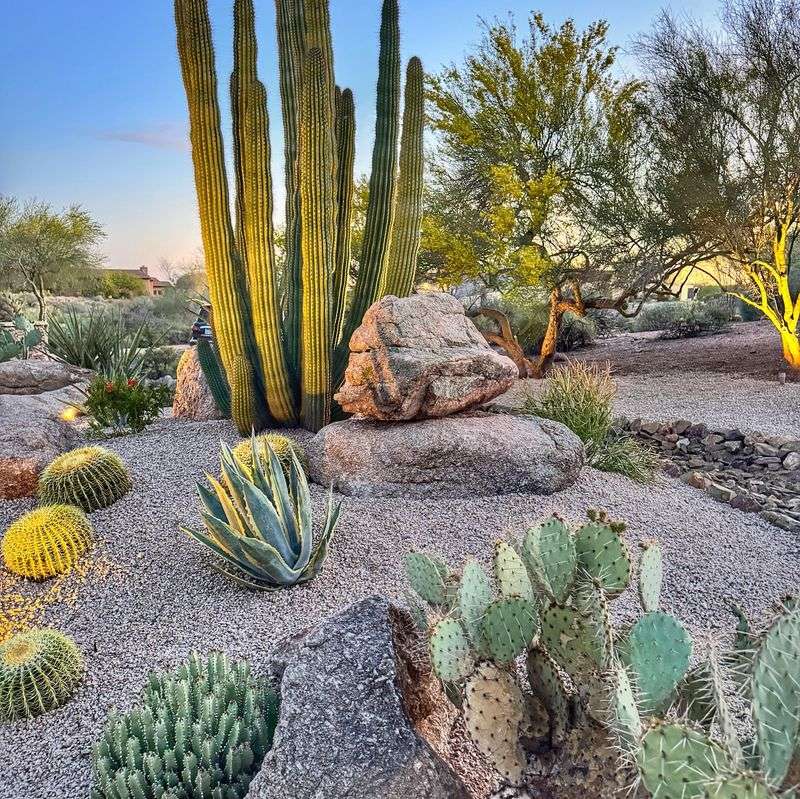
Your plant selection makes or breaks a xeriscape project in Arizona. Native species have spent thousands of years adapting to scorching summers and unpredictable rainfall patterns, which means they already know how to survive here.
Palo verde trees, mesquite, and desert willow provide shade without demanding constant irrigation.
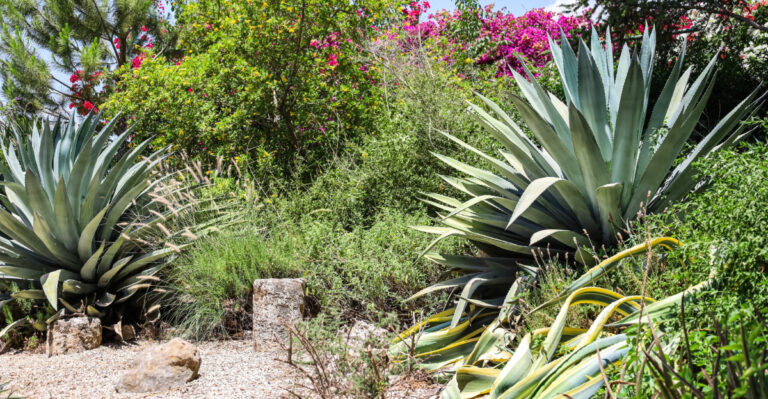
Succulents like agave and aloe store water in their thick leaves, making them perfect for Arizona conditions. Red yucca produces stunning flower spikes while needing almost zero maintenance once established.
Brittlebush adds bright yellow blooms in spring and handles full sun without complaint.
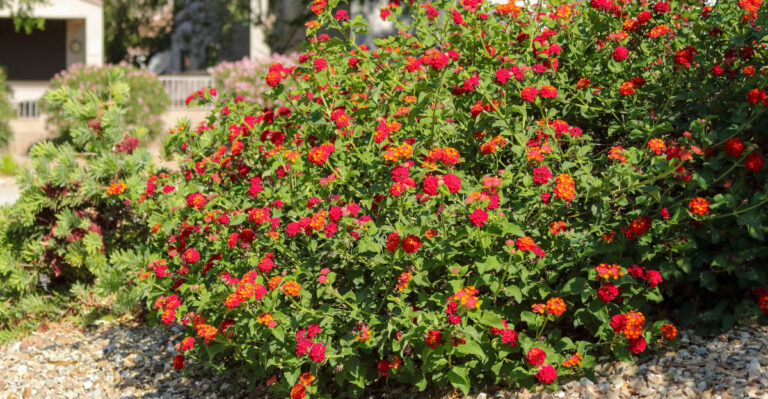
Ground covers such as trailing lantana and desert marigold spread naturally and require far less water than grass. These plants actually look better in Arizona heat rather than struggling against it.
Penstemon varieties offer colorful flowers that hummingbirds love while tolerating drought beautifully.
Avoid plants that need regular watering or come from humid climates. Roses, ferns, and tropical plants will constantly battle Arizona conditions and rack up your water bill.
Stick with species that naturally occur in similar desert environments across the Southwest.
Visit local nurseries specializing in native plants rather than big box stores. Staff at these specialty shops understand which varieties perform best in your specific Arizona zip code.
Phoenix plants might struggle in Flagstaff due to elevation and temperature differences, so local expertise matters tremendously when selecting the right species for your xeriscape garden.
Soil preparation also plays a role in plant success, even with tough desert natives. In much of Arizona, fast-draining soil is essential, so avoid over-amending with rich compost that can hold excess moisture around roots.
Finally, group plants with similar water needs together so irrigation can be adjusted efficiently.
This hydrozoning approach prevents overwatering drought-tolerant species while still supporting any plants that require slightly more moisture during establishment.
2. Group Plants By Water Needs To Save Every Drop
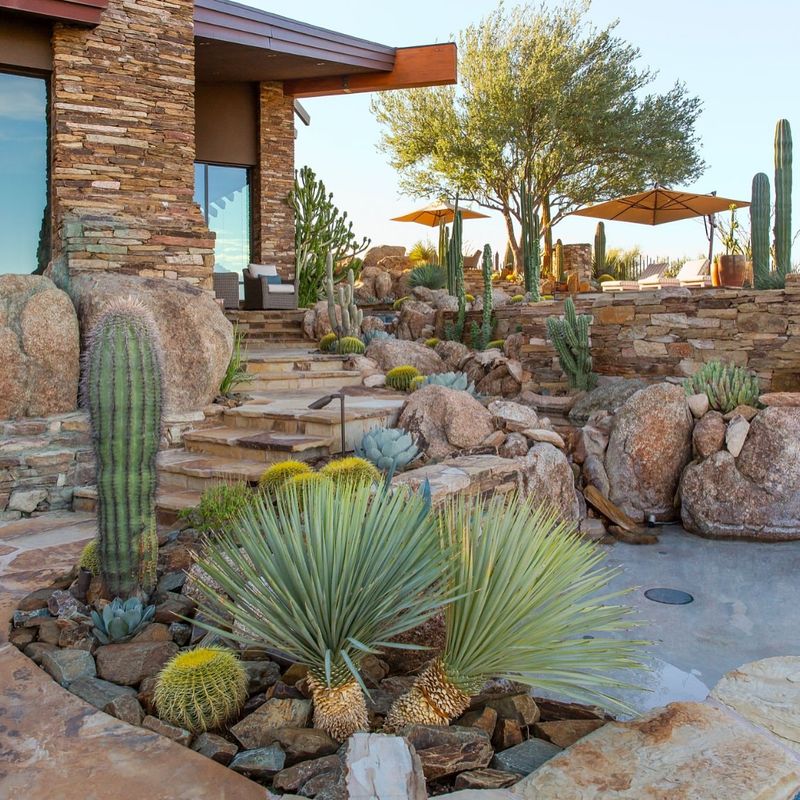
Smart gardeners in Arizona organize plants into hydrozones based on their watering requirements. This strategy prevents overwatering drought-tolerant species while ensuring thirstier plants get adequate moisture.
Grouping by water needs creates efficiency that traditional landscapes never achieve.
Place plants requiring occasional watering closest to your house where irrigation access is easiest. This zone might include small vegetable gardens, herb planters, or a few flowering shrubs that need summer drinks.
Keeping them near outdoor faucets makes maintenance simple and reduces pipe runs for drip systems.
Moderate-water plants form your middle zone, requiring irrigation every week or two during hot months. Desert spoon, fairy duster, and Texas ranger fit perfectly here.
These species bridge the gap between your higher-maintenance areas and the truly drought-adapted outer zones.
Your outermost areas should feature plants that survive on rainfall alone after their first year. Prickly pear, barrel cactus, and creosote bush thrive with zero supplemental water once established.
This zone dramatically cuts your overall water consumption while still looking intentional and beautiful.
Mark your zones clearly during installation so future maintenance stays organized. Color-coded stakes or a simple map prevent accidental overwatering of drought-adapted areas.
This organization becomes especially important if you hire landscape help or need to explain your system to family members.
Proper hydrozoning in Arizona yards can reduce outdoor water use by sixty percent compared to traditional landscapes while keeping plants healthier and more attractive throughout the year.
Hydrozoning also protects plant roots from stress caused by inconsistent moisture levels. In hot regions of Arizona, frequent shallow watering in the wrong zone can lead to weak root systems and increased salt buildup in the soil.
As plants mature, reassess each zone and reduce irrigation gradually for desert-adapted species. Many native plants need regular water only during their first growing season, and scaling back after establishment strengthens their natural drought tolerance.
3. Set Up Efficient Irrigation For Desert Conditions
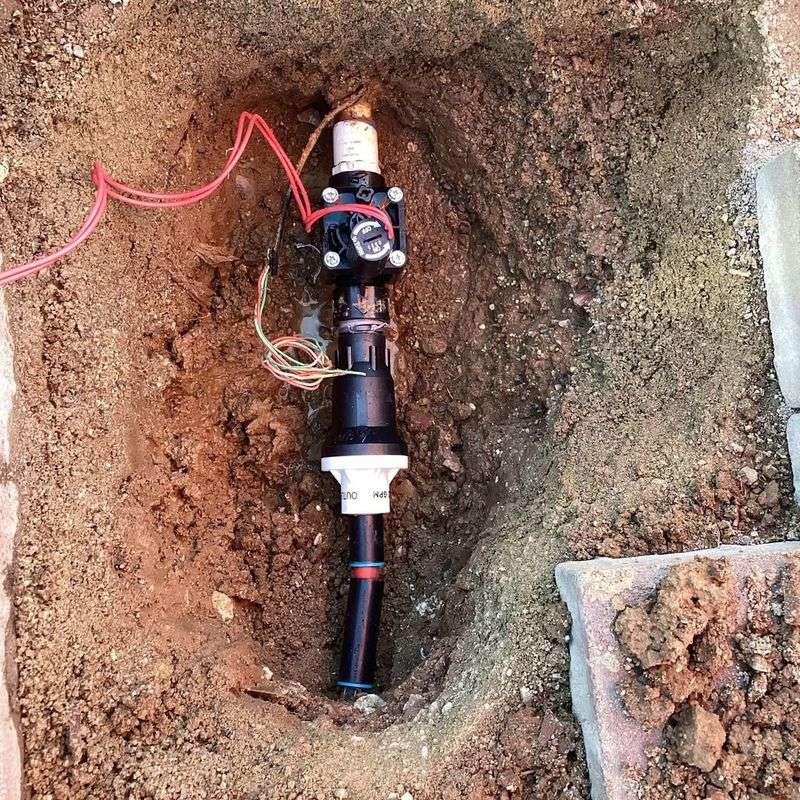
Drip irrigation transforms water delivery in Arizona xeriscapes by targeting plant roots directly. Sprinklers waste water through evaporation and overspray, especially problematic in our low-humidity climate.
Drip systems deliver moisture exactly where plants need it without wetting sidewalks, driveways, or areas with no vegetation.
Install emitters at each plant’s root zone rather than running water across entire beds. Adjustable emitters let you customize flow rates for different plant types within the same irrigation line.
Cacti might need one gallon per hour while shrubs require two or three gallons during the same watering cycle.
Timers with multiple programs allow different zones to water on separate schedules. Your high-water zone near the house might run three times weekly while outer zones operate once every two weeks.
Smart controllers adjust automatically based on weather data, skipping irrigation after rainfall or during cooler periods.
Bury irrigation lines under two inches of mulch to protect them from Arizona sun exposure. UV rays degrade plastic tubing quickly when left on the surface, leading to cracks and leaks.
Proper burial also prevents tripping hazards and keeps your landscape looking clean.
Check your system monthly for clogged emitters or damaged lines. Arizona’s hard water causes mineral buildup that blocks small openings in drip equipment.
Flush lines periodically and replace worn components before small problems become expensive water waste.
Efficient irrigation in Arizona xeriscapes uses seventy percent less water than traditional sprinkler systems while keeping plants healthier through targeted delivery.
4. Work With Hills And Hardscapes To Control Runoff
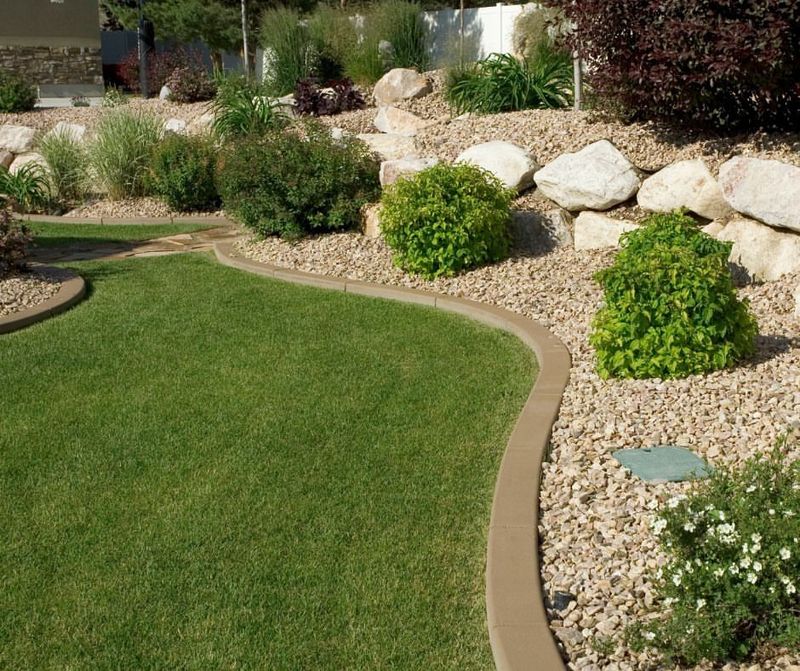
Arizona terrain rarely sits perfectly flat, and working with natural slopes prevents erosion while capturing precious rainfall. Berms and swales redirect water toward plant roots instead of letting it rush down driveways into storm drains.
This technique turns your landscape into a water-harvesting system that benefits during monsoon season.
Build low earthen berms on the downhill side of trees and shrubs to create basins that catch runoff. Water pools briefly in these depressions, soaking deep into soil rather than running off your property.
Plants get free irrigation during summer storms without any effort on your part.
Hardscaping elements like flagstone paths and rock borders serve functional purposes beyond aesthetics. Strategically placed boulders slow water movement on slopes, reducing erosion and giving moisture time to penetrate soil.
Decomposed granite pathways allow water infiltration while providing attractive walking surfaces.
Terracing steep slopes with stacked stone or timber creates level planting areas that hold soil and water effectively. Each terrace becomes a mini-ecosystem where plants establish more easily than on bare slopes.
This approach works particularly well in foothills areas around Phoenix, Tucson, and Prescott.
Avoid concrete or solid paving across large areas, as these surfaces increase runoff and waste the water your plants desperately need. Permeable materials like crushed rock or pavers with wide joints allow rain to soak through.
Proper grading and hardscape placement in Arizona xeriscapes reduces irrigation needs by capturing natural rainfall while protecting your property from monsoon erosion damage.
5. Reduce Lawn Areas To Conserve Water
Grass lawns consume more water than any other landscape element in Arizona. A typical thousand-square-foot lawn requires roughly fifteen thousand gallons monthly during summer, making it the single biggest drain on household water use.
Cutting back lawn size delivers immediate savings on both water bills and maintenance time.
Keep small functional grass areas where you actually use them for activities. A play space for kids or a pet area near the patio makes sense, but decorative lawn strips along sidewalks serve no real purpose.
Replace these high-maintenance zones with rock mulch, groundcovers, or attractive hardscaping that requires zero irrigation.
Bermuda grass and buffalograss varieties handle Arizona heat better than Kentucky bluegrass or fescue blends. These warm-season grasses naturally go dormant in winter, reducing year-round water demands.
Even so, they still need significantly more water than any xeriscape alternative during active growth periods.
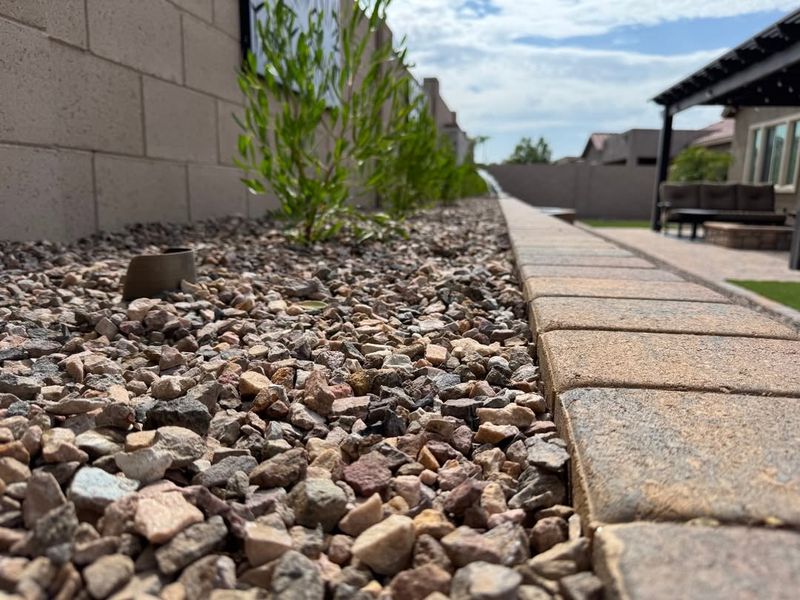
Transition zones between remaining lawn and xeriscape beds need clear definition to prevent grass from invading rock areas. Metal or plastic edging buried four inches deep stops runners from spreading.
This barrier also makes mowing easier by creating a clean line between different landscape zones.
Calculate your potential water savings before starting lawn removal to stay motivated through the project. Most Arizona homeowners reduce outdoor water use by forty to sixty percent after converting grass to xeriscape.
Those savings compound month after month, year after year, making the initial investment worthwhile both financially and environmentally for desert living.
6. Use Smart Water Practices To Protect Plants And Resources
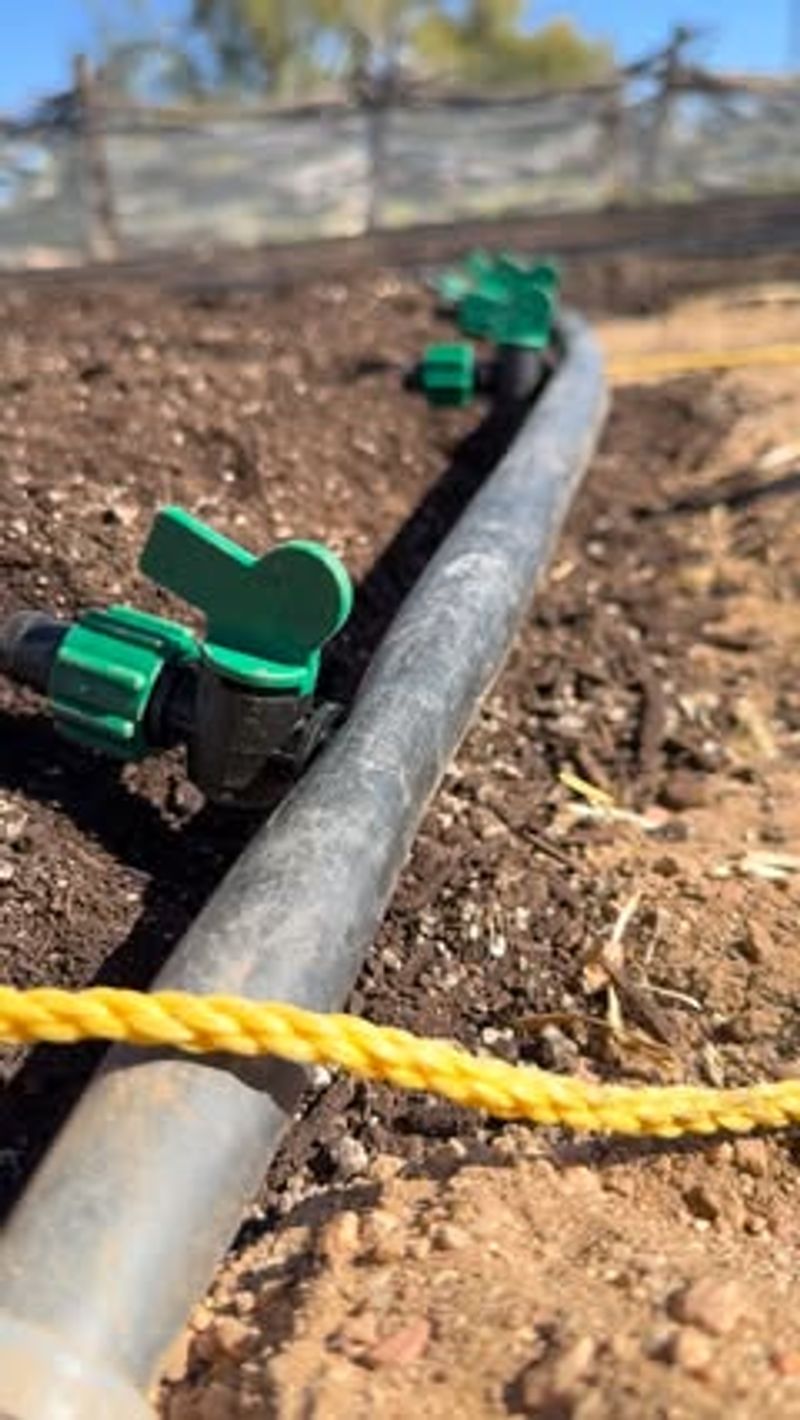
Watering at the right time prevents waste and keeps plants healthier in Arizona conditions. Early morning irrigation between four and seven o’clock allows moisture to soak in before heat causes rapid evaporation.
Evening watering seems logical but leaves plants damp overnight, potentially encouraging fungal problems in humid monsoon months.
Deep, infrequent watering encourages roots to grow downward seeking moisture rather than staying shallow near the surface. Shallow roots make plants vulnerable during hot spells and require more frequent irrigation.
Applying water slowly over longer periods pushes moisture deep into the root zone where it stays available longer.
Adjust watering schedules seasonally rather than running the same program year-round. Plants need far less water during Arizona winters when temperatures drop and growth slows.
Continuing summer watering rates during cooler months wastes water and can actually harm plants through overwatering.
Rain sensors automatically shut off irrigation systems when natural precipitation occurs, preventing unnecessary watering after storms. These inexpensive devices pay for themselves quickly by avoiding wasted water.
Soil moisture sensors take this concept further by measuring actual ground moisture and triggering irrigation only when needed.
Monitor plants for signs of water stress like wilting or leaf drop, but avoid reflexively increasing irrigation at the first hint of drooping.
Many desert plants naturally conserve water during extreme heat by temporarily wilting, then recovering overnight.
Learning to read your specific plants prevents overwatering while ensuring genuinely thirsty specimens get adequate moisture for healthy growth throughout Arizona’s challenging climate conditions.
7. Prepare Soil And Mulch To Retain Moisture
Arizona soil varies dramatically from heavy clay in some areas to sandy compositions that drain too quickly. Testing your existing soil reveals what amendments might improve water retention and plant health.
County extension offices offer inexpensive soil testing that identifies pH levels and nutrient deficiencies specific to your property.
Amending planting holes with compost improves soil structure without completely replacing native dirt. Mix one part compost with two parts existing soil when installing new plants.
This ratio improves drainage in clay soils while helping sandy soils hold moisture longer without creating a texture barrier that roots struggle to cross.
Avoid piling soil or mulch against plant stems and tree trunks, as this moisture trap encourages rot and pest problems. Leave a two-inch gap around the base of each plant where soil and mulch taper away.
This simple practice prevents countless plant health issues in Arizona landscapes.
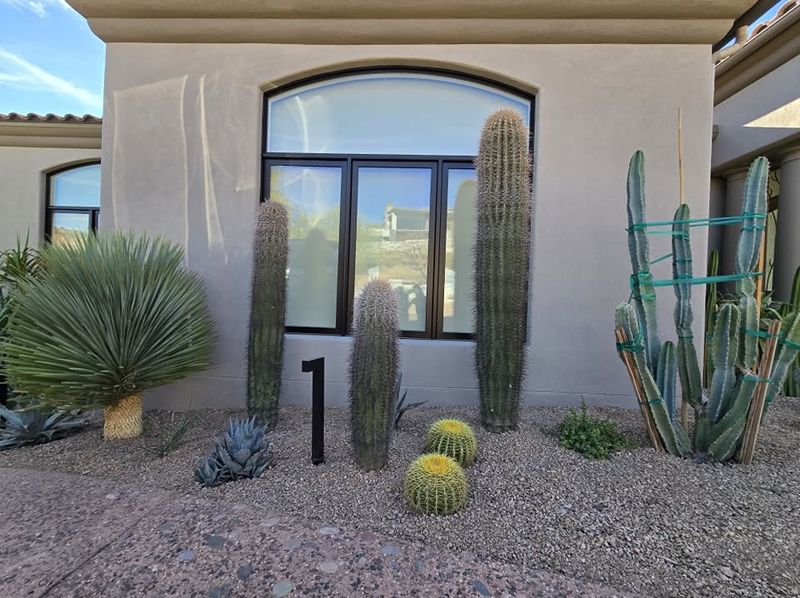
Rock mulch works beautifully in Arizona xeriscapes by reflecting heat and preventing weed growth while allowing air circulation. Apply three inches of decorative rock over landscape fabric for best results.
Granite, river rock, and lava rock all perform well, with color choices affecting heat reflection differently.
Organic mulches like wood chips decompose quickly in Arizona heat and require frequent replacement, though they do improve soil as they break down. Reserve organic mulches for vegetable gardens or annual flower beds where you want soil enrichment.
Rock mulch suits permanent xeriscape installations better by lasting indefinitely without maintenance while providing excellent moisture retention beneath the surface layer throughout Arizona’s demanding climate conditions.