9 Incredible Garlic Uses Michigan Gardeners Can Try This Winter
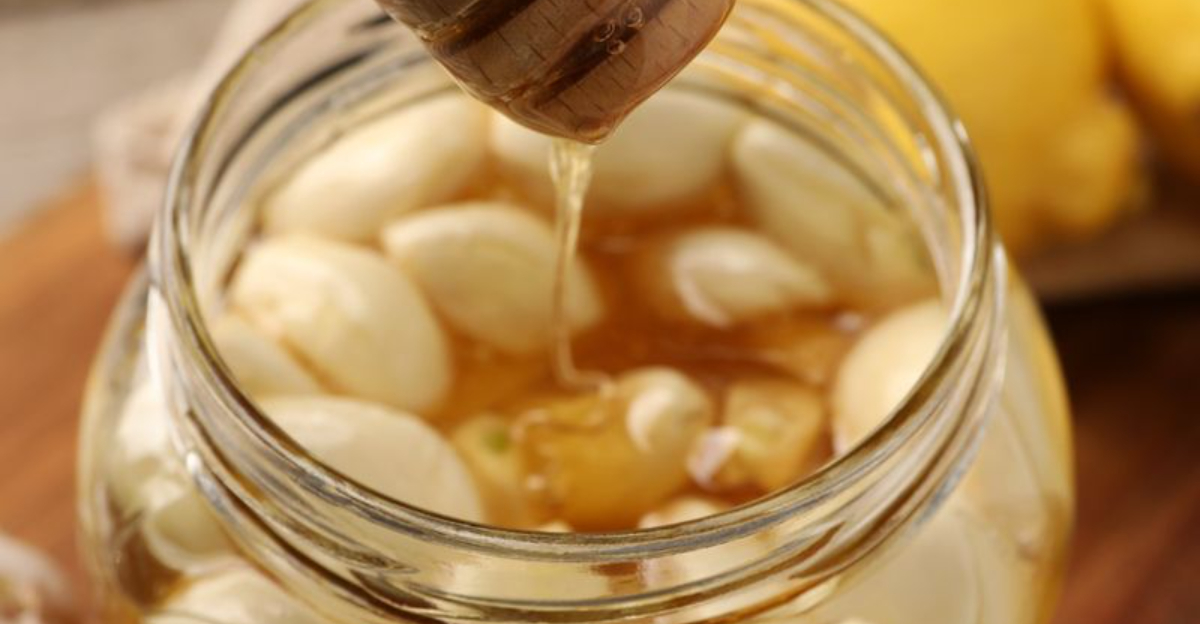
Michigan gardeners don’t let garlic sit idle once it’s harvested.
When winter arrives, this humble bulb becomes a quiet hero, finding uses far beyond the kitchen.
From boosting immunity during cold season to repelling pests and improving soil health, garlic pulls double—and sometimes triple—duty.
Its long shelf life makes it especially valuable when fresh produce is scarce.
Gardeners who grow garlic often discover its versatility by accident, then rely on it year after year.
These winter uses prove that garlic isn’t just a flavor—it’s a tool.
Once you start putting it to work, you’ll see why Michigan gardeners keep it close all winter long.
1. Cold-Weather Kitchen Staple For Winter Cooking

Michigan gardeners who cure their garlic properly in summer reap rewards all winter long.
Hardneck varieties, which thrive in cold climates, store beautifully for months when kept in a cool, dry spot.
Their bold, complex flavor intensifies over time, making them perfect for hearty winter meals.
Roasted root vegetables, slow-cooked stews, and warming casseroles all benefit from the pungent kick of homegrown garlic.
Unlike store-bought bulbs that may have traveled thousands of miles, your own garlic retains maximum flavor and freshness.
Each clove you peel connects you back to the garden, even when snow blankets your beds outside.
Storage is simple: hang braided bulbs in a pantry or place loose heads in mesh bags away from moisture.
Check them monthly and remove any that feel soft to prevent spoilage from spreading.
A single well-grown garlic harvest can supply your kitchen from October through March.
Winter cooking in Michigan relies heavily on preserved and stored ingredients, and garlic stands out as one of the most versatile.
Whether you’re making garlic mashed potatoes, roasted chicken, or a simple pasta dish, homegrown cloves bring unmatched depth.
Your summer gardening efforts truly shine when garlic elevates every cold-weather meal you prepare.
2. Immune-Supporting Winter Food
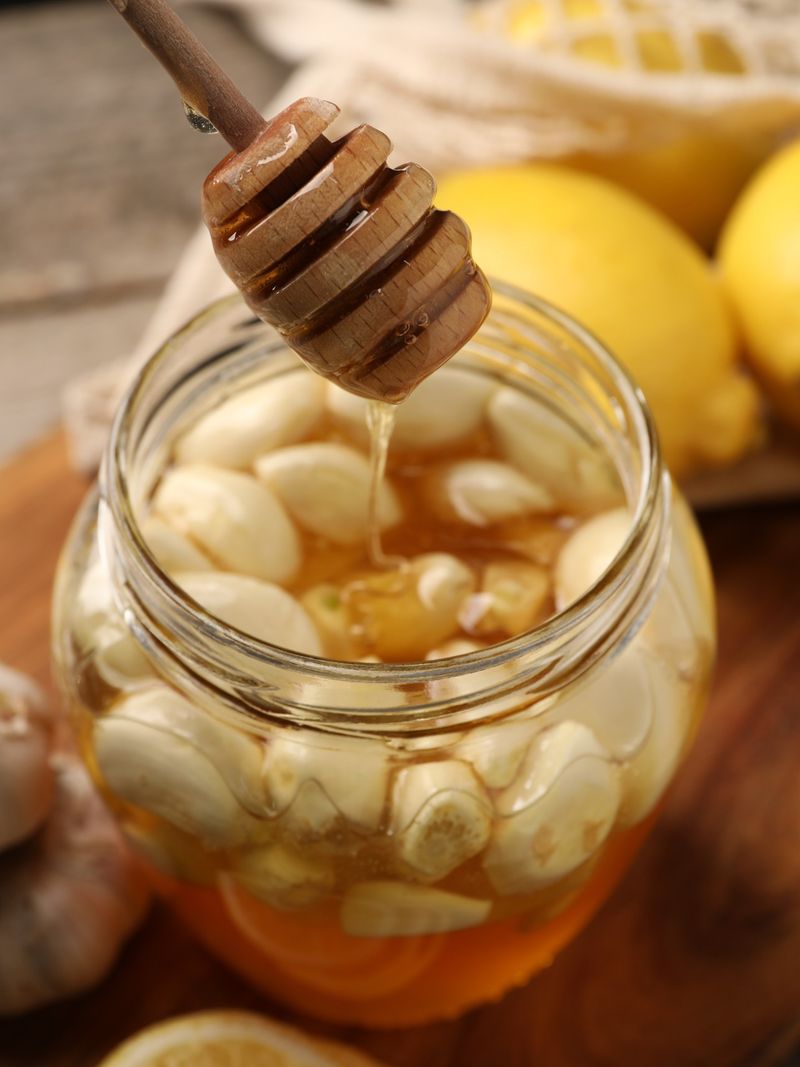
For generations, gardeners and cooks have turned to garlic during the coldest months for more than just flavor.
Research supports what many have known intuitively: garlic contains compounds like allicin that offer antimicrobial properties.
While it’s not a cure for illness, adding garlic to your winter diet can be a tasty way to support overall wellness.
Michigan winters bring cold winds, dry indoor air, and more time spent in close quarters, which means everyone seeks comfort foods that nourish.
Minced garlic stirred into chicken noodle soup or vegetable broth adds both warmth and beneficial compounds.
The tradition of garlic as a winter wellness food spans cultures and centuries, and homegrown bulbs make it even more meaningful.
Crushing or chopping garlic activates its beneficial enzymes, so let minced cloves sit for a few minutes before cooking.
This simple step maximizes the compounds that gardeners and health enthusiasts value most.
Add garlic toward the end of cooking to preserve more of its natural properties while still enjoying its rich taste.
Winter meals become rituals when you use ingredients you grew yourself.
Each spoonful of garlic-laced soup reminds you of planting day, harvest morning, and the cycle that will begin again in spring.
Nourishment for the body and soul comes from the same humble clove.
3. Homemade Garlic-Infused Oil (Safely Prepared)
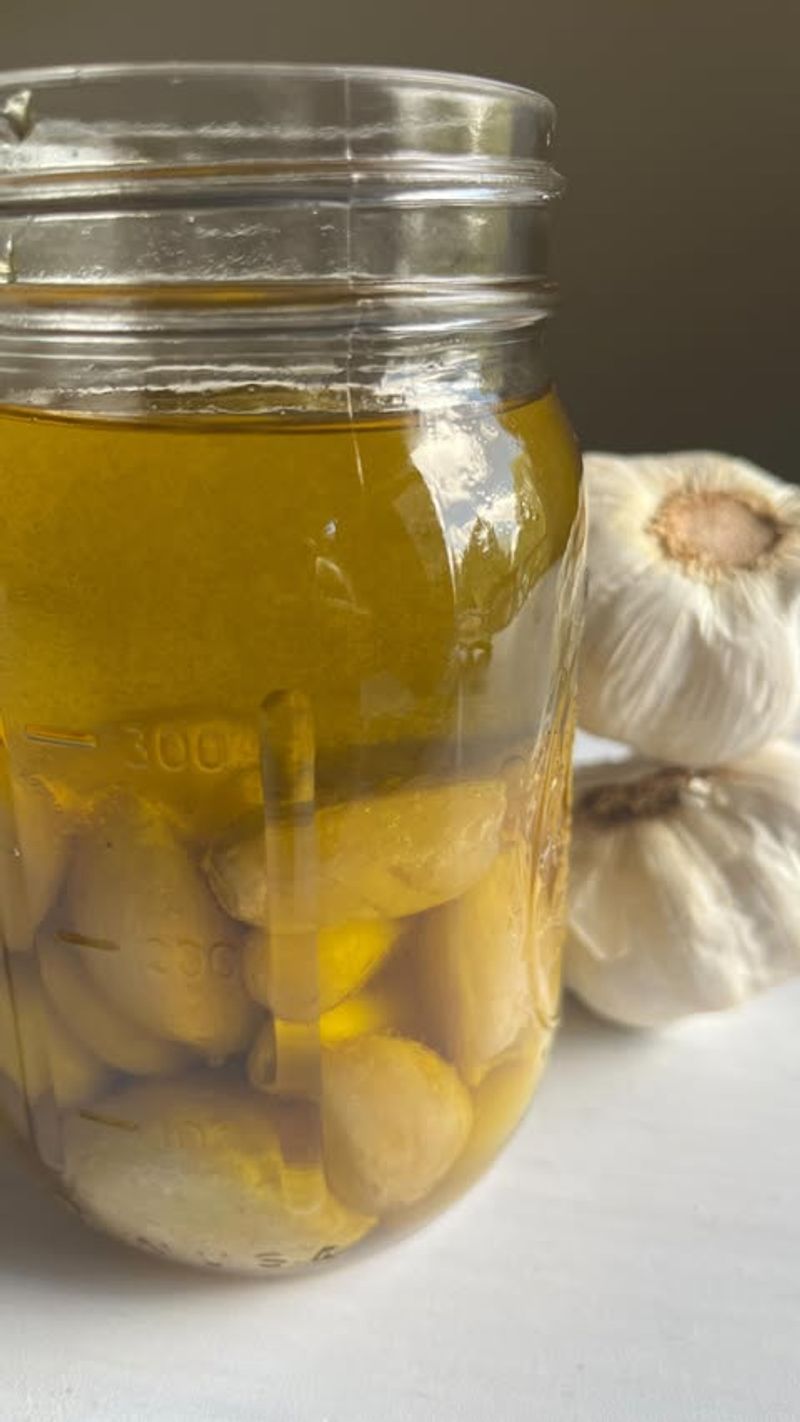
Garlic-infused oil sounds fancy, but Michigan gardeners make it easily during winter months when fresh herbs are scarce.
The key is safety: garlic in oil can harbor botulism bacteria if stored improperly, so refrigeration and quick use are essential.
Never leave garlic oil at room temperature, and use it within one week for maximum safety and flavor.
Start by peeling fresh cloves and lightly crushing them to release their aromatic oils.
Place them in a clean glass jar and cover with olive oil or another cooking oil of your choice.
Label the jar with the date, store it in the refrigerator, and use it to drizzle over roasted vegetables, pasta, or homemade bread.
The cold infusion method is safest: simply let the garlic sit in oil in the fridge rather than heating it on the stove.
This preserves the fresh garlic flavor while keeping risk low.
For longer-term storage, consider freezing small portions in ice cube trays, which extends shelf life safely.
Homemade garlic oil transforms simple winter meals into something special without much effort.
It’s a practical way to use your garlic harvest and enjoy convenience without sacrificing quality or safety.
Just remember the golden rule: keep it cold, use it fast, and label everything clearly to avoid any confusion in a busy kitchen.
4. Natural Cold-Season Pest Deterrent Indoors
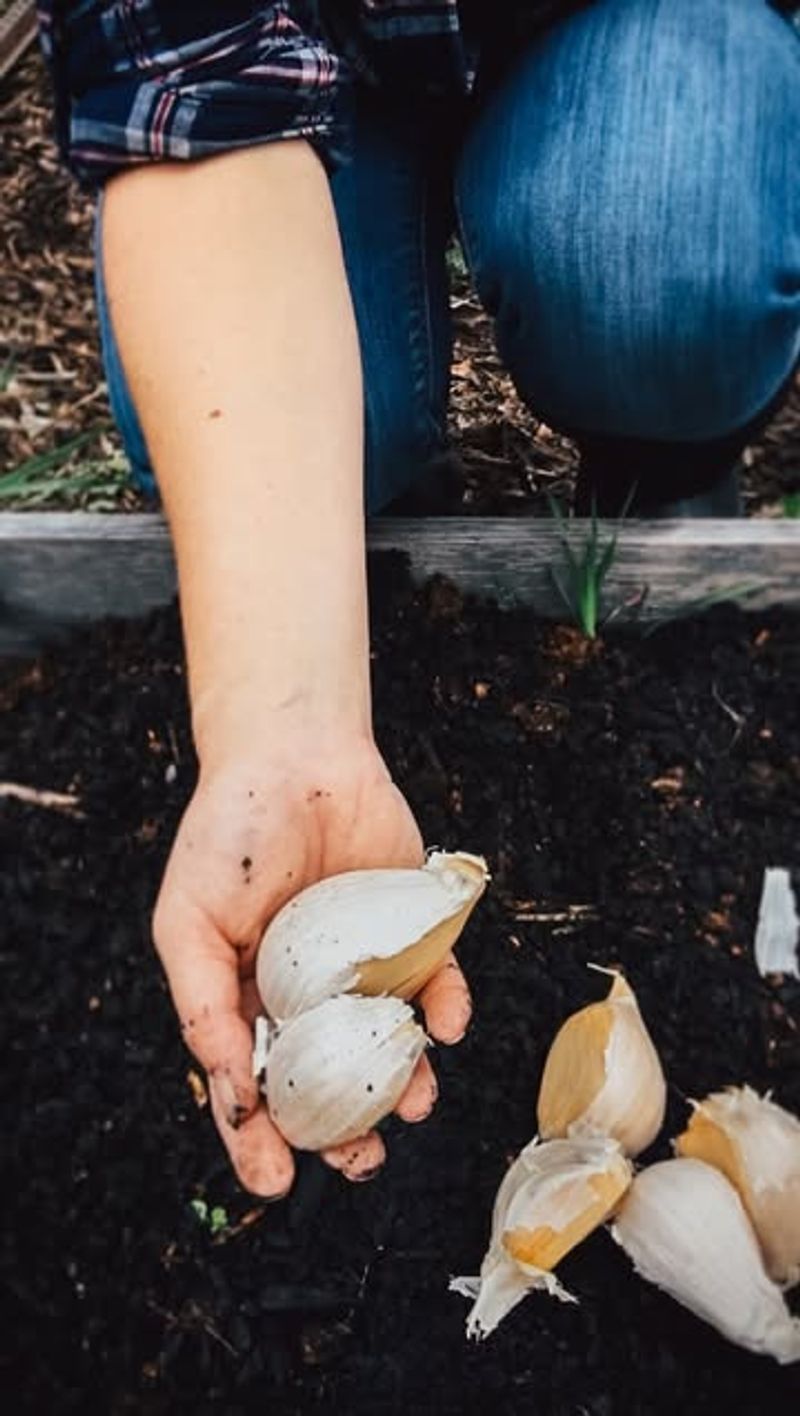
When temperatures drop, pantry moths, flour beetles, and other pests seek warmth and food inside Michigan homes.
Gardeners who dislike chemical sprays often turn to garlic as a natural deterrent with a strong scent that many insects avoid.
While it won’t eliminate an infestation, garlic can help discourage pests from settling into your stored goods.
Place whole, unpeeled garlic cloves in corners of pantry shelves, near flour bins, or inside cupboards where you store grains and dried foods.
The pungent aroma acts as a mild repellent, and cloves can be replaced every few weeks as their scent fades.
This method works best as a preventive measure rather than a solution for active pest problems.
Some gardeners crush cloves slightly to release more oils, but be cautious about attracting moisture or creating mess.
You can also tie garlic in small mesh bags and hang them inside cabinets for easy removal and replacement.
Combining garlic with bay leaves or dried herbs creates a layered defense that smells pleasant to humans but off-putting to bugs.
Winter is the season when pests move indoors, so staying ahead with simple, non-toxic strategies makes sense.
Using your homegrown garlic in this way extends its value beyond the kitchen and garden.
It’s a small, practical step that keeps your pantry cleaner and your home more comfortable all season long.
5. Garlic Tea Or Broth For Winter Comfort
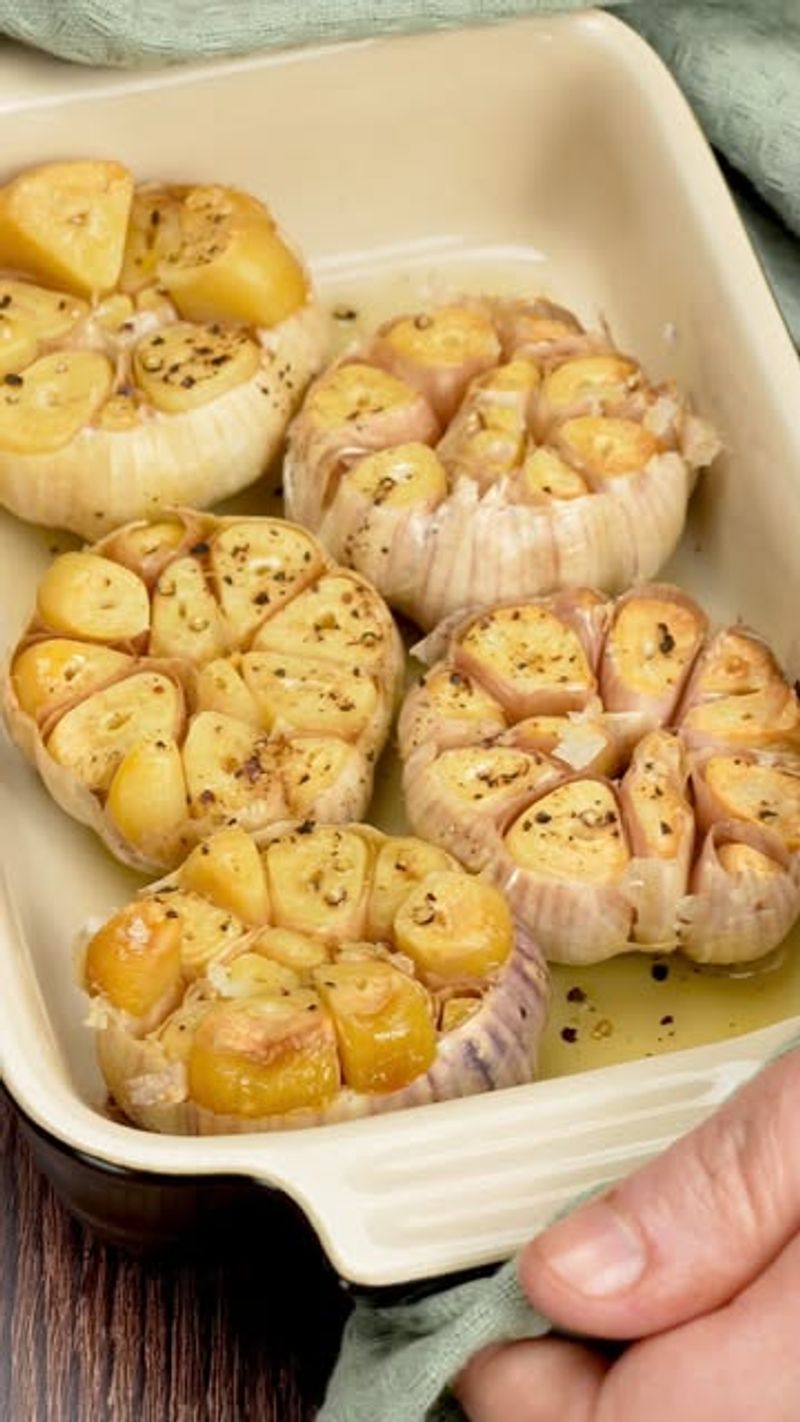
On the coldest Michigan nights, a steaming mug of garlic broth can feel like a warm hug from the inside out.
This isn’t a medical remedy, but rather a comforting culinary tradition that gardeners and home cooks have enjoyed for generations.
The savory, aromatic warmth of garlic tea or broth soothes and satisfies when the wind howls outside.
To make garlic broth, simmer several peeled cloves in water or vegetable stock for 15 to 20 minutes.
Add a pinch of salt, a squeeze of lemon, or a sprig of thyme to balance the strong garlic flavor.
Strain out the solids and sip the liquid slowly, letting the heat and aroma work their simple magic.
Some gardeners prefer a milder version by roasting garlic first, which mellows its bite and adds a sweet, caramelized note.
Roasted garlic broth pairs beautifully with crusty bread or can serve as a base for more complex soups.
Either way, the ritual of preparing and drinking it brings comfort that goes beyond taste alone.
Winter evenings in Michigan call for rituals that ground us and remind us of simpler pleasures.
Garlic tea or broth is one of those humble traditions that connects kitchen, garden, and self-care in a single warm cup.
It’s a use for your harvest that nourishes both body and spirit without any fuss or fancy ingredients required.
6. Seed Garlic Selection And Sorting For Spring Planting
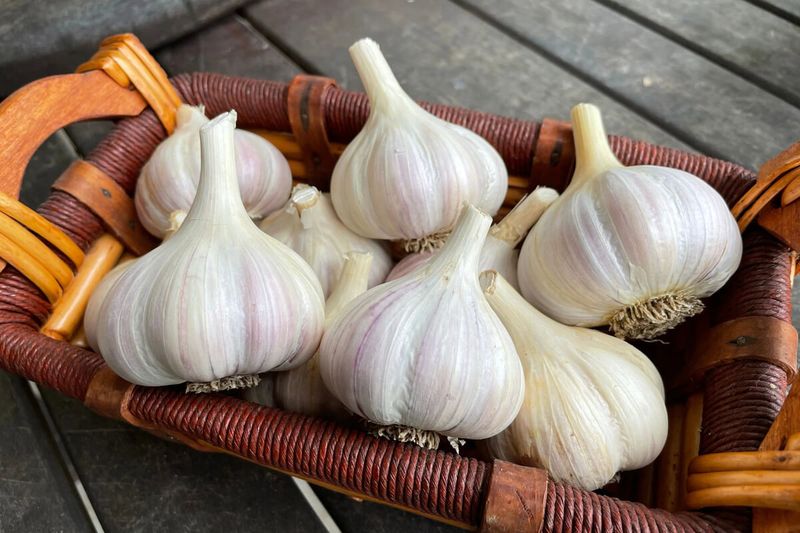
Winter offers Michigan gardeners a perfect opportunity to plan ahead by selecting the best bulbs for next season’s planting.
Choosing seed garlic now ensures you’ll have top-quality cloves ready when October planting time rolls around again.
This quiet indoor task keeps you connected to the garden cycle even when everything outside is frozen solid.
Inspect your stored garlic carefully, looking for the largest, healthiest bulbs with tight, unbroken skins and no soft spots.
Set these aside in a labeled container or bag, keeping them separate from the garlic you’ll use in the kitchen.
Hardneck varieties are ideal for Michigan’s cold winters, so prioritize those if you grew multiple types last year.
Consider saving cloves from plants that performed exceptionally well: early sprouters, large producers, or varieties with outstanding flavor.
Over time, this selective saving can improve your garlic crop and adapt it even better to your local conditions.
It’s a form of seed stewardship that gardeners have practiced for centuries, and it’s deeply satisfying work.
Winter sorting also gives you a chance to evaluate what worked and what didn’t in your previous season.
Take notes on variety performance, storage success, and any surprises you encountered along the way.
By the time spring arrives, you’ll be fully prepared to plant with confidence and purpose, knowing your seed stock is strong and true.
7. Homemade Garlic Powder And Dried Flakes
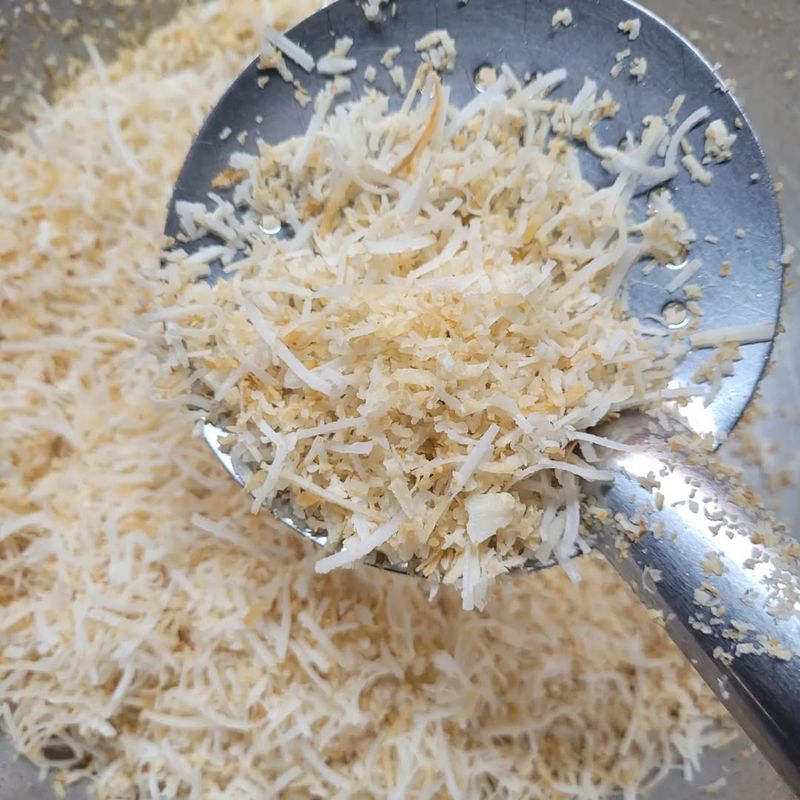
Dehydrating garlic during winter months transforms fresh bulbs into shelf-stable seasonings that last for years.
Michigan gardeners with a dehydrator can easily make their own garlic powder and flakes, avoiding store-bought versions with additives or mystery origins.
The process is simple, and the result is a pantry staple with intense, pure flavor you can’t buy anywhere.
Peel and slice garlic cloves thinly, aiming for uniform pieces so they dry evenly.
Arrange them in a single layer on dehydrator trays and set the temperature to around 125 degrees Fahrenheit.
Drying takes several hours, but your kitchen will fill with a powerful, savory aroma that signals progress.
Once the slices are completely dry and brittle, let them cool before grinding into powder using a spice grinder or mortar and pestle.
Store the finished powder in airtight jars away from light and moisture, and it will retain potency for many months.
If you prefer flakes over powder, simply crush the dried slices lightly and store them the same way.
Homemade garlic powder adds convenience to winter cooking without sacrificing the quality of your homegrown harvest.
Sprinkle it on popcorn, mix it into spice rubs, or add it to soups when fresh garlic isn’t handy.
It’s a practical, flavorful way to extend your garden’s reach well beyond the growing season and into every meal you make.
8. Garlic-Based Marinades And Preserves

Winter is prime time for preserving and pickling in Michigan, especially when fresh garden produce is just a memory.
Garlic plays a starring role in marinades, pickles, and preserved vegetables, adding depth and complexity that store-bought versions can’t match.
Using your homegrown garlic in these projects brings a personal touch to every jar you fill and share.
Pickled garlic cloves themselves are a tangy, crunchy treat that pairs perfectly with charcuterie boards or winter salads.
Simply peel whole cloves, pack them into sterilized jars, and cover with a brine of vinegar, water, salt, and spices.
Process in a water bath if you want long-term shelf storage, or refrigerate for quicker enjoyment.
Garlic also elevates other preserved foods: add cloves to pickled beets, carrots, or green beans for extra flavor and antimicrobial benefits.
In marinades, crushed garlic combined with oil, vinegar, and herbs transforms tough cuts of meat or plain tofu into something special.
Winter is when these preserved flavors shine, bringing summer’s bounty back to your table in new and delicious forms.
Preserving with garlic connects you to centuries of food tradition and self-sufficiency.
Each jar you open throughout winter carries the taste of your garden and the satisfaction of work well done.
It’s a creative, practical use of your harvest that keeps giving long after the last frost has come and gone.
9. Planning And Experimenting With New Garlic Varieties
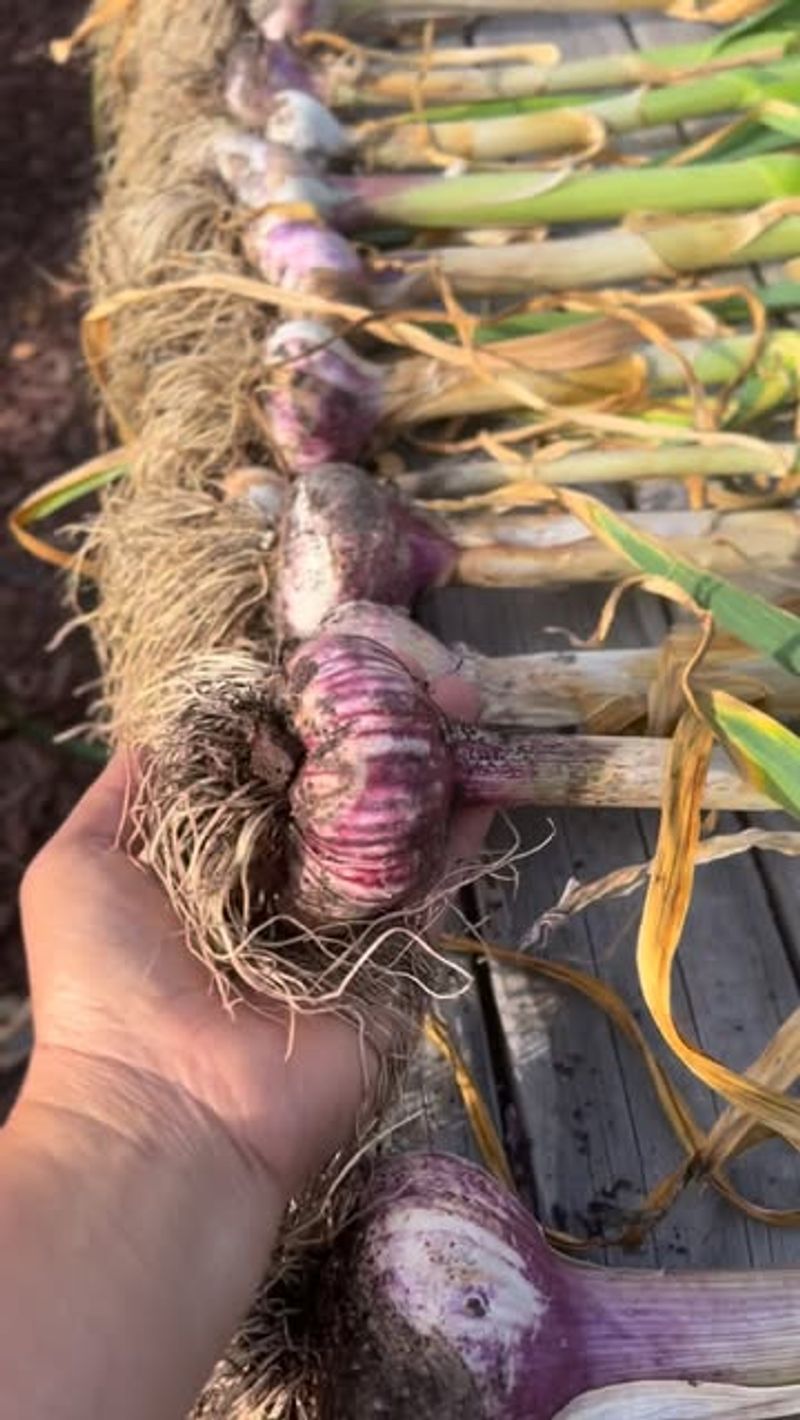
Winter’s quiet pace gives Michigan gardeners time to dream, plan, and explore new garlic varieties suited to cold climates.
Hardneck garlic thrives in regions with true winters, and dozens of named varieties offer different flavors, storage qualities, and growth habits.
Researching and ordering seed garlic now ensures you’ll have exciting new options ready for fall planting.
Browse catalogs from specialty garlic farms, many of which provide detailed descriptions of each variety’s taste, size, and hardiness.
Look for types known to perform well in Zone 5 or 6, such as Music, German Extra Hardy, or Chesnok Red.
Consider trying one or two new varieties each year alongside your proven favorites to expand your garlic knowledge and palate.
Take notes on what you learn: which varieties are best for cooking versus roasting, which store longest, and which have the prettiest scapes.
Winter planning sessions can include sketching out your garlic bed layout, calculating how many bulbs you’ll need, and setting reminders for order deadlines.
This kind of thoughtful preparation leads to better results and more enjoyment when planting season arrives.
Experimenting with garlic varieties keeps gardening exciting and connects you to a global community of growers who share your passion.
Each new type you try is a small adventure, a chance to discover flavors and traits you never knew existed.
Winter is the perfect season to fuel that curiosity and set the stage for your best garlic harvest yet.