Indiana Rules On Leaves That Blow Over From A Neighbors Tree
Autumn in Indiana brings bright color, cooler air, and plenty of fallen leaves.
Once wind enters the picture, property lines start to feel less clear. Leaves from a neighbor’s tree often end up scattered across nearby yards, which raises questions about responsibility.
Indiana law relies on property boundaries rather than tree ownership.
Leaves that land on your yard usually become your responsibility, even if they fall from next door.
That reality surprises many homeowners, especially after repeated cleanups.
Local ordinances and homeowners associations may add specific rules, which makes awareness important.
While the law sets the baseline, neighborly communication often keeps peace intact.
Clear understanding helps avoid disputes and keeps seasonal chores from turning into lasting tension between otherwise friendly neighbors.
Property Owners Must Handle Leaves On Their Own Land
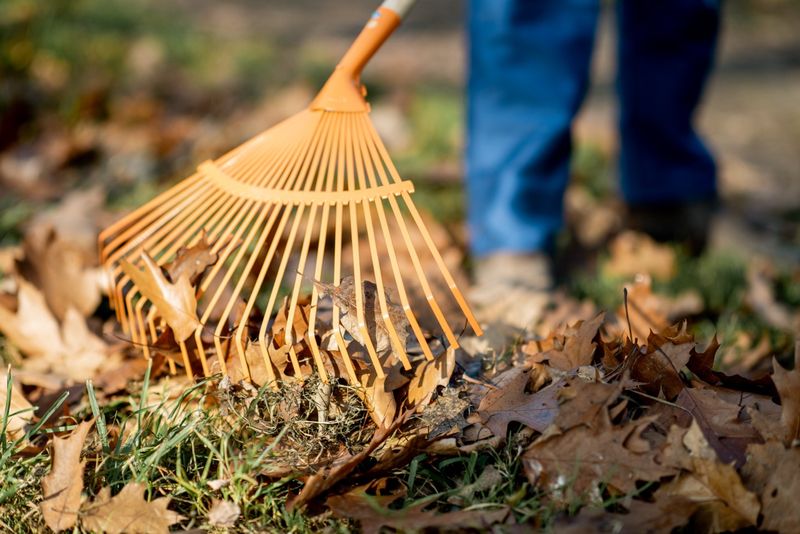
Most Indiana homeowners are surprised to learn they cannot force neighbors to clean up leaves that blow onto their property.
Once leaves land on your yard, they become your responsibility regardless of where they came from.
This rule applies even when a neighbor’s massive oak tree drops thousands of leaves directly onto your lawn each fall.
Courts in Indiana follow a principle called “natural occurrence” when dealing with leaves and other plant materials.
Leaves falling and blowing around are considered natural events that no one can truly control.
Your neighbor did not intentionally throw leaves onto your property, so they cannot be held responsible for cleanup.
Many homeowners find this frustrating, especially when they have few trees but do lots of raking.
However, this rule protects everyone equally since wind patterns can change and affect different properties throughout the season.
The best approach involves maintaining your own yard and perhaps having a friendly conversation with neighbors about shared concerns.
Some communities even organize neighborhood cleanup days where everyone works together.
Building good relationships often solves problems better than trying to enforce rules that may not exist in your favor.
Branches Hanging Over Property Lines Can Be Trimmed
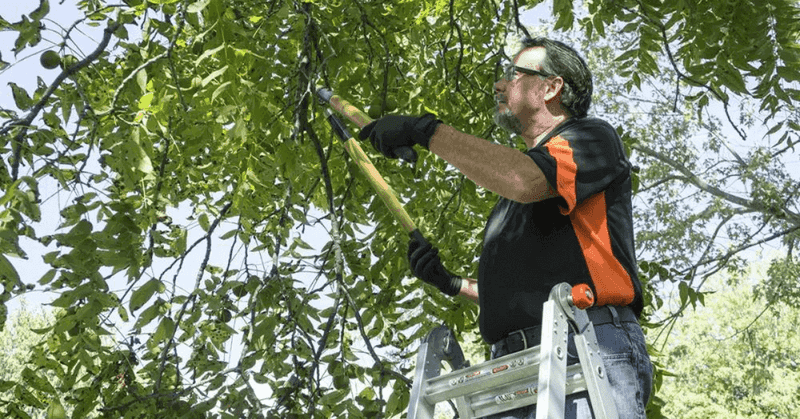
Indiana law gives property owners the right to trim branches that extend over their property line, even if the tree belongs to a neighbor.
This rule helps homeowners reduce the number of leaves that might fall onto their yards in the first place.
You can cut back any part of the tree that crosses onto your side of the boundary.
However, you must be careful not to damage the tree or trespass on your neighbor’s property while trimming.
All cutting must be done from your side of the property line.
If trimming requires you to step onto the neighbor’s land, you need permission first.
Additionally, you cannot trim so aggressively that you harm the tree’s health or stability.
Experts recommend hiring a professional tree service for major trimming projects to avoid accidents and legal problems.
You are also responsible for disposing of any branches you cut, as they become your property once removed.
Many people choose to talk with neighbors before trimming to maintain friendly relations and avoid surprises.
Some neighbors might even offer to help with the work or share the cost of professional services.
Remember that while you have the right to trim, being considerate makes the process smoother for everyone involved.
Neighbors Cannot Be Sued For Normal Leaf Drop
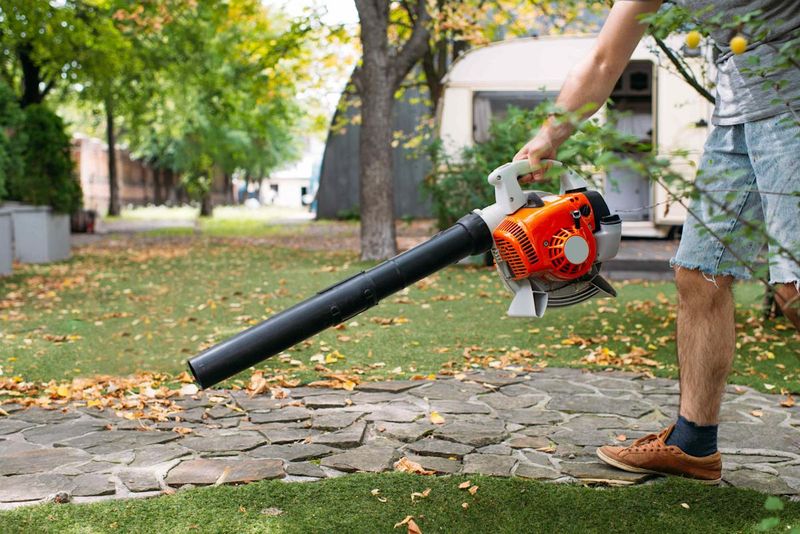
Attempting to sue a neighbor over leaves that naturally fall from their trees will almost certainly fail in Indiana courts.
Judges recognize that trees drop leaves as part of their normal life cycle, and this cannot be prevented or controlled.
Courts classify this as an “act of nature” rather than negligence or nuisance.
Several Indiana legal cases have established that homeowners must tolerate reasonable inconveniences from neighboring properties.
Falling leaves qualify as a reasonable inconvenience that comes with living in a residential area with trees.
Even if cleanup takes significant time and effort, courts do not consider this grounds for legal action.
The situation might differ only if a neighbor deliberately planted trees to cause harm, which is extremely rare and difficult to prove.
Some homeowners have tried to argue that excessive leaves damage their lawns or gutters, but these claims typically do not succeed.
Regular property maintenance is considered a normal responsibility of homeownership.
Instead of pursuing legal action, most experts suggest communication and compromise.
You might ask if your neighbor would be willing to help with occasional cleanup or share the cost of lawn care services.
Many disputes resolve peacefully when people approach each other with respect and understanding rather than threats of lawsuits.
Local Ordinances May Address Excessive Debris
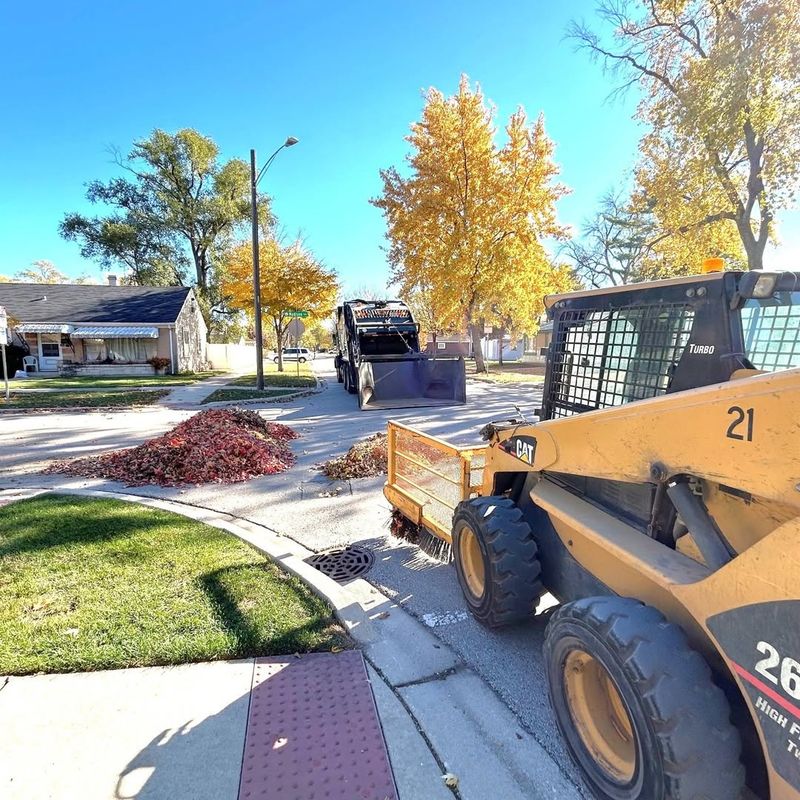
While state law does not hold neighbors responsible for fallen leaves, some Indiana cities and towns have local ordinances about yard maintenance.
These rules typically require property owners to keep their own yards reasonably clean and free of excessive debris.
Ordinances usually focus on the property where the tree is located rather than where leaves end up.
If a neighbor allows huge piles of leaves to accumulate on their property for months, they might violate local health or safety codes.
Some communities require residents to bag leaves by certain dates or participate in municipal collection programs.
However, these rules apply to the neighbor’s yard, not to leaves that blow onto your property.
You should check with your city or town hall to learn about specific regulations in your area.
Code enforcement officers can sometimes help when a neighbor’s property becomes problematic due to neglect.
They may issue warnings or fines if yards become fire hazards or attract pests.
But remember, occasional leaves blowing between properties do not typically qualify as violations.
The neighbor’s property must show serious neglect before officials will intervene.
If you believe a genuine violation exists, contact your local government rather than confronting the neighbor directly, as this approach often produces better results and maintains community peace.
Homeowner Associations May Have Additional Rules
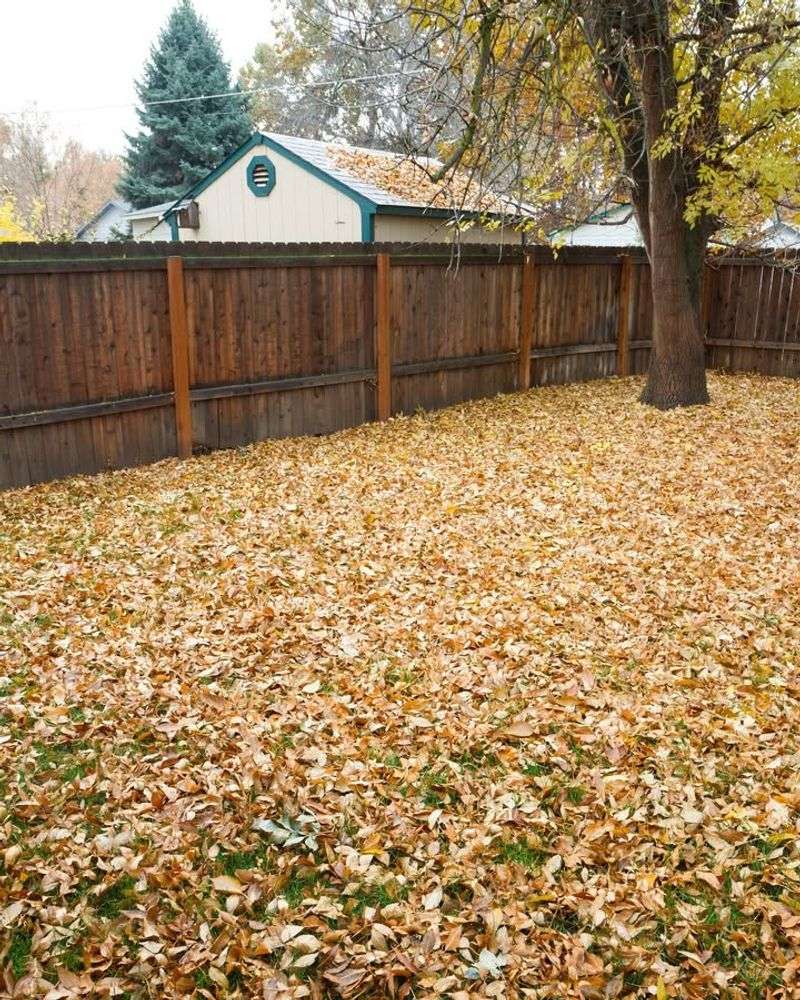
Residents who live in neighborhoods with homeowner associations face different situations than those in unregulated areas.
HOAs often create and enforce rules about yard maintenance that go beyond what local or state law requires.
These organizations can establish specific deadlines for leaf removal and appearance standards for properties.
Your HOA agreement might require all homeowners to keep yards clean throughout autumn and remove leaves promptly.
Some associations hire landscaping companies to handle common areas and may offer services to individual homeowners as well.
If a neighbor’s tree drops leaves on your property, the HOA rules likely still require you to clean your own yard.
However, the HOA might also require your neighbor to maintain their tree properly and address any excessive debris on their property.
When disputes arise, HOAs typically have procedures for handling complaints between neighbors.
You can file a report if you believe someone violates community rules, and the association board will investigate.
They have the authority to issue fines or require corrective action.
Before moving into an HOA community, carefully review all rules and regulations so you understand your responsibilities.
These agreements are legally binding contracts, and courts generally uphold HOA decisions when rules are applied fairly and consistently to all residents.
Trees Cannot Be Removed Without Proof Of Damage Or Danger
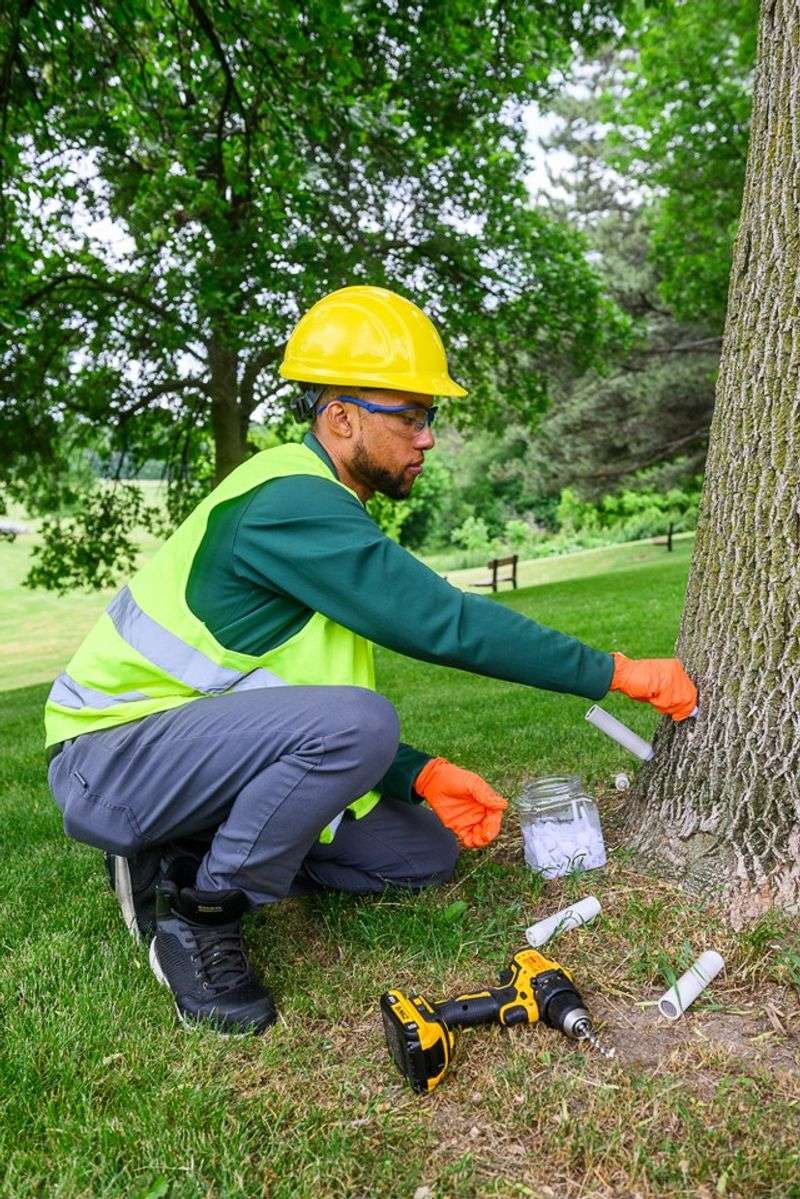
You cannot demand that a neighbor remove a healthy tree simply because it drops leaves onto your property.
Indiana law protects trees on private property, and owners have the right to keep them unless they pose a genuine safety hazard.
Annoyance over fallen leaves does not qualify as sufficient reason for removal.
If you believe a neighbor’s tree is dangerous, you must provide evidence that it threatens property or safety.
A tree with large broken limbs, severe rot, or a leaning trunk might qualify as hazardous.
You should hire a certified arborist to inspect the tree and provide a professional assessment.
If the expert confirms the tree poses a real danger, you can notify your neighbor and request action.
Should they refuse, local authorities or courts may intervene if the threat is serious enough.
However, proving danger requires more than personal opinion or minor inconvenience.
Courts balance property rights with safety concerns and typically favor allowing trees to remain.
Many neighborhoods benefit from mature trees that provide shade, beauty, and environmental advantages.
Rather than seeking removal, consider whether trimming branches or improving your own yard drainage might solve problems.
Working cooperatively with neighbors often leads to solutions that satisfy everyone without eliminating valuable trees that enhance the entire community and increase property values for all residents.
Documentation Helps If Disputes Escalate
Although most leaf-related disagreements never reach legal proceedings, keeping records can protect your interests if problems worsen.
Take photographs of your property throughout the season showing where leaves accumulate and how much time you spend on cleanup.
Document any conversations with neighbors about the situation, including dates and what was discussed.
If you decide to trim overhanging branches, photograph the property line and the branches before cutting.
Keep receipts for any professional services you hire, such as tree trimming or extra yard maintenance.
This documentation proves you acted reasonably and followed proper procedures.
Should a neighbor claim you damaged their tree or trespassed, your records provide evidence of your careful approach.
Similarly, if you need to involve local authorities or an HOA, documentation shows the history of the problem.
Good records also help if you discover actual damage to your property that might be covered by insurance.
For example, if neglected branches eventually break and harm your roof, documentation establishes the timeline and your efforts to address concerns.
Most situations never require this level of detail, but being prepared costs little and provides peace of mind.
Consider creating a simple folder or digital file where you store relevant information, and update it periodically throughout the season to maintain accurate records.