5 Indoor Gardening Projects Pennsylvania Families Can Start This Month
Looking for a fun way to stay busy and add some green to your home? Indoor gardening is a perfect project for Pennsylvania families to start this month.
It’s easy, budget-friendly, and something everyone, from kids to adults, can enjoy together.
Whether you’re growing fresh herbs on a windowsill, starting seeds for spring, or creating a mini succulent garden, these simple projects can brighten up your space and lift your mood.
Plus, indoor gardening teaches kids about responsibility, patience, and how plants grow, all without needing a big yard. The best part?
You don’t need fancy tools or a lot of experience to get started. Just a little sunlight, some basic supplies, and a few minutes a day can lead to something beautiful.
If you’re ready to dig in (without going outside), here are the top indoor gardening projects Pennsylvania families can start right now.
1. Herb Garden In Mason Jars
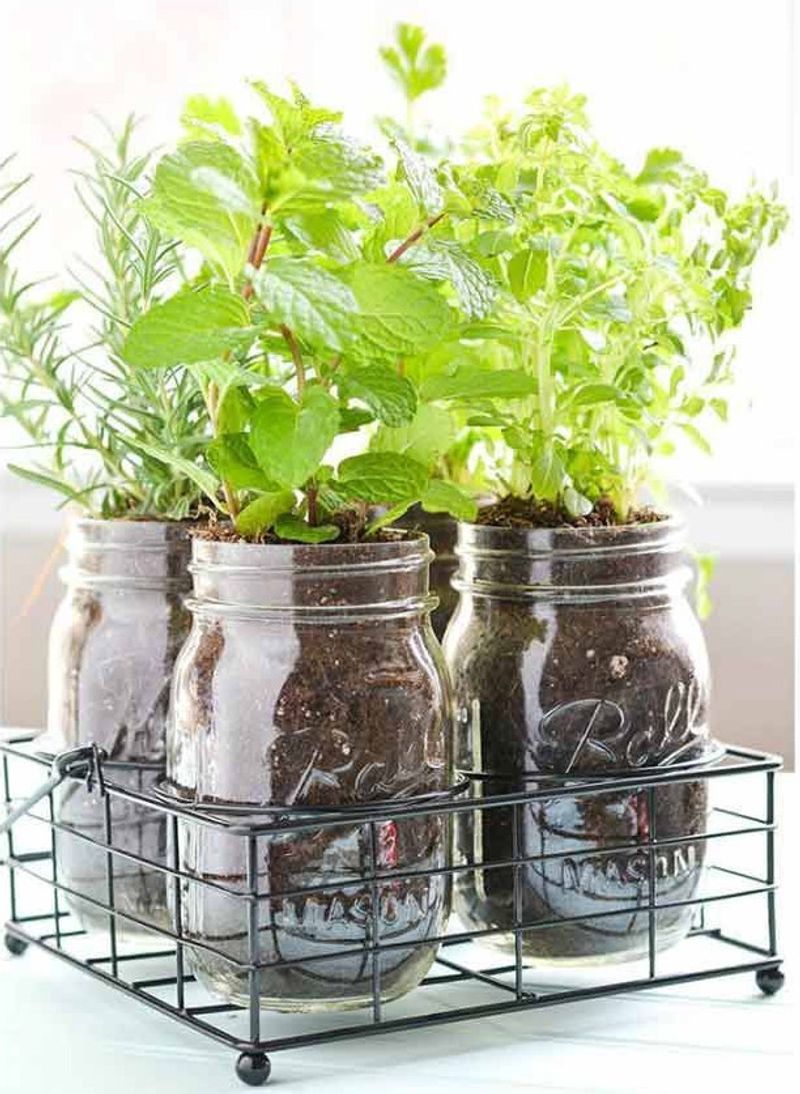
Growing herbs in mason jars ranks among the easiest ways to start indoor gardening with your Pennsylvania family. Basil, parsley, cilantro, and mint all thrive in these simple glass containers when placed near a sunny window.
You probably have mason jars sitting in your pantry right now, making this project incredibly budget-friendly and accessible for families across the state.
Start by filling each jar about two-thirds full with quality potting soil. Plant seeds or small starter plants from your local Pennsylvania garden center, leaving about an inch of space at the top.
Water gently until the soil feels moist but not soggy. Place your jars on a south-facing windowsill where they’ll receive at least six hours of sunlight daily.
Kids love checking their herbs each morning to see new growth. Within a few weeks, your family can start snipping fresh herbs to add flavor to dinner.
This teaches children where food comes from and gives them pride in contributing to family meals.
Mason jar herb gardens work especially well in Pennsylvania apartments where outdoor space is limited.
The clear glass lets you monitor root development, turning the project into a science lesson. You can even paint or decorate the jars to make them match your kitchen decor.
Remember to rotate your jars every few days so all sides get equal sunlight. Herbs grow toward the light, and turning them keeps plants growing straight and strong.
If your Pennsylvania home doesn’t get much natural light during winter months, consider adding an inexpensive grow light. Most herbs need consistent moisture, so check the soil daily and water when the top inch feels dry to the touch.
Your family will enjoy fresh herbs all winter long while learning valuable gardening skills together.
2. Terrarium Building Station
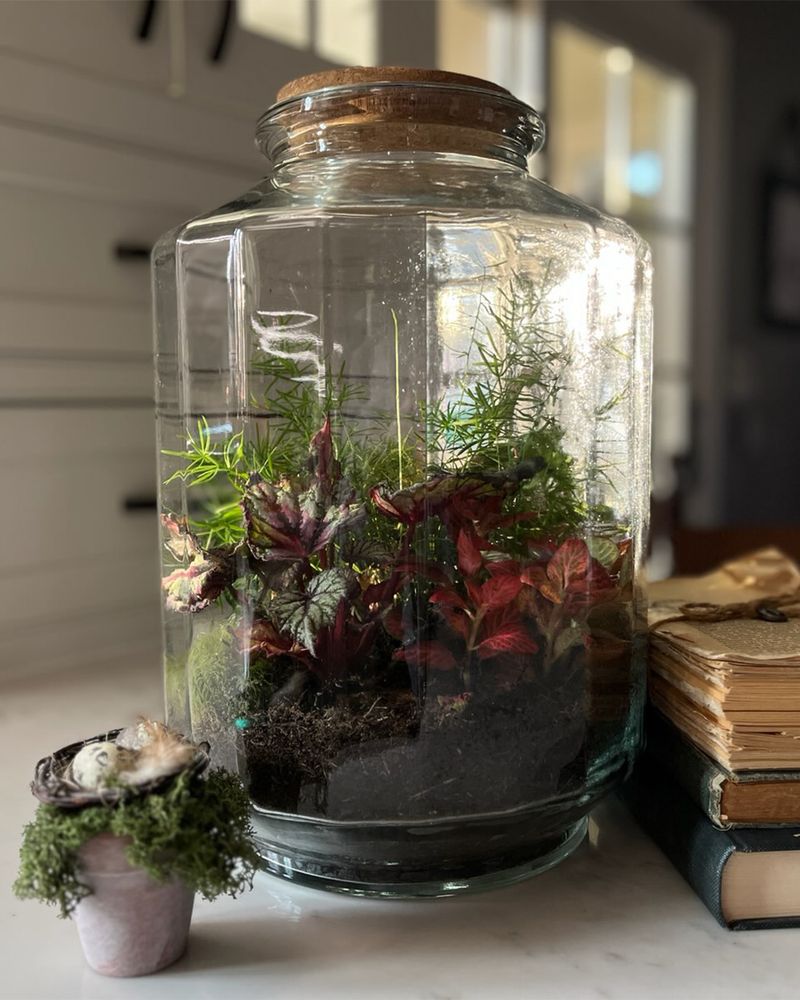
Terrariums bring a miniature ecosystem right into your Pennsylvania living room. These self-contained gardens require minimal maintenance once established, making them perfect for busy families.
Building terrariums together creates lasting memories while teaching kids about plant biology and environmental balance in an engaging, hands-on way.
You’ll need clear glass containers with or without lids, small pebbles for drainage, activated charcoal, potting soil, and small plants like ferns or succulents.
Many Pennsylvania craft stores sell terrarium kits, but gathering materials separately often costs less and offers more creative freedom.
Set up a building station on your kitchen table with all supplies organized in separate bowls or containers.
Layer pebbles at the bottom for drainage, then add a thin charcoal layer to keep the environment fresh. Add two to three inches of potting soil and arrange your plants, leaving space between them for growth.
Decorative elements like small figurines, colored sand, or tiny pinecones from Pennsylvania forests add personality to each creation.
Closed terrariums create humid environments perfect for moisture-loving plants, while open terrariums suit succulents and cacti better.
Let each family member design their own terrarium to display in their bedroom or a common area. This personalizes the project and gives everyone ownership of their creation.
Pennsylvania’s dry indoor winter air won’t affect closed terrariums much since they recycle their own moisture. Open terrariums need light watering every week or two.
Place terrariums in bright, indirect light rather than direct sun, which can overheat the enclosed space. Watch for condensation on glass walls as a sign your terrarium is maintaining proper moisture levels.
If you see too much condensation, open the lid briefly to release excess humidity and prevent mold growth in your miniature Pennsylvania ecosystem.
3. Countertop Sprout Garden
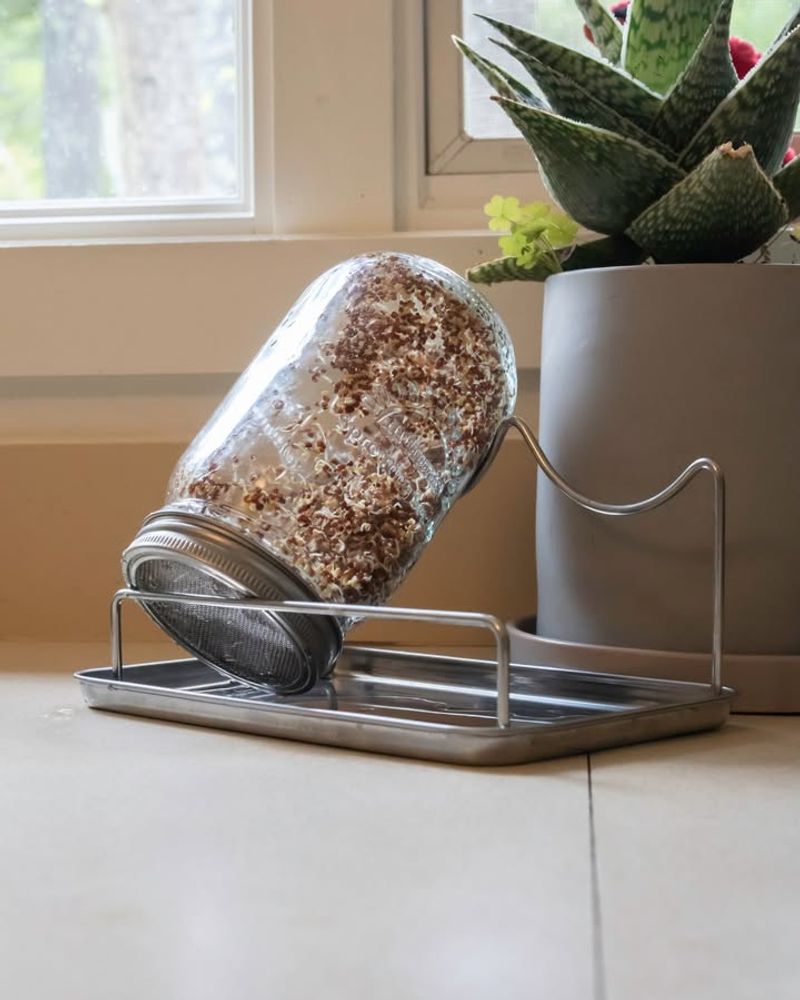
Sprouts grow incredibly fast, providing almost instant gratification for impatient young gardeners in Pennsylvania. Watching seeds transform into edible sprouts in just days fascinates children and adults alike.
This project requires no soil, very little space, and produces nutritious food your family can add to sandwiches, salads, and wraps throughout the week.
Purchase sprouting seeds like alfalfa, broccoli, radish, or mung beans from health food stores or online retailers. You’ll also need a sprouting jar with a mesh lid or a specialized sprouting tray.
Many Pennsylvania families prefer stackable sprouting systems that let you grow multiple varieties simultaneously in a compact footprint perfect for apartment living.
Rinse seeds thoroughly and soak them overnight in cool water. Drain completely and place seeds in your sprouting container.
Rinse and drain the seeds twice daily, morning and evening, to keep them moist without waterlogging them.
Within three to five days, you’ll have fresh sprouts ready to eat. Kids enjoy the daily rinsing routine and love seeing visible progress each time they check.
Sprouts pack impressive nutrition into tiny packages, containing vitamins, minerals, and enzymes that boost family health during Pennsylvania’s cold and flu season.
Keep your sprouting setup on a kitchen counter away from direct sunlight. Too much light can make sprouts bitter, though some light helps them develop chlorophyll and turn green.
Room temperature works perfectly for most sprout varieties common in Pennsylvania homes.
Once sprouts reach the desired length, give them a final rinse and store them in the refrigerator. They’ll stay fresh for several days when kept cold and dry.
Rotate different seed varieties to keep things interesting and expose your family to diverse flavors and textures. This simple Pennsylvania indoor gardening project teaches food production, responsibility, and healthy eating habits all at once.
4. Indoor Vegetable Container Garden
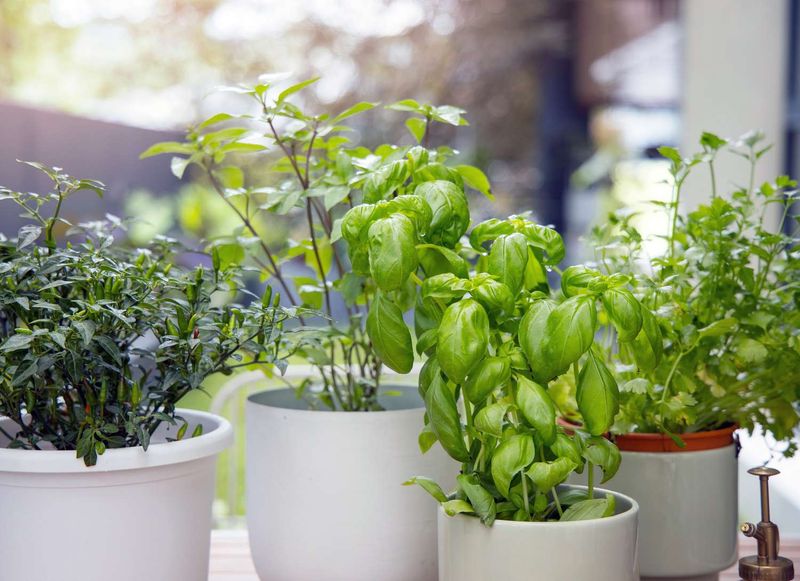
Pennsylvania families with a bit more space and ambition can grow actual vegetables indoors during winter months. Cherry tomatoes, lettuce, peppers, and dwarf varieties of larger vegetables produce surprisingly well in containers with proper light and care.
This project transforms a sunny room or basement area into a productive indoor farm that supplies fresh produce when outdoor gardens lie dormant.
Select containers at least 12 inches deep with drainage holes. Larger pots hold moisture better and give roots room to spread.
Fill containers with high-quality potting mix enriched with compost or organic fertilizer to provide nutrients throughout the growing season. Most vegetables need substantial light to produce fruit or leaves.
South-facing windows in Pennsylvania homes provide the best natural light, but you’ll likely need supplemental LED grow lights during short winter days. Position lights about six inches above plants and run them for 12 to 14 hours daily.
Lettuce and other leafy greens grow fastest and tolerate lower light levels than fruiting plants. Start with these easier crops while your family learns indoor vegetable gardening basics.
Cherry tomatoes take longer but reward patience with sweet, homegrown flavor that beats anything from Pennsylvania grocery stores in January.
Water when the top inch of soil feels dry, adjusting frequency based on plant size and indoor humidity levels.
Indoor air in heated Pennsylvania homes tends to be quite dry, so vegetables may need more frequent watering than you expect. Check daily and develop a watering routine that works for your family’s schedule.
Involve kids in all stages from planting seeds to harvesting ripe vegetables. They’ll develop understanding of where food comes from and appreciation for the work farmers do.
Indoor vegetable gardens also save money on produce while ensuring your Pennsylvania family eats the freshest, most nutritious food possible throughout the long winter season.
5. Windowsill Succulent Collection
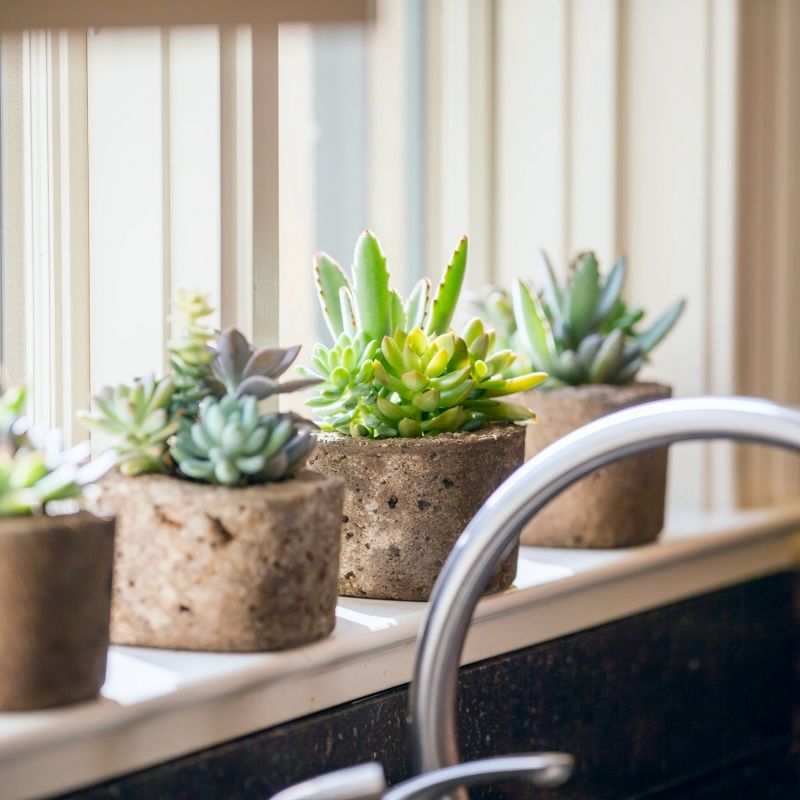
Succulents offer Pennsylvania families the ultimate low-maintenance indoor gardening experience. These hardy plants store water in their thick leaves, meaning they forgive occasional neglect when family schedules get hectic.
Their unusual shapes, colors, and textures create living art that brightens windowsills throughout your home while requiring minimal effort to maintain successfully.
Visit a local Pennsylvania garden center to select succulents in various sizes and forms. Echeveria, jade plants, aloe, and haworthia all make excellent choices for beginners.
Purchase small terracotta or ceramic pots with drainage holes, as succulents hate sitting in water and will quickly develop root rot in poorly draining containers.
Use cactus or succulent potting mix, which drains quickly and prevents the soggy conditions these plants despise. Regular potting soil holds too much moisture for succulents adapted to arid environments.
You can also make your own mix by combining regular potting soil with coarse sand or perlite in equal parts.
Place your succulent collection on a bright windowsill where they’ll receive several hours of direct sunlight daily. South or west-facing windows work best in Pennsylvania homes.
Succulents grown in insufficient light become stretched and pale, losing their compact, colorful appearance.
Water sparingly, allowing soil to dry completely between waterings. During winter months, most succulents need water only every two to three weeks.
Kids can help by checking if plants need water, learning to recognize when leaves look slightly wrinkled rather than plump and firm.
Many succulents produce baby plants or offsets that you can separate and pot individually. This propagation process fascinates children and lets your Pennsylvania family expand their collection without buying new plants.
Share extras with friends, teachers, or neighbors to spread the joy of indoor gardening throughout your community while teaching generosity and plant care skills.