Indoor Orchid Care Guide For Late Winter Blooms In Philadelphia, Pennsylvania
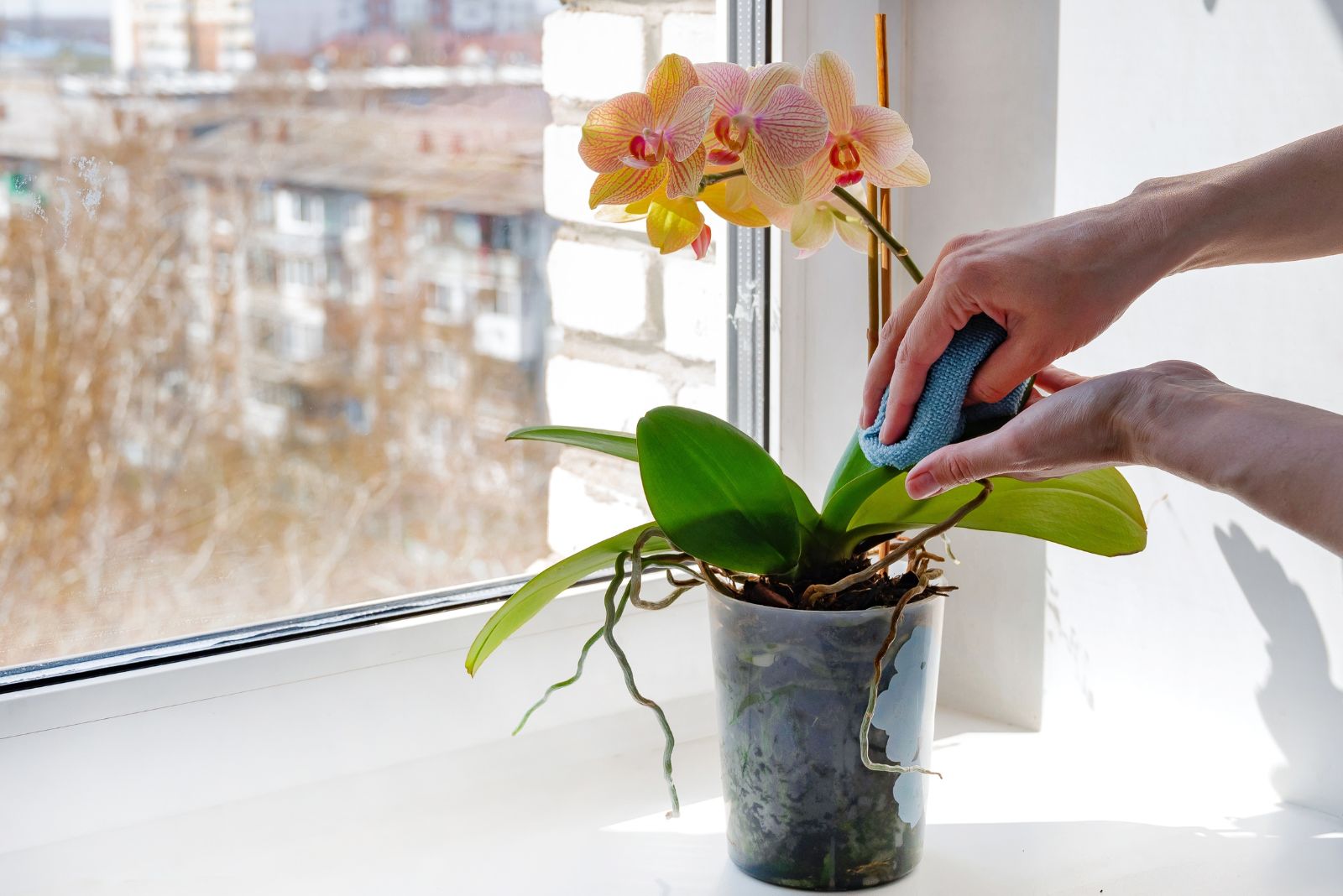
Wondering how to keep your orchids blooming during the chilly Philadelphia winter? You’re not alone.
These exotic beauties might seem fussy, but with the right care, they can thrive indoors, even when it’s freezing outside. Late winter in Pennsylvania is actually an important time for orchids.
They’re either resting or just about to send out fresh blooms, and your attention now can make all the difference. The trick is creating a cozy, balanced environment inside your home that mimics their tropical roots.
That means paying close attention to light, temperature, and humidity, all things that can shift during a Philly winter. Whether you’re caring for a popular phalaenopsis or a more unusual variety, giving your plant the conditions it needs can reward you with long-lasting color and beauty.
Ready to bring some fresh blooms into your space while the world outside is still gray? Here’s your go-to guide for late-winter orchid care in Philadelphia.
1. Understanding Light Requirements For Philadelphia Winter Days
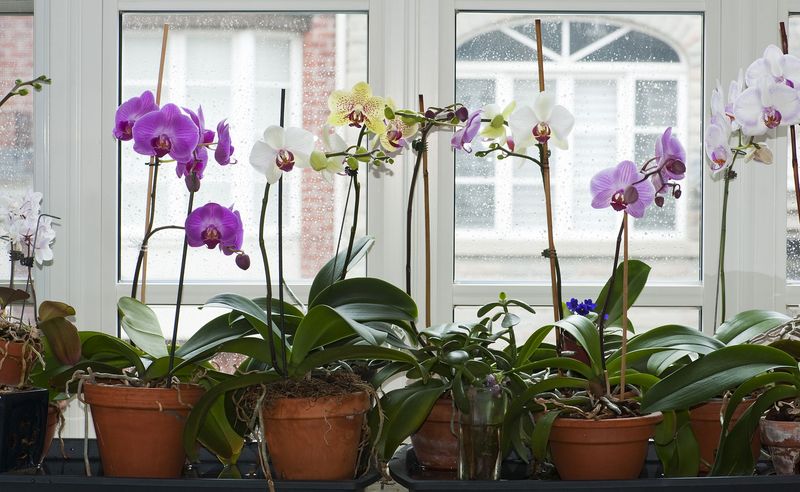
Winter sunlight in Philadelphia, Pennsylvania looks very different from summer rays. Days are shorter, and the sun sits lower in the sky, creating challenges for light-loving orchids.
Most orchids need bright, indirect light to produce those stunning blooms you want to see in late winter. East-facing windows work wonderfully for orchids in Philadelphia homes during winter months.
Morning sun provides gentle light without the intensity that can burn delicate leaves. South-facing windows also work well, but you might need sheer curtains to filter the strongest midday rays.
Without enough light, your orchid will grow leaves but skip the flowering stage entirely. You can tell if your plant needs more light by checking leaf color.
Healthy orchid leaves should be bright green, not dark forest green. Philadelphia row homes often have limited window space, making light placement extra important.
Consider rotating your orchid every few days so all sides receive equal exposure. This simple trick prevents lopsided growth and encourages even bud development.
Artificial grow lights offer a perfect solution for darker Philadelphia apartments or homes with north-facing windows. LED grow lights designed for orchids provide the right spectrum without generating too much heat.
Place them about 12 inches above your plants and run them for 12 to 14 hours daily during winter months. This supplemental lighting can make the difference between a plant that survives and one that produces spectacular February blooms.
2. Maintaining Proper Temperature Ranges Through Heating Season
Philadelphia homes get toasty during winter thanks to forced air heating and old radiators. Orchids actually enjoy cooler temperatures than most people realize, especially for triggering those late winter blooms.
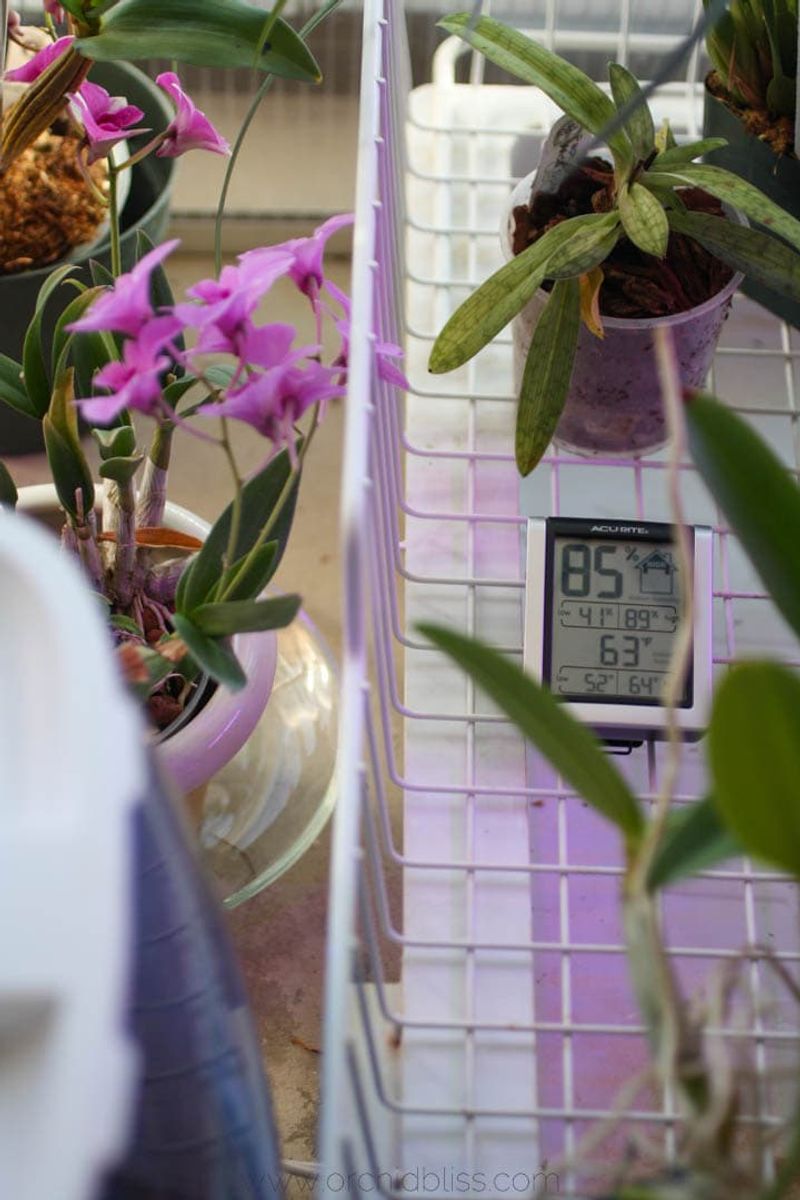
The temperature difference between day and night plays a huge role in flower development. Most popular orchids like Phalaenopsis prefer daytime temperatures between 70 and 80 degrees Fahrenheit.
Nighttime temperatures should drop to 60 or 65 degrees. This temperature swing signals the plant to start producing flower spikes.
Radiator heat in classic Philadelphia homes can create hot spots that stress orchids. Never place your orchid directly on top of or right next to a radiator.
The blast of dry heat will damage leaves and prevent blooming. Forced air vents present similar problems because they blow hot, dry air directly onto plants.
Position orchids away from heating vents, or redirect airflow using vent deflectors. You want steady, moderate warmth rather than temperature roller coasters.
Many Philadelphia residents turn down thermostats at night to save energy, which actually benefits orchids perfectly. That natural temperature drop mimics their native tropical environments where nights cool down.
If you keep your home very warm at night, consider moving orchids to a cooler room like a basement guest room or enclosed porch where temperatures dip slightly. Just make sure the spot still receives adequate light during daytime hours for healthy growth and spectacular blooming.
3. Boosting Humidity In Dry Philadelphia Homes
Heating systems turn Philadelphia homes into deserts during winter. Indoor humidity often drops below 30 percent, while orchids prefer levels between 40 and 60 percent.
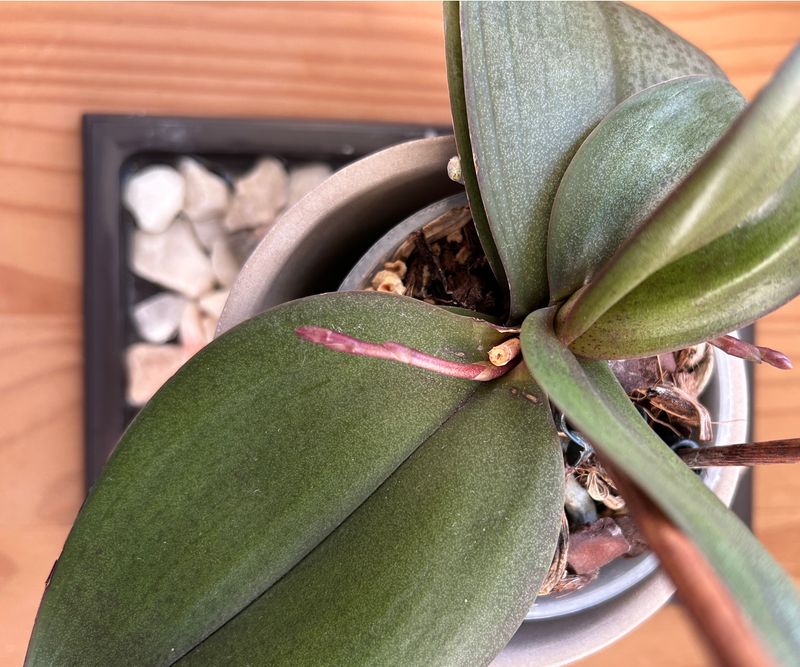
Low humidity causes bud blast, where flower buds turn yellow and fall off before opening. Pebble trays offer the easiest humidity solution for orchid growers.
Fill a shallow tray with stones or marbles, add water just below the top of the pebbles, then set your orchid pot on top. As water evaporates, it creates a humid microclimate around your plant.
Grouping orchids together naturally increases humidity because plants release moisture through their leaves. Create a small orchid display in one area rather than scattering single plants throughout your Philadelphia home.
The combined transpiration benefits all the plants in the group. Room humidifiers work wonderfully for serious orchid collectors with multiple plants.
Cool-mist humidifiers are safer than warm-mist models because they will not accidentally overheat your plants. Place the humidifier near your orchid area and aim for that sweet spot of 50 percent humidity.
Bathrooms with windows make excellent orchid homes in Philadelphia apartments because shower steam naturally boosts humidity. Just ensure your bathroom gets enough natural light.
Kitchens also tend to have higher humidity from cooking, though you should keep orchids away from stove heat. Avoid misting orchid leaves directly because water sitting in leaf crevices can cause rot.
Focus instead on these environmental humidity solutions that create consistent moisture levels your orchids will love throughout the dry winter months.
4. Watering Correctly During Philadelphia Winter Months
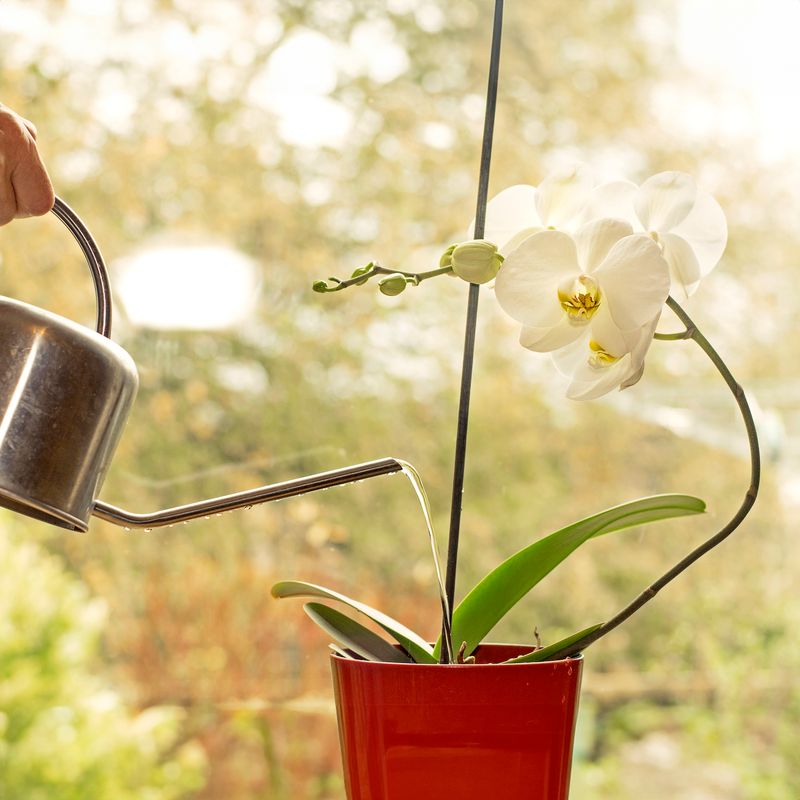
Overwatering causes more orchid problems than any other care mistake. Winter watering needs change because lower light levels and cooler temperatures slow plant growth.
Philadelphia tap water works fine for orchids despite our relatively hard water, though room temperature water is essential. Check moisture levels before watering rather than following a strict schedule.
Stick your finger an inch into the potting medium, or lift the pot to feel its weight. Light pots need water, while heavy pots still have plenty of moisture.
Most orchids in typical homes need watering once every seven to ten days during winter. Orchids in bark medium dry out faster than those in moss.
Clear pots let you see root color, which tells you moisture levels. Silver or white roots need water, while green roots are still moist.
Water thoroughly when you do water, letting excess drain completely from the bottom. Never let orchids sit in standing water because soggy roots rot quickly.
Empty saucers after watering to prevent this common problem. Morning watering works best in Philadelphia homes because it gives leaves time to dry before cooler evening temperatures arrive.
Take your orchid to the sink and run room temperature water through the pot for about 30 seconds. Let it drain completely before returning it to its display spot.
Some growers prefer the ice cube method, placing two or three ice cubes on the potting medium weekly. While controversial among experts, many Philadelphia orchid enthusiasts report success with this gentle, slow-release watering technique that prevents overwatering disasters.
5. Choosing The Right Potting Medium And Container
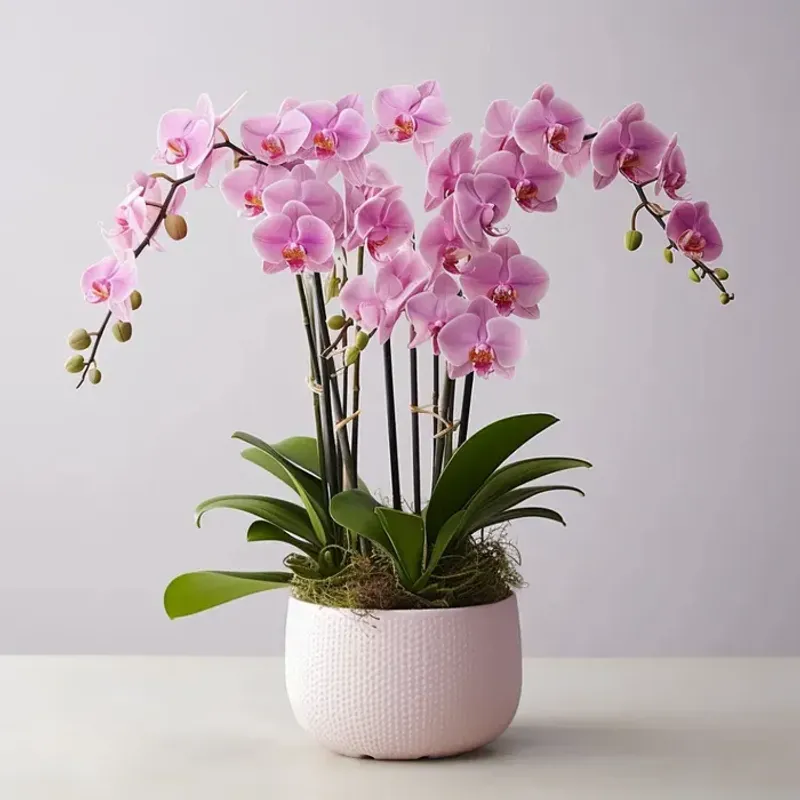
Orchid roots need air circulation to stay healthy, which is why regular potting soil spells disaster for these plants. Specialized orchid potting medium allows air to reach roots while still holding some moisture.
Philadelphia garden centers and hardware stores stock several good options. Bark-based mixes work excellently for most orchids, especially Phalaenopsis varieties popular with beginners.
Medium-grade bark chunks provide good drainage and air pockets. These mixes typically include perlite and charcoal to improve drainage and prevent odors.
Sphagnum moss holds more moisture than bark, making it ideal for mounted orchids or for growers who travel frequently. However, moss compacts over time and needs replacing more often.
Some Philadelphia orchid enthusiasts mix bark and moss for balanced moisture retention. Clear plastic pots let you monitor root health and moisture levels easily.
Healthy orchid roots should look plump and green or silvery white. Clay pots dry out faster than plastic, requiring more frequent watering during Philadelphia winters.
Repotting becomes necessary every one to two years as potting medium breaks down. Late spring after blooming finishes is the best time for this task.
Choose a pot only slightly larger than the root mass because orchids actually prefer snug containers. Proper potting medium and containers prevent the root rot that plagues many indoor orchids.
When you visit Philadelphia garden shops, look for products specifically labeled for orchids rather than trying to adapt regular houseplant supplies that lack the drainage these tropical beauties require.
6. Fertilizing For Strong Late Winter Blooms
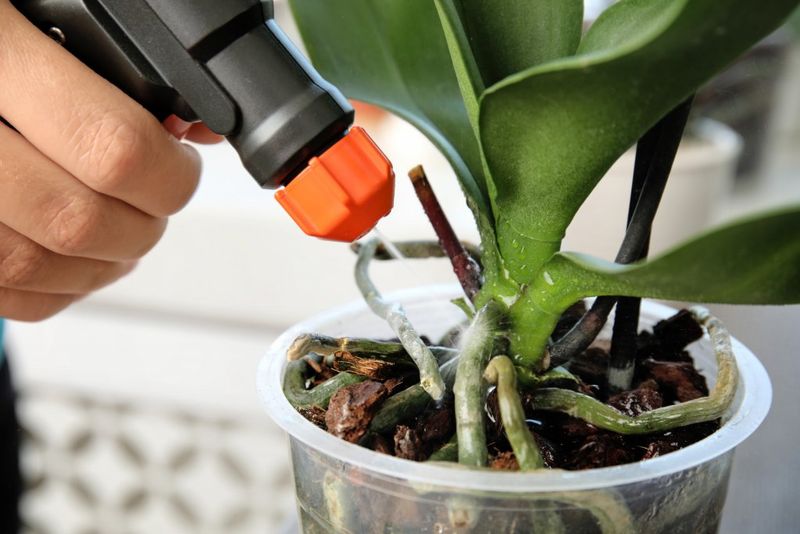
Proper nutrition helps orchids produce those stunning flower spikes you want to see in February and March. Philadelphia tap water contains some minerals, but orchids still need supplemental feeding during their growing and blooming phases.
The right fertilizer makes a noticeable difference in bloom quality and quantity. Orchid-specific fertilizers contain balanced nutrients in forms these plants can absorb easily.
Look for formulas marked 20-20-20 or similar balanced numbers. These products are designed for orchids rather than general houseplants.
Weakly weekly feeding works better than monthly heavy doses. Dilute fertilizer to one-quarter or one-half the recommended strength and apply it every week or two.
This gentle approach prevents fertilizer burn while providing steady nutrition. Reduce fertilizing frequency during winter because lower light levels slow growth in Philadelphia homes.
Feed every two to three weeks instead of weekly. Resume regular feeding when you notice new growth or flower spikes emerging.
Flush pots with plain water monthly to prevent salt buildup from fertilizer and Philadelphia tap water. Run water through the pot for several minutes, letting it drain completely.
This simple step prevents the white crusty deposits that accumulate on potting medium and pot edges. Bloom-boosting fertilizers with higher phosphorus content can encourage flower production.
Switch to a formula like 10-30-20 when you spot emerging flower spikes. Continue this feeding through the blooming period.
Stop fertilizing completely once flowers open because feeding at this stage shortens bloom duration. Resume regular feeding after flowers fade to support the next growth cycle.
7. Encouraging Reblooming After Flowers Fade
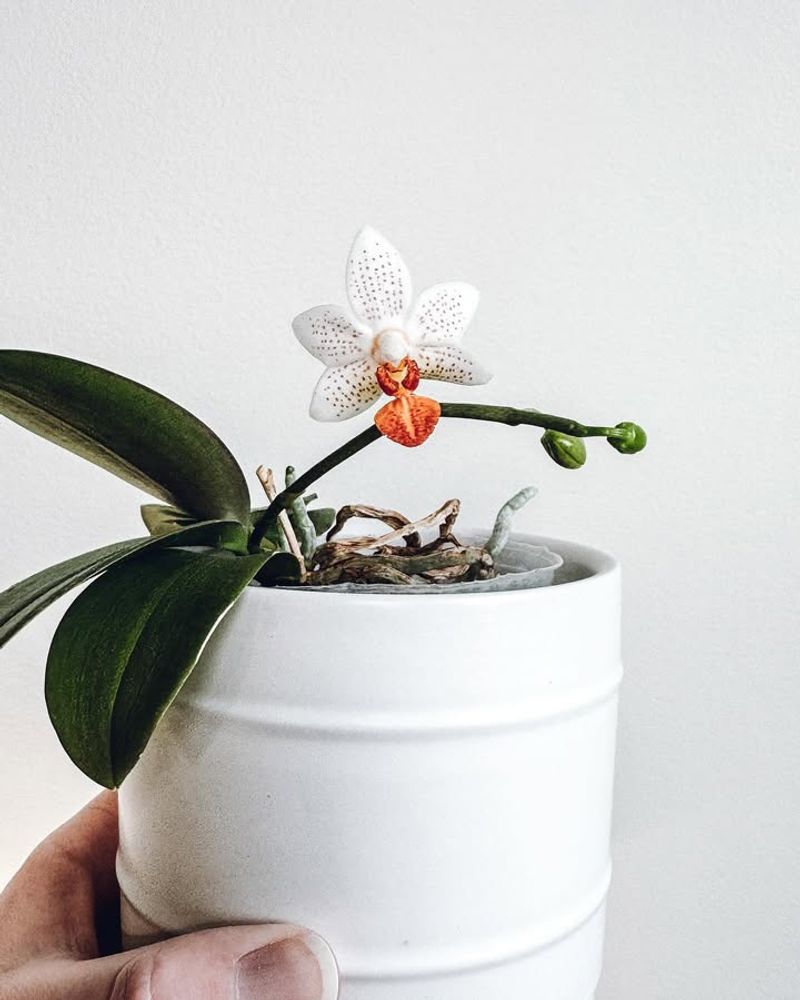
Your orchid just finished its spectacular show, but the plant still has plenty of life left. Many Philadelphia growers toss orchids after blooming, not realizing these plants bloom again with proper care.
Phalaenopsis orchids often rebloom from the same flower spike. Examine the flower spike after blooms fade.
If it stays green and firm, you can encourage reblooming by cutting just above a node. Nodes look like little bumps along the stem.
Count up from the bottom and cut above the second or third node using clean, sharp scissors. New flower branches often emerge from these nodes within two to three months.
This technique gives you blooms faster than waiting for a completely new spike. However, the secondary blooms might be slightly smaller than the original flowers.
Some growers prefer cutting the entire spike at the base after blooming finishes. This approach lets the plant focus energy on root and leaf growth rather than secondary blooms.
The orchid will produce a new spike from the base during the next blooming cycle. After blooming, orchids enter a rest period when they build strength for the next flowering.
Maintain regular care with proper light, water, and fertilizer throughout this phase. Philadelphia orchid enthusiasts often see new spikes emerging in fall as days shorten and temperatures drop naturally.
That temperature difference between day and night triggers flower spike development. With patience and consistent care, your orchid will reward you with another stunning display next winter, bringing tropical beauty to your Philadelphia home year after year.