9 Indoor Plants Asthma Sufferers Can Safely Enjoy In Massachusetts Homes
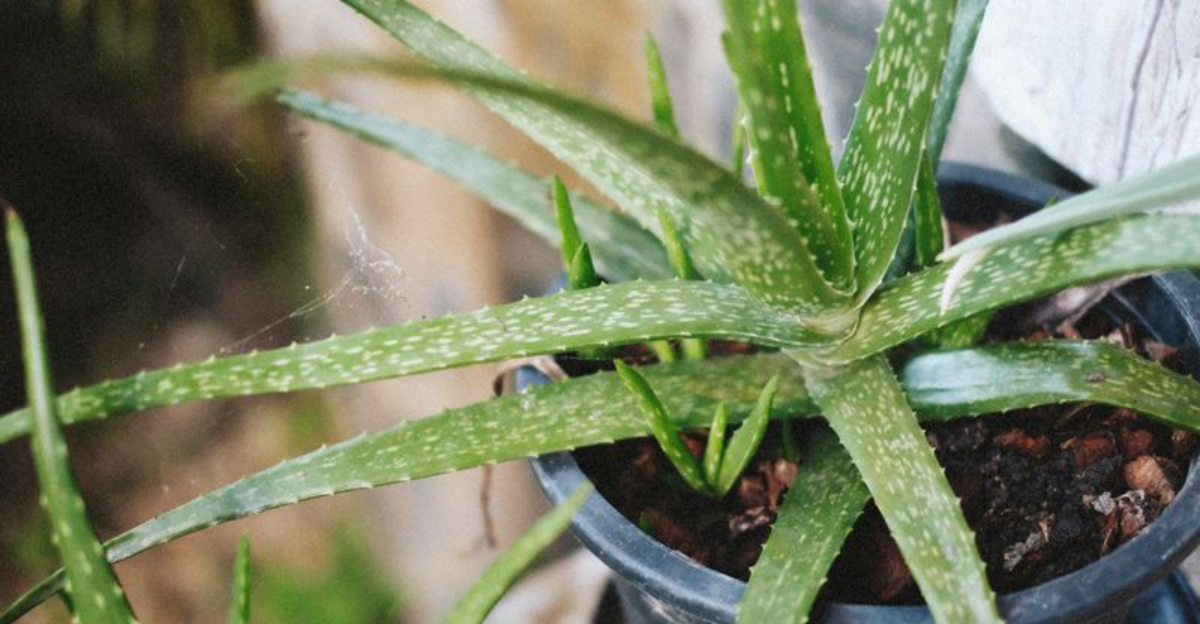
Bringing greenery indoors can instantly brighten a Massachusetts home, but for asthma sufferers, choosing the right plants is essential. Certain plants can trigger allergies or irritate sensitive lungs, while others improve air quality and are completely safe.
Imagine enjoying lush, vibrant greenery without worrying about triggers. Indoor plants like spider plants, bamboo palms, and areca palms not only thrive indoors but also naturally purify the air, creating a healthier, fresher environment.
Beauty and wellness go hand in hand. Even small spaces or apartments can benefit from these safe, low-maintenance plants, adding color, texture, and a calming vibe.
A little greenery can make a big difference in your home. With the right choices, Massachusetts homeowners with asthma can enjoy the joys of indoor plants while keeping their living space safe, clean, and full of life.
1. Snake Plant (Sansevieria)
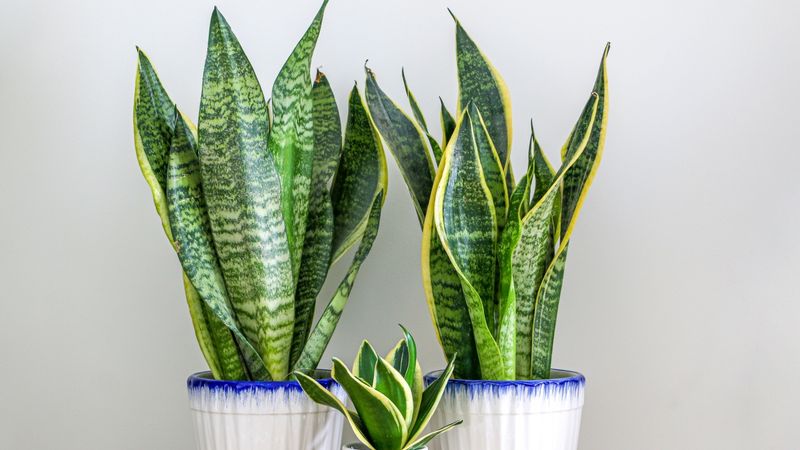
Tough as nails and perfect for beginners, the snake plant stands tall as one of the most asthma-friendly options available. Its thick, upright leaves require minimal watering, which means less moisture in the soil and fewer chances for mold to develop.
This matters tremendously for anyone with breathing sensitivities living in Massachusetts, where humidity levels can vary dramatically between seasons.
Snake plants don’t produce flowers indoors, so there’s zero pollen to worry about. They also release oxygen at night, unlike most plants, making them ideal bedroom companions.
The waxy coating on their leaves naturally repels dust, so you won’t find yourself constantly cleaning them to prevent allergen buildup.
Massachusetts residents appreciate how well these plants tolerate the dry indoor air that comes with winter heating systems. They thrive in both bright and low light conditions, making them versatile for any room in your home.
You can place them near a sunny window in your living room or tuck them into a darker corner of your bedroom.
Watering once every two to three weeks is typically enough, and overwatering is actually more harmful than underwatering. This low-maintenance nature means you’re not constantly disturbing the soil, which helps keep potential irritants contained and your air cleaner.
2. Spider Plant (Chlorophytum comosum)
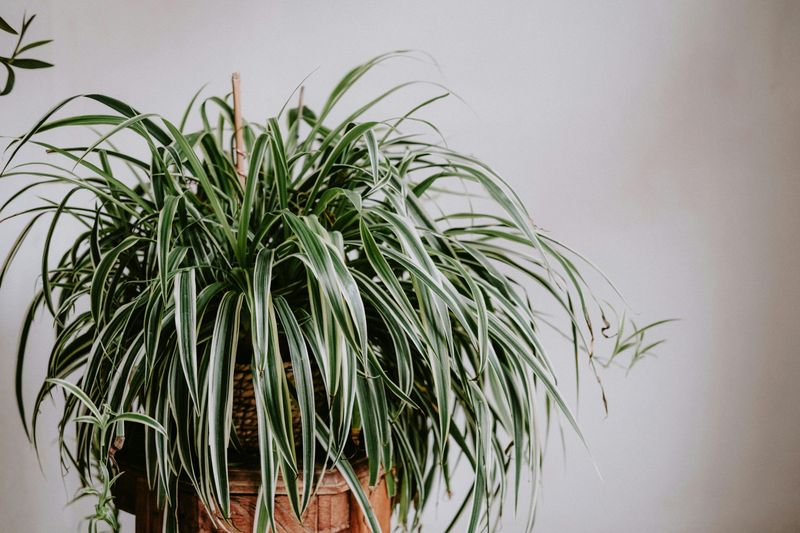
With its cheerful cascading leaves and tiny plantlets that dangle like spiders on silk threads, this plant brings personality without the respiratory risks.
Spider plants earned a spot on NASA’s list of air-purifying plants, known for filtering out common indoor pollutants without releasing irritating compounds into the air.
For Massachusetts homeowners dealing with closed-up homes during cold months, this plant works overtime to improve air quality. It doesn’t flower often indoors, and when it does, the tiny white blooms produce negligible pollen that rarely bothers asthma sufferers.
The plant’s ability to absorb toxins like formaldehyde and xylene makes it especially valuable in newer homes or recently renovated spaces.
Spider plants prefer moderate watering and can tolerate occasional neglect, which keeps soil moisture levels manageable. Their root systems are contained and don’t create excessive humidity in the surrounding air.
These plants adapt well to various light conditions, though they look their best in bright, indirect light near east-facing windows.
Growing spider plants is remarkably easy because they propagate themselves by producing baby plants.
You can share these with friends or expand your own collection throughout your Massachusetts home. They’re also non-toxic to pets, adding an extra layer of household safety.
3. Rubber Plant (Ficus elastica)
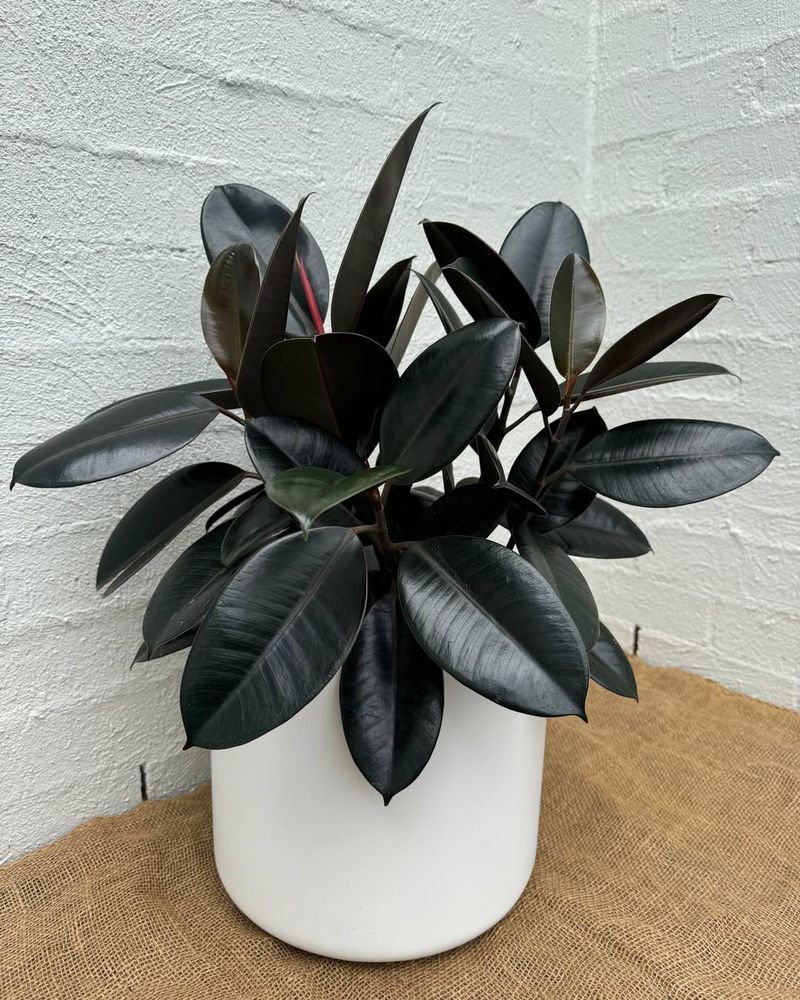
Bold, glossy leaves make the rubber plant a stunning focal point that won’t compromise your breathing. Native to tropical regions, this plant has adapted surprisingly well to indoor environments across Massachusetts, thriving in homes from Cambridge to Springfield.
Its large, waxy leaves are incredibly easy to wipe down, preventing dust accumulation that could trigger asthma symptoms.
Rubber plants rarely flower indoors, eliminating pollen concerns entirely. They prefer their soil to dry out between waterings, which naturally discourages mold growth in the pot.
This characteristic makes them particularly suitable for people managing respiratory conditions who need to minimize environmental triggers.
The plant’s substantial size and presence mean you can achieve a dramatic look with just one or two specimens rather than multiple smaller plants. Fewer plants mean less maintenance and fewer potential sources of allergens in your living space.
Rubber plants also tolerate the lower humidity levels common in heated Massachusetts homes during winter months.
Place your rubber plant in bright, indirect light for best results, though it can adapt to medium light conditions. The thick leaves store water efficiently, so you won’t need to water frequently.
When you do water, the plant’s preference for drier conditions between waterings helps maintain healthier air quality in your home.
4. Pothos (Epipremnum aureum)
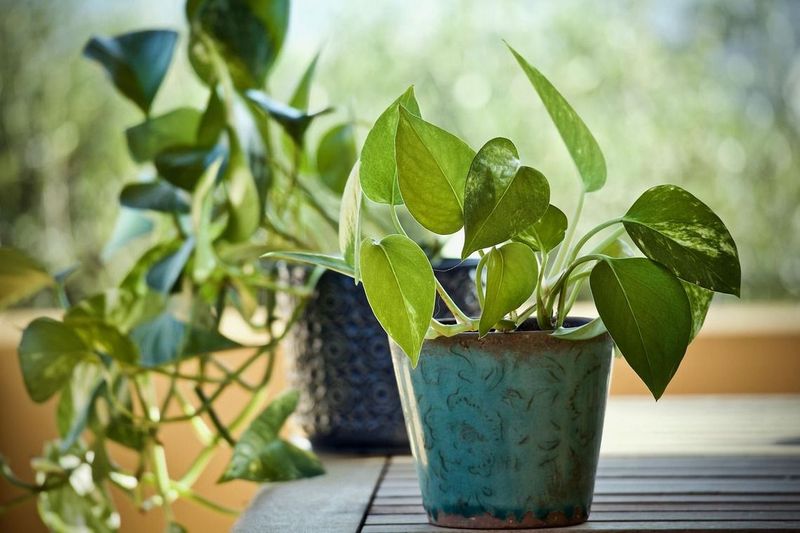
Practically indestructible and forgiving of neglect, pothos vines trail beautifully from shelves and hanging baskets without causing breathing troubles.
This plant has become a staple in Massachusetts homes because it adapts to almost any indoor condition, from the bright sunrooms of Cape Cod cottages to the dimmer corners of Boston brownstones.
Pothos plants don’t produce flowers when grown indoors, so pollen isn’t an issue. Their waxy, heart-shaped leaves naturally shed dust rather than collecting it, which helps keep allergen levels down.
The plant’s ability to filter indoor air pollutants makes it a functional choice beyond its obvious beauty.
One of the best features for asthma sufferers is how little water pothos needs. Allowing the soil to dry out between waterings prevents the damp conditions where mold thrives.
You’ll know it’s time to water when the leaves start to droop slightly, and they perk right back up within hours of watering.
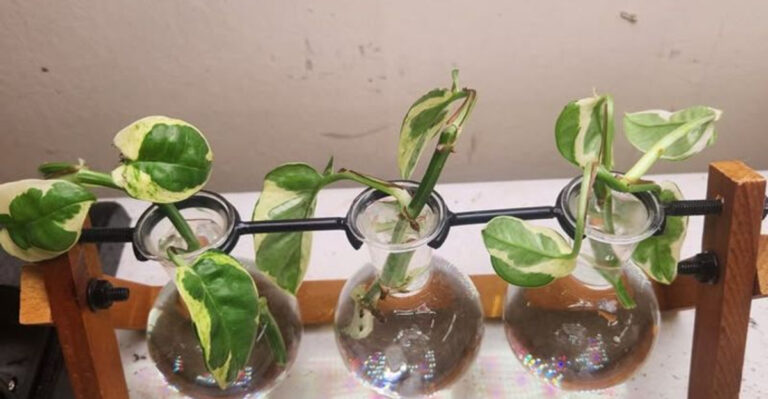
Pothos grows quickly and can be easily trimmed to maintain your desired length and shape. The cuttings root readily in water, letting you propagate new plants for other rooms or to share with neighbors.
This plant’s versatility means you can train it to climb a moss pole, trail from a hanging basket, or drape across a bookshelf.
5. Aloe Vera
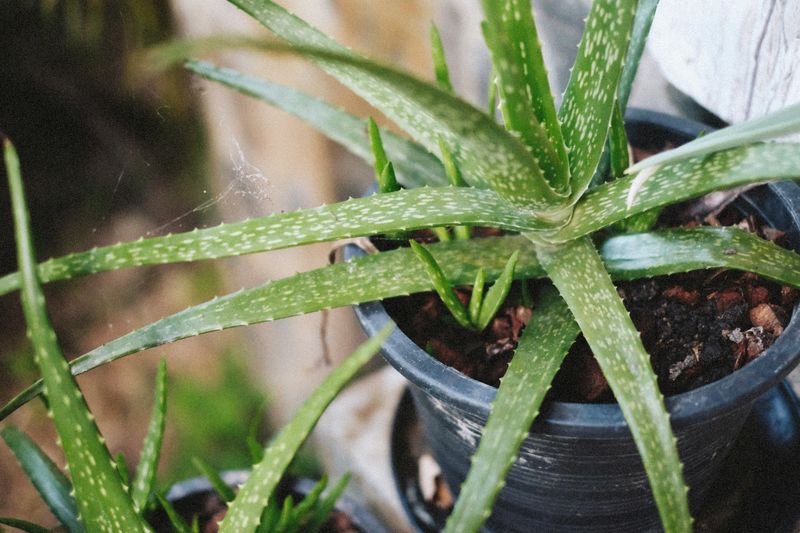
Famous for its soothing gel and medicinal properties, aloe vera doubles as an asthma-safe houseplant that thrives on neglect. Massachusetts residents love how this succulent handles the dry air that comes with running furnaces throughout our lengthy winter season.
The thick, fleshy leaves store water internally, requiring infrequent watering that keeps soil moisture minimal.
Aloe vera plants rarely bloom indoors, and even when they do, the flowers appear on tall stalks that can be easily removed if you’re concerned about any potential irritants.
The plant’s compact size makes it perfect for sunny windowsills in kitchens or bathrooms where you might want quick access to its healing gel for minor burns or skin irritations.
Caring for aloe vera is straightforward because it actually prefers to be underwatered rather than overwatered. This characteristic naturally prevents the damp soil conditions that encourage mold spores, making it an excellent choice for people with respiratory sensitivities.
The plant needs bright light to thrive, so place it near south or west-facing windows in your Massachusetts home.
Beyond its air-quality benefits, having aloe vera on hand provides natural first aid for the whole family. The gel inside the leaves can soothe minor burns, cuts, and skin irritations without the need for chemical-laden products that might trigger breathing issues.
6. Boston Fern (Nephrolepis exaltata)
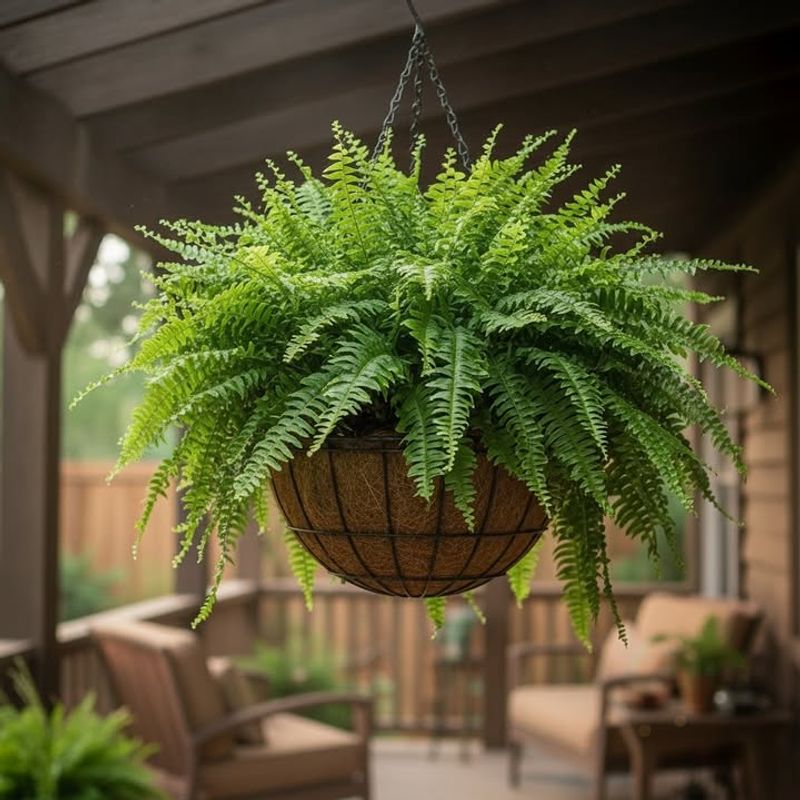
Named after our own beloved city, the Boston fern brings lush, feathery fronds into homes without the respiratory risks associated with many flowering plants. This classic New England favorite has graced Massachusetts porches and parlors for generations, and for good reason.
Boston ferns are excellent natural humidifiers, releasing moisture into the air that can actually help ease breathing during dry winter months when heating systems make indoor air uncomfortably dry.
These ferns don’t produce flowers or pollen, making them inherently safer for asthma sufferers. Their delicate fronds do require more attention than some other plants on this list, needing consistent moisture and humidity to look their best.
However, proper care doesn’t mean soggy soil; these ferns prefer evenly moist conditions rather than waterlogged roots.
Place your Boston fern in bright, indirect light away from heating vents and drafty windows.
Misting the fronds regularly or setting the pot on a pebble tray filled with water helps maintain humidity around the plant without oversaturating the soil. This approach provides the moisture the fern needs while minimizing mold risk.
Boston ferns work wonderfully in bathrooms where natural humidity from showers provides ideal growing conditions. They also look spectacular in hanging baskets where their cascading fronds can be fully appreciated and air circulation around the plant remains good.
7. Peace Lily (Spathiphyllum)
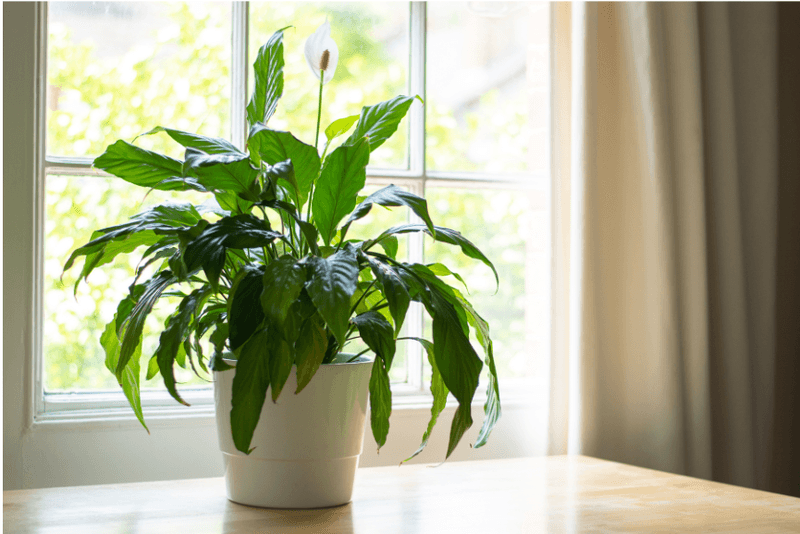
Elegant white blooms rise above glossy green foliage, but don’t let the flowers fool you. Peace lilies are actually low-pollen producers, and their showy white parts aren’t true petals but modified leaves called spathes.
The actual flowers are the tiny bumps on the central spike, which produce minimal pollen that typically stays contained rather than becoming airborne.
Peace lilies earned recognition from NASA for their exceptional air-purifying abilities, filtering out common household toxins like benzene, formaldehyde, and trichloroethylene.
For Massachusetts homes where windows stay closed for months during cold weather, this filtering capacity becomes especially valuable.
The plant actively improves air quality, which can contribute to easier breathing for some asthma sufferers.
These plants communicate their watering needs clearly by drooping when thirsty, then perking up within hours of watering. This visible signal helps prevent overwatering, which is the main cause of mold issues with houseplants.
Peace lilies prefer medium to low light conditions, making them suitable for rooms without bright windows.
Keep in mind that peace lilies prefer consistently moist soil, so check them regularly and water when the top inch feels dry. Good drainage is essential to prevent water from sitting in the pot.
While they’re generally asthma-safe, some individuals may have sensitivities, so monitor your response when first introducing one to your Massachusetts home.
8. Dracaena
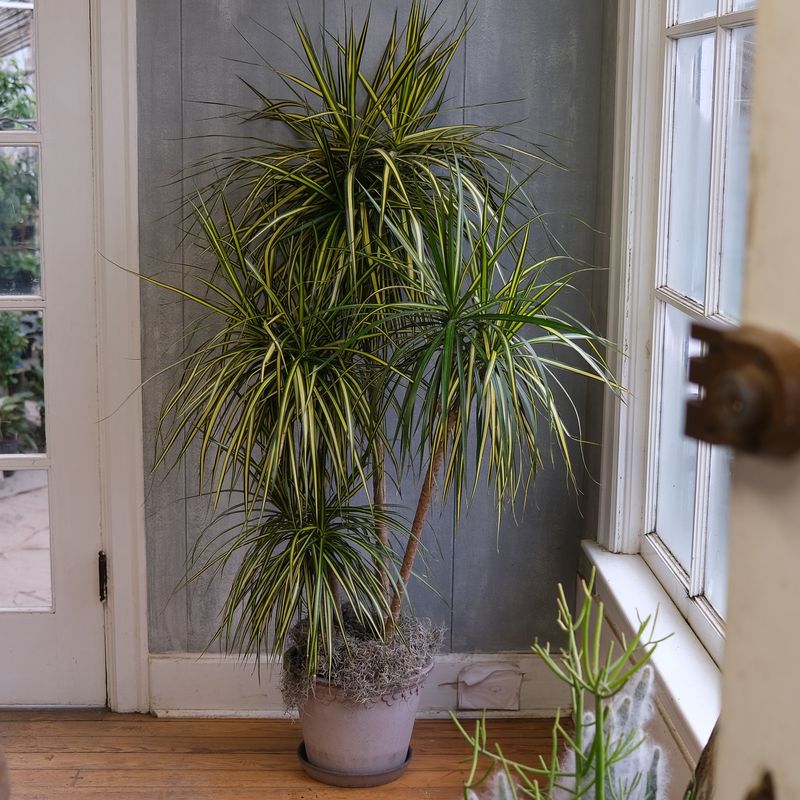
Architectural and striking, dracaena varieties bring tropical flair to Massachusetts interiors without triggering breathing problems.
These plants come in numerous varieties, from the popular dragon tree with its spiky leaves to the corn plant with broader foliage, giving you plenty of options to match your home’s style. Dracaenas rarely flower indoors, effectively eliminating any pollen concerns.
What makes dracaena particularly suitable for asthma sufferers is its tolerance for dry conditions and infrequent watering. The plant prefers its soil to dry out between waterings, which naturally discourages mold growth in the pot and surrounding area.
This characteristic is especially helpful during Massachusetts winters when indoor air tends to be drier.
Dracaenas also made NASA’s list of air-purifying plants, capable of removing toxins like formaldehyde, benzene, and trichloroethylene from indoor air.
Their tall, upright growth habit means they take up minimal floor space while making a significant visual impact. You can tuck them into corners or place them beside furniture without creating clutter.
These plants thrive in medium to bright indirect light but can tolerate lower light conditions, making them adaptable to various rooms in your home. Their slow growth rate means minimal maintenance and infrequent repotting.
Simply wipe down the leaves occasionally to prevent dust buildup, and your dracaena will continue purifying your air for years to come.
9. ZZ Plant (Zamioculcas zamiifolia)
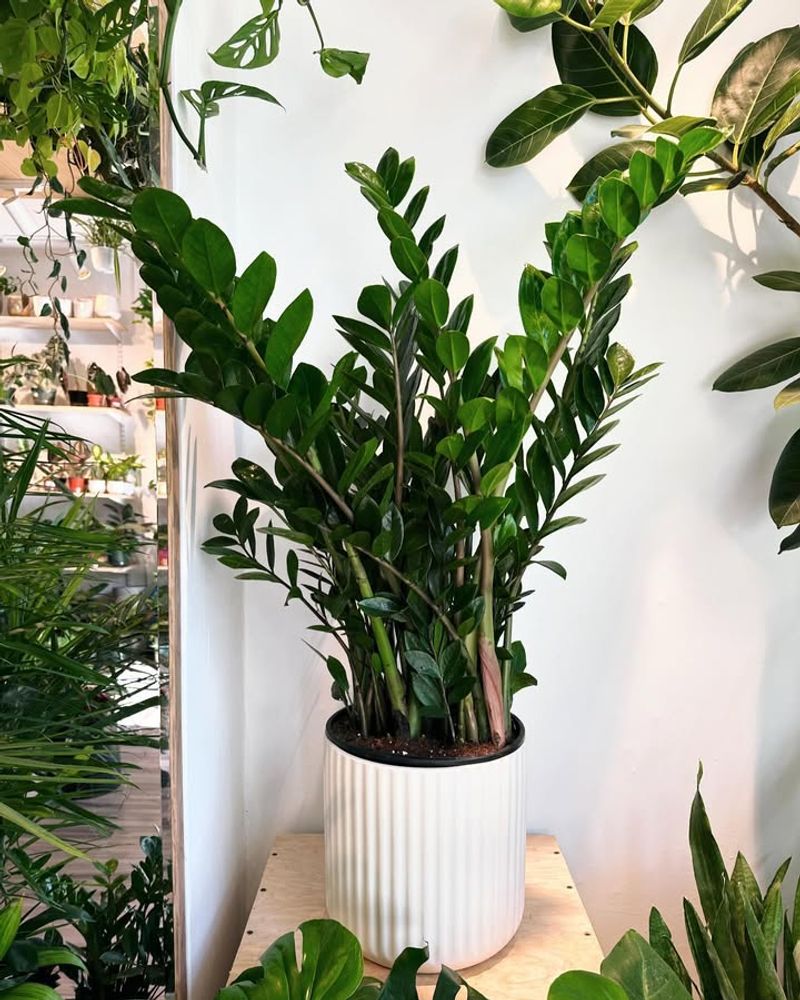
Nearly impossible to harm, the ZZ plant has become a favorite among busy Massachusetts residents who want greenery without high maintenance demands.
Its thick, waxy leaves and water-storing rhizomes mean this plant can survive weeks of neglect, making it perfect for anyone who travels frequently or simply forgets to water. This extreme drought tolerance keeps soil dry and inhospitable to mold growth.
ZZ plants don’t flower indoors under typical home conditions, so pollen isn’t a concern. Their glossy leaves naturally repel dust and are easy to wipe clean, helping maintain better air quality in your living space.
The plant’s ability to tolerate low light conditions makes it suitable for offices, bedrooms, or any room in your Massachusetts home that doesn’t receive abundant natural light.
One of the ZZ plant’s best features is how it signals its needs. Yellowing leaves typically indicate overwatering rather than underwatering, reminding you to cut back rather than add more water.
This plant truly thrives on benign neglect, preferring to be watered only when the soil has completely dried out.
The ZZ plant’s upright growth and architectural form make it an attractive addition to modern and traditional interiors alike. It grows slowly, so you won’t need to repot frequently, and it rarely experiences pest problems.
For asthma sufferers in Massachusetts looking for the easiest possible plant care routine, the ZZ plant delivers beauty without breathing concerns.