11 Indoor Plants That Can Help Improve Air Quality In Washington Homes With Asthma
Indoor air in Washington homes can feel heavier during long stretches of rain and closed-up windows, which is why many people turn to plants that help freshen the environment naturally.
Some houseplants quietly filter airborne particles while adding a calming, green presence to rooms that otherwise feel stuffy in winter.
Washington’s damp climate means indoor air quality can shift quickly, especially in homes where moisture builds up from constant heating and limited ventilation.
That’s where certain plants come in, offering gentle support by improving airflow around them and reducing the sense of stagnant indoor air.
Many of these plants thrive in low-light corners or bright window spots, making them easy additions to everyday living spaces.
Some varieties work especially well in bedrooms and home offices. They stay compact, adapt easily, and contribute to a fresher indoor feel without needing complicated care routines.
For Washington homeowners managing asthma symptoms, these plants won’t replace medical treatment, but they can contribute to a home environment that feels cleaner and more comfortable.
Any air-quality benefits associated with houseplants come from controlled studies, and results vary widely in real homes depending on ventilation, room size, and plant quantity.
Choosing the right mix of low-maintenance varieties helps create a healthier atmosphere while keeping your home filled with life, color, and steady growth all year long.
1. Snake Plant
Oxygen production happens all night long with this remarkable houseplant, making it different from most green companions. While other plants rest after sunset, this one continues its natural processes even at night, which many people appreciate in bedrooms.
Washington homes with asthma sufferers can benefit greatly from having one in the bedroom.
Caring for this variety requires almost no effort at all. Watering once every two to three weeks is usually plenty, and it thrives even in low-light corners where other greenery might struggle.
Forgetting to water it occasionally won’t cause any harm either.
Formaldehyde and benzene are among the chemicals this plant has been shown to absorb in controlled studies.
These toxins often come from cleaning products, furniture, and building materials found in typical Pacific Northwest homes. Filtering them out helps create a healthier breathing environment for everyone.
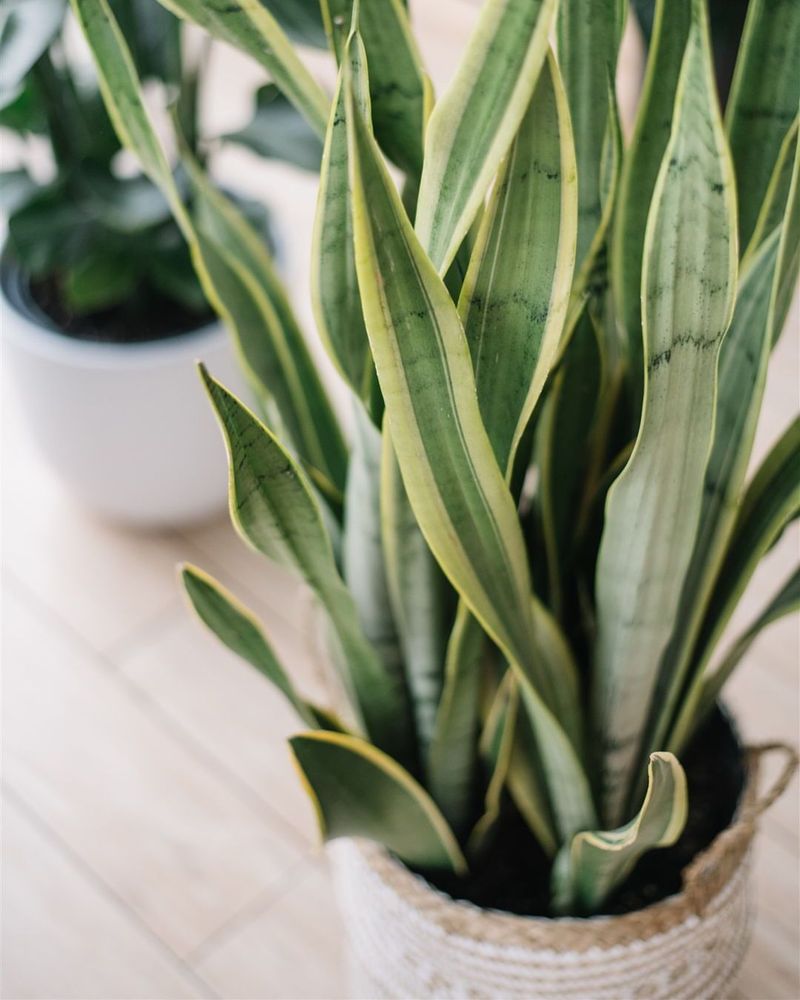
Tall, upright leaves grow in striking patterns that add visual interest to any room. Some varieties feature yellow edges, while others display silvery-green stripes.
Placing several pots around your living space multiplies the air-cleaning benefits.
Dry indoor air during Washington winters doesn’t bother this hardy plant one bit. Central heating systems can make breathing harder for people with asthma, but this green helper keeps purifying regardless of humidity levels.
Its resilience makes it perfect for beginners.
2. Peace Lily
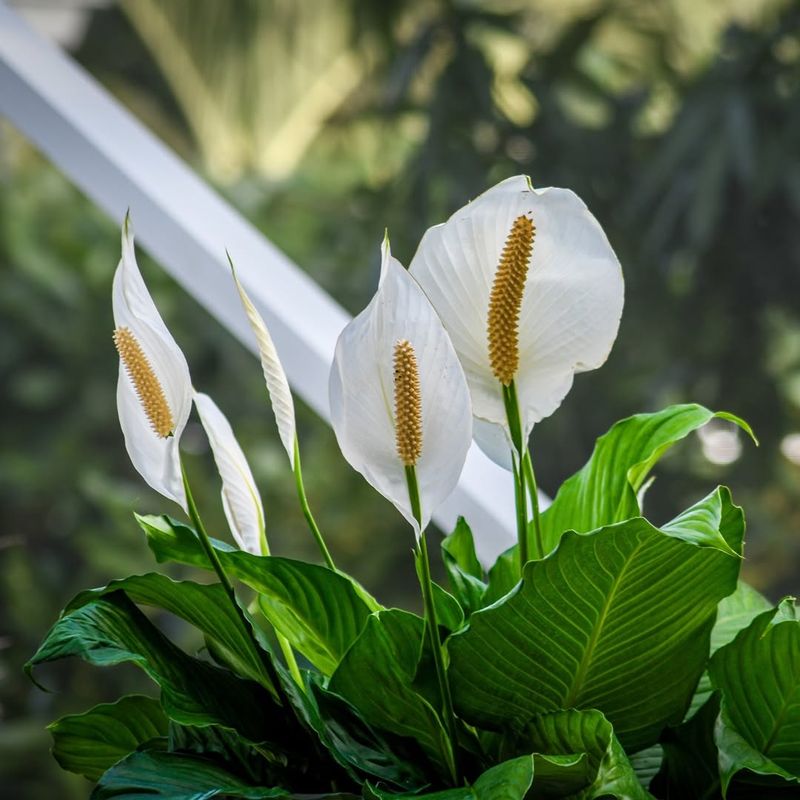
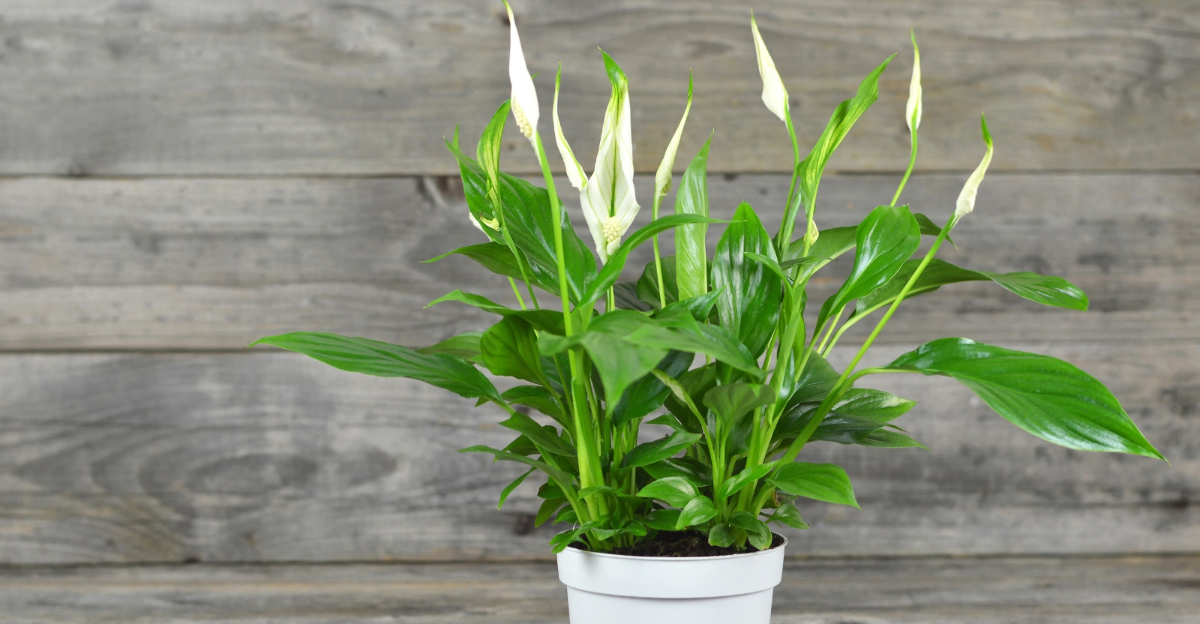
Elegant white blooms appear throughout the year on this graceful houseplant, bringing both beauty and cleaner air to your space.
Humidity levels increase naturally when you keep this plant nearby. It releases moisture through its leaves, which can soothe dry airways that trigger asthma attacks.
This feature proves especially valuable during cold months when indoor air gets uncomfortably dry.
Bathrooms and basements in rainy Washington often struggle with excess moisture that encourages mold growth. Positioning one of these in those problem areas helps control spore levels.
Low-light conditions don’t prevent this plant from thriving and doing its job. North-facing rooms or spaces away from windows still provide enough light for healthy growth.
Watering weekly and misting the leaves occasionally keeps it happy.
Ammonia, benzene, and formaldehyde all get filtered out by this green companion. These chemicals lurk in common household items like window cleaners, paints, and pressed wood products.
Reducing their concentration makes breathing easier for sensitive lungs.
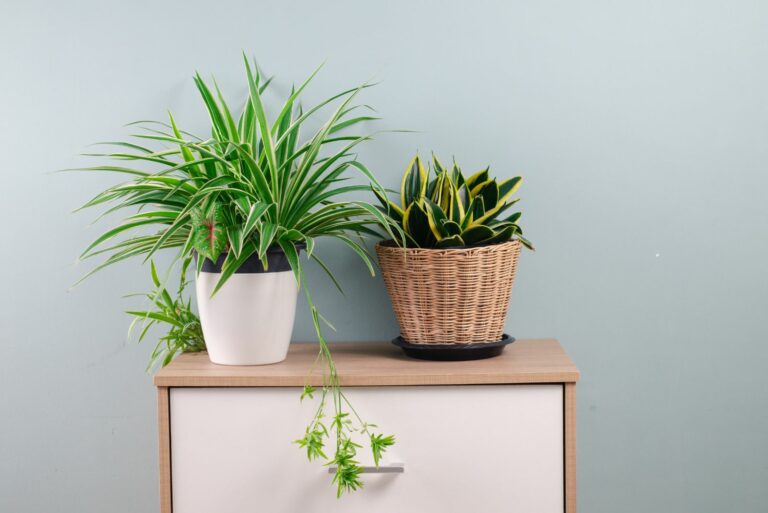
3. Spider Plant
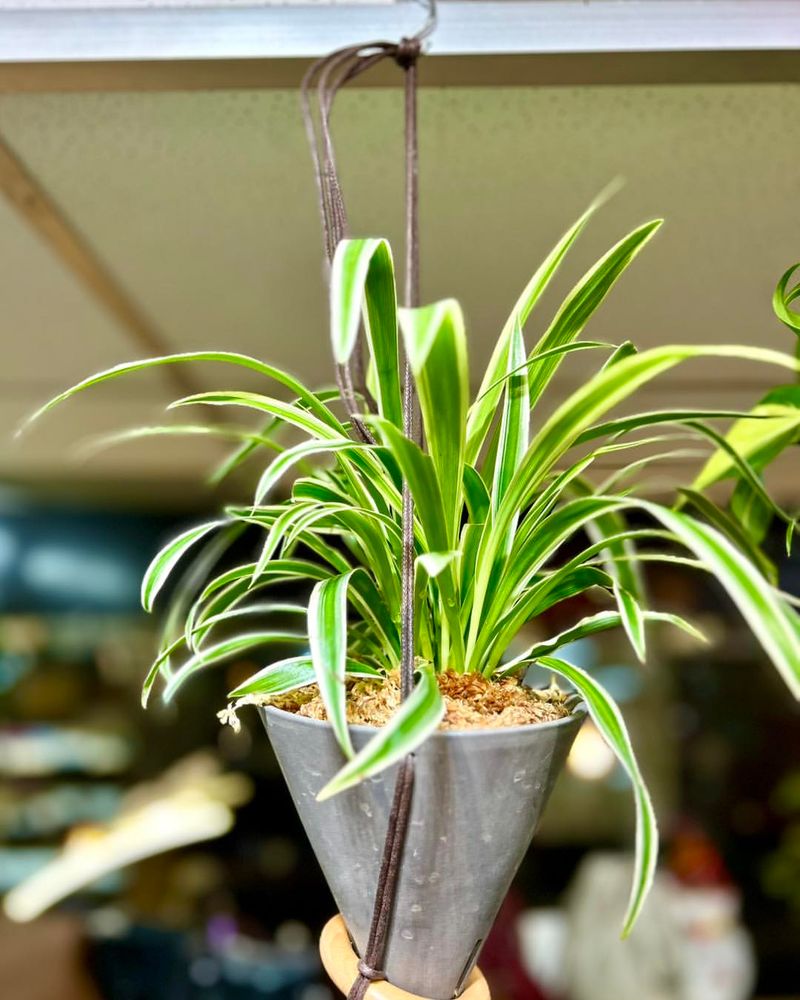
Arching green leaves cascade gracefully from hanging baskets, creating a waterfall effect that brightens any room. Small plantlets dangle from long stems, making this variety fun to watch as it grows and multiplies.
Washington families with asthma find this plant both decorative and functional.
Carbon monoxide and formaldehyde removal happens efficiently with this common houseplant. Gas stoves, fireplaces, and vehicle exhaust that seeps indoors all produce carbon monoxide.
Having several of these plants together can help a space feel fresher and more balanced.
Beginners love how forgiving this variety is when care isn’t perfect. Missing a watering session or two won’t cause lasting damage, and it bounces back quickly from neglect.
Bright indirect light works best, but it adapts to various lighting conditions found in Pacific Northwest homes.
Propagating new plants from the baby offshoots takes just minutes and costs nothing. Snip off a plantlet, place it in water or soil, and watch roots develop within weeks.
Soon you’ll have enough to place throughout your entire house.
Pet owners appreciate that this plant is non-toxic to cats and dogs. Many air-purifying plants can cause stomach upset if nibbled, but this one won’t harm curious animals.
Hanging it high still prevents pets from treating it like a salad bar.
4. Areca Palm
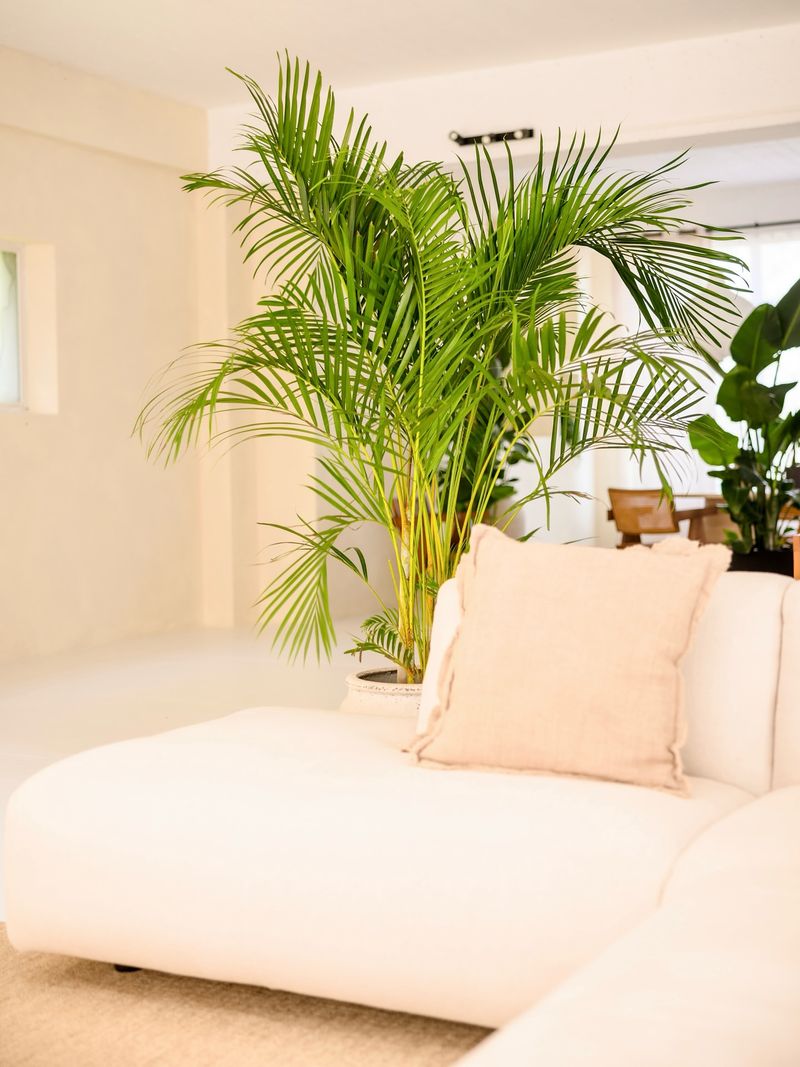
Tropical vibes fill your Washington living room when you bring home this feathery palm variety. Graceful fronds sway gently with air movement, adding a calming presence to indoor spaces.
People with asthma often feel more relaxed in rooms filled with greenery, which can reduce stress-triggered breathing issues.
Moisture gets released into the air continuously by this plant’s large leaf surface area. Dry winter air from heating systems can irritate sensitive airways and make asthma worse.
Placing one of these palms in your main living area can slightly increase moisture in dry indoor air
Xylene and toluene are two chemicals this plant removes particularly well. These toxins come from paints, nail polish, adhesives, and printer inks commonly found in homes.
Cleaner air means fewer irritants that could trigger asthma symptoms.
Bright, indirect sunlight keeps this palm looking lush and healthy. East or west-facing windows in Washington homes provide ideal lighting conditions.
Rotating the pot every few weeks ensures even growth on all sides.
Watering needs change with the seasons, requiring more moisture during summer and less in winter. Checking the soil before watering prevents overwatering, which can lead to root problems.
Yellow fronds usually indicate too much or too little water, making adjustments easy.
5. Boston Fern
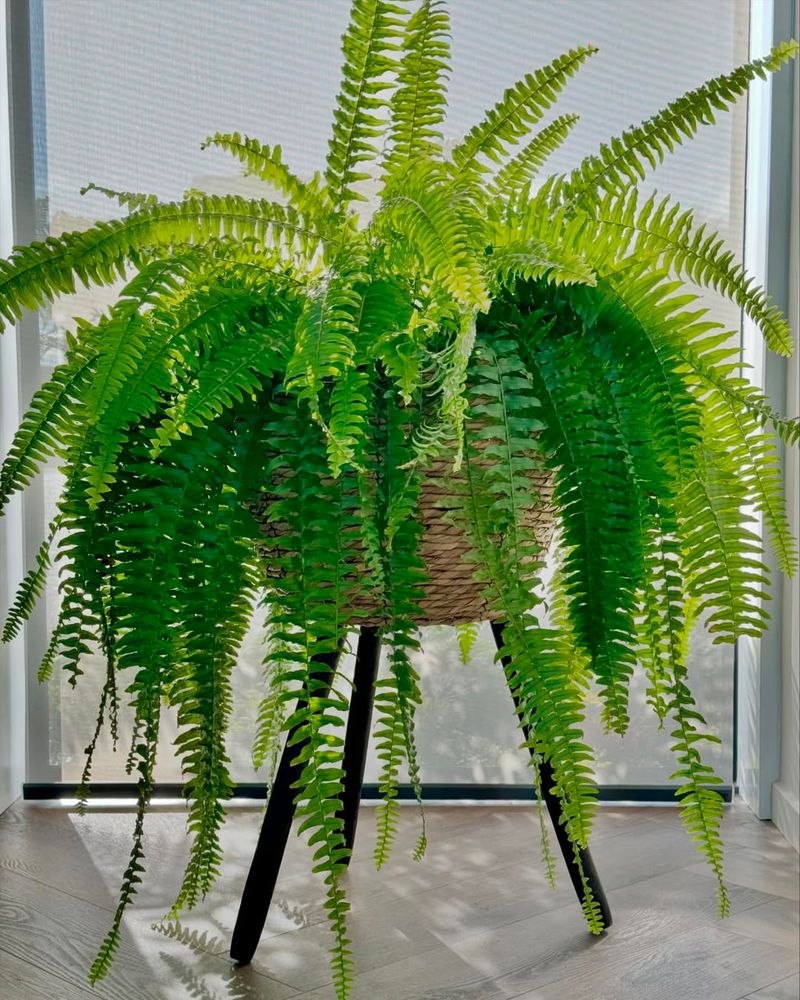
Lush, feathery fronds create a full, billowing appearance that softens any room’s decor. Hanging this variety near a window transforms a plain corner into a green oasis.
Washington homes with asthma concerns often appreciate the added moisture and greenery this plant provides.
Formaldehyde removal ranks among the highest for this particular fern species. New carpets, upholstery, and pressed wood furniture release this chemical for months after installation.
Having a few of these ferns working overtime helps clear it from your indoor air.
Humidity-loving nature makes this plant perfect for bathrooms and kitchens. It actually prefers the moist conditions found in these rooms and rewards you with thick, healthy growth.
Misting the fronds daily during dry winter months keeps them from turning brown.
Indirect light works best, as direct sun can scorch the delicate leaves. North-facing windows or spots a few feet from brighter windows provide ideal conditions.
Pacific Northwest weather patterns create perfect natural lighting for indoor ferns.
Consistent moisture in the soil is key to keeping this plant happy and productive. Allowing it to dry out completely causes frond damage that takes weeks to recover from.
Checking soil moisture every few days helps maintain the right balance for optimal air cleaning.
6. English Ivy
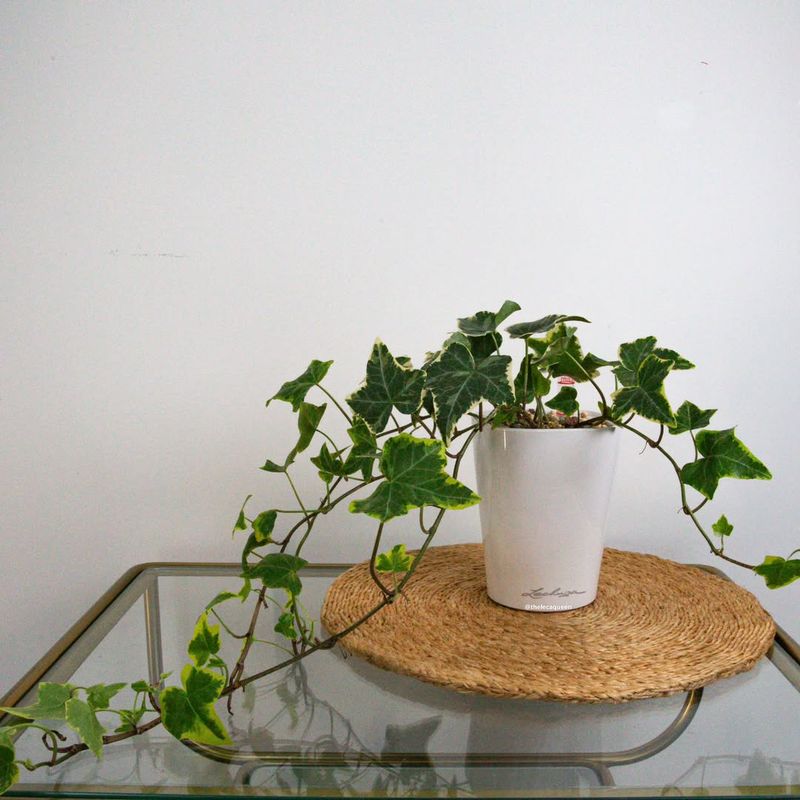
Trailing vines covered in classic lobed leaves bring old-world charm to modern Washington homes. This climbing variety can be trained up a small trellis or allowed to cascade from a shelf or hanging basket.
Research shows it excels at removing airborne mold particles that often trigger asthma attacks.
Bathroom mold problems decrease significantly when you keep this plant in moisture-prone areas. Seattle and other Washington cities deal with high humidity that encourages mold growth in homes.
This green helper actively reduces spore counts in the air you breathe.
Sounds unpleasant, but these microscopic particles float through every home and can irritate sensitive lungs.
Cleaner air means better breathing for asthma sufferers.
Cool temperatures suit this variety better than tropical warmth. Washington’s mild climate creates ideal conditions for healthy growth year-round.
Rooms that stay between 50 and 70 degrees work perfectly.
Moderate light levels and regular watering keep the vines growing steadily. Pinching back long stems encourages fuller, bushier growth that looks more attractive.
Fertilizing monthly during spring and summer supports vigorous growth and maximum air-cleaning power.
7. Rubber Plant
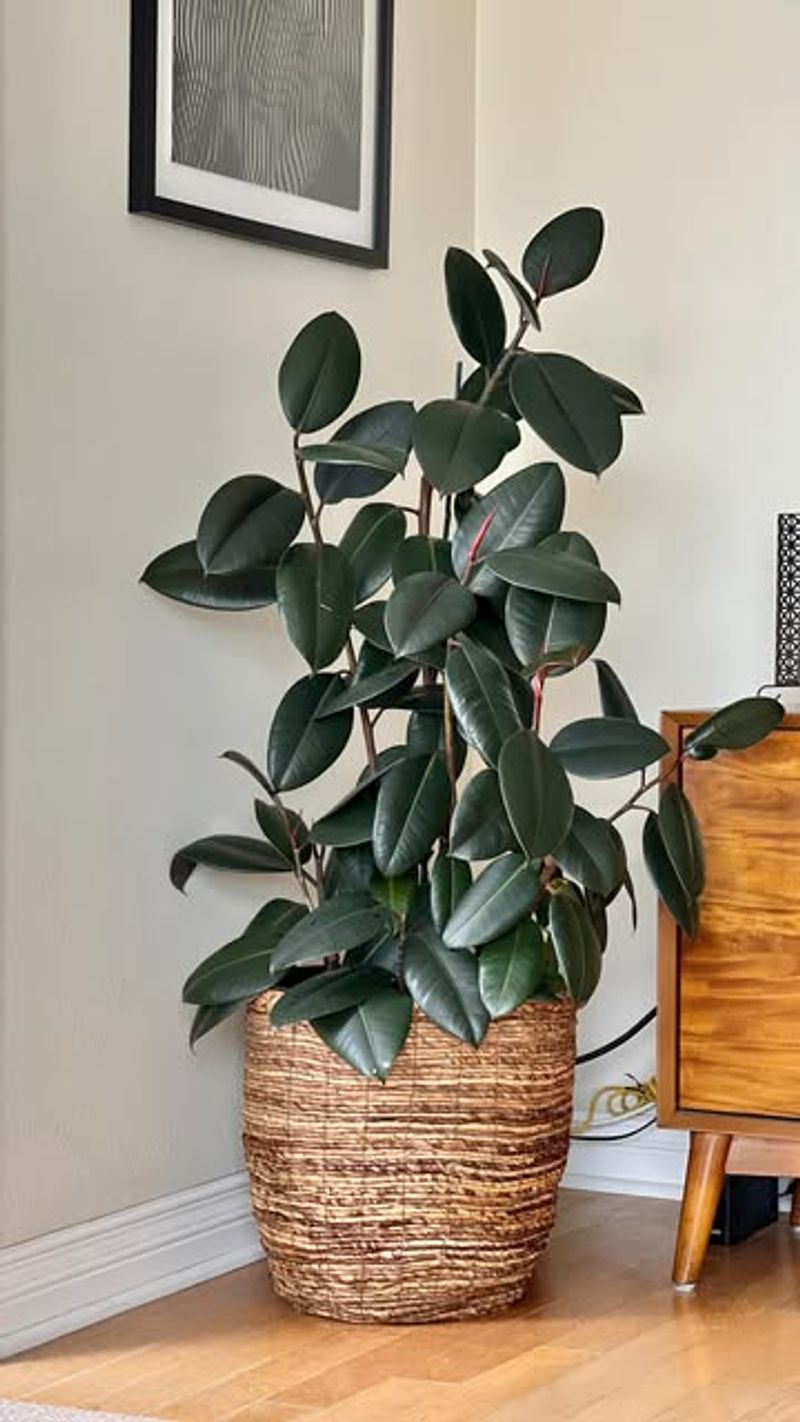
Glossy, oversized leaves make a bold statement in any Washington living space. This variety grows into an impressive floor plant over time, sometimes reaching several feet tall indoors.
Asthma-friendly homes appreciate its powerful ability to remove toxins from the air.
Formaldehyde gets absorbed efficiently by the large leaf surface area. Bigger leaves mean more contact with air, resulting in better filtration.
One mature plant can help a room feel more comfortable and visually balanced.
Low-maintenance care requirements make this an excellent choice for busy families. Watering when the top inch of soil feels dry usually works well, and it tolerates occasional neglect.
Wiping dust off the leaves monthly keeps them shiny and maximizes their air-cleaning ability.
Bright, indirect light produces the best growth, though it adapts to lower light levels. Washington homes with standard window exposure provide plenty of light for healthy development.
Rotating the pot occasionally prevents the plant from leaning toward the light source.
Air purification continues year-round with minimal effort on your part. Unlike some plants that go dormant in winter, this one keeps working steadily.
Its reliability makes it a favorite among people seeking consistent air quality improvement for asthma management.
8. Bamboo Palm
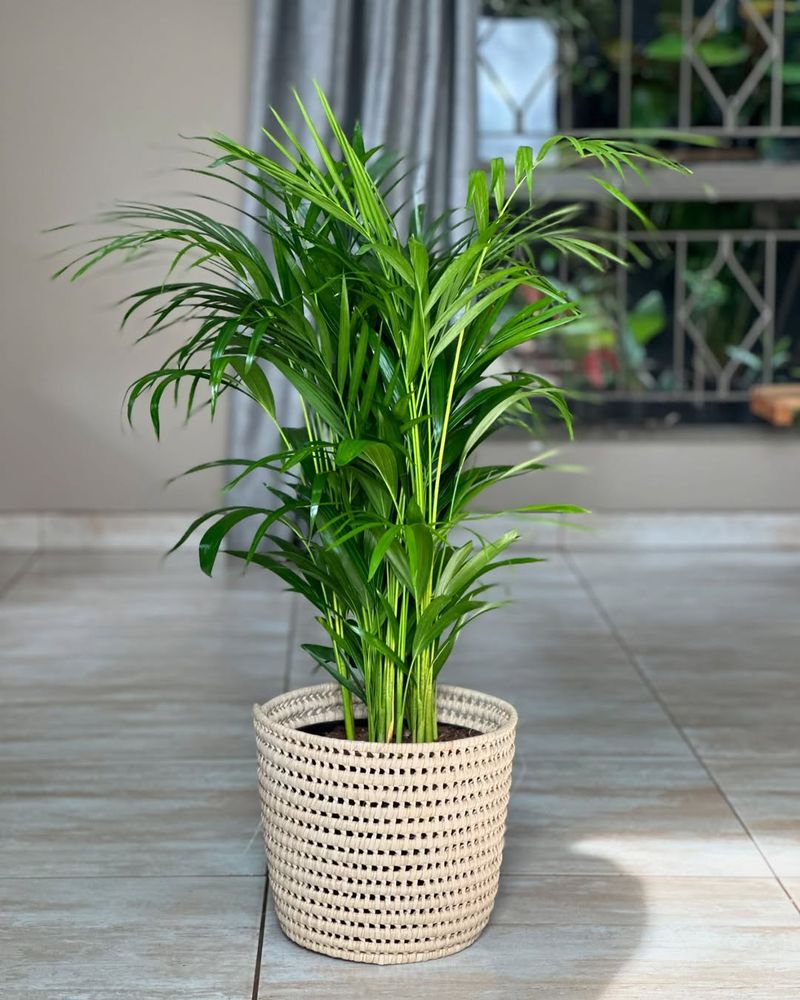
Slender green stems topped with delicate fronds create an airy, tropical feeling indoors. This variety grows well in Washington homes despite the cooler climate outside.
People managing asthma symptoms find it particularly helpful for improving indoor air quality.
Benzene and formaldehyde removal happens continuously with this hardworking palm. These chemicals off-gas from new furniture, carpets, and paint for months or even years.
Having this plant working daily reduces your exposure significantly.
Humidity increases naturally around this palm, benefiting dry airways. Winter heating systems in Pacific Northwest homes can create uncomfortably dry conditions.
The moisture this plant releases helps keep respiratory passages from becoming irritated.
Filtered light through sheer curtains provides ideal conditions for growth. Direct sun can bleach the fronds, while too little light slows growth.
Most Washington homes offer perfect lighting without any special adjustments needed.
Watering needs vary with the season, requiring more during active growth periods. Allowing the top layer of soil to dry between waterings prevents root rot.
Yellowing fronds at the base are normal as the plant matures, not a sign of poor care.
9. Dracaena
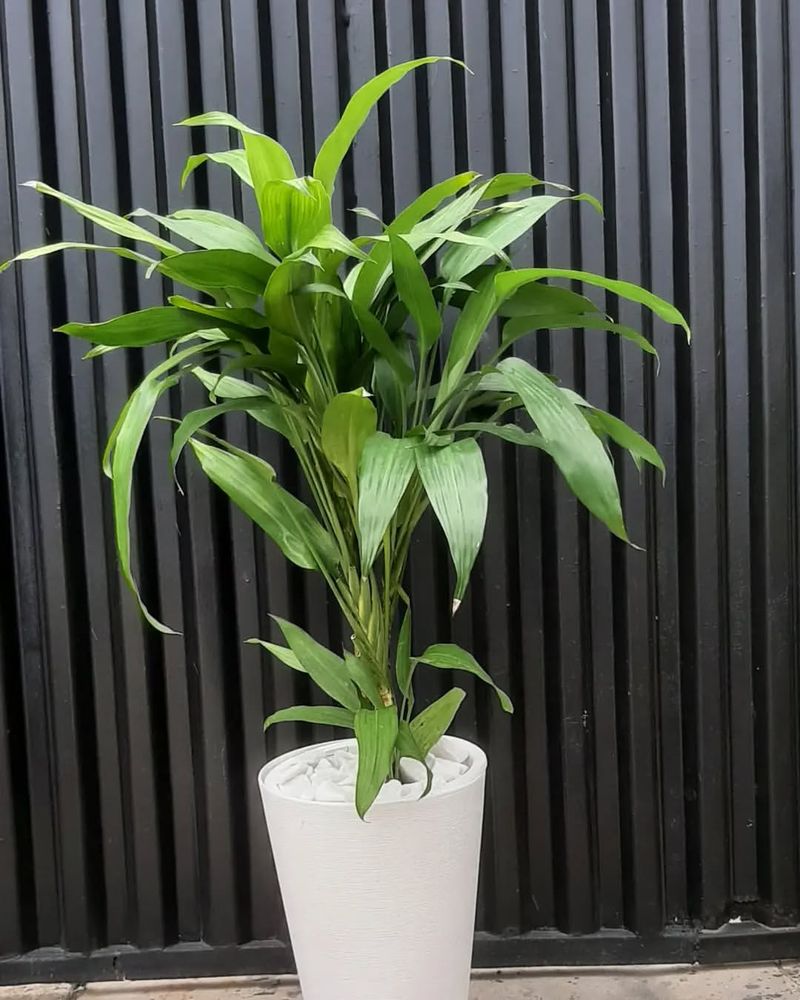
Striking variegated leaves in shades of green, yellow, and even red make this plant a decorative powerhouse. Multiple varieties exist, each with unique color patterns and growth habits.
Washington homeowners with asthma appreciate both the visual appeal and air-cleaning benefits.
Trichloroethylene, xylene, and formaldehyde all get removed by this versatile plant. These chemicals come from common sources like cleaning products, varnishes, and synthetic materials.
Reducing their concentration helps create a safer breathing environment.
Slow growth means you won’t need to repot frequently or prune constantly. This makes it ideal for people who want air quality benefits without intensive plant care.
Occasional trimming of brown leaf tips keeps it looking tidy.
Moderate to bright indirect light works well, though it tolerates lower light conditions. Washington’s often-cloudy weather doesn’t prevent this plant from thriving indoors.
Placing it near a window that receives some natural light ensures healthy growth.
Watering every week or two usually suffices, depending on your home’s humidity and temperature. Overwatering causes more problems than underwatering with this variety.
Yellow leaves often indicate too much moisture, while brown tips suggest low humidity or chemicals in tap water.
10. Pothos (Money Plant)
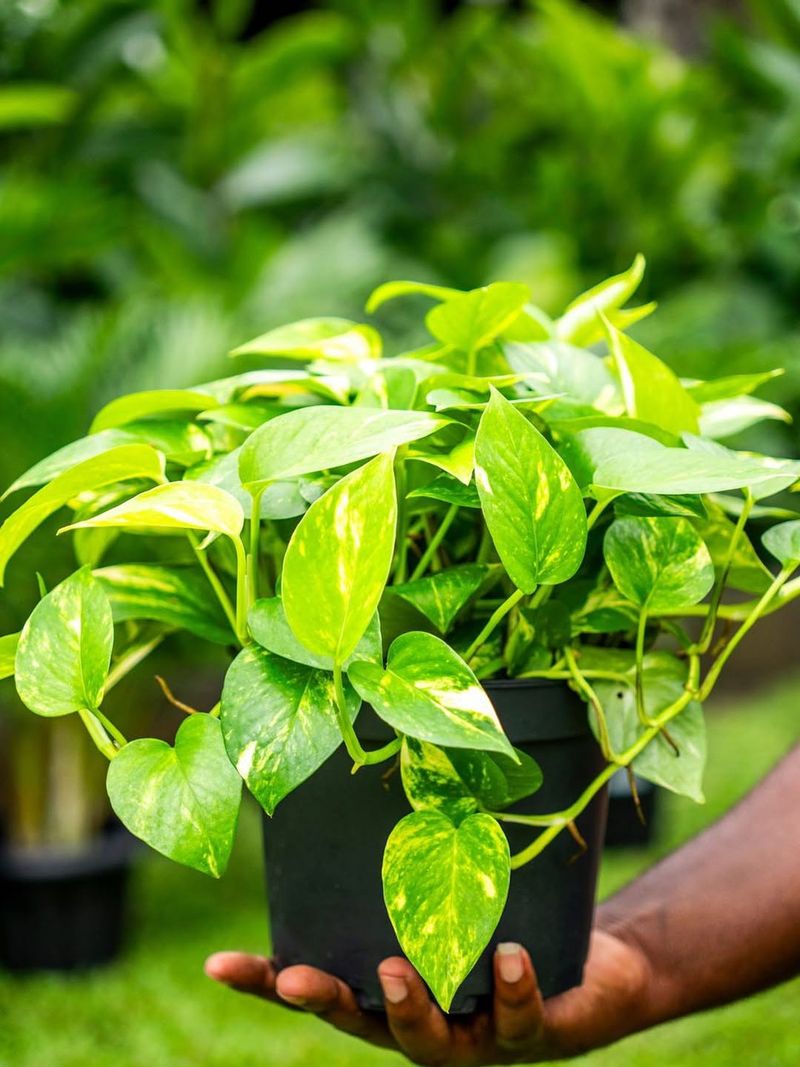
Heart-shaped leaves cascade from shelves and climb up walls with minimal encouragement. This incredibly adaptable plant thrives almost anywhere in your Washington home.
Many households with asthma concerns value this plant for its resilience and easy care.
Formaldehyde, benzene, and carbon monoxide all get filtered by this popular houseplant. Its fast growth rate means it develops more leaves quickly, increasing its air-cleaning capacity.
One plant can be propagated into dozens, allowing you to spread air quality benefits throughout your home.
Neglect-tolerant nature makes this perfect for beginners or forgetful waterers. Missing a watering session or two won’t harm it, and it bounces back quickly from dry soil.
Low to bright indirect light all work fine, making placement flexible.
Vines can grow several feet long if left untrimmed, creating dramatic displays. Trimming encourages bushier growth and provides cuttings to start new plants.
Simply place cut stems in water until roots develop, then transfer to soil.
Air purification continues even in rooms with less-than-ideal conditions. Bathrooms, basements, and offices all benefit from having this hardy plant working to clean the air.
Its reliability makes it a top choice for improving air quality in asthma-affected Washington households.
11. Chinese Evergreen
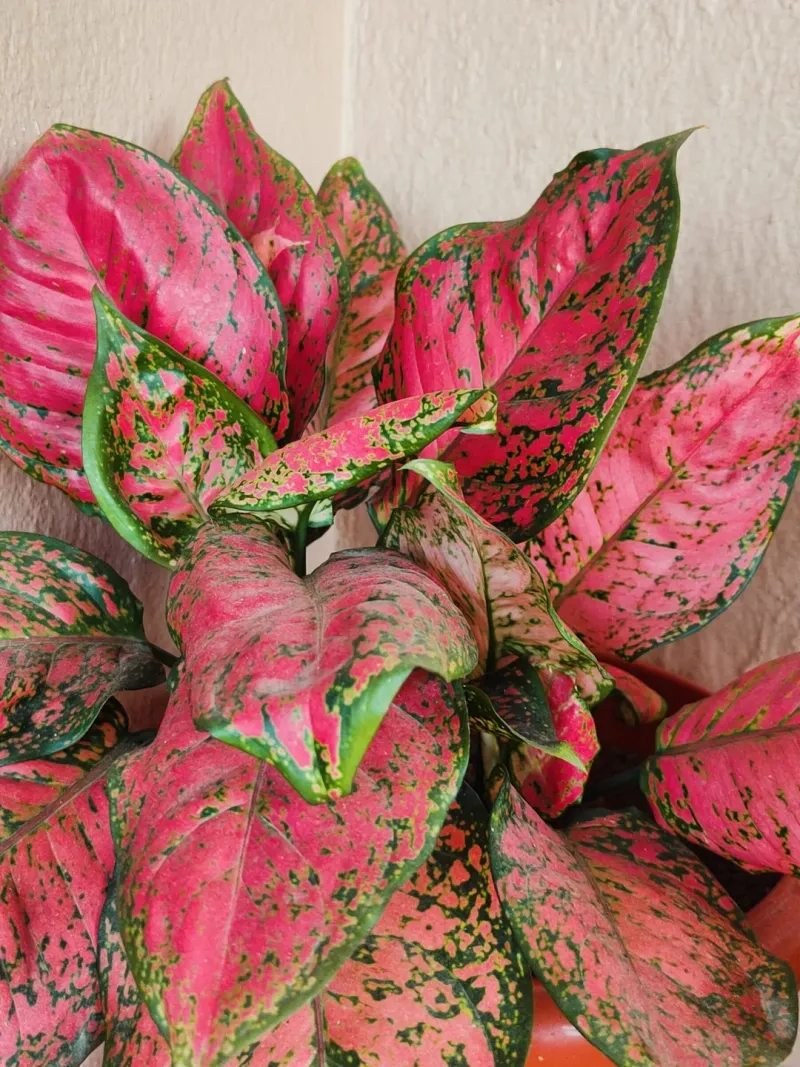
Patterned leaves in combinations of green, silver, pink, and red make this one of the most attractive air-purifying plants available. Dozens of varieties exist, each with unique coloring and patterns.
Washington homes with asthma concerns gain both beauty and cleaner air from this reliable performer.
Formaldehyde and benzene removal happens efficiently even in low-light conditions. This makes it perfect for rooms without much natural light, like bathrooms or interior offices.
Few plants adapt as well to dim spaces, making this one especially practical.
Slow growth and compact size mean it fits easily on desks, nightstands, or small shelves. You won’t need to constantly prune or repot as it matures slowly over years.
This low-maintenance quality appeals to busy families managing asthma.
Watering when the soil surface dries out works well for most situations. Overwatering causes more problems than underwatering, so err on the side of caution.
Yellow leaves typically indicate too much water, while brown edges suggest low humidity.
Temperature tolerance ranges widely, handling both cool and warm indoor conditions. Washington’s moderate climate suits this plant perfectly year-round.
Avoiding cold drafts and sudden temperature changes keeps it looking its best while maintaining air-purifying performance.