9 Indoor Plants That Handle Low Light In Georgia Homes During Winter
Winter light in Georgia homes can feel limited, even during the day, and houseplants are often the first to show it.
You might notice leaves reaching, growth slowing down, or plants looking less full than they did a few months ago.
It’s easy to assume the spot is wrong or that something needs fixing right away. But some plants are naturally built to handle dimmer rooms and shorter days without stress.
Choosing indoor plants that tolerate low light can keep your Georgia home feeling green and alive all winter, even when sunshine is hard to come by.
1. Snake Plant
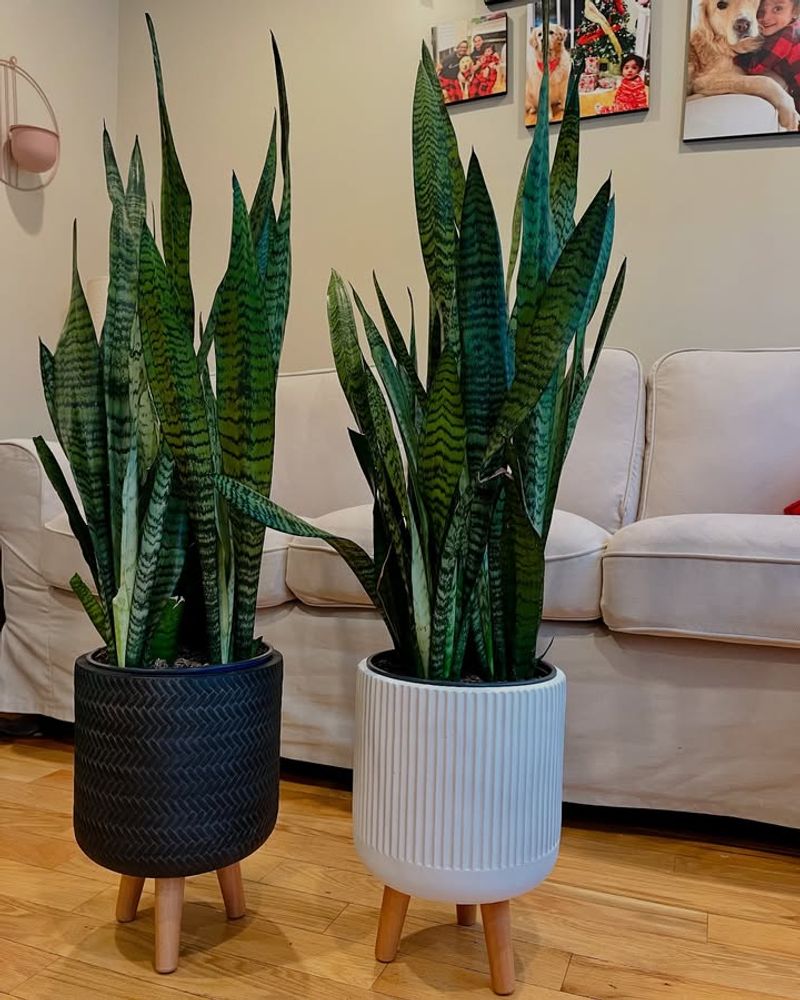
Your Georgia home gets pretty dim during those short winter days, but snake plants couldn’t care less. These tough beauties stand tall with their sword-shaped leaves even when your rooms feel more like caves than sun-soaked spaces.
You’ll notice the vertical striped patterns stay vibrant regardless of how much natural light filters through your windows.
Watering becomes almost foolproof with this plant during Georgia winters. You can basically forget about it for weeks, and it’ll still look fantastic when you finally remember to check on it.
The thick leaves store moisture like tiny water tanks, so overwatering causes more problems than underwatering ever will.
Your heating system running constantly during Georgia’s cold snaps won’t bother this plant one bit. It adapts to the dry indoor air that makes other plants crispy and brown.
You might find yourself placing one in every room because they’re just that reliable.
Growth slows down during winter months, which means less maintenance for you. Your snake plant takes a natural rest period when light levels drop across Georgia.
This dormancy phase actually helps the plant stay healthier long-term, so don’t worry if it seems to pause its upward climb.
Beginners in Georgia absolutely love this plant for good reason. You can’t mess it up unless you really try hard.
The forgiving nature makes it perfect for testing out your green thumb without the pressure of keeping something delicate alive through winter’s challenges.
2. ZZ Plant
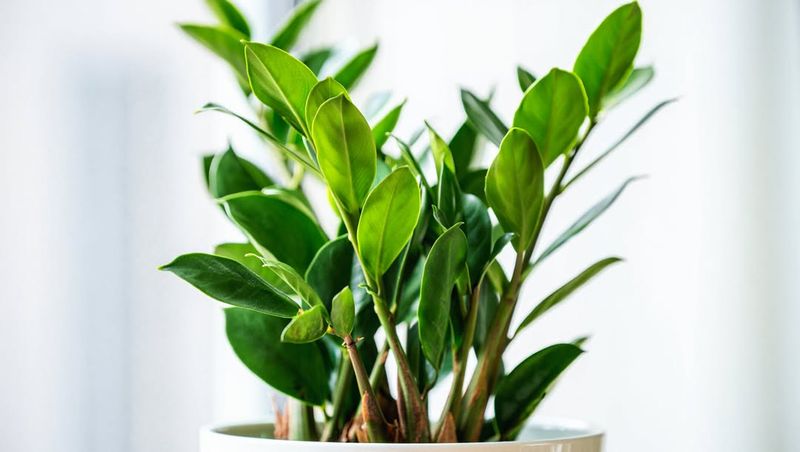
Glossy leaves that look almost plastic catch your eye immediately with ZZ plants. Your friends visiting your Georgia home during winter will probably ask if it’s fake because the shine seems too perfect to be real.
Those waxy surfaces reflect whatever dim light exists in your space, making rooms feel slightly brighter even on cloudy January afternoons.
Underground rhizomes act like survival bunkers for this plant. Your ZZ stores water and nutrients below the soil surface, preparing for times when conditions get tough.
Georgia’s winter heating doesn’t stress it out because it’s already equipped with built-in reserves that keep it going strong.
Neglect actually suits this plant better than constant attention. You might feel guilty leaving it alone for three weeks, but your ZZ plant appreciates the space.
Checking on it too often leads to overwatering, which is one of the few ways you can actually harm this incredibly resilient species.
New growth emerges slowly during Georgia winters, giving you time to appreciate each fresh stem. The deliberate pace means you’re not constantly repotting or pruning.
Your plant stays manageable and tidy without requiring weekend gardening sessions when you’d rather be doing something else.
Pet owners in Georgia need to know this plant isn’t safe for curious cats or dogs. Keep it on higher shelves or in rooms where your furry friends don’t wander.
The toxic compounds won’t cause serious harm but can lead to uncomfortable stomach issues if chewed.
3. Pothos
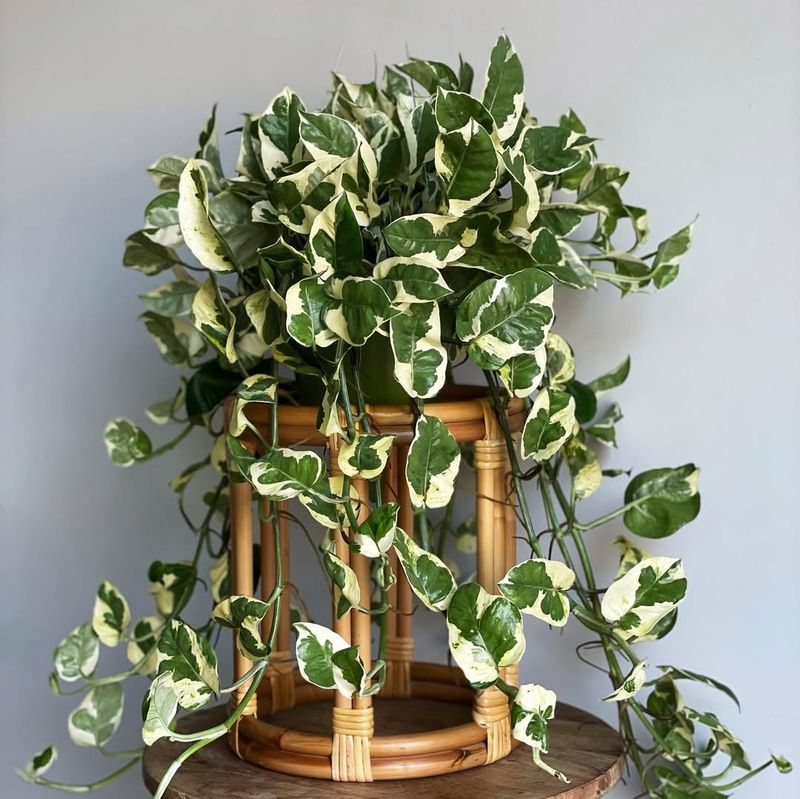
Vines cascade down from shelves and bookcases with almost zero effort on your part. Your pothos keeps growing even when Georgia winter light barely reaches the back corners of your rooms.
Those heart-shaped leaves maintain their variegation surprisingly well, though the patterns might soften slightly compared to summer growth.
Air purification happens naturally while this plant decorates your space. Your Georgia home benefits from cleaner indoor air during winter when you’re keeping windows shut against the cold.
Research shows pothos removes common household toxins, making your closed-up winter environment healthier for everyone breathing that recirculated air.
Propagation becomes almost addictively easy once you try it. You can snip a stem, stick it in water on your Georgia windowsill, and watch roots appear within weeks.
Winter is actually a great time to create new plants because you’re spending more time indoors anyway and can monitor the progress.
Different varieties offer surprising color options beyond basic green. Your collection might expand to include neon pothos with lime-yellow leaves or marble queen with creamy white splashes.
Each variety handles Georgia’s low winter light slightly differently, but all remain remarkably adaptable to whatever conditions you provide.
Training the vines creates living artwork on your walls. You can use small hooks or clips to guide growth patterns across your Georgia home’s interior surfaces.
The flexibility means you’re constantly redesigning the look without buying new plants or starting over from scratch.
4. Cast Iron Plant
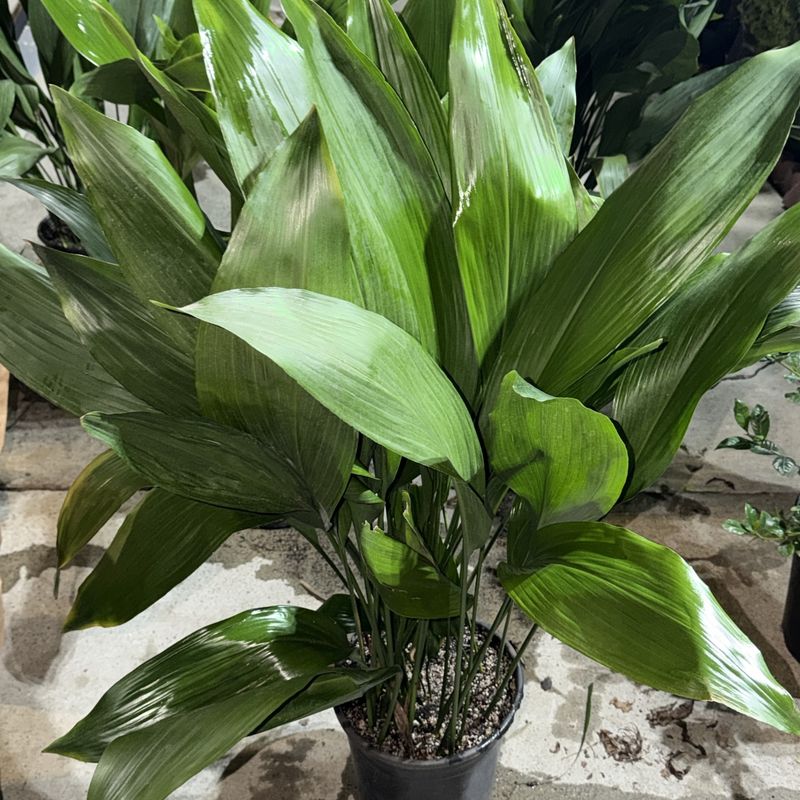
Victorian homes across Georgia originally popularized this plant for good reason. Your ancestors knew something valuable about choosing plants that survive neglect and challenging conditions.
The broad, arching leaves bring an old-fashioned elegance that feels both classic and surprisingly modern in contemporary spaces.
Temperature fluctuations that happen near Georgia doors and windows don’t faze this plant. You can position it in entry areas where cold drafts sneak in when people come and go.
The cast iron plant earned its name through toughness that matches the metal itself.
Dust accumulation on those large leaves becomes your only real maintenance task. Your Georgia home’s heating system circulates particles that settle on the broad surfaces.
Wiping them down monthly with a damp cloth keeps the plant looking fresh and helps it absorb whatever limited light reaches its spot.
Slow growth means you’re not constantly dealing with an expanding plant. Your cast iron plant might produce just a few new leaves during an entire Georgia winter.
This leisurely pace suits people who want greenery without the commitment of rapid growth that demands frequent repotting and dividing.
Dark corners that seem impossible for plants become perfect spots for this species. Your cast iron plant tolerates shade levels that would leave most other plants struggling.
Hallways, bathrooms without windows, and basement spaces across Georgia finally get the plant life they deserve without installing expensive grow lights.
5. Peace Lily
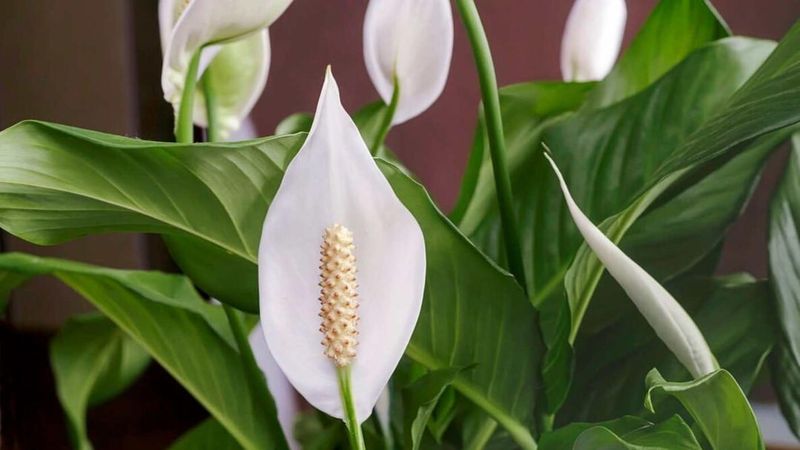
White blooms appear like small flags of surrender to winter’s darkness. Your peace lily actually flowers more reliably than you’d expect in Georgia’s low winter light.
Those elegant spathes bring a touch of brightness to rooms that desperately need visual relief from gray skies and bare trees outside.
Drooping leaves serve as a dramatic communication system. Your plant tells you exactly when it needs water by letting its foliage sag noticeably.
After watering, you’ll watch it perk back up within hours, providing satisfying feedback that you’ve done something right for your Georgia houseplant.
Humidity appreciation makes this plant perfect for Georgia bathrooms. Your peace lily loves the steam from hot showers during cold winter mornings.
Placing it near water sources creates an ideal microclimate without requiring you to mist it constantly or run a separate humidifier.
Toxicity concerns mean keeping this plant away from children and pets. Your Georgia household needs to treat peace lilies with the same caution as many other common houseplants.
The calcium oxalate crystals cause irritation if ingested, so placement matters more than with some other low-light options.
Repotting becomes necessary less often than you’d think. Your peace lily actually blooms better when slightly rootbound, so leaving it in the same container for years works fine.
Georgia winters provide the perfect opportunity to resist the urge to constantly upsize containers and disturb the roots.
6. Chinese Evergreen
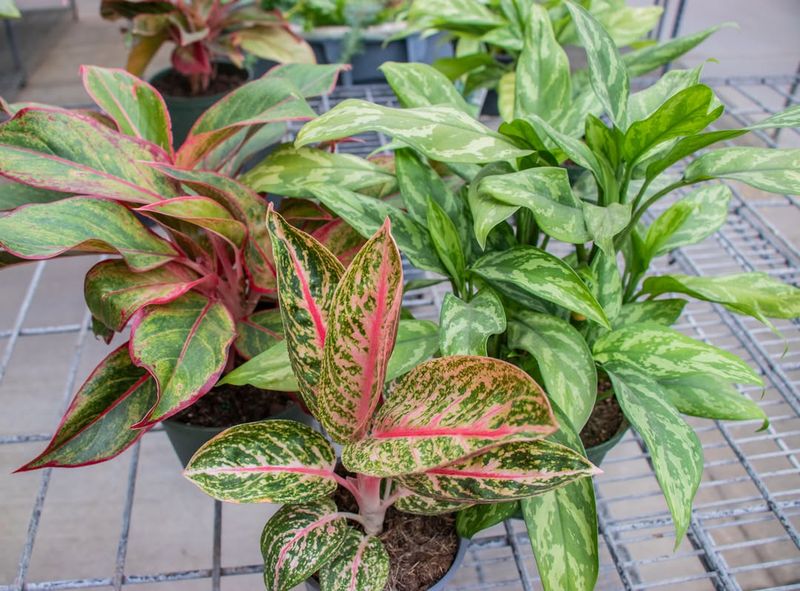
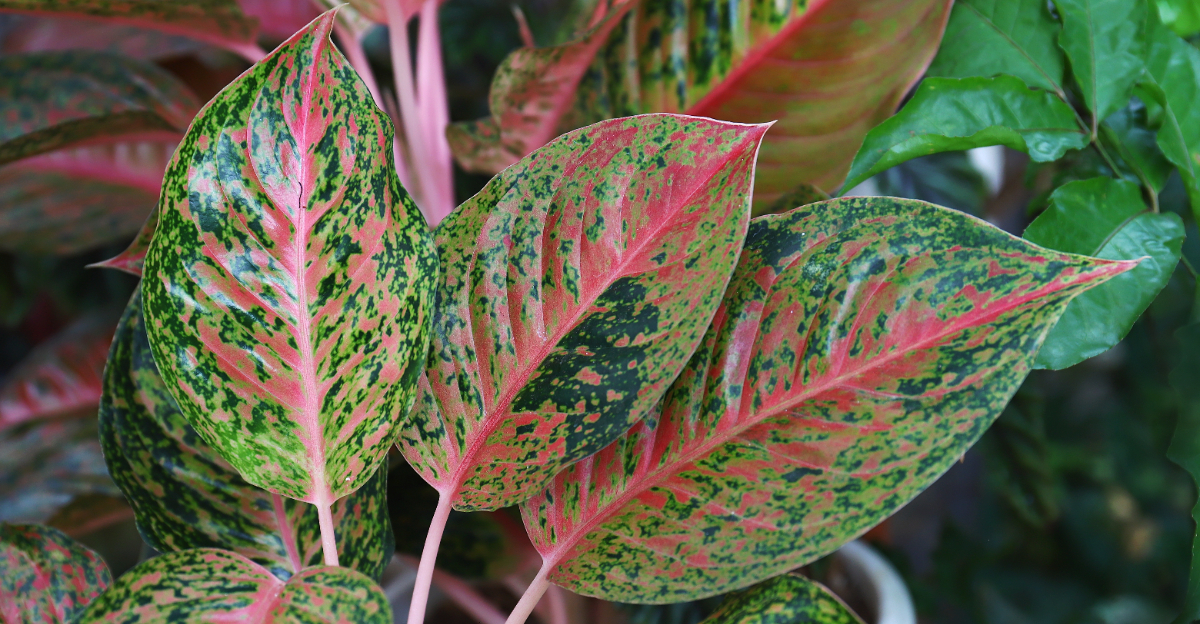
Patterned foliage brings artistic interest to your Georgia home when outdoor gardens sleep. Your Chinese evergreen displays leaves painted with silver, pink, or red markings that brighten dim spaces naturally.
The variegation holds up remarkably well even in corners where other plants would fade to solid green.
Compact growth habits keep this plant manageable on desks and side tables. Your Chinese evergreen won’t suddenly take over half the room during one Georgia winter.
The controlled size makes it ideal for apartments and smaller homes where floor space is precious and every square foot counts.
Older leaves yellow and drop occasionally, which is completely normal. Your plant refreshes itself by shedding its oldest foliage and replacing it with new growth.
Don’t panic when you see a yellow leaf or two during Georgia’s winter months—it’s just the natural cycle of renewal happening on schedule.
Temperature preferences align perfectly with comfortable human living spaces. Your Chinese evergreen thrives in the same range you keep your Georgia thermostat set to during winter.
No special heating or cooling adjustments needed, which saves energy and simplifies care dramatically.
Multiple varieties let you create a collection with different looks. Your Chinese evergreen family might include silver bay, red valentine, and emerald beauty cultivars.
Each handles Georgia’s low winter light slightly differently, but all remain reliably beautiful when natural sunshine feels like a distant memory.
7. Heartleaf Philodendron
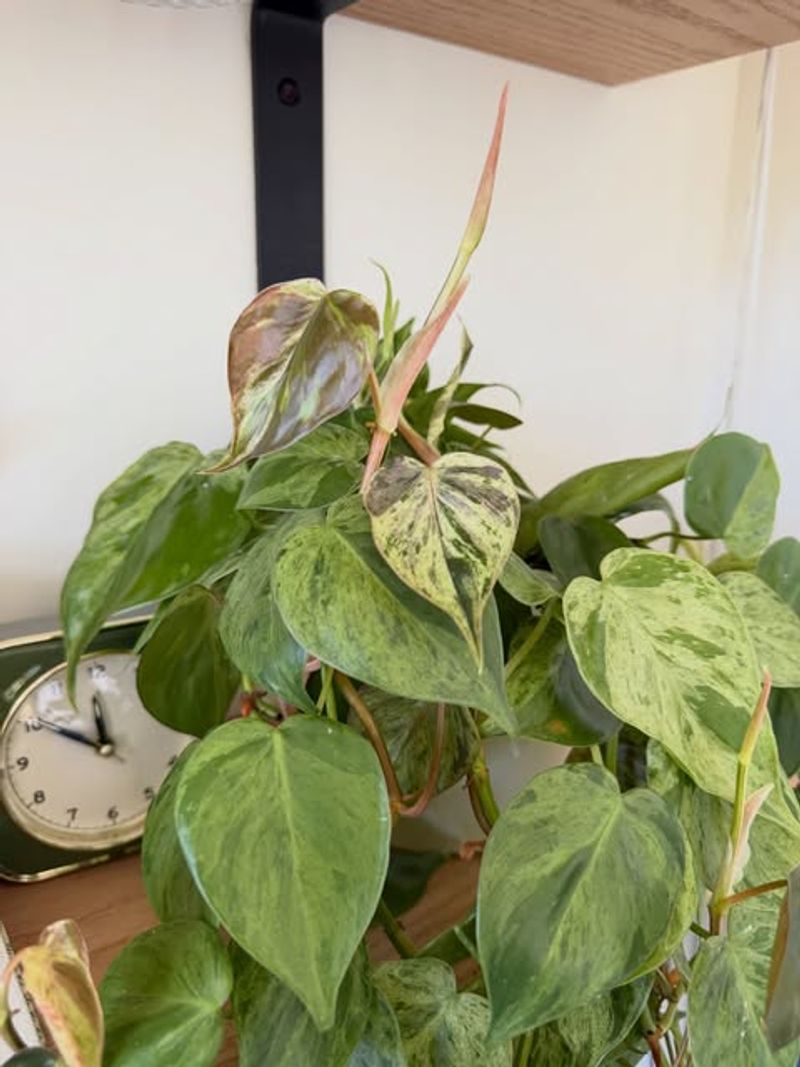
Heart-shaped leaves create instant visual warmth in cold Georgia rooms. Your philodendron’s glossy foliage catches and reflects whatever light exists, making spaces feel less dreary during long winter evenings.
The simple leaf shape has a timeless appeal that works with any decorating style from farmhouse to modern minimalist.
Vining growth offers incredible versatility for your Georgia home’s layout. You can let your heartleaf philodendron trail down from high shelves, climb up a moss pole, or spread across a wall using small supports.
The flexible stems bend and shape easily without snapping, giving you creative control over the final appearance.
Root rot becomes your main concern with this otherwise bulletproof plant. Your heartleaf philodendron needs soil that dries out between waterings, especially during Georgia’s winter when growth slows down.
Sticking your finger into the soil before watering prevents the soggy conditions that lead to problems.
Yellowing leaves usually signal overwatering rather than neglect. Your instinct might be to water more when you see yellow foliage, but the opposite approach works better.
Cutting back on water and improving drainage solves most issues that pop up with heartleaf philodendrons in Georgia homes during winter.
Pruning encourages bushier growth if your plant gets too leggy. Your philodendron responds to trimming by producing new growth points along the stems.
Winter is actually a decent time for light pruning in Georgia since you’re spending more time indoors and can easily maintain the plant’s shape.
8. Parlor Palm
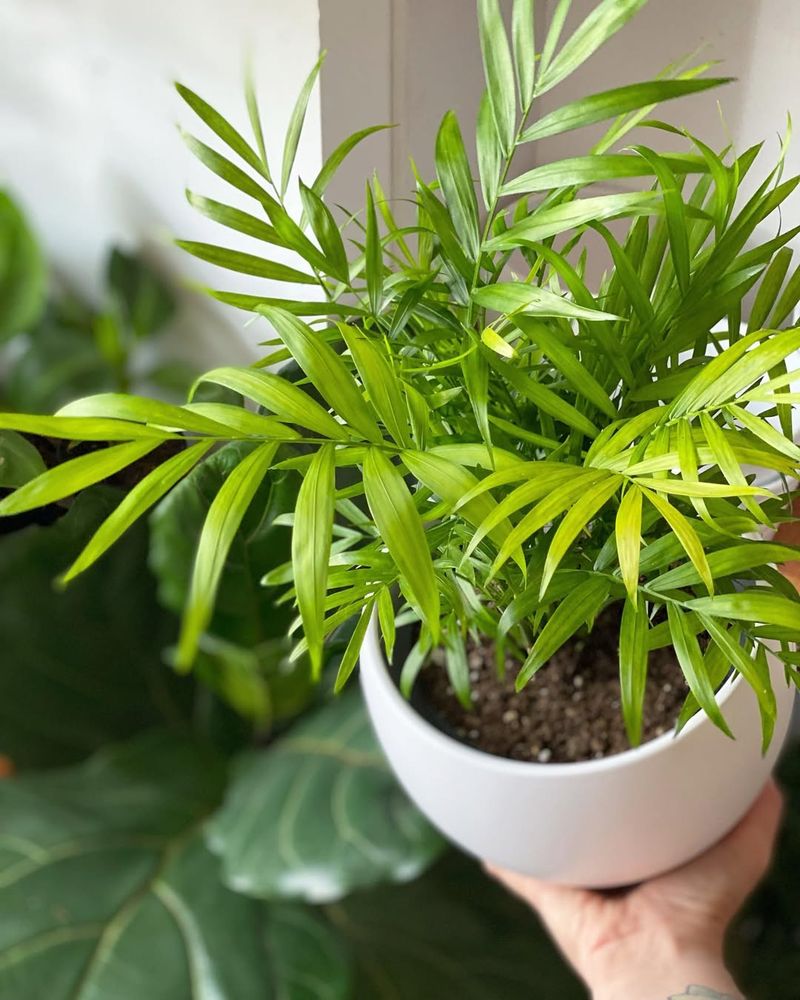
Tropical vibes transform your Georgia living space even when frost covers the ground outside. Your parlor palm brings a vacation feeling to winter-weary rooms with its delicate, arching fronds.
The feathery texture softens harsh lines in modern furniture and adds movement when air from your heating vents causes gentle swaying.
Smaller mature size makes this palm perfect for apartments across Georgia. Your parlor palm tops out around four feet tall indoors, unlike some palm species that try to punch through your ceiling.
The manageable dimensions mean you can enjoy palm tree aesthetics without needing a two-story entryway or conservatory.
Consistent moisture preferences require a bit more attention than some ultra-tough plants. Your parlor palm likes soil that stays slightly damp but never waterlogged.
Georgia’s winter heating can dry out pots faster than expected, so checking moisture levels weekly helps maintain the sweet spot this plant prefers.
Brown leaf tips indicate dry air rather than serious problems. Your parlor palm might develop crispy edges during Georgia’s winter when indoor humidity plummets.
Grouping it with other plants or setting the pot on a pebble tray with water helps create a more humid microclimate without major effort.
Pest resistance makes this palm easier than many tropical plants. Your parlor palm rarely attracts spider mites or scale insects that plague other species.
The natural defenses mean less time spent inspecting leaves and treating infestations during Georgia’s winter when you’d rather be cozy under blankets.
9. Spider Plant
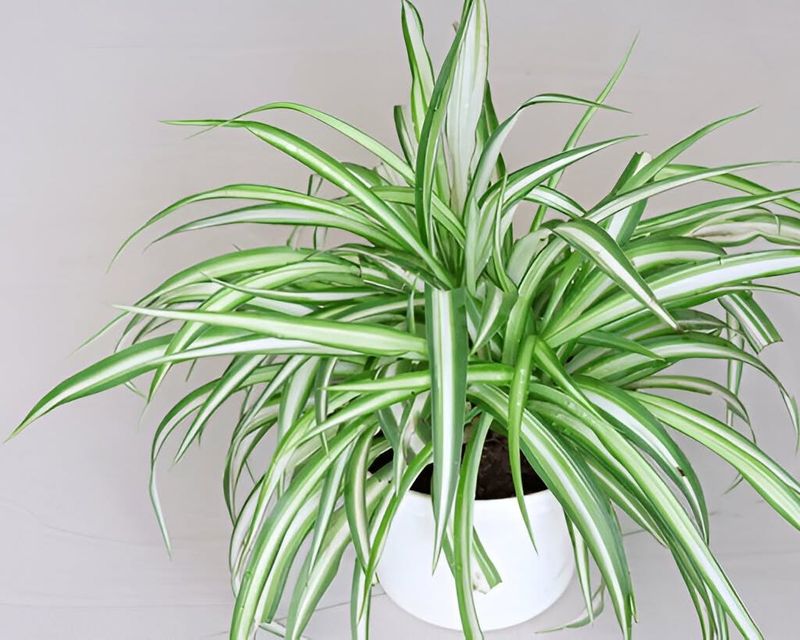
Cascading plantlets dangle like natural ornaments from your spider plant’s arching leaves. Your Georgia home gets a living mobile that produces baby plants continuously, even during darker winter months.
Those miniature versions start developing roots while still attached to the mother plant, ready to pot up whenever you feel motivated.
Variegated stripes stay bold even in low light conditions. Your spider plant maintains its characteristic white or cream edges on the leaves regardless of how dim your Georgia rooms get.
The contrast creates visual interest that draws the eye upward and makes ceilings feel higher.
Fluoride sensitivity causes brown leaf tips in some Georgia water supplies. Your spider plant might develop discolored edges if your tap water contains high fluoride levels.
Switching to filtered or distilled water usually solves the cosmetic issue without requiring any other care changes.
Rapid growth during spring surprises people who forget how vigorous this plant becomes. Your spider plant seems to explode with new leaves and plantlets once Georgia’s longer days return.
The winter rest period makes the spring growth spurt even more dramatic and rewarding after months of slower development.