13 Indoor Plants That Help New Yorkers Feel Calmer, Focus Better, And Breathe Easier
City life moves fast, and New Yorkers feel it in their bones.
Between crowded subways, glowing screens, and nonstop noise, mental fatigue sneaks in quickly.
Indoor plants offer more than visual relief—they can quietly improve focus, reduce stress, and make indoor air feel noticeably fresher.
The right plants act like silent partners in your daily routine.
They soften harsh corners, introduce natural rhythm, and create moments of pause in apartments that rarely slow down.
Some plants are especially good at promoting calm, sharpening concentration, or easing that stale indoor feeling common in sealed buildings.
These thirteen indoor plants have become favorites among New Yorkers who want their homes to work harder for their well-being.
They’re practical, adaptable, and surprisingly powerful.
When space is limited and stress runs high, a thoughtfully chosen plant can make a small apartment feel like a much bigger breath of fresh air.
1. Snake Plant For Cleaner Air And Mental Clarity
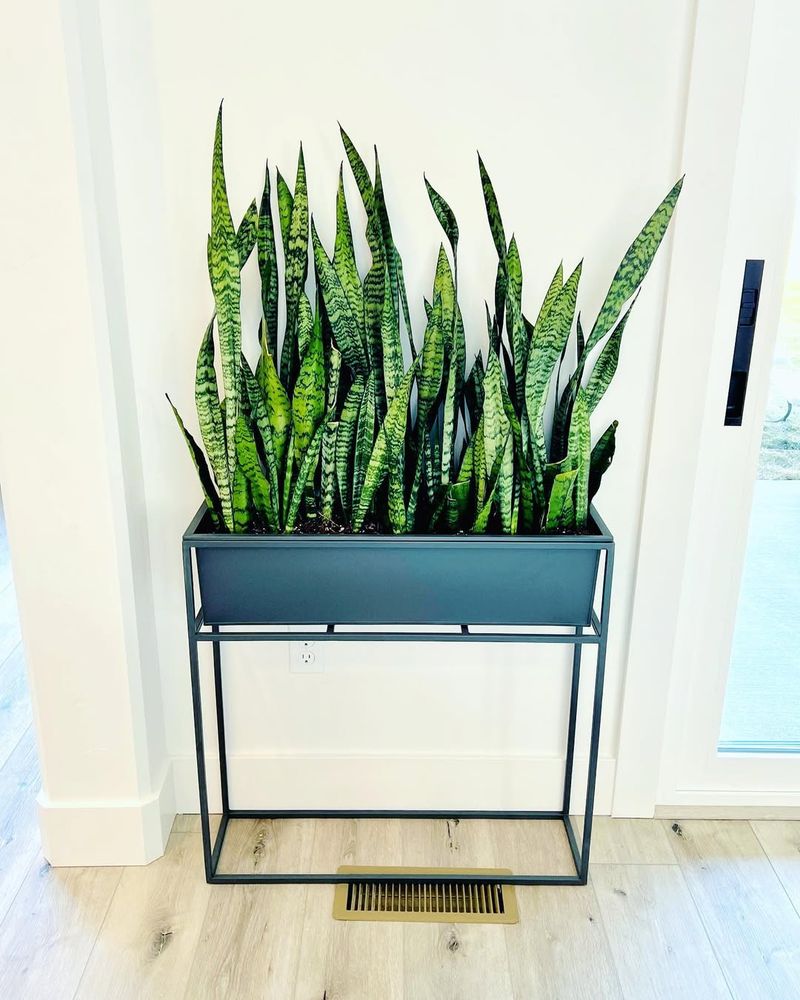
Few plants can handle New York apartment life quite like the snake plant.
With its striking upright leaves and almost indestructible nature, this beauty thrives even when you forget to water it for weeks.
NASA research shows snake plants filter out toxins like formaldehyde and benzene, making your indoor air noticeably cleaner.
Better air means better focus, which is exactly what busy New Yorkers need when working from home or studying for exams.
The plant releases oxygen at night, unlike most greenery, so keeping one in your bedroom can actually improve sleep quality.
Its vertical growth works perfectly in tight spaces, fitting neatly on windowsills, desks, or corner shelves.
Snake plants tolerate low light beautifully, so even north-facing apartments stay green year-round.
You only need to water them every two to three weeks, and they rarely attract pests.
Their sculptural appearance adds modern style without demanding constant attention.
For renters who travel often or work long hours, this plant offers peace of mind.
Place one near your workspace to reduce mental fog and boost concentration during those marathon Zoom meetings.
With minimal care and maximum impact, the snake plant earns its spot as a New York essential.
2. Peace Lily For Stress Relief And Fresh Air
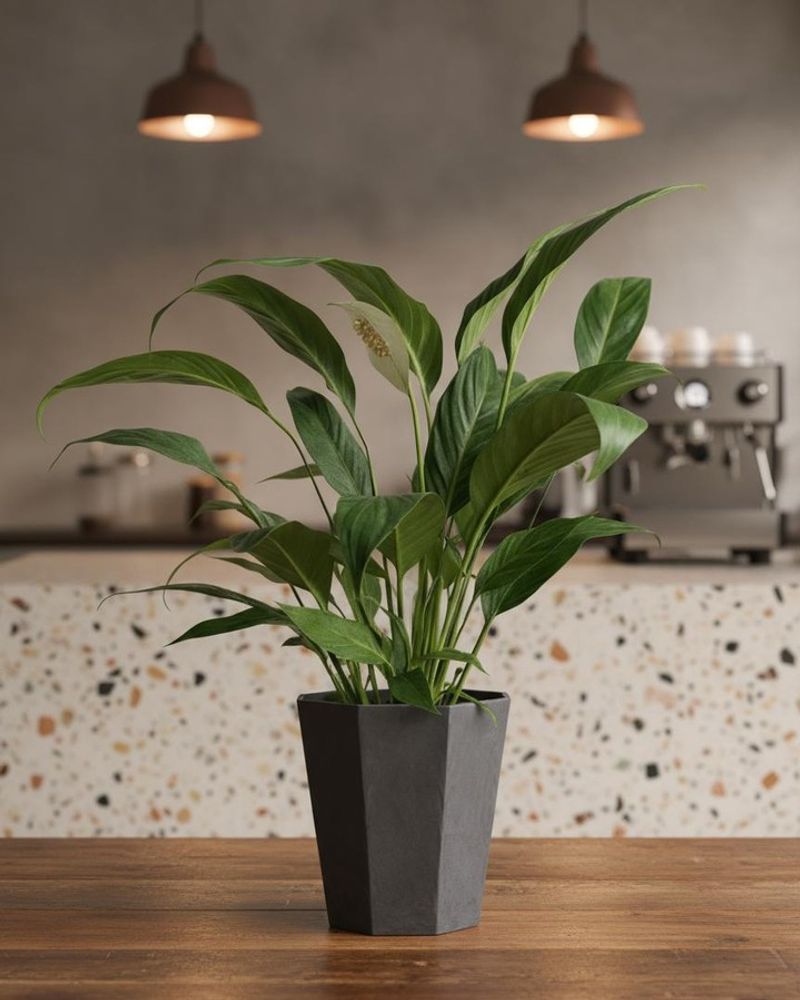
Imagine coming home after a hectic day and seeing elegant white blooms greeting you from across the room.
Peace lilies bring that kind of gentle beauty, and they work hard behind the scenes to clean your air.
These plants remove ammonia, benzene, and formaldehyde, pollutants commonly found in city apartments.
Their presence has been linked to lower stress levels, partly because their soft appearance creates visual calm in cluttered spaces.
Peace lilies prefer indirect light, making them ideal for rooms without bright sun exposure.
They also communicate their needs clearly—when thirsty, their leaves droop slightly, then perk right back up after watering.
This forgiving nature makes them perfect for beginners still learning plant care rhythms.
Keeping soil consistently moist but not soggy keeps blooms appearing throughout the year.
Place your peace lily in the bathroom where humidity levels stay higher, or mist leaves weekly in drier rooms.
Their air-purifying abilities work best in bedrooms and living areas where you spend the most time.
The glossy foliage reflects light beautifully, brightening darker corners without needing direct sun.
For New Yorkers craving tranquility in small spaces, peace lilies deliver both function and elegance effortlessly.
3. Spider Plant For Easy Breathing And Mood Boosting
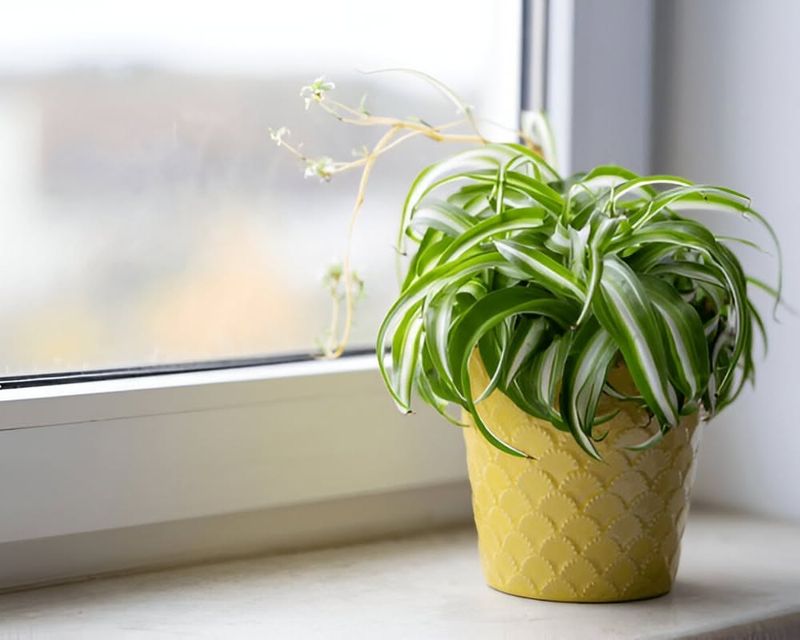
Spider plants practically take care of themselves while making your apartment feel more alive.
Their cheerful arching leaves and dangling baby plantlets add movement and energy to any room.
Studies show spider plants remove up to 90 percent of formaldehyde from indoor air within just 24 hours.
Cleaner air means easier breathing, especially important for New Yorkers dealing with seasonal allergies or urban pollution.
The visual appeal of spider plants also lifts spirits—research suggests seeing greenery indoors reduces anxiety and improves overall mood.
These plants thrive in indirect light and tolerate occasional neglect, making them perfect for busy schedules.
Their fast growth rate means you’ll see new leaves and baby spiders appearing regularly, creating a sense of accomplishment.
Spider plants adapt well to various temperatures, so they handle fluctuating apartment heating without complaint.
Hanging them near windows or on high shelves maximizes their cascading effect while saving precious floor space.
Water them once a week during warmer months and less frequently in winter.
They’re non-toxic to pets, so cat and dog owners can relax knowing curious companions stay safe.
Propagating baby spiders gives you free plants to share with friends or fill more corners of your home.
For anyone new to indoor gardening, spider plants offer instant gratification and lasting joy.
4. Pothos For Gentle Calm And Visual Softness
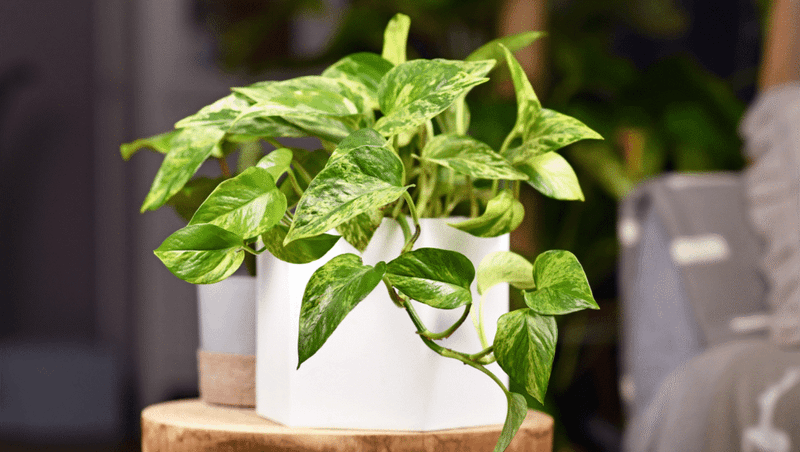
Pothos vines soften harsh apartment angles with their graceful cascading growth.
Their heart-shaped leaves create a soothing visual rhythm that helps eyes relax after staring at screens all day.
This plant removes indoor air pollutants like xylene and benzene, contributing to better respiratory health.
Pothos grows quickly, rewarding you with visible progress that brings satisfaction and connection to nature.
The trailing vines work beautifully on bookshelves, cabinets, or hanging planters, adding life without taking up floor space.
They tolerate low light remarkably well, thriving even in windowless bathrooms or dim hallways.
Pothos also handles irregular watering, bouncing back easily if you forget for a week or two.
Their variegated leaves in shades of green, yellow, and white add color variety without overwhelming small rooms.
Draping pothos near your workspace creates a natural screen that defines areas in studio apartments.
The plant’s forgiving nature reduces gardening stress, making it ideal for New Yorkers juggling multiple responsibilities.
You can train vines along walls or let them hang freely, customizing the look to match your style.
Pothos propagates easily in water, so snipping a stem and starting new plants costs nothing.
For anyone seeking effortless greenery that brings calm and beauty, pothos delivers consistently.
5. Rubber Plant For Focus And Grounding Energy

Rubber plants command attention with their bold, glossy leaves and upright growth.
Their substantial presence creates a grounding effect, helping you feel more centered and focused in your space.
These plants filter airborne toxins effectively, particularly formaldehyde, which commonly off-gases from furniture and carpets.
The large leaves also produce significant oxygen, improving air quality noticeably in smaller apartments.
Rubber plants prefer bright, indirect light but adapt to moderate conditions without losing their luster.
Their vertical growth makes them perfect for corners or beside furniture, adding height without spreading wide.
Wiping leaves weekly with a damp cloth keeps them shiny and maximizes their air-purifying abilities.
These plants grow steadily but not aggressively, so managing size in apartments stays simple with occasional pruning.
Rubber plants need watering only when the top inch of soil dries out, preventing overwatering mistakes.
Their structured appearance complements modern decor while bringing natural warmth to minimalist spaces.
Placing one near your desk or reading chair helps define work zones and improves concentration.
The plant’s stability and slow growth create a reassuring constant in the ever-changing rhythm of city life.
For New Yorkers wanting a statement plant that supports mental clarity, rubber plants deliver impressive results.
6. Aloe Vera For Healing Air And Peaceful Spaces
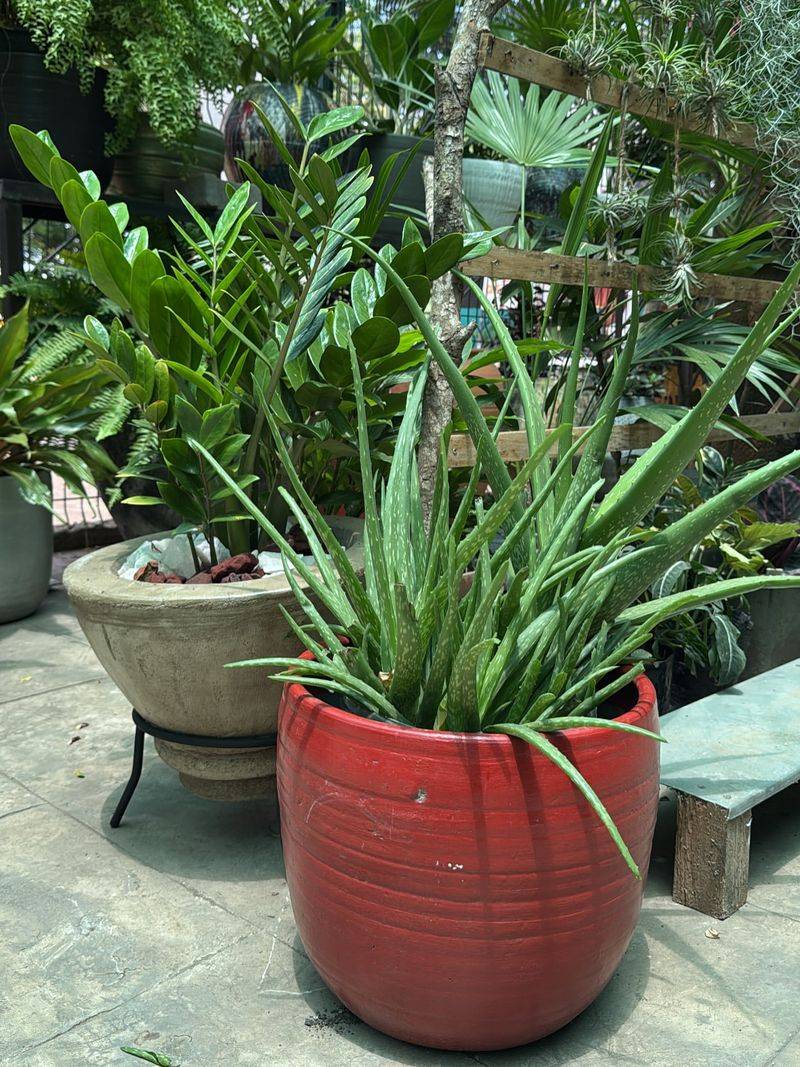
Aloe vera brings desert tranquility right into your New York apartment.
Beyond its famous skin-soothing gel, this succulent quietly filters formaldehyde and benzene from indoor air.
The plant’s plump, upright leaves store water efficiently, requiring minimal attention while providing maximum benefits.
Aloe vera thrives in bright, indirect sunlight, making south or west-facing windowsills ideal locations.
Its compact size fits perfectly on kitchen counters, bathroom shelves, or bedroom nightstands.
The simple, sculptural form creates visual calm without adding clutter to small spaces.
Aloe releases oxygen at night, similar to snake plants, supporting better sleep quality when kept in bedrooms.
Watering every two to three weeks keeps the plant happy, and it tolerates occasional neglect gracefully.
The gel inside leaves offers natural relief for minor burns or skin irritations, adding practical value.
Aloe vera rarely attracts pests and grows slowly, so repotting becomes necessary only every couple years.
Its presence reminds you to pause and breathe, creating moments of peace in hectic daily routines.
The plant’s low-maintenance nature suits busy New Yorkers who want greenery without constant care.
For anyone seeking cleaner air and a touch of natural healing, aloe vera offers both beauty and function.
7. Lavender For Relaxation And Better Sleep
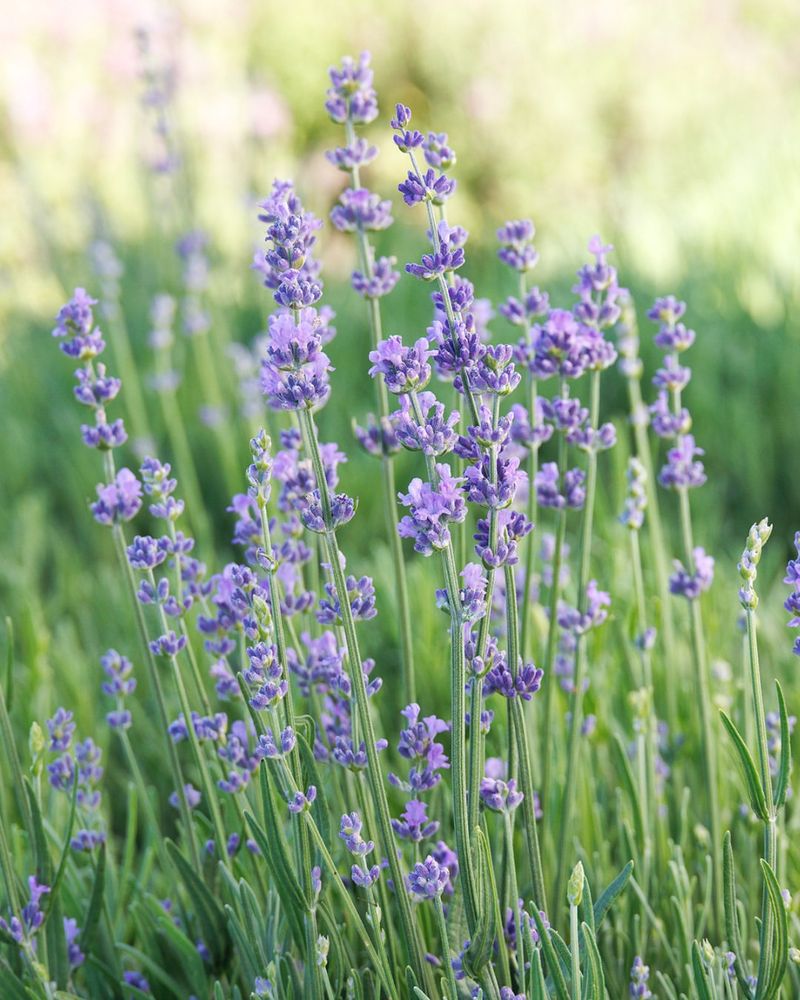
Lavender’s soothing scent has calmed nerves for centuries, and growing it indoors brings that magic home.
Research confirms that lavender fragrance reduces cortisol levels, helping you unwind after stressful days.
The purple blooms add gentle color while releasing aromatic oils that promote relaxation and deeper sleep.
Growing lavender indoors requires bright light, so place it near your sunniest window for best results.
South-facing windowsills work perfectly, giving the plant the six hours of light it craves daily.
Lavender prefers slightly dry conditions, so water only when the soil feels dry an inch below the surface.
Good drainage prevents root issues, so choose pots with drainage holes and use sandy, well-draining soil.
The plant’s compact size fits easily on nightstands, bathroom counters, or kitchen windowsills.
Brushing your hand across the leaves releases fragrance instantly, creating mini aromatherapy moments throughout your day.
Trimming spent blooms encourages new growth and keeps plants looking tidy in small apartments.
Lavender’s natural scent also helps mask city odors, freshening your space without chemical air fresheners.
For New Yorkers struggling with sleep or stress, this plant offers gentle, natural support that smells wonderful too.
8. Bamboo Palm For Softer Air And Reduced Stress
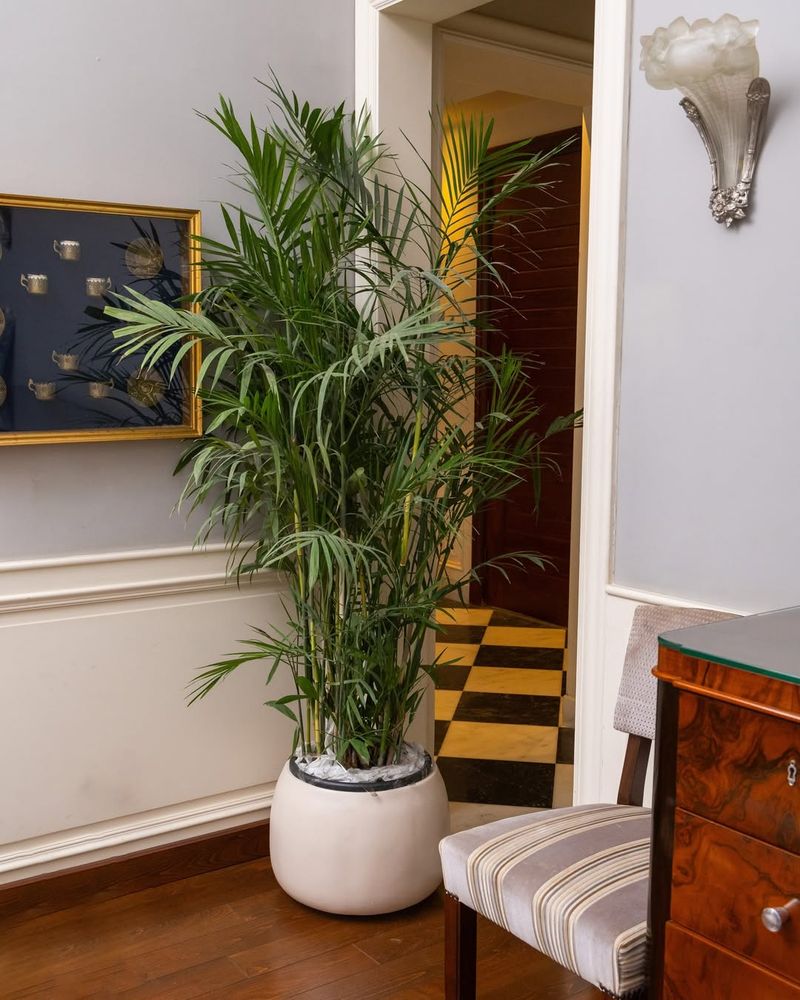
Bamboo palms transport you to tropical retreats without leaving your apartment.
Their feathery fronds create gentle movement and visual softness that immediately relaxes tense minds.
These palms excel at removing formaldehyde, benzene, and trichloroethylene from indoor air, making breathing easier.
They also act as natural humidifiers, releasing moisture that combats the dry air common in heated New York apartments.
Bamboo palms tolerate low to moderate light, thriving even in corners away from windows.
Their graceful appearance adds elegance and height without overwhelming smaller living spaces.
Keeping soil consistently moist but not waterlogged keeps fronds lush and green year-round.
Misting leaves weekly boosts humidity and prevents tips from browning in drier conditions.
These palms grow slowly indoors, so managing size stays simple with occasional pruning of older fronds.
Their non-toxic nature makes them safe around curious pets and children.
Placing bamboo palms in living rooms or bedrooms creates peaceful focal points that draw the eye upward.
The rustling sound of fronds in gentle air currents adds subtle white noise that masks city sounds.
For New Yorkers craving a vacation vibe at home, bamboo palms deliver tropical tranquility daily.
9. ZZ Plant For Low-Stress Greenery
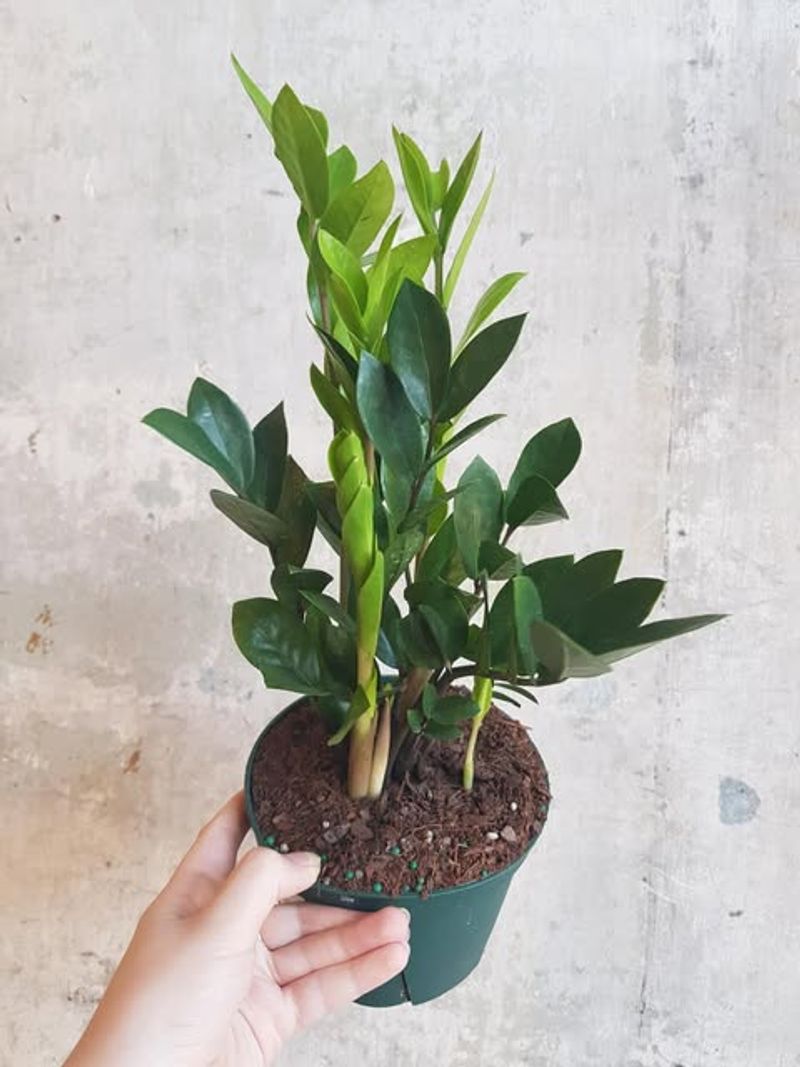
ZZ plants practically thrive on neglect, making them perfect for the busiest New Yorkers.
Their thick, waxy leaves store water efficiently, allowing them to survive weeks without attention.
The deep green foliage adds instant sophistication to any room while requiring almost zero effort.
ZZ plants tolerate extremely low light, flourishing even in windowless offices or dim hallways.
They filter airborne toxins quietly, improving air quality without fuss or drama.
The plant’s glossy leaves reflect available light, brightening spaces naturally without needing direct sun.
Watering every two to three weeks keeps them happy, and they actually prefer being slightly dry.
ZZ plants grow slowly and steadily, so they maintain their size and shape without constant pruning.
Their upright, architectural form complements modern decor and minimalist apartment styles beautifully.
These plants rarely attract pests and resist most common houseplant problems effortlessly.
Placing ZZ plants in entryways or bathrooms adds greenery to often-overlooked spaces.
Their forgiving nature reduces plant-care anxiety, making them ideal for beginners or frequent travelers.
The visual calm they provide helps create welcoming environments that feel less chaotic.
For anyone wanting maximum greenery with minimum effort, ZZ plants deliver reliable beauty consistently.
10. Fiddle Leaf Fig For Focus And Emotional Balance
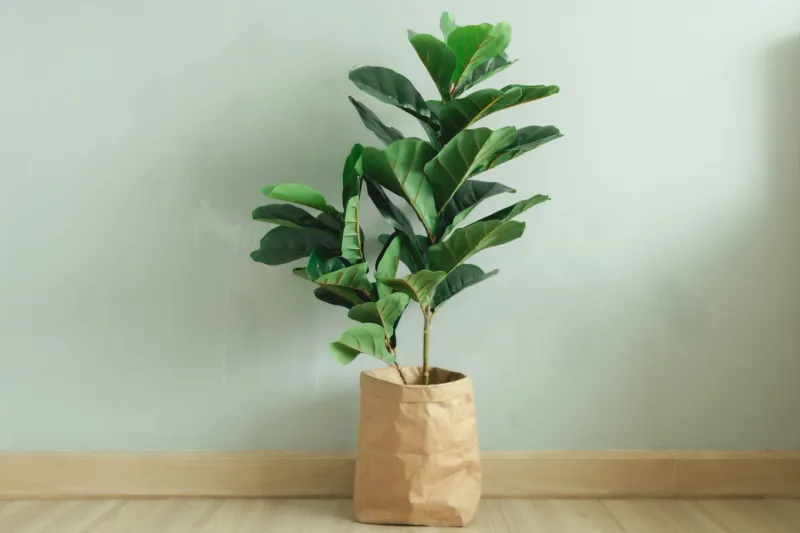
Fiddle leaf figs make bold statements with their dramatic, violin-shaped leaves.
Their substantial presence creates visual anchors that help organize and define apartment spaces.
The large leaves produce significant oxygen while filtering indoor air pollutants effectively.
Having a living focal point like this plant helps reduce mental clutter and improves concentration.
Fiddle leaf figs prefer bright, indirect light, thriving near east or west-facing windows.
Rotating the plant weekly ensures even growth and prevents leaning toward light sources.
These trees need consistent watering when the top inch of soil dries, establishing a predictable care routine.
Their vertical growth suits corners or spaces beside furniture, adding height without spreading wide.
Wiping leaves monthly with a damp cloth removes dust and keeps photosynthesis efficient.
Fiddle leaf figs grow steadily but not uncontrollably, so managing size in apartments stays manageable.
Their structured appearance brings order to chaotic spaces, creating a sense of calm and control.
The plant’s presence encourages mindful moments, reminding you to pause and care for living things.
For New Yorkers seeking both style and emotional grounding, fiddle leaf figs offer impressive impact.
11. Chinese Evergreen For Calm In Low-Light Homes
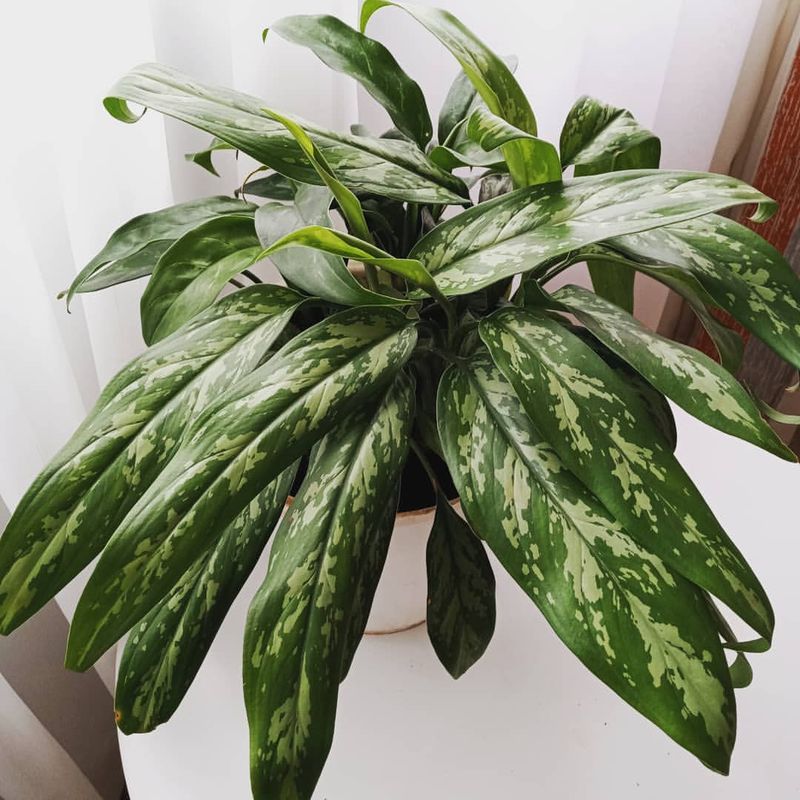
Chinese evergreens thrive where other plants struggle, bringing life to the darkest apartment corners.
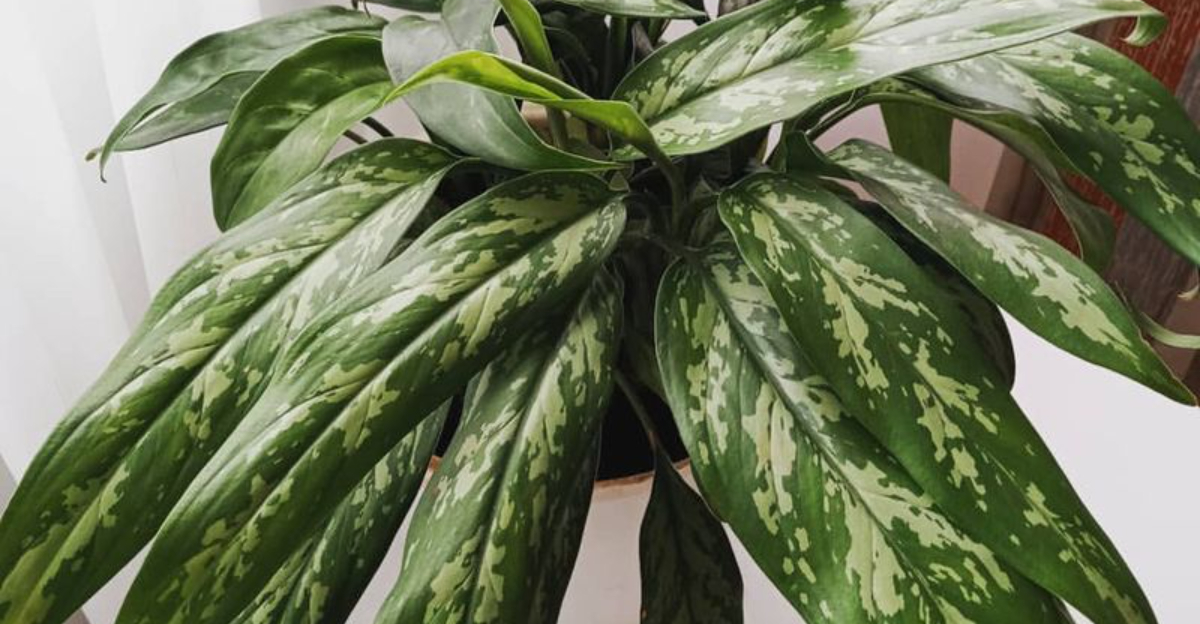
Their stunning variegated leaves in shades of green, silver, and pink add color without needing bright light.
These plants filter benzene and formaldehyde efficiently, improving air quality even in windowless rooms.
The slow, steady growth creates a reassuring constant that grounds you during uncertain times.
Chinese evergreens tolerate irregular watering, bouncing back easily from occasional neglect.
Their compact size fits perfectly on desks, shelves, or side tables without overwhelming small spaces.
The patterned leaves provide visual interest that draws the eye and sparks curiosity.
These plants prefer warm temperatures, making them ideal for heated apartments during New York winters.
Keeping soil slightly moist but never soggy maintains healthy growth and prevents root issues.
Chinese evergreens rarely attract pests and resist most common houseplant diseases naturally.
Their calming appearance helps create peaceful environments that support relaxation and focus.
Placing them in bedrooms or living areas adds natural beauty without demanding constant attention.
For New Yorkers with limited natural light, Chinese evergreens offer reliable greenery and air-purifying benefits consistently.
12. Philodendron For Comforting, Relaxed Energy
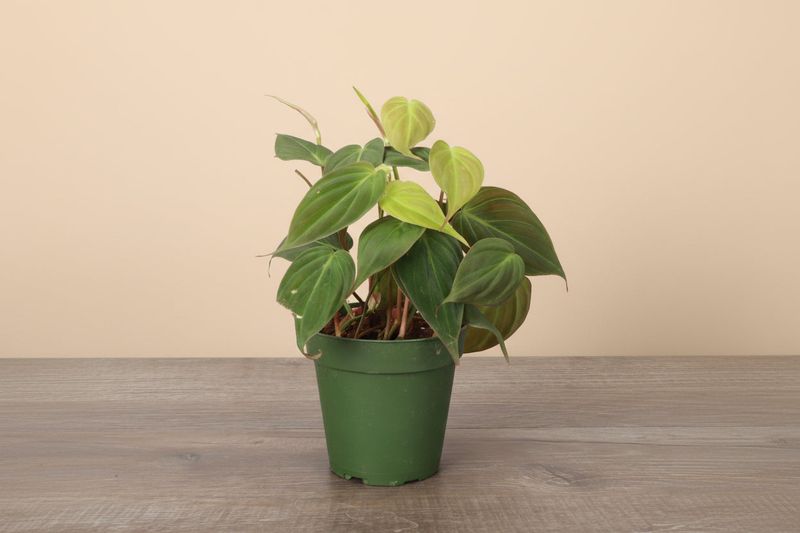
Philodendrons wrap your space in warm, welcoming greenery that feels like a gentle hug.
Their heart-shaped leaves and easy-going nature create instant comfort in even the smallest apartments.
These plants filter formaldehyde and other toxins, contributing to cleaner, fresher indoor air.
Philodendrons come in trailing and upright varieties, letting you customize growth patterns to fit your space.
Trailing types work beautifully in hanging planters or on high shelves, adding vertical interest.
Upright varieties stand proudly on floors or tables, creating lush focal points without spreading wide.
They tolerate low to moderate light, adapting easily to various apartment conditions.
Philodendrons need watering only when the top inch of soil dries, preventing overwatering mistakes.
Their fast growth rewards you with visible progress, creating satisfaction and connection to nature.
These plants propagate easily in water, so sharing cuttings with friends costs nothing.
The lush foliage softens hard surfaces and harsh lines common in modern apartment design.
Philodendrons rarely attract pests and recover quickly from occasional neglect or care mistakes.
For New Yorkers wanting cozy, low-maintenance greenery that feels like home, philodendrons deliver consistent warmth and beauty.
13. How To Use Indoor Plants To Create A Calm New York Apartment
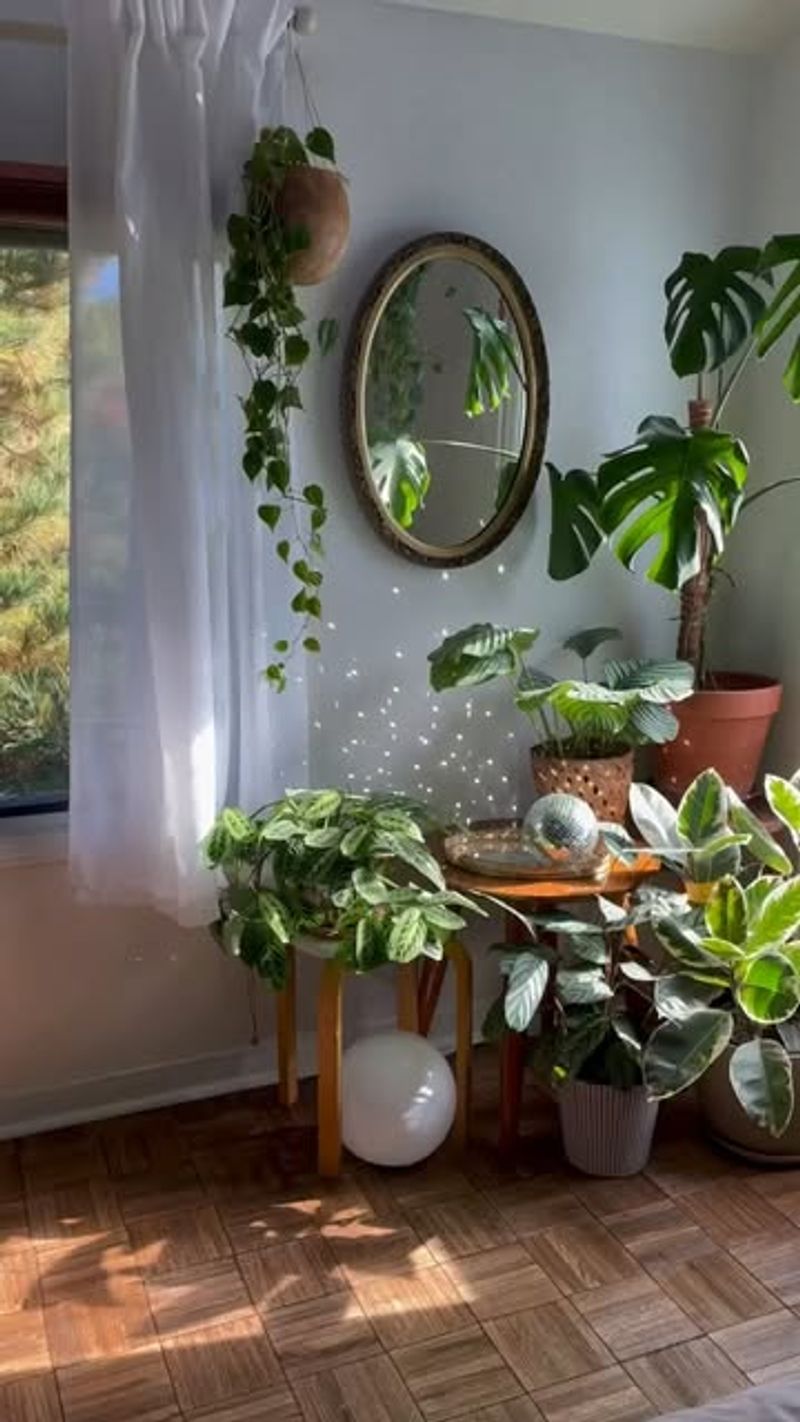
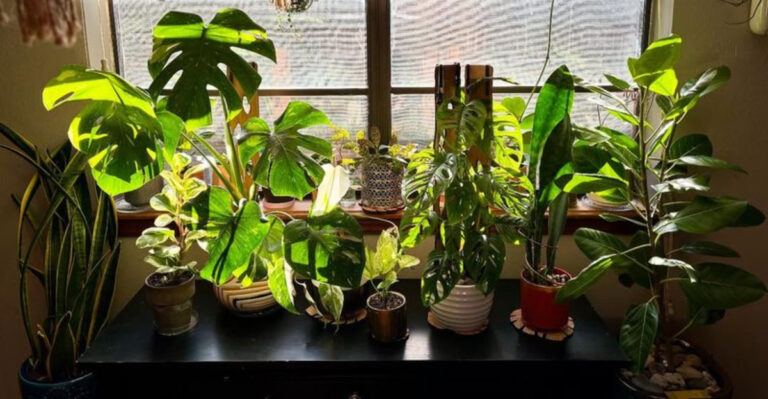
Combining multiple plants amplifies their air-purifying benefits and creates layered visual interest.
Start by placing larger plants like rubber plants or fiddle leaf figs in corners to anchor your space.
Add trailing plants like pothos or philodendron on shelves to soften vertical lines and draw eyes upward.
Group smaller plants like aloe vera, snake plants, and ZZ plants on side tables or windowsills for variety.
Position plants near workspaces to boost focus and reduce stress during long work-from-home days.
Keep air-purifying varieties like peace lilies and spider plants in bedrooms to improve sleep quality.
Place humidity-loving plants like bamboo palms in bathrooms where moisture levels stay naturally higher.
Use plants to define zones in studio apartments, creating natural dividers without blocking light.
Rotate plants regularly so all sides receive equal light, ensuring balanced, healthy growth.
Water on consistent schedules to build routines that reduce care stress and prevent neglect.
Mix leaf shapes, sizes, and colors to create dynamic arrangements that engage the senses.
Remember that even a few well-placed plants transform apartment energy, making spaces feel calmer and more alive.
Building your indoor garden gradually lets you learn each plant’s needs without feeling overwhelmed.