10 Indoor Plants That Naturally Boost Calm And Focus In Homes In Washington
In Washington, long winter days and busy indoor routines can leave homes feeling a little tense and scattered.
Indoor plants offer a simple, natural way to bring calm and focus into living spaces.
A well-placed plant can soften sharp corners, balance a room, and create a sense of peace that lingers throughout the day.
Plants do more than look good.
They act as quiet companions, improving air quality, reducing stress, and giving the eyes a place to rest when work or daily chores demand too much attention.
A leafy plant on a desk or a trailing vine in a corner can transform a space from chaotic to centered, helping residents feel grounded and focused without lifting a finger.
Washington’s climate makes it easy to keep many indoor plants happy.
Low light tolerant and hardy varieties thrive indoors, even during gloomy winters.
Once settled, they reward homeowners with steady growth, vibrant greenery, and an ever-present sense of calm.
For families who want to improve focus, reduce stress, and bring balance into the home, indoor plants offer a natural, low-maintenance solution that works year-round and turns ordinary rooms into peaceful, restorative spaces.
1. Snake Plant
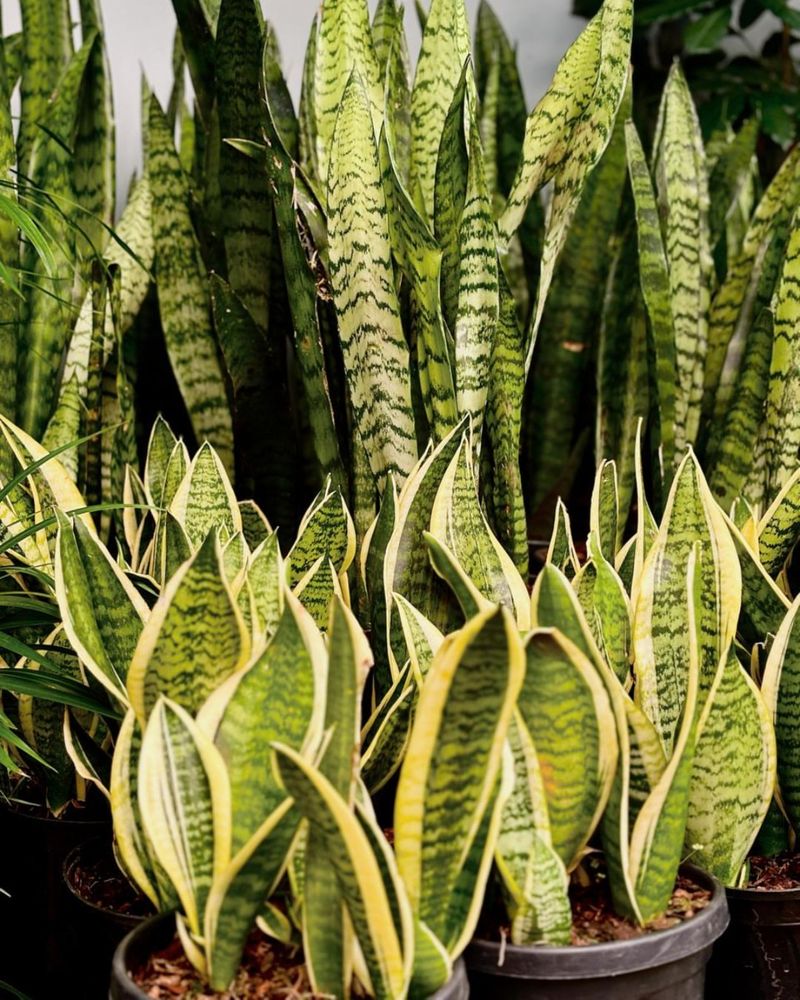
Snake plants are practically indestructible, making them ideal for anyone new to indoor gardening or those who sometimes forget to water their greenery.
Their tall, upright leaves with striking green and yellow patterns add a modern touch to any corner of your home, and they work overtime to filter toxins from the air.
One of the coolest things about snake plants is that they release oxygen at night, unlike most plants that do this during the day, so they’re perfect for your bedroom.
Breathing cleaner air while you sleep can lead to better rest, which directly impacts your focus and mood the next day.
In Washington, where indoor air quality can suffer during rainy months when windows stay closed, a snake plant becomes an essential companion.
These plants tolerate low light and need watering only every two to three weeks, which means less stress for you.
They grow slowly and don’t require much fussing, so you can place one in your living room, hallway, or office and let it do its thing.
Snake plants also adapt well to different temperatures, handling the cooler indoor climates common in Washington homes without any trouble.
Their ability to purify air while asking for very little care makes them a top choice for boosting calm and mental clarity naturally.
2. Lavender
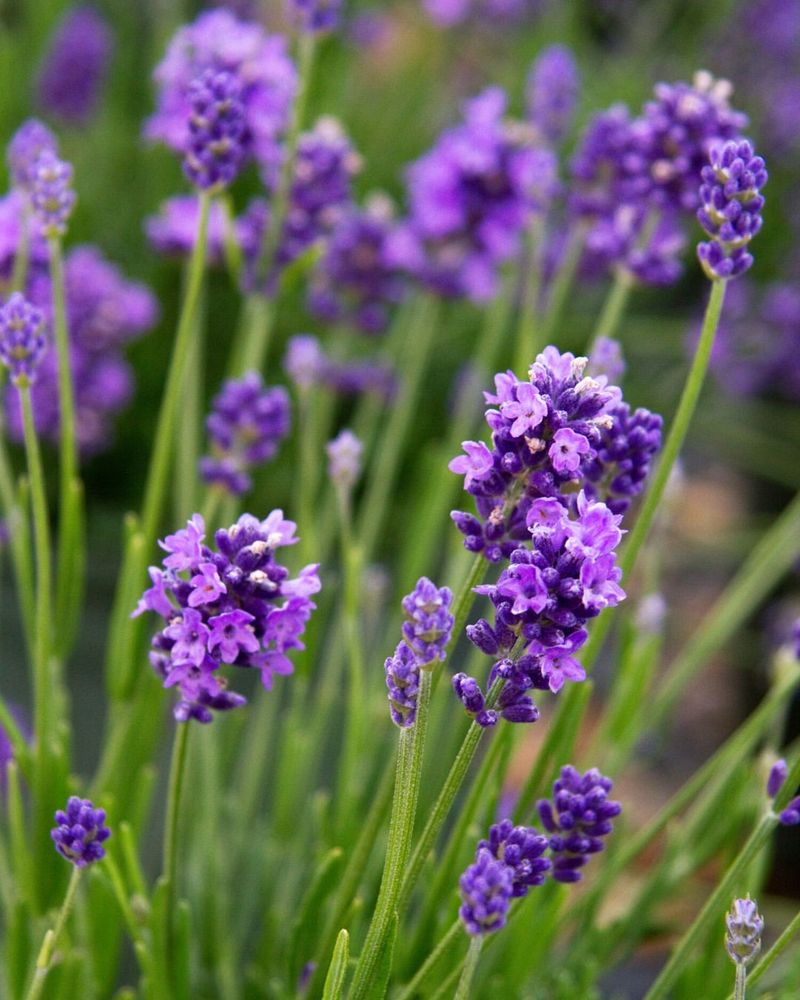
Lavender brings a soothing scent right into your living room, and that smell alone can help ease anxious feelings and improve your ability to concentrate.
Many people in Washington grow lavender outdoors during warmer months, but keeping a potted lavender plant inside works wonderfully too, especially when natural light is limited.
Place your lavender near a sunny window where it can soak up at least six hours of light each day, and make sure the soil drains well so the roots don’t sit in water.
The calming aroma released by lavender leaves and flowers has been studied for years, and research shows it can lower your heart rate and help you feel more at ease.
If you’re working on a big school project or trying to stay focused during a busy workday, having lavender nearby can make a real difference.
You can gently brush the leaves to release more of that lovely scent, or even dry some sprigs to tuck into your pillowcase for better sleep.
Lavender also attracts positive energy and adds a touch of natural beauty to any room in your Washington home.
Water it sparingly, letting the top inch of soil dry out between waterings, and you’ll enjoy its benefits for months.
This plant is perfect for bedrooms, home offices, or cozy reading nooks where you want to feel calm and centered.
3. Peace Lily
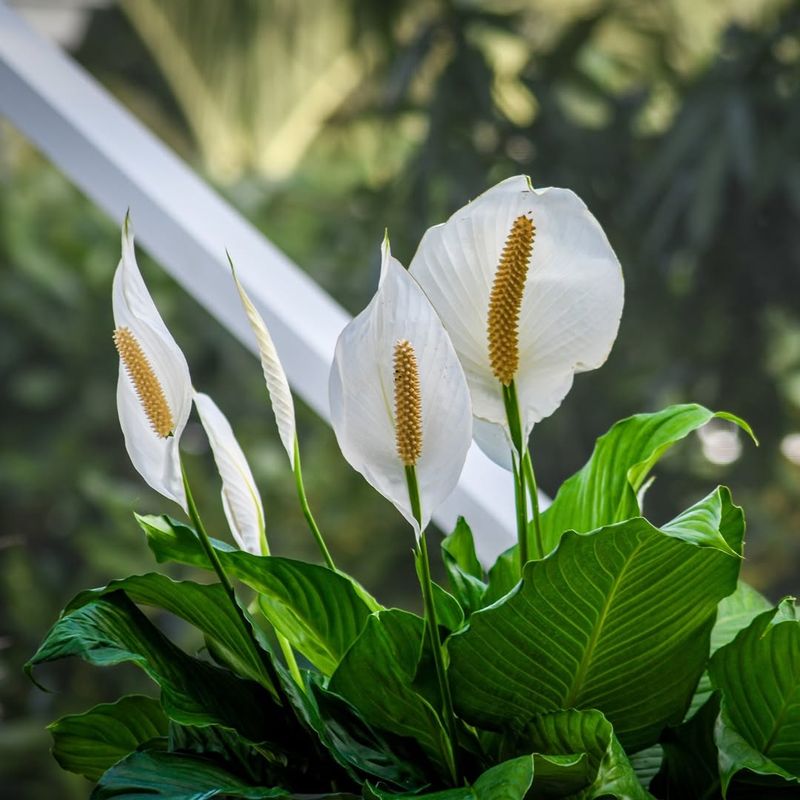
Peace lilies produce elegant white flowers that stand out beautifully against their deep green leaves, and they’re known for their remarkable air-purifying abilities.
NASA even included peace lilies in studies about plants that remove harmful chemicals from indoor air, which is a huge bonus for homes in Washington where ventilation can be tricky during wet seasons.
These plants prefer low to medium light, so they thrive in spaces that don’t get direct sunlight, like bathrooms or offices with smaller windows.
When the air around a peace lily gets too dry, the leaves will droop slightly, giving you a clear signal that it’s time to water.
This makes caring for them straightforward, even if you’re still learning how to read plant signals.
Peace lilies also help maintain humidity levels indoors, which can be comforting during Washington’s damp winters when indoor heating dries out the air.
The presence of greenery and delicate blooms can reduce stress and create a tranquil atmosphere, helping you focus better on tasks or simply enjoy a quiet moment.
Keep the soil consistently moist but not soggy, and wipe the leaves occasionally to remove dust so the plant can breathe easily.
Adding a peace lily to your home is like inviting a calming, helpful friend who quietly works to improve your environment every single day.
4. Spider Plant
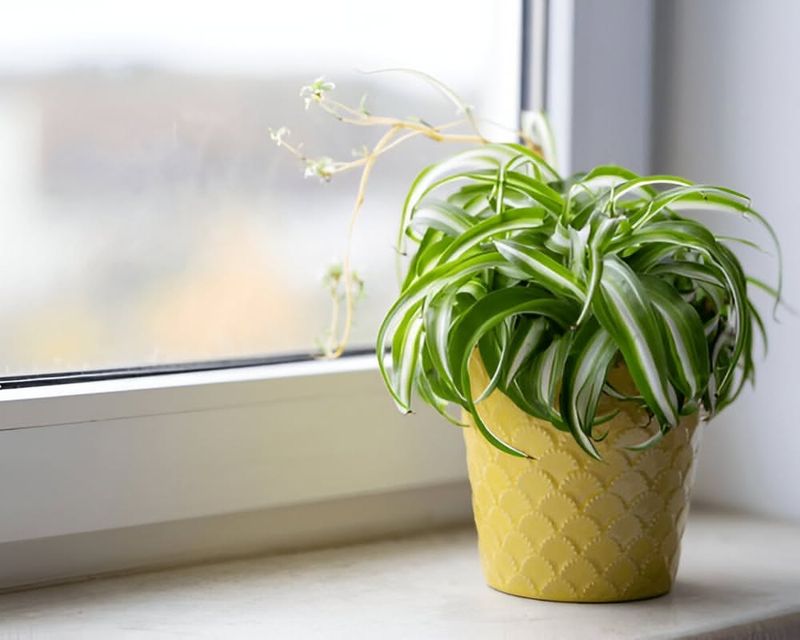
Spider plants are cheerful, easy-going houseplants that produce cascading green and white striped leaves, plus adorable little baby plants called spiderettes.
They’re incredibly forgiving if you miss a watering session or two, and they adapt well to a variety of light conditions, from bright indirect light to partial shade.
For families in Washington, spider plants are fantastic because they’re non-toxic to pets and kids, so you don’t have to worry if curious hands or paws get too close.
These plants are also excellent at removing pollutants like formaldehyde and xylene from the air, which can accumulate indoors when windows stay shut during rainy weather.
Cleaner air means fewer headaches and better concentration, whether you’re studying, working from home, or just relaxing with a book.
Spider plants grow quickly and can be placed in hanging baskets, on shelves, or in pots on tables, adding a lively, green touch wherever they go.
They prefer temperatures between 60 and 75 degrees, which matches the typical indoor climate in Washington homes perfectly.
Water them when the soil feels dry to the touch, and they’ll reward you with steady growth and a cheerful appearance.
Having a spider plant around can lift your spirits and create a more focused, peaceful environment naturally.
5. Aloe Vera
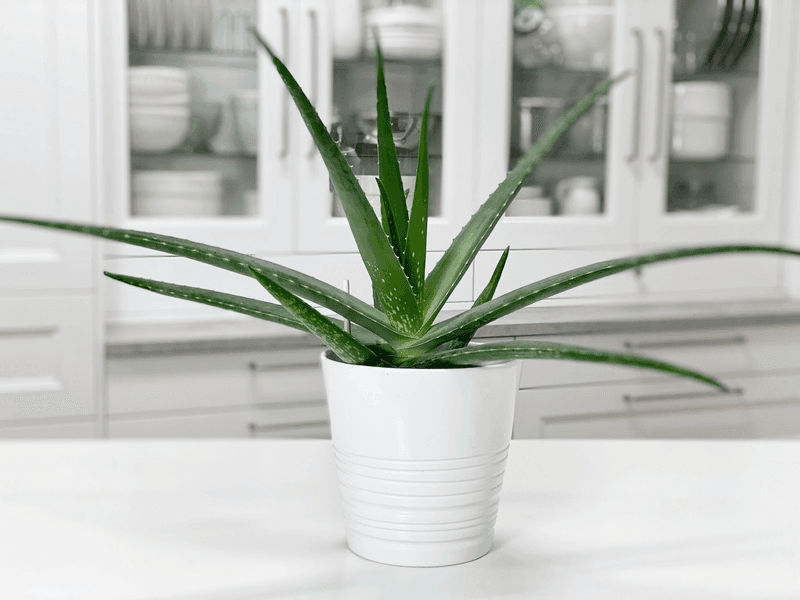
Aloe vera is famous for its healing gel, but it also works wonders as an indoor plant that promotes calm and mental clarity.
The thick, spiky leaves store water, making aloe vera incredibly low-maintenance and perfect for busy households in Washington where schedules can get hectic.
Place your aloe plant in a spot with bright, indirect light, like a kitchen windowsill or a sunny corner of your living room, and water it only when the soil is completely dry.
Aloe vera helps remove toxins from the air, including benzene and formaldehyde, which can build up indoors and affect your ability to think clearly.
The simple act of caring for a living plant can also reduce stress and give you a sense of accomplishment, which is especially helpful during Washington’s long, gray winters.
If you accidentally break a leaf, you can use the gel inside to soothe minor burns or skin irritations, adding a practical benefit to its calming presence.
Aloe plants grow slowly and don’t need much attention, so they’re ideal for people who want the benefits of greenery without a lot of extra work.
Their sculptural shape and soft green color bring a touch of nature indoors, helping you feel more grounded and focused throughout the day.
Adding aloe vera to your home is a simple, effective way to support your well-being naturally.
6. Boston Fern
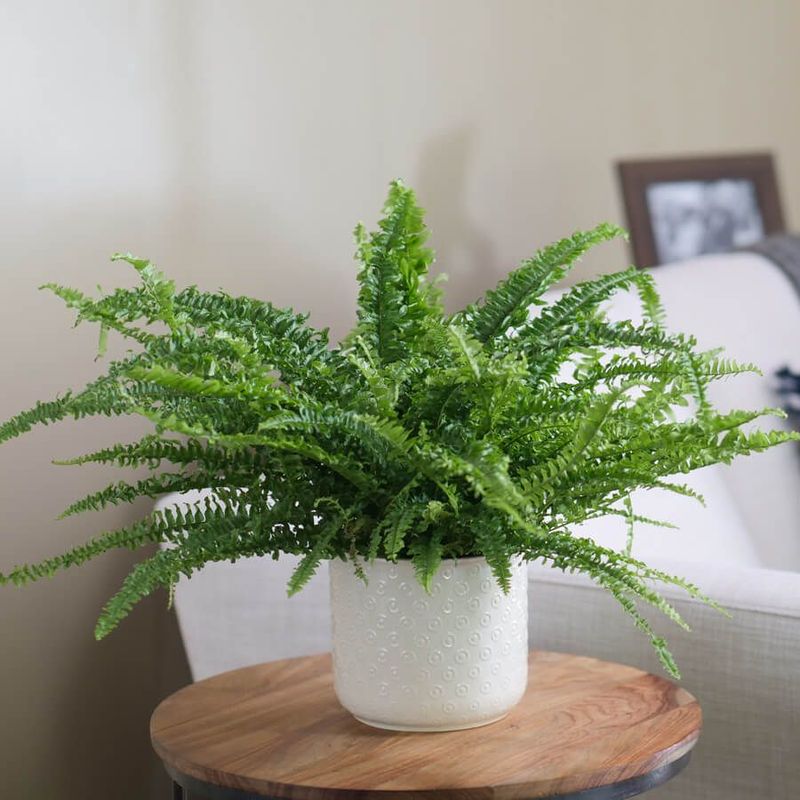
Boston ferns are lush, feathery plants that bring a soft, natural elegance to any room, and they’re especially good at adding moisture to dry indoor air.
In Washington, where indoor heating during cooler months can make the air uncomfortably dry, a Boston fern acts like a natural humidifier, which can help you breathe easier and feel more relaxed.
These ferns prefer indirect light and consistently moist soil, so place them in bathrooms, kitchens, or other rooms with higher humidity levels.
Mist the leaves regularly with a spray bottle to keep them happy, and they’ll reward you with vibrant green fronds that can grow quite full and dramatic.
The presence of a Boston fern can make your space feel more like a peaceful retreat, reducing stress and helping you focus better on whatever you’re doing.
They also filter pollutants from the air, contributing to a healthier indoor environment that supports mental clarity and overall well-being.
Boston ferns do require a bit more attention than some other plants, but the effort is worth it when you see how much life and calm they bring to your home.
Hang them in baskets or place them on plant stands where their graceful fronds can cascade freely.
For Washington residents looking to create a serene, green sanctuary indoors, Boston ferns are an excellent choice that delivers both beauty and benefits.
7. Pothos
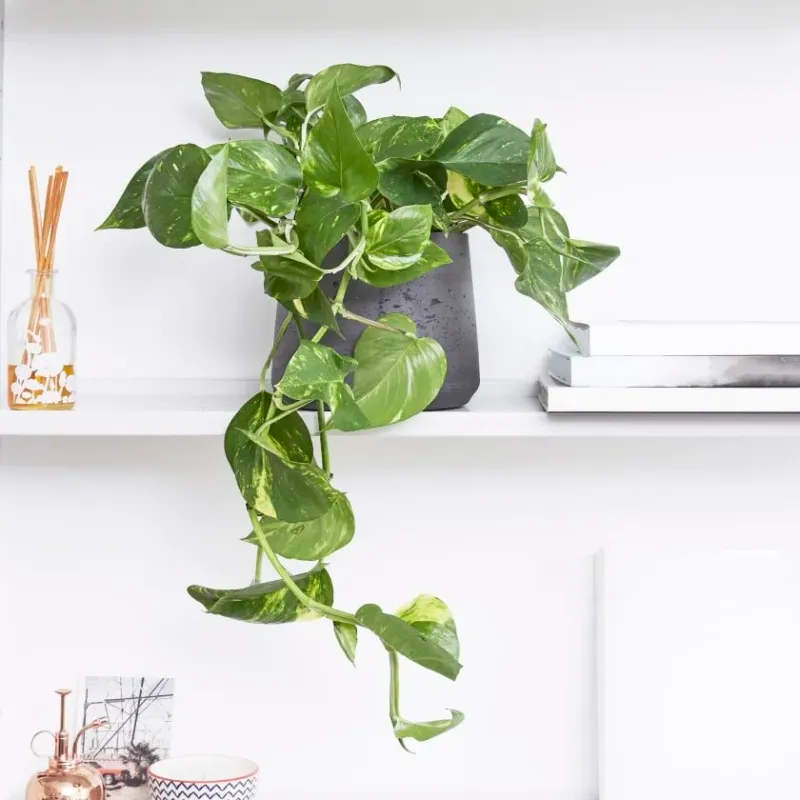
Pothos plants are incredibly popular because they’re nearly impossible to mess up, and their trailing vines add a lovely, relaxed vibe to any space.
With heart-shaped leaves that come in shades of green, yellow, and white, pothos can brighten up even the darkest corners of your Washington home.
They tolerate low light and irregular watering, making them perfect for beginners or anyone with a packed schedule.
Pothos plants are also excellent air purifiers, removing common indoor pollutants and helping you breathe cleaner air, which can improve your focus and reduce feelings of stress.
You can place pothos on high shelves, in hanging planters, or even train the vines to climb a small trellis for a creative, personalized look.
The simple act of watching your pothos grow and spread can be surprisingly calming, giving you something positive to nurture and enjoy.
Water your pothos when the top inch of soil feels dry, and it will continue to thrive and expand with very little effort on your part.
These plants adapt well to the typical indoor temperatures found in Washington homes, and they don’t mind if the humidity fluctuates a bit.
Adding a pothos to your living room, bedroom, or office is an easy way to bring natural beauty and a sense of peace into your daily routine.
8. Rubber Plant
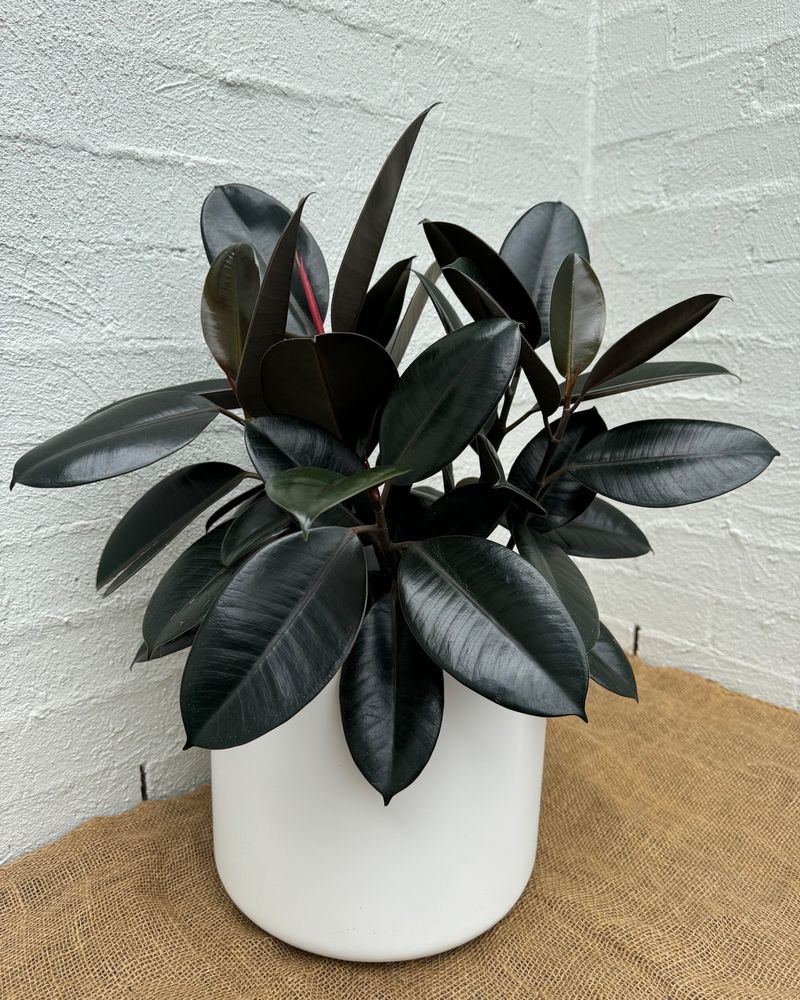
Rubber plants feature large, glossy leaves that make a bold statement in any room, and they’re surprisingly easy to care for once you understand their basic needs.
These plants prefer bright, indirect light, so placing them near a window with a sheer curtain works well in Washington homes where sunlight can be limited.
Rubber plants are effective at removing toxins from indoor air, which can help you feel more alert and focused throughout the day.
Their thick, waxy leaves also add a modern, sophisticated look to your decor, making them a favorite for living rooms and home offices.
Water your rubber plant when the top two inches of soil are dry, and be careful not to overwater, as this can lead to root problems.
The act of caring for a rubber plant can be meditative, giving you a break from screens and daily stress while connecting you to something alive and growing.
Rubber plants can grow quite tall over time, so they’re perfect if you want a statement piece that fills vertical space and draws the eye upward.
They tolerate average indoor temperatures well, making them suited to the climate-controlled environments common in Washington households.
Having a rubber plant in your home adds a touch of natural elegance and supports a calmer, more focused mindset naturally.
9. English Ivy
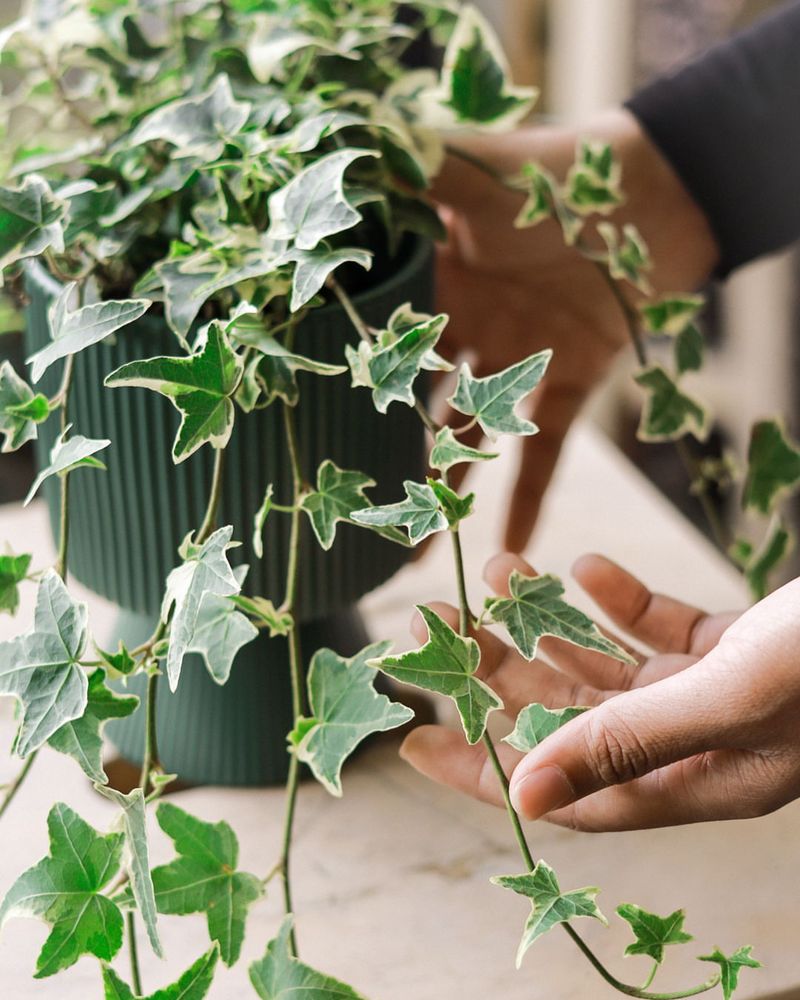
English ivy is a classic trailing plant with delicate, lobed leaves that can add a touch of old-world charm to your indoor space.
Studies have shown that English ivy can reduce airborne mold particles, which is especially helpful in Washington where damp weather can lead to higher indoor humidity and mold growth.
Cleaner air means fewer allergens and irritants, which can help you breathe easier and concentrate better on tasks at hand.
English ivy prefers cooler temperatures and moderate light, making it well-suited to the typical indoor climate in Washington homes.
You can grow it in hanging baskets, let it trail down from shelves, or even train it to climb a small indoor trellis for a unique look.
Water your ivy when the soil feels dry to the touch, and mist the leaves occasionally to keep them fresh and healthy.
The graceful, cascading vines create a peaceful, calming atmosphere that can help reduce stress and improve your overall sense of well-being.
English ivy is also relatively low-maintenance once established, so you don’t need to spend a lot of time fussing over it.
Adding this plant to your home brings a sense of natural beauty and tranquility that supports both calm and mental focus throughout the day.
10. Bamboo Palm
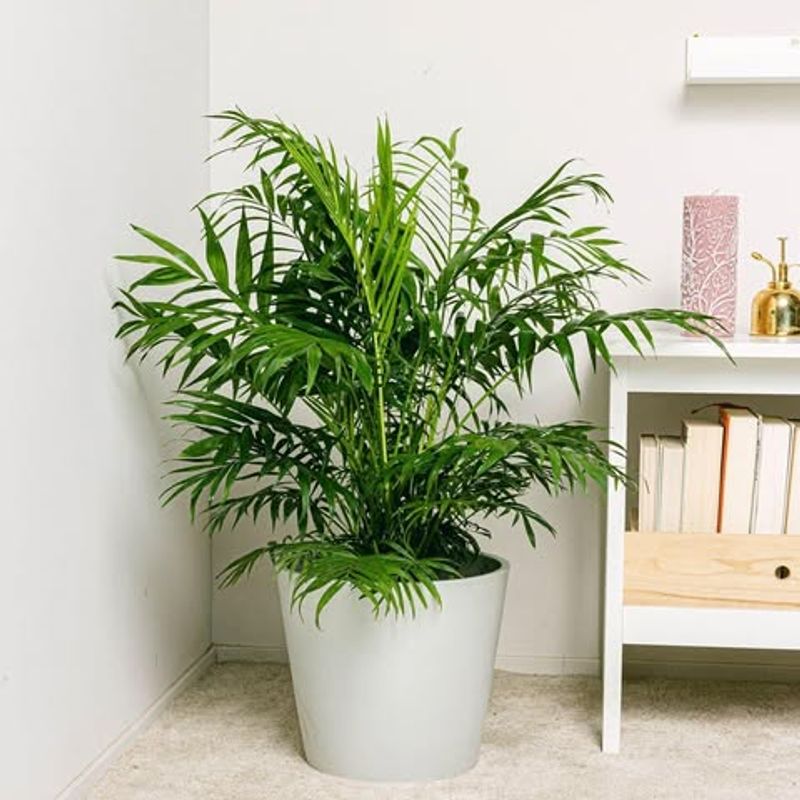
Bamboo palms are tropical-looking plants with feathery fronds that can transform any room into a relaxing, vacation-like retreat.
They’re excellent at filtering indoor air and removing pollutants like benzene and formaldehyde, which can accumulate in closed-up homes during Washington’s rainy months.
Bamboo palms prefer bright, indirect light and consistently moist soil, so they do well in rooms with plenty of natural light and regular attention.
Their tall, graceful appearance makes them perfect for filling empty corners or adding height and interest to a room’s layout.
Caring for a bamboo palm can be a calming ritual, giving you a few moments each day to step away from work or screens and connect with nature.
The presence of lush greenery has been shown to reduce stress and improve focus, making bamboo palms a smart choice for home offices or study areas.
Water your bamboo palm regularly, keeping the soil evenly moist but not waterlogged, and mist the leaves occasionally to maintain humidity.
These plants can grow several feet tall, so they’re ideal if you want a dramatic, eye-catching addition to your indoor plant collection.
For Washington residents seeking a natural way to boost calm and mental clarity, a bamboo palm offers both beauty and practical benefits that enhance your living space.