10 Indoor Plants That Release Oxygen At Night And Freshen Your Air
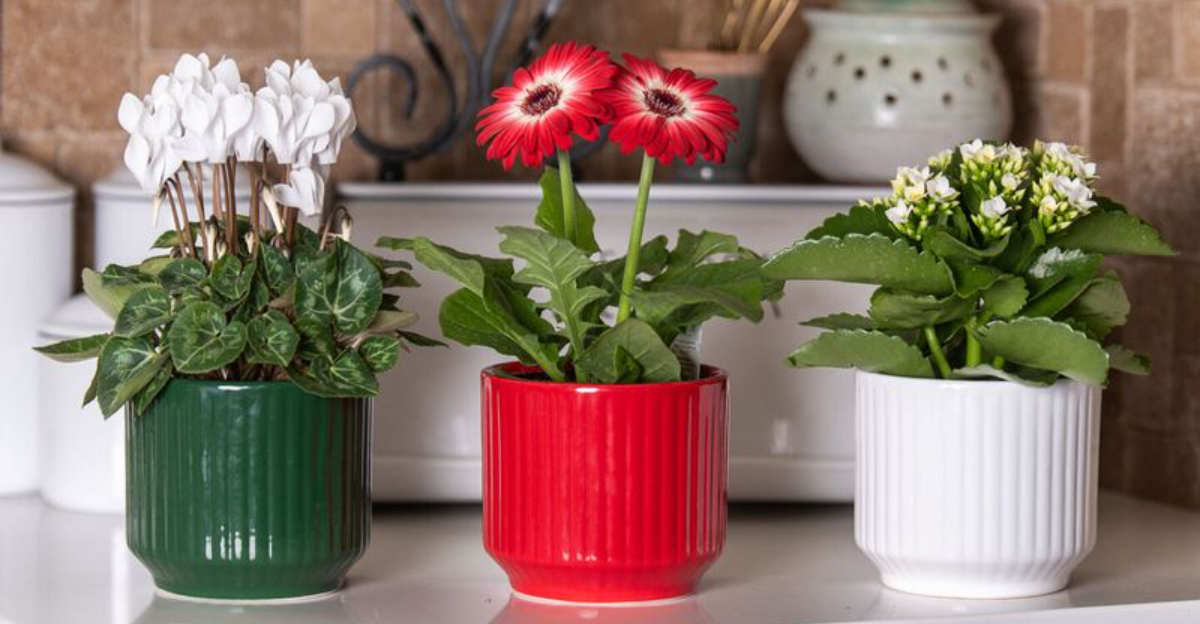
Some indoor plants don’t completely switch off at night, and that small difference is why people love keeping them close after dark.
They quietly keep exchanging air while the room is calm, which can make bedrooms and closed spaces feel a little fresher by morning.
These are the plants that fit nighttime living best, especially if you like the idea of greenery still doing something while you sleep.
#1 Snake Plant That Quietly Improves Nighttime Air
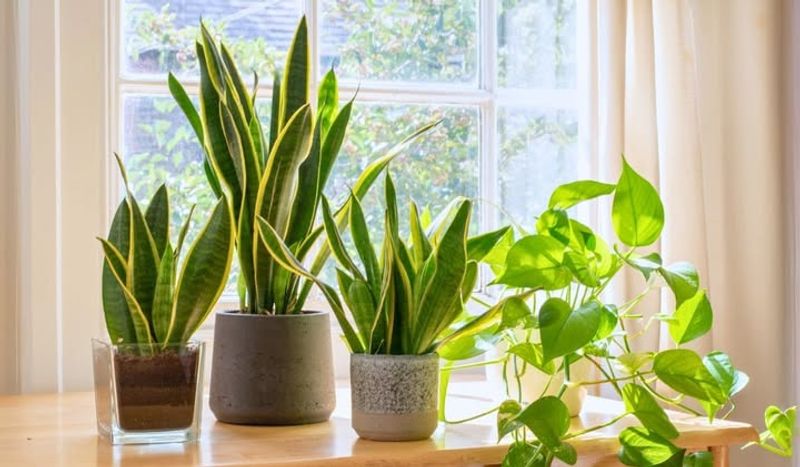
The snake plant is one of those plants people keep for looks, then slowly realize it asks for almost nothing while still pulling its weight indoors.
What makes it stand out is its CAM photosynthesis process, which allows it to take in carbon dioxide at night and release small amounts of oxygen while most plants pause.
That does not mean it turns a room into an oxygen tank, but it does continue gentle air exchange after dark in a way many houseplants simply do not.
Its thick, upright leaves also help trap tiny airborne particles, which can make indoor air feel a bit fresher over time rather than instantly changing anything.
This plant handles low light, bright light, and everything in between, so it fits easily into real homes without rearranging furniture or chasing sun.
Missed waterings rarely bother it, since those firm leaves store moisture and protect the plant from drying out too fast.
I often suggest snake plants for bedrooms because they stay tidy, grow steadily, and never demand constant attention.
If there is one indoor plant that earns its reputation through reliability instead of hype, this one quietly proves why it remains a favorite.
#2 Why Aloe Vera Stays Active After Dark
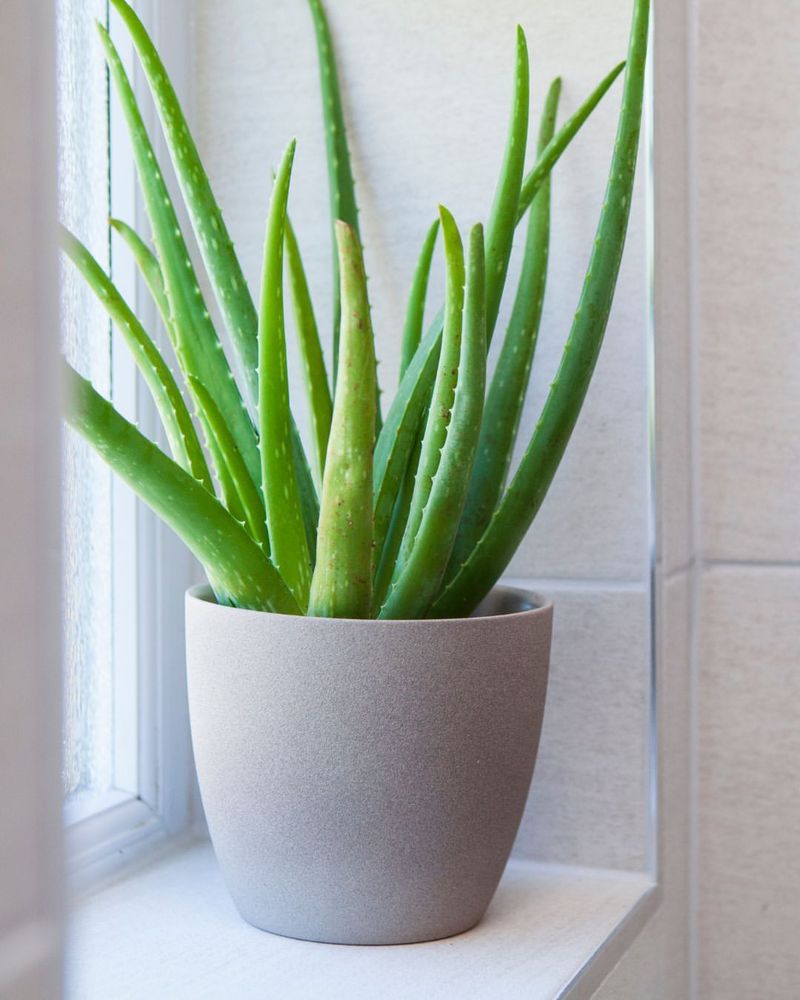
Many people know it for its soothing gel, yet indoors it also stands out for how it continues working once the lights go out.
Unlike most houseplants, it follows a CAM photosynthesis cycle, which allows carbon dioxide intake to continue during nighttime hours.
That process does not transform indoor air overnight, but it does mean the plant remains metabolically active while others rest.
Its thick leaves store moisture efficiently, helping soften the dry air feeling common in heated or air-conditioned rooms.
Bright natural light suits it best, especially near sunny windows where steady growth happens without stretching or weakening.
Too much water causes more issues than neglect, making careful, spaced-out watering the simplest way to keep it healthy.
I often recommend it for bedrooms because it stays compact, tidy, and visually calm without demanding daily attention.
Rather than leaning on exaggerated claims, this plant earns its place through straightforward biology and reliable behavior.
#3 How Areca Palm Helps Indoor Air Feel Lighter

Known mostly for its soothing gel, this plant also has a quiet indoor habit that continues once the lights go out.
Instead of fully shutting down at night, it follows a CAM photosynthesis cycle that allows carbon dioxide intake to continue after sunset.
That behavior does not overhaul indoor air quality, but it does mean the plant stays metabolically active while others rest.
Its thick, moisture-storing leaves can slightly ease the dry air feeling common in bedrooms with heating or cooling running overnight.
Strong natural light during the day supports steady growth and keeps the plant compact rather than stretched or weak.
Too much water causes more trouble than neglect, making spaced-out watering the easiest way to keep it healthy long term.
I often suggest keeping it nearby because it stays tidy, calm looking, and never overwhelms a room visually.
Instead of leaning on exaggerated claims, this plant earns its place through simple biology and reliable indoor behavior.
#4 Why Tulsi Stays Remarkably Active Indoors
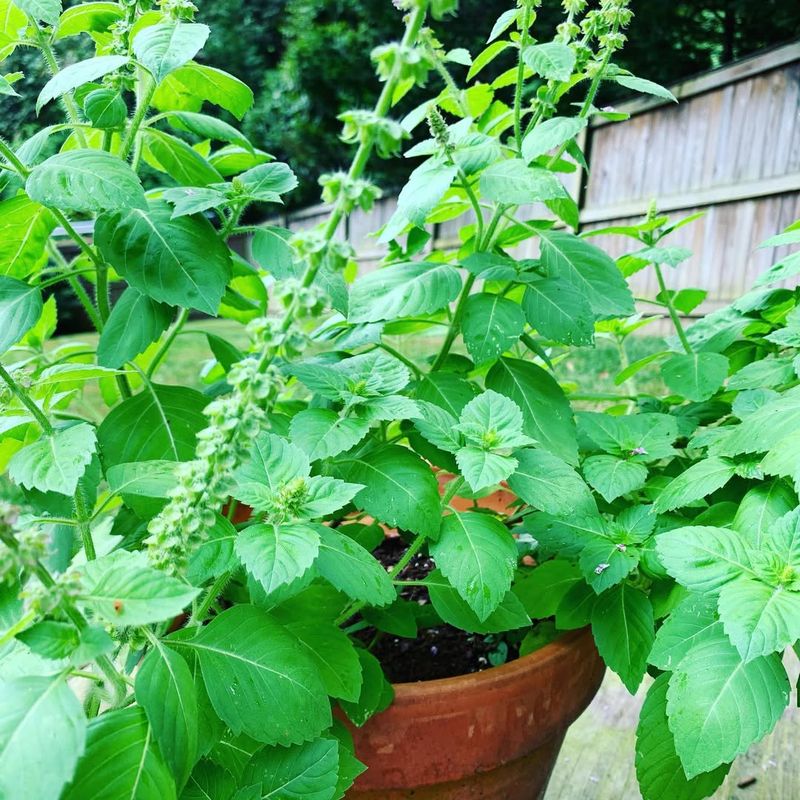
Known for its long cultural history, this plant also shows interesting behavior indoors that goes beyond simple decoration.
Tulsi follows a CAM-like photosynthesis pattern under certain conditions, meaning nighttime gas exchange can still occur at low levels.
That activity does not purify indoor air in dramatic ways, but it does show the plant remains biologically active after dark.
Its small, aromatic leaves release natural compounds that many people associate with a fresher, cleaner indoor feel.
Bright light during the day is important, especially near sunny windows where growth stays compact and healthy.
Regular watering matters more here than with succulents, since dry soil for long periods can stress the plant quickly.
I like recommending it for quiet indoor corners because it feels alive, responsive, and noticeably different from decorative foliage plants.
Rather than myths or miracle claims, this plant stands out for its resilience, history, and steady indoor presence.
#5 Gerbera Daisy As A Bright Daytime Companion Indoors

Colorful blooms bring instant life into a room, but this plant also adds a steady sense of freshness that feels noticeable during the day.
Strong daylight photosynthesis keeps it actively working while people are moving around, helping indoor spaces feel less closed in over time.
That daytime activity supports normal oxygen exchange and gives rooms a lighter, more breathable feel without exaggeration.
Wide leaves and firm stems create more surface interaction with surrounding air than many small flowering plants can manage.
Bright, indirect light helps blooms stay upright longer and keeps colors from fading too quickly indoors.
Careful watering makes a difference, since evenly moist soil supports blooms while soggy roots quickly shorten their lifespan.
I prefer placing it where natural light and daily activity meet, because the visual boost feels energizing without being overwhelming.
Rather than relying on plant myths, this one earns attention through visible growth, active daytime behavior, and unmistakable visual impact.
#6 Christmas Cactus And Its Unusual Indoor Rhythm
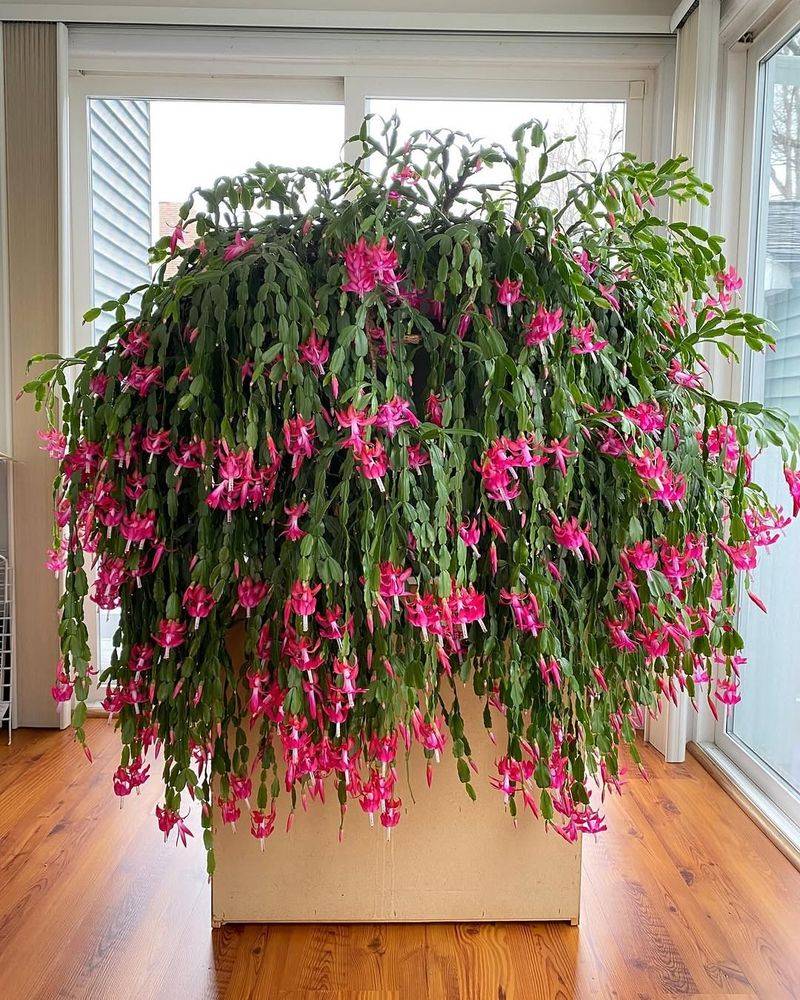
This plant settles into indoor life easily, acting more like a quiet background presence than a plant that constantly demands attention.
Its pores open on a different schedule, allowing limited nighttime gas exchange through a CAM-based process rather than following daylight alone.
That pattern does not refresh a room overnight, but it shows the plant remains biologically active while the space is calm.
Flattened, segmented stems manage internal moisture well, which explains its tolerance for dry winter air indoors.
Soft, filtered light supports steady growth without stressing the plant or interrupting bloom cycles.
Watering works best when consistent and moderate, since extremes quickly cause stress or slow development.
I like keeping it in everyday living areas because it stays neat and never overwhelms a room visually.
Its value comes from adaptability and rhythm rather than bold claims or seasonal hype.
#7 Orchid And The Way It Responds To Indoor Life
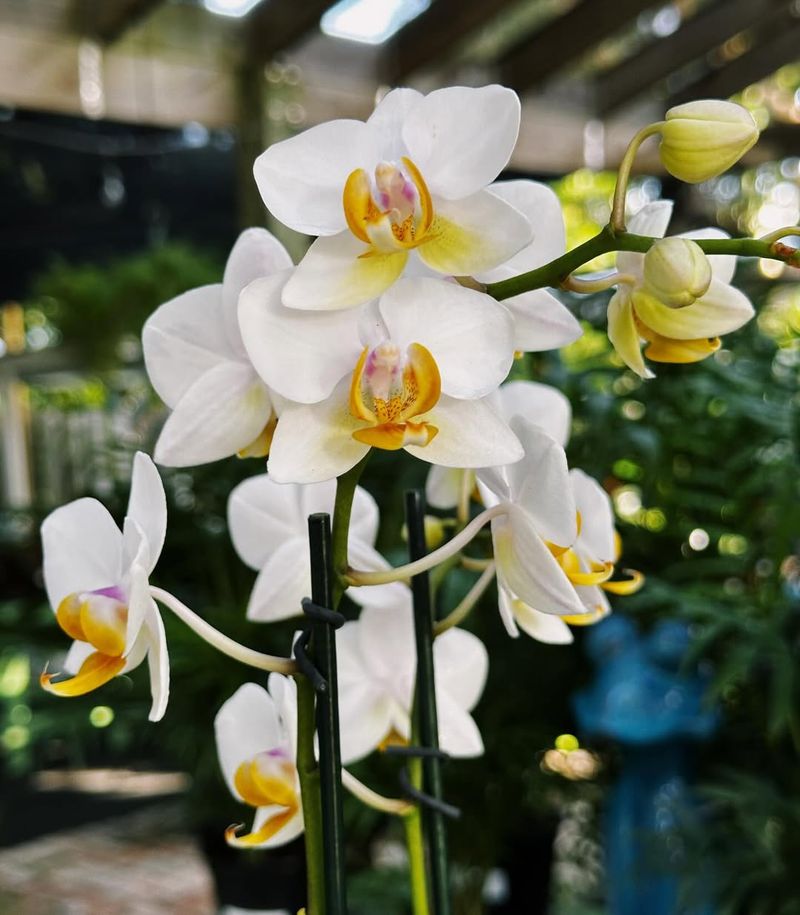
This plant does not try to dominate a room but instead settles in quietly, adjusting itself based on light, air movement, and daily conditions around it.
Rather than changing air quality directly, it reflects how balanced a space feels by responding quickly to shifts in temperature, humidity, and airflow.
Most of its activity happens during the day, when steady light supports photosynthesis and keeps growth aligned with normal indoor routines.
Exposed roots play an important role, allowing the plant to breathe more openly and react to stagnant air faster than soil-bound houseplants.
Consistent temperatures matter more than people expect, since sudden cold drafts or heat spikes often interrupt blooming cycles without warning.
Watering works best when moisture is followed by drying time, giving roots oxygen instead of trapping them in constant dampness.
I like keeping it in lived-in spaces because its condition often mirrors how comfortable the room feels over time.
Instead of bold claims, this plant earns appreciation by quietly responding to its environment in ways that feel surprisingly intuitive.
#8 When A Neem Tree Becomes Part Of Everyday Indoor Life
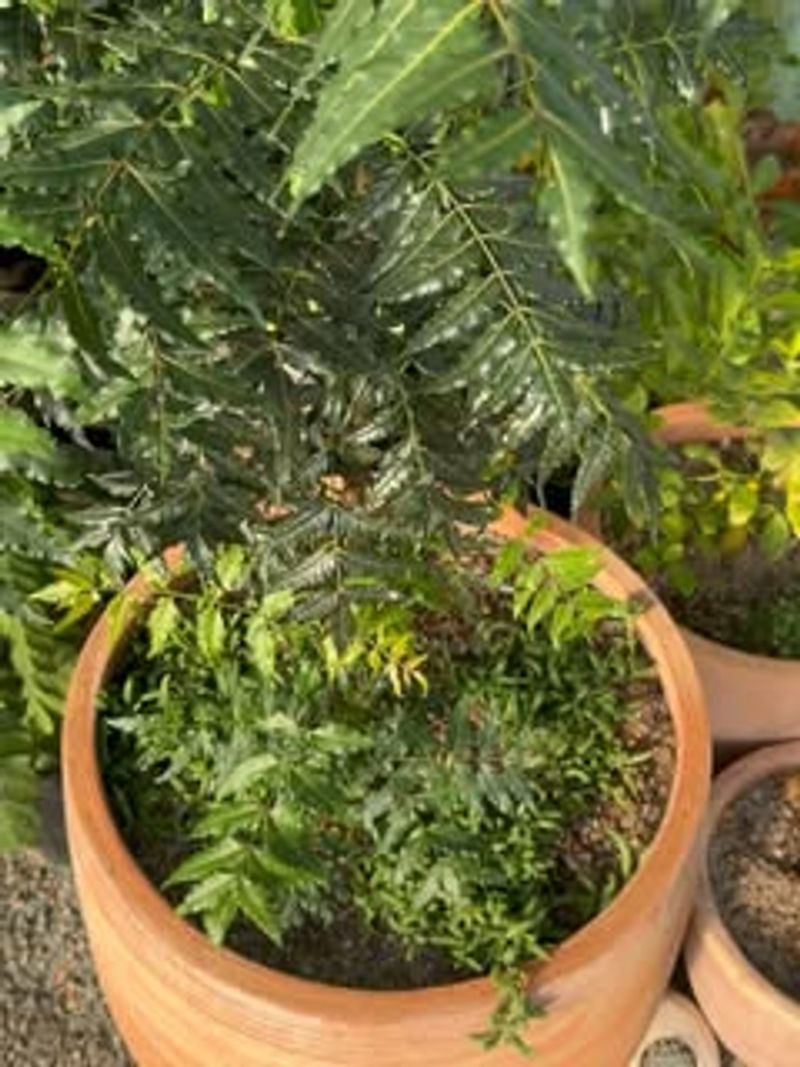
What surprises most people is how this plant brings a calm, grounded feeling into a room, making the space feel more intentional rather than just decorated.
Its growth follows the natural daylight rhythm, staying quietly active while the room is lived in and easing back once evening settles and activity slows.
That steady pattern does not promise instant air changes, but it supports a fresher indoor feel during the hours when windows stay closed and people are present.
Thick, matte leaves give it a solid look that feels reassuring, especially compared to plants that constantly drop leaves or look stressed indoors.
Strong light helps maintain balanced growth and healthy color, while darker corners tend to show their effects gradually rather than all at once.
Watering stays refreshingly simple, since allowing the soil to dry slightly between waterings keeps the roots healthier over time.
I like how it adds structure to a space without demanding attention or becoming the main focus of the room.
Its appeal comes from quiet consistency and usefulness, not exaggerated stories or trendy plant myths.
#9 Why Money Plant Pothos Fits Real Indoor Life So Easily
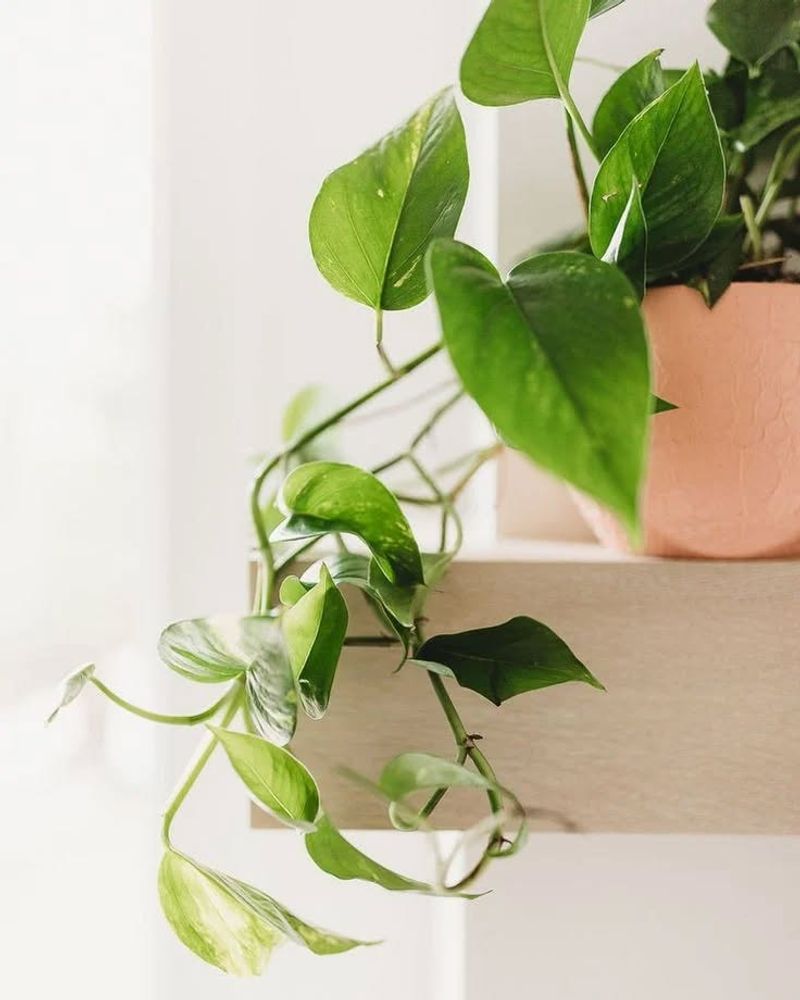
What makes this plant instantly likable is how naturally it blends into a room, trailing gently without feeling staged or overly decorative.
Growth feels almost effortless, with vines slowly stretching toward light in a way that makes indoor spaces feel more lived in.
Most of its work happens during the day, when steady photosynthesis supports normal oxygen exchange while people are actually home and active.
Heart-shaped leaves provide plenty of surface area, helping the plant interact with indoor air without pretending to perform miracles.
Low to medium light suits it well, which explains why it thrives in homes where sunlight shifts throughout the day.
Watering stays forgiving, since slightly dry soil is handled far better than constant moisture that leads to root stress.
I like using it on shelves or higher spots, because the trailing growth softens rooms without taking up floor space.
Its popularity comes from reliability and ease, not hype, making it one of those plants that quietly earns its keep over time.
#10 Where The Peepal Tree Stands In Nighttime Air Conversations
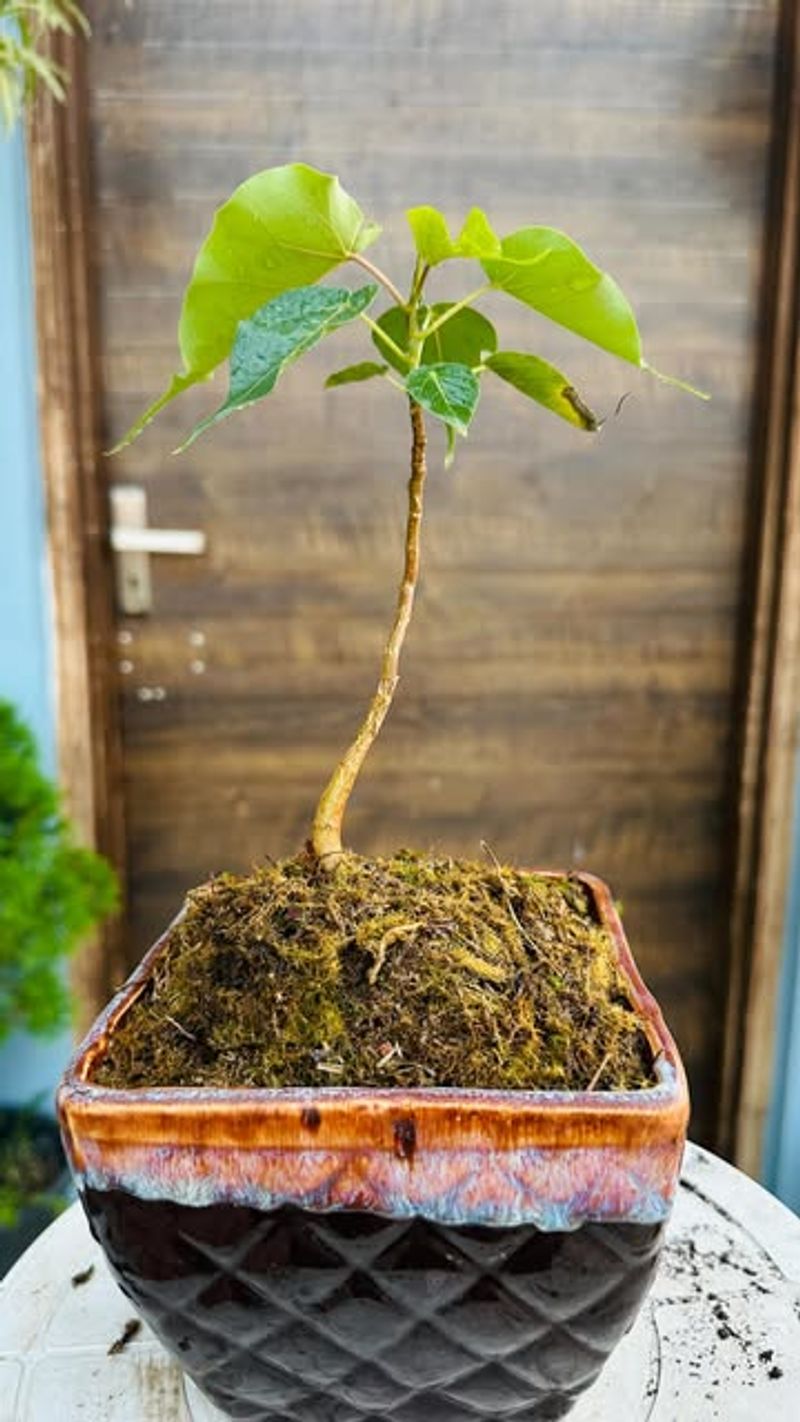
This plant is often shared online as a nighttime oxygen hero, which is exactly why it needs a clearer, more realistic explanation for indoor use.
Oxygen release happens during daylight hours here, since photosynthesis relies on light and naturally slows once the room goes dark.
During the night, basic plant respiration continues, keeping the tree alive and active without producing extra oxygen in measurable amounts.
What actually matters happens earlier, when large leaves support healthy daytime air exchange before nighttime even begins.
That daytime contribution can still influence how a room feels later, especially in bedrooms or living spaces that stay closed for long periods.
Strong indoor light keeps leaf activity steady, which directly affects how well the plant performs while photosynthesis is active.
I include it in this article because people see it everywhere online and deserve honesty instead of recycled claims.
Understanding its real role helps readers choose plants based on facts rather than myths that sound comforting but fall apart.