12 Indoor Plants That Struggle Most In Minnesota Winters (And What Helps Them Bounce Back)
Minnesota homeowners are starting to notice which indoor plants fade the fastest once winter settles in, and the challenge is turning into a quiet seasonal routine.
Each leaf drop or wilted stem becomes a small reminder of how tough these colder months can be, especially for plants that crave steadier light and warmer air.
The growing interest shows how ready people are to learn simple tricks that help their struggling favorites bounce back with a bit more confidence.
1. Fiddle Leaf Fig
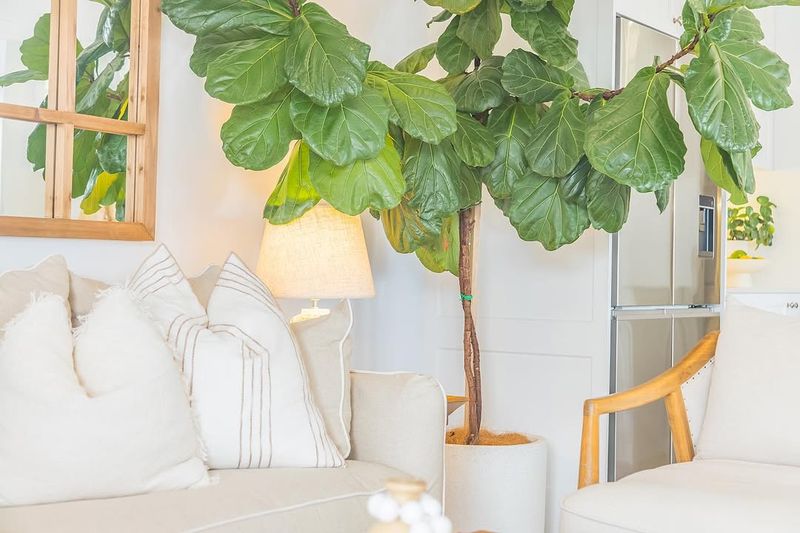
Fiddle leaf figs demand consistent warmth and humidity, two things Minnesota homes rarely provide during winter months when heating systems run constantly.
Drafty windows and temperature swings cause brown spots and leaf drop faster than you can say “houseplant emergency.”
Position your fiddle away from cold windows and heating vents throughout Minnesota’s long winter season.
A humidifier placed nearby raises moisture levels and prevents crispy leaf edges that make your plant look sad and neglected.
Water only when the top two inches of soil feel dry to your fingertips, avoiding root rot from overwatering.
Wipe dust off those big leaves weekly so they can absorb maximum light during short winter days.
Patience rewards you when spring arrives and your fiddle pushes out fresh green growth again.
2. Calathea
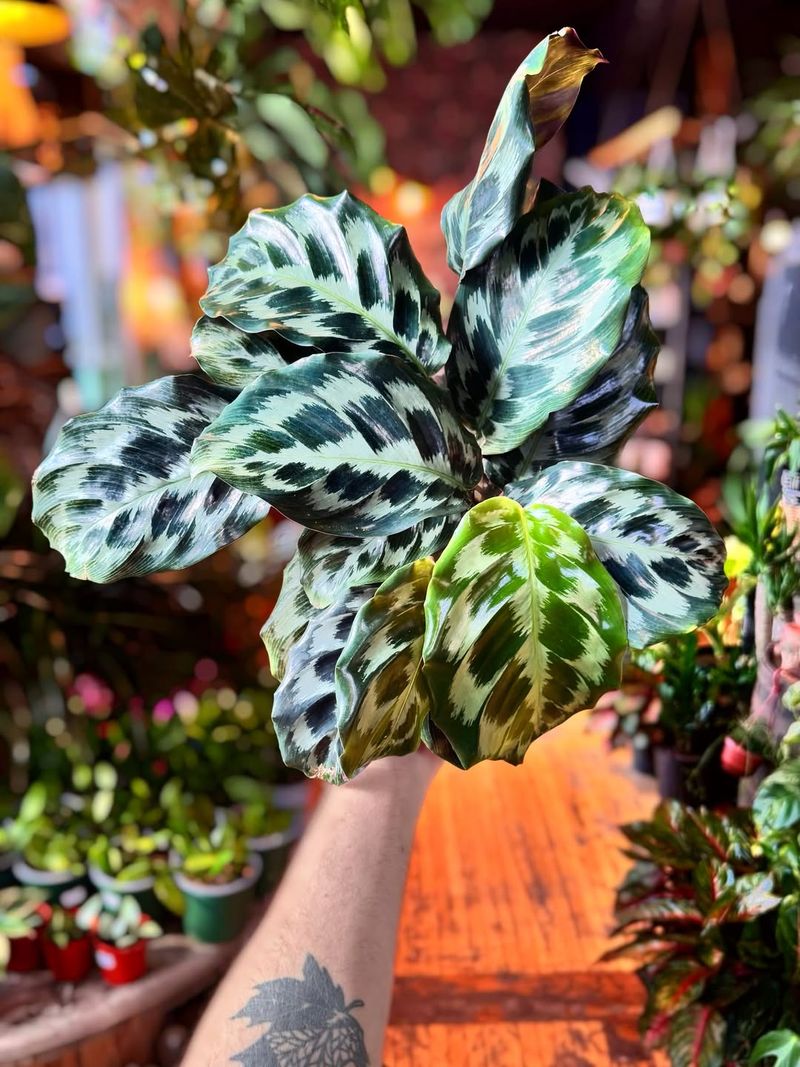
Calatheas originally grew in tropical rainforest floors where humidity stays high and temperatures never dip below comfortable levels year-round.
Minnesota’s dry indoor winter air turns their beautiful patterned leaves brown and crispy at the edges almost immediately.
Group several plants together to create a mini humid environment that benefits all your tropical beauties during cold months.
Misting alone won’t solve the problem, so invest in a small humidifier to keep moisture levels above fifty percent.
Keep soil consistently moist but never waterlogged, checking it every few days throughout Minnesota’s winter season.
Avoid placing calatheas near radiators or forced-air vents that blast hot, moisture-stealing air directly onto delicate foliage.
With proper humidity and warmth, your calathea will maintain its stunning leaf patterns all winter long.
3. Peace Lily
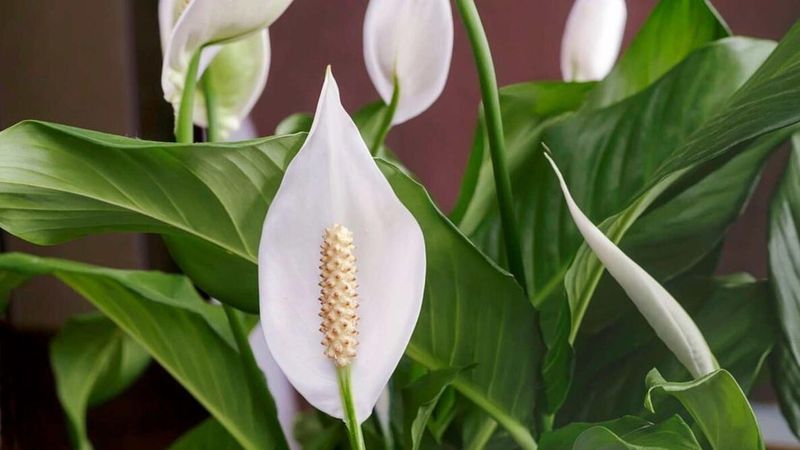
Peace lilies dramatically wilt when they need water, which happens more often during Minnesota winters when indoor air dries out quickly.
Cold drafts from windows and doors cause leaves to turn yellow and brown, signaling your plant feels stressed.
Move your peace lily away from exterior walls where cold seeps through even well-insulated Minnesota homes during January freezes.
These plants bounce back remarkably fast after a good watering, perking up within hours of getting moisture.
However, repeated wilting weakens the plant over time, so establish a consistent watering schedule instead of waiting for drooping.
Boost humidity by placing the pot on a tray filled with pebbles and water, keeping roots above the waterline.
Your peace lily rewards proper winter care with beautiful white blooms that brighten dreary Minnesota days beautifully.
4. Boston Fern
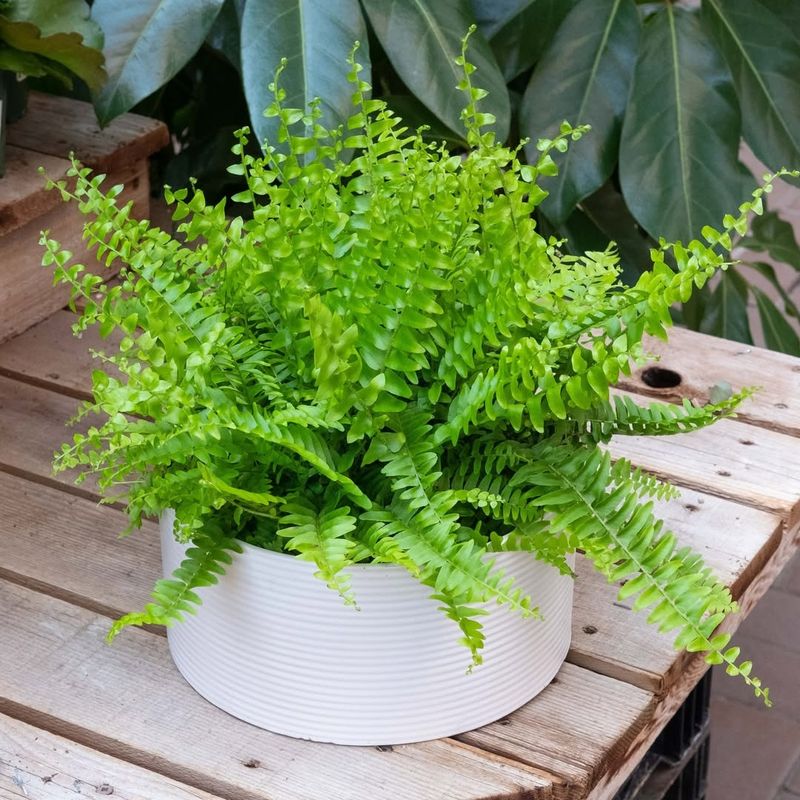
Boston ferns crave humidity levels that Minnesota homes simply cannot provide naturally when furnaces run nonstop through frigid winter months.
Fronds turn brown and drop leaflets everywhere, creating a messy situation that frustrates even patient plant parents.
Bathrooms with showers create ideal microclimates if they receive enough natural light for your fern to thrive.
Daily misting helps temporarily but cannot replace a humidifier running near your plant throughout Minnesota’s driest winter weeks.
Check soil moisture frequently because ferns prefer consistently damp conditions without sitting in standing water that rots roots.
Trim away completely brown fronds to encourage fresh growth and keep your plant looking tidy during recovery.
Spring brings relief when outdoor humidity rises and your Boston fern explodes with vibrant new growth again.
5. Orchid

Orchids naturally grow on tree branches in humid tropical environments, making Minnesota’s dry winter air particularly challenging for these elegant bloomers.
Flower buds drop before opening when humidity falls too low or temperature fluctuations stress the plant unnecessarily.
Ice cube watering methods work well during winter because they prevent overwatering while slowly hydrating roots in Minnesota homes.
Place orchids on humidity trays filled with water and pebbles, ensuring pots never sit directly in water.
East-facing windows provide gentle morning light without intense afternoon sun that can burn delicate leaves during bright winter days.
Avoid moving your orchid around frequently because they prefer stable conditions and adjust slowly to environmental changes.
After blooms fade, proper care encourages reblooming cycles that bring color to your Minnesota home throughout dreary months.
6. Bird of Paradise
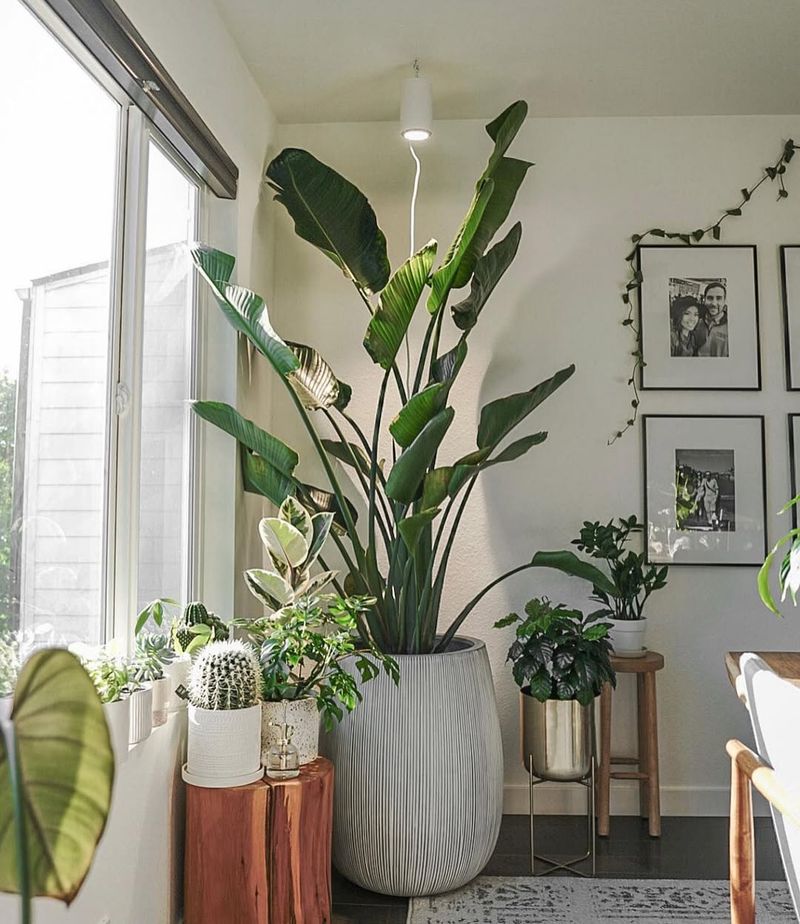
Bird of paradise plants reach for the ceiling and crave bright light that becomes scarce during Minnesota’s short winter days.
Lower leaves often turn yellow and brown from insufficient light or cold temperatures near windows during subzero nights.
Supplemental grow lights extend daylight hours and keep your plant actively growing rather than going dormant throughout Minnesota winters.
These tropical giants need less frequent watering during winter months, so let soil dry slightly between waterings.
Wipe down those massive leaves regularly to remove dust that blocks precious light absorption during already dim conditions.
Keep your bird of paradise away from cold drafts and heating vents that create temperature swings it cannot tolerate.
With patience and proper light, your plant maintains its impressive stature and may even bloom indoors eventually.
7. Croton
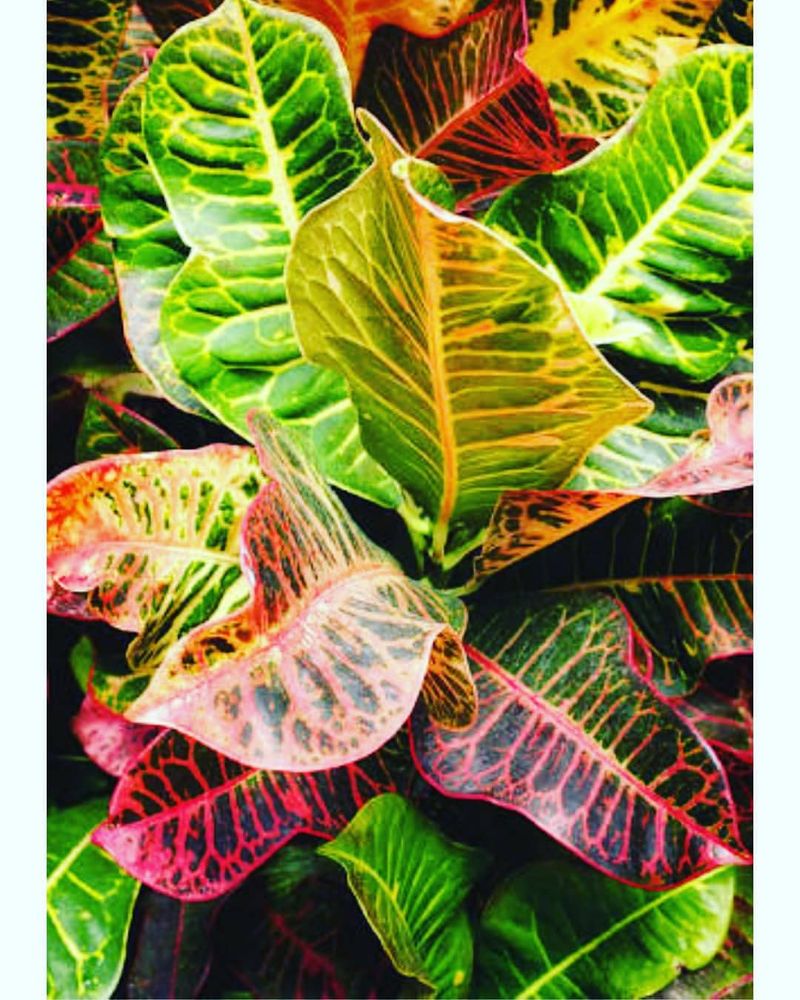
Crotons display stunning leaf colors that fade and drop when Minnesota winter conditions fail to meet their tropical preferences.
These drama queens protest dry air and temperature changes by shedding leaves faster than you can sweep them up.
Bright indirect light maintains vibrant leaf coloration, so position crotons near south-facing windows throughout Minnesota’s darker winter months.
Humidity levels below forty percent cause rapid leaf drop, making humidifiers essential equipment for croton success during heating season.
Water when the top inch of soil dries out, maintaining consistent moisture without creating soggy conditions.
Avoid moving your croton frequently because even small environmental changes trigger leaf loss and stress responses.
Spring recovery brings explosions of colorful new growth that make winter struggles worthwhile for dedicated Minnesota plant parents.
8. Gardenia
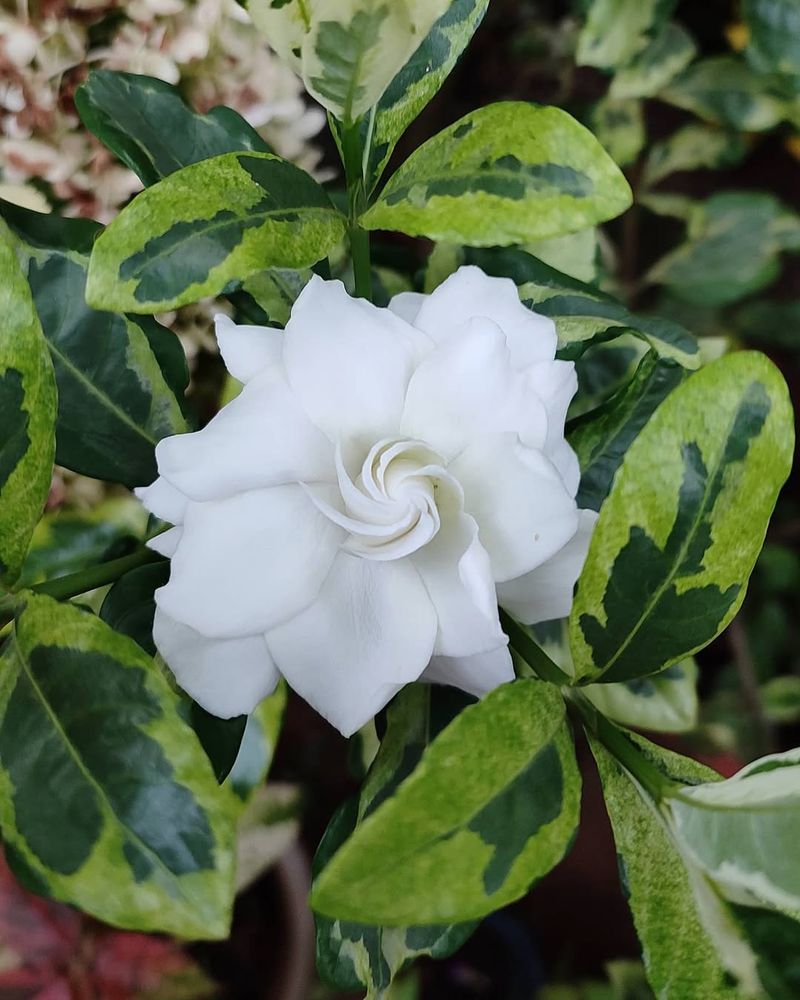
Gardenias reward proper care with intoxicatingly fragrant blooms but punish mistakes by dropping buds before they open during Minnesota winters.
These finicky plants demand acidic soil, high humidity, and consistent temperatures that Minnesota homes struggle to provide naturally.
Cold drafts from windows instantly cause bud drop, so keep gardenias in stable locations away from exterior walls.
Run a humidifier constantly near your gardenia because dry air triggers both bud drop and leaf yellowing problems.
Water with distilled or rainwater when possible because Minnesota’s hard tap water raises soil pH over time.
Feed monthly with acid-loving plant fertilizer diluted to half strength throughout winter to support healthy growth.
Success brings heavenly scented blooms that fill your entire Minnesota home with tropical fragrance despite snow outside.
9. Monstera Deliciosa
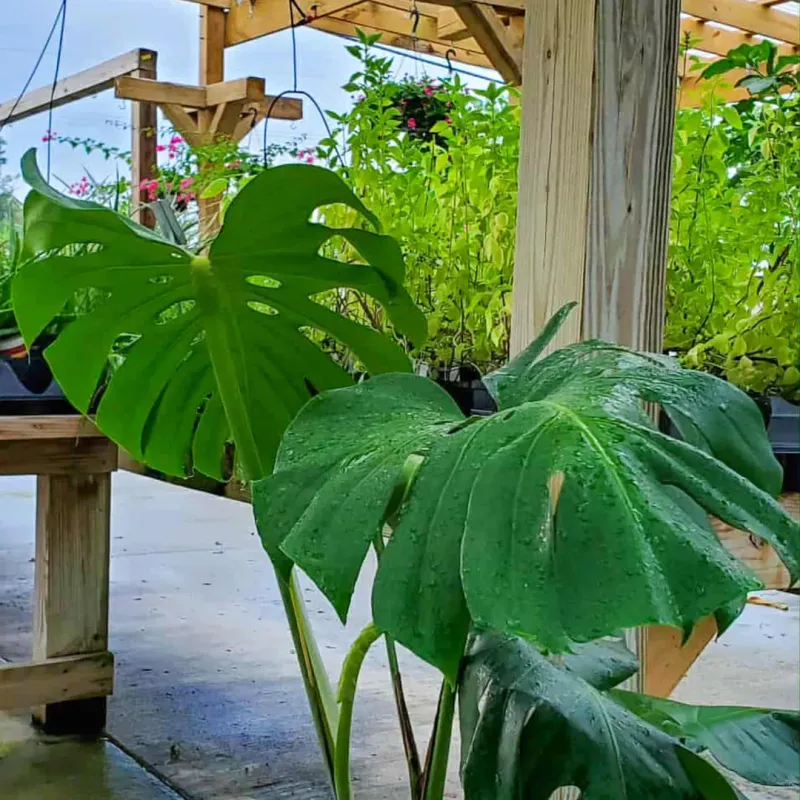
Monstera plants tolerate lower light better than many tropicals but still struggle when Minnesota winter days barely reach eight hours.
Brown leaf edges and yellowing indicate stress from dry air created by furnaces running constantly through frigid months.
These climbing plants naturally grow upward in rainforests, so providing a moss pole helps support healthy growth patterns indoors.
Reduce watering frequency during winter because slower growth means less water consumption throughout Minnesota’s coldest season.
Wipe those iconic split leaves weekly to remove dust and check for pests that thrive in dry indoor conditions.
Avoid fertilizing during winter months when growth naturally slows down and plants enter semi-dormant phases.
Your monstera rebounds quickly when spring arrives, pushing out impressive new fenestrated leaves that make winter patience worthwhile.
10. African Violet
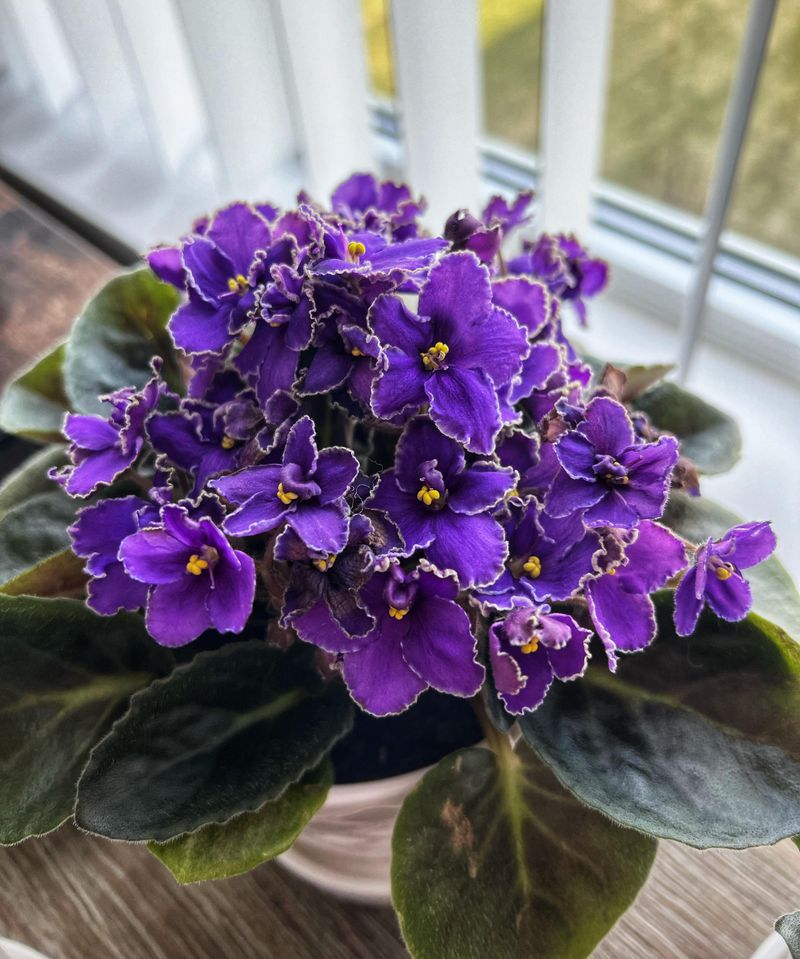
African violets bloom year-round under proper conditions but often stop flowering during Minnesota winters when light levels drop significantly.
Cold water on leaves creates ugly brown spots, so always use room-temperature water when watering these fuzzy beauties.
Bottom watering works best because it prevents water from sitting on leaves and causing damage or fungal problems.
These compact plants thrive under grow lights that provide consistent illumination throughout Minnesota’s dark winter months.
Humidity around fifty percent keeps leaves healthy without encouraging fungal diseases that attack African violets in overly moist conditions.
Keep them away from cold windowsills where temperatures drop dramatically during subzero Minnesota nights outside.
Proper care maintains continuous blooming cycles that brighten dreary winter days with cheerful purple, pink, or white flowers.
11. Rubber Plant

Rubber plants normally tolerate various conditions but protest Minnesota winter stress by dropping lower leaves until they look bare and leggy.
Sudden temperature changes near drafty windows trigger rapid leaf loss that alarms even experienced plant parents.
Position your rubber plant in a stable location away from heating vents and cold exterior walls throughout winter months.
These plants prefer bright indirect light but adapt to lower light conditions during Minnesota’s short winter days surprisingly well.
Reduce watering frequency because cooler temperatures and lower light slow growth and water needs significantly during winter.
Wipe leaves monthly with a damp cloth to remove dust and maintain that characteristic glossy appearance.
Spring triggers vigorous new growth that quickly fills in bare spots created by winter stress and leaf drop.
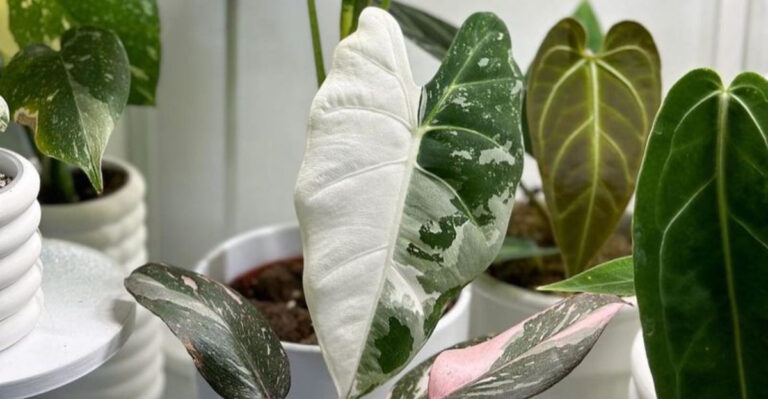
12. Alocasia
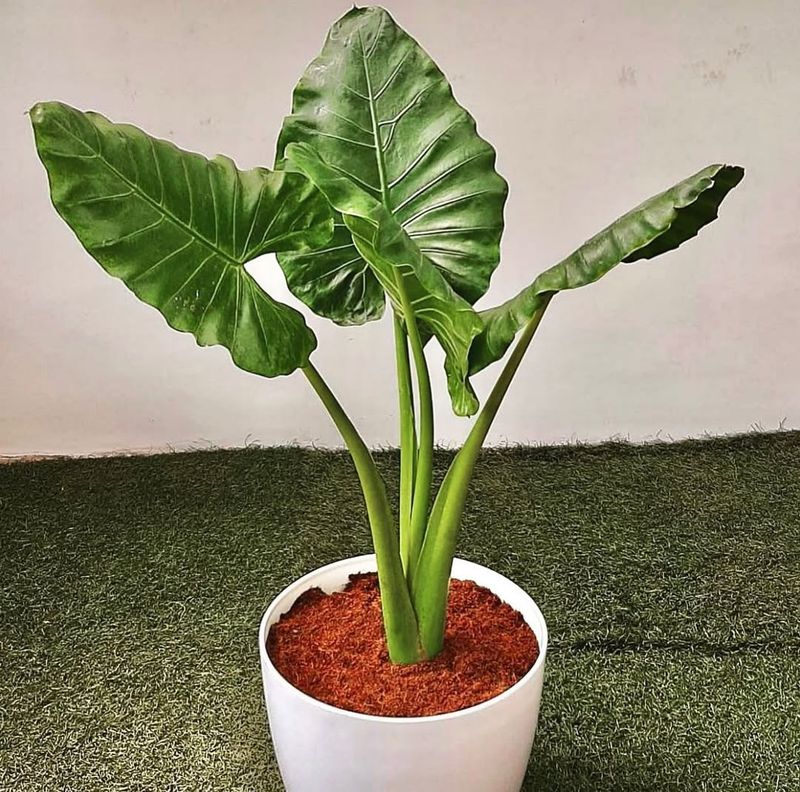
Alocasias often enter dormancy during Minnesota winters, losing all leaves and appearing completely gone until spring warmth returns.
This natural response to cold and dry conditions terrifies new plant owners who think their alocasia has given up.
Reduce watering drastically if your plant goes dormant, giving just enough moisture to prevent bulbs from shriveling completely.
Some alocasias stay active with sufficient humidity and warmth, so run a humidifier nearby throughout Minnesota’s driest months.
Bright indirect light helps maintain active growth if your plant refuses to go dormant during winter season.
Never place alocasias near cold windows where temperatures drop below sixty degrees during frigid Minnesota nights.
Patience rewards you when dormant bulbs sprout fresh leaves in spring, proving your plant survived winter underground.