11 Indoor Plants With Pink Leaves That Thrive In Water In New York Homes
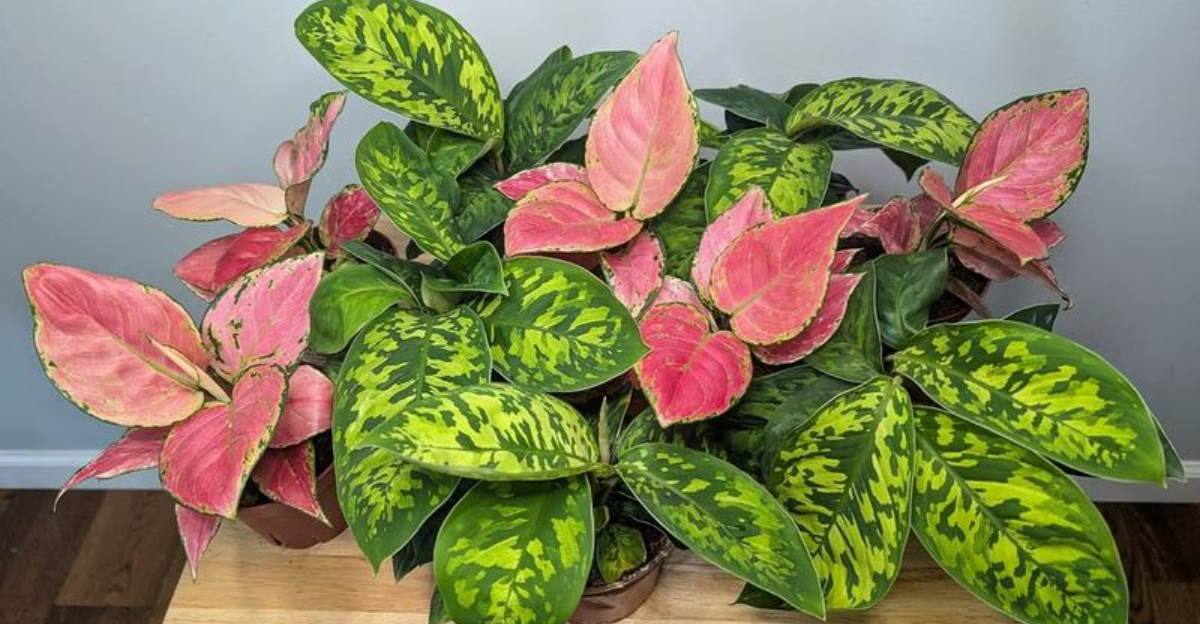
Pink leaf plants have a way of standing out indoors, and I’ve noticed the water-grown ones do especially well in New York homes.
I’ve kept a few myself and love how they skip soil mess while still staying vibrant and surprisingly easy to manage.
With the right light and simple water care, these plants tend to settle in fast and keep their color looking fresh year-round.
1. Pink Syngonium
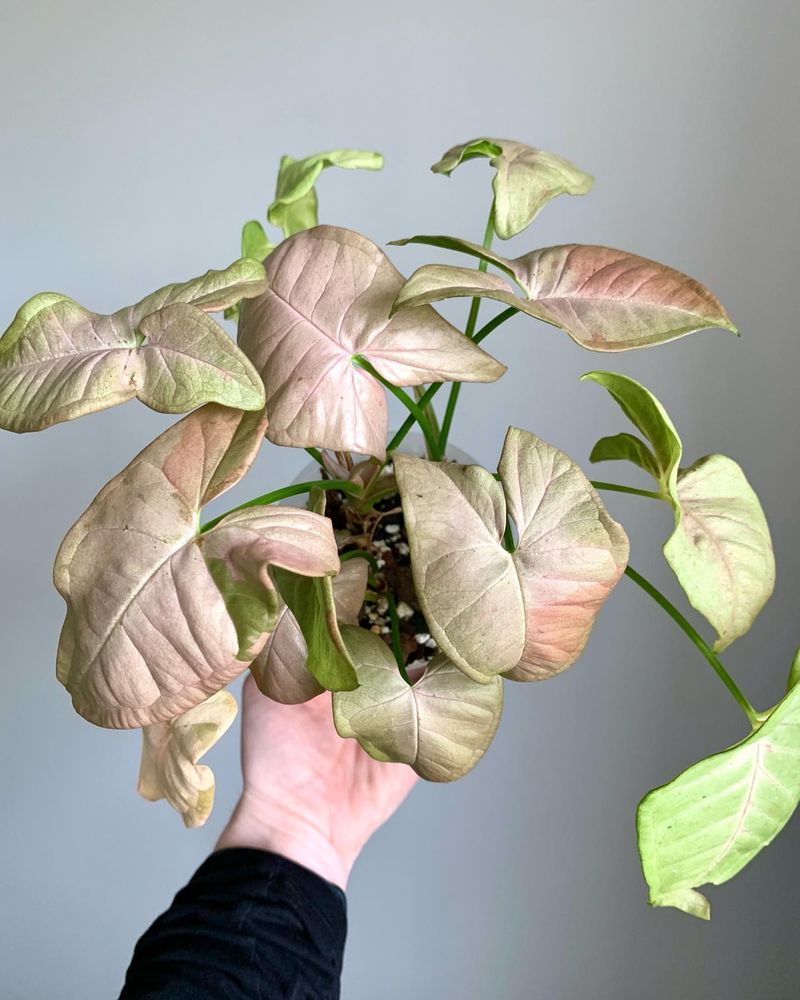
Pink Syngonium brings stunning arrow-shaped leaves splashed with shades of pink and cream that brighten up any corner of your space.
Water propagation works wonderfully for this tropical beauty, allowing roots to develop quickly when you place cuttings in a clear container.
Change the water every week to keep it fresh and prevent algae buildup, which helps the plant stay healthy and vibrant.
Bright indirect light works best for maintaining those gorgeous pink hues, so place it near a window but away from harsh sun.
New York homes with central heating can get dry, so misting the leaves occasionally helps this plant feel more at home indoors.
The roots grow fast in water, creating an interesting visual display that kids and adults alike find fascinating to watch over time.
Pink Syngonium tolerates lower light conditions better than many other colorful plants, making it perfect for apartments with limited natural sunlight.
This adaptable plant stays compact when grown in water, so it fits nicely on shelves, desks, or small tables without taking much room.
2. Pink Princess Philodendron
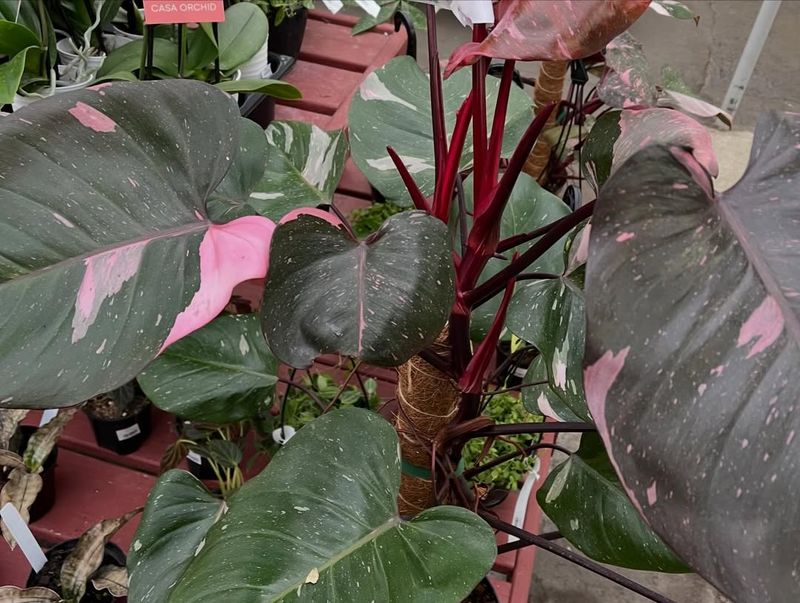
Collectors go wild for Pink Princess Philodendron because each leaf displays unique patterns of deep green mixed with bubblegum pink splashes.
Cuttings root easily in water, though you’ll need patience since this rare beauty takes a few weeks to develop strong root systems.
Keep the water level consistent and use filtered or distilled water to avoid chemicals that might damage the delicate pink variegation patterns.
Bright, filtered light encourages more pink coloring to appear on new leaves, so position it where it receives plenty of indirect sunshine.
Many plant lovers in New York apartments display this showstopper in clear vases to admire both the stunning leaves and growing roots.
Rotate the container weekly to ensure all sides receive equal light exposure, which promotes balanced growth and prevents the plant from leaning.
Temperature consistency matters for this tropical plant, so keep it away from drafty windows or air conditioning vents that cause sudden changes.
The Pink Princess stays manageable in water culture, making it an excellent choice for small spaces where floor plants won’t fit properly.
3. Pink Aglaonema
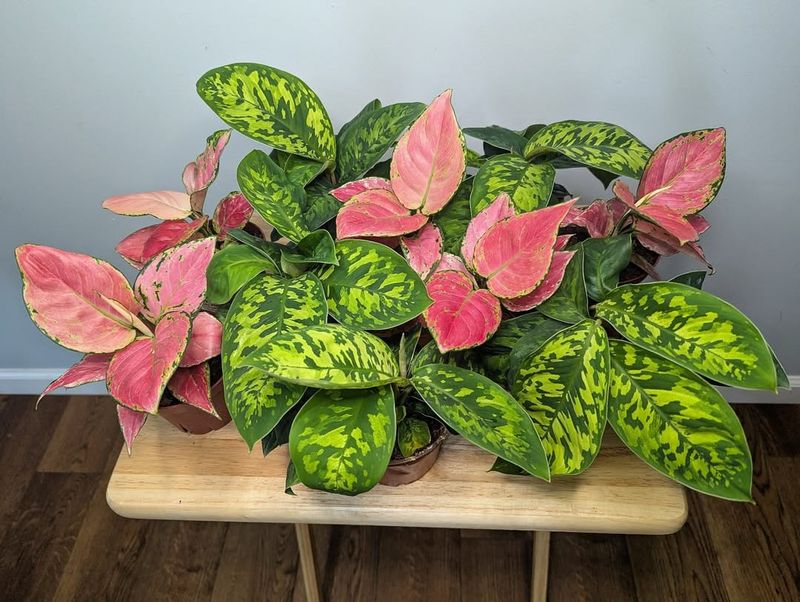
Chinese Evergreen varieties with pink markings rank among the easiest houseplants to grow, even for complete beginners trying water culture first.
Stems placed in water develop roots within two weeks, and the plant continues thriving for months without needing soil at all.
Low to medium light suits Pink Aglaonema perfectly, so it adapts well to New York apartments that don’t get tons of sunshine.
The oval-shaped leaves feature beautiful patterns mixing pink, cream, and green that add artistic flair to any room’s decor style instantly.
Refresh the water every ten days to prevent stagnation, and rinse the roots gently to remove any slimy buildup that might appear.
This forgiving plant tolerates occasional neglect better than most, making it ideal for busy people who sometimes forget their watering schedules.
Pink Aglaonema grows slowly in water, which actually works great for maintaining a consistent size without constant trimming or pruning needs.
The vibrant foliage looks especially striking against white or neutral backgrounds, creating an eye-catching focal point in minimalist interior design schemes.
4. Pink Caladium
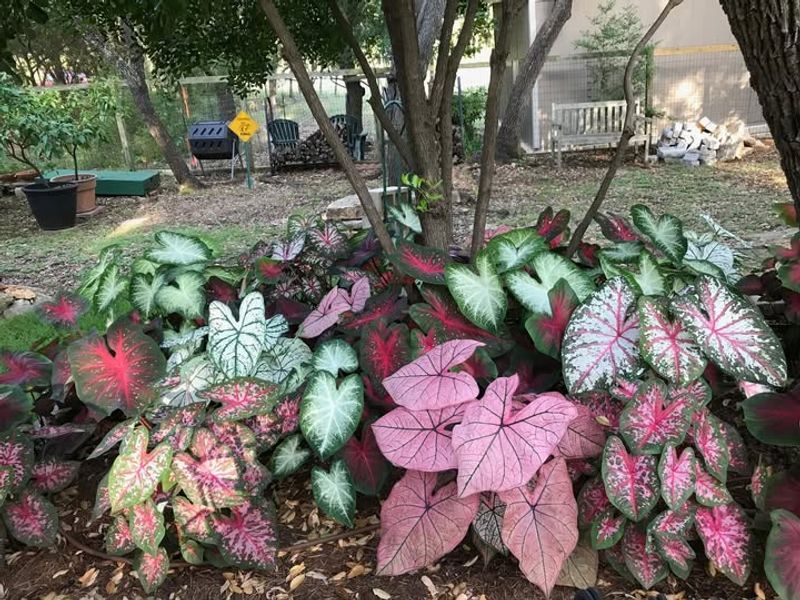
Heart-shaped leaves in shades ranging from soft blush to hot pink make Caladiums absolute showstoppers in any indoor plant collection.
Growing Caladium bulbs in water creates a unique display, though they need a dormancy period after their growing season ends naturally.
Place the bulbs partially submerged so the bottom touches water while the top stays dry, preventing rot from developing on the bulb.
Bright indirect light brings out the most intense pink coloring, transforming the leaves into living artwork that changes as they mature.
Humidity helps Caladiums thrive, and New York summers provide plenty, though winter heating systems can dry out the air too much.
These tropical plants prefer warm temperatures above sixty-five degrees, so keep them away from cold windows during chilly northeastern winter months.
The leaves emerge one by one, creating anticipation as each new leaf unfurls to reveal its unique pattern and coloring variations.
Caladiums naturally go dormant in fall, at which point you can store the bulbs and restart them in water when spring arrives.
5. Pink Polka Dot Plant
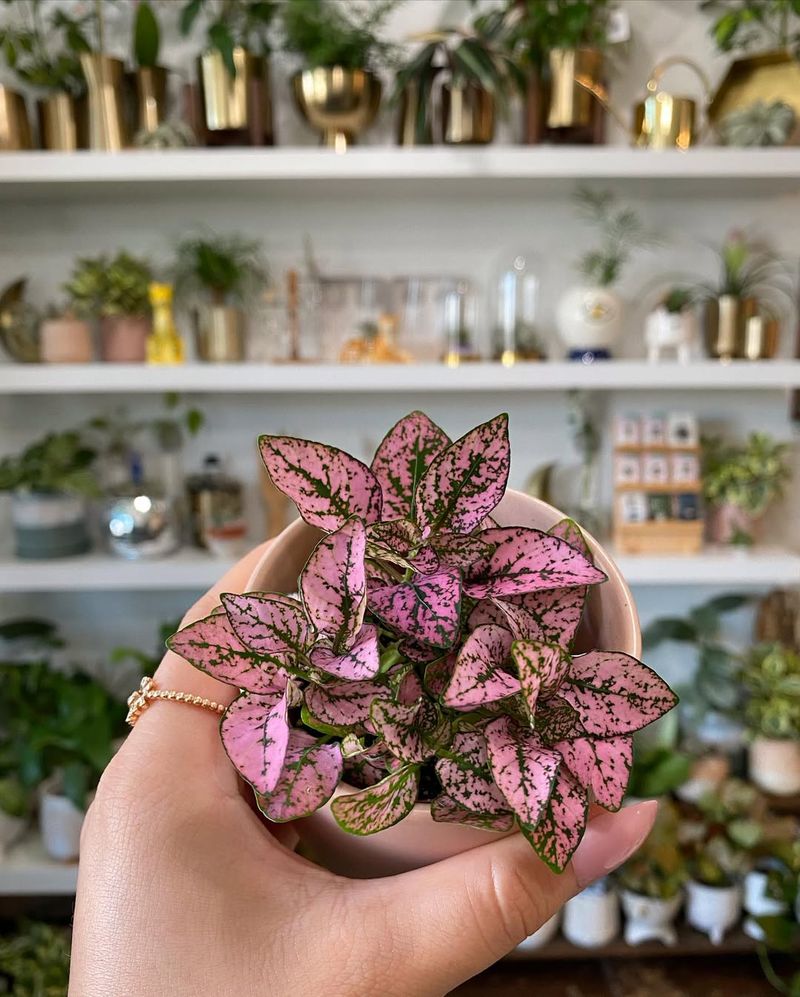
Hypoestes phyllostachya earned its common name from the adorable pink spots that cover its small, oval leaves like colorful confetti sprinkles.
Stem cuttings root incredibly fast in water, often showing tiny white roots within just five to seven days of being placed.
This compact plant loves bright light, which intensifies the pink spotting and prevents the stems from becoming leggy or stretched out.
Change the water twice weekly since this fast-growing plant can quickly deplete nutrients and oxygen from its container over just days.
New York plant parents love how this cheerful plant adds instant personality to kitchens, bathrooms, or any room needing color boosts.
Pinching back the growing tips encourages bushier growth, creating a fuller, more attractive plant that looks professionally styled and maintained.
The pink coloring comes in various intensities depending on the cultivar, from pale peachy tones to deep magenta shades that really pop.
Polka Dot Plants stay small naturally, so they work perfectly in tiny spaces or grouped together in a collection of water-grown specimens.
6. Pink Tradescantia
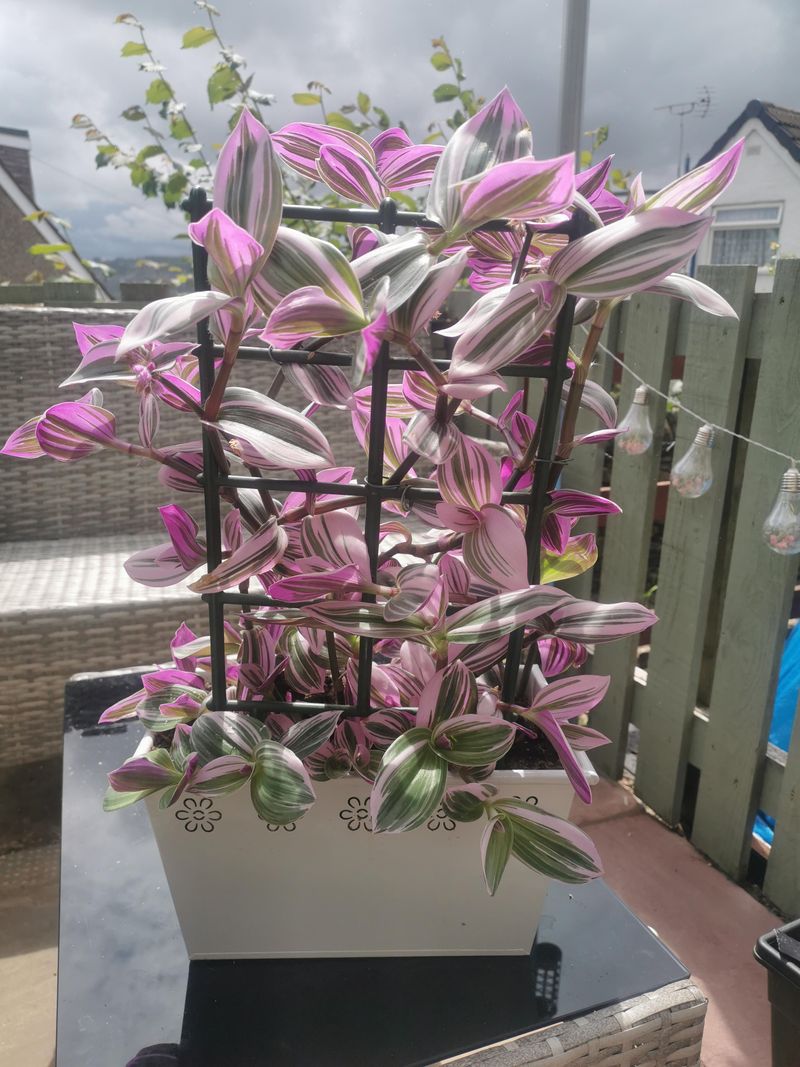
Wandering Jew plants featuring pink stripes create stunning cascading displays when grown in hanging containers filled with nothing but clean water.
Cuttings root so easily that even brown-thumbed gardeners succeed, making this an excellent confidence-building plant for beginners exploring hydroponics.
The striped leaves shimmer with pink, silver, and green tones that catch light beautifully, especially when positioned near sunny windows.
Trim back long stems regularly to maintain a full, bushy appearance rather than allowing the plant to become sparse and stringy.
Bright light keeps the pink coloration vibrant, while lower light causes the leaves to fade toward plain green over several weeks.
This fast-growing plant needs fresh water weekly, and you’ll notice it drinks quite a bit during warm months in New York.
Tradescantia tolerates a range of temperatures, though it prefers staying above fifty-five degrees to avoid stress and potential leaf damage issues.
The trailing stems can grow several feet long, creating dramatic living curtains that add vertical interest to your indoor garden displays.
7. Pink Pothos
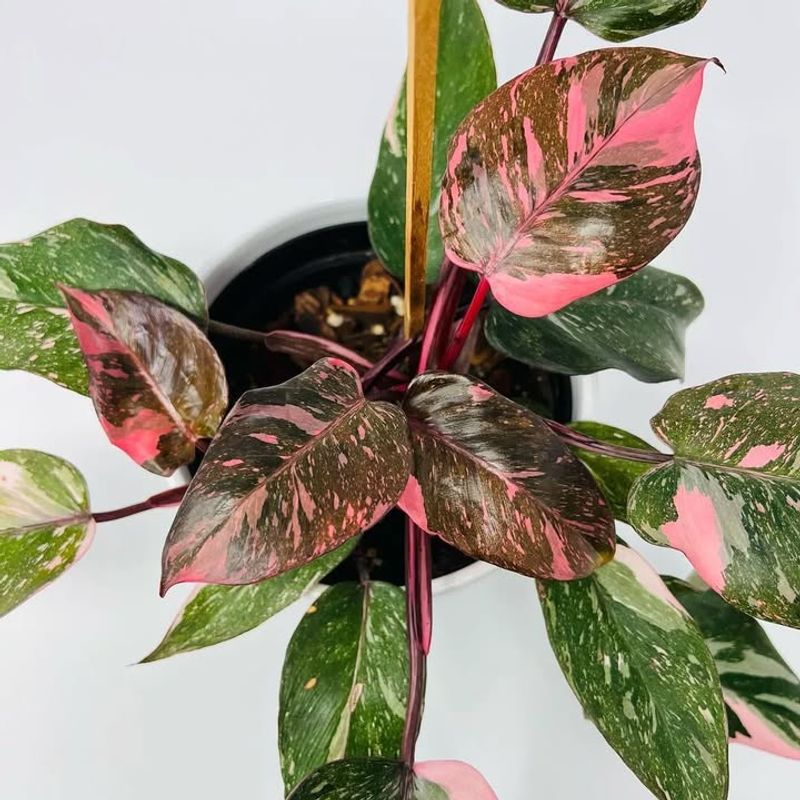
Marble Queen or other variegated Pothos varieties sometimes produce leaves with pinkish tones mixed into their cream and green marbling patterns.
Everyone knows Pothos as nearly indestructible, and growing it in water proves even simpler than dealing with soil and drainage concerns.
Cuttings taken just below a leaf node root within days, making propagation fun and rewarding for plant enthusiasts of all ages.
Medium to bright indirect light works best for encouraging any pink tones to develop, though this adaptable plant tolerates shadier spots too.
The vining stems grow quickly in water, so you can train them along shelves, up walls, or let them cascade downward freely.
New York apartments benefit from Pothos because it tolerates dry indoor air better than many tropical plants that need constant humidity adjustments.
Change the water every two weeks, and consider adding a tiny bit of liquid fertilizer monthly to support continued healthy growth.
Pink tones may appear more prominently on new growth when the plant receives optimal light conditions and consistent care over several months.
8. Pink Nerve Plant
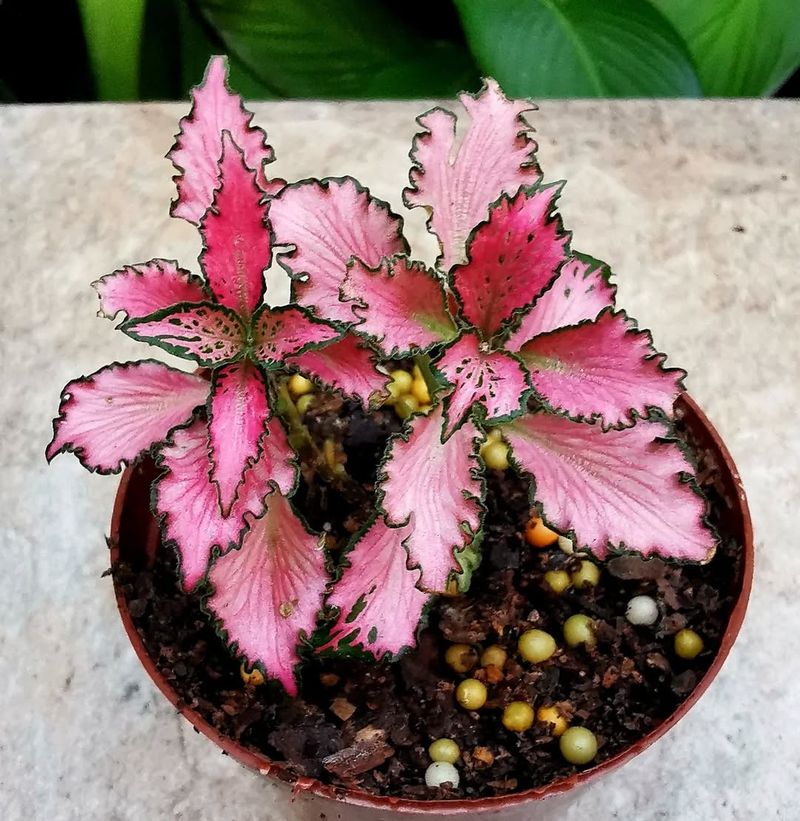
Fittonia albivenis displays an intricate network of bright pink veins against dark green leaves, creating a mosaic effect that’s absolutely mesmerizing.
These petite plants adapt surprisingly well to water culture, though they need more frequent water changes than some other varieties on this list.
High humidity makes Nerve Plants happiest, so bathrooms or kitchens in New York homes often provide ideal conditions for them to flourish.
The compact size makes them perfect for small containers, terrariums, or grouping several together to create a colorful miniature indoor garden scene.
Bright indirect light maintains the vivid pink veining, but avoid direct sun which can scorch the delicate leaves and cause browning edges.
Nerve Plants sometimes look droopy when they need fresh water, but they perk up quickly once you refresh their container completely.
The striking leaf patterns make this plant a conversation starter, with guests often asking about the unusual coloring and intricate vein designs.
Propagation happens easily through stem cuttings, allowing you to multiply your collection or share this beautiful plant with friends and family members.
9. Pink Inch Plant
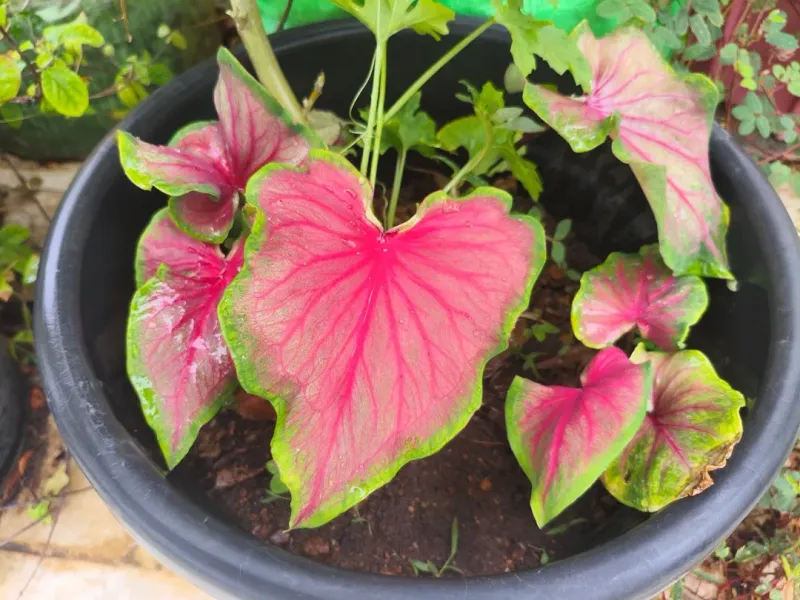
Callisia repens produces tiny leaves that blush pink when given plenty of light, creating a delicate, almost fairy-like appearance in arrangements.
This miniature trailing plant roots at every node when stems touch water, making it one of the easiest plants to propagate successfully.
The succulent-like leaves store some moisture, so this plant tolerates occasional water changes being delayed by a day or two.
Bright light intensifies the pink tones dramatically, while shadier conditions cause the plant to revert to mostly green with minimal color variation.
New York plant lovers appreciate how this low-maintenance beauty asks for very little attention yet delivers maximum visual impact in return.
The trailing growth habit works wonderfully in shallow dishes or wide containers where stems can spread out and create a living carpet.
Inch Plant grows rapidly during spring and summer months, producing new leaves and stems that fill out containers in just weeks.
The pink coloring concentrates along leaf edges and undersides, creating subtle color gradients that add depth and interest to the foliage display.
10. Pink Coleus
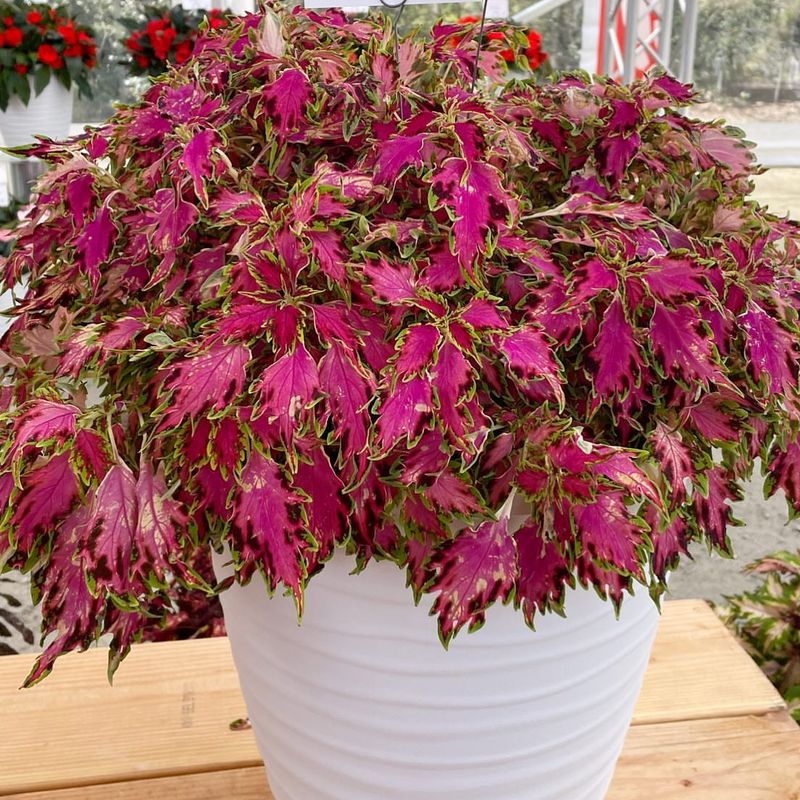
Coleus varieties featuring pink in their leaf patterns bring bold, almost neon colors that make them stand out in any plant collection.
Stem cuttings transition to water culture effortlessly, rooting within a week and continuing to produce vibrant new leaves without needing soil.
The ruffled or serrated leaf edges add textural interest beyond just color, creating a multi-dimensional appearance that photographs beautifully for sharing.
Bright light proves essential for maintaining the intense pink coloring, as insufficient light causes the leaves to lose their vibrant hues quickly.
Many Coleus varieties exist, so you can find patterns ranging from subtle pink accents to leaves that are almost entirely hot pink.
Water-grown Coleus in New York homes needs positioning away from cold drafts, especially during winter when temperatures near windows can drop significantly.
Pinch off flower spikes when they appear, as flowering diverts energy from leaf production and can cause the plant to decline.
The fast growth rate means you’ll see noticeable changes weekly, making this an exciting plant for impatient gardeners who love quick results.
11. Pink Aluminum Plant
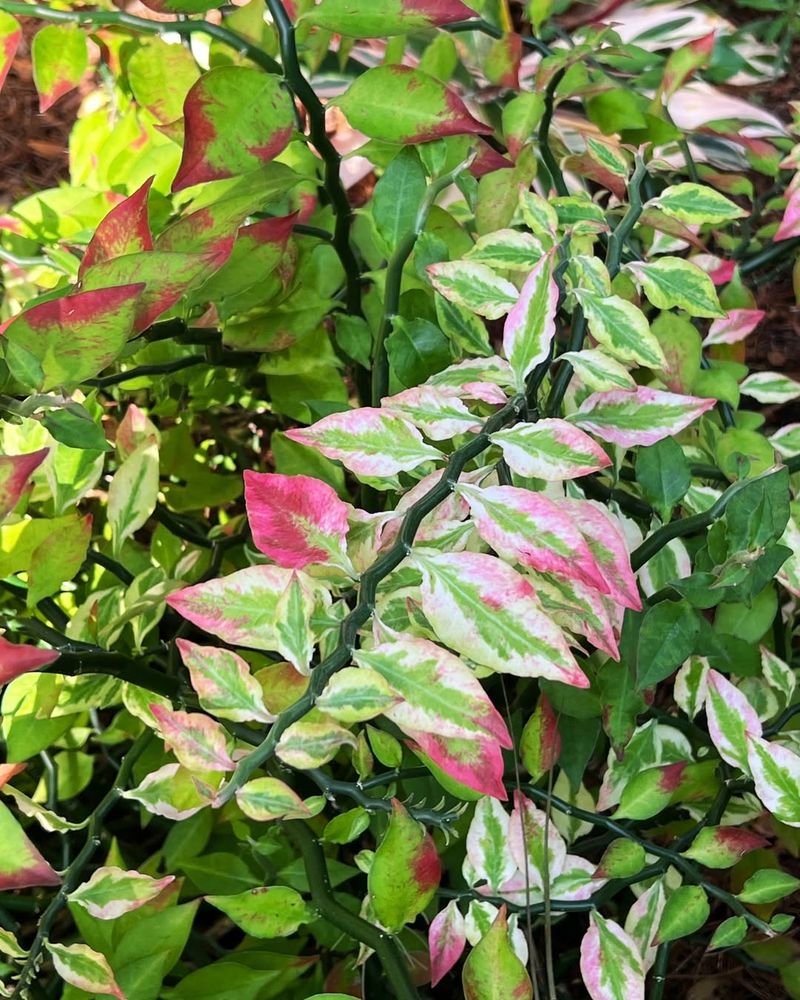
Pilea cadierei features leaves with metallic-looking stripes that can show pink tones under certain lighting conditions, giving it a futuristic appearance.
This compact plant adapts well to water culture, developing strong root systems that support healthy growth for many months without complications.
The quilted texture of the leaves adds dimension, making the plant interesting to touch as well as admire from across the room.
Moderate to bright indirect light works best, and New York apartments with east-facing windows provide ideal conditions for this charming plant variety.
Water changes every ten days keep the Aluminum Plant happy, and it’s quite forgiving if you occasionally forget for a few days.
The bushy growth habit creates a full, rounded shape that looks polished and intentional even without any pruning or special training techniques.
Pink tones become more apparent in newer growth, especially when the plant receives consistent care and optimal lighting throughout the growing season.
This underrated plant deserves more attention for its unique appearance and easygoing nature, making it perfect for expanding your water-grown collection successfully.