15 Indoor Propagation Ideas Colorado Gardeners Are Trying This January
Winter in Colorado may have frozen the soil, but indoor gardeners are far from idle. January is the perfect time to experiment with propagation, turning cuttings, leaves, and even seeds into thriving new plants.
It’s a chance to expand your collection, hone your skills, and bring a touch of green to your home while the outdoors sleeps under snow.
Who says winter has to be a dormant season? Your indoor garden is just getting started! These propagation ideas show Colorado gardeners creative ways to multiply houseplants, herbs, and even small shrubs indoors.
From water rooting and soil propagation to using creative containers and humidity tricks, these techniques maximize success while minimizing space and mess.
Even beginner gardeners can see results with a little patience and the right setup. Turn your kitchen, windowsill, or spare room into a mini plant nursery!
By exploring indoor propagation in January, Colorado gardeners gain new plants, save money, and keep their green thumbs active all winter.
With a few smart strategies, your indoor garden can flourish long before spring arrives. Winter isn’t downtime—it’s the perfect season to grow something new!
1. Water-Rooting Pothos Cuttings On A Sunny Windowsill
Pothos plants are among the easiest houseplants to propagate, making them a favorite choice for Colorado gardeners looking to expand their indoor jungle without any fuss.
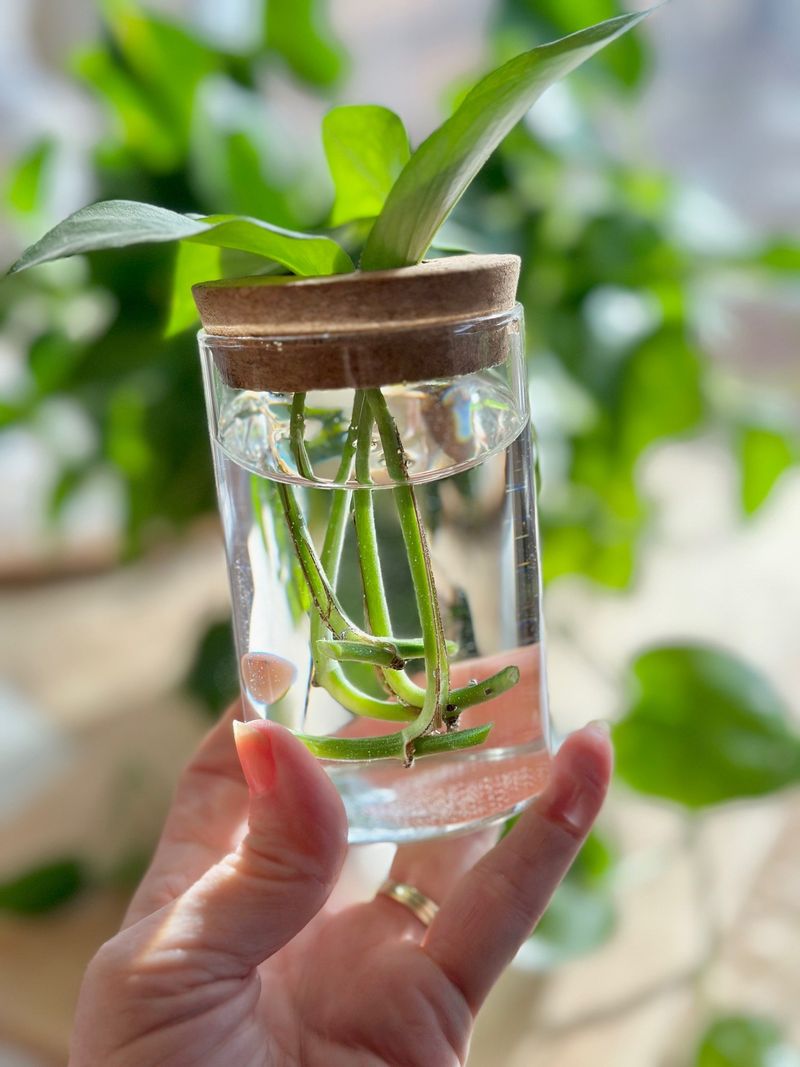
All you need is a healthy vine, a pair of clean scissors, and a glass jar filled with fresh water. Simply snip a section of stem that includes at least two or three leaves and one node, which is the small bump where roots will emerge.
Place your cutting in the jar so the node sits below the waterline, then set it on a sunny windowsill where it can soak up Colorado’s bright winter light. South-facing windows work beautifully, providing the warmth and brightness pothos crave.
Change the water every few days to keep it fresh and prevent algae buildup. Within a week or two, you will notice tiny white roots beginning to sprout from the node.
Once those roots reach about two inches long, you can transplant your new pothos into a pot with well-draining soil. This method is incredibly forgiving, so even beginners can enjoy success with minimal effort.
Pothos are also fantastic air purifiers, so every new plant you propagate helps clean the air in your Colorado home.
Plus, their trailing vines add a lush, tropical vibe that feels especially welcome during the cold January months.
2. Starting Spider Plant Babies In Small Pots
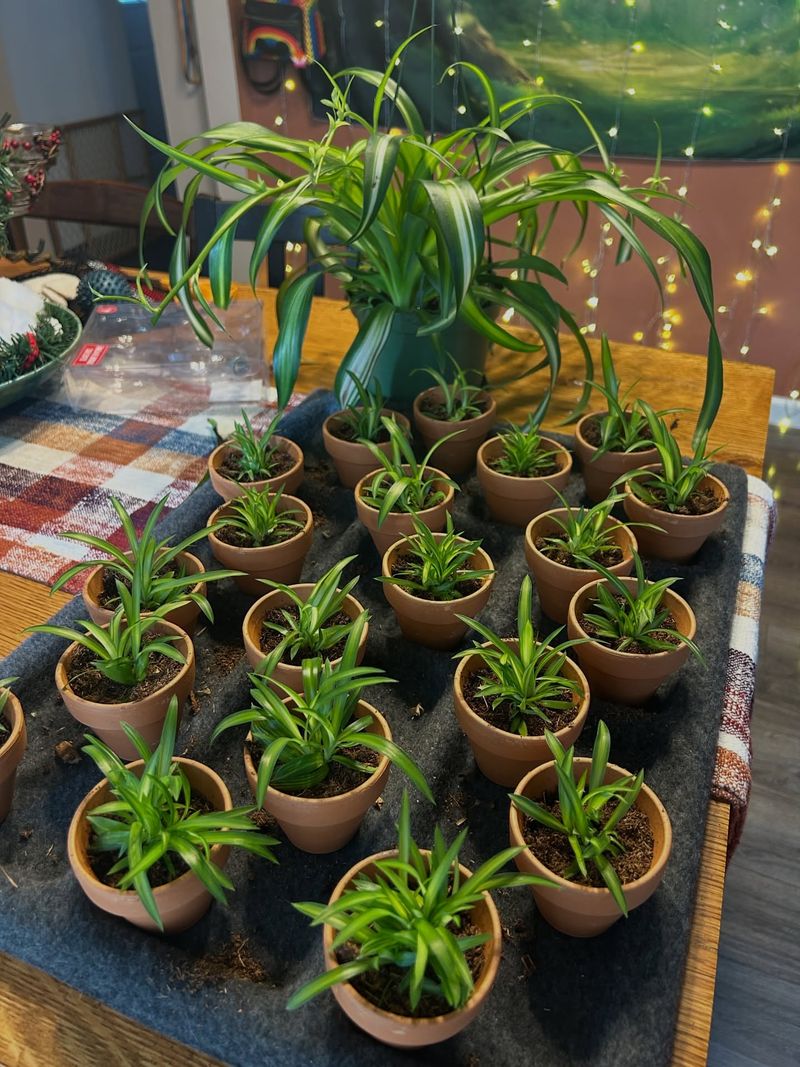
Spider plants are known for their generous nature, producing adorable baby plantlets that dangle from long arching stems like tiny green spiders on silk threads.
These babies, also called pups or offsets, are incredibly easy to propagate and make perfect gifts for friends or additions to your own collection.
January is an ideal time to separate these pups and give them their own pots indoors. To start, choose a healthy baby with a few small roots already visible at its base.
Using clean scissors or your fingers, gently snip the baby away from the mother plant, leaving a short stem attached. Fill a small pot with well-draining potting mix, create a shallow hole in the center, and nestle the baby inside.
Water lightly and place the pot in a spot with bright, indirect light, such as near a north or east-facing window. Spider plants are not fussy and will quickly establish roots in their new home. Within a few weeks, you will see fresh green growth emerging from the center.
These plants thrive in Colorado homes because they tolerate dry indoor air better than many other houseplants.
Their striped foliage adds cheerful color and texture to any room, making them a delightful project for winter propagation.
3. Leaf Propagation For Snake Plants (Sansevieria)
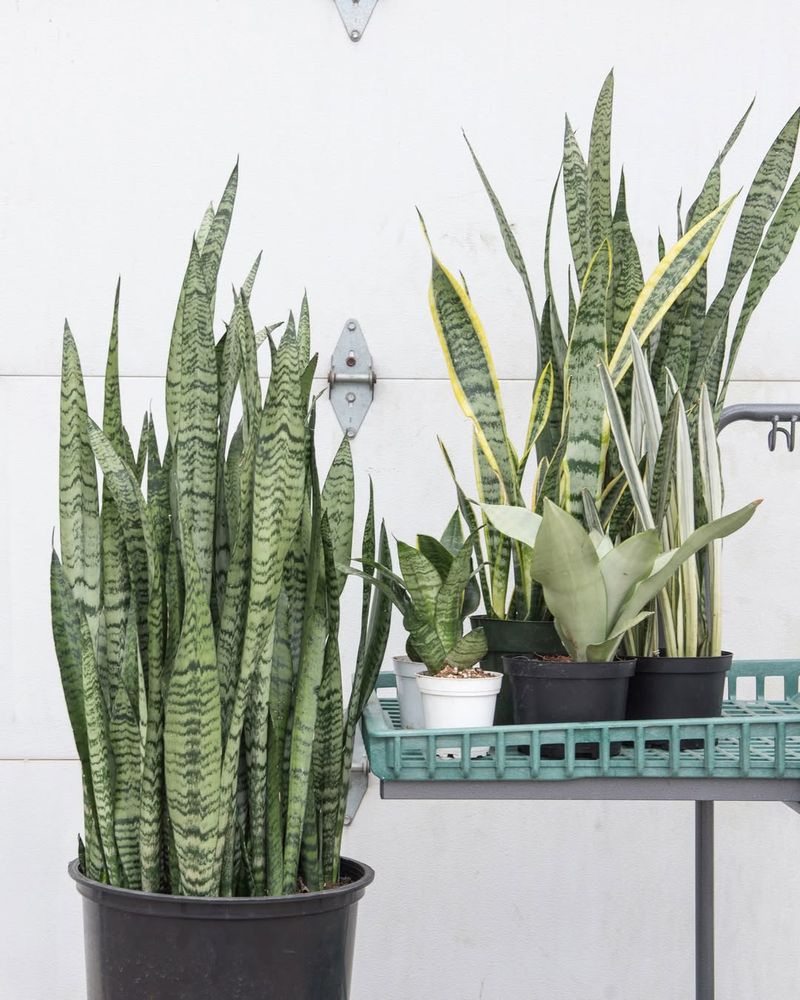
Snake plants are nearly indestructible, and their unique ability to grow new plants from a single leaf makes them a fascinating propagation project for January.
This method requires patience, but watching a whole new plant emerge from a simple leaf cutting is incredibly rewarding.
Start by selecting a healthy, mature leaf from your snake plant and using a clean, sharp knife to cut it into sections about three to four inches long. Let the cut edges dry out for a day or two until they form a callus, which helps prevent rot.
Then, fill a small pot with a gritty, well-draining mix such as cactus soil or a blend of regular potting soil and perlite. Insert the bottom edge of each leaf section about an inch into the soil, making sure you plant it right-side up.
Place the pot in a warm spot with bright, indirect light and water sparingly, allowing the soil to dry out completely between waterings.
Snake plants are succulents, so they store water in their leaves and do not need frequent moisture. After several weeks, tiny new shoots will begin to emerge from the base of the leaf.
This propagation method takes longer than others, often several months, but the result is a brand-new snake plant that is genetically identical to the parent.
4. Propagating Philodendron Stems In Water Or Soil
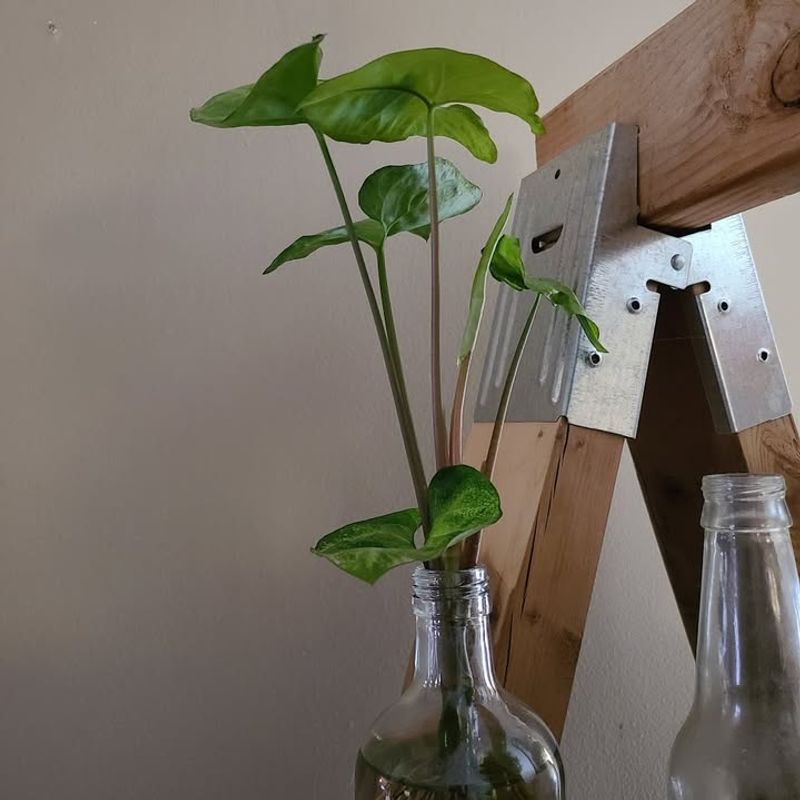
Philodendrons are beloved for their lush, heart-shaped leaves and easygoing nature, and they propagate beautifully from stem cuttings during the winter months.
Whether you choose to root them in water or directly in soil, the process is straightforward and yields quick results.
Begin by selecting a healthy stem that includes at least two leaves and a node, which is the small joint where leaves and roots emerge. Use clean scissors or pruning shears to make a clean cut just below the node.
If you are rooting in water, place the cutting in a jar with the node submerged and set it in a bright spot, such as under a grow light or near a sunny window.
Grow lights are especially helpful in Colorado during January when natural daylight is limited. Change the water every few days to keep it fresh and oxygenated. Roots should appear within one to two weeks.
If you prefer to skip the water stage, you can plant the cutting directly into moist potting soil and keep it in a warm, humid spot.
Philodendrons are forgiving and adapt well to indoor conditions, making them perfect for winter propagation.
Their fast growth and beautiful foliage will brighten your home and boost your confidence as a plant propagator.
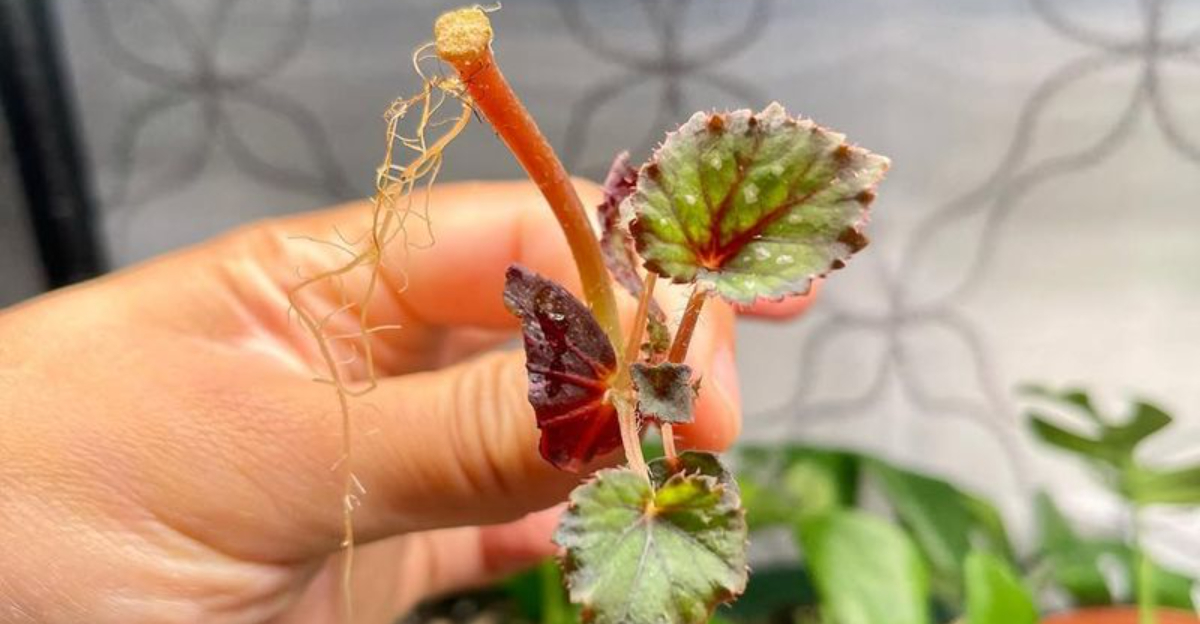
5. Begonia Leaf Propagation For Colorful New Plants
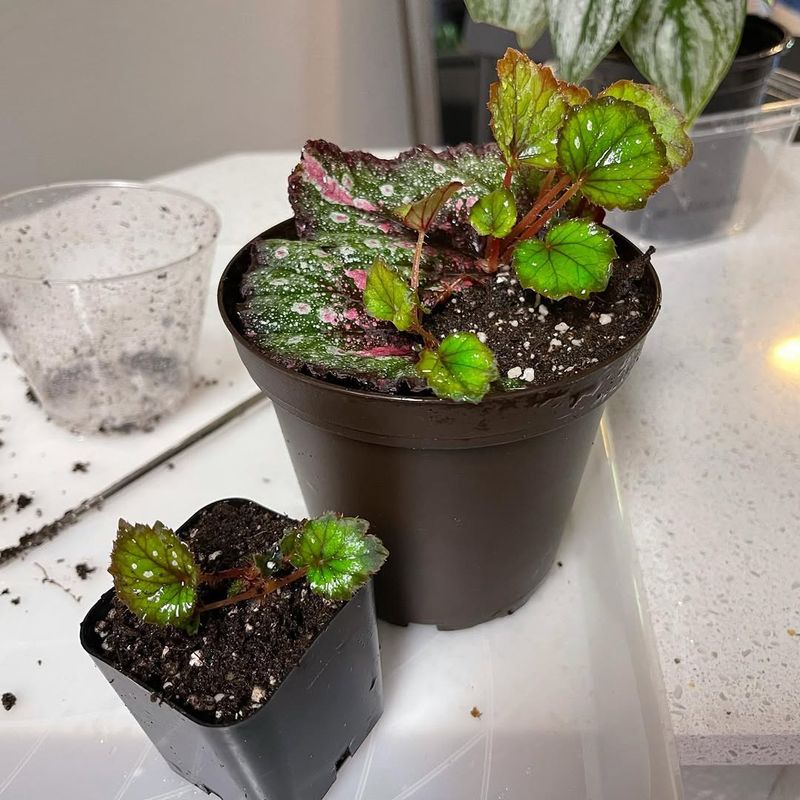
Begonias are famous for their stunning foliage and vibrant flowers, and many varieties can be propagated from a single leaf, making them a magical project for January.
This technique works especially well with rex begonias and other rhizomatous types. Start by selecting a healthy, mature leaf and cutting it from the plant with a short stem attached, or you can slice the leaf into sections if it is large enough.
Lay the leaf flat on moist potting soil or insert the stem into the soil at an angle, ensuring good contact between the leaf and the growing medium.
Some gardeners like to make small cuts along the main veins of the leaf to encourage rooting. Cover the pot with a clear plastic bag or place it inside a mini greenhouse to maintain high humidity.
Keep the soil consistently moist but not soggy, and place the setup in a warm spot with bright, indirect light.
Within a few weeks, tiny new plantlets will begin to sprout from the leaf edges or base. Once these babies develop a few leaves of their own, you can gently separate and pot them individually.
Begonias add a burst of color and pattern to indoor spaces, and propagating them during winter ensures you will have plenty of plants ready for spring.
6. African Violet Leaf-Tip Propagation
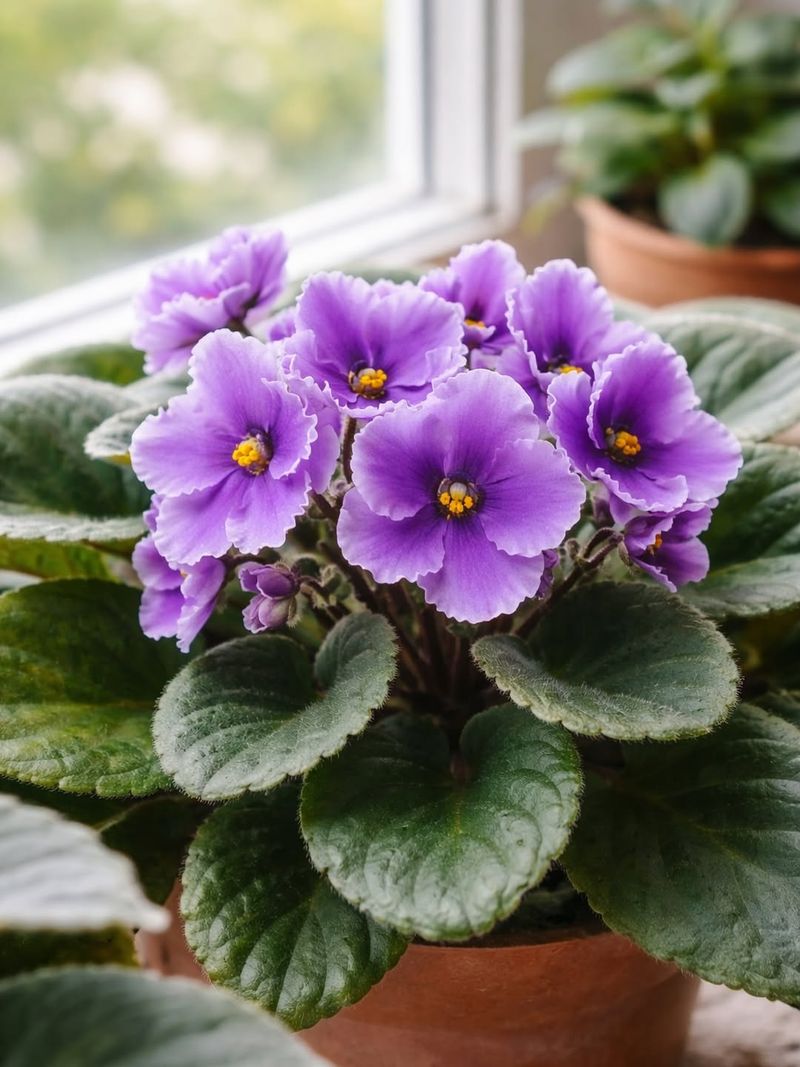
African violets are charming little plants that bloom reliably indoors, and propagating them from leaf tips is a delightful way to multiply your collection during the cold January days.
This method is simple and surprisingly successful, even for beginners. Start by selecting a healthy leaf from the middle row of your African violet, as these tend to root best.
Use a clean knife or scissors to cut the leaf, leaving about one to two inches of stem attached. Fill a small pot with a light, well-draining mix such as vermiculite or a blend of peat and perlite. Insert the stem into the soil at a slight angle, burying it about half an inch deep.
Water gently and cover the pot with a clear plastic bag to create a warm, humid environment that mimics a mini greenhouse.
Place the setup in a spot with bright, indirect light and keep the soil consistently moist but not waterlogged. African violets prefer warmth, so a temperature around seventy degrees works perfectly.
After several weeks, tiny new plantlets will emerge at the base of the leaf stem. Once they grow a few leaves of their own, you can carefully separate and pot them individually. These new violets will bloom within several months, bringing cheerful color to your Colorado home.
7. Root Division Of Peace Lilies Indoors
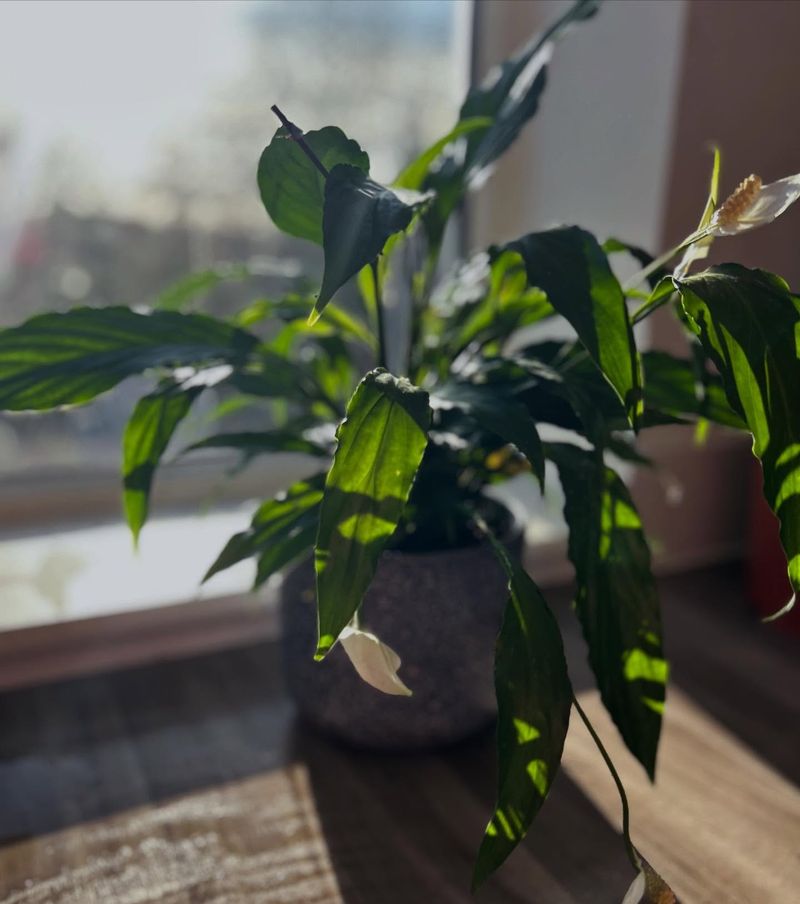
Peace lilies are elegant, low-maintenance houseplants that thrive in Colorado homes, and January is a great time to divide them and create new plants.
Root division is one of the easiest propagation methods because you are working with an established plant that already has a healthy root system.
Start by gently removing your peace lily from its pot and brushing away excess soil so you can see the roots clearly. Look for natural divisions in the root ball where separate crowns or clusters of stems emerge.
Using your hands or a clean knife, carefully separate these sections, making sure each division has several stems and a good portion of roots attached.
Try to minimize root damage as much as possible. Plant each new division in its own pot filled with fresh, well-draining potting mix, and water thoroughly to help settle the soil around the roots.
Place the newly potted peace lilies in a spot with low to medium light, as they do not need bright sun to thrive. Keep the soil evenly moist for the first few weeks as the plants adjust to their new homes.
Peace lilies are forgiving and will quickly recover from division, rewarding you with lush green foliage and elegant white blooms. This method is perfect for expanding your collection or sharing plants with friends.
8. Basil Cuttings In Water For Fresh Winter Herbs
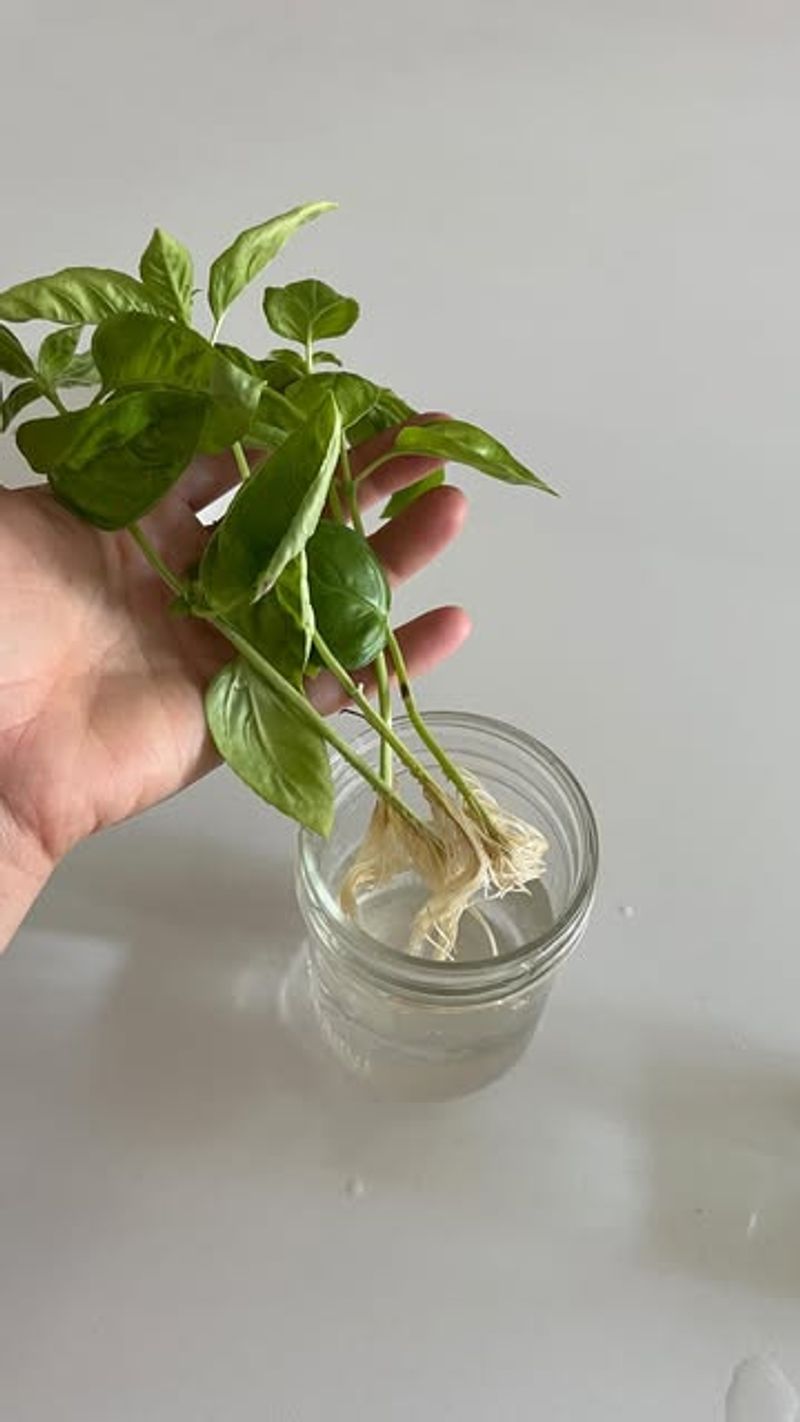
Fresh basil in January sounds like a dream, but Colorado gardeners can make it a reality by propagating basil cuttings in water right on their kitchen windowsill.
Basil is one of the fastest-rooting herbs, and this method is so simple that even kids can help. Start with a healthy basil plant, whether from your own indoor garden or a fresh bunch from the grocery store.
Snip off a stem that is about four to six inches long, making sure it has several sets of leaves and no flowers.
Remove the lower leaves so the bottom two inches of stem are bare, then place the cutting in a small glass or jar filled with fresh water.
Set the jar in a bright spot, such as a sunny south-facing window. Change the water every two to three days to keep it clean and oxygenated.
Within a week, you will see white roots beginning to sprout from the submerged nodes. Once the roots reach about two inches long, you can transplant the basil into a pot with well-draining potting soil.
Keep the soil moist and continue to provide plenty of light, either from a window or a grow light. Your new basil plant will grow quickly, providing fresh leaves for cooking all winter long. This method is incredibly satisfying and fills your home with the wonderful aroma of fresh herbs.
9. Coleus Cuttings For Fast Indoor Color
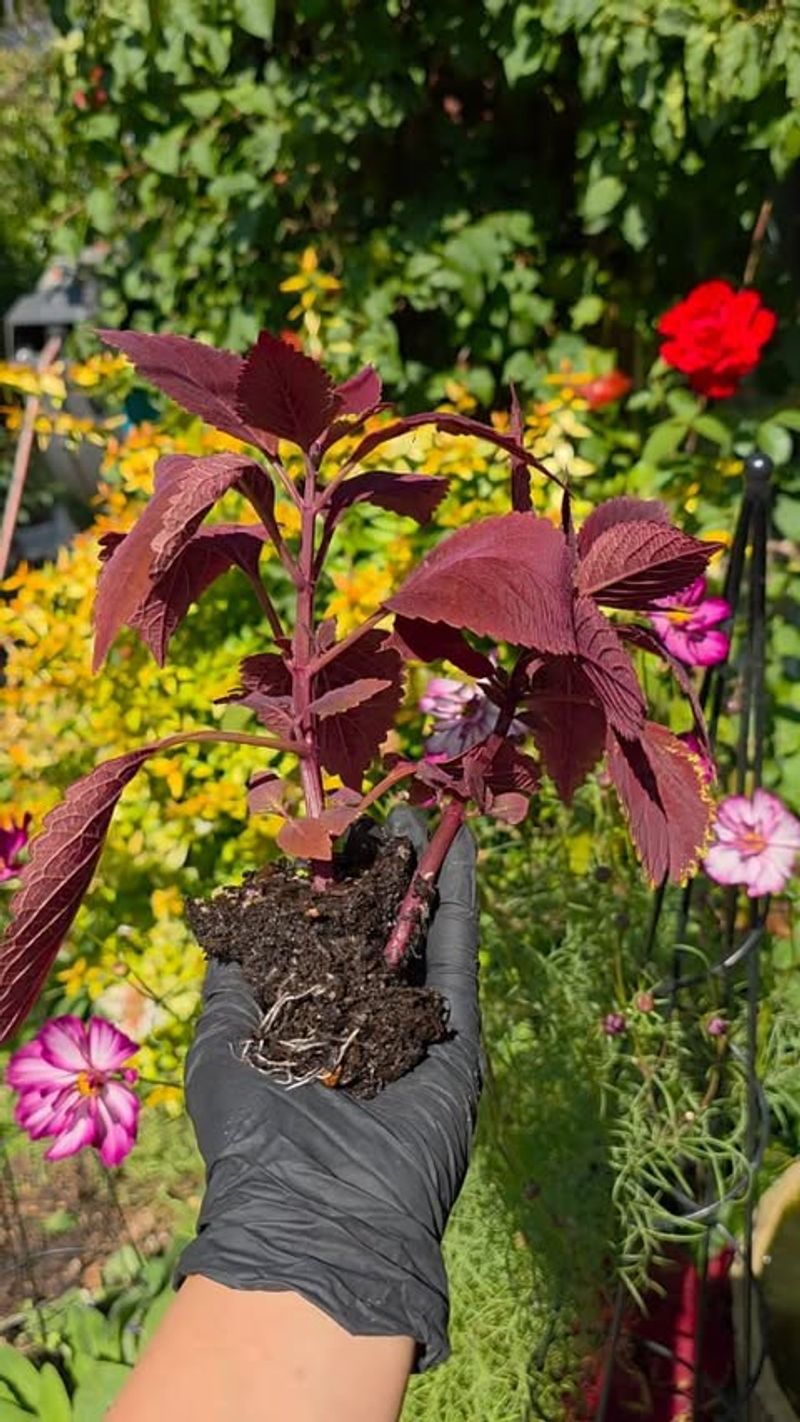
Coleus plants are famous for their brilliantly colored foliage, which ranges from deep purples and reds to bright greens and yellows, making them a favorite for adding instant color to indoor spaces.
Propagating coleus from cuttings is incredibly fast and easy, perfect for January when you need a cheerful project. Start by selecting a healthy stem that is about four to six inches long with several sets of leaves.
Use clean scissors to snip the stem just below a node, then remove the lower leaves so the bottom two inches are bare.
Place the cutting in a jar of water or insert it directly into moist potting soil. If you use water, roots will appear within just a few days, and you can transplant once they reach about an inch long.
Coleus cuttings root so quickly that you will be amazed at how fast they grow. Keep your new plants in a bright spot, ideally under a grow light or near a sunny window.
Coleus love warmth and humidity, so consider placing them near a humidifier or misting them occasionally.
Pinch back the growing tips regularly to encourage bushy, full growth and prevent the plants from becoming leggy.
With their vibrant colors and rapid growth, coleus cuttings are a joyful way to brighten your Colorado home during the gray winter months.
10. Tradescantia (Wandering Jew) Stem Cuttings
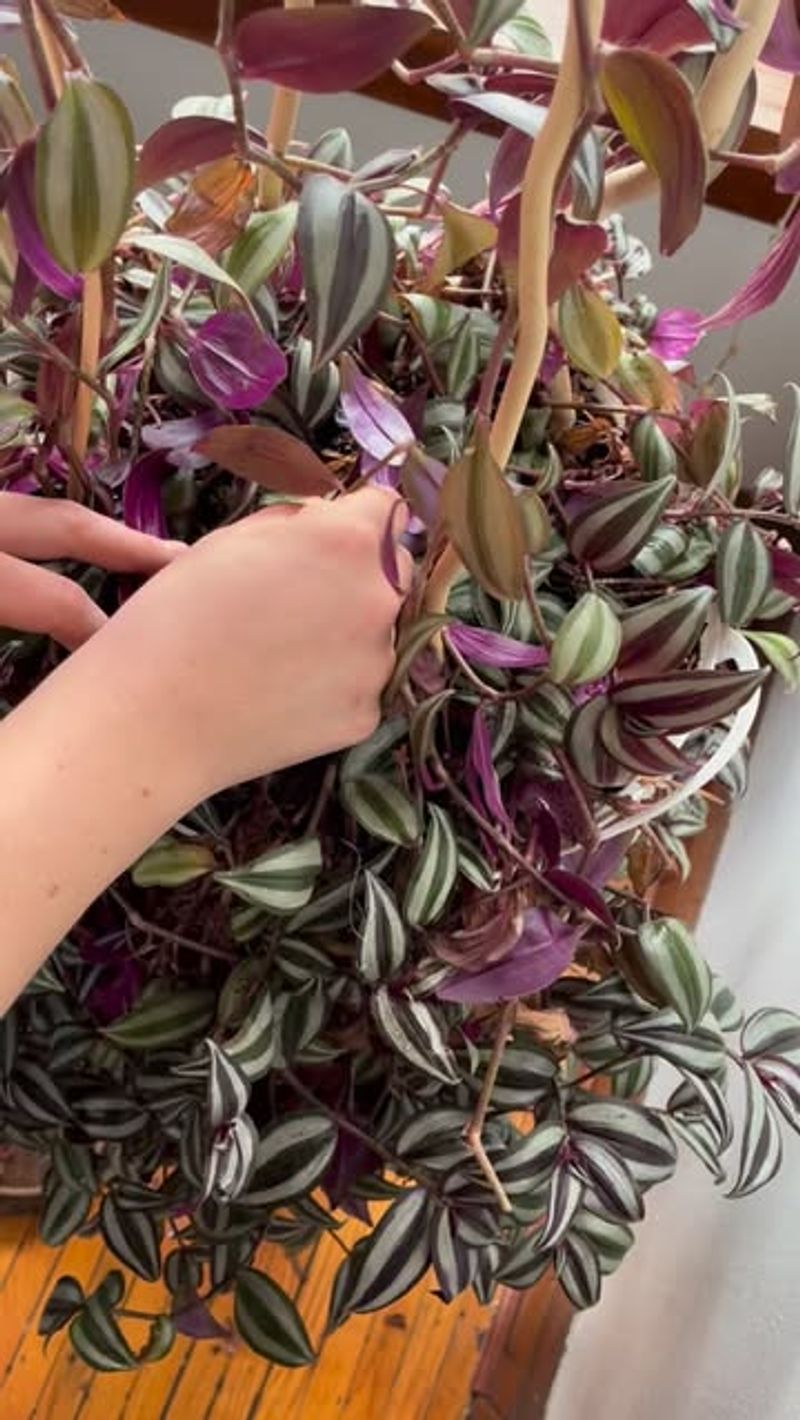
Tradescantia, commonly known as wandering jew or inch plant, is a trailing houseplant with stunning foliage that comes in shades of green, purple, pink, and silver.
Propagating tradescantia is almost foolproof, making it a perfect choice for Colorado gardeners who want quick results during the low-light months of January.
Start by snipping a healthy stem that is about four to six inches long, cutting just below a node. Remove the lower leaves so the bottom inch or two of stem is bare, then place the cutting in a jar of water.
Set the jar in a spot with bright, indirect light, such as near a window or under a grow light. Tradescantia roots incredibly fast, often within just a few days, and you will see a tangle of white roots forming in no time.
Once the roots are about an inch long, you can transplant the cutting into a pot with well-draining potting soil.
Keep the soil lightly moist and continue to provide bright light to maintain the vibrant colors of the foliage.
Tradescantia is also very forgiving if you forget to water occasionally, making it ideal for busy gardeners. These plants grow quickly and can fill a hanging basket or cascade over the edge of a shelf in just a few weeks.
Their cheerful, colorful leaves bring life to any room.
11. Monstera Aerial Rooting With Moss Poles Indoors
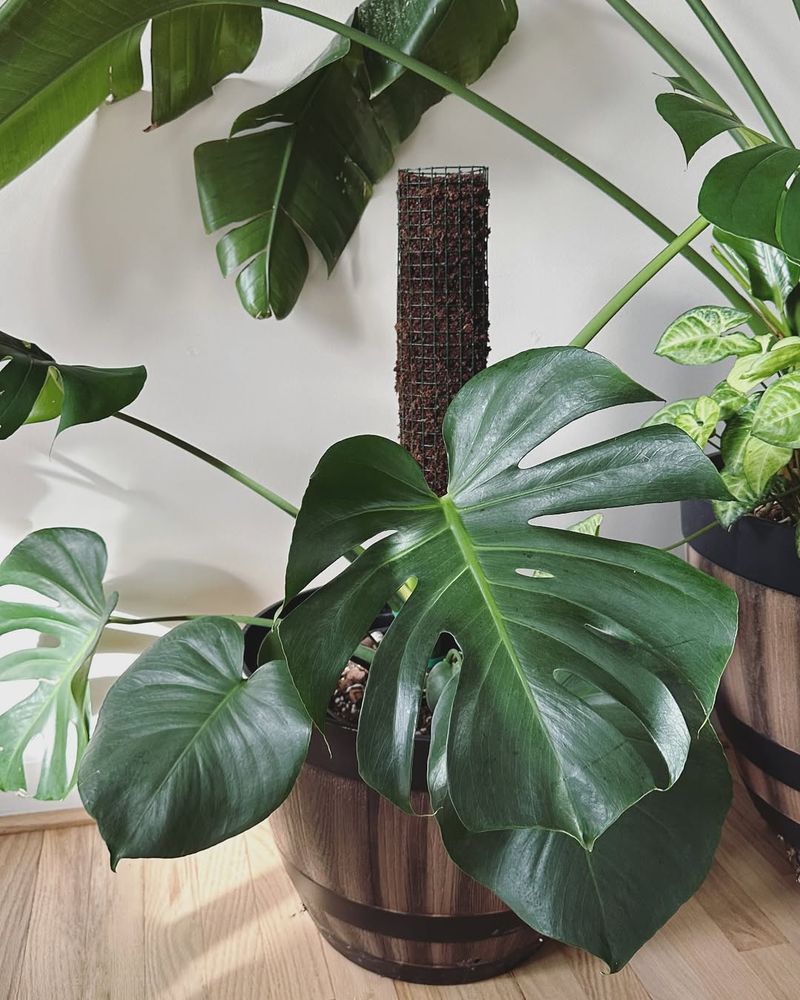
Monstera plants are iconic with their dramatic split leaves and climbing growth habit, and propagating them using aerial roots and moss poles is an advanced technique that yields impressive results.
Monsteras naturally produce aerial roots along their stems, which they use to climb trees in their native tropical habitats.
You can encourage these roots to develop indoors by providing support with a moss pole. Start by selecting a healthy stem section that already has visible aerial roots or nodes.
Cut the stem just below a node using clean pruning shears, making sure the cutting includes at least one or two leaves. Prepare a pot with well-draining potting soil and insert a moss pole into the center.
Plant the monstera cutting so the aerial roots or nodes are in contact with the moss pole, and secure the stem gently with soft ties if needed.
Keep the moss pole moist by misting it regularly, which encourages the aerial roots to attach and grow into the moss. Place the pot in a warm spot with bright, indirect light.
Within a few weeks, the aerial roots will begin to anchor into the moss pole, and new leaves will emerge from the top of the cutting.
This method creates a strong, upright plant that can grow quite tall, making a stunning statement in any Colorado home.
12. Propagating Rex Begonia From Rhizome Sections
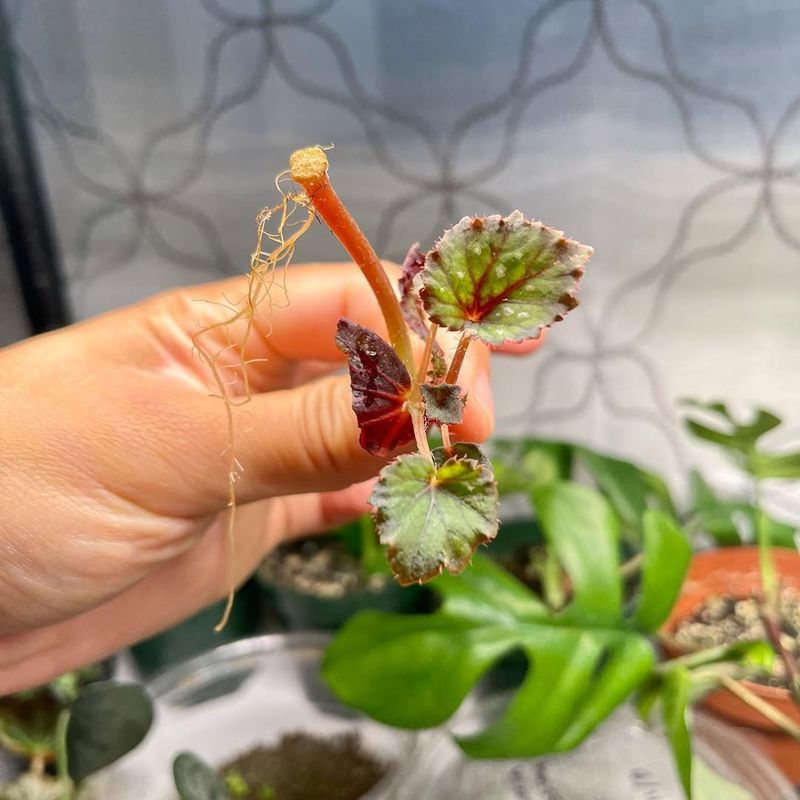
Rex begonias are prized for their breathtaking foliage, which features intricate patterns and colors that look almost hand-painted.
Propagating these beauties from rhizome sections is a bit more involved than other methods, but the results are absolutely worth the effort.
Rex begonias grow from thick, fleshy rhizomes that spread horizontally just below the soil surface, and these rhizomes can be divided to create new plants. Start by gently removing your rex begonia from its pot and brushing away the soil to expose the rhizome.
Using a clean, sharp knife, cut the rhizome into sections that are about one to two inches long, making sure each section has at least one or two leaf stems attached.
Let the cut surfaces dry for a few hours to form a protective callus. Plant each rhizome section horizontally in a shallow pot filled with well-draining potting mix, covering it lightly with soil.
Water gently and place the pot in a warm, humid spot with bright, indirect light. Covering the pot with a clear plastic dome or bag helps maintain humidity, which rex begonias love.
New shoots will emerge from the rhizome sections within a few weeks, and soon you will have several new rex begonias to enjoy or share. Their stunning foliage adds elegance and drama to any indoor space.
13. Starting Succulents From Leaf Cuttings
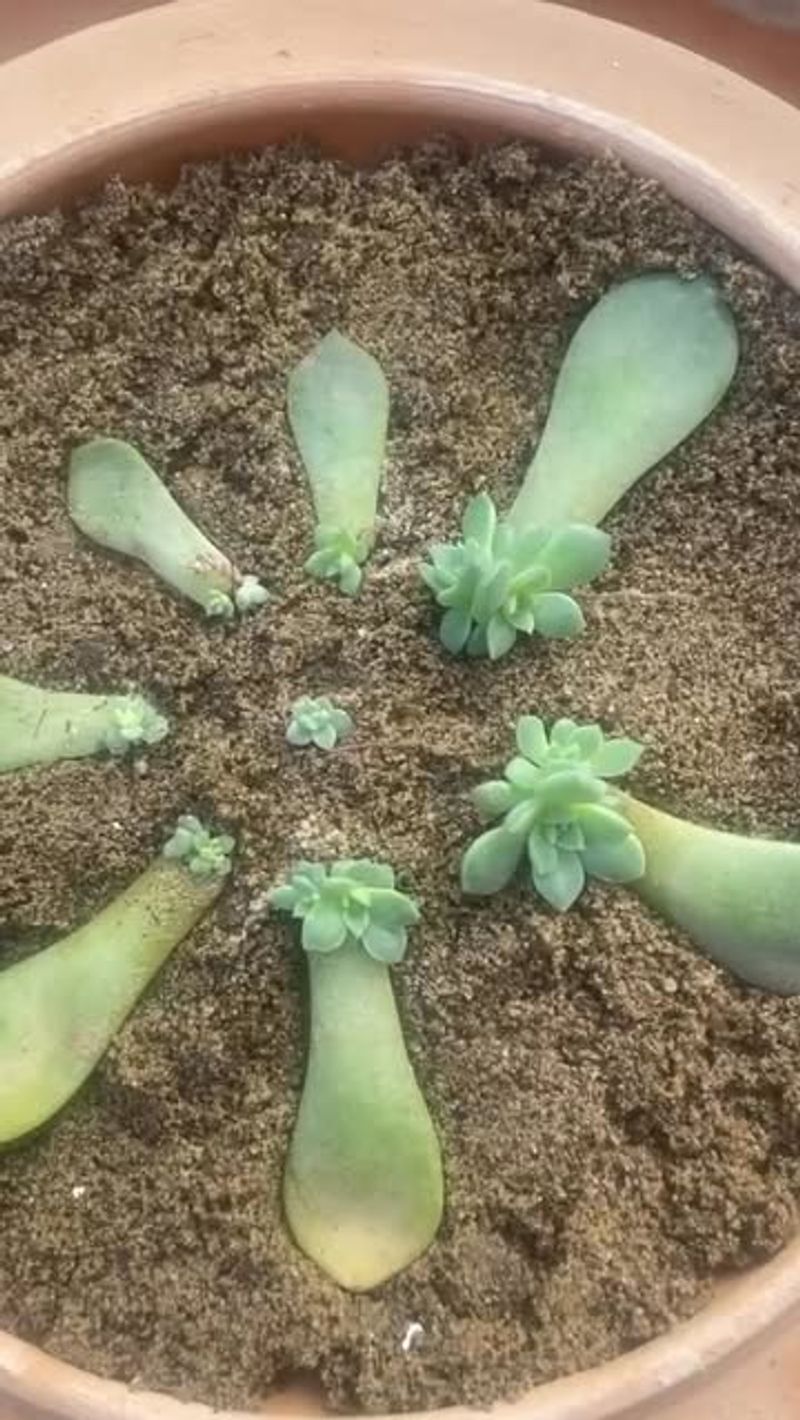
Succulents like echeveria and sedum are incredibly popular for their unique shapes, low-maintenance needs, and ability to propagate from individual leaves.
This method is almost magical to watch, as tiny new rosettes emerge from what seems like nothing more than a single leaf.
January is a great time to try this technique indoors, especially if you have a sunny window or grow light to provide the bright light succulents crave.
Start by gently twisting a healthy leaf from the base of your succulent plant, making sure it comes off cleanly with no tearing. Let the leaf sit on a dry surface for a day or two until the cut end forms a callus, which prevents rot.
Once the callus has formed, lay the leaves on top of well-draining cactus or succulent soil in a shallow tray.
Place the tray in a bright spot with indirect light and mist the soil lightly every few days to keep it slightly moist but not wet.
Succulents store water in their leaves, so they do not need much moisture. Within a week or two, you will see tiny roots and baby rosettes beginning to form at the base of each leaf.
Once the new rosettes are large enough to handle, you can gently pot them individually. This propagation method is incredibly rewarding and perfect for building a diverse succulent collection.
14. Peperomia Stem And Leaf Cuttings
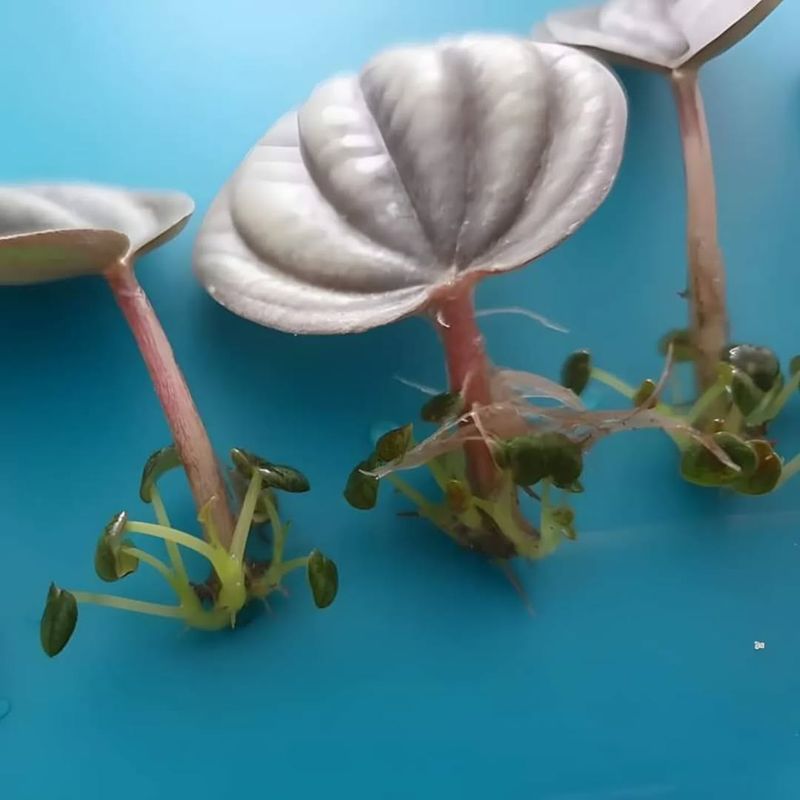
Peperomias are compact, charming houseplants that come in a wide variety of leaf shapes, colors, and textures, making them a delightful addition to any indoor garden.
Propagating peperomias is easy and can be done using either stem cuttings or individual leaves, giving you flexibility depending on the variety you have.
January is an ideal time to propagate these plants indoors, as they grow well under artificial light and do not require intense sun.
For stem cuttings, snip a healthy stem that includes a few leaves and at least one node. Remove the lower leaves and place the cutting in water or directly into moist potting soil. For leaf cuttings, simply cut a healthy leaf with a short stem attached and insert the stem into the soil.
Peperomias root best in warm, humid conditions, so consider placing the cuttings in a spot near a humidifier or covering them with a clear plastic bag to trap moisture.
Keep the soil lightly moist but not soggy, as peperomias are semi-succulents and can rot if overwatered. Place the cuttings in bright, indirect light. Roots will develop within two to four weeks, and new growth will follow shortly after.
Peperomias are compact and perfect for small spaces, and their interesting foliage adds texture and personality to shelves, desks, and windowsills throughout your Colorado home.
15. Starting Herbs From Grocery Store Cuttings (Mint, Oregano, Thyme)
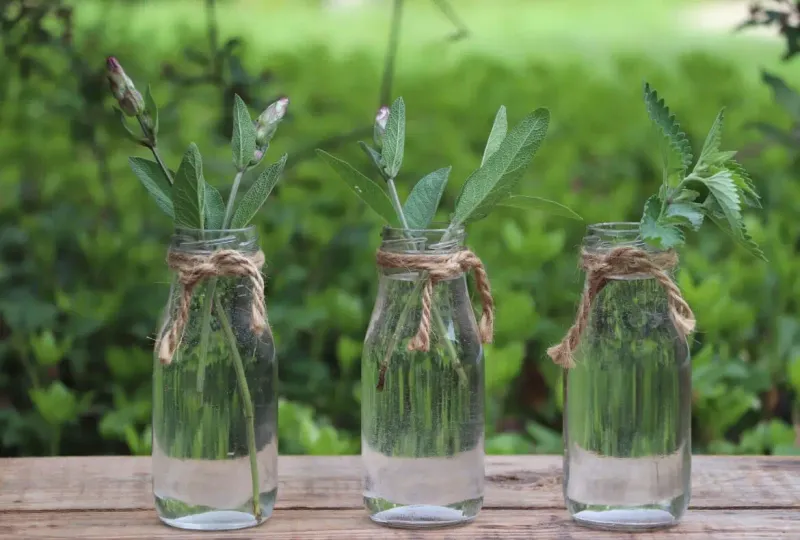
One of the most budget-friendly and satisfying propagation projects for January is rescuing fresh herb stems from the grocery store and rooting them at home.
Herbs like mint, oregano, and thyme are sold fresh in bundles at most grocery stores, and many of these stems are still alive and ready to root if given the chance.
This is a fantastic way to start an indoor herb garden without buying seeds or plants. When you get your herbs home, select the healthiest-looking stems and trim away any damaged or wilted leaves.
Cut the stems to about four to six inches long, making the cut just below a node. Remove the lower leaves so the bottom two inches of stem are bare, then place the cuttings in jars of fresh water.
Set the jars in a bright spot, such as a sunny kitchen windowsill, and change the water every few days to keep it fresh. Mint roots especially fast, often within just a few days, while oregano and thyme may take a bit longer.
Once the roots are about an inch or two long, transplant the cuttings into small pots filled with well-draining potting soil. Keep the soil moist and continue to provide bright light, either natural or from a grow light.
Within a few weeks, your herbs will be thriving and ready to harvest for cooking, bringing fresh flavor to your meals all winter long.