13 Indoor Propagation Ideas Minnesota Gardeners Like To Try In January
January in Minnesota can feel like a long, frozen pause for gardeners.
But for those eager to get a jump on spring, indoor propagation is a way to turn winter doldrums into green productivity.
Even when snow piles up outside, you can experiment with cuttings, seedlings, and creative growing techniques to expand your plant collection and prepare for the upcoming season.
Who says winter has to be a gardening downtime?
Get started indoors!
From simple leaf cuttings and stem divisions to more ambitious rooting projects, these 13 propagation ideas give Minnesota gardeners hands-on ways to nurture new plants in the warmth of their homes.
Not only do these techniques help grow your garden, but they also build skills and confidence for larger outdoor projects once the frost finally retreats.
Expand your plant collection without stepping outside!
Indoor propagation in January isn’t just practical—it’s a way to connect with your plants, experiment with new techniques, and get a head start on a flourishing spring garden.
With the right tools, containers, and care, even the coldest Minnesota month becomes an opportunity to grow.
Winter doesn’t have to be a pause—your garden can thrive year-round.
1. Rooting Pothos Cuttings In Water On A Sunny Windowsill

Pothos plants are practically foolproof when it comes to propagation, making them a favorite choice for Minnesota gardeners looking to brighten up their homes during the coldest month.
You simply snip a stem just below a node, pop it in a jar of water, and watch the roots appear within a week or two.
The process is so simple that even beginners can enjoy quick success.
Place your cuttings on a south-facing windowsill where they can soak up as much natural light as possible during those short winter days.
Minnesota homes tend to be warm and dry in January, which actually works in your favor since pothos thrives in typical indoor temperatures.
Just make sure the water stays clean by changing it every few days to prevent any buildup.
Roots will start as tiny white bumps and then grow into a tangled network that signals your cutting is ready for soil.
You can also leave them in water indefinitely if you prefer a minimalist look.
Pothos is forgiving, adaptable, and adds a cascade of green that feels especially refreshing when everything outside is frozen solid.
2. Propagating Spider Plants From Baby Offshoots
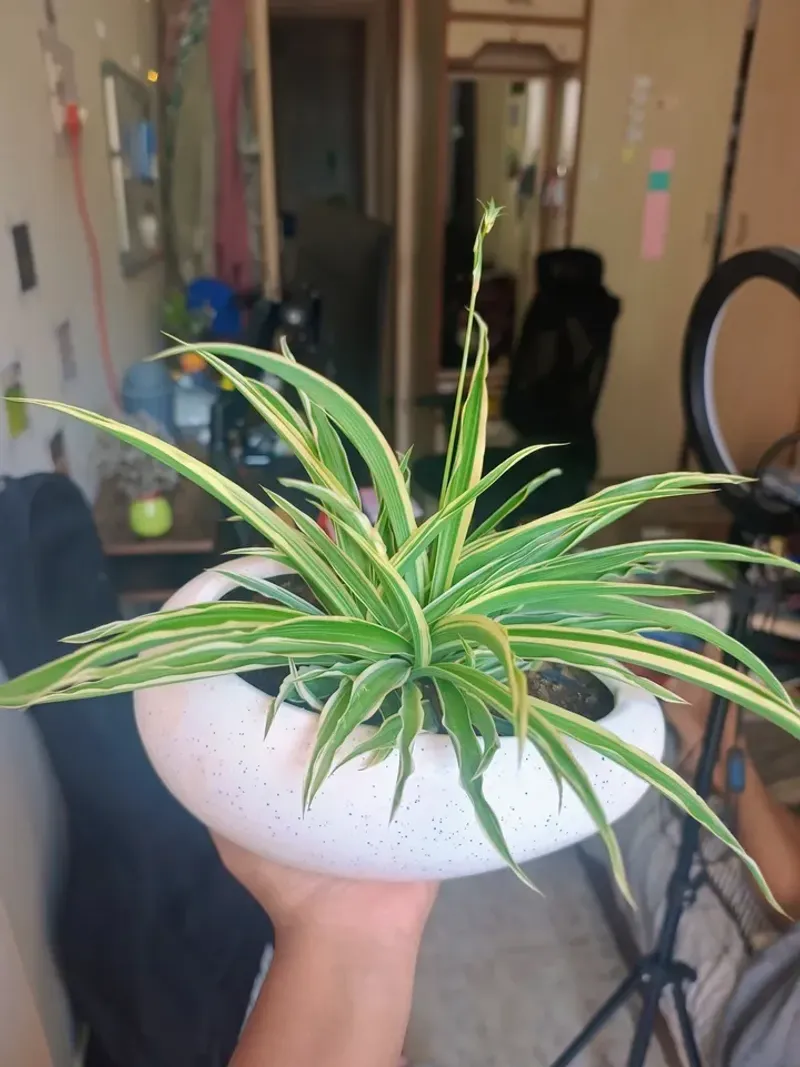
Spider plants produce adorable little plantlets that dangle from long stems like tiny green ornaments, and January is the perfect time to give them a new home.
These baby offshoots come with their own root nubs already formed, so propagation is incredibly straightforward.
All you need to do is snip them off and place them in water or directly into moist soil.
If you choose the water method, roots will develop quickly, usually within a week, giving you a visible sign of progress that feels especially encouraging during the winter doldrums.
Once the roots are a couple of inches long, you can transfer the plantlet into a pot filled with well-draining potting mix.
Spider plants are not picky about light, but they do appreciate a bright spot without direct sun exposure.
Starting new spider plants in January means you will have lush, established specimens by the time spring rolls around.
They are excellent air purifiers and incredibly low-maintenance, making them ideal for busy households.
Plus, sharing your propagated spider plants with friends and family is a wonderful way to spread a little green joy during the gray Minnesota winter.
3. Starting Succulent Leaves In Shallow Trays
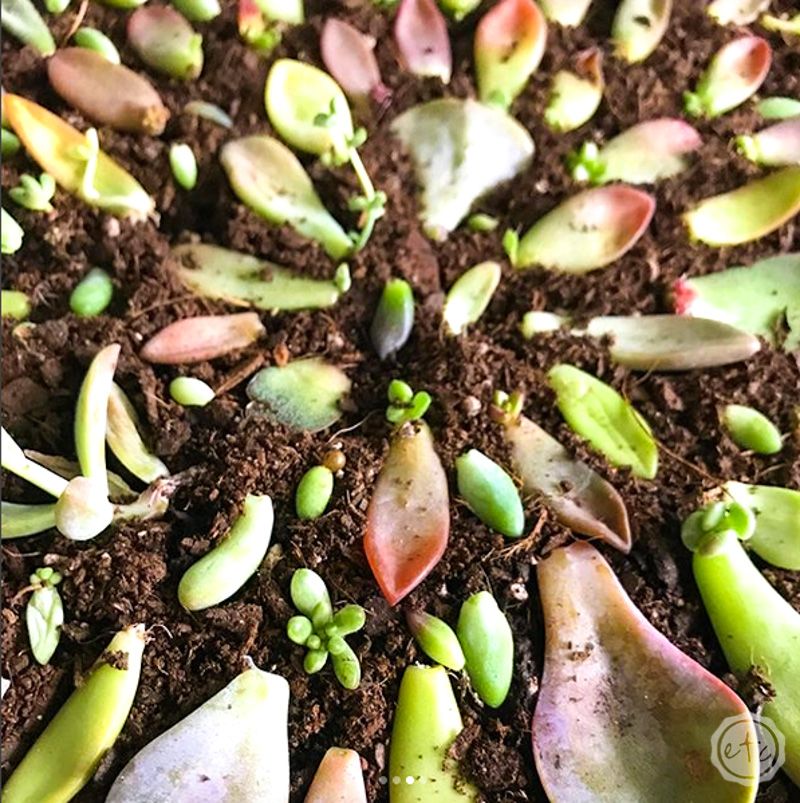
Succulents have a magical ability to grow entirely new plants from a single leaf, and the dry indoor air of a Minnesota winter actually helps the process along.
You start by gently twisting a healthy leaf from the mother plant, making sure the entire base comes off cleanly.
Lay the leaves on top of dry soil in a shallow tray and simply wait for nature to do its thing.
After a few days, tiny roots and baby rosettes will begin to emerge from the base of each leaf, creating a miniature garden that is endlessly fascinating to watch.
Keep the tray in bright, indirect light and resist the urge to water too much since succulents are prone to rot if they sit in moisture.
A light misting once a week is usually plenty.
January is an ideal time to start this project because the slow growth gives you something to check on daily without demanding too much effort.
Minnesota gardeners love how low-maintenance succulents are, and propagating them is a budget-friendly way to build a collection.
By spring, you will have dozens of tiny plants ready to pot up or share with fellow plant enthusiasts.
4. Rooting Philodendron Cuttings In Water Or Soil
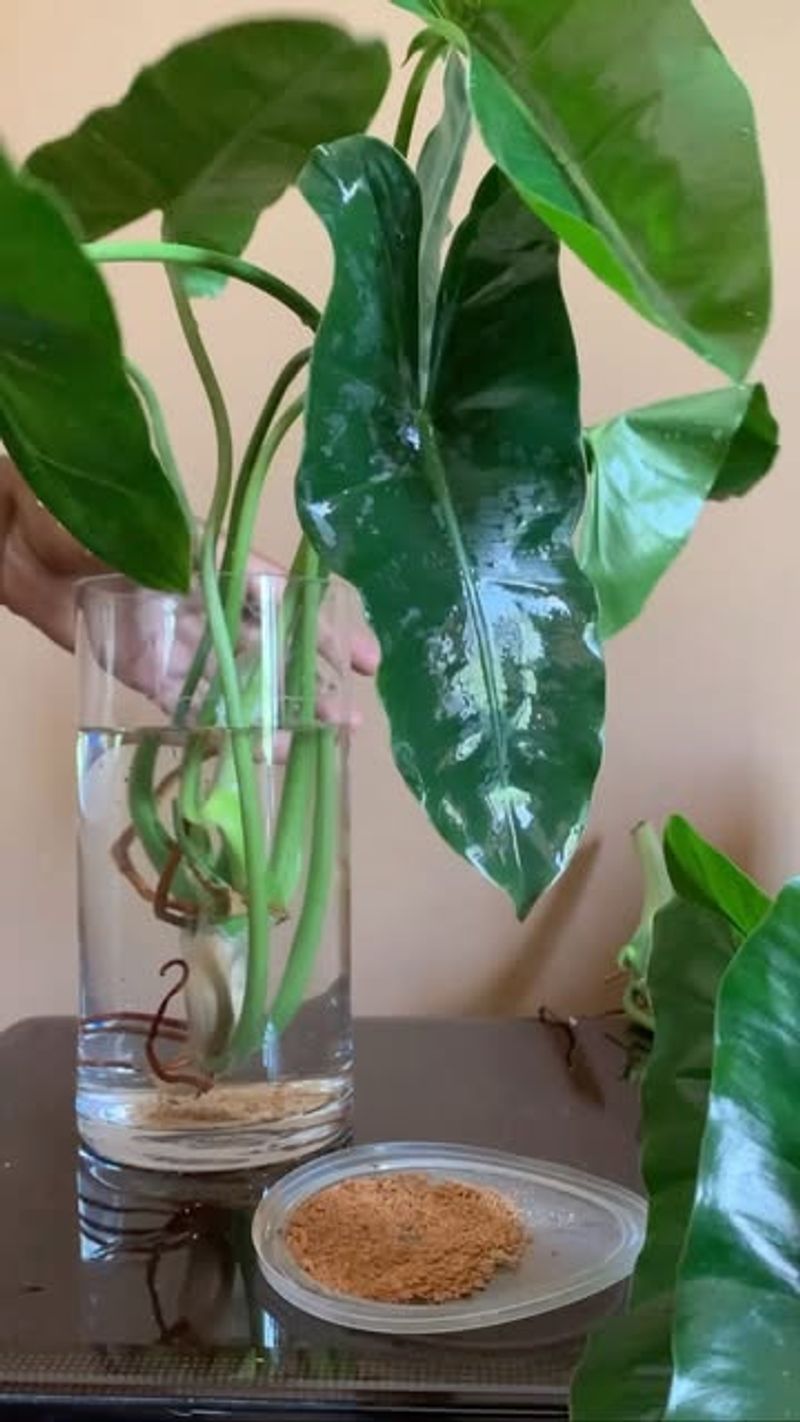
Philodendrons are another superstar in the world of easy propagation, and they root so quickly that you will see progress even during the short, dark days of a Minnesota January.
Look for a stem with at least one node, which is the bumpy spot where leaves and roots emerge, and cut just below it with clean scissors.
You can place the cutting directly in water or stick it into moist potting soil.
Water propagation allows you to watch the roots grow, which is particularly satisfying when you need a morale boost during the coldest stretch of winter.
Change the water every few days to keep it fresh and clear.
If you prefer soil, keep the medium lightly moist and place the pot in a warm spot with bright, indirect light.
Philodendrons are not fussy about light levels, but they do appreciate a little extra brightness during the winter months when daylight is scarce.
Consider placing them near a window or supplementing with a small grow light.
Within a few weeks, your cutting will develop a strong root system and start putting out new leaves, bringing a touch of tropical greenery to your Minnesota home.
5. Dividing Overgrown Houseplants During The Slow Season
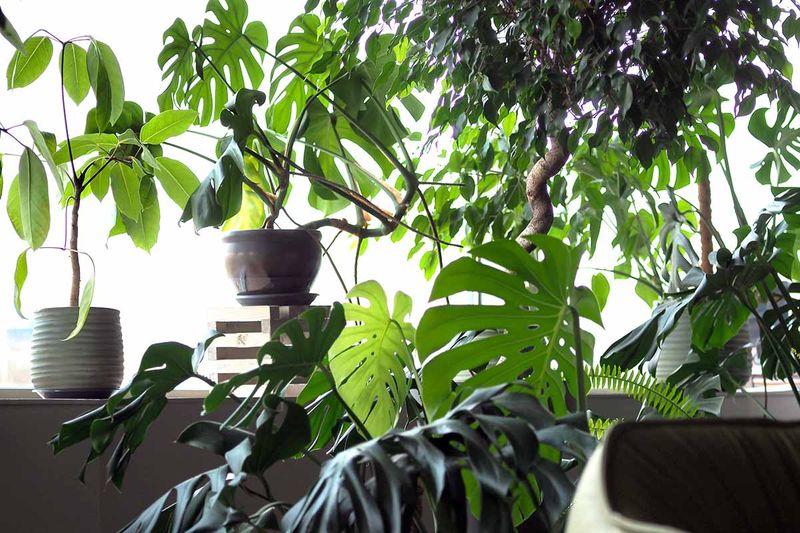
Winter is the perfect time to tackle houseplants that have outgrown their pots, and dividing them not only gives you more plants but also refreshes the health of the original specimen.
Peace lilies and snake plants are classic candidates for division since they naturally form clumps that can be gently pulled apart.
You will end up with multiple plants from one crowded pot.
Start by removing the plant from its container and shaking off excess soil so you can see the root structure clearly.
Use your hands or a clean knife to separate the clumps, making sure each division has a healthy portion of roots and foliage.
Pot each section into fresh soil and water lightly to help them settle in.
January is a quieter time for most houseplants, so they handle the stress of division more easily than they would during active growth periods.
Minnesota gardeners appreciate this indoor project because it gives them something productive to do while the ground outside is frozen solid.
Plus, you will have extra plants to decorate your home or give away as thoughtful gifts to friends who could use a little greenery in their lives.
6. Growing New Herbs From Grocery Store Cuttings
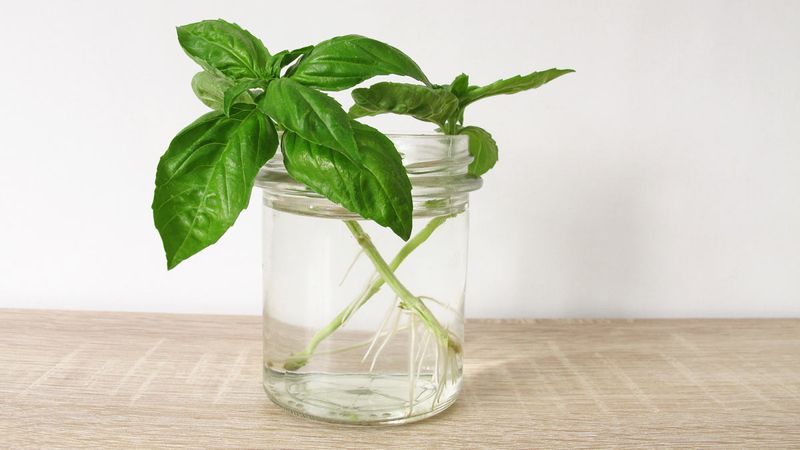
A trip to the grocery store can turn into a propagation opportunity when you pick up fresh basil, mint, or rosemary from the produce section.
These herbs often come with enough stem to root successfully, and the warm, sunny windowsills of Minnesota kitchens provide an ideal environment.
Simply snip off the lower leaves, place the stems in water, and wait for roots to appear.
Basil is especially quick to root, often showing tiny white threads within just a few days.
Mint is equally enthusiastic and will spread its roots rapidly once it gets going.
Rosemary takes a bit longer and prefers a slightly cooler spot, but the reward is a fragrant herb that thrives indoors all winter long.
Change the water every couple of days to keep it fresh and prevent any cloudy buildup.
Once the roots are about an inch long, you can transplant your herbs into small pots filled with well-draining soil.
Having fresh herbs on hand during the winter months is a luxury that Minnesota gardeners truly appreciate, and growing them from grocery store cuttings is both economical and deeply satisfying.
7. Propagating Begonias From Leaf Cuttings

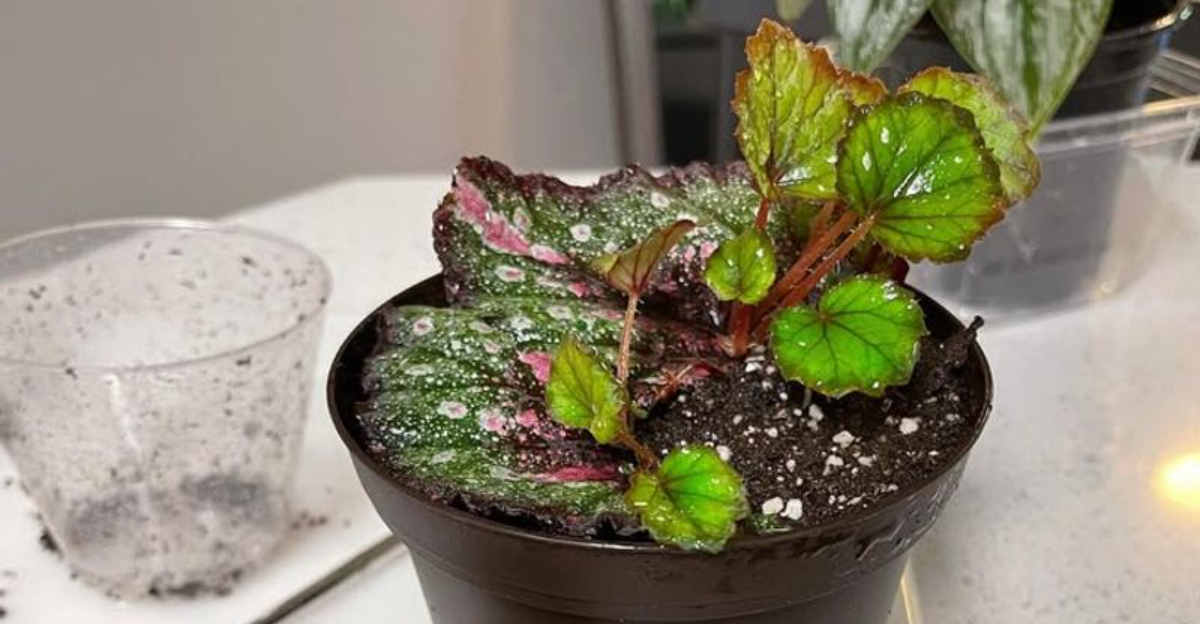
Begonias are stunning plants with patterned leaves that can be propagated from a single cutting, making them a favorite winter project for Minnesota gardeners who crave color and texture.
You can either cut a whole leaf with a bit of stem attached or slice a larger leaf into sections, each of which has the potential to grow into a new plant.
Lay the cuttings on moist soil and press them down gently.
Humidity is key to successful begonia propagation, so consider covering your tray with a clear plastic dome or placing it inside a plastic bag to create a mini greenhouse effect.
This is especially helpful in the dry air of heated Minnesota homes.
Keep the soil lightly moist but not soggy, and place the tray in a warm spot with bright, indirect light.
Within a few weeks, tiny plantlets will begin to emerge from the edges of the leaf cuttings, creating a charming miniature garden.
Begonias are slower to propagate than some other houseplants, but the wait is absolutely worth it when you see those first new leaves unfurl.
This project is a wonderful way to pass the time during the coldest, darkest stretch of winter while building your collection of beautiful, unique plants.
8. Starting African Violets From Leaf Stems
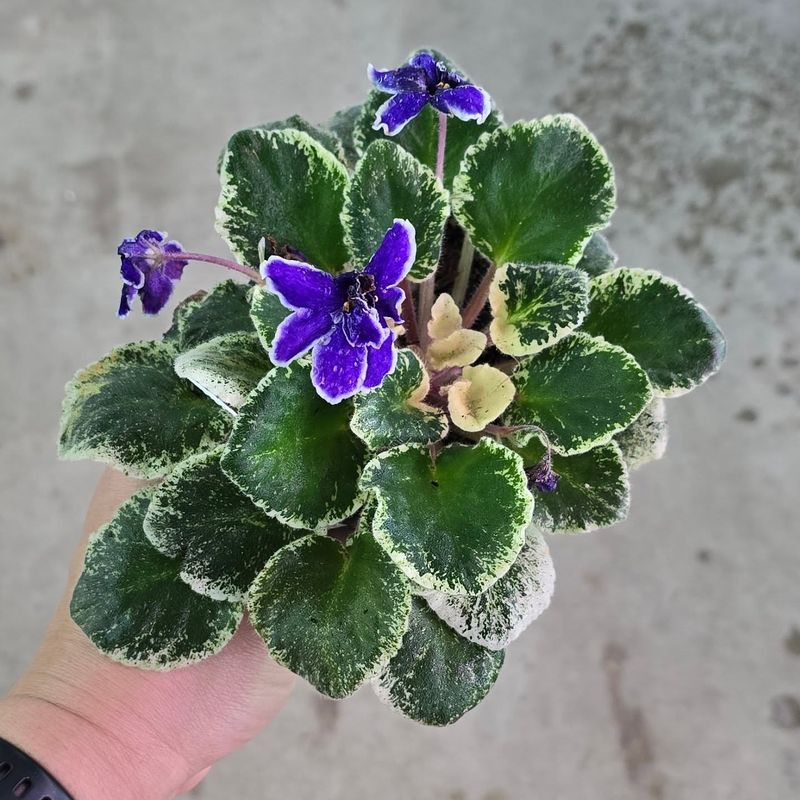
African violets are beloved for their cheerful blooms and compact size, and they can be easily propagated from a single leaf with a bit of stem attached.
Select a healthy, mature leaf from the middle row of the plant and cut it with about an inch of stem.
Stick the stem into moist potting mix or even just a small container of water.
Place your cutting in a warm, bright spot but out of direct sunlight, which can scorch the delicate leaves.
African violets prefer consistent warmth, so a cozy Minnesota kitchen or bathroom can be an ideal location.
Patience is essential because it can take several weeks or even a couple of months for roots and tiny plantlets to form at the base of the stem.
Once you see baby leaves emerging, you will know your propagation effort has been successful.
You can carefully separate the new plantlets and pot them individually once they are large enough to handle.
African violets are slow growers, but the reward of seeing your own propagated plant bloom for the first time is incredibly satisfying.
This project is perfect for January because it gives you something to nurture and monitor during the long, cold Minnesota winter.
9. Rooting Tradescantia (Wandering Dude) For Fast Results
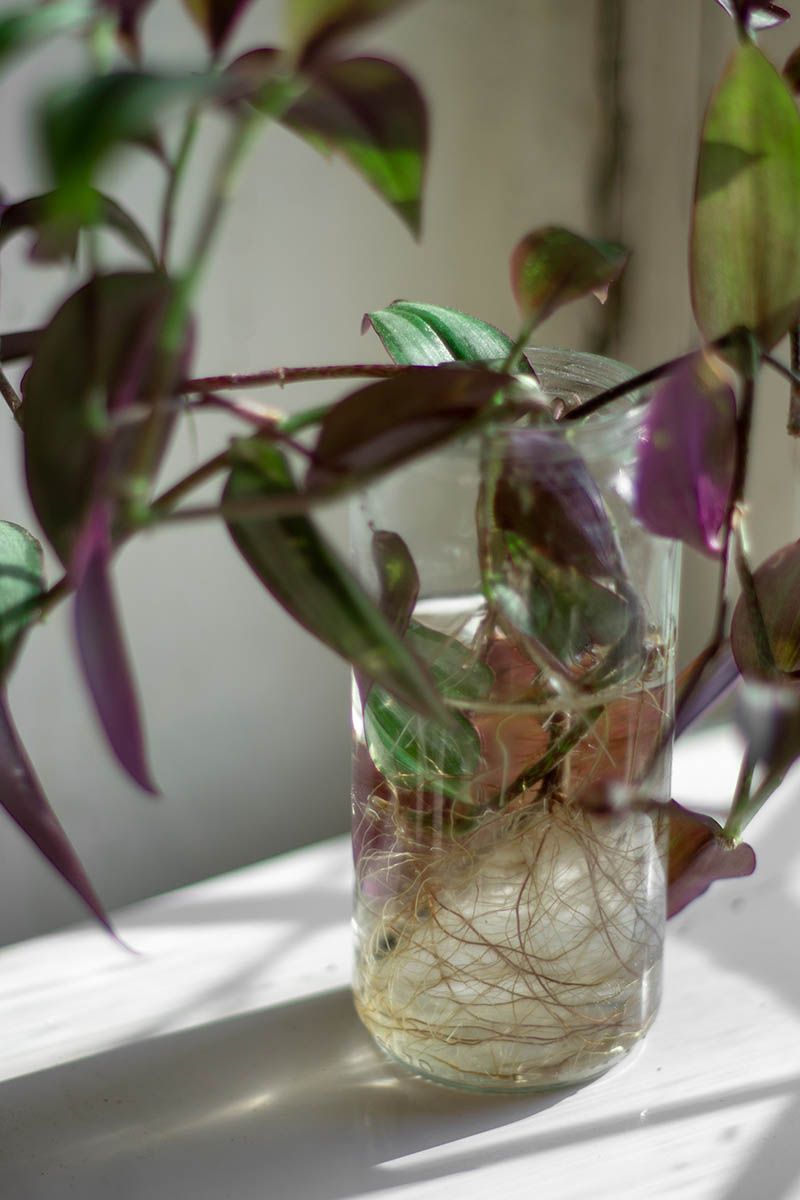
If you are looking for instant gratification, tradescantia is the plant for you because it roots faster than almost any other houseplant.
Also known as wandering dude, this trailing beauty produces roots within just a few days when you place cuttings in water.
The rapid growth is a welcome sight during the slow, gray days of a Minnesota January.
Snip a few stems just below a node and remove the lower leaves so they do not sit in the water.
Place the cuttings in a jar on a bright windowsill and watch as roots begin to sprout almost immediately.
Tradescantia is incredibly forgiving and will tolerate a range of light conditions, though it grows more vigorously in brighter spots.
Minnesota gardeners love tradescantia for its colorful foliage, which comes in shades of green, purple, pink, and silver.
Once the roots are a couple of inches long, you can pot the cuttings in soil or leave them in water as a low-maintenance display.
This plant is perfect for filling empty corners, hanging baskets, or shelves, and propagating it is so easy that you can quickly create a lush indoor jungle even in the middle of winter.
10. Using A Simple DIY Propagation Station

Creating a dedicated propagation station is a fun and practical way to organize your cuttings, and it adds a decorative touch to your home during the dark winter months.
You can use test tubes, small glass bottles, vintage jars, or even repurposed containers arranged on a wooden stand or windowsill.
The clear glass allows you to monitor root development, which is especially encouraging when daylight is limited.
A propagation station keeps your cuttings upright and makes it easy to change the water regularly without disturbing the roots.
Minnesota gardeners appreciate the visual appeal of a well-organized display, and it turns plant propagation into a stylish focal point rather than a cluttered project.
You can label each cutting with the plant name and date to track progress over time.
This setup works beautifully for pothos, philodendron, tradescantia, and any other plant that roots easily in water.
The act of arranging and tending to your propagation station becomes a calming ritual during the long, cold days of January.
Plus, it is a great conversation starter when guests visit and admire your growing collection of new plants lined up in their charming little vessels.
11. Propagating Houseplants Under Grow Lights
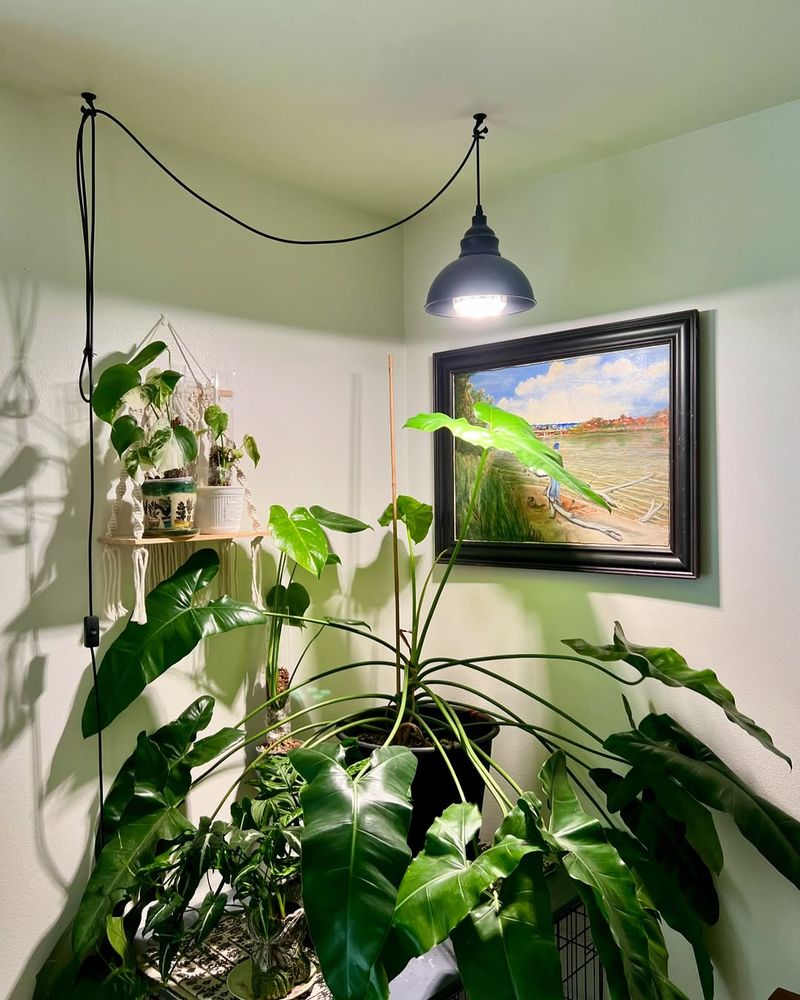
Minnesota winters are notoriously short on daylight, and even the sunniest windowsills may not provide enough light for optimal propagation success.
Supplemental grow lights can make a huge difference by extending the hours of light your cuttings receive and boosting their growth rates.
You do not need expensive equipment; even a simple LED grow bulb in a desk lamp can work wonders.
Position your grow light about six to twelve inches above your cuttings and run it for twelve to sixteen hours per day to mimic longer spring days.
This extra light encourages faster root development and healthier foliage, which is especially helpful for plants that are slower to propagate like begonias or African violets.
Many Minnesota gardeners find that using grow lights transforms their propagation success during the darkest months.
You can set up a small propagation shelf in a basement, spare room, or even a closet, giving you more flexibility in where you grow your cuttings.
The warmth from the light also helps maintain consistent temperatures, which many tropical plants appreciate.
Investing in grow lights opens up a whole new world of indoor gardening possibilities and ensures your January propagation projects thrive even when the sun barely makes an appearance outside.
12. Starting Perennials Indoors From Root Divisions
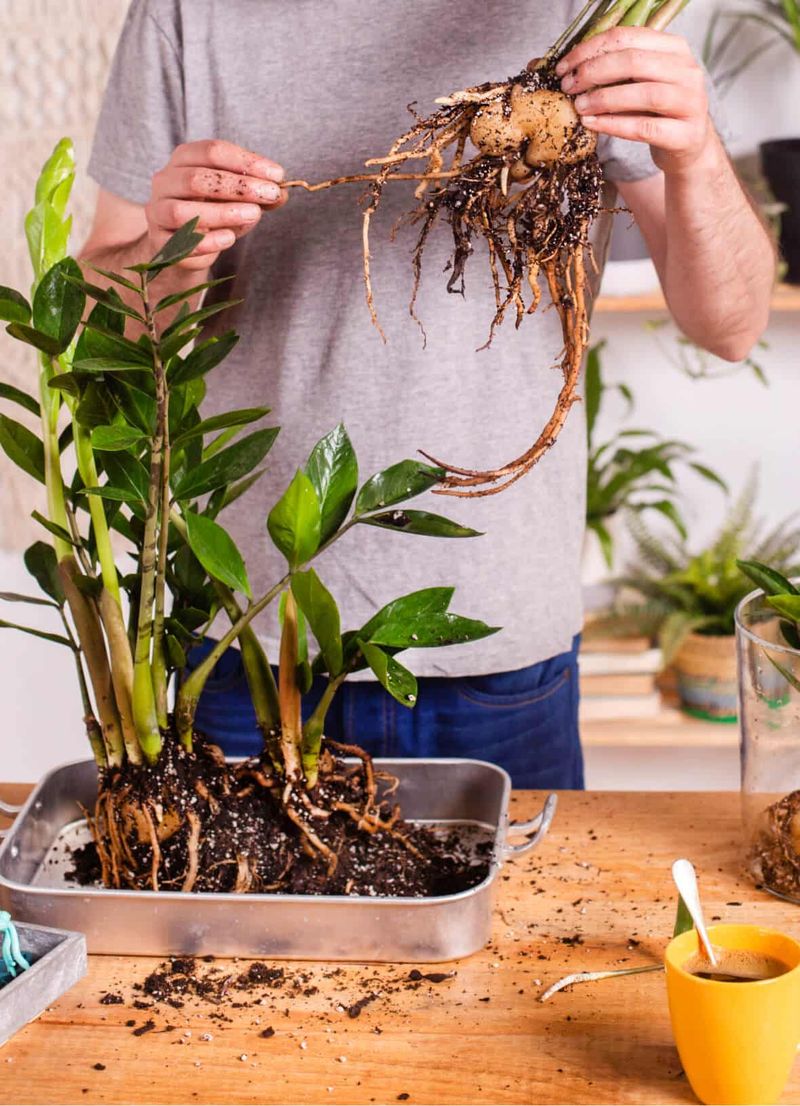
Some hardy perennials can be divided and brought indoors during the winter months, giving them a head start on growth before spring planting season arrives.
Plants like hostas, daylilies, and certain ornamental grasses have root systems that can be carefully divided while dormant.
Pot them up in containers and place them in a cool, bright spot indoors.
This technique works best with perennials that have been growing in your garden for several years and have developed large, healthy root clumps.
Dig them up before the ground freezes completely, or work with potted specimens you have stored in an unheated garage.
Gently separate the roots into smaller sections, making sure each division has both roots and growth points.
Keeping divided perennials indoors in January allows them to wake up slowly and start producing new growth ahead of schedule.
Minnesota gardeners love this strategy because it means stronger, more established plants when it is finally time to move them back outside.
You can also use this method to increase your perennial stock without spending money on new plants, which is a satisfying and economical way to expand your garden while staying warm indoors.
13. Turning January Propagation Into Spring Garden Savings
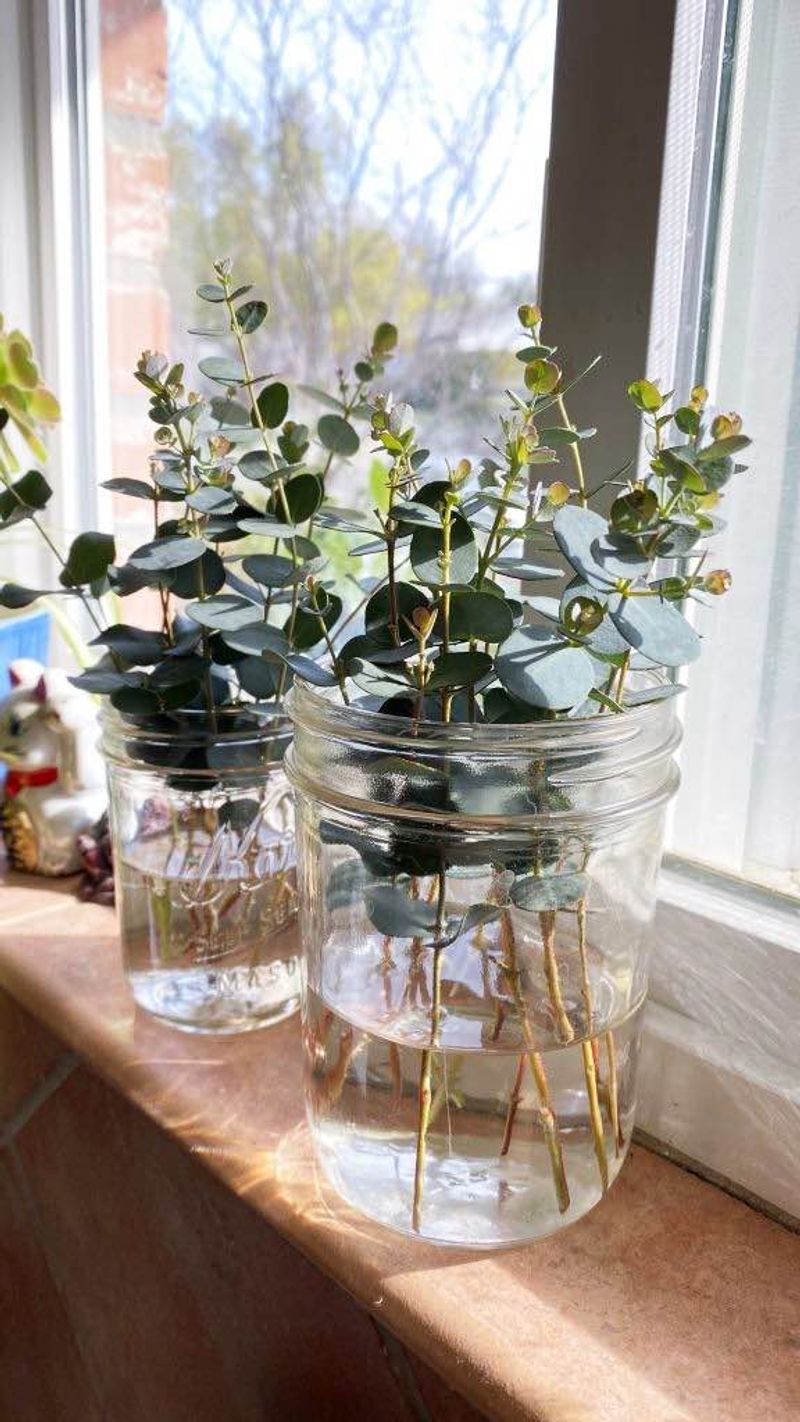
One of the most rewarding aspects of propagating plants in January is realizing how much money you can save by growing your own instead of buying new ones in spring.
Every cutting that takes root is a free plant, and when you multiply that by dozens of successful propagations, the savings really add up.
Minnesota gardeners who start early also have the advantage of larger, more established plants by the time the growing season begins.
Propagation projects keep your gardening skills sharp during the off-season and give you a productive outlet for your green thumb when outdoor work is impossible.
The sense of accomplishment that comes from nurturing a tiny cutting into a thriving plant is deeply satisfying, and it builds confidence for more ambitious gardening projects down the road.
You can also share or trade your propagated plants with fellow gardeners, creating a sense of community and connection.
January propagation transforms the coldest, darkest month into a time of growth and possibility.
Instead of counting down the days until spring, you are actively preparing for it by filling your home with new plants.
By the time the snow melts and the soil thaws, you will have a collection of healthy, rooted specimens ready to enhance your garden, brighten your home, or become thoughtful gifts for friends and family.