Indoor Seeds Every Gardener Should Start In January
January used to fool me into thinking the garden year was on pause. Snow outside, cold windows, and seed catalogs piled on the table made it feel like planting season was a long way off.
But I learned the hard way that waiting around in January is a missed opportunity. While winter drags its feet outdoors, this is actually when smart gardeners get the ball rolling indoors.
Starting seeds in January puts you ahead of the curve and sets the tone for the entire growing season. I’ve found that a little effort now saves a lot of scrambling later.
There’s something satisfying about watching tiny seedlings push through the soil while winter still has a grip outside. It reminds me that spring is closer than it looks.
Indoor seed starting is where patience meets payoff, and it’s one of the best ways to stack the deck in your favor. You don’t need fancy equipment or a green thumb the size of Texas, just good timing and the right crops.
If you want healthier plants, earlier harvests, and fewer headaches down the road, January is the time to roll up your sleeves. Trust me, when spring finally arrives, you’ll be glad you didn’t wait until the last minute to get started.
1. Tomatoes
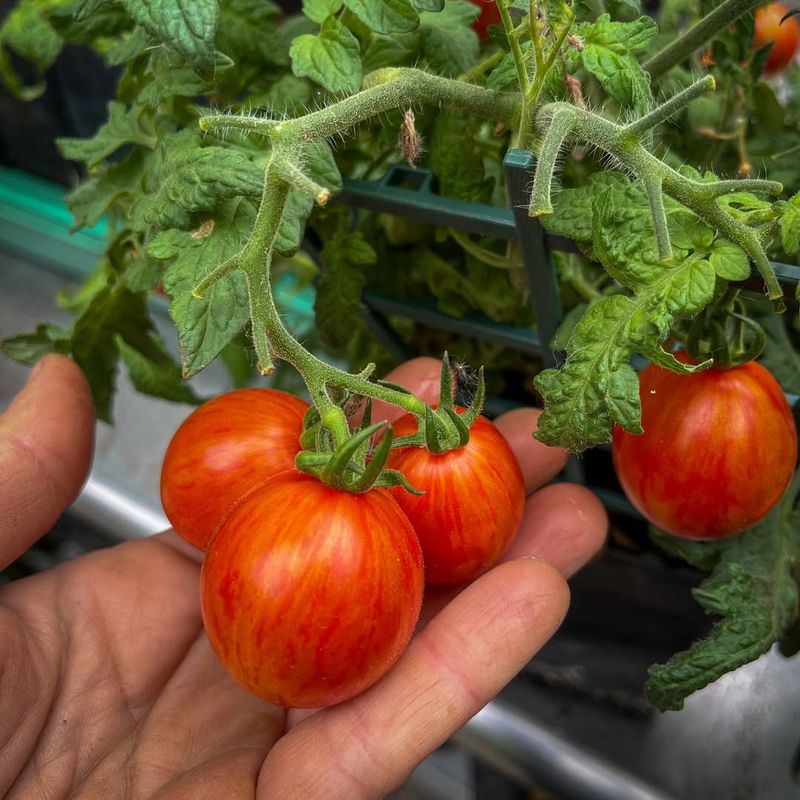
Tomatoes are probably the most popular thing people grow in their home gardens, and for good reason. There’s nothing quite like biting into a sun-warmed tomato you grew yourself.
The flavor is so much better than anything you’ll find at the grocery store. Starting tomato seeds in January gives them the time they need to develop strong roots and sturdy stems before you move them outside in spring.
Most tomato varieties need about 6 to 8 weeks indoors before transplanting, so planting in January means you’ll have robust plants ready to go when the last frost passes.
You can choose from so many types: cherry tomatoes for snacking, beefsteak tomatoes for sandwiches, or Roma tomatoes if you love making sauce. Each one has its own personality and flavor.
When you’re starting tomato seeds, make sure they get plenty of light. A sunny windowsill works, but if you don’t have enough natural light, a simple grow light will do the trick.
Keep the soil moist but not soggy, and once the seedlings pop up, they’ll grow surprisingly fast. You’ll need to transplant them into bigger pots as they grow, giving their roots more room to spread.
Tomatoes love warmth, so keep them in a cozy spot indoors until outdoor temperatures are consistently warm. Once they’re outside, they’ll reward you with baskets of juicy tomatoes all summer long.
There’s something deeply satisfying about watching those little seeds turn into plants heavy with fruit. It’s one of those gardening moments that never gets old, no matter how many times you do it.
2. Peppers
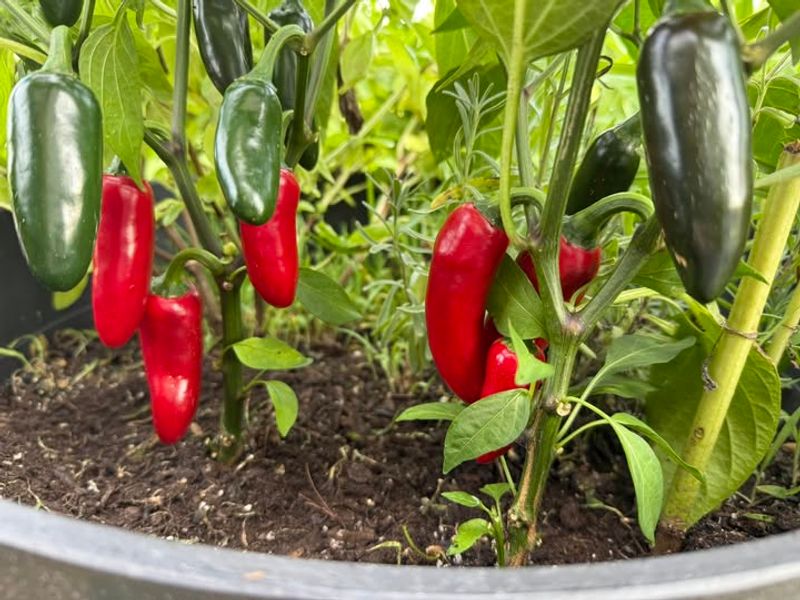
Peppers are slow starters, which is exactly why January is the perfect time to get them going. They need a long growing season, sometimes up to 10 or 12 weeks indoors before they’re ready to face the outside world.
If you wait too long to start them, you might not get a good harvest before fall arrives. So getting them started early is really important.
Whether you’re into sweet bell peppers or you like a little heat with jalapeños or habaneros, peppers add so much to your cooking. Fresh peppers have a crisp, vibrant flavor that makes everything taste better.
And growing them yourself means you can pick exactly the varieties you want, not just what’s available at the store.
Pepper seeds like warmth to germinate, so consider using a heat mat if your house runs a bit cool. Once they sprout, they need lots of light to grow strong and not get leggy.
A grow light can really help if your windows don’t get enough sun. Keep the soil evenly moist, and be patient because peppers can take their time sprouting.
As your pepper seedlings grow, you might notice they grow a bit slower than tomatoes, and that’s totally normal. They’re just taking their time building a strong foundation.
When you finally transplant them outside after the last frost, make sure they go into a warm, sunny spot. Peppers love heat, and the more sun they get, the more peppers they’ll produce.
By late summer, you’ll have colorful peppers ready to pick, and you’ll be so glad you started them back in January.
3. Onions
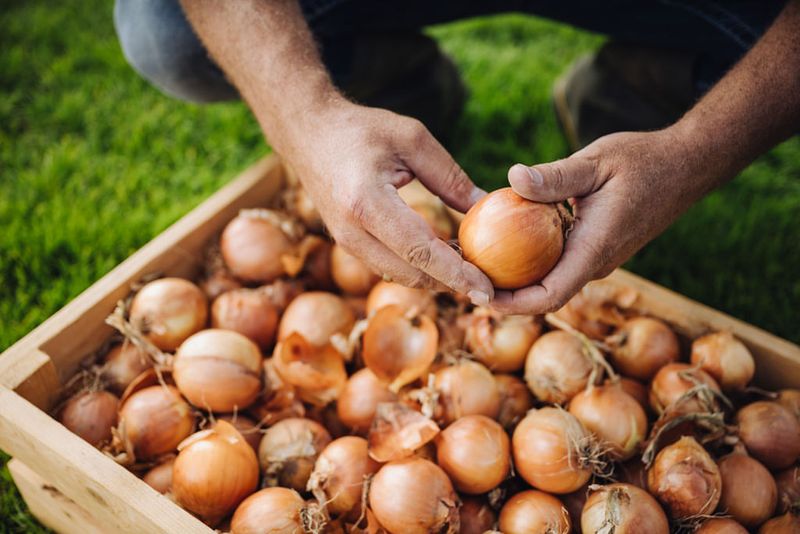
Onions might not be the most glamorous vegetable, but they’re absolutely essential in the kitchen. Almost every recipe starts with an onion, right?
Growing your own onions from seed is surprisingly easy, and starting them in January gives them plenty of time to develop into good-sized bulbs by summer.
Plus, there’s something really satisfying about pulling a fresh onion from your garden instead of buying one wrapped in plastic.
You can grow onions from seeds, sets, or transplants, but starting from seed gives you way more variety to choose from.
There are sweet onions, storage onions, red onions, and yellow onions, each with different flavors and uses. Seeds are also much cheaper than buying sets, so you can grow a lot more for less money.
Onion seeds are tiny, almost like little black specks, and they need consistent moisture to germinate. Sprinkle them on the surface of moist soil and lightly cover them.
They’ll sprout into thin, grass-like shoots that look delicate but are actually pretty tough. Keep them in a bright spot and make sure they don’t dry out.
As they grow, you can trim the tops if they get too tall and floppy, which actually helps them grow stronger. When it’s time to transplant them outside, space them a few inches apart so the bulbs have room to expand.
Onions are cool-season crops, so they can handle a bit of cold. By midsummer, you’ll be harvesting fresh onions that taste so much better than store-bought ones. They’ll add depth and flavor to every meal you make.
4. Lettuce
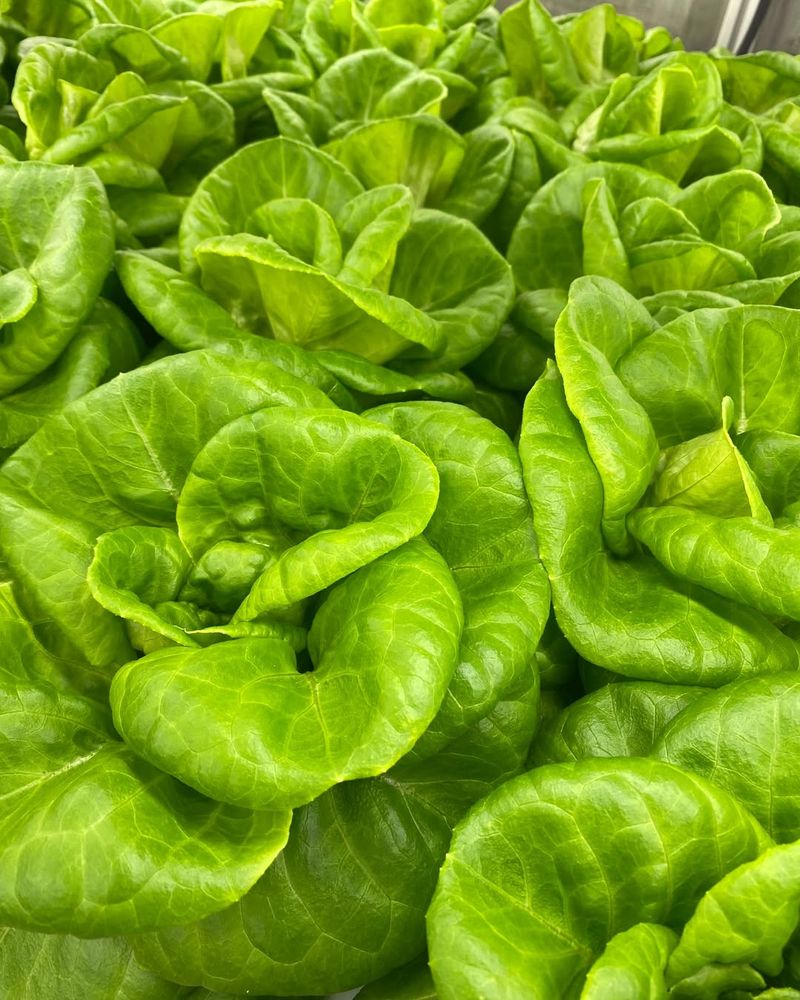
Lettuce is one of those vegetables that’s perfect for beginners because it’s so forgiving and grows quickly. Starting lettuce seeds indoors in January means you can have fresh salad greens ready to transplant outside as soon as the ground thaws.
And honestly, once you taste homegrown lettuce, it’s hard to go back to the bagged stuff from the store. The flavor is crisper, fresher, and just better in every way.
There are so many types of lettuce to choose from: butterhead, romaine, leaf lettuce, and even fancy mixes. Each one has a different texture and taste, so you can experiment and find your favorites.
Leaf lettuce is especially great because you can harvest it by just snipping off the outer leaves, and it keeps growing. It’s like having a salad bar right in your garden.
Lettuce seeds are small but easy to work with. Sprinkle them on top of moist soil and barely cover them because they need light to germinate.
They’ll sprout within a week or so, and before you know it, you’ll have tiny lettuce plants. Keep them in a cool spot with plenty of light. Lettuce doesn’t like too much heat, so a sunny windowsill in January is perfect.
Once your lettuce seedlings are a few inches tall, you can transplant them outside, even if it’s still a bit chilly. Lettuce is a cool-season crop, so it actually prefers cooler weather.
By early spring, you’ll be harvesting fresh, crisp lettuce for salads, sandwiches, and wraps. It’s one of the quickest and most rewarding things you can grow, and it’s a great way to start your gardening year off on a delicious note.
5. Broccoli
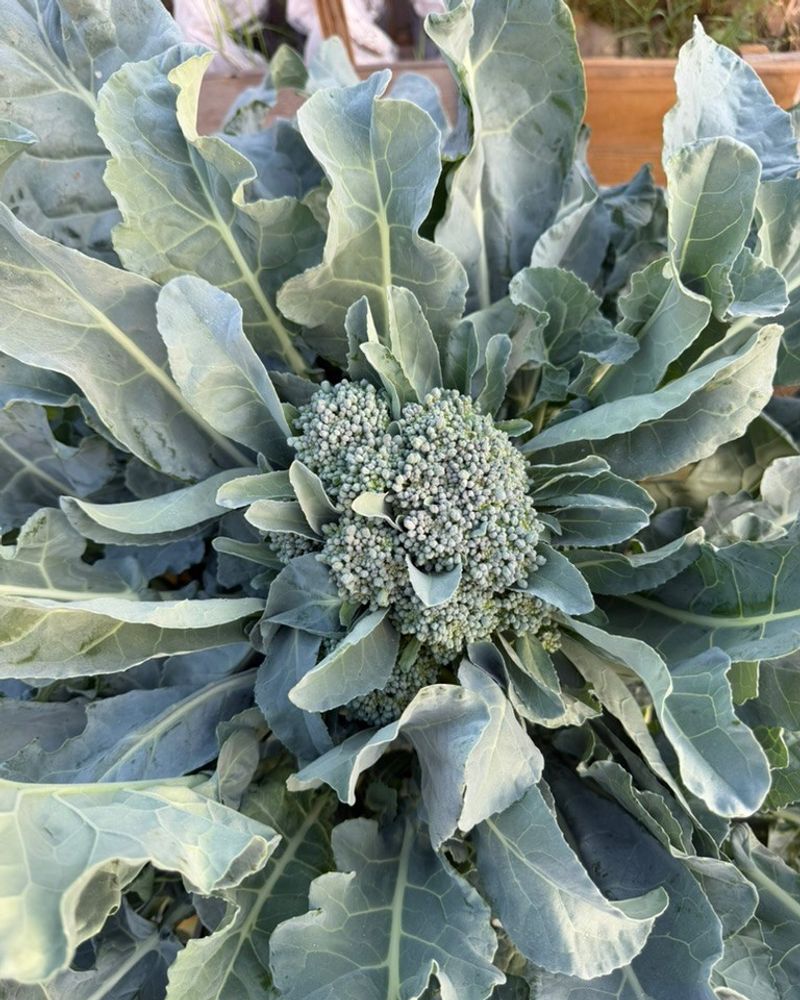
Broccoli is one of those vegetables that seems fancy, but it’s actually not that hard to grow if you start it at the right time. January is ideal because broccoli needs a long, cool growing season to develop those big, beautiful heads.
If you plant it too late, it might bolt when the weather gets hot, and you’ll miss out on the harvest. But start it early, and you’ll have homegrown broccoli by late spring or early summer.
Fresh broccoli from your garden tastes completely different from what you buy at the store. It’s sweeter, more tender, and has a flavor that makes you actually want to eat your vegetables.
Plus, you can harvest the side shoots after the main head is cut, so you get multiple harvests from one plant. It’s like the gift that keeps on giving.
Broccoli seeds are fairly easy to start indoors. Plant them about a quarter inch deep in moist soil, and they’ll germinate in about a week.
The seedlings will grow into sturdy little plants with thick stems and deep green leaves. They need good light to stay strong, so a grow light or a sunny window is important. Keep the soil consistently moist but not waterlogged.
When it’s time to transplant your broccoli outside, choose a spot with full sun and rich soil. Broccoli is a heavy feeder, so adding compost or fertilizer will help it grow big and healthy.
It can handle some cold, so you can transplant it earlier than a lot of other vegetables. Watching those tight green heads form is really exciting, and when you finally harvest your first broccoli, you’ll feel like a real gardening pro.
6. Cauliflower
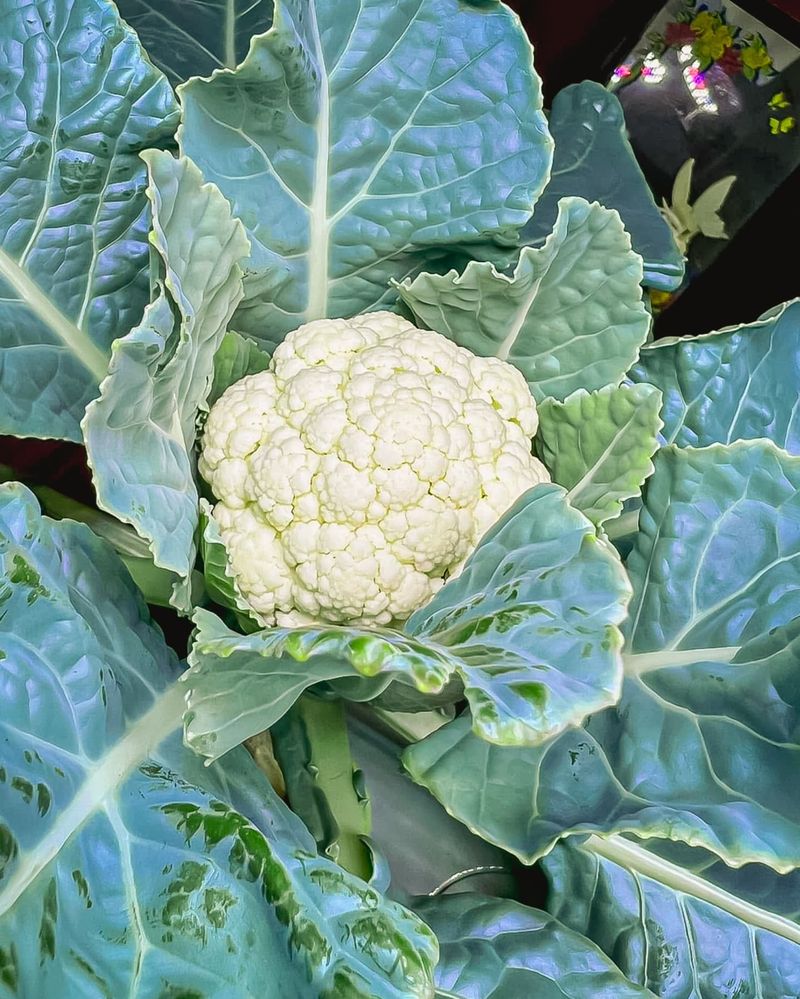
Cauliflower has a reputation for being tricky, but if you start it indoors in January and give it the right conditions, it’s totally doable. Like broccoli, cauliflower needs a long, cool growing season to form those dense, creamy white heads.
Starting early gives it the time it needs without the stress of hot weather later on. And trust me, homegrown cauliflower is worth the effort.
The flavor of fresh cauliflower is mild and slightly sweet, nothing like the strong taste some store-bought varieties can have. You can roast it, steam it, mash it, or even turn it into cauliflower rice.
It’s incredibly versatile in the kitchen, and having it fresh from your garden makes every recipe taste better. Plus, there are fun varieties like purple and orange cauliflower if you want to get creative.
Starting cauliflower seeds is similar to broccoli. Plant them about a quarter inch deep in seed-starting mix, keep the soil moist, and provide plenty of light.
The seedlings will emerge with thick, sturdy stems and blue-green leaves. Cauliflower seedlings need consistent care, so don’t let them dry out or get too leggy. A grow light really helps if you don’t have a super sunny window.
When you transplant your cauliflower outside, make sure the soil is rich and well-draining. Cauliflower is a bit of a diva and likes things just right, but if you pamper it a little, it’ll reward you with gorgeous heads.
Some varieties need blanching, which means covering the head with leaves to keep it white, but others are self-blanching and easier to manage. Either way, harvesting your own cauliflower feels like a real accomplishment, and it’s a delicious one too.
7. Celery
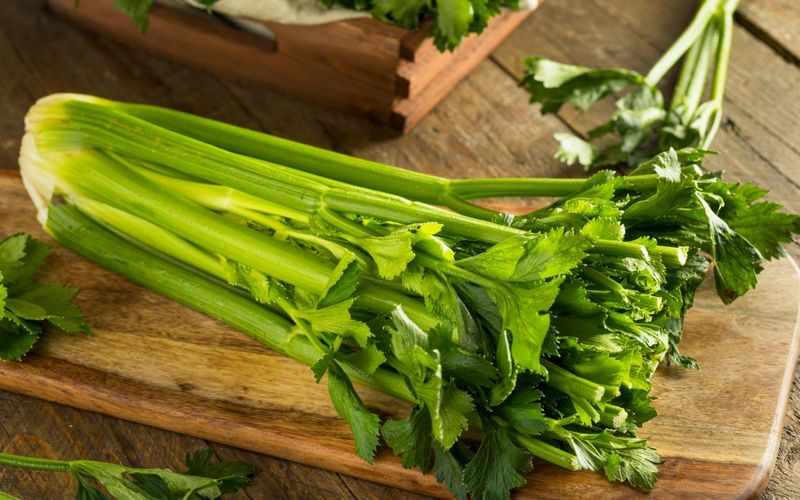
Celery is one of those vegetables that most people never think about growing, but it’s actually really fun to try. It has a long growing season, sometimes up to 16 weeks, which is why starting it indoors in January is so important.
If you wait too long, you won’t have celery until way late in the season. But start it early, and you’ll have crisp, flavorful stalks by summer.
Store-bought celery is fine, but homegrown celery has a stronger, more aromatic flavor that’s perfect for soups, stews, and snacking. It’s also really satisfying to grow something that seems kind of exotic and unusual.
Your friends will be impressed when you tell them you grew your own celery. It’s one of those plants that makes you feel like a serious gardener.
Celery seeds are tiny and can be a bit slow to germinate, so be patient. Sprinkle them on the surface of moist soil and press them down lightly, but don’t cover them completely because they need light to sprout.
Keep the soil consistently moist, and consider covering the tray with plastic wrap to hold in humidity until you see sprouts. Once they germinate, they’ll grow into delicate little seedlings that need plenty of light.
As your celery plants grow, they’ll need regular watering and feeding because they’re heavy feeders. When you transplant them outside, choose a spot with rich, moist soil and partial shade if possible.
Celery doesn’t love extreme heat, so keeping it a bit cooler helps. By late summer, you’ll be harvesting your own celery stalks, and the flavor will blow you away.
It’s one of those gardening projects that feels really rewarding, even if it takes a bit of patience to get there.