13 Indoor Vines That Add Lush Tropical Style To Illinois Homes In Winter
Winter in Illinois brings cold temperatures and gray skies that make many homeowners crave greenery and warmth inside their living spaces each day.
Indoor vines offer an easy solution by bringing tropical vibes into your home while requiring minimal care during the coldest months of year.
These climbing plants create stunning visual displays that transform boring walls and empty corners into lush jungle-like retreats that feel inviting always.
Adding vines to your indoor garden brings fresh air, natural beauty, and a cheerful atmosphere that brightens even the dreariest winter afternoons.
1. Pothos
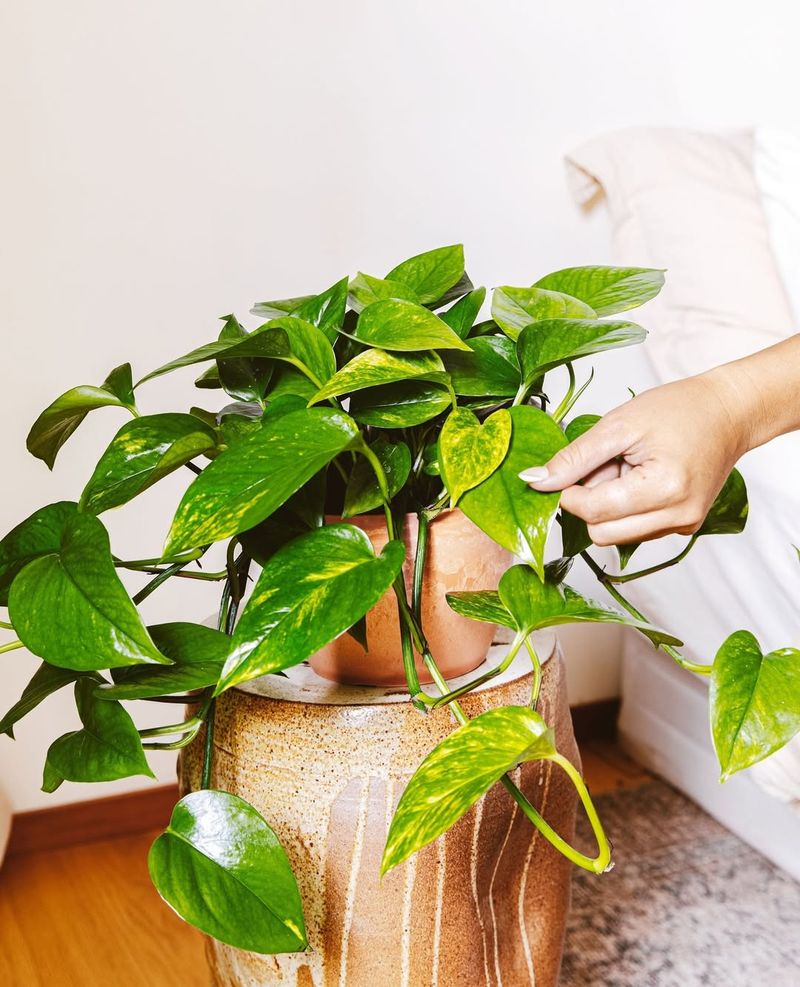
Pothos plants are beloved by beginners because they forgive almost every mistake you might make while learning to care for indoor vines properly.
Their heart-shaped leaves come in shades of green, yellow, and cream that add color to any room without demanding constant attention or fuss.
This vine thrives in low light conditions, making it perfect for Illinois homes where winter sunlight can be scarce and unpredictable throughout the season.
Watering once a week keeps pothos happy, and it tolerates occasional neglect better than most other houseplants you might consider growing indoors today.
Pothos vines grow quickly and can reach impressive lengths, creating dramatic cascades from shelves or climbing up moss poles with ease and grace.
Illinois homeowners love how pothos purifies indoor air by removing toxins, which is especially helpful during winter when windows stay closed for warmth.
Cuttings root easily in water, so you can share new plants with friends or expand your collection without spending extra money at nurseries.
2. Philodendron Heartleaf
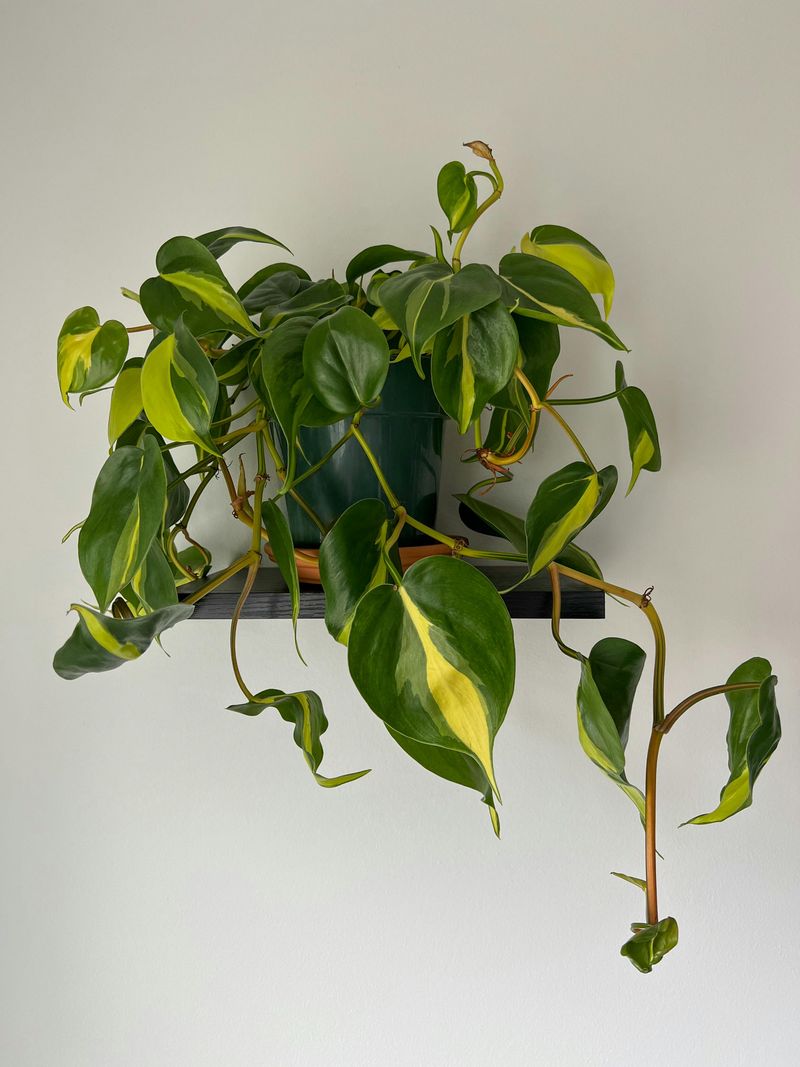
Glossy green leaves shaped like perfect hearts make this philodendron a charming addition to any room that needs a touch of tropical elegance.
Heartleaf philodendrons adapt well to various light conditions, from bright indirect light to shadier spots where other plants might struggle and fade away.
Their trailing vines create beautiful living curtains when hung near windows, softening harsh winter views with natural greenery that feels warm and inviting.
Watering every five to seven days works well, though you should check the soil first to avoid overwatering and root problems later.
This plant tolerates dry indoor air better than many tropical species, which is crucial during Illinois winters when furnaces reduce humidity levels significantly.
Pruning encourages bushier growth and keeps vines at manageable lengths while providing cuttings you can propagate to create more plants for your collection.
Philodendron heartleaf rarely suffers from pests indoors, making it a low-maintenance choice for busy families who want greenery without constant monitoring and care.
3. English Ivy
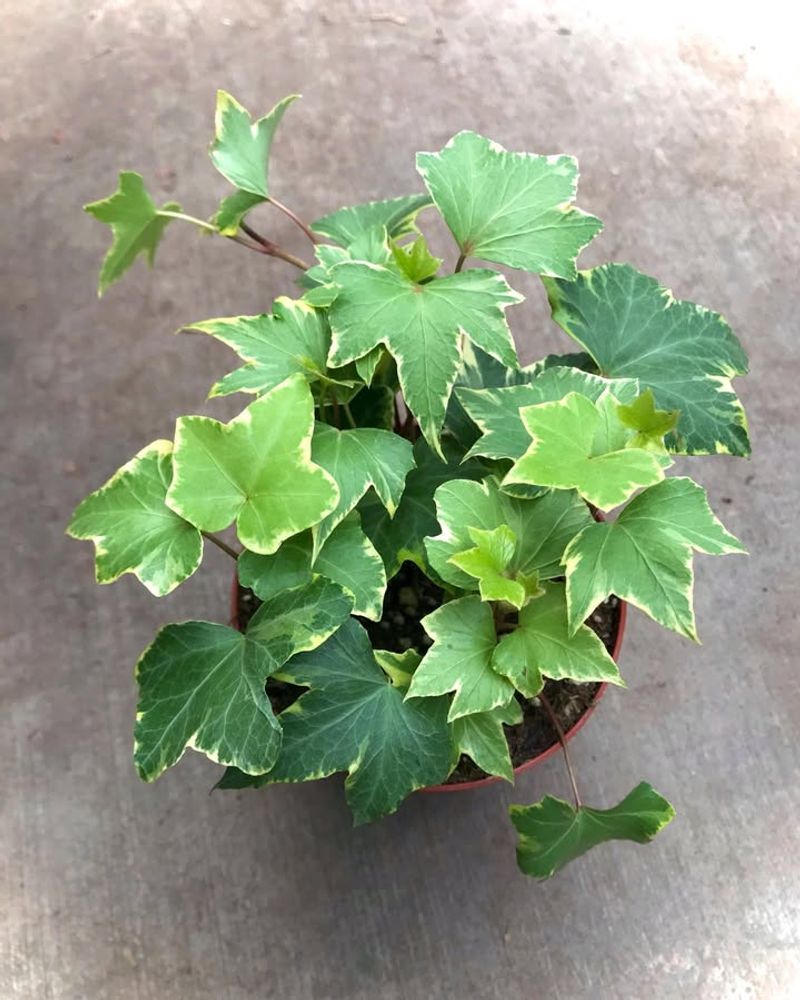
Classic English ivy brings old-world charm to modern Illinois homes with its delicate lobed leaves that create intricate patterns as they climb and spread.
This vine prefers cooler temperatures than most tropical plants, making it ideal for rooms that stay a bit chilly during Illinois winter months ahead.
Bright indirect light helps English ivy maintain its rich green color, though it can adapt to lower light if you rotate it occasionally for balance.
Regular misting keeps leaves fresh and discourages spider mites, which sometimes appear when indoor air becomes too dry from constant heating systems running.
Training ivy to climb small trellises or wrapping it around decorative frames creates living art pieces that add personality to blank walls instantly.
English ivy grows steadily throughout winter if given proper care, providing continuous greenery when outdoor gardens lie dormant under snow and ice.
Variegated varieties with cream or white markings offer extra visual interest and brighten darker corners that need a splash of color and life.
4. String of Hearts
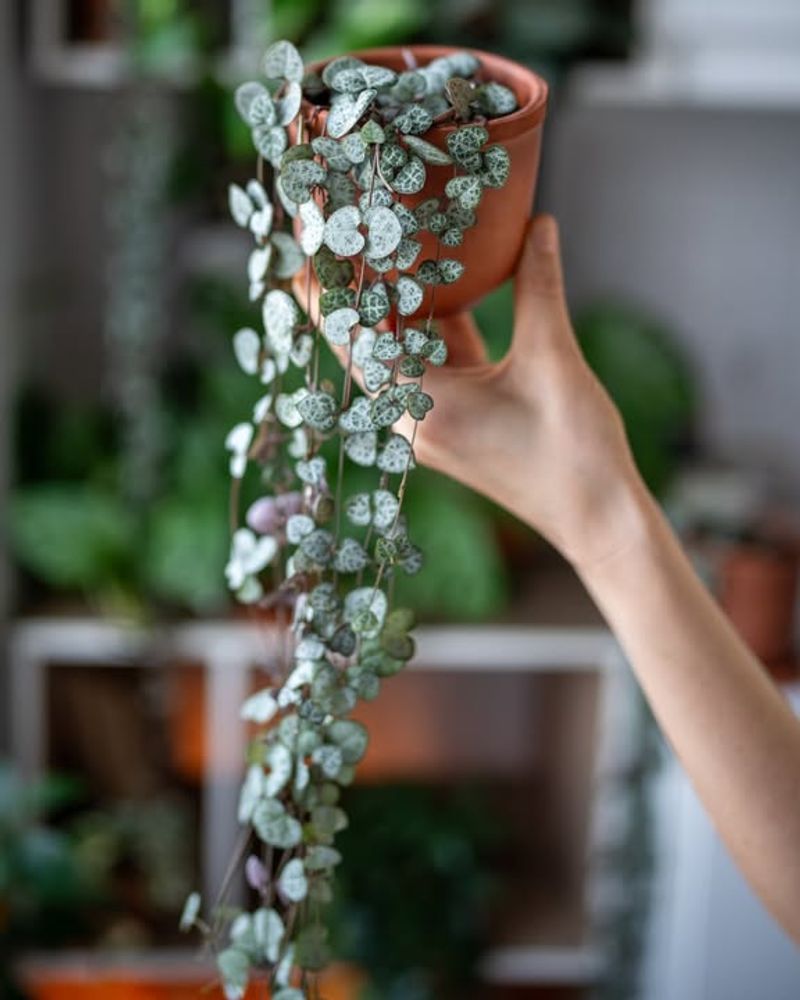
Delicate chains of tiny heart-shaped leaves make this succulent vine look like nature crafted jewelry specifically for your home decor this winter season.
String of hearts prefers bright light and infrequent watering, which makes it perfect for forgetful plant parents who sometimes miss their regular care schedules.
The silvery-green foliage with purple undersides adds unique color combinations that complement both modern and traditional interior design styles beautifully and effortlessly.
This vine grows relatively slowly compared to pothos or philodendron, so it maintains a tidy appearance without requiring frequent pruning or constant maintenance work.
Tubers form along the stems, which you can plant to propagate new vines or leave attached for added visual texture and interest.
String of hearts tolerates dry indoor air exceptionally well, thriving in heated Illinois homes where humidity drops to uncomfortable levels during winter.
Hanging this plant near a sunny window creates a stunning display as light filters through the delicate leaves, casting beautiful shadows throughout the day.
5. Hoya Carnosa
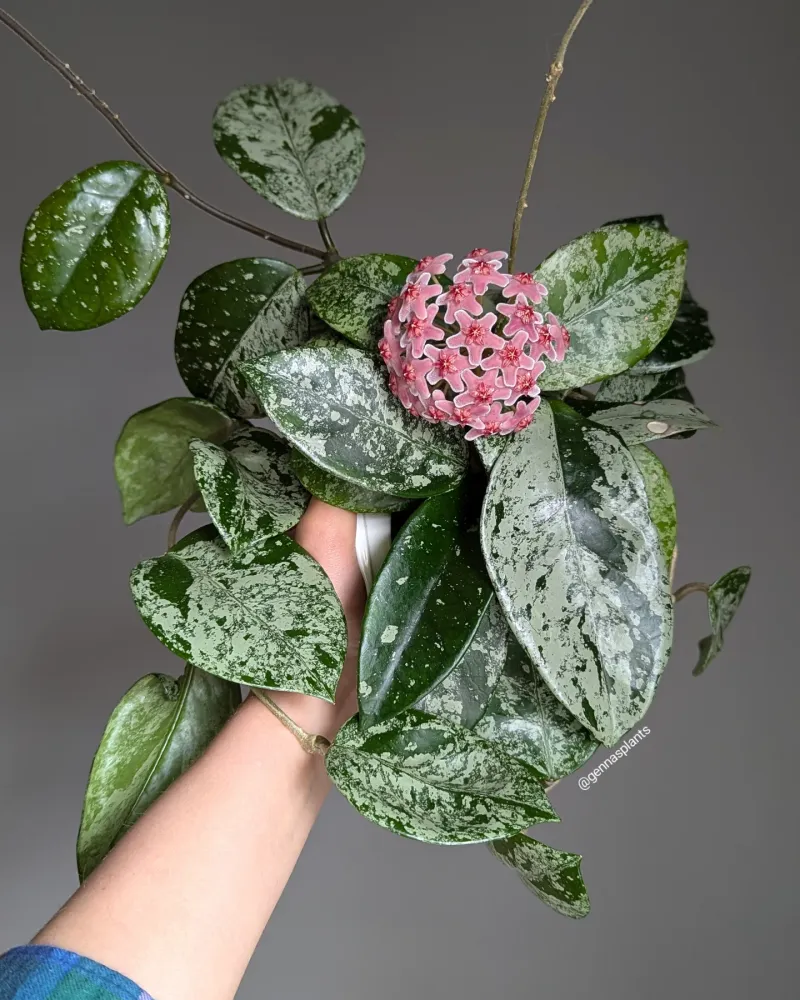
Thick waxy leaves give hoya carnosa a sculptural quality that stands out among softer-looking vines, adding structure to your indoor plant collection year-round.
Clusters of fragrant star-shaped flowers appear when conditions are right, filling your Illinois home with sweet perfume that rivals any expensive candle or diffuser.
Hoya prefers to dry out between waterings, making it forgiving for people who travel frequently or simply forget to check their plants regularly.
Bright indirect light encourages blooming, though this patient plant can survive in lower light while waiting for better conditions to arrive eventually over time.
Vines grow slowly at first but eventually reach impressive lengths, creating dramatic displays that showcase the plant’s unique beauty and resilient character traits.
Hoya carnosa tolerates temperature fluctuations well, which helps it survive near drafty windows or in rooms where thermostats get adjusted frequently throughout each day.
Once established, this vine becomes increasingly beautiful with age, developing character and charm that newer plants simply cannot match or replicate in any way.
6. Monstera Adansonii
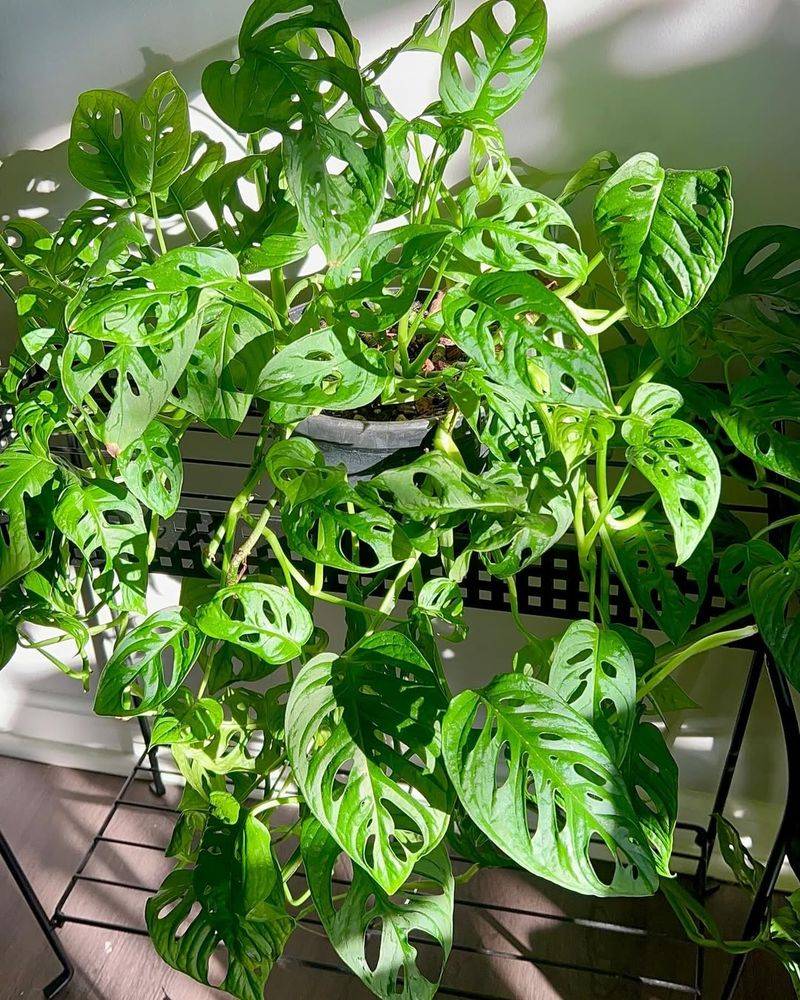
Natural holes perforate the leaves of this monstera variety, creating a Swiss cheese effect that adds whimsy and tropical flair to Illinois interiors instantly.
Monstera adansonii climbs naturally when given support like moss poles or trellises, allowing you to control its growth direction and create vertical gardens.
Bright indirect light keeps leaves healthy and encourages the development of more fenestrations, which are the characteristic holes that make this plant so distinctive.
Watering when the top two inches of soil feel dry prevents root rot while keeping the plant hydrated enough to produce new growth regularly.
This vine appreciates humidity, so placing it near other plants or using a pebble tray helps replicate its native tropical environment during dry winters.
Monstera adansonii grows faster than its larger cousin, monstera deliciosa, providing quicker gratification for impatient gardeners who want immediate results from their efforts.
Wiping leaves occasionally removes dust and allows the plant to photosynthesize more efficiently, keeping it vibrant and healthy throughout the coldest winter months ahead.
7. Scindapsus Pictus
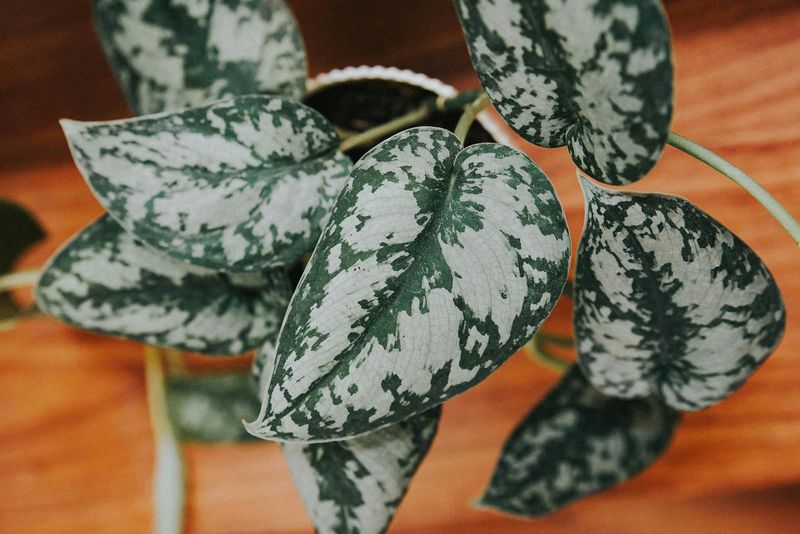
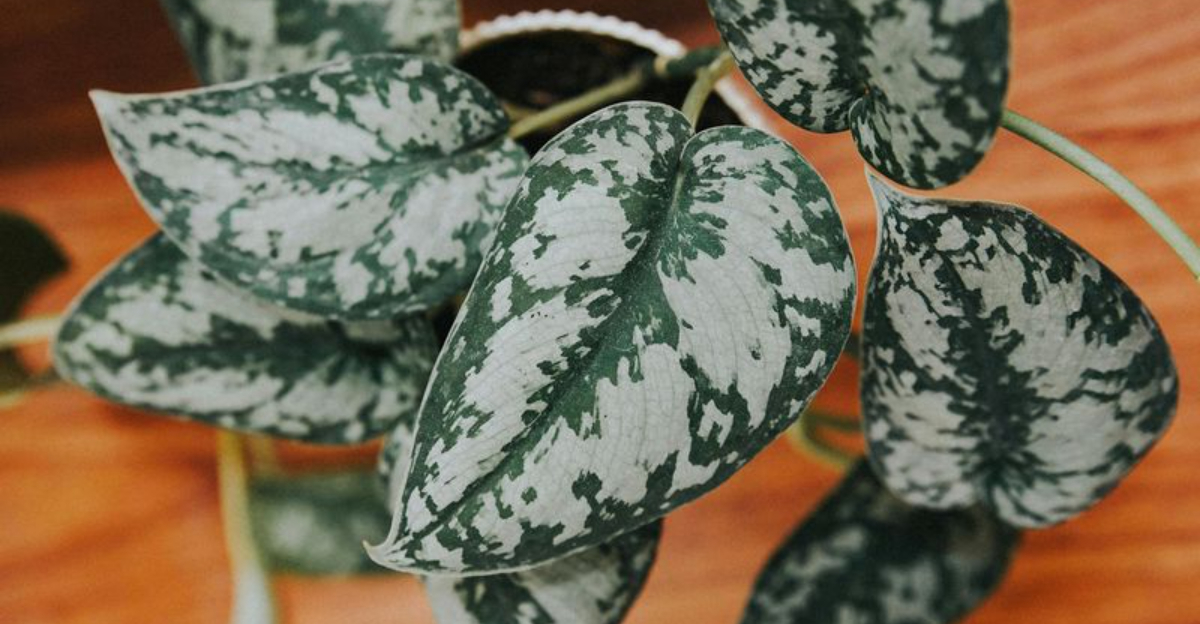
Silvery splashes across velvety dark green leaves make scindapsus pictus look like someone sprinkled stardust across each leaf surface with careful artistic precision.
This vine tolerates lower light better than many variegated plants, making it suitable for north-facing rooms or spaces far from windows in Illinois homes.
Scindapsus grows at a moderate pace, creating full cascading displays without becoming unruly or requiring constant trimming to maintain its attractive shape and form.
Watering every week or so keeps this plant happy, though it forgives occasional missed waterings better than it tolerates being kept too wet constantly.
The satin-like texture of the leaves adds tactile interest that invites gentle touching, making this plant especially appealing to children learning about nature indoors.
Scindapsus pictus rarely suffers from pest problems when grown indoors, which reduces the need for chemical treatments or complicated intervention strategies over time.
Cuttings propagate easily in water or soil, allowing you to create new plants for yourself or share this beautiful vine with friends and family members.
8. Jasmine
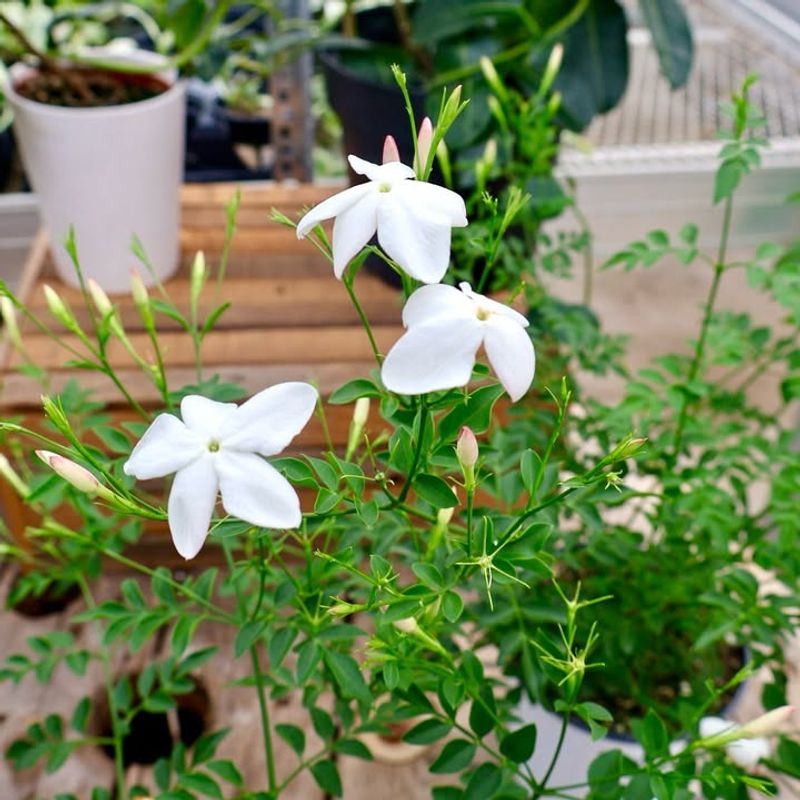
Intensely fragrant white flowers transform indoor jasmine into a sensory experience that goes beyond visual beauty, filling Illinois homes with heavenly tropical scent everywhere.
Jasmine needs bright light to bloom well, so placing it near a south-facing window gives it the energy required to produce its signature flowers.
Regular watering keeps the soil consistently moist but not soggy, which helps prevent bud drop and encourages continuous flowering throughout the entire winter season.
Training jasmine vines around decorative supports creates living sculptures that serve as focal points in any room that needs extra personality and charm added quickly.
This vine appreciates cooler nighttime temperatures, which naturally occur in many Illinois homes when thermostats get lowered before bedtime each evening for comfort.
Pruning after flowering encourages bushier growth and more blooms next season, rewarding your care efforts with increasingly impressive displays over the coming years ahead.
Jasmine brings a touch of romance to winter interiors, reminding you of warm tropical nights even when snow blankets the ground outside your windows.
9. Cissus Rhombifolia
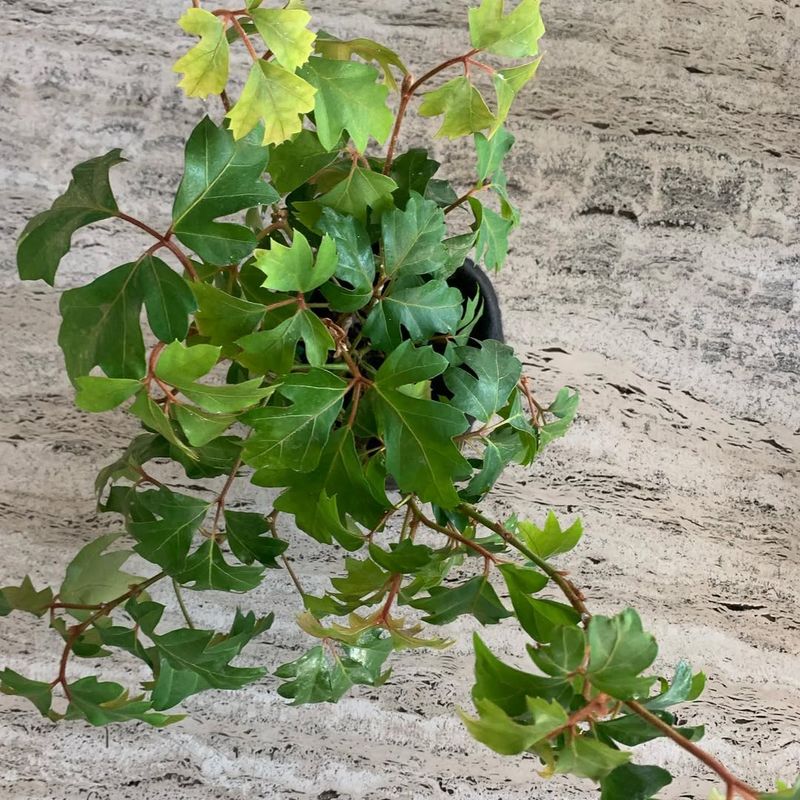
Diamond-shaped leaves give cissus rhombifolia its common name of grape ivy, though it produces no grapes and simply offers beautiful foliage year-round instead.
This vine adapts to various light conditions, from bright indirect to moderate shade, making it versatile for different rooms throughout your Illinois home’s layout.
Cissus grows vigorously once established, quickly filling empty spaces with lush greenery that softens hard edges and adds natural warmth to cold winter interiors.
Watering when the soil surface dries out works well, though this forgiving plant tolerates occasional inconsistency without showing immediate signs of stress or decline.
Tendrils reach out naturally to grab onto nearby supports, allowing the vine to climb or trail depending on how you position it initially.
Cissus rhombifolia tolerates temperature variations better than many tropical vines, surviving near doors or windows where cold drafts occasionally sneak inside during harsh weather.
Pinching back growing tips encourages fuller growth and prevents the vine from becoming too leggy or sparse as it matures over several growing seasons.
10. Tradescantia Zebrina
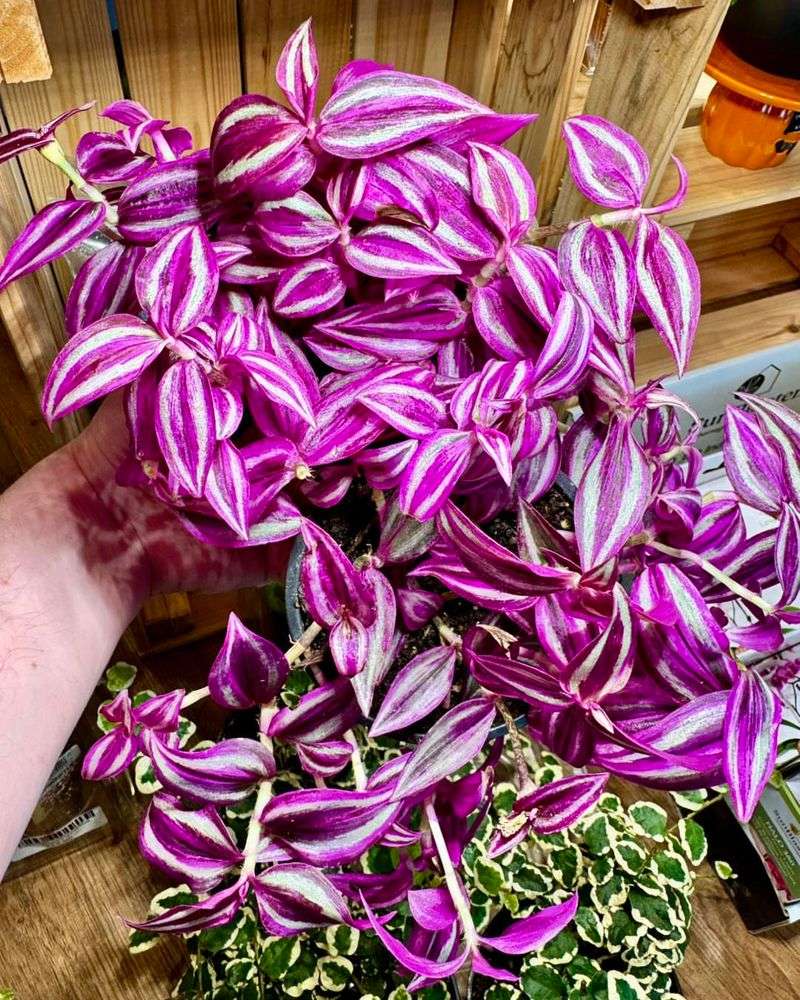
Striking purple and silver stripes make tradescantia zebrina one of the most colorful vines available, adding bold visual impact to neutral Illinois home interiors.
This fast-growing plant fills containers quickly, creating full cascading displays within just a few months of planting small cuttings in fresh potting soil.
Bright light intensifies the purple coloration, though tradescantia tolerates lower light by reverting to greener shades that still look attractive and healthy overall.
Frequent watering keeps this thirsty vine happy, though allowing slight drying between waterings prevents root rot and other moisture-related problems from developing unexpectedly.
Tradescantia zebrina propagates incredibly easily, with stem cuttings rooting in water within days and establishing quickly when planted in soil afterward successfully.
Pinching back leggy stems encourages bushier growth and prevents the plant from becoming sparse or unattractive as older leaves naturally fade over extended time.
This vine brings a playful tropical vibe to any space, proving that bold color can thrive indoors even during the grayest Illinois winter days.
11. Philodendron Micans
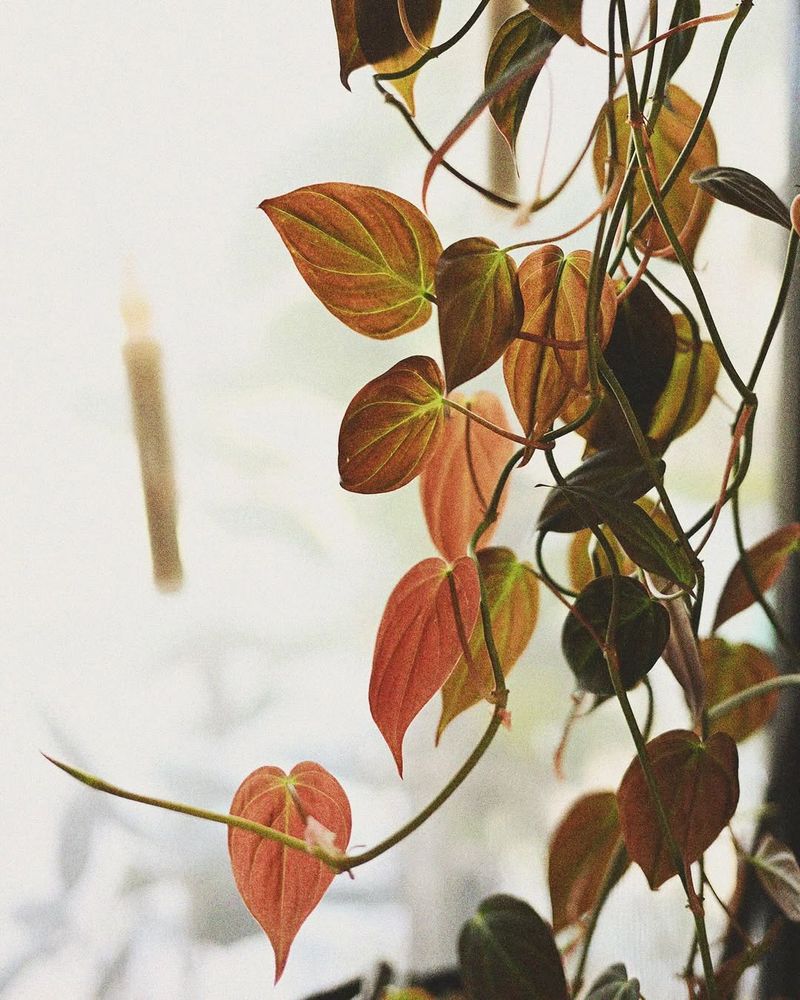
Velvety leaves with an iridescent bronze sheen make philodendron micans look like living jewelry draped across shelves or hanging from decorative macrame holders.
This philodendron variety tolerates lower light better than many other tropical vines, making it suitable for rooms that receive limited natural sunlight during winter.
New leaves emerge with intense burgundy coloration that gradually deepens to bronze-green as they mature, creating a constantly changing display of natural beauty.
Watering when the top inch of soil feels dry prevents overwatering while ensuring the plant receives adequate moisture to support healthy growth patterns consistently.
Philodendron micans appreciates moderate humidity but tolerates drier conditions better than many other philodendron species, adapting well to typical Illinois home environments year-round.
This vine grows at a moderate pace, filling containers nicely without becoming overwhelming or requiring constant maintenance to keep it under control successfully.
Wiping the velvety leaves gently removes dust and enhances their natural sheen, making the plant look even more stunning and well-cared-for in your space.
12. Senecio Rowleyanus
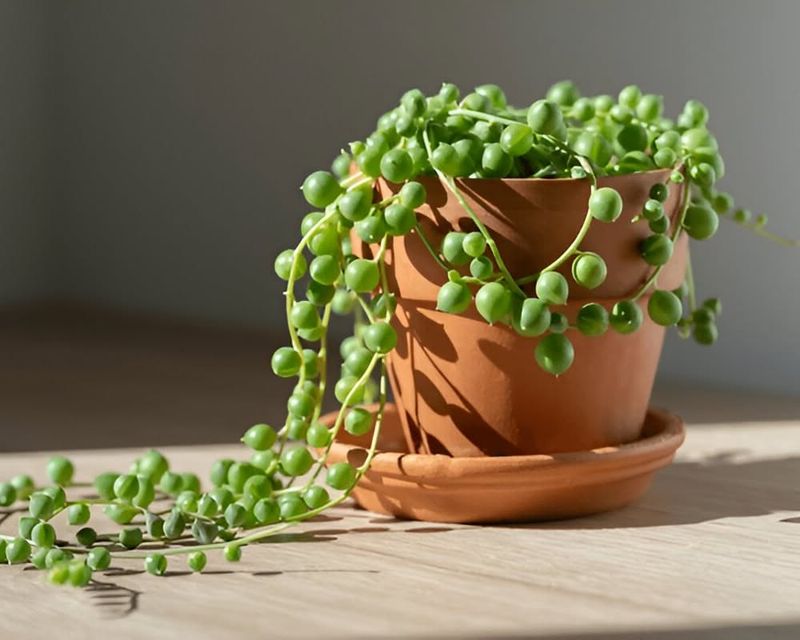
Perfectly round bead-like leaves strung along thin stems make senecio rowleyanus look like natural pearl necklaces cascading from containers with elegant simplicity and grace.
This succulent vine requires infrequent watering and excellent drainage, preferring to stay on the dry side rather than risk root rot from excessive moisture.
Bright indirect light keeps string of pearls compact and plump, while insufficient light causes the beads to shrink and stems to stretch awkwardly.
Senecio rowleyanus grows relatively slowly, which means it maintains its appearance without requiring constant trimming or intervention to keep it looking attractive and tidy.
This unusual vine adds conversation-starting interest to any room, with its distinctive appearance guaranteed to catch the attention of visitors and plant enthusiasts alike.
String of pearls tolerates dry indoor air better than most houseplants, thriving in heated Illinois homes where winter humidity levels drop to uncomfortable lows.
Propagating this vine requires careful handling since the delicate beads detach easily, but successful cuttings reward patience with charming new plants that grow steadily.
13. Rhaphidophora Tetrasperma
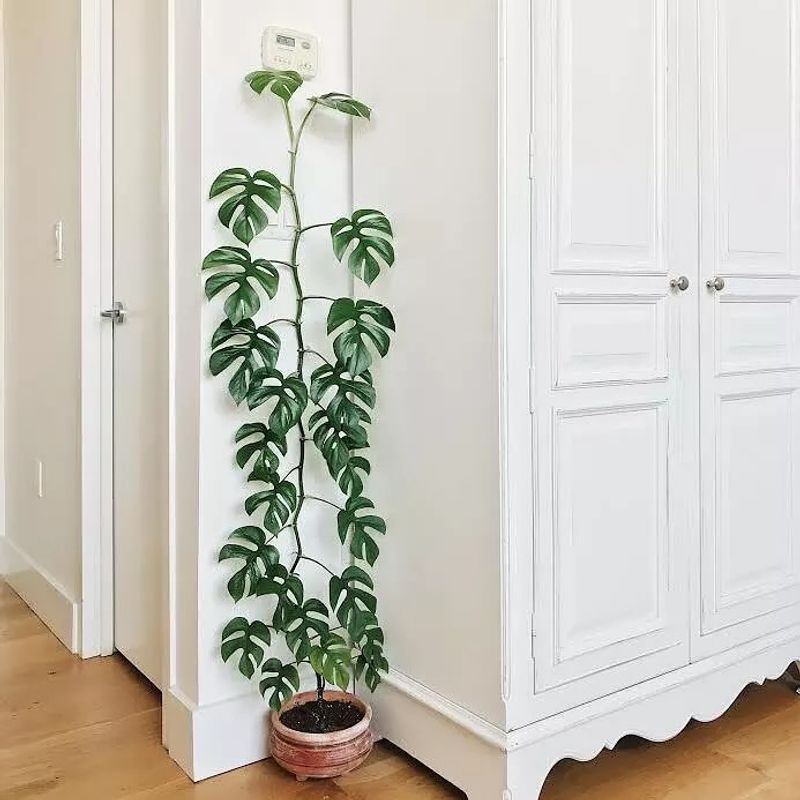
Split leaves resembling miniature monstera deliciosa give rhaphidophora tetrasperma its nickname, though it grows faster and requires less space than its larger cousin.
This vine climbs naturally when provided with support, creating vertical green displays that maximize limited floor space in apartments or smaller Illinois homes effectively.
Bright indirect light encourages rapid growth and leaf splitting, while lower light slows development and may result in smaller leaves with fewer fenestrations overall.
Watering when the top two inches of soil dry out maintains proper moisture levels without risking root rot or other water-related problems that damage plants.
Rhaphidophora tetrasperma appreciates humidity but adapts reasonably well to drier conditions, making it more forgiving than some other tropical species during Illinois winters.
This fast-growing vine provides quick results for impatient gardeners who want to see noticeable progress within weeks rather than waiting months for changes.
Pruning encourages bushier growth and provides cuttings for propagation, allowing you to expand your collection or share this attractive vine with friends and neighbors easily.