Indoor Winter Seed-Starting Tips Every Michigan Gardener Should Know Before Spring
In Michigan, winter has a habit of overstaying its welcome.
Snow lingers, soil stays frozen, and spring can feel like a moving target.
But savvy gardeners know better than to sit on their hands.
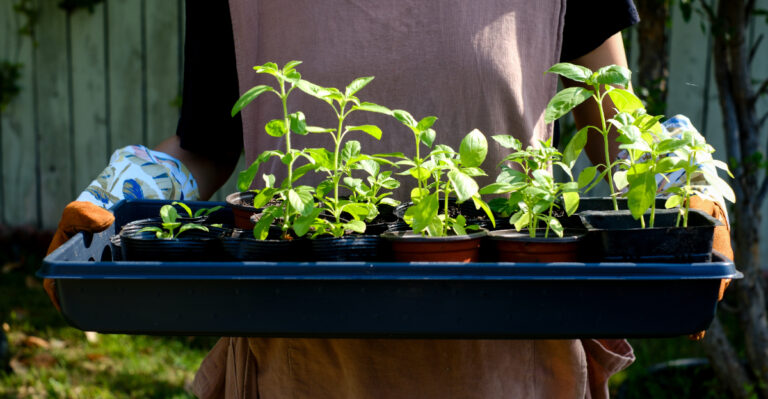
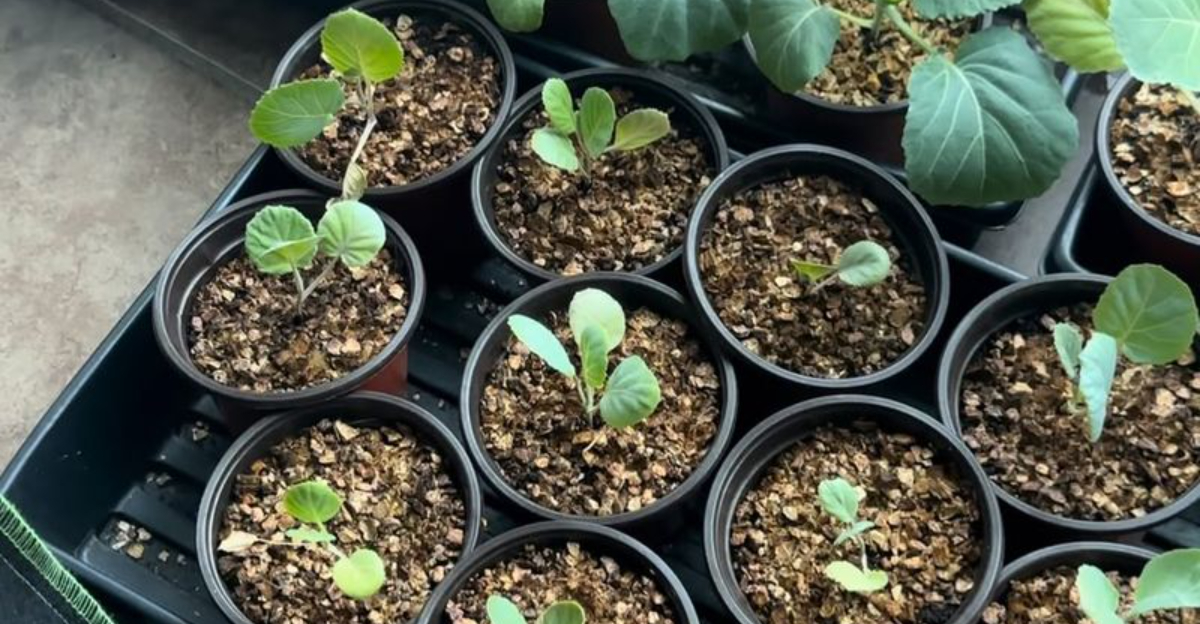
While the ground outside rests, the real action starts indoors, where seed trays quietly set the stage for the growing season ahead.
Indoor seed-starting isn’t just a way to pass the time—it’s how Michigan gardeners get a head start in a short growing window.
Done right, it means sturdier plants, earlier harvests, and fewer trips to the garden center come May.
Done wrong, though, it can lead to leggy seedlings, moldy soil, and a whole lot of frustration.
The good news? You don’t need a greenhouse or complicated setup.
With the right timing, light, and a few smart adjustments, indoor seed-starting becomes one of the most rewarding parts of winter.
These tips are designed specifically for homes dealing with dry heat, low light, and unpredictable weather—real-life conditions across Michigan.
Start strong now, and when spring finally shows up, you’ll be more than ready.
Start Seeds At The Right Time For Michigan’s Short Growing Season
Timing your seed starting can make or break your garden success in Michigan.
Our state has a notoriously short growing season, with the last frost typically arriving in mid to late May across most regions.
Starting seeds too early means your seedlings will become leggy, weak, and rootbound before they can safely go outside.
When seedlings sit indoors too long, they stretch toward light sources and develop thin stems that struggle to support themselves later.
On the flip side, starting too late means your plants will not have enough time to mature and produce before fall frosts arrive.
Tomatoes, peppers, and eggplants need six to eight weeks indoors before transplanting, while broccoli and cabbage only need about five to six weeks.
Counting backward from your local last frost date helps you determine the perfect starting window for each crop.
Keep a simple chart or calendar in your seed-starting area to track when each variety should be sown.
Michigan gardeners who pay attention to timing enjoy stronger transplants that adjust quickly to outdoor conditions.
Getting the timing right sets the foundation for a productive and rewarding growing season ahead.
Use Grow Lights Instead Of Relying On Winter Sunlight
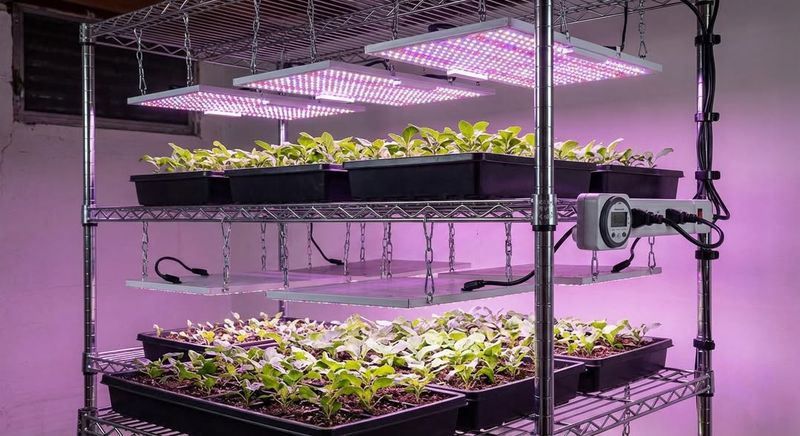
Winter sunlight in Michigan is simply not strong enough to grow healthy seedlings.
Even a south-facing window provides only a fraction of the light intensity that young plants need to develop properly.
Seedlings grown without supplemental lighting stretch and lean desperately toward the window, creating weak and spindly stems.
Grow lights solve this problem by delivering consistent, full-spectrum light that mimics the sun during longer days.
You do not need expensive equipment to get started with grow lights in your home.
Basic LED shop lights or fluorescent tubes work wonderfully for most seedlings and cost far less than specialized horticultural fixtures.
Position your lights about two to four inches above the tops of your seedlings and adjust the height as they grow taller.
Running your lights for fourteen to sixteen hours per day gives seedlings the energy they need for strong, compact growth.
Using a simple timer takes the guesswork out of managing your light schedule each day.
Michigan gardeners who invest in even basic grow lights notice dramatic improvements in seedling quality and transplant success rates compared to relying on natural winter light alone.
Choose Cold-Tolerant Crops For Early Seed Starting
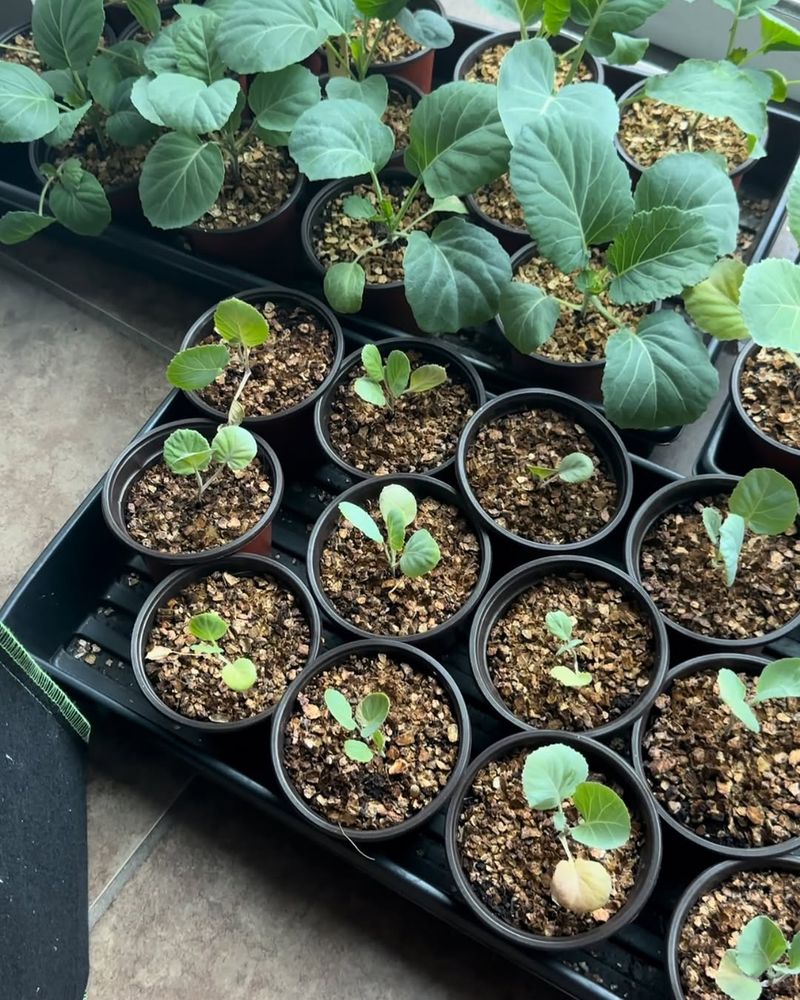
Not all plants benefit equally from early indoor seed starting in Michigan.
Cold-tolerant crops handle the unpredictable temperature swings of Michigan springs far better than heat-loving varieties.
Vegetables like broccoli, cauliflower, cabbage, and kale can be started indoors in late winter and transplanted outside several weeks before the last frost.
These hardy crops actually prefer cooler temperatures and will establish strong root systems even when nights dip into the thirties.
Lettuce, spinach, and other leafy greens also respond well to early starting and can handle light frosts once hardened off properly.
For flowers, pansies, snapdragons, and sweet peas tolerate cold conditions beautifully and add color to early spring gardens.
Starting these crops indoors gives them a head start while protecting them from harsh winter weather outside.
By the time warmer weather arrives, your cold-tolerant plants will already be well-established and producing.
Meanwhile, heat-loving crops like tomatoes, peppers, and basil should be started later to avoid the stress of cold spring temperatures.
Matching your seed-starting schedule to each crop’s temperature preferences ensures healthier plants and better harvests throughout the season.
Use Sterile Seed-Starting Mix, Not Garden Soil
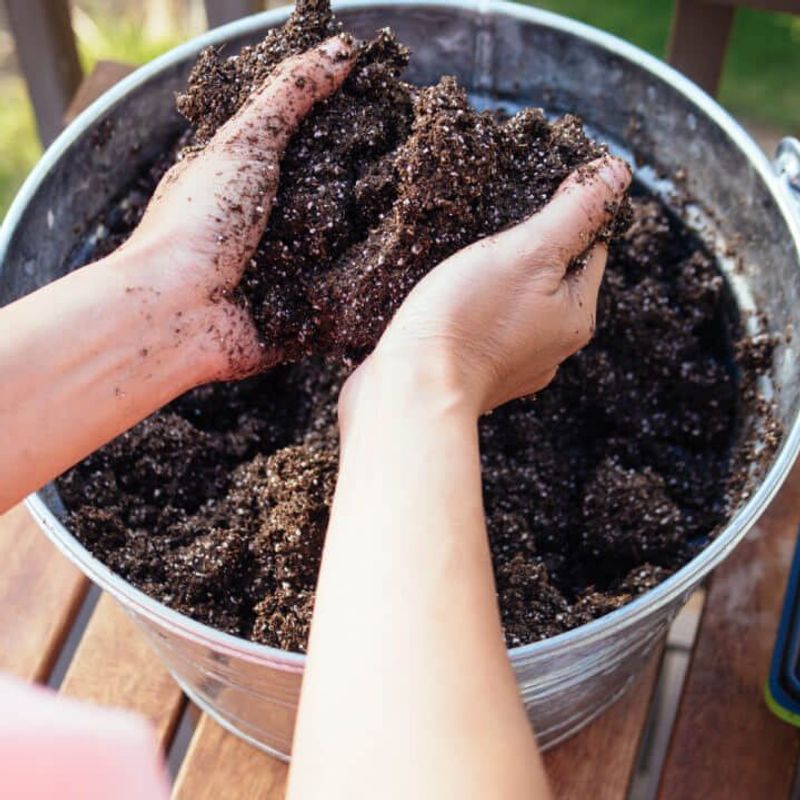
Garden soil might seem like a natural choice for starting seeds, but it can cause serious problems indoors.
Outdoor soil contains fungi, bacteria, and other organisms that can cause a condition called damping-off, which causes seedlings to collapse suddenly.
Sterile seed-starting mix is specially formulated to be light, fluffy, and free from harmful pathogens that threaten delicate young plants.
The mix drains well while still holding enough moisture to keep seeds consistently hydrated during germination.
Michigan’s indoor winter conditions create the perfect environment for fungal diseases to thrive, making sterile mix even more important here.
Warm, humid air combined with poor ventilation can quickly lead to mold growth and seedling loss when using regular soil.
Seed-starting mixes are also free of fertilizers, which can be too strong for tender new roots.
Once your seedlings develop their first true leaves, you can begin feeding them with diluted liquid fertilizer.
Investing in quality seed-starting mix may cost a bit more upfront, but it dramatically increases your success rate.
Michigan gardeners who switch from garden soil to sterile mix notice healthier seedlings with stronger growth and far fewer losses to disease.
Keep Seedlings Warm—But Not Too Warm
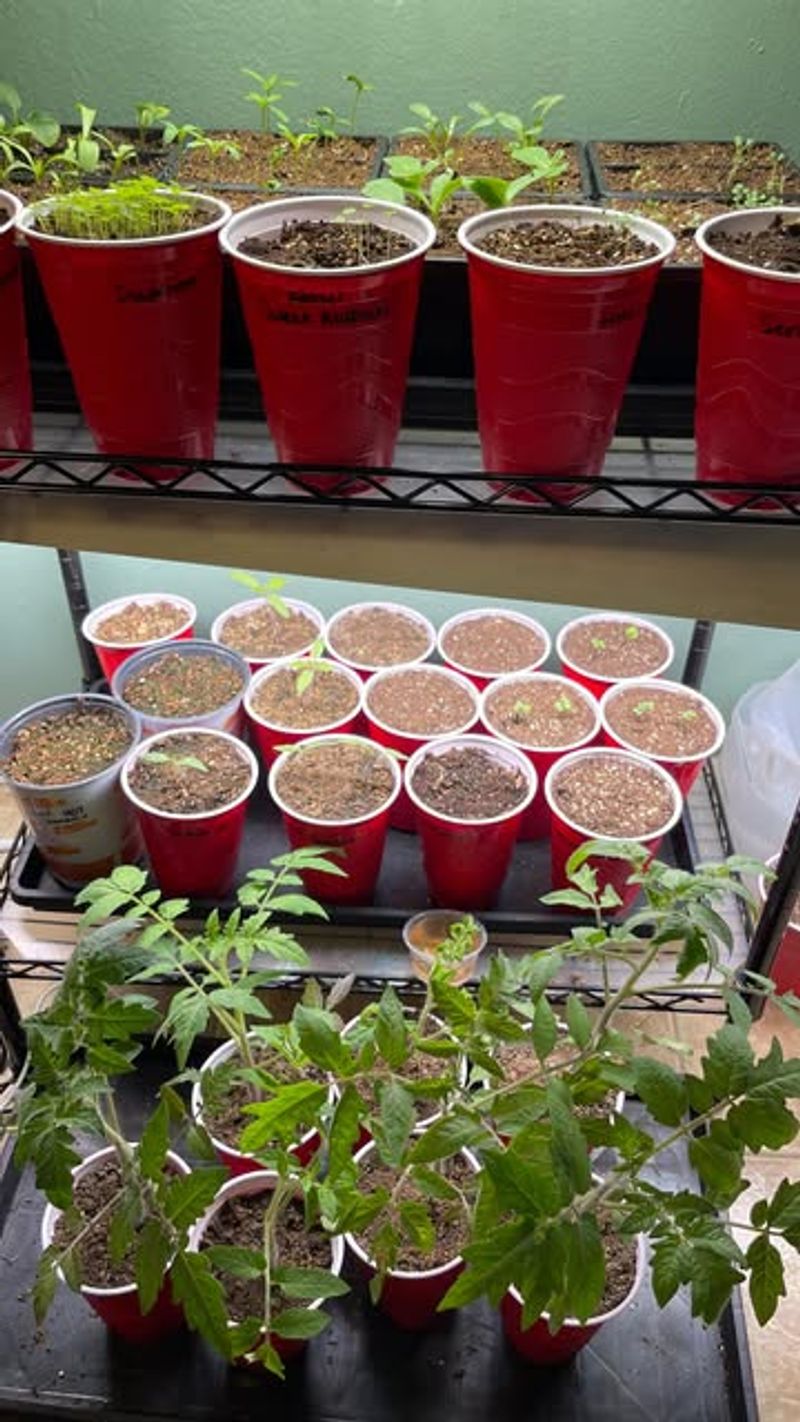
Temperature plays a critical role in successful seed germination and healthy seedling development.
Most vegetable seeds germinate best when soil temperatures stay between seventy and eighty degrees Fahrenheit.
Michigan homes during winter can be drafty and cool, especially near windows where many gardeners try to grow seedlings.
Placing seed trays on heat mats helps maintain consistent warmth that encourages fast and even germination.
Once seeds sprout, however, they prefer slightly cooler conditions to prevent leggy, weak growth.
Daytime temperatures around sixty-five to seventy degrees work well for most seedlings, with nighttime temperatures dropping five to ten degrees lower.
Keeping seedlings too warm after germination causes them to grow too quickly, resulting in tall, floppy stems that cannot support themselves.
Moving trays away from heat sources once sprouts appear helps create the cooler environment that promotes sturdy, compact growth.
Monitoring temperatures with a simple thermometer takes the guesswork out of managing your indoor growing conditions.
Michigan gardeners who balance warmth for germination with cooler conditions for growth produce seedlings that transplant successfully and thrive outdoors.
Water From The Bottom To Prevent Weak Roots
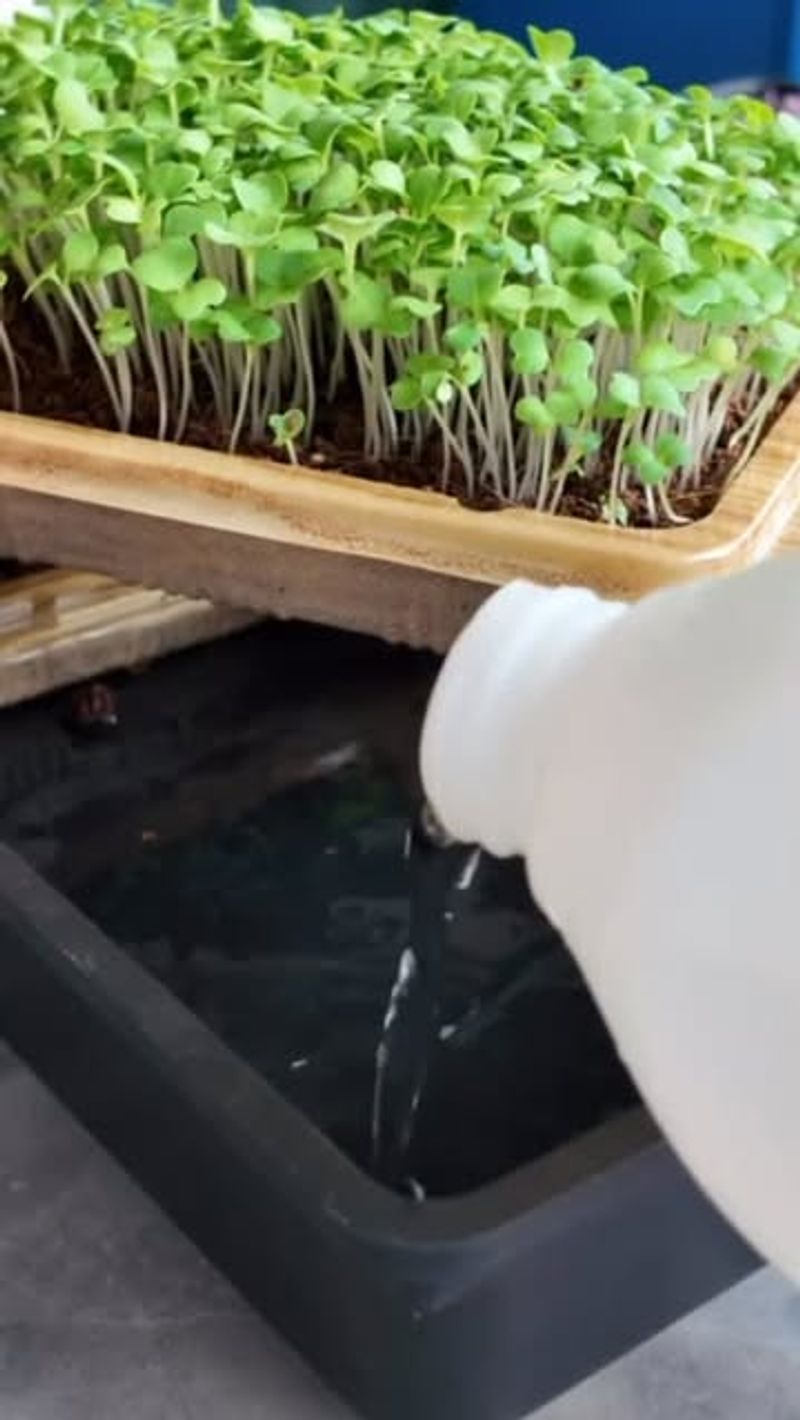
How you water your seedlings matters just as much as how often you water them.
Top watering with a watering can or spray bottle often leads to overwatering, soil compaction, and fungal problems on leaves and stems.
Bottom watering encourages roots to grow downward in search of moisture, creating stronger and more resilient root systems.
To water from the bottom, simply place your seedling trays in a shallow container filled with about an inch of water.
The soil will absorb moisture through the drainage holes, gradually wetting the entire root zone without disturbing delicate seedlings.
After fifteen to thirty minutes, remove the trays and allow any excess water to drain away completely.
This method prevents water from sitting on leaves and stems, which can lead to mold and fungal growth in humid indoor environments.
Bottom watering also helps you avoid the common mistake of keeping soil too wet, which suffocates roots and encourages rot.
Check soil moisture by feeling the surface before watering again, making sure the top layer has dried out slightly.
Michigan gardeners who adopt bottom watering techniques notice healthier seedlings with stronger root development and fewer disease issues throughout the growing process.
Provide Airflow To Build Strong Stems
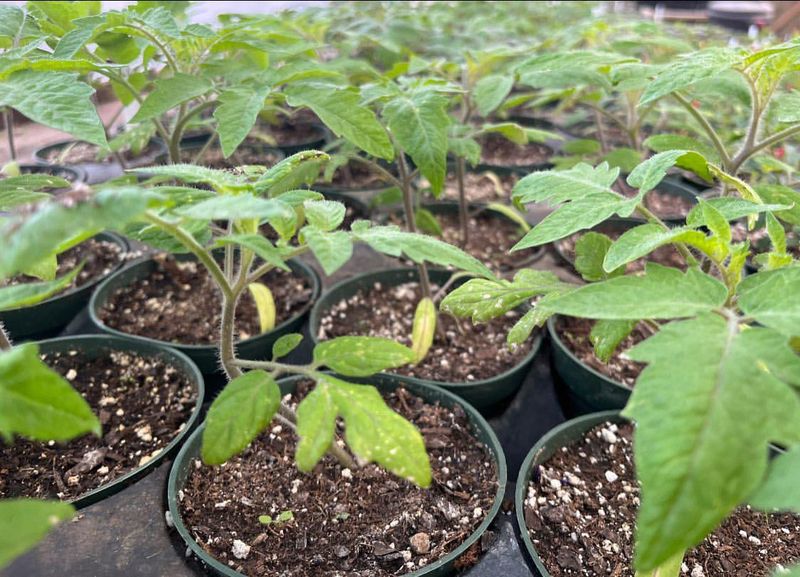
Seedlings grown indoors often develop weak, floppy stems because they lack the natural wind that strengthens outdoor plants.
Gentle air movement mimics outdoor breezes and encourages seedlings to develop thicker, sturdier stems that can support themselves.
Without airflow, seedlings remain fragile and struggle to stand upright once transplanted into the garden.
Setting up a small oscillating fan near your seedlings provides the movement they need to build strength.
Position the fan so it creates a gentle breeze that causes leaves to sway slightly without bending stems over.
Running the fan for a few hours each day is usually enough to make a noticeable difference in stem thickness and overall plant structure.
Airflow also helps reduce humidity around seedlings, which lowers the risk of fungal diseases and mold growth.
In Michigan homes where winter air can be stagnant and humid, adding a fan improves growing conditions significantly.
You can use an inexpensive desk fan or clip-on fan, adjusting the speed and direction to suit your setup.
Gardeners who provide consistent airflow to their seedlings enjoy plants that transition smoothly to outdoor conditions and stand strong against wind and weather.
Don’t Skip Thinning—Even When It Feels Wasteful
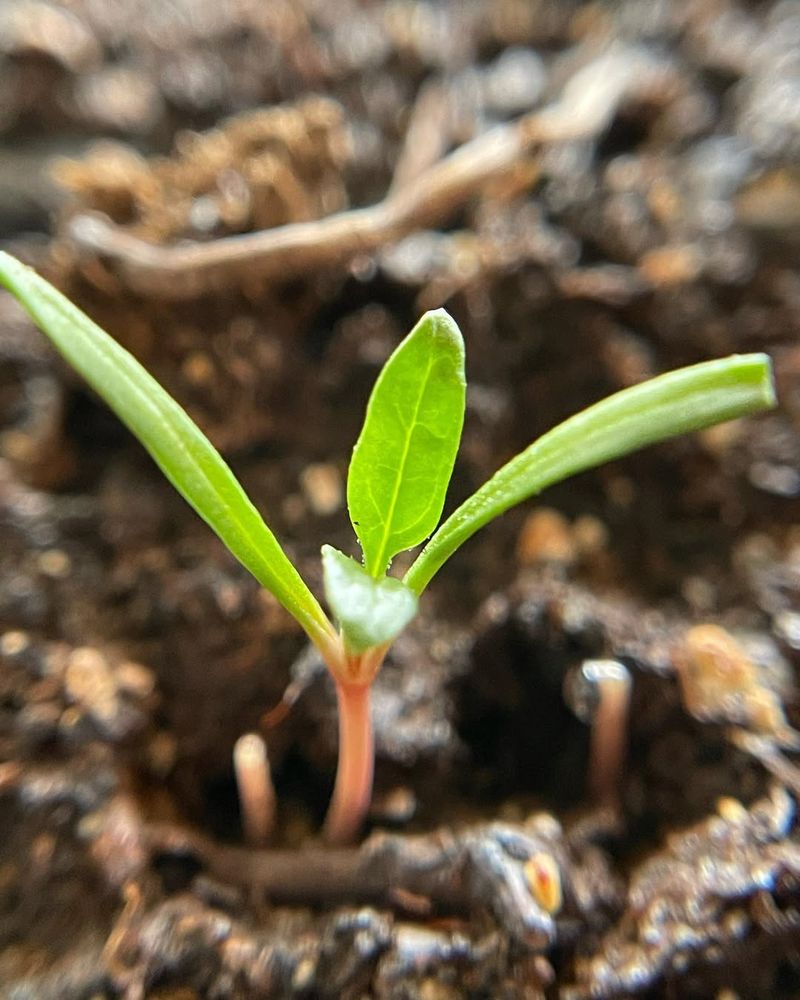
Thinning seedlings can feel heartbreaking, especially after carefully nurturing every single sprout.
However, overcrowded seedlings compete fiercely for light, water, and nutrients, resulting in weak plants that never reach their full potential.
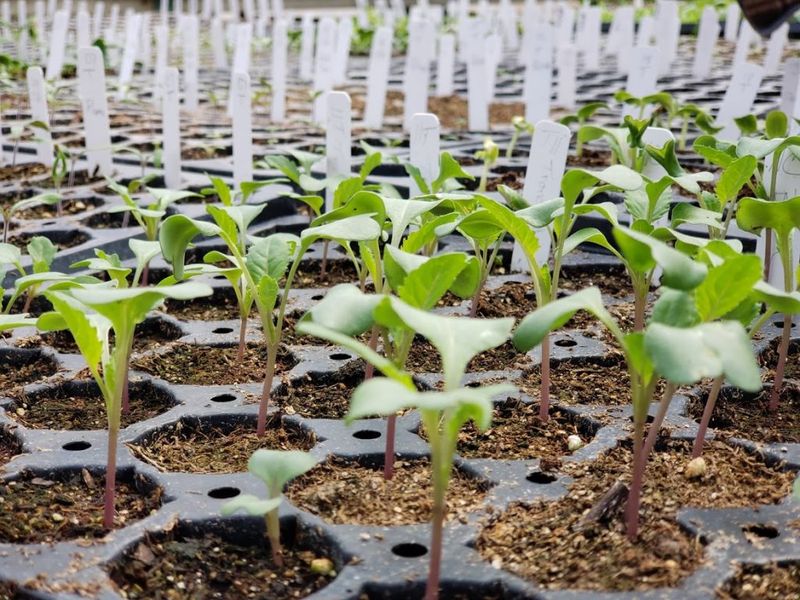
Leaving too many seedlings in one cell or pot creates a tangled mess of roots that makes transplanting difficult and stressful for plants.
Thinning involves removing the weakest seedlings to give the strongest ones room to grow and develop properly.
Use small scissors to snip off extra seedlings at soil level rather than pulling them out, which can disturb the roots of nearby plants.
Most seeds should be thinned to one or two seedlings per cell, depending on the size of your containers.
Michigan gardeners often make the mistake of trying to save every seedling, which leads to disappointing results at transplant time.
Thinned seedlings grow faster, develop thicker stems, and produce larger root systems that establish quickly in the garden.
If thinning feels too wasteful, you can sometimes gently separate and replant extra seedlings into their own containers.
Embracing the thinning process ensures your best seedlings have the space and resources they need to become strong, productive plants.
Prepare Seedlings Early For Michigan’s Outdoor Conditions
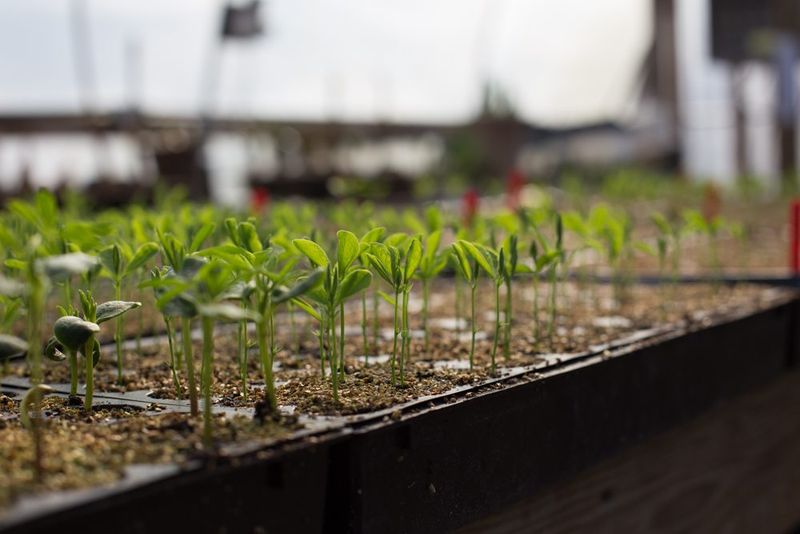
Hardening off is the process of gradually acclimating indoor seedlings to outdoor conditions before transplanting them permanently.
Skipping this step often results in shocked, sunburned, or wind-damaged plants that struggle to recover.
Michigan’s spring weather can be especially unpredictable, with warm sunny days followed by cold, windy nights that stress unprepared seedlings.
Begin hardening off about one to two weeks before your planned transplant date.
Start by placing seedlings outside in a sheltered, shaded spot for just an hour or two on the first day.
Gradually increase their outdoor time each day while slowly introducing them to more sunlight and wind exposure.
Bring seedlings back indoors each night for the first few days, especially if temperatures are expected to drop below fifty degrees.
After about a week, your seedlings can stay outside overnight as long as frost is not predicted.
This gradual transition toughens up leaves and stems, helping plants adjust to fluctuating temperatures, direct sunlight, and natural breezes.
Michigan gardeners who take the time to harden off seedlings properly enjoy transplants that establish quickly, grow vigorously, and produce abundant harvests throughout the season.