Instagrammable Plant Spots In Arizona You Probably Never Knew About
Arizona is packed with plant-filled corners that look straight out of a photo lover’s dream, yet most people walk right past them.
Some spots burst with color, others feel tucked away and quiet, each one giving you a totally different kind of moment.
You end up with a list that makes you want to grab your phone and see which hidden corner becomes your new favorite snapshot.
1. Desert Botanical Garden’s Wildflower Loop Trail
Wildflowers transform the desert into a painter’s canvas every spring at this Phoenix treasure.
The loop trail stretches through acres of native plants that burst with color from February through May depending on winter rainfall patterns.
Photographers love capturing the contrast between delicate petals and tough desert survivors like saguaros and prickly pears standing tall nearby.
You’ll find this magical spot at 1201 North Galvin Parkway in Phoenix, Arizona, where admission grants access to thousands of desert species.
Bring your camera during early morning hours when soft light makes the flowers practically glow against the rusty desert soil below.
The trail winds gently through different ecosystems, so every turn reveals new photo opportunities you won’t want to miss.
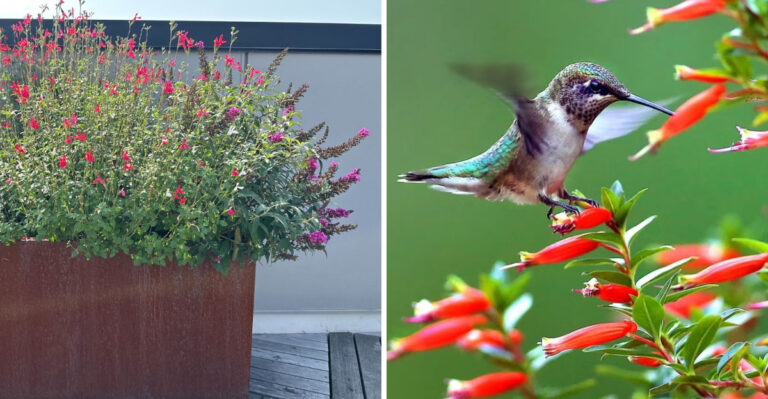
Visitors often spot hummingbirds darting between blooms, adding movement and life to already spectacular plant compositions perfect for social media sharing.
2. Boyce Thompson Arboretum’s Cactus Garden
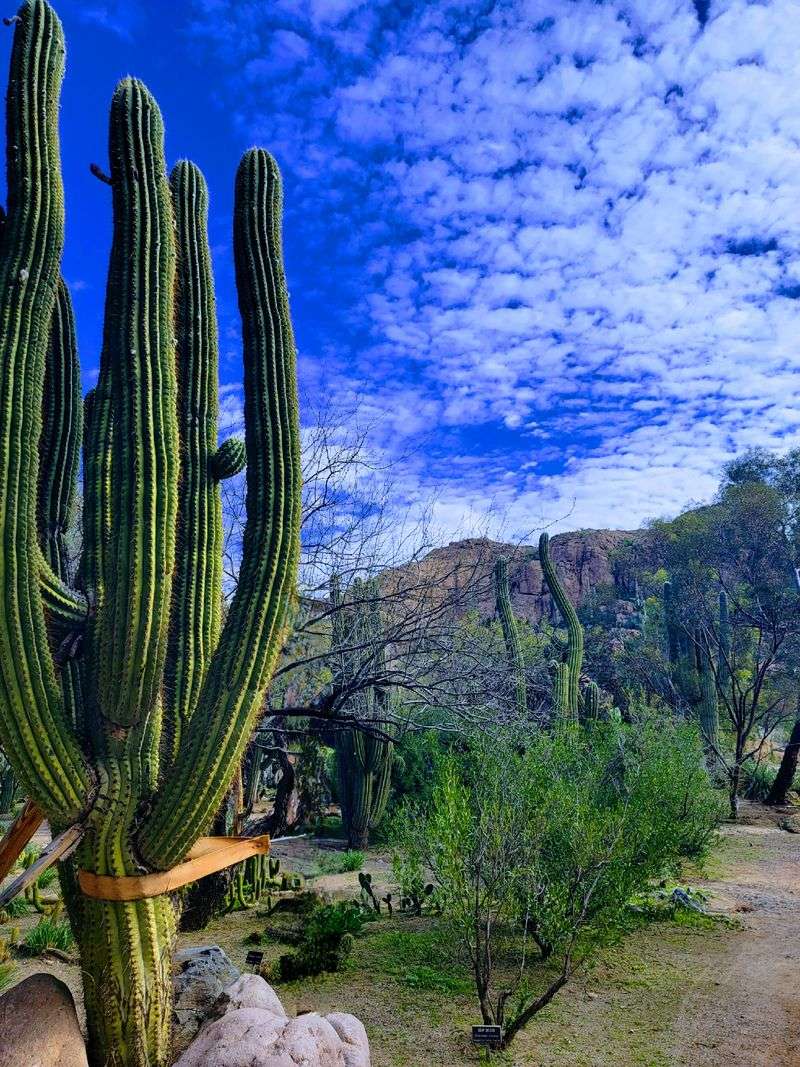
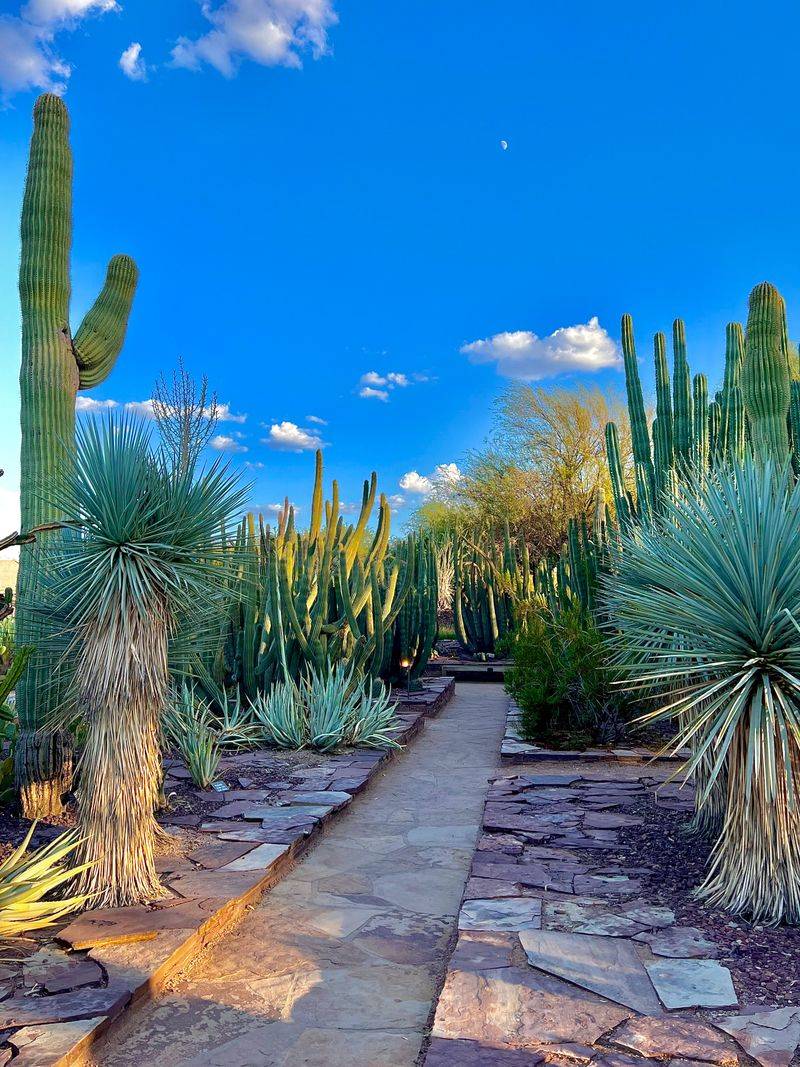
Giant cacti reaching toward the sky create an otherworldly landscape that feels like stepping onto another planet entirely.
Located between Phoenix and Tucson along Highway 60, this arboretum showcases plants from deserts around the world in one stunning location.
The Cactus Garden specifically features specimens that tower overhead, some growing for decades before reaching their impressive current heights and widths.
You can find this botanical wonderland at 37615 East Arboretum Way in Superior, Arizona, nestled against beautiful mountain cliffs and rock formations.
Sunset photography here produces incredible silhouettes as the sun dips behind massive columnar cacti that frame the desert sky perfectly.
Winding paths lead visitors through carefully arranged plantings that demonstrate how diverse and colorful desert vegetation can truly become over time.
The garden changes with seasons, offering different blooms and textures throughout the year for photographers seeking fresh content and unique perspectives.
3. Tohono Chul’s Pollinator Garden

Butterflies dance between flowering plants while hummingbirds zip past your head in this enchanting Tucson sanctuary dedicated to desert pollinators.
The garden bursts with color year-round, featuring native Arizona plants specifically chosen to attract bees, birds, and beautiful butterflies to the area.
Photographers can capture incredible action shots of wildlife interacting with blooms, creating dynamic images that tell stories about desert ecosystems.
Visit this peaceful oasis at 7366 North Paseo del Norte in Tucson, where admission includes access to multiple themed gardens throughout the property.
Spring brings peak blooming season when penstemon, desert marigolds, and brittlebush create waves of purple, yellow, and gold across the landscape.
The garden designers arranged plants by height and color, creating natural compositions that look professionally styled even without any editing required.
Educational signs throughout help visitors identify species, adding interesting captions and facts to accompany your Instagram posts about Arizona’s native flora.
4. Flagstaff’s Arboretum Butterfly Garden
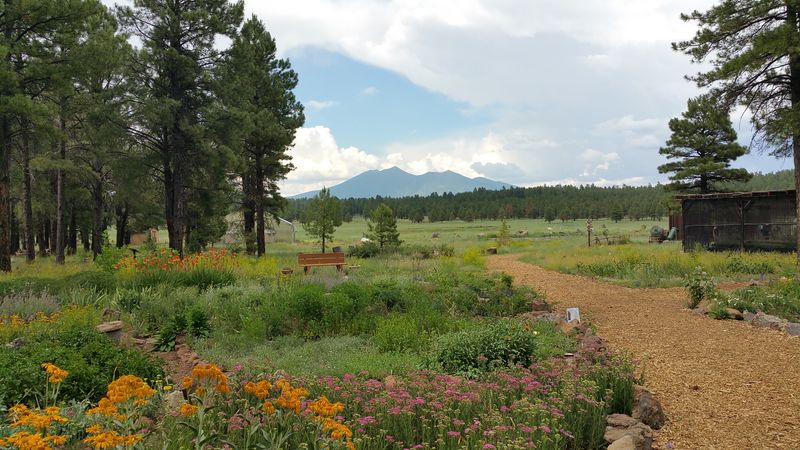
Pine trees surround this unexpected garden where mountain wildflowers replace typical desert plants, offering a completely different Arizona plant experience.
Flagstaff sits at 7,000 feet elevation, creating cooler temperatures that support species you’d never find in Phoenix or Tucson’s lower desert regions.
The Arboretum’s Butterfly Garden showcases how Arizona’s diverse climates produce wildly different ecosystems just hours apart by car or hiking trail.
Located at 4001 South Woody Mountain Road in Flagstaff, this spot proves Arizona offers more than just cacti and sand dunes.
Summer months bring the best displays when alpine flowers bloom in purples, pinks, and whites against the backdrop of towering ponderosa pines.
Butterflies float through the cool mountain air here, moving more slowly than their desert cousins, making them easier to photograph up close.
The combination of forest and flowers creates unique photo opportunities that surprise people who think Arizona only has one type of landscape.
5. Tucson Botanical Gardens’ Barrio Garden
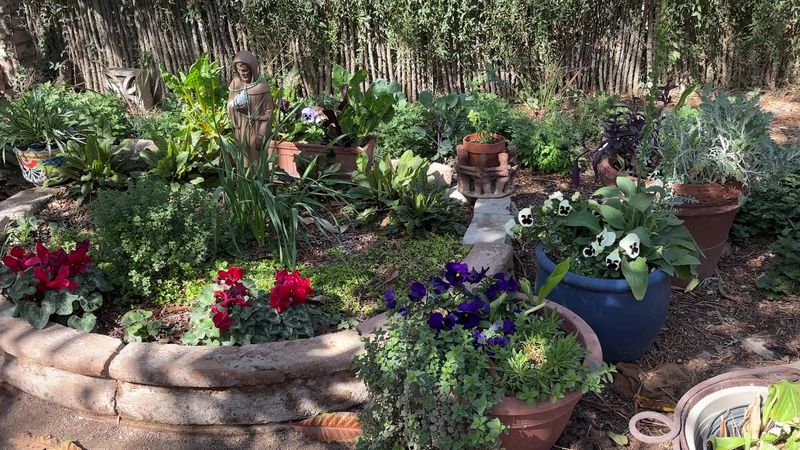
Colorful pottery overflowing with succulents lines pathways through this garden celebrating Arizona’s rich cultural heritage and traditional Mexican gardening styles.
The Barrio Garden recreates a typical neighborhood garden from Tucson’s historic districts, blending ornamental and edible plants in beautiful arrangements.
Bright painted walls, terra cotta pots, and flowering vines create endless photo opportunities that capture the Southwest’s distinctive aesthetic and charm.
You’ll discover this cultural gem at 2150 North Alvernon Way in Tucson, where multiple themed gardens offer variety within one property.
Spring brings citrus blossoms that fill the air with sweet fragrance while roses and herbs add layers of color and texture.
The garden demonstrates how Arizona residents have adapted plants from Mexico and the Mediterranean to thrive in the Sonoran Desert climate.
Instagram posts from this location naturally incorporate cultural elements, architecture, and plants together, creating more interesting compositions than simple plant portraits alone.
6. Yuma’s Sanguinetti House Museum Gardens

Victorian-era gardens surround this historic mansion, transporting visitors back to when Yuma was Arizona’s agricultural center along the Colorado River.
Heritage roses climb white picket fences while citrus trees heavy with fruit demonstrate how early settlers transformed the desert into productive gardens.
The contrast between formal garden design and wild desert landscape creates compelling photographs that tell stories about Arizona’s agricultural history.
Find this hidden treasure at 240 South Madison Avenue in Yuma, where the museum and gardens preserve 1870s lifestyle and landscaping techniques.
Winter months offer the best visiting conditions when Yuma’s temperatures drop and citrus fruits ripen on trees throughout the historic property grounds.
Photographers appreciate the combination of architecture, heritage plants, and historical context that adds depth and meaning to simple garden photographs.
The gardens prove that Arizona’s plant diversity extends beyond native species to include cultivated varieties that early residents brought from distant places.
7. Phoenix’s Japanese Friendship Garden

Bamboo groves rustle in the breeze while koi fish create ripples across peaceful ponds in this unexpected Asian oasis downtown.
The garden demonstrates how Japanese design principles adapt beautifully to Arizona’s climate when designers select appropriate plants and water-wise landscaping techniques.
Stone lanterns, wooden bridges, and carefully pruned trees create Instagram-worthy scenes that look nothing like typical Arizona landscapes people expect to see.
Located at 1125 North 3rd Avenue in Phoenix, this garden offers peaceful escape from city noise just blocks from downtown skyscrapers.
Spring brings cherry blossom season when delicate pink flowers contrast dramatically against Arizona’s bright blue skies and surrounding desert mountains beyond.
The garden’s design encourages slow walking and contemplation, helping photographers notice small details like moss patterns and water reflections they’d otherwise miss.
Visiting during weekday mornings often means having entire sections to yourself, allowing uninterrupted photography without other visitors in your frame or background.
8. Prescott’s Sharlot Hall Museum Gardens
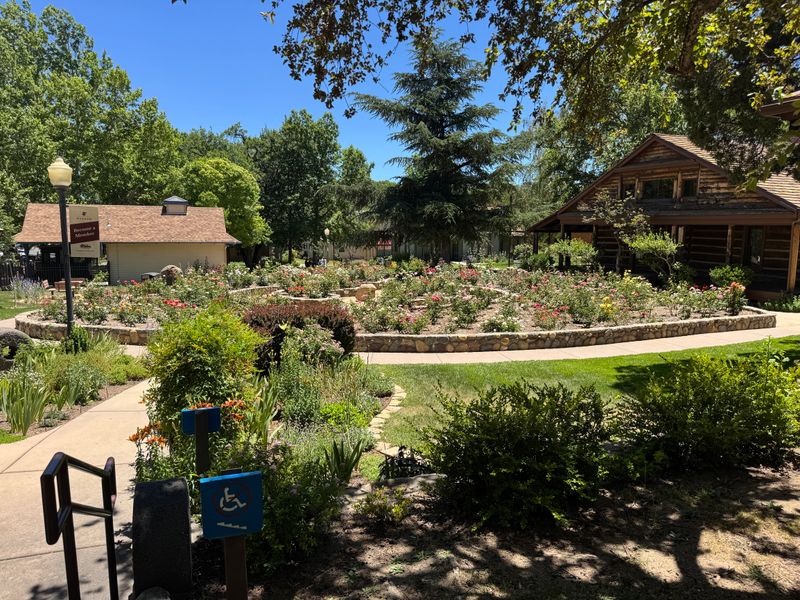
Antique roses planted by Arizona pioneers still bloom around historic log cabins, showing which plants survived harsh frontier conditions over a century ago.
The museum gardens recreate territorial Arizona landscaping, featuring varieties settlers brought west and native plants they learned to appreciate from local tribes.
Photography here captures both botanical beauty and historical significance, telling visual stories about how people adapted to Arizona’s challenging mountain environment.
Visit this living history lesson at 415 West Gurley Street in Prescott, where buildings and gardens together preserve 1860s frontier lifestyle authentically.
Summer afternoons bring afternoon thunderstorms that leave water droplets on petals and fresh green growth, creating dramatic lighting for creative photography sessions.
The gardens change seasonally just as pioneer gardens did, with spring flowers giving way to summer vegetables and fall fruit harvests throughout the year.
Heritage plant varieties seen here often can’t be found in modern nurseries, making photographs of these rare specimens especially valuable for gardening enthusiasts.
9. Tucson’s Mission Garden

Ancient crop varieties cultivated for thousands of years still grow in fields where Spanish missionaries and indigenous peoples once farmed together.
Mission Garden recreates 4,000 years of agricultural history, showing how different cultures adapted plants to Southern Arizona’s desert climate over centuries.
The garden sits below Mission San Xavier del Bac, creating photographs that combine historic architecture with living agricultural traditions still practiced today.
You can explore this agricultural timeline at 946 West Mission Lane in Tucson, where volunteers maintain heritage crops using traditional farming methods.
Different sections represent distinct time periods, from prehistoric farming through Spanish colonial times to modern sustainable agriculture practiced in Arizona currently.
Photographers capture unique images of squash blossoms, blue corn, and chiltepin peppers that tell stories about cultural exchange and botanical adaptation.
The garden offers workshops and events throughout the year, providing opportunities to photograph people actively farming using techniques passed down through generations.
10. Sedona’s Tlaquepaque Arts & Crafts Village Gardens

Red rock formations tower above Mexican village-style courtyards where flowering vines cascade from balconies and fountains splash among potted plants everywhere.
Tlaquepaque combines art galleries with beautifully landscaped spaces that showcase how Mediterranean and Mexican plants thrive in Sedona’s unique high desert environment.
Every corner reveals new photo opportunities where architecture, plants, art, and natural red rock scenery blend together in perfectly composed scenes.
Find this artistic retreat at 336 State Route 179 in Sedona, where shopping and dining blend seamlessly with gorgeous landscaping throughout the property.
Spring and fall offer ideal conditions when temperatures stay comfortable and seasonal flowers add extra color to already vibrant surroundings and landscapes.
The village’s design creates intimate garden spaces that feel private and romantic, perfect for photography that captures both plants and Sedona’s famous scenery.
Visitors often discover that these cultivated gardens photograph even better than wild desert landscapes, offering more color variety and interesting compositional elements together.