7 Invasive Plants In North Carolina That Are Easier To Remove In Winter
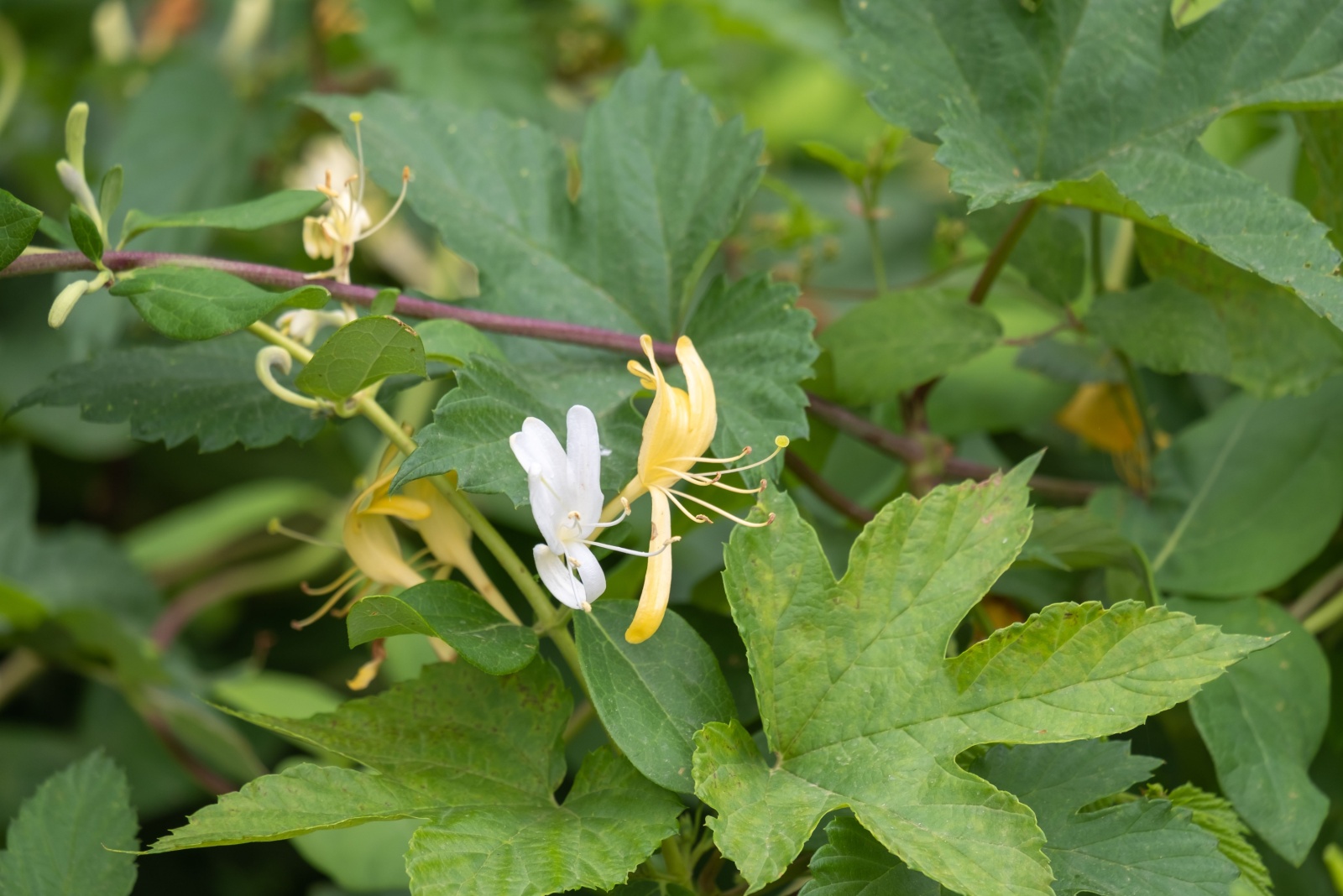
North Carolina landscapes may look quiet in winter, yet that calm hides a prime chance to take back control.
As native plants rest and growth slows, invasive species lose much of their usual edge.
Cold air, bare branches, and softer ground tip the balance in favor of homeowners who know when to strike.
Old wisdom holds true: timing beats force every time. Invasive plants thrive on speed and surprise during warm months.
They spread fast, crowd out natives, and dig roots deep before anyone notices.
Winter strips away that advantage.
With less foliage in the way, problem plants stand out like sore thumbs.
Roots loosen, seed production drops off, and removal demands less sweat and fewer repeat battles.
What feels like a losing fight in summer can turn into a clean win once temperatures fall.
North Carolina’s mild winters make this window even more valuable.
Many invasives remain visible while native plants lie low, which reduces collateral damage and guesswork.
A shovel, a plan, and a bit of persistence can clear space for healthier growth come spring.
When action matches the season, effort goes further, results last longer, and landscapes regain balance without a drawn-out struggle.
1. English Ivy
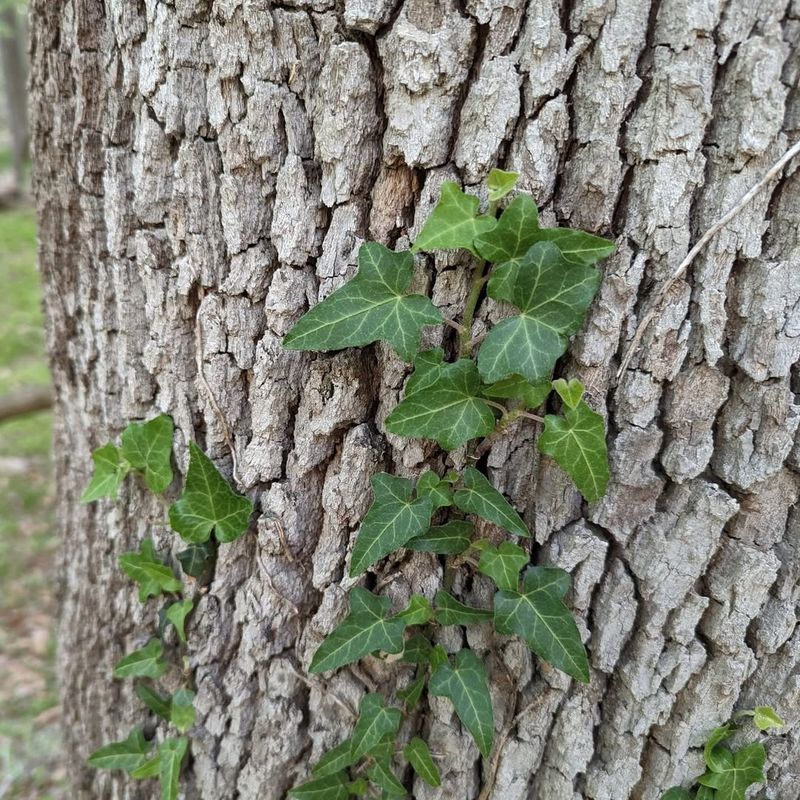
Spotting English Ivy becomes remarkably simple once deciduous trees drop their leaves and this evergreen invader stands out against bare bark.
The distinctive three-lobed leaves remain green throughout winter, creating an obvious contrast that helps you identify infestations quickly.
Winter removal works exceptionally well because the plant’s growth slows dramatically, reducing its ability to recover from your efforts.
You can pull smaller vines by hand when soil moisture is adequate, making roots come up more completely than during dry summer months.
For larger infestations climbing trees, cut the vines at ground level and again at chest height to create a gap.
This method prevents nutrients from reaching the upper portions, which will eventually wither away without harming the host tree.
The cooler temperatures mean you can work comfortably for extended periods without exhaustion.
Always remove vines carefully from tree trunks rather than ripping them off, as aggressive removal can damage bark and create entry points for diseases.
Dispose of all removed material properly since English Ivy can sometimes root from cuttings.
Winter provides an ideal window before spring growth begins, giving native plants a competitive advantage when warm weather returns.
2. Japanese Honeysuckle
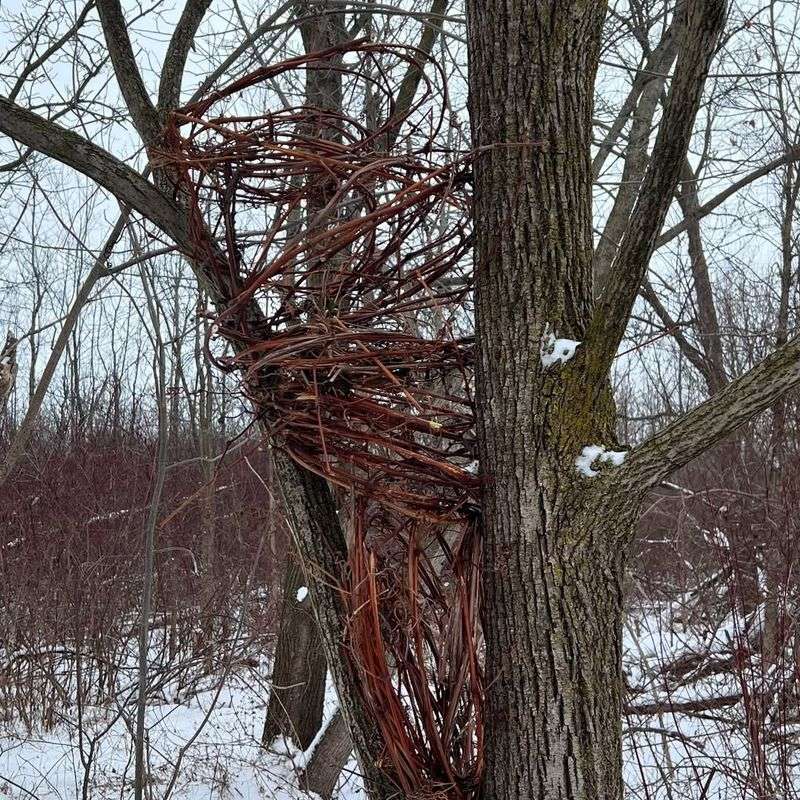
Those twisting, woody vines choking your favorite trees and shrubs become much more visible when winter strips away the surrounding foliage.
Japanese Honeysuckle maintains some brownish leaves during cold months, but its distinctive tangled growth pattern becomes obvious against dormant native vegetation.
Cold weather weakens this aggressive climber, making winter the strategic time to launch your removal campaign.
Start by cutting vines at the base, then carefully unwind them from host plants to avoid causing damage to desirable species.
The root systems become easier to extract when winter rains soften the soil, allowing you to dig out larger portions than you could during summer’s hard, dry ground.
Focus on removing as much root mass as possible, since even small fragments can regenerate into new plants.
For extensive infestations, systematic cutting combined with digging provides the most effective approach.
Mark treated areas so you can monitor for regrowth when spring arrives.
Working during winter means you avoid disturbing nesting birds that often inhabit these dense tangles during warmer months.
Your efforts now will reduce seed production next summer, preventing further spread across your property and into neighboring natural areas.
3. Chinese Privet
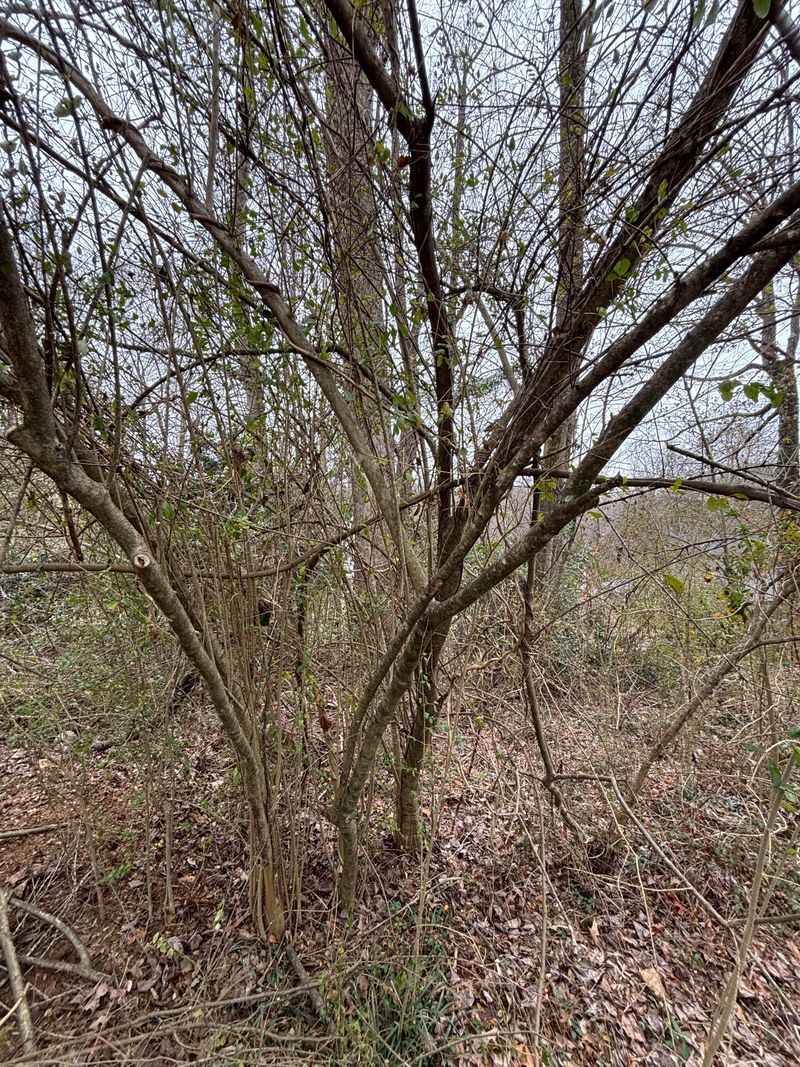
Dense thickets of Chinese Privet dominate many North Carolina woodlands, but winter offers your best chance to reclaim these spaces.
This semi-evergreen shrub retains some leaves during mild winters, though cold snaps often cause partial defoliation that reveals the plant’s true extent.
Multiple stems arise from the base, creating impenetrable barriers that exclude native understory plants.
Winter removal succeeds because you can see the ground clearly and access the root crown without fighting through summer’s lush growth.
Cut stems close to the ground using loppers or a saw, depending on their thickness.
For small infestations, digging out the entire root system provides the most permanent solution, especially when soil moisture makes excavation easier.
Larger stands may require multiple treatments, so prioritize the most accessible areas first and work systematically.
The cooler temperatures reduce stress on both you and surrounding desirable plants that might otherwise suffer from disturbance during active growth periods.
Watch for regrowth from remaining root fragments and address new sprouts promptly.
Removing Chinese Privet in winter also eliminates next season’s fragrant white flowers that produce thousands of seeds, dramatically reducing future invasion pressure on your land.
4. Autumn Olive
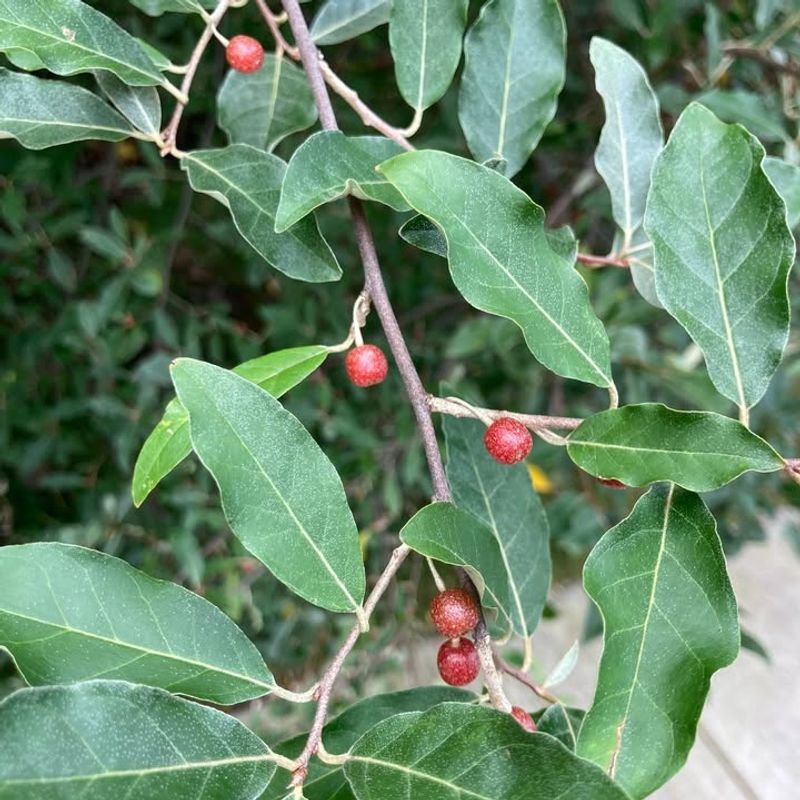
Silvery-gray branches covered in small scales make Autumn Olive easy to identify during winter months when most other vegetation appears brown.
This spreading shrub often retains dried berries that cling to branches, providing another helpful identification feature.
Originally planted for wildlife food and erosion control, Autumn Olive now aggressively invades pastures, forest edges, and disturbed areas throughout North Carolina.
Winter provides excellent conditions for removal because the plant’s energy reserves are at their lowest point in the annual cycle.
Young plants can be pulled by hand if you grasp them near the base and extract the entire taproot.
Larger specimens require cutting followed by immediate treatment of the stump, or complete excavation of the root system.
The distinctive silvery appearance helps you distinguish Autumn Olive from native shrubs even at a distance, allowing efficient survey and planning of removal efforts.
Cold weather means you can work without the distraction of biting insects that plague summer removal projects.
Removing plants before spring prevents the production of abundant berries that birds spread widely, creating new infestations far from the parent plant.
Your winter work protects native plant communities and prevents this aggressive spreader from dominating valuable habitat areas.
5. Multiflora Rose
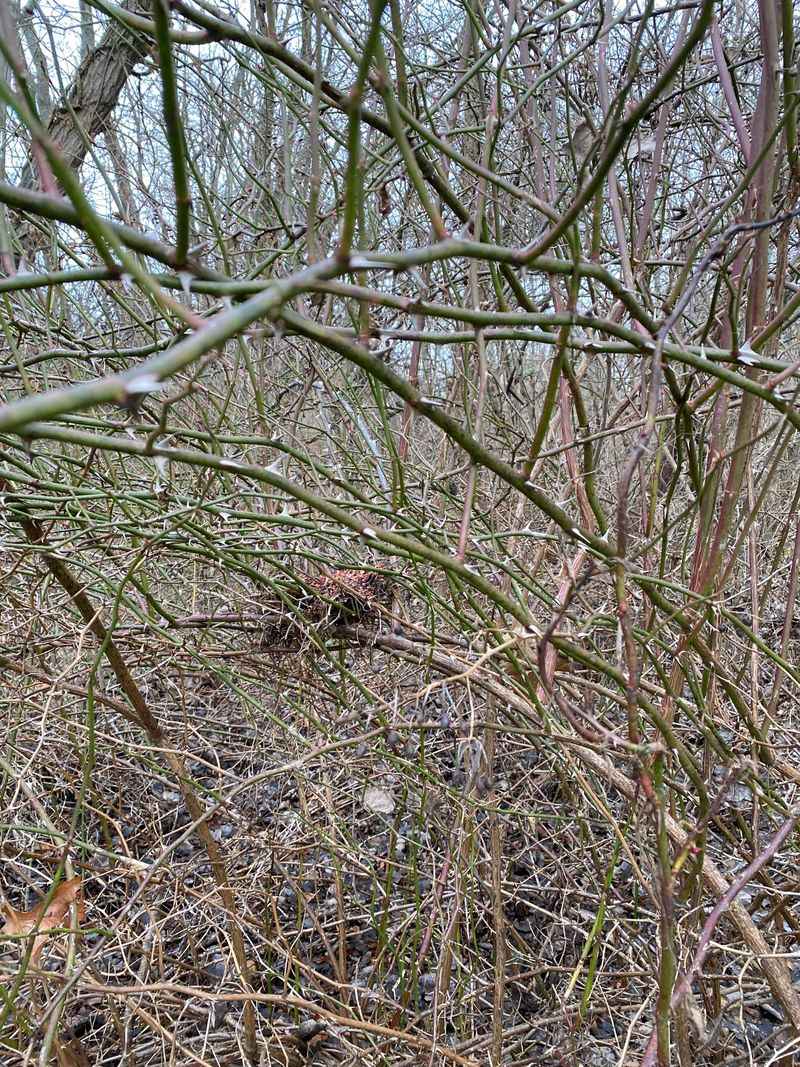
Arching canes covered in curved thorns create nearly impenetrable barriers, but winter conditions make Multiflora Rose removal significantly safer and more effective.
Red rose hips persist on branches throughout cold months, helping you locate infestations from considerable distances.
Dormancy reduces the plant’s vigor, giving you a critical advantage in removal efforts.
Wear heavy gloves and protective clothing because those thorns remain sharp regardless of temperature.
Cut canes at ground level using loppers or a brush cutter, then dig out the crown and major roots to prevent regrowth.
Winter’s bare landscape allows you to see the full extent of each plant’s sprawling growth, which summer foliage often conceals.
The lack of leaves also means less plant material to dispose of, simplifying cleanup considerably.
Frozen or cold ground sometimes makes digging more challenging, so plan removal efforts for mild winter days when soil remains workable.
Removing Multiflora Rose in winter prevents spring flowering and subsequent fruit production, stopping the spread of thousands of seeds that would otherwise germinate across your property.
Birds and small mammals benefit when you eliminate these invasive thickets and replace them with native shrubs that provide superior food and shelter resources.
6. Tree of Heaven
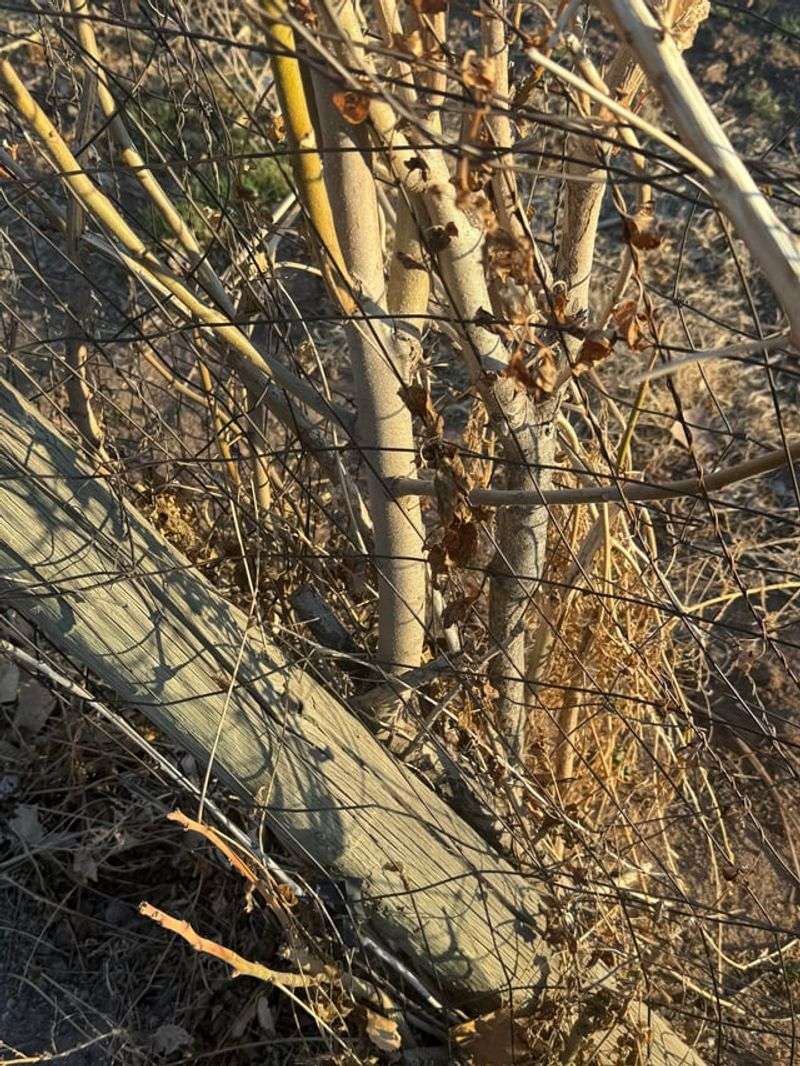
Rapid growth and aggressive root suckering make Tree of Heaven one of North Carolina’s most troublesome invasive trees, but winter dormancy creates your best removal opportunity.
Smooth gray bark marked with light-colored streaks helps identify this invader when leaves are absent.
The compound leaves drop early in fall, leaving bare branches that stand out in the winter landscape.
Winter removal prevents the tree from mobilizing stored energy for spring growth and sucker production.
Small trees can be pulled or dug out entirely, but larger specimens require more strategic approaches.
Cutting alone often triggers massive suckering from the root system, creating dozens of new stems.
Many land managers find that cutting the trunk and immediately treating the stump works best for larger trees.
Cooler temperatures slow the spread of treatments through root systems, so timing and technique matter significantly.
Always address root suckers that appear around parent trees, as these clones can spread rapidly if ignored.
The absence of leaves during winter makes it easier to work safely around these trees without the unpleasant odor that crushed foliage produces during growing season.
Your winter efforts prevent female trees from producing the thousands of winged seeds that spread this invasive species to new locations each summer.
7. Japanese Stiltgrass
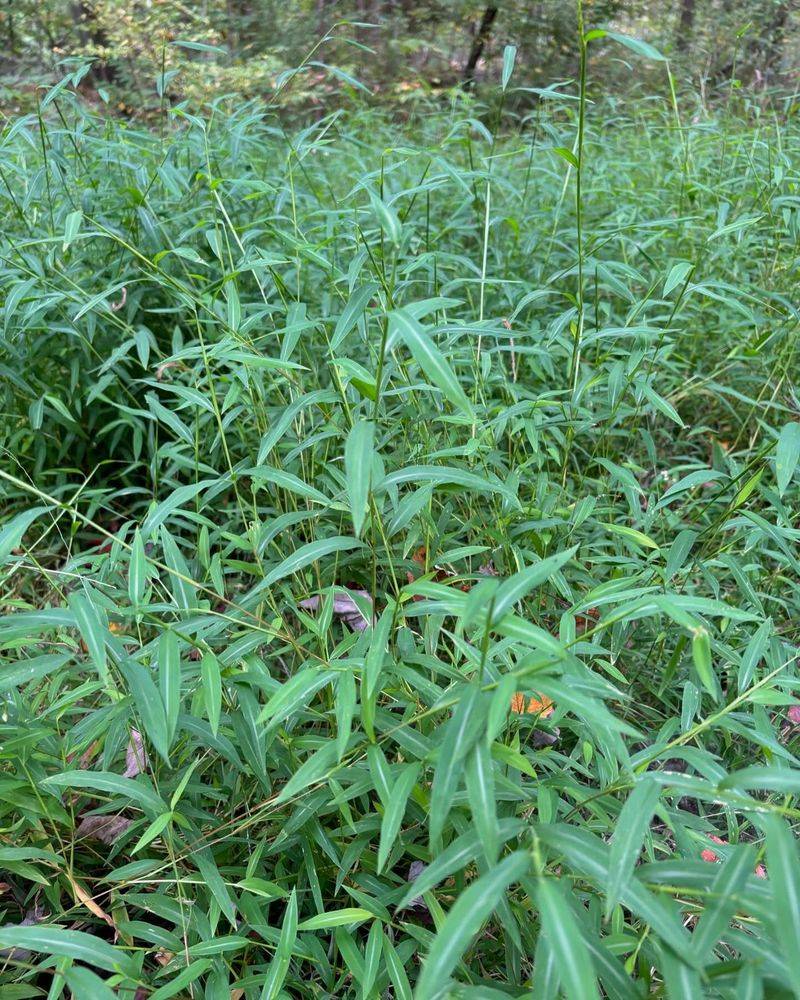
Carpets of dried, tan-colored grass blanketing forest floors signal the presence of Japanese Stiltgrass, an annual invader that transforms native plant communities.
Unlike perennial grasses, this species completes its life cycle in one year and expires with the first hard frost.
Winter presents a unique removal opportunity because the plants are no longer actively growing, yet their dried remains still hold viable seeds.
Raking or carefully removing the dried grass prevents those seeds from germinating when spring warmth and moisture return.
The shallow root systems come up easily during winter, especially from moist soil.
Bag and dispose of all collected material rather than composting, since seeds can remain viable and spread to new areas.
Winter removal also allows you to see bare soil and prepare for spring planting of native groundcovers that will compete with any remaining stiltgrass seeds.
Focus your efforts on small infestations first, preventing their expansion into larger problem areas.
The cool weather makes physical removal comfortable, unlike summer work in humid conditions where stiltgrass grows thick and tall.
Establishing native plants in cleared areas during late winter gives them a head start over stiltgrass seedlings that germinate later in spring, gradually reducing the invasive population through competition.