10 Invasive Plants In Pennsylvania That Are Much Easier To Remove During Winter

Winter might seem like an odd time to tackle yard work, but it actually offers unique advantages for removing invasive plants from your Pennsylvania property.
When temperatures drop and plants go dormant, many stubborn species become much easier to identify, access, and remove without causing damage to surrounding native vegetation.
Invasive plants threaten local ecosystems by crowding out native species, and taking action during colder months can give you a serious head start on control.
This guide highlights ten particularly troublesome invaders that become surprisingly manageable when you tackle them during Pennsylvania winters, making your restoration efforts more effective and efficient.
1. Japanese Knotweed
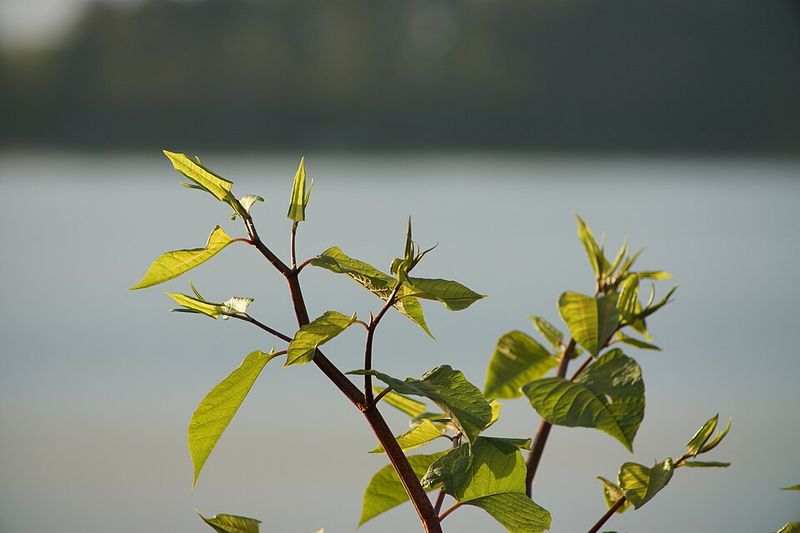
Pennsylvania landowners often struggle with this aggressive spreader, but winter provides the perfect window for tackling this persistent invader without the leafy camouflage it hides behind.
Hollow stems remain standing throughout cold months, making identification incredibly straightforward even for beginners who might otherwise confuse it with native species during growing seasons.
Cutting stalks close to ground level during freezing weather weakens root systems significantly, especially when you return repeatedly to exhaust underground energy reserves stored deep below.
Freezing temperatures slow sap flow, which means applying herbicide to cut stems allows chemicals to move more efficiently into extensive rhizome networks spreading beneath your property.
Snow cover actually helps by marking exactly where colonies exist, since dried stalks poke through white blankets and reveal the full extent of infestations you need to address.
Digging becomes easier when soil freezes slightly, providing firmer ground that supports equipment and prevents the muddy messes that plague spring and summer removal attempts in Pennsylvania.
Repeated winter cutting prevents spring regrowth from gaining momentum, giving native plants a fighting chance to reclaim territory once warmer weather returns to your restoration site.
2. Multiflora Rose
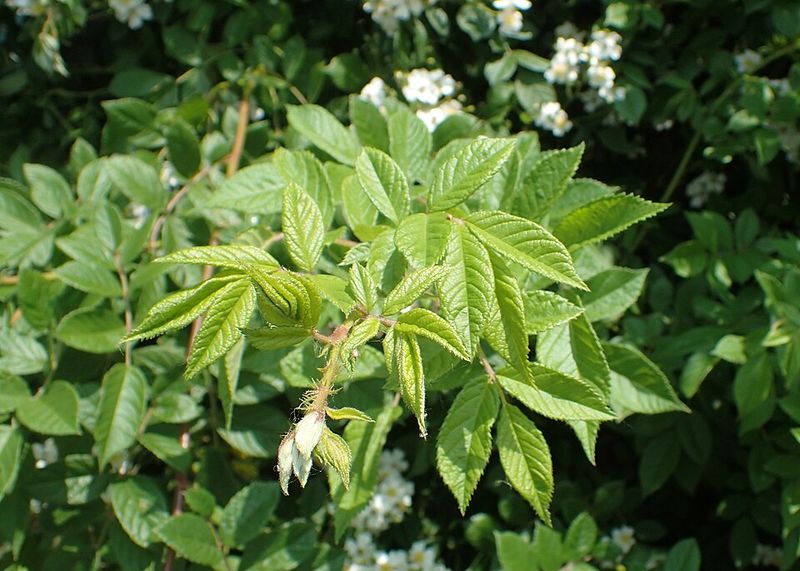
Arching canes covered in wicked thorns make this shrub a nightmare during growing seasons, but leafless winter branches reveal exactly where this invader has established itself across landscapes.
Rose hips remain attached throughout cold months, providing positive identification markers that help distinguish this species from native roses that might deserve protection on your Pennsylvania property.
Wearing thick gloves and protective clothing, you can safely cut canes near ground level when sap flow stops, preventing the bleeding that makes summer pruning messy and difficult.
Stumps left behind can receive herbicide applications that work more effectively in winter, as dormant plants channel treatments directly into root systems without wasting energy on leaf production.
Frozen ground supports your weight better, allowing access to dense thickets that become impassable muddy tangles during warmer months when Pennsylvania receives more rainfall and snowmelt saturates soils.
Removing canes before spring growth begins prevents flowers from developing, which stops seed production and eliminates the bird-dispersed propagation that spreads this invader to new locations rapidly.
Bundling cut material becomes simpler when branches are bare, and disposing of thorny piles poses less risk when you can clearly see every spine without leaves blocking views.
3. Japanese Barberry
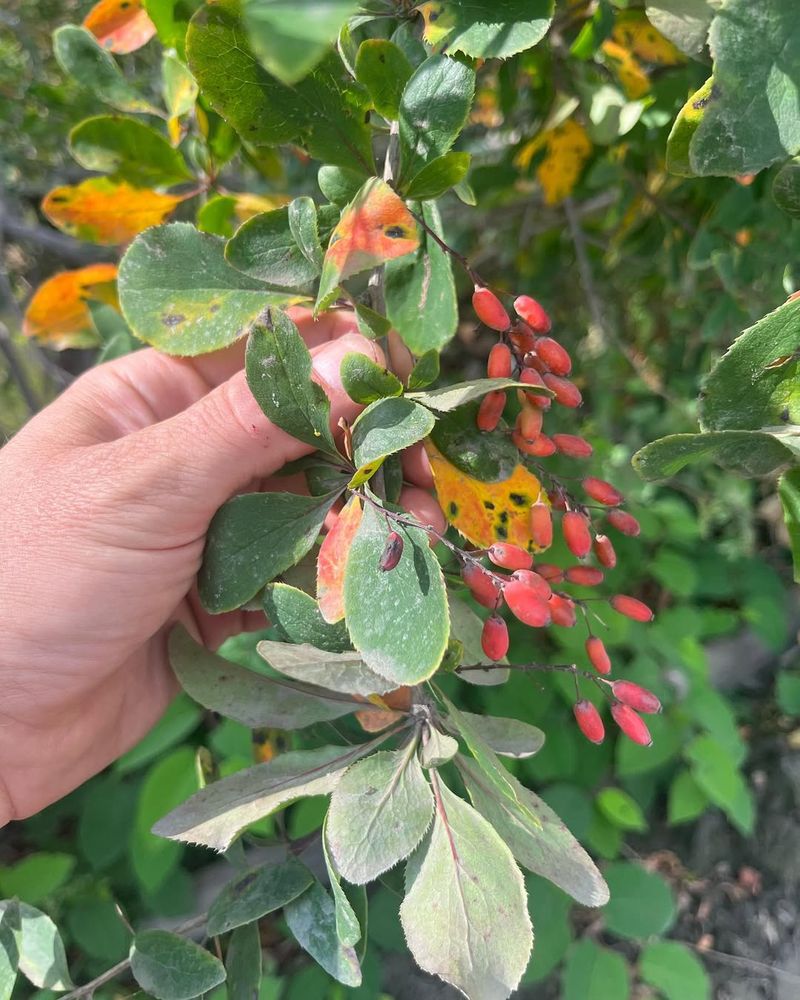
Bright red berries dangling from bare branches during Pennsylvania winters make this shrub easy to spot, unlike summer when dense foliage conceals its true spread throughout woodland understories.
Small thorns become more visible without leaves, helping you prepare appropriate protective gear before starting removal work that might otherwise result in painful scratches and torn clothing during hasty attempts.
Pulling entire shrubs becomes surprisingly effective when ground freezes slightly, as roots release more easily from firm soil compared to summer mud that clings stubbornly and breaks stems.
Compact size means individual plants can often be removed entirely with hand tools, avoiding the need for heavy equipment that damages surrounding native vegetation you want to preserve.
Winter removal prevents spring flowering, which stops seed production before birds consume berries and spread this invader to new locations across your property and neighboring conservation lands in Pennsylvania.
Herbicide applied to freshly cut stumps works efficiently during dormancy, as plants naturally pull substances downward into root systems without diverting resources to leaves, flowers, or fruit development above ground.
Bare branches allow clear views of infestation density, helping you plan systematic removal strategies that address the most heavily impacted areas first for maximum ecological restoration impact over time.
4. Autumn Olive
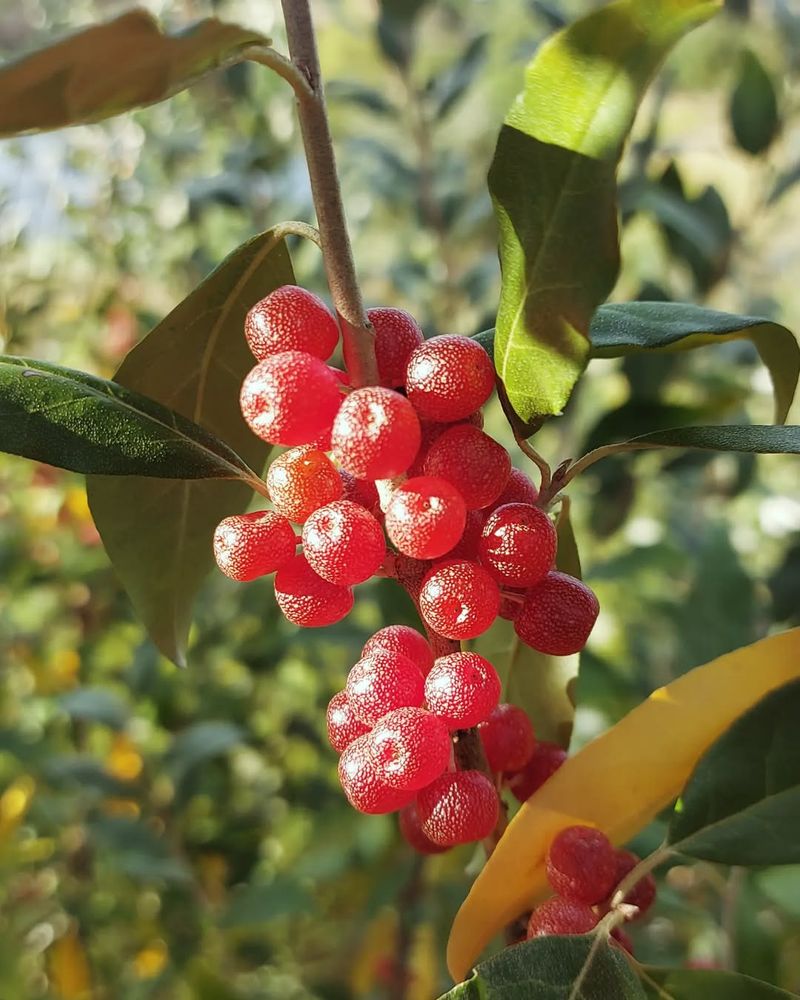
Silvery bark and persistent dried berries help identify this nitrogen-fixing invader during cold months, when Pennsylvania forests reveal the full extent of colonies hidden beneath summer canopies of native trees.
Cutting stems at ground level during freezing weather reduces sap flow, making the work cleaner and allowing better herbicide penetration into root systems that might otherwise resprout vigorously come spring.
Smaller specimens can be pulled entirely when soil conditions are right, especially after freeze-thaw cycles loosen root holds without creating the muddy conditions that plague warmer season removal efforts.
Winter work prevents spring flowering, which means no fragrant blossoms will develop into the abundant berries that birds spread widely, creating new infestations throughout Pennsylvania landscapes and natural areas.
Frozen ground provides stable footing for tackling dense thickets on slopes where summer attempts become dangerous due to loose soil, undergrowth obstacles, and limited visibility through heavy vegetation layers.
Bare branches reveal growth patterns clearly, helping you identify the oldest, most productive seed-producing stems that should receive priority attention during systematic eradication campaigns across larger properties.
Removing autumn olive in winter gives native plants a competitive advantage when spring arrives, allowing them to claim sunlight, water, and nutrients without interference from this aggressive colonizer.
5. Bush Honeysuckles
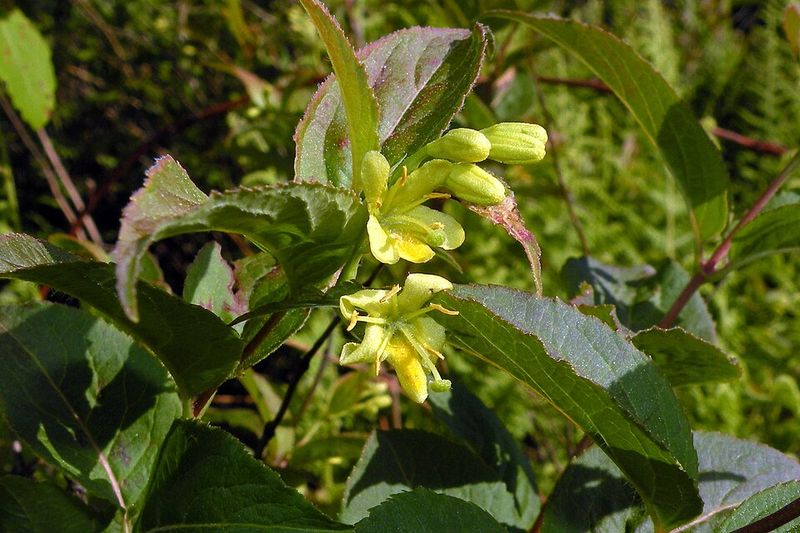
Hollow stems and opposite branching patterns become obvious during Pennsylvania winters, providing reliable identification features that help you distinguish invasive honeysuckles from native shrubs deserving protection on restoration sites.
Leaf buds break earlier than most natives, which means winter removal prevents this invader from gaining the early-season advantage that allows it to dominate understory light and resources each spring.
Cutting stems close to ground level during dormancy stresses root systems effectively, especially when you return for follow-up treatments that exhaust underground energy reserves before spring growth begins again.
Applying herbicide to fresh cuts works efficiently in cold weather, as dormant plants naturally transport substances downward into roots without wasting application on leaves that would otherwise intercept treatments ineffectively.
Snow cover highlights infestation boundaries clearly, since bush honeysuckles often retain some dried leaves or fruit that contrast visibly against white backgrounds, making mapping and treatment planning much simpler.
Frozen ground supports equipment and foot traffic better than saturated summer soils, allowing access to wet areas and streambanks where honeysuckles commonly establish dense colonies that shade out native vegetation.
Winter removal prevents spring flowers from developing, which stops the production of berries that birds consume and spread to new locations, breaking the invasion cycle that perpetuates ecological damage.
6. Garlic Mustard
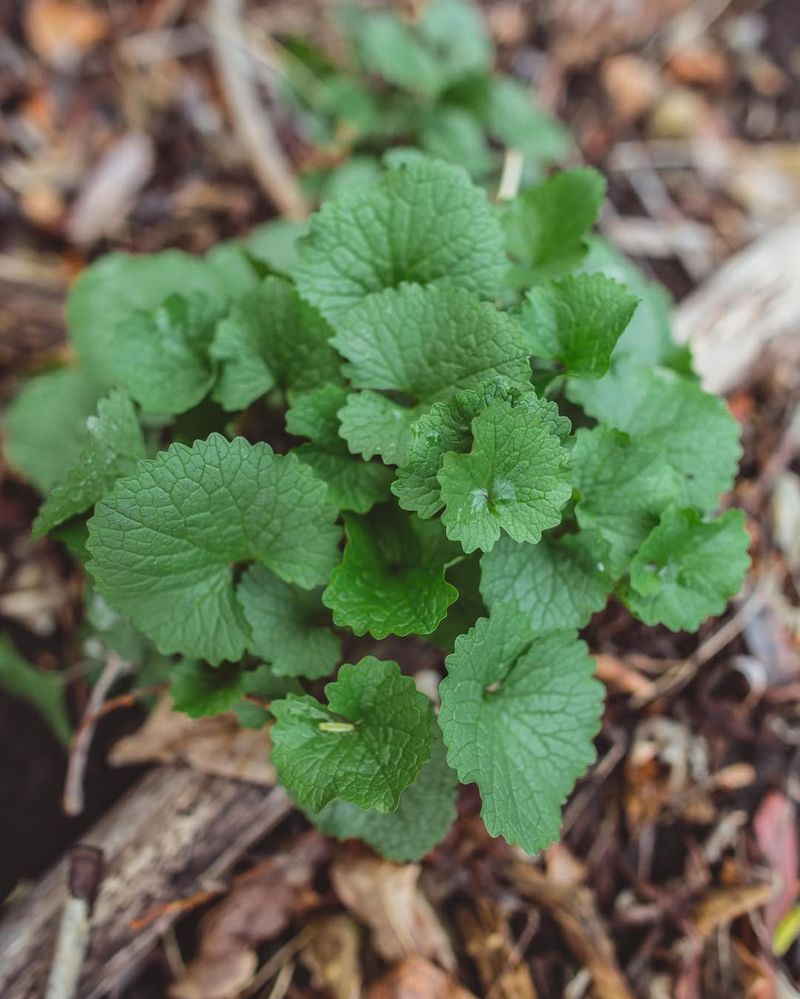
Green rosettes remain visible throughout Pennsylvania winters, making this biennial invader surprisingly easy to spot when deciduous forests lose their leaves and herbaceous competition retreats underground completely.
Hand-pulling becomes incredibly effective during mild winter days when soil remains workable, allowing you to remove entire root systems before plants bolt and produce thousands of seeds each spring.
Winter removal targets first-year rosettes before they develop the energy reserves needed for flowering, which prevents seed production and breaks the invasion cycle that perpetuates infestations across woodlands.
Frozen soil actually helps with identification, as garlic mustard often remains green when native plants have withered away, creating obvious visual contrasts that guide your removal efforts toward actual invaders.
Working during cold months avoids disturbing native spring wildflowers that emerge later, protecting delicate species like trilliums and bloodroot that garlic mustard would otherwise outcompete and displace from Pennsylvania forests.
Pulling plants during winter prevents root disturbance during active growing seasons, which reduces the soil disruption that actually favors garlic mustard germination and creates opportunities for new invasions to establish quickly.
Bagging pulled plants becomes simpler in winter, as frozen or dormant material is less likely to reroot if accidentally dropped, and cold temperatures slow decomposition that might release seeds.
7. Oriental Bittersweet
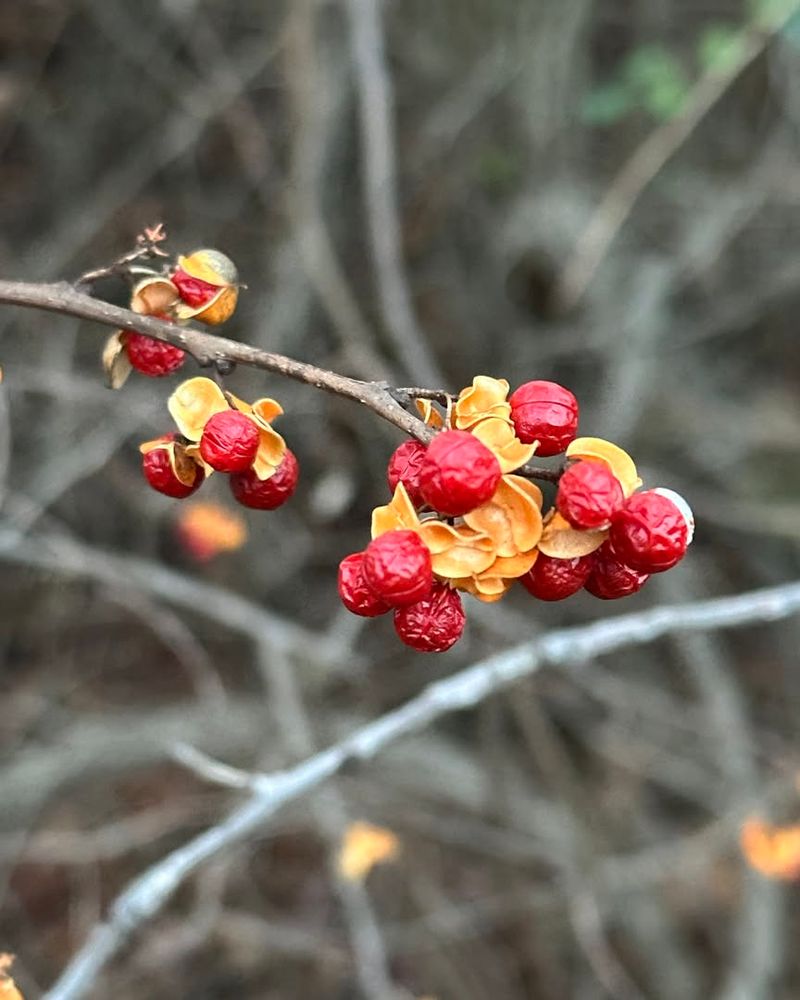
Bright orange and yellow berries make this vine impossible to miss during Pennsylvania winters, when bare trees reveal the strangling stems that twist upward and girdle trunks throughout infested woodlands.
Cutting vines at ground level during dormancy prevents sap bleeding that makes summer cutting messy, and winter work allows easier herbicide application to stumps for effective root system treatment below.
Tracing vines becomes straightforward without leaf cover, helping you locate root zones accurately so removal efforts target the actual source rather than just cutting accessible portions higher up trees.
Removing vines before spring growth begins protects trees from another season of girdling damage that weakens trunks and blocks nutrient flow, giving native vegetation better survival chances moving forward.
Winter berries attract birds that spread seeds to new locations, so removing fruiting vines before spring prevents continued propagation that expands infestations across Pennsylvania landscapes and conservation areas rapidly.
Frozen ground provides stable work conditions for tackling vines in wet areas where summer attempts become impractical due to muddy soil conditions that limit access and damage sensitive native plant communities.
Pulling down cut vines becomes easier when they are not actively growing, and disposing of material poses less risk since dormant stems are less likely to reroot from fragments accidentally left behind.
8. Burning Bush
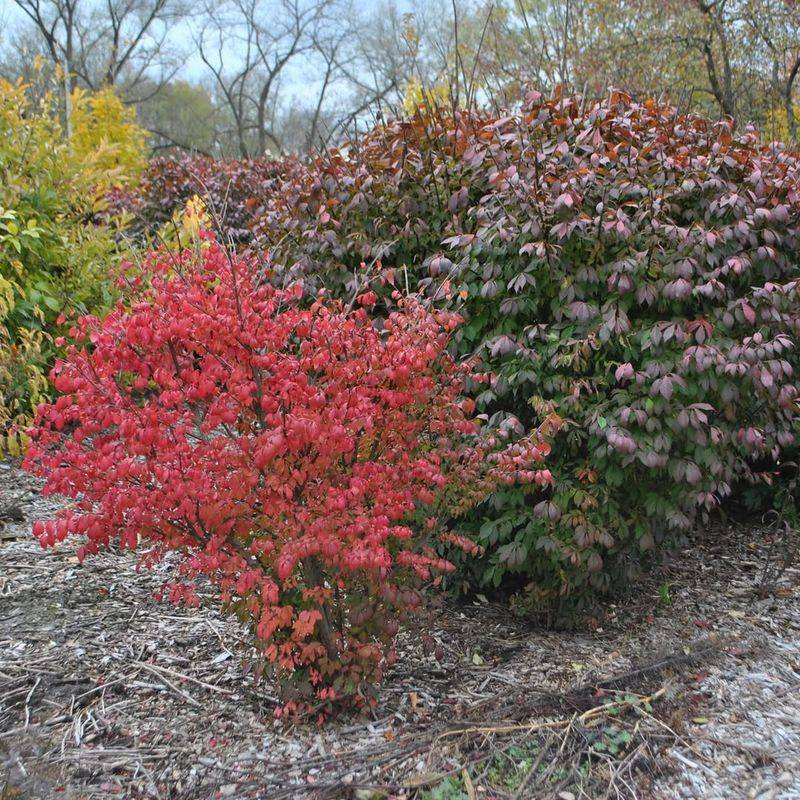
Corky ridges running along stems provide reliable winter identification features, helping Pennsylvania landowners distinguish this popular ornamental-turned-invader from native shrubs that might resemble it during leafless cold months.
Removing burning bush during dormancy prevents the brilliant red fall display that makes this species attractive, reducing the likelihood that neighbors will replant it after seeing autumn colors they admire.
Cutting stems at ground level during winter reduces sap flow, making work cleaner and allowing better herbicide contact with cambium layers that transport chemicals efficiently into root systems below frozen soil.
Smaller specimens can often be pulled entirely when ground conditions are favorable, especially after freeze-thaw cycles loosen soil around roots without creating the muddy messes that plague warmer season attempts.
Winter removal prevents spring flowering, which stops seed production before birds consume fruits and spread this invader to natural areas where it displaces native shrubs that provide better wildlife value.
Bare branches reveal growth structure clearly, helping you assess whether individual plants require cutting, pulling, or more intensive treatment methods based on size, age, and root development visible at ground level.
Frozen ground supports equipment access to landscaped areas without causing ruts or damage, making restoration work tidier and less disruptive to surrounding ornamental plantings you want to preserve carefully.
9. Norway Maple
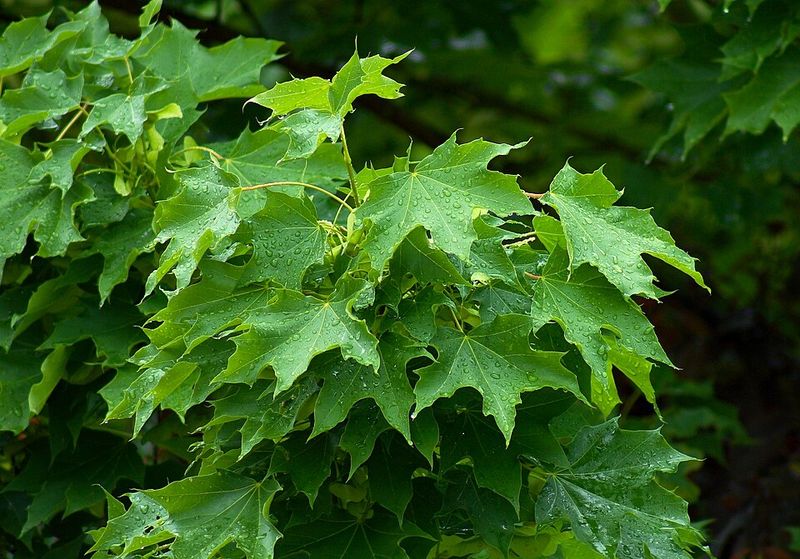
Opposite branching patterns and persistent paired seeds help identify this invader during Pennsylvania winters, when deciduous forests reveal the surprising number of Norway maples spreading beneath native canopy trees.
Cutting smaller trees at ground level during dormancy reduces sap flow dramatically, making herbicide application to stumps more effective as dormant trees naturally pull substances downward into extensive root systems.
Winter removal prevents spring flowering, which stops the production of abundant winged seeds that spin away on breezes and establish new infestations throughout neighborhoods, parks, and natural areas across Pennsylvania landscapes.
Frozen ground provides stable conditions for equipment access, allowing removal of larger specimens without creating ruts or soil compaction that damages surrounding native vegetation you want to encourage and protect long-term.
Girdling larger trees during winter causes slower decline that reduces stress on surrounding natives, compared to summer removal that creates sudden canopy gaps and resource availability spikes favoring aggressive invaders.
Bare branches reveal crown structure clearly, helping you assess whether individual trees are producing seeds prolifically and deserve priority removal attention during systematic eradication campaigns across larger restoration sites.
Removing Norway maples in winter gives native sugar maples, oaks, and other hardwoods better competitive positions when spring arrives, allowing them to claim sunlight and resources without interference from shade-casting invaders.
10. Tree-of-Heaven
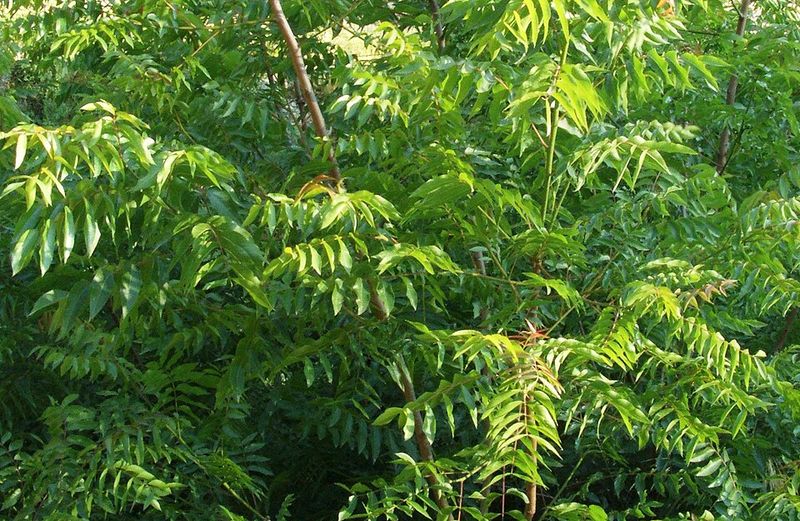
Smooth gray bark and persistent seed clusters make this fast-growing invader easy to identify during Pennsylvania winters, when bare branches reveal the alarming spread throughout urban and suburban landscapes.
Cutting trees during dormancy reduces the risk of root suckering somewhat, though careful herbicide application to stumps remains essential for preventing the aggressive sprouting that makes this species particularly challenging.
Winter removal prevents spring flowering, which stops production of the abundant winged seeds that female trees scatter widely, establishing new infestations throughout Pennsylvania neighborhoods and natural areas rapidly.
Frozen ground provides stable work conditions for removing trees from slopes and sensitive areas where summer attempts become impractical due to muddy soil conditions that damage surrounding vegetation you want.
Girdling larger specimens during winter causes gradual decline that reduces stress on nearby plants, compared to sudden summer removal that creates resource availability spikes favoring aggressive invaders and weedy species.
Bare branches reveal growth patterns clearly, helping you identify the most vigorous seed-producing trees that should receive priority attention during systematic eradication campaigns across larger properties and community restoration projects.
Removing tree-of-heaven in winter gives native trees like black walnut and tulip poplar better competitive positions when spring growth begins, allowing them to claim sunlight, water, and nutrients without facing interference.