7 Invasive Plants Michigan Gardeners Should Avoid At All Costs
Some plants may look beautiful at first, but not everything that grows well belongs in your garden. In Michigan, certain fast growing plants have gained a reputation for spreading quickly and taking over more space than expected.
What might seem like an easy choice at the garden center can turn into a long term problem once it gets established.
These invasive plants do more than grow aggressively. They can crowd out other plants, reduce the variety in your yard, and make it harder to keep your garden under control.
Many gardeners only realize the issue after it starts to spread beyond its original spot. The good news is that a little knowledge can go a long way.
By knowing which seven invasive plants to avoid, you can protect your garden, save yourself time, and create a space that stays healthy and enjoyable throughout the seasons.
1. Garlic Mustard
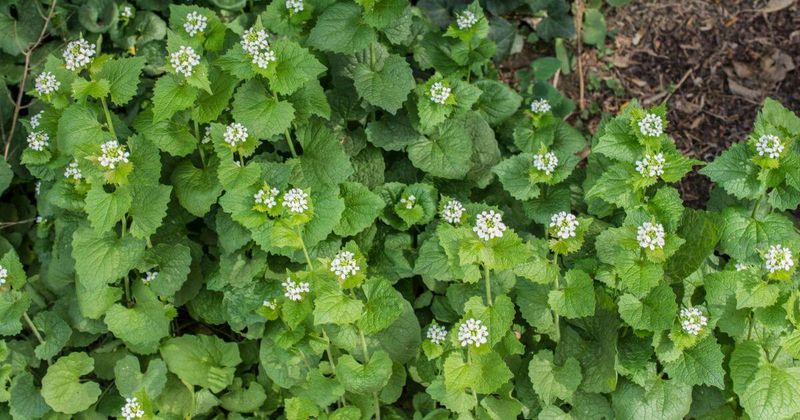
Walk through almost any shaded woodland in Michigan and you might spot garlic mustard without even realizing it.
This plant looks harmless enough, with its small white flowers and triangular leaves, but it is one of the most damaging invaders in the state.
Garlic mustard spreads at a shocking pace, and a single plant can produce hundreds of seeds that scatter easily through wind and foot traffic.
What makes garlic mustard especially harmful is how it changes the soil around it. It releases chemicals into the ground that disrupt the natural fungi native plants rely on to absorb nutrients.
Without those fungi, native wildflowers like trillium and wild ginger struggle to survive, and entire woodland understories can shift dramatically over just a few years.
Both the Lower and Upper Peninsula of Michigan have seen garlic mustard take hold in parks, nature trails, and even backyard gardens near wooded areas.
Once it gets started, it is extremely tough to get rid of because seeds can stay viable in the soil for years.
Michigan gardeners should never plant it and should remove any they find as quickly as possible.
Choosing native shade plants like wild columbine or hepatica is a far better option for keeping woodland gardens beautiful and ecologically sound.
2. Japanese Knotweed
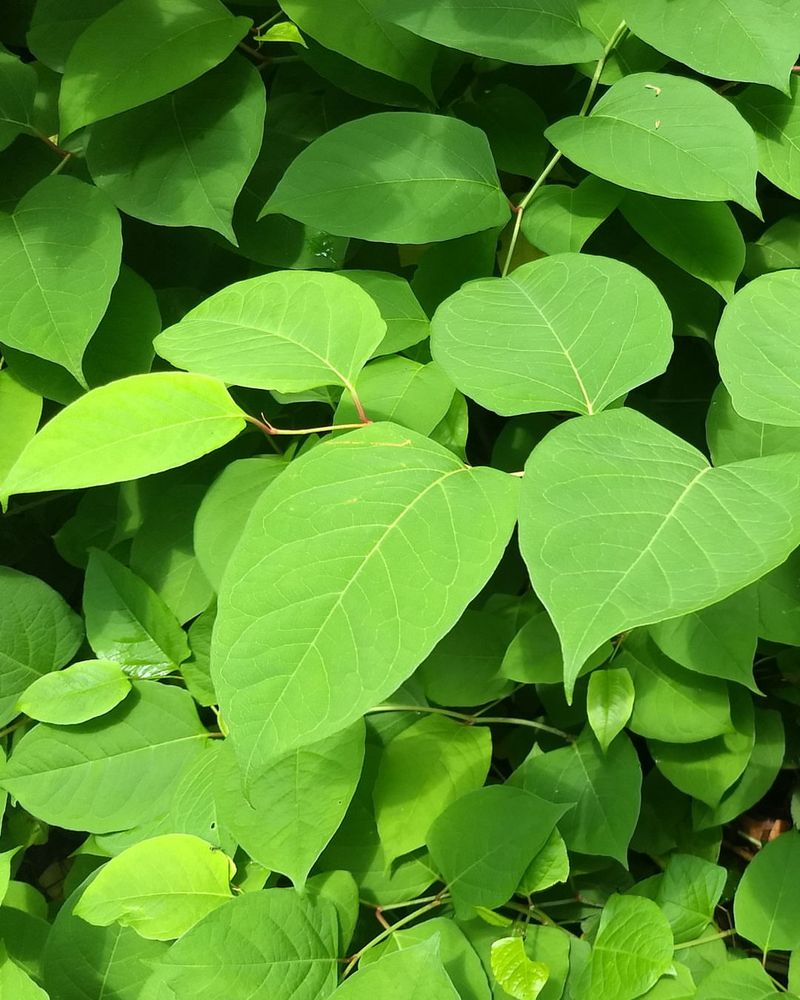
Few plants in Michigan inspire as much frustration among gardeners and land managers as Japanese knotweed.
Originally brought over from Asia as an ornamental plant, it quickly proved it had no interest in staying where it was planted.
Its underground root system, called rhizomes, can spread more than ten feet in every direction, pushing up new shoots through pavement, foundations, and retaining walls.
Along Michigan riverbanks and disturbed roadsides, Japanese knotweed forms walls of tall, hollow stems that can reach over ten feet high in a single growing season.
Native plants do not stand a chance against it because it blocks sunlight and pulls up enormous amounts of nutrients from the soil.
Removing it is a long and exhausting process that often takes years of persistent effort before any real progress is made.
What makes this plant such a serious threat is that even a tiny piece of root left in the ground can sprout into a brand new colony.
Michigan homeowners who spot it near their property should act fast and consult local extension services for guidance.
Planting it on purpose is never a good idea, no matter how lush and green it looks. Native alternatives like switchgrass or elderberry provide similar visual impact without the ecological damage that Japanese knotweed causes across Michigan landscapes.
3. Purple Loosestrife
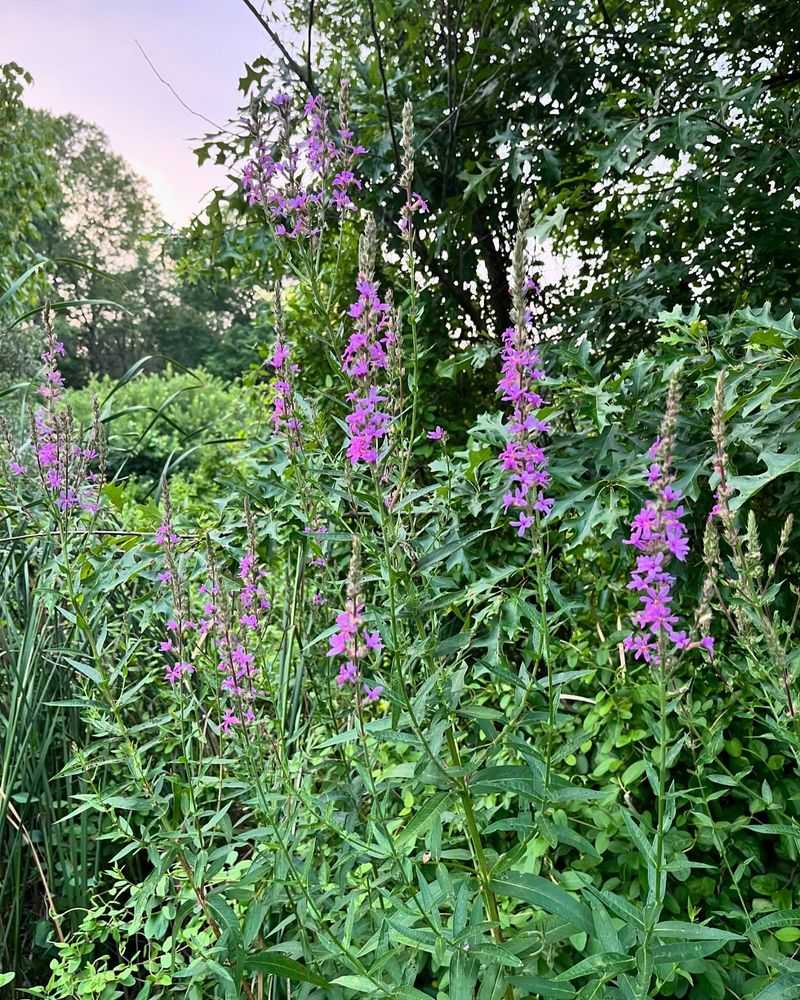
Purple loosestrife puts on a gorgeous show every summer, with tall spikes of vivid magenta flowers that look stunning along Michigan’s lakeshores and marshes.
But behind that beautiful display is a plant that has caused enormous harm to wetland ecosystems across the state.
Michigan has more freshwater coastline than almost any other state, which makes its wetlands especially vulnerable to this aggressive invader.
Each purple loosestrife plant can produce up to two million seeds per year, and those seeds travel easily through water, wind, and even on the boots of hikers.
Once it settles into a wetland, it forms thick, impenetrable stands that crowd out native cattails, sedges, and bulrushes.
These native plants are critical for waterfowl, muskrats, and dozens of other species that depend on Michigan wetlands for food and shelter.
As purple loosestrife takes over, it dramatically reduces the biological value of the wetland, leaving fewer places for wildlife to nest and feed.
Michigan’s Department of Natural Resources has listed it as a prohibited species, meaning it is illegal to sell, plant, or transport it in the state.
Gardeners looking for a colorful wetland-edge plant should consider native options like blue flag iris or swamp milkweed instead.
Both provide stunning color while actually supporting the native creatures that call Michigan’s water-rich landscapes home.
4. Spotted Knapweed
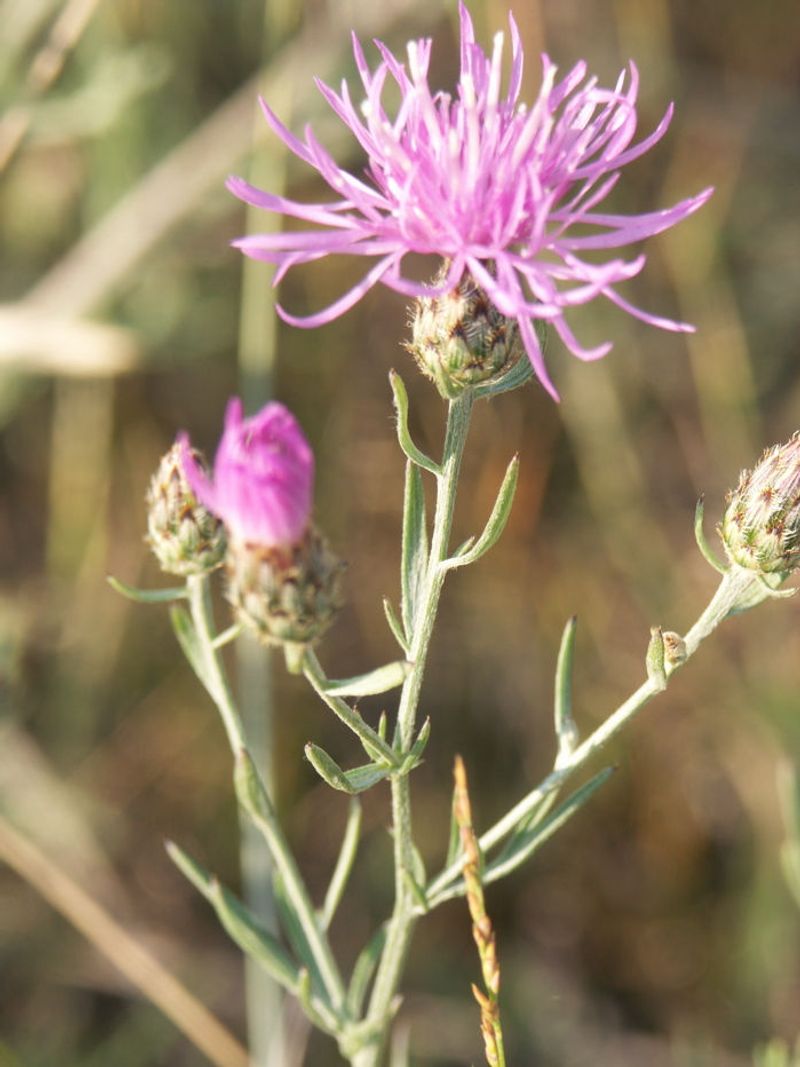
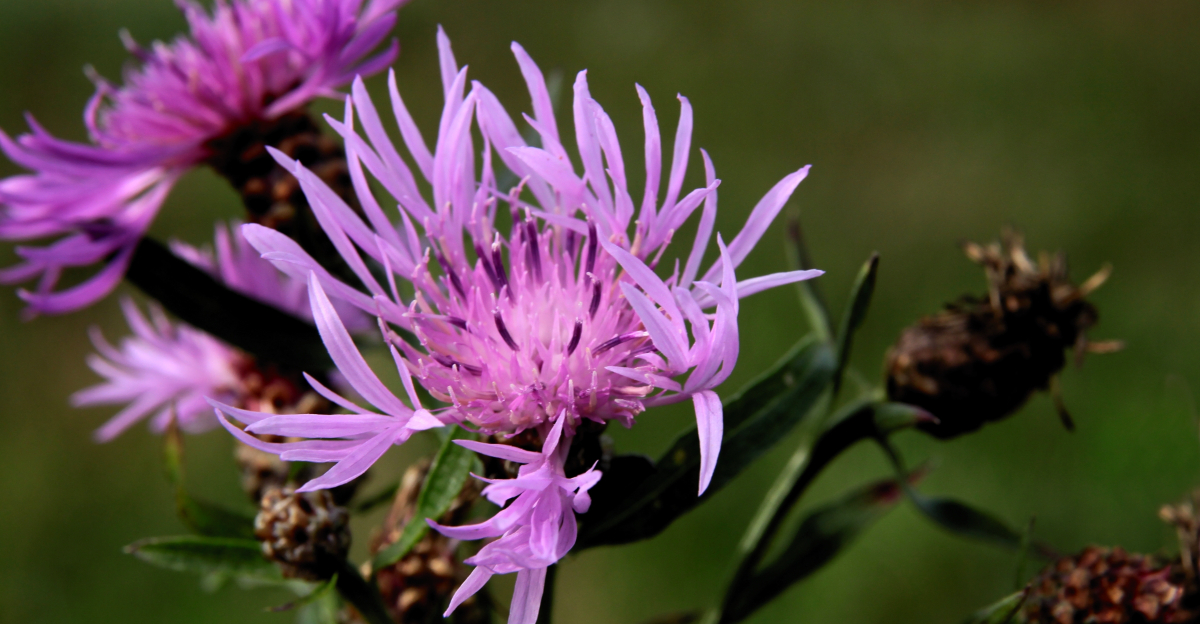
Sandy soils and wide-open fields might seem like quiet, low-maintenance spaces, but spotted knapweed has turned many of them into near-barren stretches across Michigan.
This plant thrives in exactly the kind of dry, disturbed ground that is common along roadsides, trail edges, and open meadows, especially in northern Michigan where sandy soils are widespread.
It moves in fast, and once it does, it brings a chemical weapon with it. Spotted knapweed releases compounds from its roots called catechins, which actually suppress the growth of nearby plants.
This process, known as allelopathy, gives it a serious competitive edge over native grasses and wildflowers that have no defense against it.
Fields that once supported a rich mix of native species can transform into spotted knapweed monocultures within just a few growing seasons.
Beyond the ecological damage, spotted knapweed also reduces the quality of soil and makes land less useful for wildlife grazing.
Pollinators do visit its flowers, but the overall loss of plant diversity far outweighs that small benefit.
Michigan gardeners should never introduce spotted knapweed into home landscapes or wildflower gardens, even if it seems like a low-maintenance choice.
Native dry-soil alternatives like black-eyed Susan, prairie dropseed, or little bluestem grass offer far greater ecological value and still look beautiful throughout the Michigan growing season.
5. Tree Of Heaven
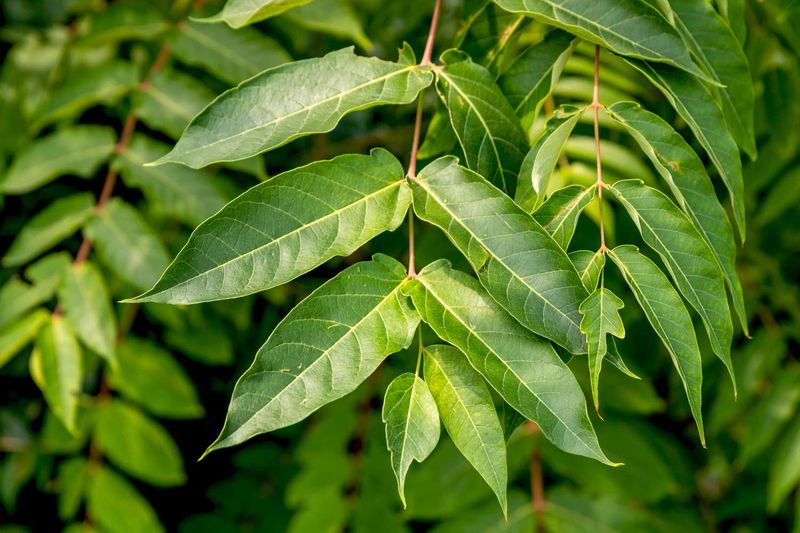
Tree of heaven sounds like something you would want in your yard, but Michigan gardeners who know this plant understand the reality is very different.
Originally introduced from China in the 1700s, it was once promoted as a fast-growing ornamental shade tree.
Today, it is one of the most widespread invasive trees in the eastern United States, and it has firmly established itself across Michigan.
What makes tree of heaven so hard to manage is its relentless reproductive strategy. A single mature tree can produce up to 325,000 seeds in a year, and it also spreads through root suckers that pop up far from the original tree.
Cut it down and it grows back with even more vigor, sending up multiple new stems from the stump.
It thrives in poor soils, compacted ground, and urban areas where most other trees would struggle.
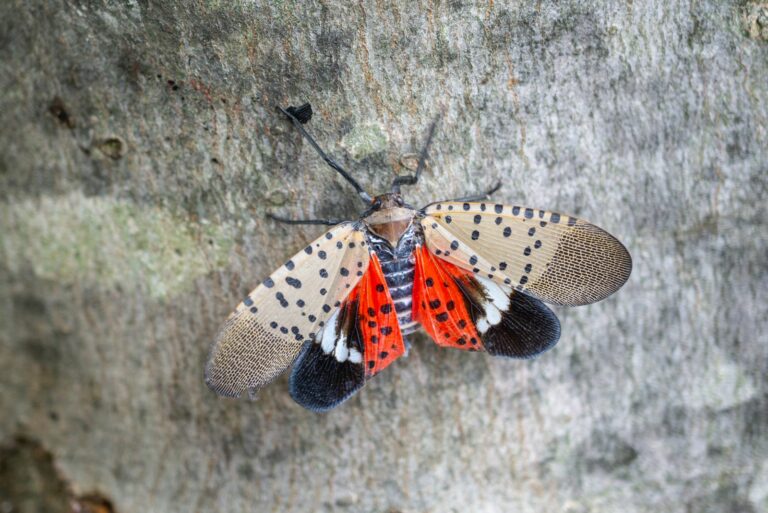
Beyond its aggressive spread, tree of heaven is also a preferred host plant for the spotted lanternfly, an invasive insect pest that poses a growing threat to Michigan’s agricultural crops and forests.
The tree also releases chemicals that prevent other plants from growing nearby, further reducing local biodiversity. No Michigan landscape benefits from having tree of heaven on it.
Native fast-growing alternatives like tulip tree or river birch provide shade and beauty without the ecological problems that come with this invasive species.
6. Japanese Barberry
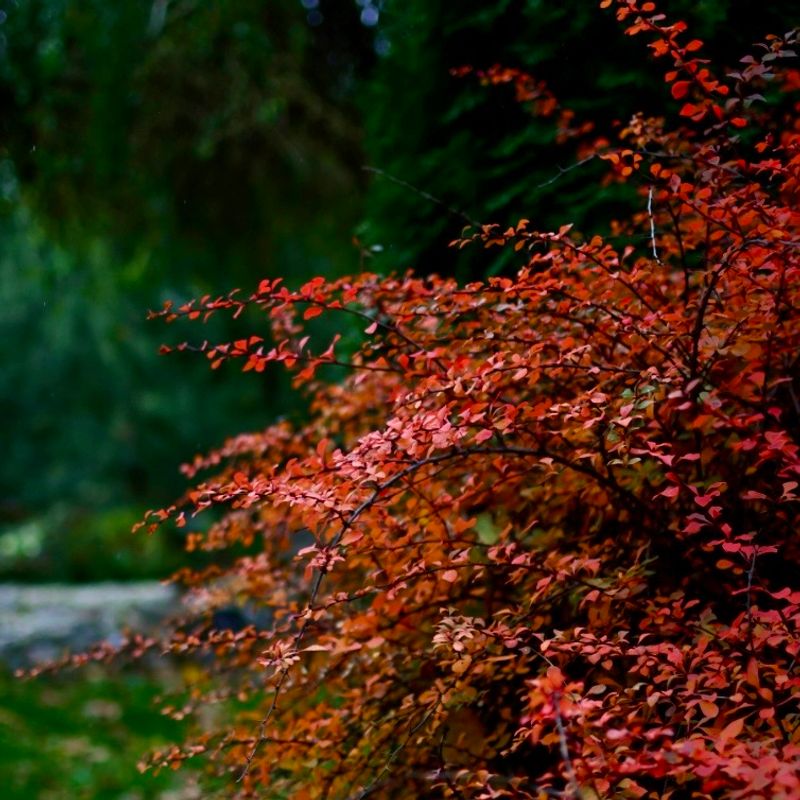
Japanese barberry has been a popular choice in ornamental landscaping for decades, thanks to its colorful foliage and low-maintenance reputation.
However, Michigan is among many states that have grown increasingly concerned about how this shrub behaves once it escapes garden borders.
It has naturalized widely across the state, forming dense, thorny thickets in forests, woodland edges, and disturbed areas that are difficult and painful to clear.
The shade that Japanese barberry creates beneath its canopy actually raises humidity levels and soil pH in ways that favor the survival of deer ticks, which carry Lyme disease.
Studies have shown that tick populations are significantly higher in areas dominated by barberry compared to areas with native shrubs.
Beyond the tick issue, barberry crowds out native wildflowers and shrubs by blocking light and altering soil conditions around it.
Michigan legislation has increasingly moved toward restricting the sale and planting of Japanese barberry, recognizing the harm it causes to native woodland communities.
Birds do eat and spread its seeds, which is a big reason it shows up so far from cultivated gardens.
Gardeners in Michigan who want a compact, colorful shrub should look at native options like native viburnums, ninebark, or spicebush.
These plants offer similar landscape appeal with genuine ecological benefits, supporting native birds and insects that Michigan’s forests truly need to stay healthy and diverse.
7. Reed Canary Grass
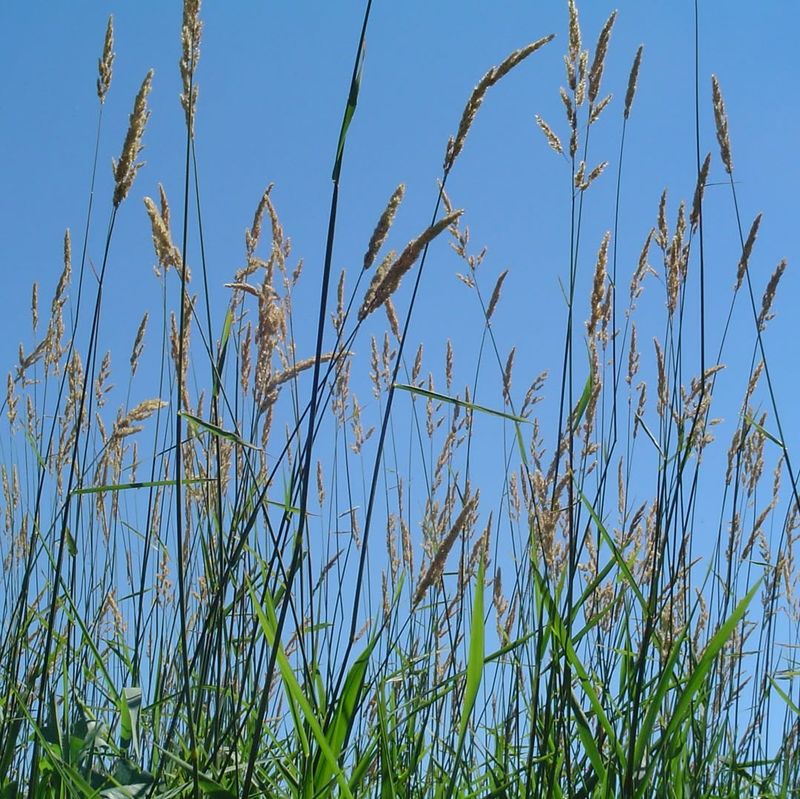
Reed canary grass might not get as much attention as some of Michigan’s flashier invasive plants, but land managers across the state know it as one of the most stubborn and damaging species in low-lying areas.
It grows in thick, impenetrable mats along stream edges, wet meadows, and roadside ditches, reaching heights of five to six feet in a single season. Native wetland plants simply cannot compete with that kind of aggressive growth.
One of the reasons reed canary grass is so hard to manage is that it leafs out earlier in spring and stays green later in fall than most native plants.
That extended growing window gives it more time to capture sunlight and crowd out species like native sedges, rushes, and wetland wildflowers.
Over time, it transforms rich, biodiverse wetlands into monotonous single-species stands that offer very little value to Michigan’s wetland wildlife.
Reed canary grass also alters the way water moves through a landscape. Its dense root systems slow water flow, increase sediment buildup, and change the hydrology of wetland systems in ways that are difficult to reverse.
Michigan gardeners and landscapers should never plant it near water features, rain gardens, or naturalized areas.
Native wetland grasses like blue joint grass or tussock sedge are excellent alternatives that provide structure and beauty while genuinely supporting the health of Michigan’s precious wetland environments.