7 Invasive Plants North Carolina Gardeners Should Never Plant
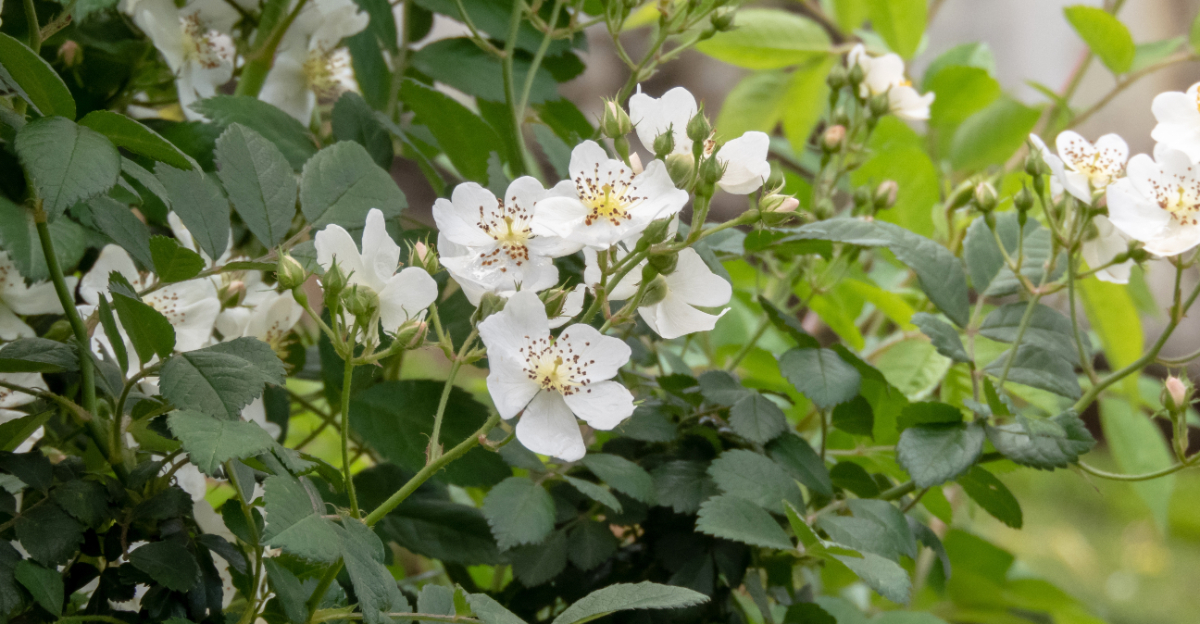
A beautiful garden can quickly turn into a problem if the wrong plants take over. In North Carolina, some plants may look harmless at first, but they can spread fast and crowd out everything around them.
Many gardeners choose them for their looks or easy care, without realizing the trouble they can cause over time. These invasive plants do more than just grow quickly.
They can take over space, make it harder for other plants to survive, and even affect local wildlife. What starts as a small addition can become difficult to manage before you know it.
The good news is that knowing which plants to avoid can save you time and effort later on. By learning about these seven invasive plants, you can make smarter choices and keep your garden healthy, balanced, and easier to enjoy.
1. Bradford Pear
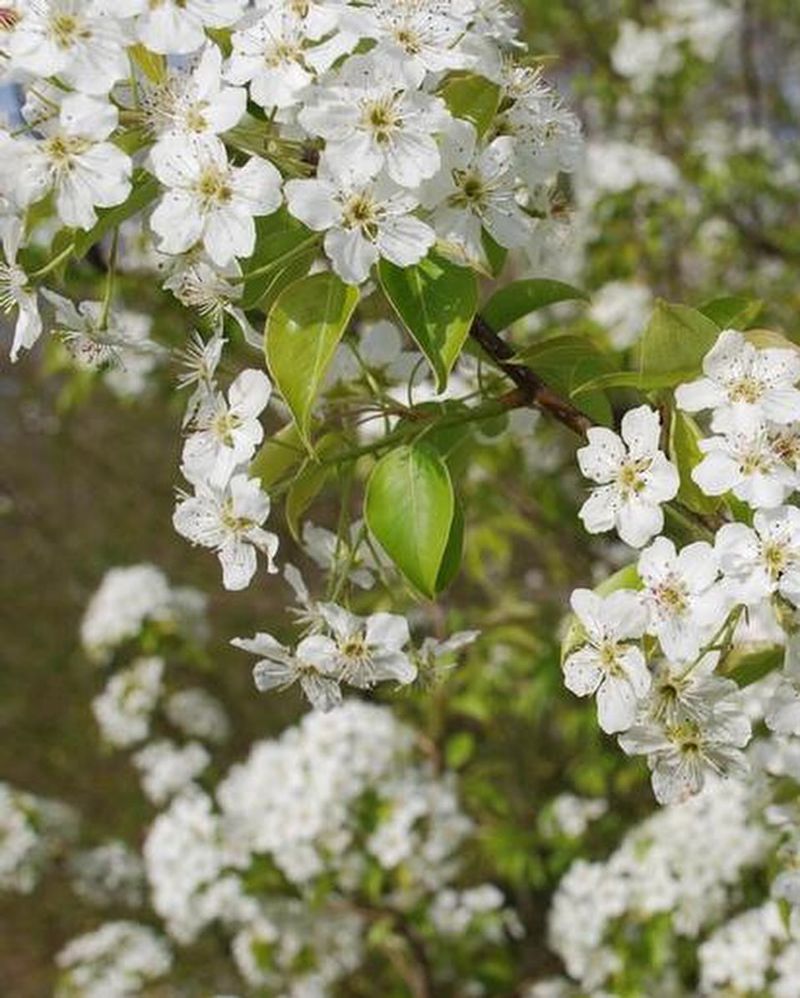
Few trees have fooled North Carolina gardeners quite like the Bradford pear. It looks stunning in early spring, covered in bright white blossoms, but beneath that pretty surface lies one of the most aggressive invaders in the state.
What started as a popular ornamental choice has turned into a serious ecological problem across the Piedmont and beyond.
Bradford pears cross-pollinate easily with other Callery pear varieties, producing thorny offspring that spread rapidly into fields, roadsides, and natural areas. These wild seedlings are tough, fast-growing, and incredibly difficult to manage once they take hold.
They push out native plants by competing aggressively for sunlight, water, and nutrients across North Carolina landscapes.
On top of the invasive spreading, Bradford pears have notoriously weak branch structure. Heavy ice, wind, or even a strong storm can cause large limbs to split suddenly, creating hazards in yards and neighborhoods.
North Carolina has already seen widespread damage from these trees during storm seasons. Several states have moved to ban their sale, and North Carolina nurseries are being encouraged to stop stocking them.
Choosing native flowering trees like serviceberry or dogwood gives you beauty without the ecological baggage, and it supports the birds and insects that North Carolina’s natural areas truly need.
2. Japanese Honeysuckle
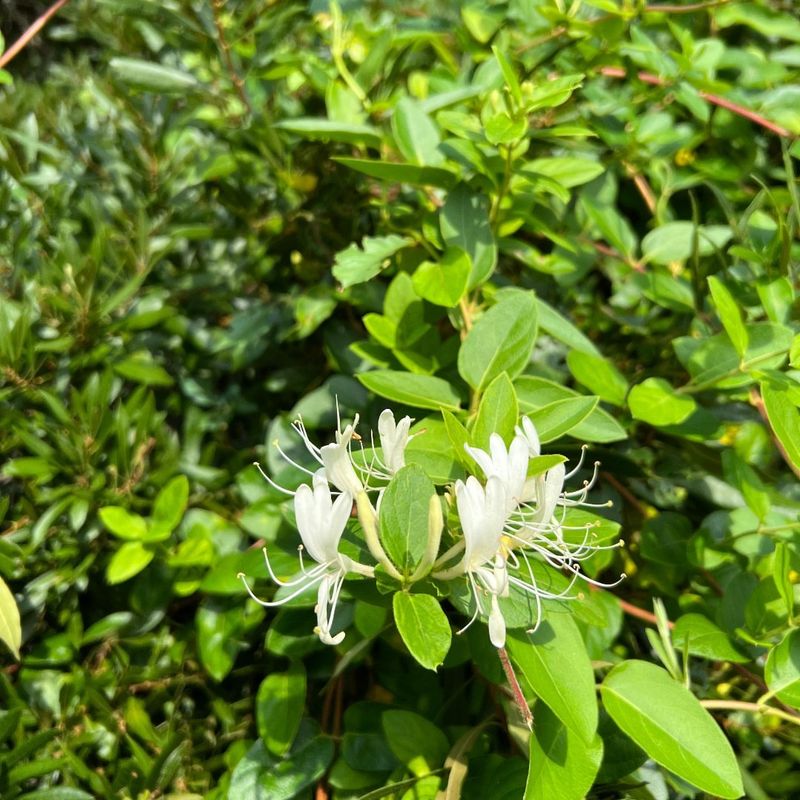
Gardeners across North Carolina have noticed it creeping along fences, climbing into treetops, and covering entire shrubs almost overnight.
Japanese honeysuckle smells wonderful, and that sweet fragrance is part of why so many people once welcomed it into their yards.
Unfortunately, that charm hides a plant that can completely take over a landscape before you even realize what is happening.
This fast-growing vine thrives in North Carolina’s mild climate, which allows it to remain green and active far longer than in colder states. It wraps tightly around young trees and shrubs, blocking out sunlight and slowing their growth significantly.
Native wildflowers, ferns, and forest understory plants struggle to survive once Japanese honeysuckle moves in and starts spreading across the ground and upward through the canopy.
Seeds spread easily through bird droppings, and once the vine establishes itself, removing it completely takes serious effort and persistence. It regrows quickly from roots left behind in the soil, making partial removal almost pointless without follow-through.
North Carolina’s forests, particularly in the Piedmont and Mountain regions, have suffered real losses of native plant diversity because of this species.
Planting native alternatives like coral honeysuckle offers the same visual appeal and actually benefits local pollinators and hummingbirds.
Skipping Japanese honeysuckle is one of the simplest and most impactful choices a North Carolina gardener can make for the environment.
3. Chinese Privet
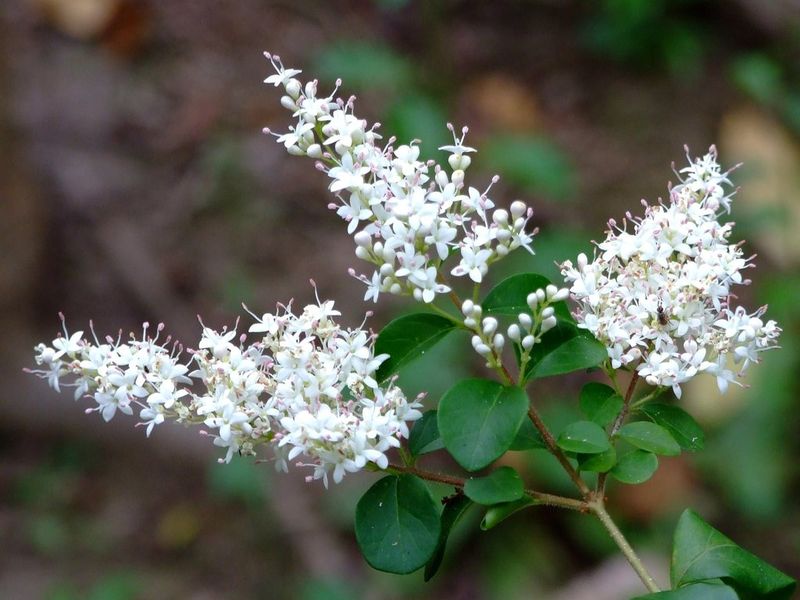
Walk along almost any creek, woodland edge, or disturbed area in the North Carolina Piedmont or Coastal Plain, and chances are good you will spot Chinese privet. It grows in thick, dark green masses that look almost impenetrable, and that is exactly the problem.
Once Chinese privet takes over an area, native plants underneath simply cannot compete for light or space.
Birds love the small berries that privet produces, which sounds harmless enough until you realize those birds are spreading seeds across enormous distances.
New seedlings pop up far from the original plant, establishing fresh colonies in forests, along streams, and in backyard gardens throughout North Carolina.
The plant also roots deeply and resprouts vigorously after cutting, making removal a long and frustrating process for homeowners.
Many North Carolina gardeners planted Chinese privet as a hedge years ago because it grows fast and stays dense year-round. The problem is that it rarely stays where it was planted.
It escapes into surrounding natural areas quickly and crowds out native understory plants like spicebush, wild azalea, and native viburnums that local wildlife depends on for food and shelter.
Replacing privet hedges with native shrubs like wax myrtle or inkberry provides the same privacy screen while actually supporting North Carolina’s birds, bees, and butterflies. Making the switch is easier than you might think.
4. English Ivy
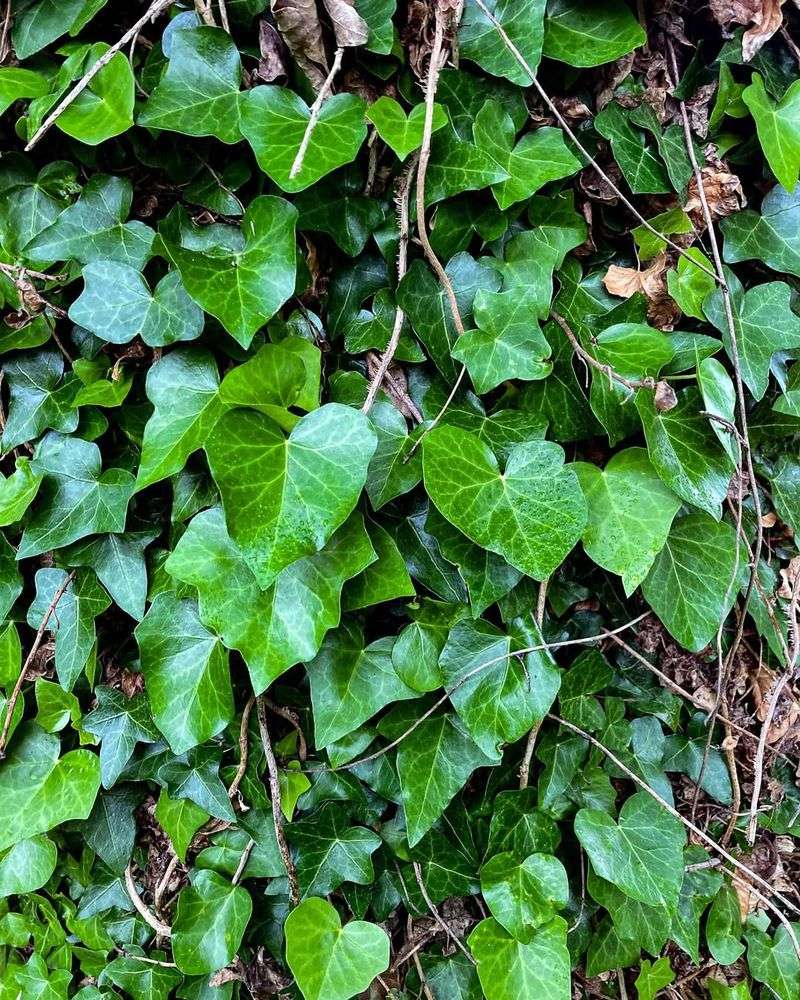
English ivy looks like the perfect ground cover. It stays green all year, spreads quickly to fill bare spots, and handles shade without any complaints.
North Carolina gardeners have used it for decades in landscaping projects, not realizing they were introducing a plant that would eventually cause serious problems well beyond their property lines.
Once English ivy escapes a cultivated area, it moves fast. It spreads across the forest floor in dense mats, blocking sunlight from reaching native wildflowers and seedlings that need it to survive.
It also climbs trees aggressively, sometimes reaching all the way to the canopy and adding so much weight that branches become vulnerable to breaking during storms. Tree trunks wrapped in ivy also hold moisture against the bark, which can weaken the tree over time.
North Carolina’s shaded, humid forests create nearly perfect conditions for English ivy to thrive and spread unchecked. The plant produces berries that birds carry into natural areas, starting new colonies far from any garden.
Removal requires consistent effort over multiple seasons, and even small root fragments left in the soil can restart the whole process.
Native ground covers like wild ginger, green-and-gold, or creeping phlox offer beautiful, low-maintenance alternatives that actually belong in North Carolina landscapes.
Choosing these plants instead supports the local ecosystem and keeps nearby natural areas healthier for years to come.
5. Kudzu
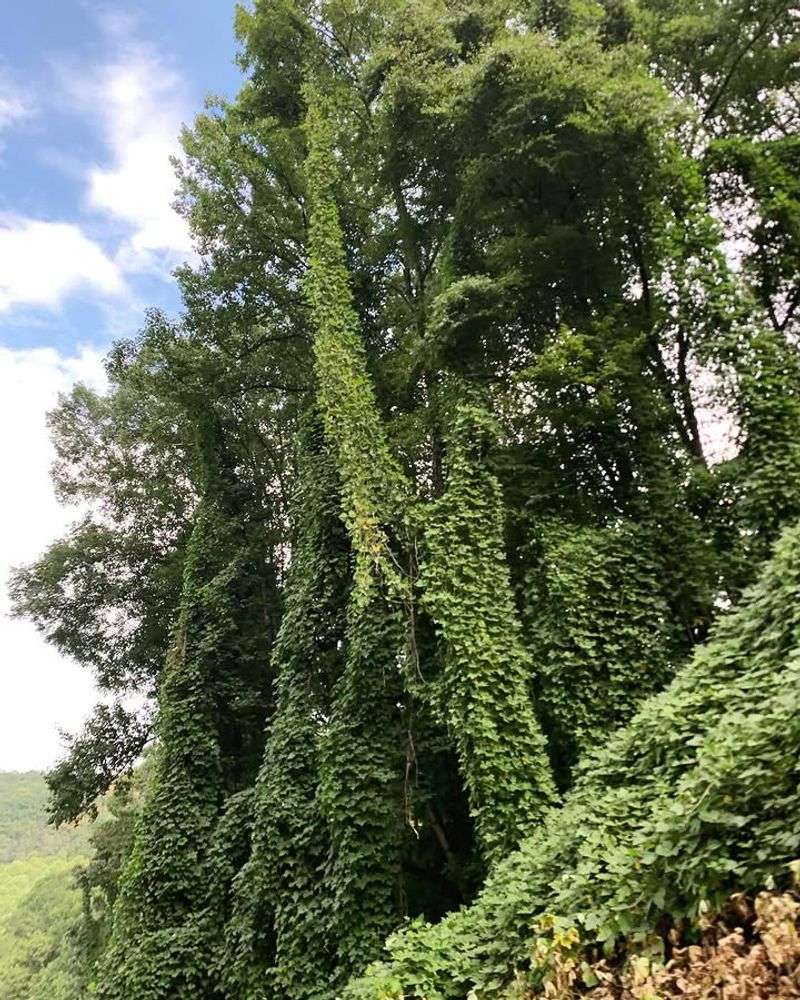
Nicknamed the vine that ate the South, kudzu is practically a symbol of how badly an invasive plant introduction can go wrong.
Drive along almost any highway in North Carolina during summer and you will see it draping over trees, telephone poles, and entire hillsides in thick green waves.
It is almost hard to believe one plant can cover that much ground so quickly.
Kudzu grows at an extraordinary rate in warm, humid conditions, and North Carolina’s climate is basically ideal for it. During peak growing season, a single vine can extend several inches in a single day, smothering everything underneath by blocking sunlight completely.
Trees, shrubs, and native plants vanish beneath the vines, unable to photosynthesize or grow. The root system runs deep and stores enormous amounts of energy, making the plant incredibly resilient and hard to remove.
Kudzu was actually promoted in the early 20th century for erosion control and livestock forage, which explains how it ended up planted so widely across the Southeast, including North Carolina. Once its invasive nature became clear, it was far too late to contain it easily.
Today, removing established kudzu from a property requires repeated treatments over several growing seasons. No home gardener should ever intentionally plant it, regardless of any perceived benefits.
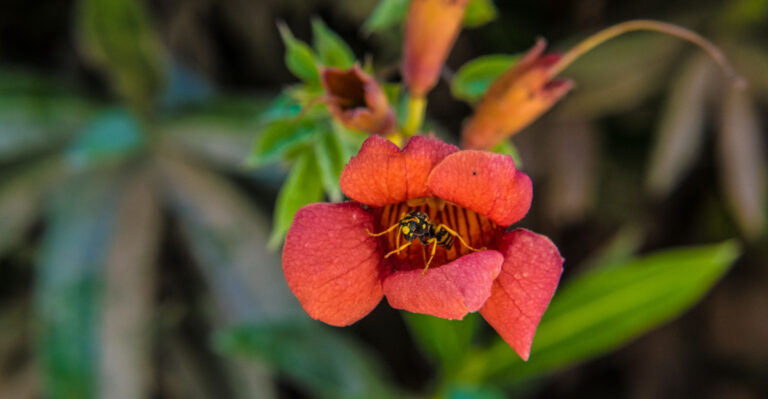
Native vines like trumpet creeper or Virginia creeper provide lush, fast-growing coverage without turning your yard into an ecological problem.
6. Tree Of Heaven
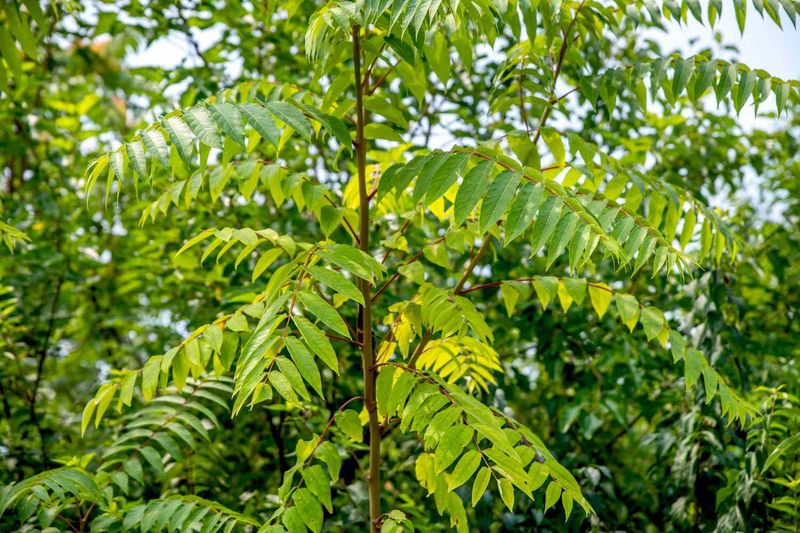
Despite its heavenly name, this tree is anything but welcome in North Carolina landscapes. Tree of heaven, originally brought to the United States from China in the late 1700s, has spread across the entire eastern half of the country and shows no sign of slowing down.
In North Carolina, it pops up in vacant lots, roadsides, forest edges, and even cracks in pavement with almost no encouragement at all.
One of the reasons tree of heaven spreads so aggressively is its ability to reproduce in multiple ways at once.
A single tree can produce thousands of winged seeds that travel on the wind, and the root system sends up suckers constantly, creating dense colonies around the original plant.
It tolerates poor soil, drought, pollution, and compacted urban conditions better than almost any native species, giving it a serious competitive edge in disturbed areas across North Carolina.
Beyond the spreading problem, tree of heaven serves as a host plant for the spotted lanternfly, an invasive insect pest that threatens agricultural crops and trees across the eastern United States.
North Carolina agriculture experts have flagged this connection as a growing concern. The tree also releases chemicals into the soil that suppress the growth of nearby plants, a process called allelopathy, which makes recovery of native vegetation even harder.
Native fast-growing trees like tulip poplar or river birch make far better choices for North Carolina yards that need quick shade or screening.
7. Multiflora Rose
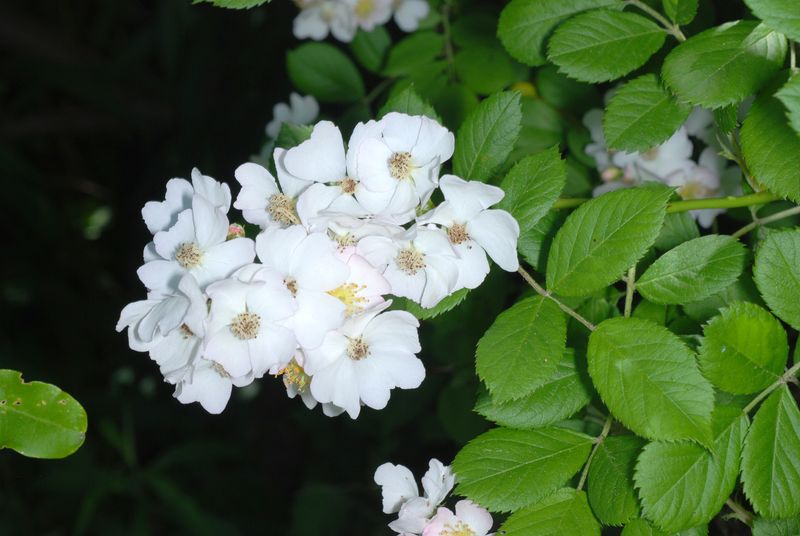
Multiflora rose has one of the stranger origin stories among North Carolina’s invasive plants. It was actively promoted by the U.S.
Soil Conservation Service in the mid-20th century as a living fence for farms and as a food source for wildlife. Farmers across North Carolina planted it by the acre, trusting the recommendation.
Within a generation, it had escaped those fences completely and spread across the entire landscape.
The plant produces an enormous number of small red berries that birds eat eagerly and spread widely through their droppings. Arching canes root where they touch the ground, starting new plants without any help from seeds at all.
A single multiflora rose can eventually cover a large area, forming impenetrable thorny thickets that crowd out native grasses, wildflowers, and shrubs. Farmers across North Carolina have lost significant amounts of usable pasture land to this species over the decades.
Once established, multiflora rose is genuinely difficult to manage. Cutting it back simply encourages vigorous resprouting, and the thorns make hand removal uncomfortable and slow.
North Carolina lists it as a noxious weed, reflecting just how serious the problem has become statewide.
For gardeners who want flowering shrubs with wildlife value, native options like Carolina rose or native viburnums provide beautiful blooms and berries without the invasive risk.
Protecting North Carolina’s open lands starts with making smarter choices right in your own backyard.