11 Invasive Plants South Carolina Gardeners Most Regret Adding To Their Landscapes
In South Carolina, some gardening regrets don’t show up right away.
They creep, spread, and slowly take over—until one day, a once-beautiful plant is everywhere, and removing it feels impossible.
Many invasive plants are sold for their fast growth or striking appearance, but those same traits allow them to overwhelm native species.
They choke out biodiversity, alter soil conditions, and demand constant control.
Gardeners often realize too late that what seemed like an easy solution has become a long-term problem.
South Carolina’s warm climate gives invasives a serious advantage.
Without natural predators or seasonal dieback, these plants spread aggressively, jumping fences and property lines.
Knowing which plants others regret most can save new gardeners years of frustration.
In landscaping, faster isn’t always better—and restraint often pays off.
Sometimes the best advice comes from those who learned the hard way.
1. Chinese Privet (Ligustrum Sinense)

Walk through almost any South Carolina woodland edge, and you’ll likely encounter thick walls of Chinese privet blocking your path.
This shrub arrived as an ornamental hedge plant but quickly proved itself to be one of the most aggressive invaders in the Southeast.
Homeowners who planted it for privacy screening soon discovered that it spreads far beyond intended boundaries, creating impenetrable thickets that choke out native wildflowers, shrubs, and young trees.
Birds feast on the small berries and scatter seeds across yards and forests, establishing new colonies faster than most people can manage.
The dense shade created by privet stands prevents sunlight from reaching the forest floor, essentially creating biological deserts where native plants once thrived.
Removal requires cutting stems close to the ground and treating stumps with herbicide, but even then, root sprouts emerge with surprising vigor.
Many gardeners spend years battling this persistent invader, wishing they had chosen native alternatives like American beautyberry or Carolina allspice instead.
The initial appeal of quick growth and evergreen foliage quickly fades when you realize this plant has no intention of staying where you put it.
2. Japanese Honeysuckle (Lonicera Japonica)
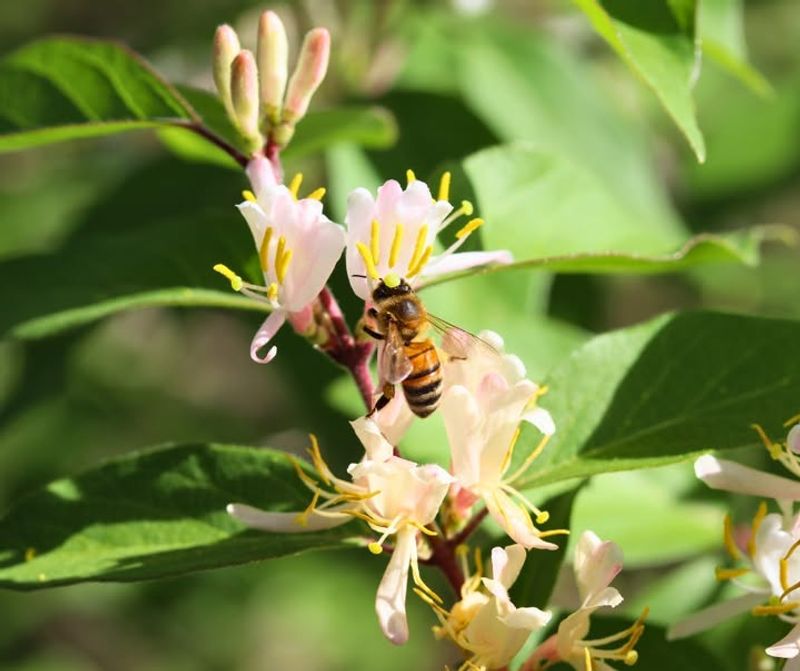
That sweet fragrance on warm summer evenings might seem romantic at first, but Japanese honeysuckle brings far more trouble than charm to South Carolina landscapes.
Gardeners originally welcomed this vine for its pleasant scent and ability to cover unsightly fences quickly.
Unfortunately, this plant doesn’t understand the concept of boundaries and soon begins climbing trees, smothering shrubs, and carpeting ground areas with such density that nothing else can grow beneath it.
The vines twist around young trees and pull them down under their weight, while also blocking sunlight that other plants desperately need.
South Carolina’s mild winters barely slow this aggressive grower, and even a small piece of stem left in the soil can regenerate into a new plant.
Homeowners report spending entire weekends pulling vines from trees, only to find new growth emerging within weeks.
The roots spread underground, sending up shoots in unexpected places throughout your yard and into neighboring properties.
Control requires persistent cutting and careful herbicide application, often repeated over multiple growing seasons.
What seemed like an easy solution for covering a chain-link fence becomes a relentless maintenance burden that many gardeners deeply regret.
3. English Ivy (Hedera Helix)
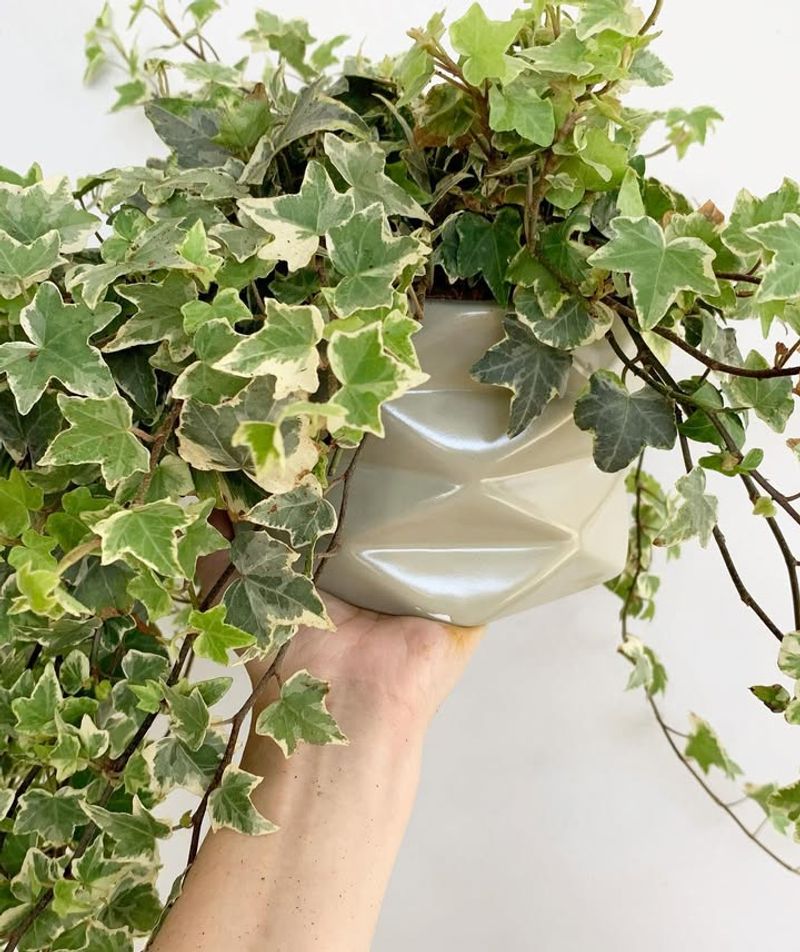
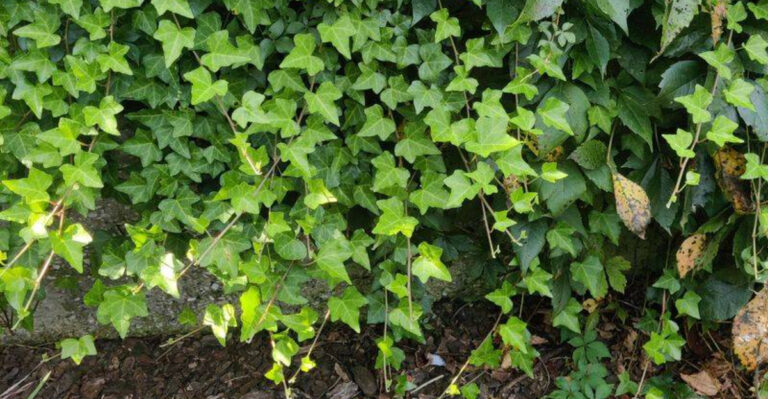
Charming cottage gardens in England might showcase English ivy beautifully, but South Carolina’s climate turns this ground cover into an unstoppable force.
Many homeowners plant it as an elegant solution for bare ground beneath trees or to create that classic look on brick walls.
The problem begins when ivy transitions from its juvenile creeping form to its mature climbing phase, sending aerial roots into tree bark and brick mortar.
Trees become covered in heavy blankets of ivy that add weight during storms and create hiding places for pests.
The extra moisture trapped against bark encourages rot and disease, while the dense foliage blocks sunlight from reaching the tree’s lower branches.
On the ground, ivy forms such thick mats that native woodland flowers cannot emerge in spring, and beneficial insects lose their habitat.
Removal becomes a labor-intensive nightmare as each vine must be carefully pulled away from surfaces, and any small piece of root left behind will sprout anew.
Gardeners who planted English ivy ten years ago often find themselves still fighting it today, watching helplessly as it spreads into natural areas beyond their property lines.
4. Kudzu (Pueraria Montana)
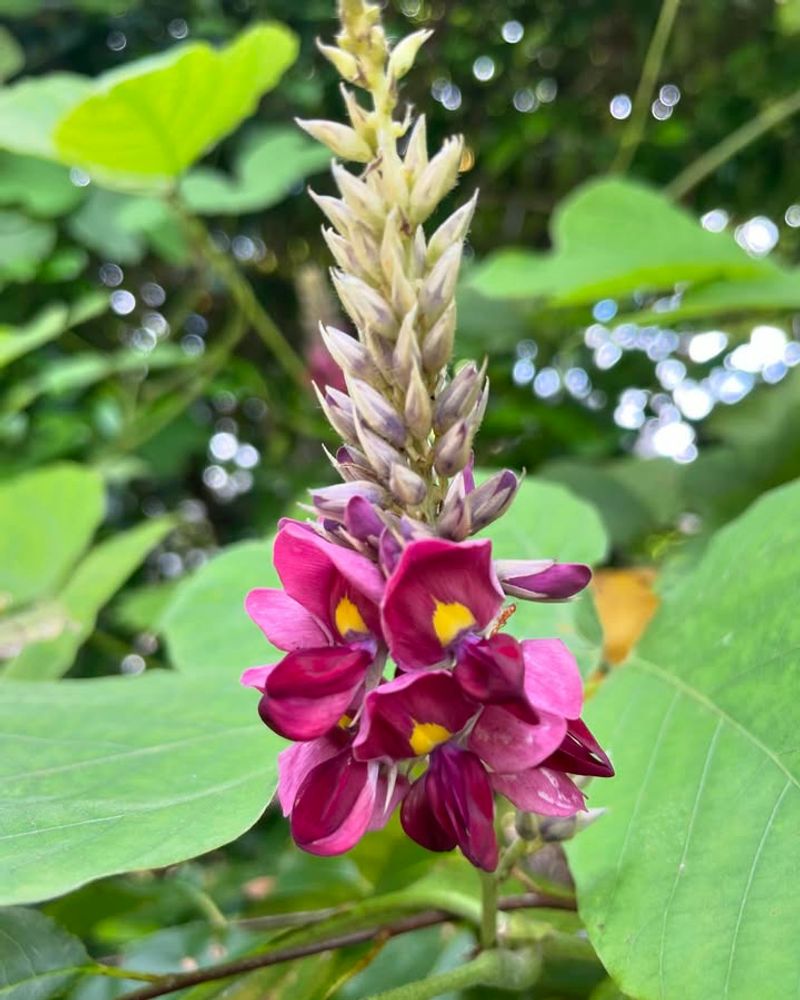
Known as “the vine that ate the South,” kudzu holds legendary status among invasive plants for good reason.
Believe it or not, people actually planted this aggressive vine deliberately, thinking it would control erosion and provide livestock forage.
That decision ranks among the greatest botanical mistakes in American history, as kudzu can grow up to a foot per day during peak summer conditions.
The massive vines smother everything in their path, completely covering trees, utility poles, abandoned buildings, and anything else that can’t move out of the way.
Once kudzu establishes itself, it forms enormous underground tubers that can weigh hundreds of pounds and extend deep into the soil.
Homeowners who discover kudzu creeping onto their property from neighboring land face an exhausting battle that requires years of persistent effort.
The plant’s ability to regenerate from tiny root fragments makes eradication extremely challenging, and many people eventually resort to professional help.
South Carolina landscapes bear countless scars from kudzu invasions, with entire hillsides transformed into eerie green blankets that hide the natural world beneath.
Anyone considering planting kudzu today would face universal horror from experienced gardeners who understand the monster they’d be unleashing.
5. Chinese Wisteria (Wisteria Sinensis)
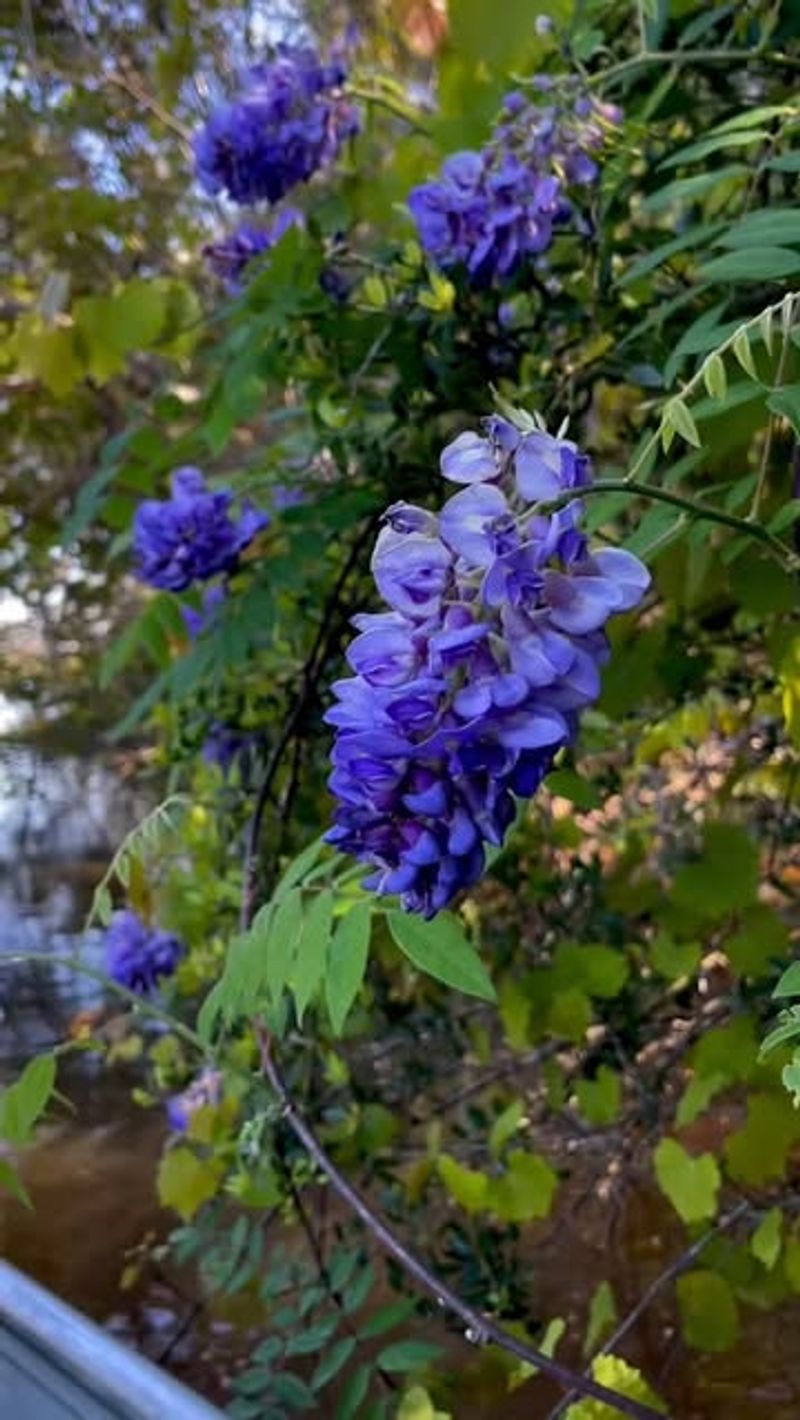
Those gorgeous cascading purple flowers tempt many gardeners, but Chinese wisteria’s beauty masks its destructive nature.
People often confuse this Asian import with native American wisteria, not realizing they’re inviting a much more aggressive plant into their landscapes.
The woody vines grow as thick as tree trunks and wrap around anything vertical with crushing force.
Pergolas and arbors that seemed sturdy when first built begin to twist and collapse under the immense pressure of mature wisteria vines.
Trees suffer even worse fates, as the constricting vines cut off nutrient flow and eventually strangle their hosts.
The plant spreads through both seeds and underground runners, popping up in unexpected locations throughout your yard and beyond.
Removal requires cutting through incredibly tough woody stems that can be several inches in diameter, then treating stumps repeatedly to prevent regrowth.
Many South Carolina homeowners have watched in dismay as their beautiful wisteria arbor became a maintenance nightmare requiring constant pruning and control efforts.
The brief flowering period, while admittedly spectacular, hardly justifies the year-round struggle to keep this plant from taking over entire properties and damaging valuable structures.
6. Bradford Pear (Pyrus Calleryana)
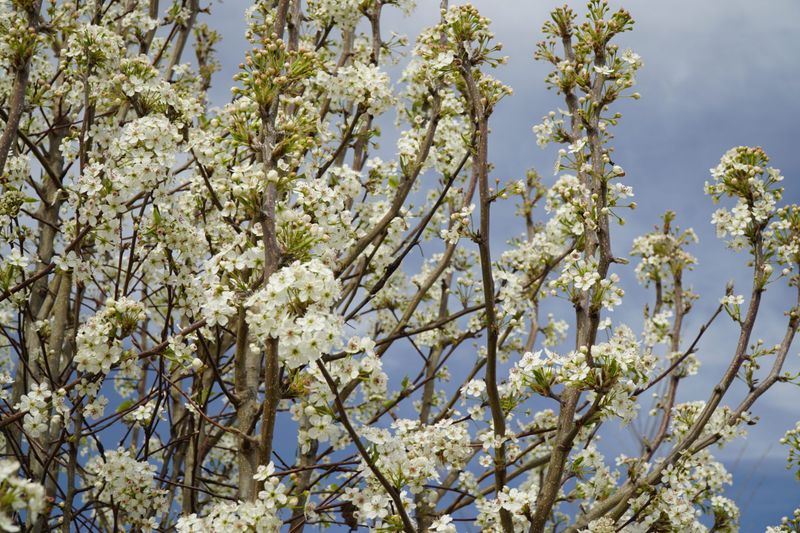
Few trees have fallen from grace as dramatically as the Bradford pear, once praised by landscapers and now despised by almost everyone.
Developers planted thousands of these trees in subdivisions throughout South Carolina because they grew quickly, provided nice shade, and produced showy white spring blooms.
The problems emerged as the trees matured and revealed their terrible structural weakness.
Bradford pears have a habit of splitting apart during storms, often right down the middle, leaving dangerous broken branches and ruined landscapes.
The narrow branch angles create weak attachment points that simply cannot handle wind or ice loads.
Beyond structural issues, these trees produce thousands of seeds that birds spread everywhere, creating thorny thickets along roadsides and in natural areas.
The spring flowers, while pretty from a distance, emit an unpleasant odor that many people find offensive.
Homeowners who planted Bradford pears twenty years ago now face expensive removal costs and property damage from fallen limbs.
Many municipalities have banned new plantings, and some even offer bounties for removal.
Native alternatives like serviceberry or fringe tree provide similar spring beauty without the regret, making Bradford pear one of the most widely lamented landscape choices in South Carolina history.
7. Autumn Olive (Elaeagnus Umbellata)
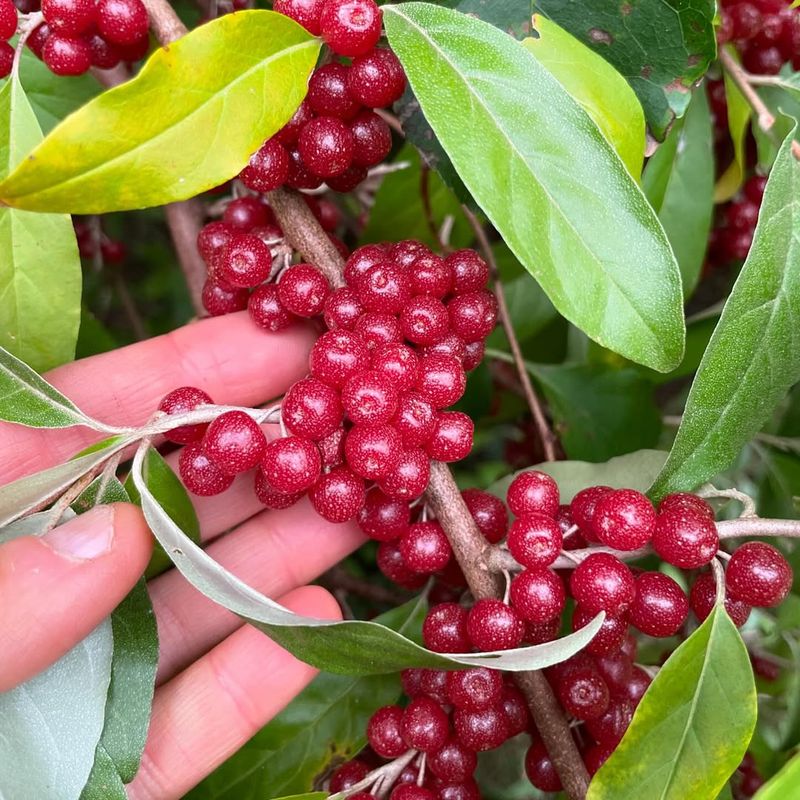
Promoted for wildlife habitat and erosion control, autumn olive seemed like a win-win addition to rural properties.
The silvery leaves and small fragrant flowers appeared attractive, and the abundant red berries drew birds to the landscape.
Unfortunately, those same birds became the plant’s distribution system, spreading seeds across pastures, forests, and yards throughout South Carolina.
Autumn olive possesses a sneaky advantage over native plants through its nitrogen-fixing ability, which allows it to alter soil chemistry in ways that favor its own growth over competitors.
Dense thickets form rapidly, crowding out native shrubs and wildflowers that wildlife actually depend on for nutrition.
The shrubs grow tall and tangled, creating impenetrable barriers that reduce property usability and block scenic views.
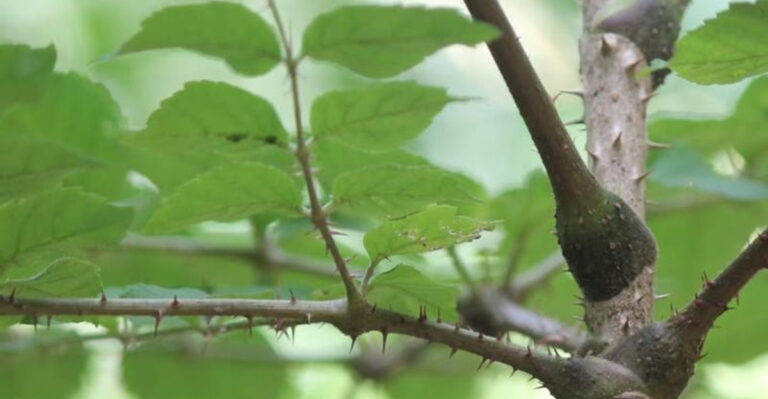
Thorny branches make removal work unpleasant and difficult, while the extensive root systems resist simple pulling or cutting efforts.
Landowners who planted autumn olive for erosion control or wildlife food now spend considerable time and money trying to eradicate it from their properties.
The berries, while numerous, provide poor nutrition compared to native alternatives like elderberry or spicebush.
What seemed like a practical conservation choice has become an expensive mistake that spreads to neighboring lands and natural areas.
8. Mimosa Tree / Silk Tree (Albizia Julibrissin)
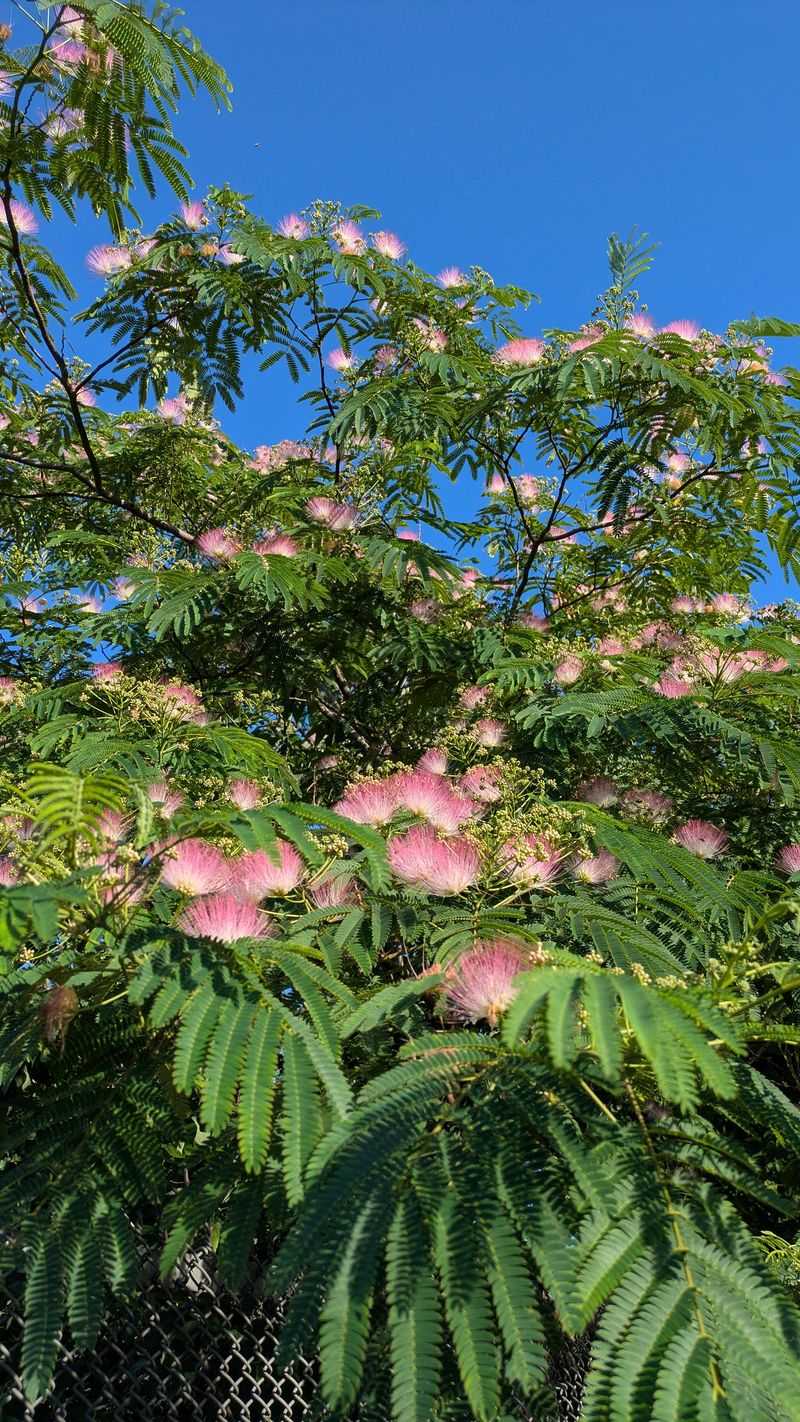
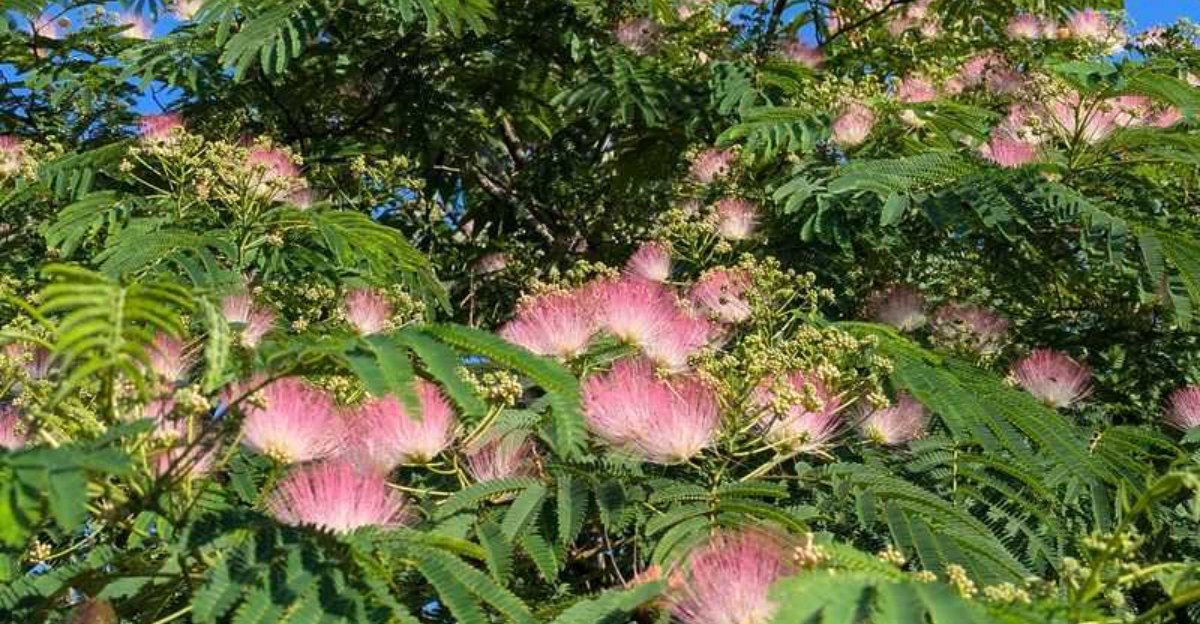
With its feathery leaves and fluffy pink blooms, the mimosa tree seems like something from a fairy tale.
Grandmothers across the South cherished these trees for their exotic appearance and sweet fragrance, often planting them in prominent yard locations.
Modern gardeners have learned what previous generations didn’t fully appreciate: mimosa trees spread with alarming enthusiasm.
Each tree produces thousands of seeds in flat brown pods, and these seeds germinate readily in lawns, flower beds, and cracks in pavement.
Before long, mimosa seedlings appear everywhere, requiring constant removal efforts to prevent a full takeover.
The trees themselves have weak wood that breaks easily in storms, dropping branches and creating cleanup headaches.
Their aggressive roots seek out water lines and can cause plumbing problems, while the constant leaf drop creates ongoing yard maintenance.
Mimosa trees spread along South Carolina roadsides and waterways, forming dense stands that exclude native vegetation and provide little value to local wildlife.
The trees also suffer from mimosa wilt disease, which can spread to nearby plants.
Removing established mimosa trees requires persistence, as stumps readily sprout new growth and nearby seedlings continue appearing for years.
The brief period of pretty flowers hardly compensates for the long-term maintenance burden these trees create.
9. Nandina / Heavenly Bamboo (Nandina Domestica)
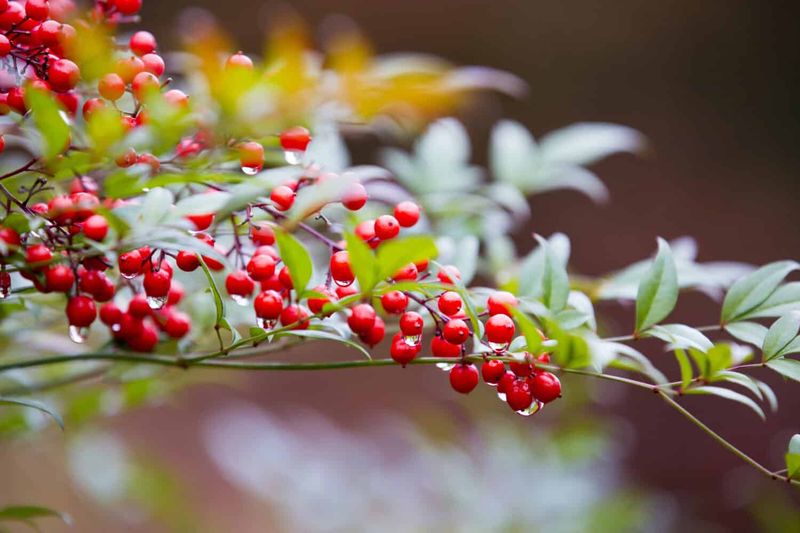
Southern landscapes have featured nandina for decades, prized for its colorful foliage and easy-care nature.
Garden centers sell countless varieties, and homeowners appreciate the year-round interest provided by changing leaf colors and bright red berries.
Recent years have brought growing awareness of nandina’s darker side, leading many gardeners to reconsider this traditional favorite.
Birds eat the berries and deposit seeds throughout neighborhoods and natural areas, where new plants establish themselves far from original plantings.
Unlike the tidy foundation shrubs homeowners intended, these escapees form spreading colonies that crowd out native understory plants.
The berries contain compounds that can be toxic to birds when other food sources are scarce, leading to wildlife concerns.
Older plantings often develop multiple stems and spread wider than expected, requiring regular pruning to maintain their intended shape and size.
Gardeners who planted nandina decades ago now find themselves pulling seedlings from all corners of their property and watching the plant naturalize in nearby woods.
While not as aggressively invasive as some species on this list, nandina’s ability to escape cultivation and displace native plants has earned it a spot on many regret lists.
Native alternatives like yaupon holly provide similar evergreen structure without the invasive tendencies.
10. Tree Of Heaven (Ailanthus Altissima)
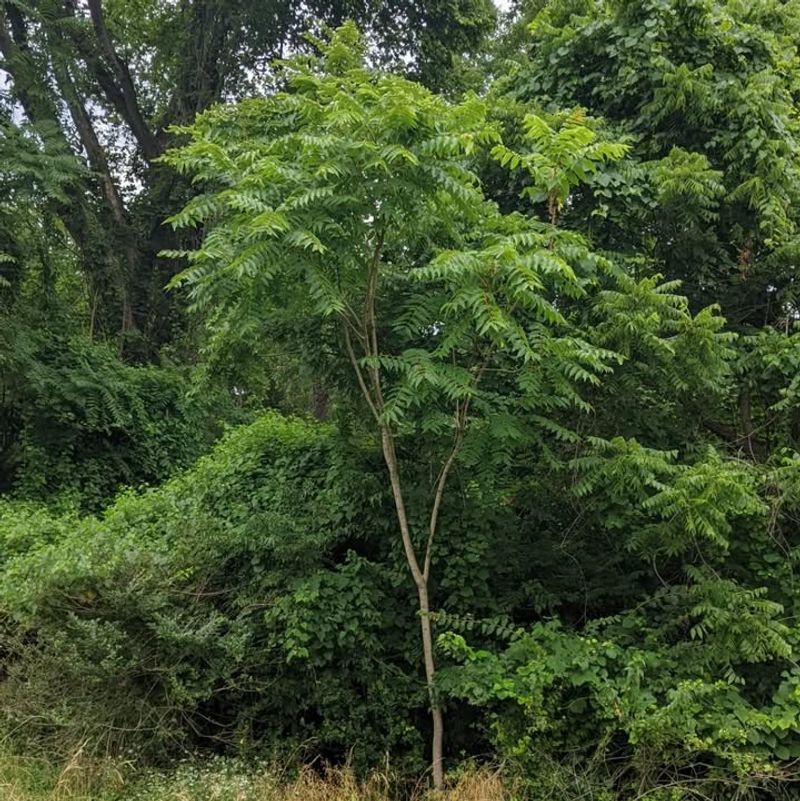
Despite its lofty name, tree of heaven brings anything but paradise to South Carolina properties.
This fast-growing tree pops up in disturbed areas, along fences, and near buildings, often appearing uninvited rather than deliberately planted.
Some homeowners mistake young trees for native species and allow them to grow, only to discover their mistake when the problems begin.
Tree of heaven produces chemicals that inhibit growth of nearby plants, essentially poisoning the soil to eliminate competition.
The trees send up root suckers that emerge throughout yards, sometimes breaking through pavement and damaging sidewalks or foundations.
Cutting down a tree of heaven often makes the problem worse, as the root system responds by sending up dozens of new shoots in a desperate survival response.
The trees grow rapidly, reaching significant height in just a few years and dropping thousands of winged seeds that spread on the wind.
Leaves and bark emit an unpleasant odor when crushed, and the trees provide poor wildlife value despite their size.
Proper removal requires cutting followed by immediate herbicide application to prevent regrowth, but even then, vigilance is necessary for years.
Homeowners who inherit properties with established tree of heaven face an ongoing battle that can feel nearly impossible to win.
11. Periwinkle / Vinca (Vinca Major)
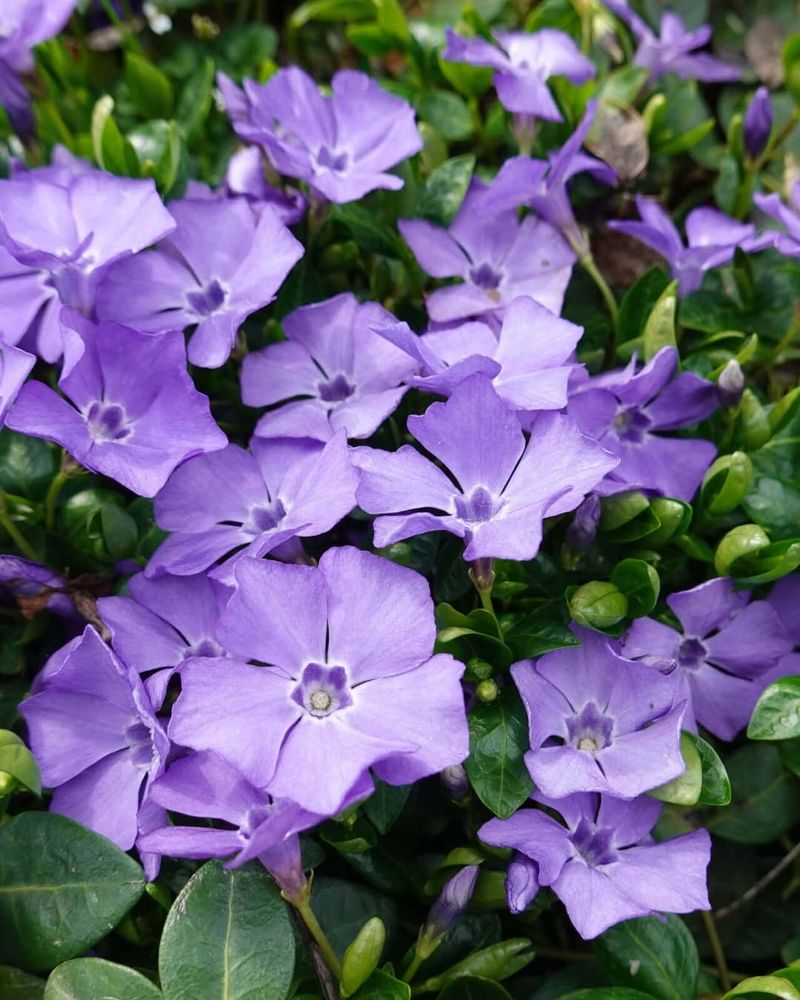
Those cheerful purple flowers and glossy evergreen leaves make periwinkle seem like the perfect ground cover solution.
Gardeners plant it to cover bare spots under trees, along shady borders, or on slopes where grass struggles to grow.
The plant performs its coverage duties perhaps too well, spreading far beyond its intended location and creating dense mats that smother everything in their path.
Periwinkle’s trailing stems root wherever they touch soil, allowing the plant to creep steadily outward in all directions.
Native spring wildflowers that once emerged in woodland areas disappear beneath the thick evergreen carpet, and even tree seedlings struggle to penetrate the dense growth.
The plant spreads into natural areas along creek banks and forest edges, displacing native ground covers that provide food and habitat for local insects and wildlife.
Removal requires pulling up every bit of stem and root, as tiny fragments left behind will regenerate into new plants.
South Carolina’s mild climate allows periwinkle to grow year-round, giving it a significant advantage over native plants that go dormant in winter.
Homeowners who planted a few periwinkle starts for a small shady area often find themselves fighting its spread for years, wishing they had chosen native alternatives like wild ginger or foamflower instead.