Iowa Gardeners, Did You Know These Backyard Crops Are Against The Law?
Iowa gardens are famously fertile, but not every crop is legal to grow at home. Some plants are restricted due to invasive potential, safety concerns, or state regulations, and many gardeners unknowingly break the law by planting them.
Your backyard bounty could land you in hot water without you even knowing it!
From certain exotic species to regulated herbs and vegetables, these crops are off-limits unless you have proper permits. Ignoring the rules can result in fines, mandatory removal, or other legal consequences.
Understanding what’s prohibited ensures your garden stays productive, safe, and fully compliant with Iowa laws. Not every plant belongs in your yard, knowledge is your best tool!
Iowa gardeners who follow these guidelines can enjoy a thriving, legal garden that nourishes both family and community without risk. Grow smart, stay legal, and keep your backyard thriving!
Canada Thistle
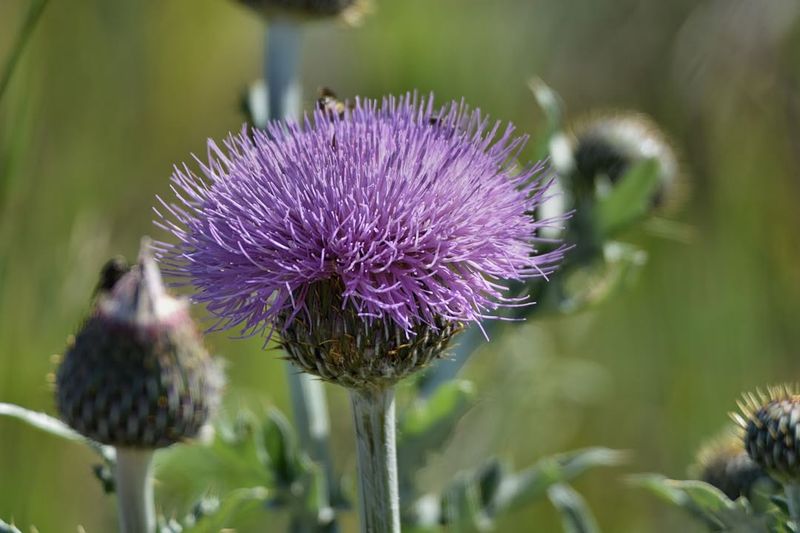
Landowners across Iowa have a legal obligation to manage this aggressive invader. Canada Thistle earned its spot on the primary noxious weed list because of how rapidly it colonizes agricultural fields, gardens, and even pristine natural areas.
Its deep root system makes removal incredibly challenging, and a single plant can spread through underground rhizomes that stretch several feet in every direction.
County weed commissioners actively monitor properties for this plant, and failing to control it can result in official notices and potential fines. The plant produces fluffy seeds that travel on the wind for miles, meaning your neglected patch could become your neighbor’s problem too.
Many gardeners mistakenly think the purple blooms are attractive enough to keep around, but that aesthetic appeal comes at a steep ecological and legal cost.
Professional removal often requires repeated herbicide applications over multiple growing seasons. Hand-pulling rarely succeeds because even tiny root fragments left behind will regenerate into full plants.
If you spot the distinctive spiny leaves and purple flower heads in your yard, take immediate action. Document your control efforts with photos and dates, as this paperwork can protect you if compliance questions arise later from local authorities.
Bull Thistle
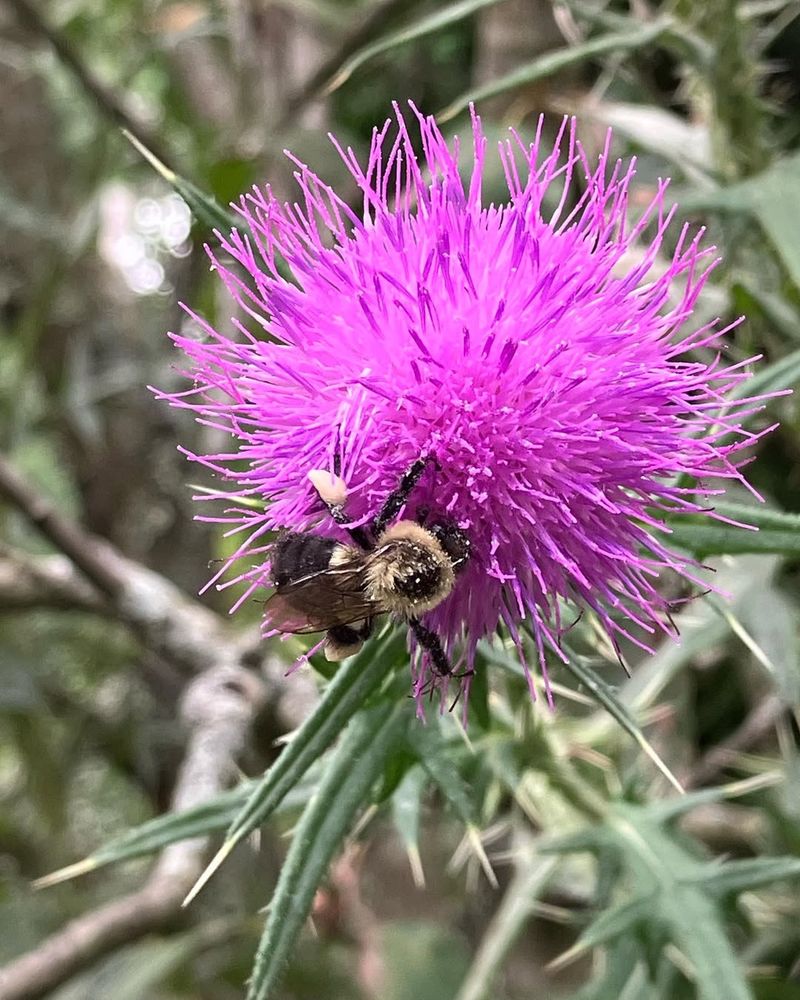
Recognizing this spiky troublemaker early can spare you considerable hassle with county officials. Bull Thistle stands tall with intimidating spines covering its stems and leaves, making it unpleasant to handle without thick gloves.
Unlike ornamental thistles you might purposely plant, this biennial spreads aggressively through prolific seed production, with each plant capable of releasing thousands of seeds that remain viable in soil for years.
Iowa counties have the authority to require landowners to remove Bull Thistle from their properties, and inspectors routinely patrol rural and suburban areas during growing season.
The plant forms a ground-hugging rosette in its first year that many people overlook, then bolts upward in year two to produce those characteristic pink-purple blooms.
That deceptive first-year appearance causes many gardeners to ignore it until the problem becomes overwhelming.
Mowing before seed formation provides some control, but the plant often regrows from its taproot. Herbicide applications work best during the rosette stage when the plant is actively growing but hasn’t yet invested energy into flowering.
Wearing protective clothing during removal is essential because those spines can penetrate regular garden gloves. Your county extension office can provide specific guidance on approved control methods that satisfy legal requirements while protecting beneficial insects that might visit the flowers.
Quackgrass
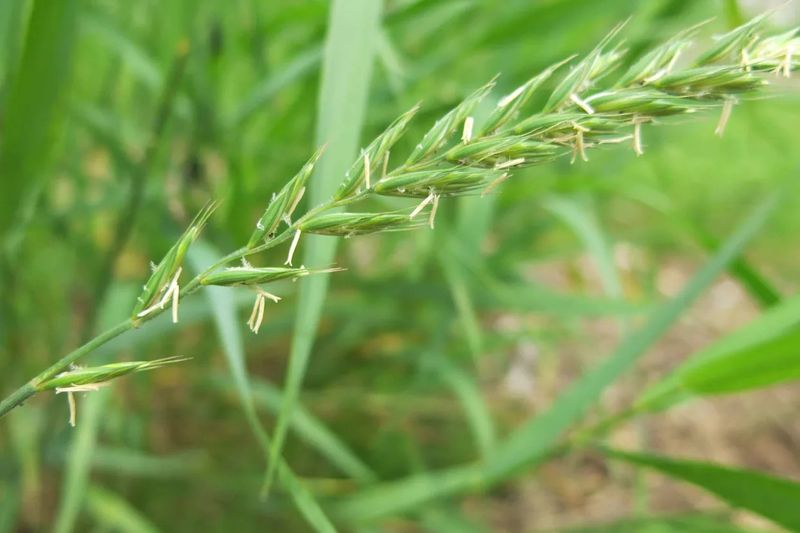
This persistent invader frustrates Iowa gardeners more than almost any other lawn weed. Quackgrass spreads through an extensive network of underground rhizomes that can penetrate through other plant roots and even push through landscape fabric.
What starts as a small patch in one corner of your vegetable garden can quickly colonize the entire bed within a single growing season, choking out your carefully planted crops.
The Iowa weed law specifically designates Quackgrass as noxious because of its devastating impact on agricultural productivity. Farmers lose significant yield when this grass invades their fields, and residential gardeners face similar struggles on a smaller scale.
The grass resembles desirable turf species at first glance, which allows it to establish before homeowners realize what they’re dealing with.
Conventional tillage actually worsens Quackgrass problems because it chops the rhizomes into multiple pieces, each capable of generating a new plant.
Selective herbicides labeled for grassy weed control offer the most reliable solution, though organic gardeners can smother patches with thick layers of cardboard topped with mulch.
Expect the suppression process to take an entire growing season or longer. Hand-digging requires meticulous attention because leaving even small rhizome fragments behind guarantees regrowth.
Check with your county to understand specific enforcement policies, as some jurisdictions actively require control measures while others focus primarily on agricultural lands.
Velvetleaf
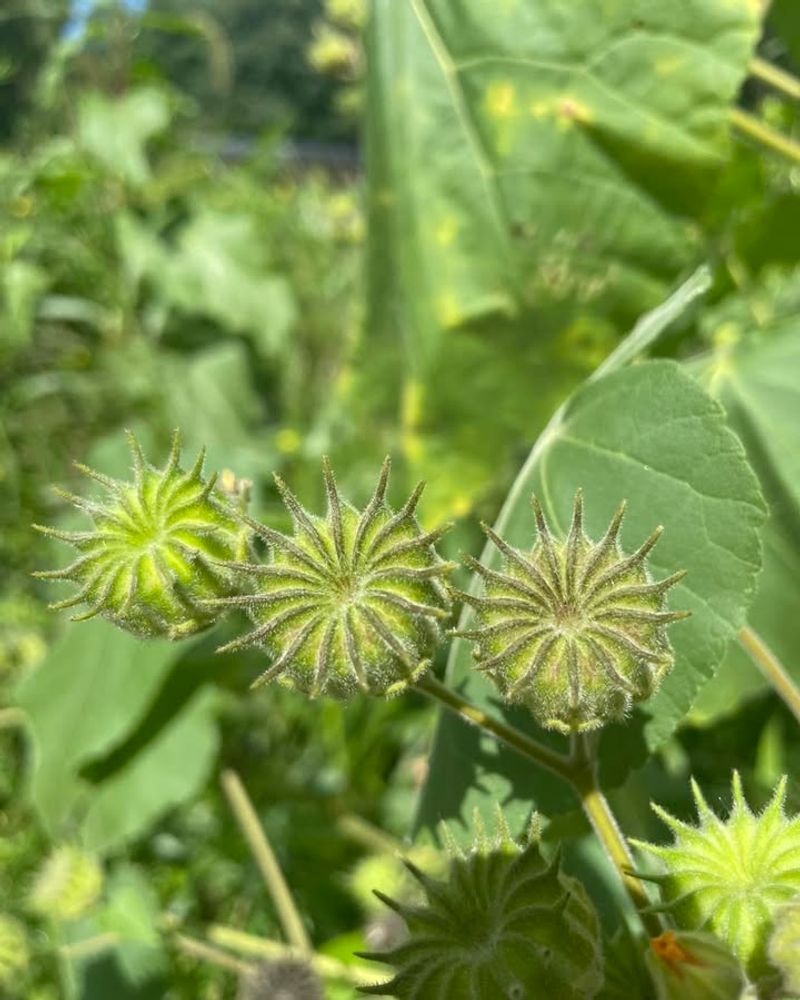
Farmers recognize this plant immediately by its large, heart-shaped leaves covered in soft, velvety hairs.
Velvetleaf earned its secondary noxious weed status through decades of agricultural damage, particularly in corn and soybean fields where it competes aggressively for nutrients, water, and sunlight.
A single mature plant can produce thousands of seeds that remain dormant in soil for up to fifty years, creating a persistent seed bank that continues causing problems long after the original plant disappears.
County enforcement varies across Iowa, with some jurisdictions actively requiring control while others focus enforcement efforts elsewhere.
Regardless of local enforcement intensity, allowing Velvetleaf to establish in your backyard garden creates problems that extend far beyond legal concerns.
The plant grows rapidly during warm weather, sometimes reaching heights of six feet or more, and its extensive root system makes hand-pulling difficult once plants mature beyond the seedling stage.
Early-season cultivation provides effective control if you catch seedlings when they’re small and before that tough taproot develops. Mulching garden beds heavily can prevent seed germination, though established seeds will wait patiently for conditions to improve.
Chemical control works well, but you’ll need products labeled specifically for broadleaf weeds. Interestingly, Velvetleaf has historical significance as a fiber crop in some cultures, but that traditional use doesn’t make it any less problematic in modern Iowa gardens where it competes with your vegetables and ornamentals.
Garlic Mustard
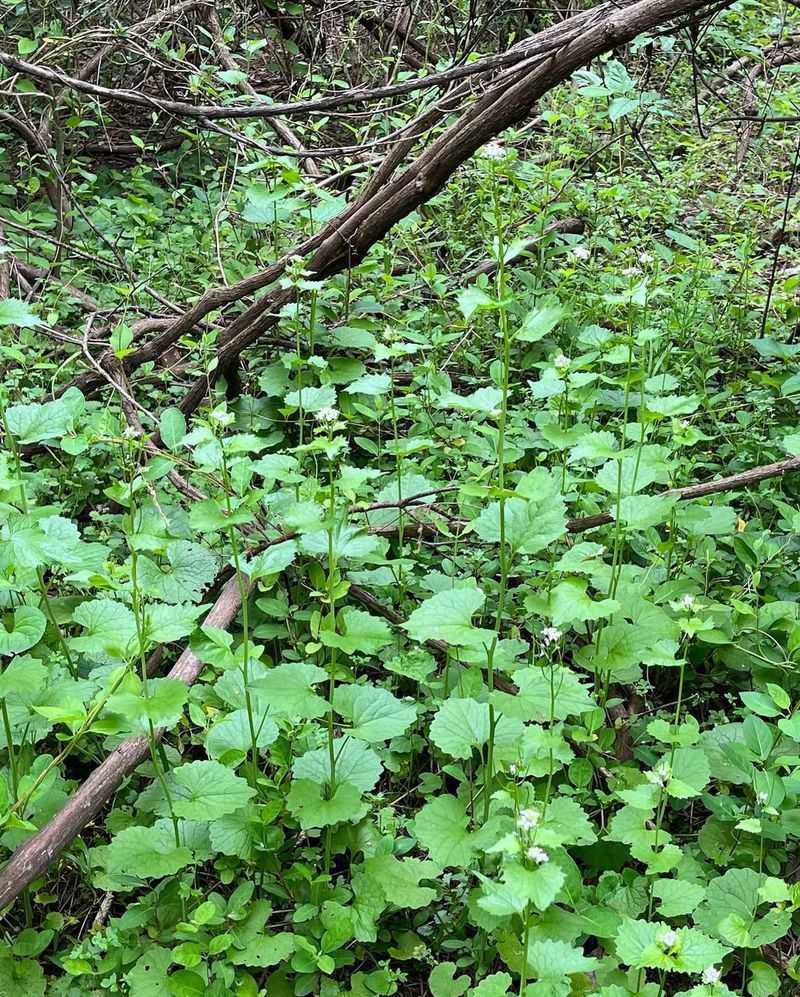
Woodland gardeners and nature enthusiasts should pay special attention to this deceptively attractive invader.
Garlic Mustard appears on Iowa’s prohibited plant list because it fundamentally alters forest ecosystems by producing chemicals that inhibit the growth of native wildflowers and tree seedlings.
When you crush the leaves, they emit a distinct garlic odor that makes identification straightforward, and this same chemical defense mechanism gives the plant its competitive advantage over native species.
The plant follows a biennial life cycle, forming low rosettes of kidney-shaped leaves in year one before sending up flowering stalks topped with small white flowers in year two.
Those innocent-looking flowers produce seedpods called siliques that explode when mature, flinging seeds several feet from the parent plant.
A single robust plant can generate thousands of seeds, and hikers unknowingly transport them on their clothing and shoes, spreading the invasion to new areas.
Spring provides the optimal window for removal because you can pull plants easily from moist soil before they set seed. Bag all pulled plants carefully because seeds can continue maturing even after you remove the plant from the ground.
Never compost Garlic Mustard unless you’re certain your compost pile reaches temperatures high enough to destroy the seeds. Some foragers harvest young leaves for culinary use, which offers a productive way to control small populations.
However, large infestations require systematic removal efforts over multiple years to exhaust the seed bank.
Purple Loosestrife
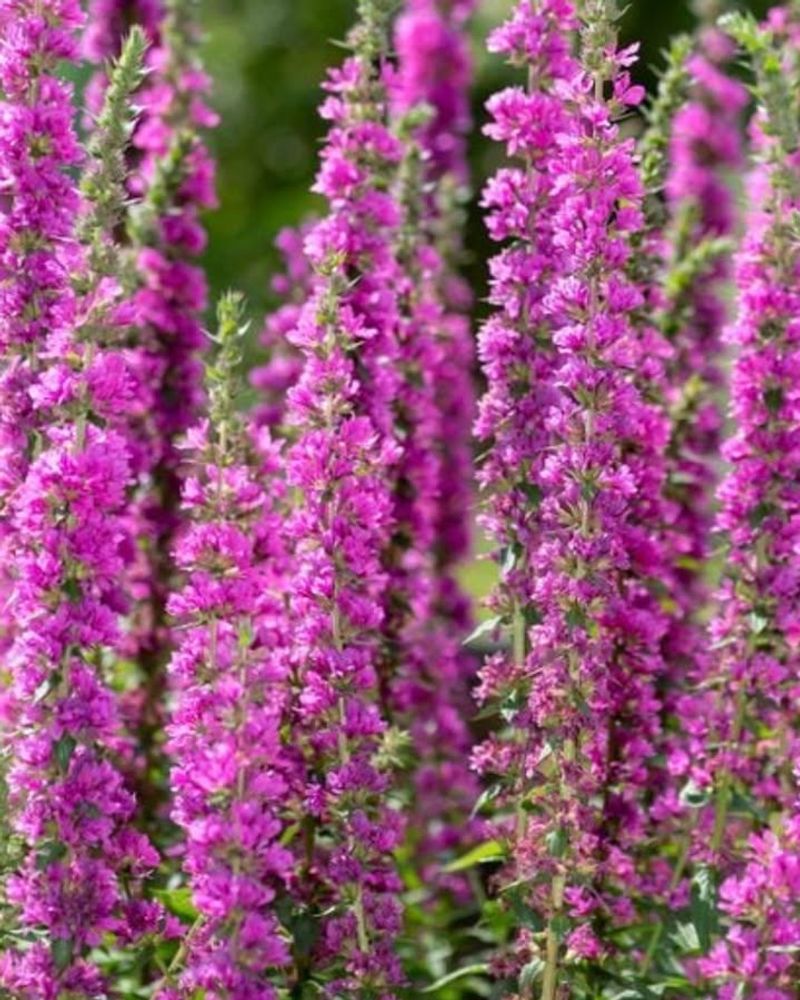
Wetland areas throughout Iowa face serious threats from this stunning but destructive plant. Purple Loosestrife produces spectacular spikes of magenta flowers that attract gardeners looking for showy perennials, but state law explicitly prohibits importing, selling, or distributing this species.
A single mature plant can produce over two million seeds annually, and those seeds spread through water, wildlife, and human activity to colonize new wetlands, ditches, and pond edges.
The plant’s aggressive growth crowds out native wetland vegetation that waterfowl and other wildlife depend on for food and habitat.
What makes Purple Loosestrife particularly troublesome is its lack of natural predators in North America, allowing populations to explode without the checks and balances that exist in its native European range.
Local authorities may enforce removal requirements if they discover the plant on your property, particularly if your land borders public waters or conservation areas.
Biological control programs using specialized beetles show promise in some regions, but these programs require careful oversight from natural resource professionals.
Manual removal works for small infestations, though you must excavate the entire root system because fragments can regenerate.
Herbicide applications timed during active growth provide effective control, but applications near water require products specifically labeled for aquatic use.
Before purchasing any purple-flowering wetland plant, verify its identity with certainty because several native species resemble Purple Loosestrife, and you don’t want to accidentally remove beneficial plants while targeting this invasive troublemaker.
Oriental Bittersweet
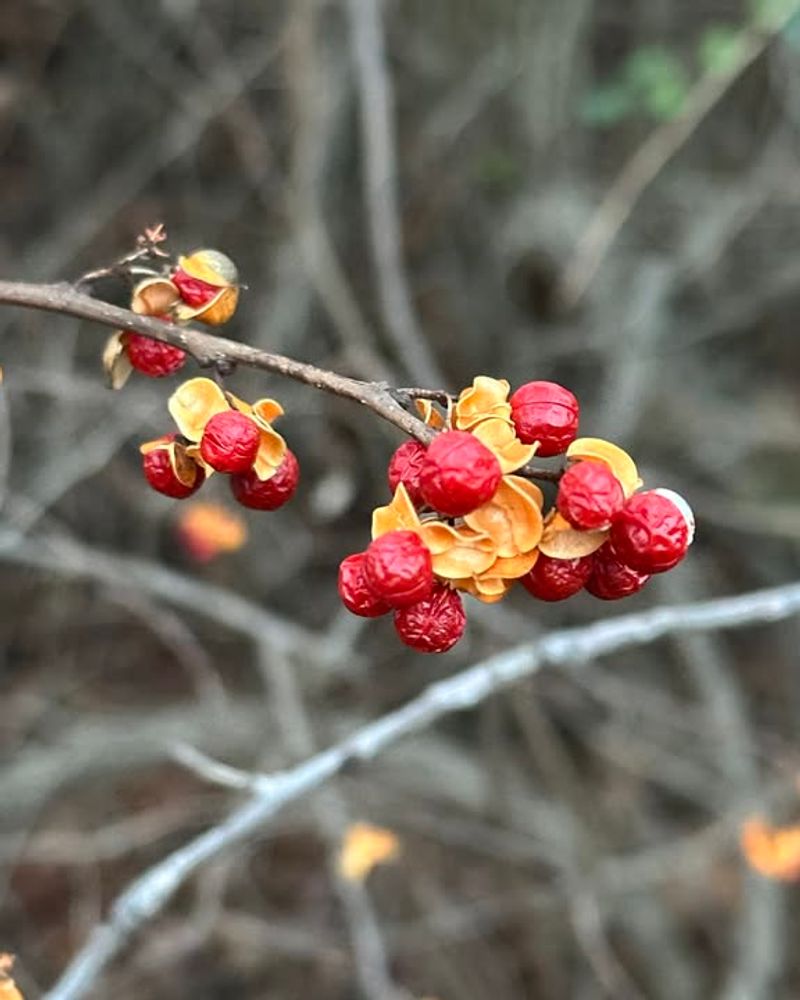
Homeowners often mistake this aggressive vine for its native cousin until it strangles their trees and shrubs.
Oriental Bittersweet appears on Iowa’s prohibited species list because it climbs high into tree canopies, forming dense masses that block sunlight and eventually cause structural damage through sheer weight.
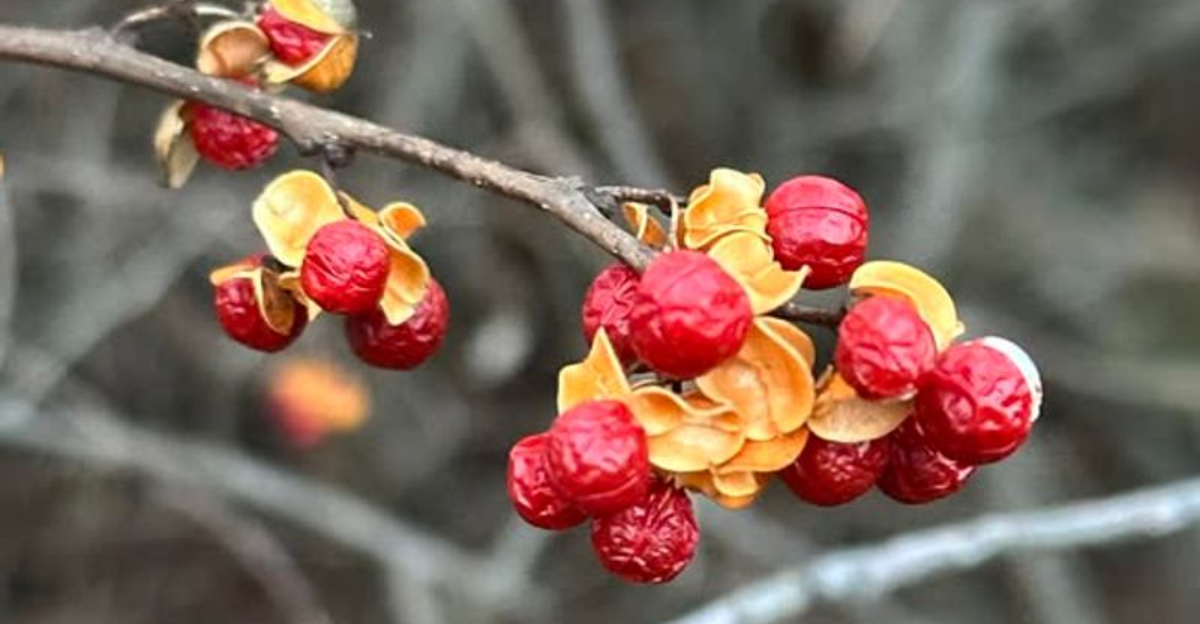
The vine produces attractive orange and red berries in fall that many people find appealing for decorative arrangements, but using those berries spreads the invasion because birds consume the fruits and deposit seeds across the landscape.
Distinguishing Oriental Bittersweet from the native American Bittersweet requires close observation of berry placement. The invasive species produces berries along the vine’s length, while the native variety only produces them at branch tips.
This botanical detail matters significantly because removing the wrong species could eliminate a valuable native plant from your property. The invasive vine grows with remarkable speed, sometimes extending fifteen feet or more in a single growing season.
Cutting vines at ground level provides temporary relief but guarantees regrowth unless you treat the stumps immediately with appropriate herbicide. The root systems store tremendous energy reserves that fuel rapid regeneration after cutting.
Pulling vines from tree canopies risks damaging the host tree, so careful unwinding works better than forceful yanking. Monitor your property boundaries regularly because this vine readily invades from neighboring properties.
Some Iowa counties actively enforce control requirements, while others rely on voluntary compliance, but either way, eliminating Oriental Bittersweet protects your landscape investment and native ecosystem health.
Japanese Knotweed
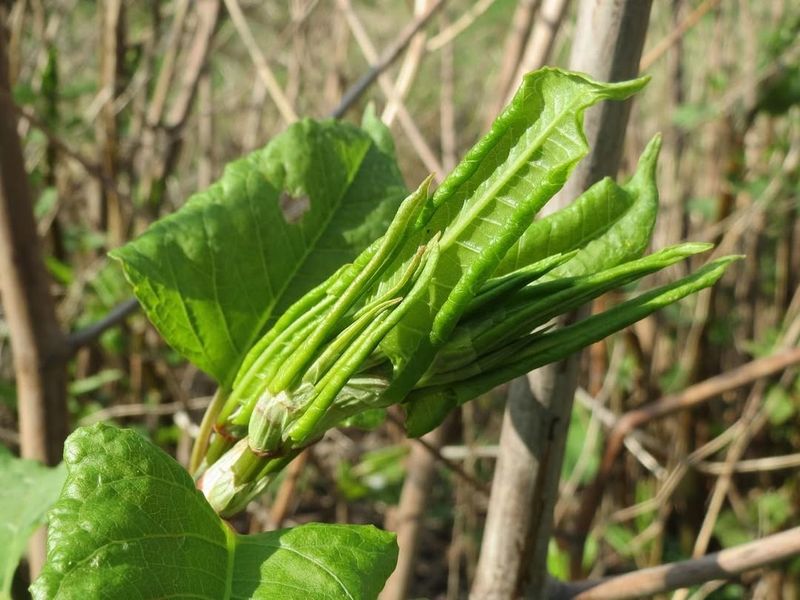
Few invasive plants inspire as much dread among property owners as this bamboo-like giant.
Japanese Knotweed appears on Iowa’s prohibited plant list, and for good reason, it can push through asphalt, damage building foundations, and completely dominate landscapes within a few years.
The plant spreads primarily through rhizomes that extend horizontally underground, sometimes traveling twenty feet or more from the parent plant.
Even tiny rhizome fragments smaller than your fingernail can generate new plants, making eradication extremely difficult once it establishes.
The hollow, jointed stems grow rapidly during spring and summer, reaching heights of ten feet or more before dying back in fall. White flowers appear in late summer, though seed production plays a minimal role in spread compared to the relentless rhizome expansion.
Property values can decline significantly when Japanese Knotweed infestations become known, and some mortgage lenders refuse to finance properties with active infestations because of the expensive control requirements.
Professional removal often costs thousands of dollars and requires multiple years of repeated treatments. Cutting stems without addressing the root system proves completely ineffective and may actually stimulate more vigorous regrowth.
Herbicide injection directly into stems during late summer provides the most reliable control, though this technique requires specific products and careful timing.
Never dispose of Japanese Knotweed plant material in regular yard waste because even small stem sections can root and establish new colonies.
If you discover this plant on your property, contact your county extension office immediately for guidance on approved control methods and potential cost-share programs.
Hydrilla
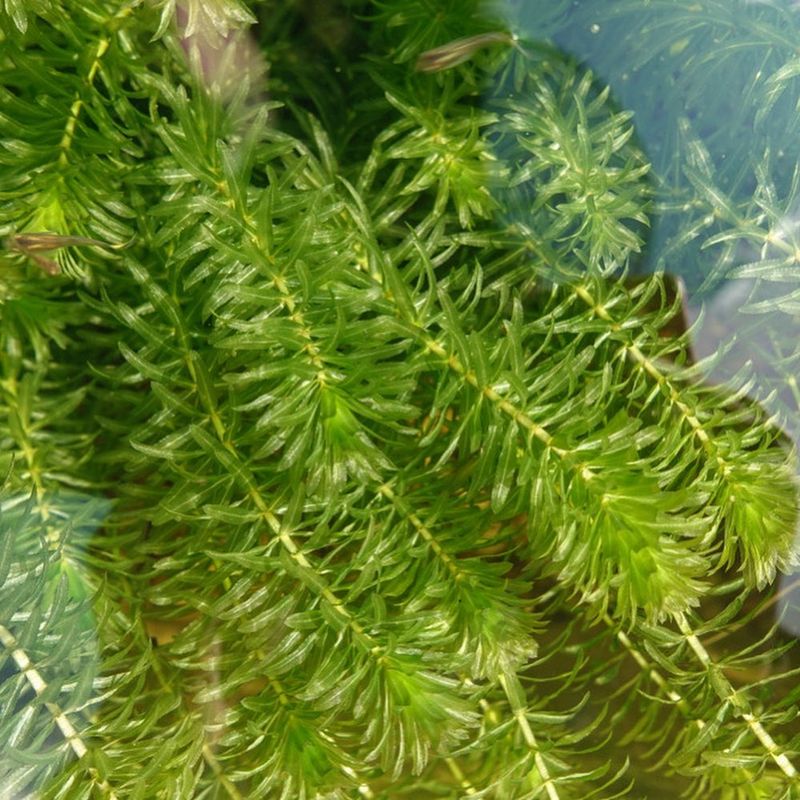
Aquatic plant enthusiasts must exercise extreme caution with this underwater menace. Iowa law explicitly prohibits possessing, introducing, or transporting Hydrilla without special permits because of its devastating impact on water bodies.
This submerged plant grows so densely that it chokes out native aquatic vegetation, clogs boat propellers, makes swimming impossible, and drastically reduces property values for lakefront homes.
A single plant fragment can establish a new colony, and the species produces specialized structures called turions and tubers that survive harsh conditions and remain viable for years.
Hydrilla spreads between water bodies primarily through contaminated boats, trailers, and fishing equipment. Recreational water users who don’t properly clean their gear after visiting infested waters unknowingly transport fragments to pristine lakes and ponds.
Some aquarium enthusiasts have accidentally introduced Hydrilla by disposing of unwanted aquarium plants into natural water bodies, creating infestations that cost millions of dollars to control.
The plant resembles several native and non-native aquatic species, making positive identification essential before taking any action.
If you maintain a backyard pond, never introduce any aquatic plants without absolutely confirming their identity through reliable sources. Contact Iowa’s Department of Natural Resources immediately if you suspect Hydrilla in any water body on or near your property.
Control efforts typically involve specialized aquatic herbicides applied by licensed professionals, though severely infested water bodies may require drawdowns or other intensive management strategies.
The legal penalties for knowingly introducing or spreading Hydrilla can include substantial fines, so take prevention seriously by inspecting and cleaning all equipment before moving between different water bodies.
Curly-Leaf Pondweed
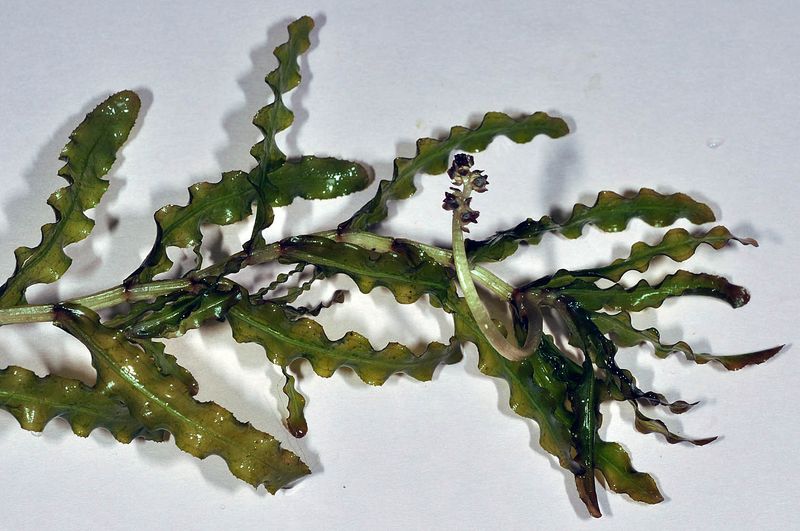
Backyard pond owners face strict regulations regarding this aquatic invader. Curly-Leaf Pondweed appears on Iowa’s prohibited species list, making it illegal to possess or introduce into any water body, including private ponds and water gardens.
The plant follows an unusual growth pattern, thriving during cooler months when most aquatic plants remain dormant, then producing specialized structures called turions before declining during summer heat.
Those turions sink to the bottom and lie dormant until conditions favor germination, creating a persistent propagule bank that complicates control efforts.
The distinctive wavy leaf margins that give this plant its common name make identification relatively straightforward compared to some aquatic species.
However, many pond owners don’t realize they’re dealing with a prohibited species until the infestation becomes obvious.
Dense mats of Curly-Leaf Pondweed interfere with recreational activities, reduce oxygen levels when the plants decay, and provide poor habitat value compared to native aquatic vegetation. Fragments break off easily and float to new locations, spreading the infestation throughout a water body.
Regular monitoring of your pond’s plant community helps catch invasions early when control remains feasible. Hand-pulling small populations can work if you remove all plant fragments from the water, though this approach becomes impractical for larger infestations.
Aquatic herbicides labeled for pondweed control offer effective management options, but applications must follow label directions precisely to protect fish and other aquatic life. Installing barriers at pond inflows can prevent new introductions from upstream sources.
Always dispose of removed aquatic vegetation on dry land far from any water body, and never purchase pond plants from unverified sources that might inadvertently sell prohibited species.