Is February The Right Time To Plant Garlic In Michigan?
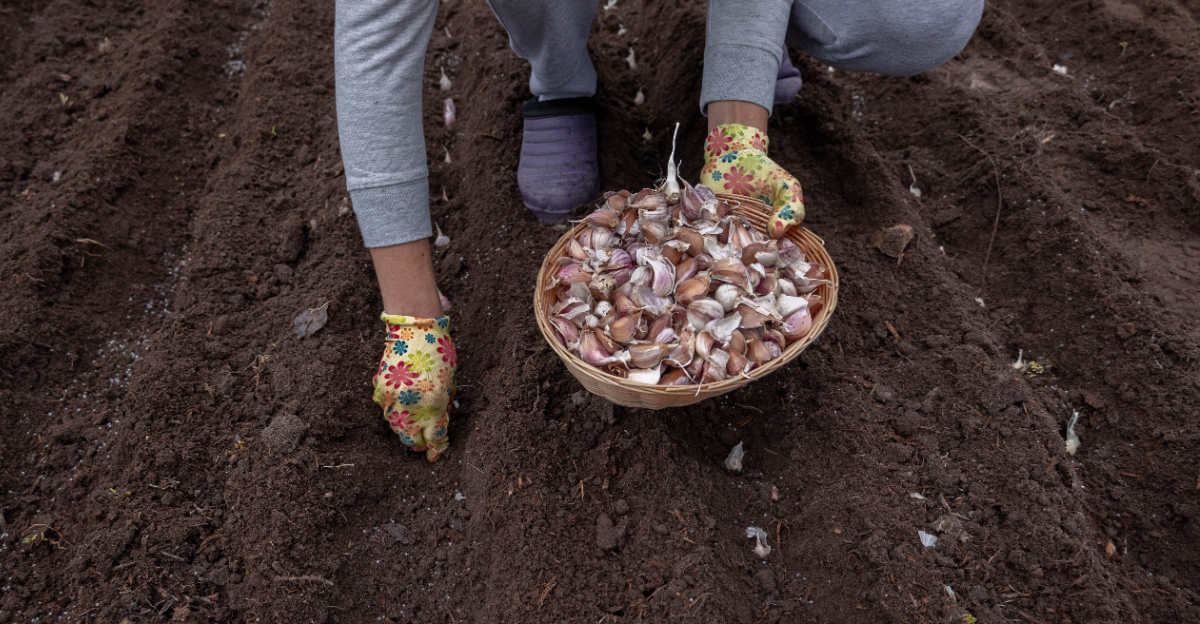
Growing garlic in Michigan is one of those garden projects that rewards patience and good timing. When planted at the right moment, garlic produces large, flavorful bulbs that store beautifully for months.
But many new gardeners make a common mistake by treating garlic like typical spring crops.
Unlike tomatoes or peppers, garlic follows its own seasonal rhythm, and planting too late can lead to smaller bulbs and weaker growth.
Garlic needs a period of cold to develop properly, which is why fall planting usually delivers the best results in Michigan.
By the time February arrives, the ideal window has already passed, and planting now often means the bulbs will not have enough time to form fully before summer. Understanding this timing helps you avoid frustration and plan for stronger, healthier harvests.
With the right schedule and a little preparation, garlic can become one of the most reliable and satisfying crops in your Michigan garden.
February Is Too Early For Michigan Garlic Planting
Michigan winters bring harsh conditions that make February one of the worst months for planting garlic.
The ground remains frozen solid or partially thawed, creating unstable soil conditions. When you try to plant during this time, the cloves face serious challenges that reduce your chances of success.
Frost heaving becomes a major problem when temperatures swing wildly between freezing nights and slightly warmer days. This natural process literally pushes cloves out of the ground, exposing them to cold air and drying winds.
Once exposed, these cloves rarely survive to produce healthy bulbs. Waterlogged soil presents another obstacle during Michigan’s late winter thaw periods.
Excess moisture surrounds the cloves, preventing proper oxygen flow to developing roots. Without adequate air circulation, the cloves become susceptible to rot before they ever sprout.
Root establishment requires workable soil that allows delicate root hairs to spread and anchor properly.
February soil in Michigan simply cannot provide these conditions reliably. The ground lacks the right texture and temperature stability that garlic needs during its critical early growth phase.
Waiting for the proper planting season ensures your garlic gets the best possible start. Fall planting allows roots to develop slowly in cool but workable soil. This patient approach yields stronger plants and larger bulbs come harvest time next summer.
Best Planting Time Is Mid-October To Early November
Autumn planting gives garlic exactly what it needs to thrive in Michigan’s climate. Between mid-October and early November, soil temperatures hover in the sweet spot for root development.
The air has cooled down, but the earth still retains enough warmth from summer to encourage growth below the surface.
During these weeks, garlic cloves send out roots while keeping their green shoots safely tucked underground.
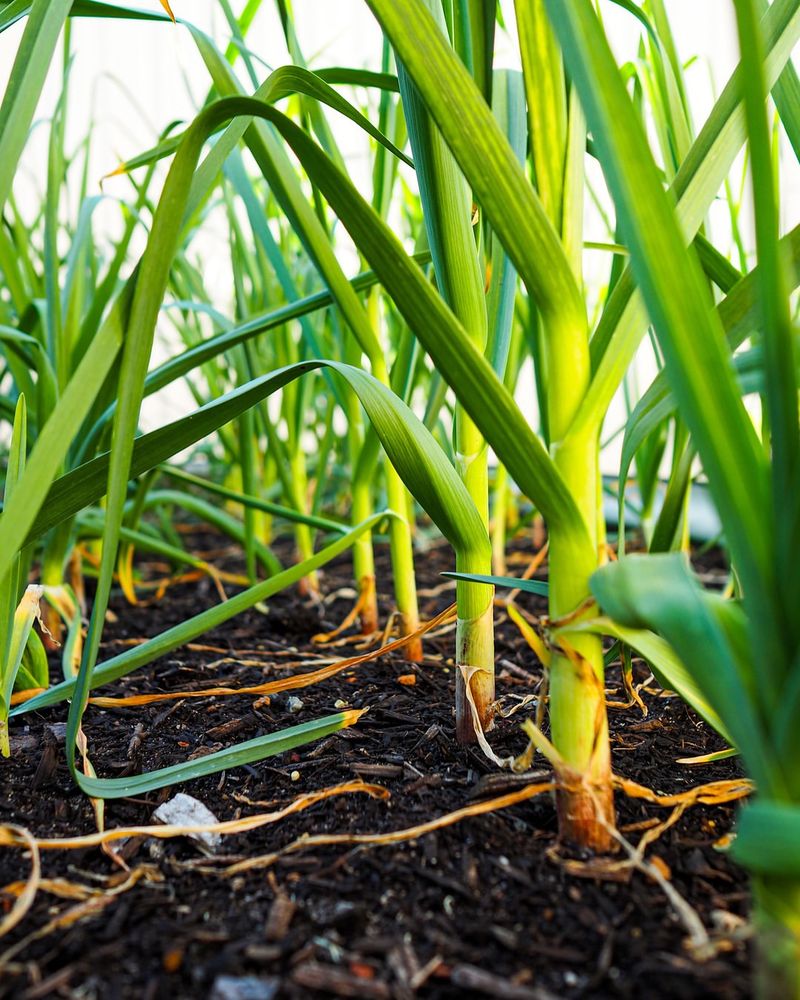
This root growth happens quietly beneath mulch and soil while winter approaches. By the time hard freezes arrive, your garlic has established a strong foundation that will support vigorous spring growth.
Fall planting works with nature’s rhythms rather than against them. The cloves enter a natural dormancy period during the coldest months, conserving energy for the explosive growth that happens when spring arrives.
This dormancy actually benefits the plants by allowing them to vernalize, which is essential for proper bulb formation later.
Michigan gardeners who plant in fall consistently report larger bulbs and healthier plants compared to those who attempt spring planting.
The extended root development period makes all the difference. Your garlic gets months to prepare underground before it needs to produce leaves and eventually form bulbs.
Mark your calendar for late October as the ideal planting window. This timing gives you the best chance for success with minimal risk of problems.
Soil Temperature Should Be Around 50 To 60 Degrees Fahrenheit When Planting
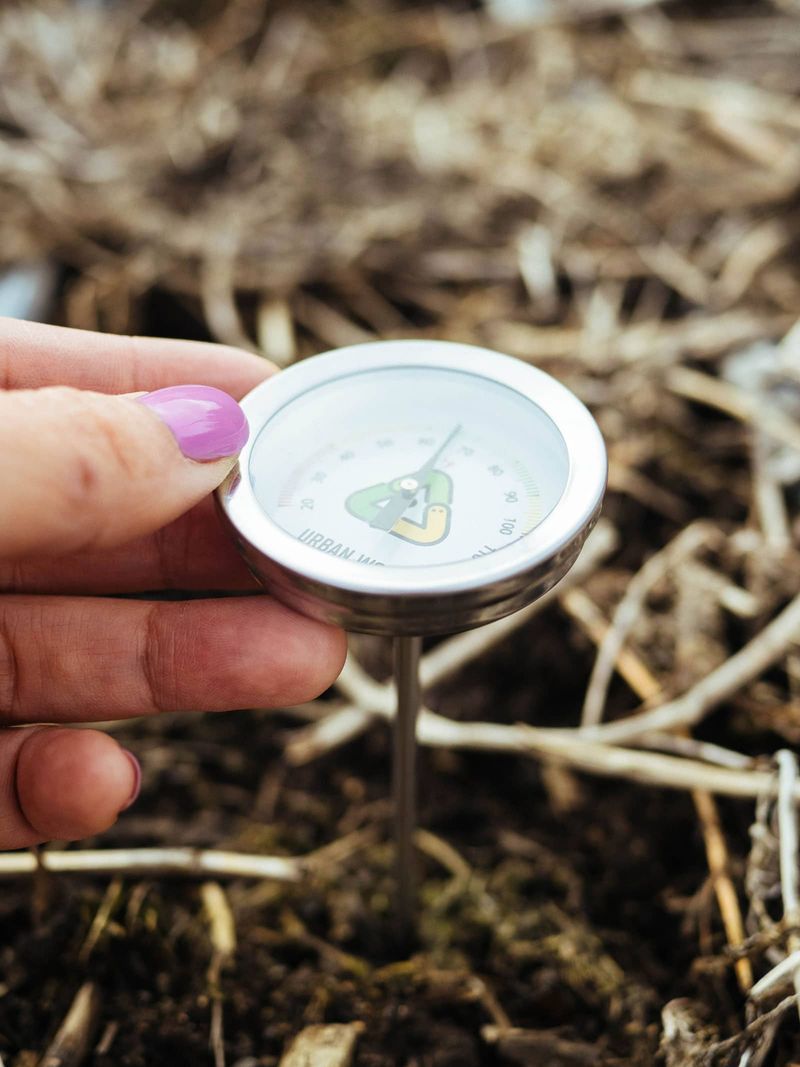
Temperature matters enormously when you plant garlic cloves. Between 50 and 60 degrees Fahrenheit, soil provides the perfect environment for root formation without triggering premature shoot growth.
This narrow range encourages cloves to focus their energy downward, building a robust root system that anchors plants through winter.
February soil temperatures in Michigan rarely reach these ideal levels. Most of the time, the ground sits well below 40 degrees or remains frozen completely.
Even during occasional warm spells, the soil warms unevenly, creating unpredictable conditions that stress young plants.
Cold soil below 40 degrees essentially halts all root development. Garlic cloves sit dormant or may begin to deteriorate if moisture levels are wrong.
Without active root growth, the cloves cannot absorb nutrients or establish themselves before more severe weather returns.
Saturated, cold soil presents additional hazards that warm, well-drained fall soil avoids. Excess water combined with low temperatures creates perfect conditions for fungal diseases and rot.
These problems can destroy your entire planting before spring even arrives. Using a soil thermometer helps you make informed decisions about planting timing.
Check the temperature at a depth of four inches, where your cloves will sit. When readings consistently stay between 50 and 60 degrees in fall, you know conditions are right for planting garlic successfully.
Mulching Protects Cloves Through Winter
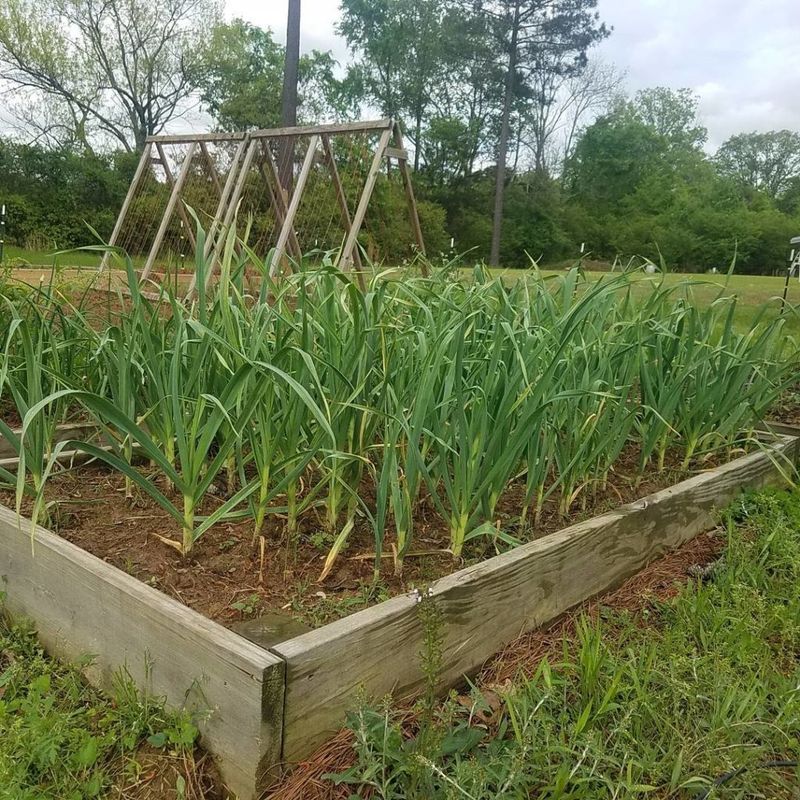
Proper mulching makes the difference between garlic that survives winter and garlic that struggles or fails.
A thick layer of straw, leaves, or similar organic material acts like a blanket over your garlic bed. This insulation moderates soil temperature, preventing the dramatic swings that damage young plants.
Frost heaving happens when soil repeatedly freezes and thaws, expanding and contracting with each cycle.
These movements push cloves upward and out of the ground. A good mulch layer keeps soil temperature more stable, reducing freeze-thaw cycles and keeping your garlic safely buried.
Four to six inches of loose straw works beautifully for Michigan garlic beds. Apply this mulch after planting in fall, once the ground begins to freeze. The timing ensures the mulch protects without creating a warm environment that encourages premature sprouting.
Mulch also suppresses early spring weeds that would compete with your garlic for nutrients and water.
As the material breaks down slowly, it adds organic matter to your soil. This gradual decomposition improves soil structure and fertility for current and future crops.
Remove or pull back some mulch in early spring when green shoots emerge. This allows the soil to warm properly and gives your garlic plants room to grow.
Keep some mulch around the plants to retain moisture and continue suppressing weeds throughout the growing season.
Hardneck Versus Softneck Varieties
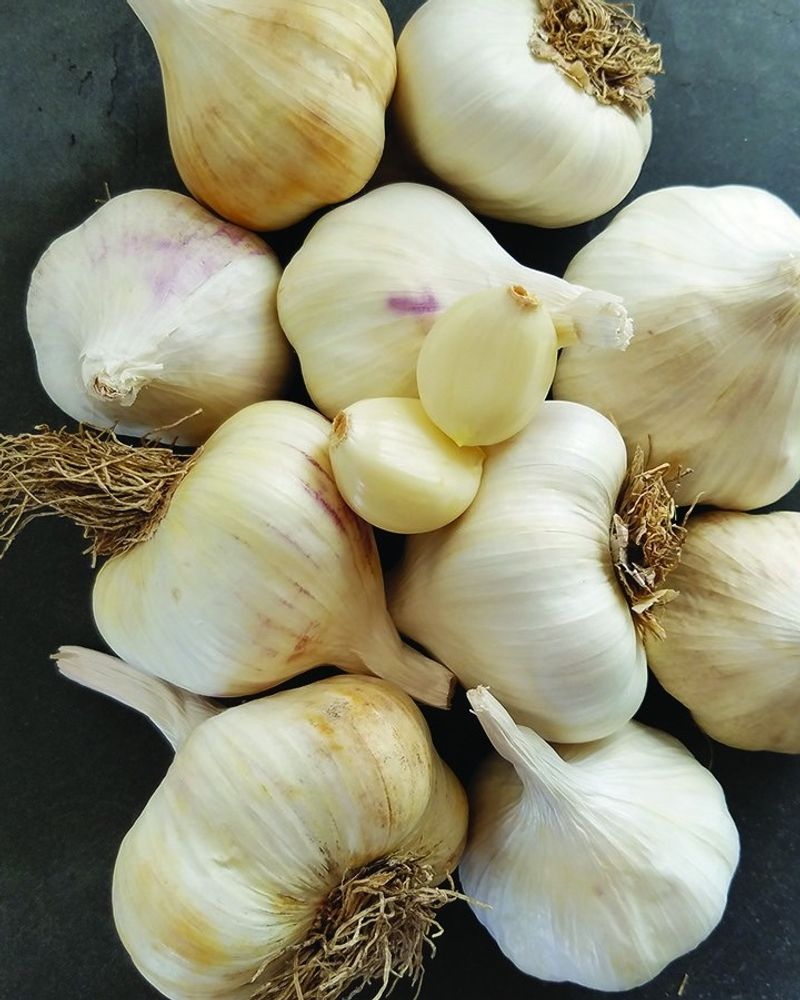
Not all garlic grows equally well in Michigan’s cold climate. Hardneck varieties evolved in northern regions and handle freezing temperatures with ease.
These types produce a stiff central stem called a scape that curls and produces small bulbils before the main bulb matures underground.
Softneck garlic dominates grocery store shelves because it stores longer and ships well. However, these varieties prefer milder climates and may struggle through harsh Michigan winters.
Their flexible stems and tightly wrapped cloves suit warmer regions better than the Upper Midwest.
Hardneck garlic actually requires cold temperatures to form proper bulbs through a process called vernalization.
Without adequate chilling hours, the plants may produce small, undivided bulbs instead of the segmented cloves you want. Michigan’s winter cold satisfies this requirement perfectly when you plant in fall.
Popular hardneck varieties for Michigan include German Extra Hardy, Music, and Chesnok Red. These cultivars produce robust flavor and good-sized bulbs reliably. They also tend to have fewer but larger cloves per bulb compared to softneck types.
The scapes that hardneck garlic produces in late spring offer a bonus harvest. Cut these curly stems before they straighten, and use them in cooking for mild garlic flavor.
Removing scapes also directs plant energy toward bulb development, potentially increasing your final harvest size.
Choose Well-Drained Soil For Garlic
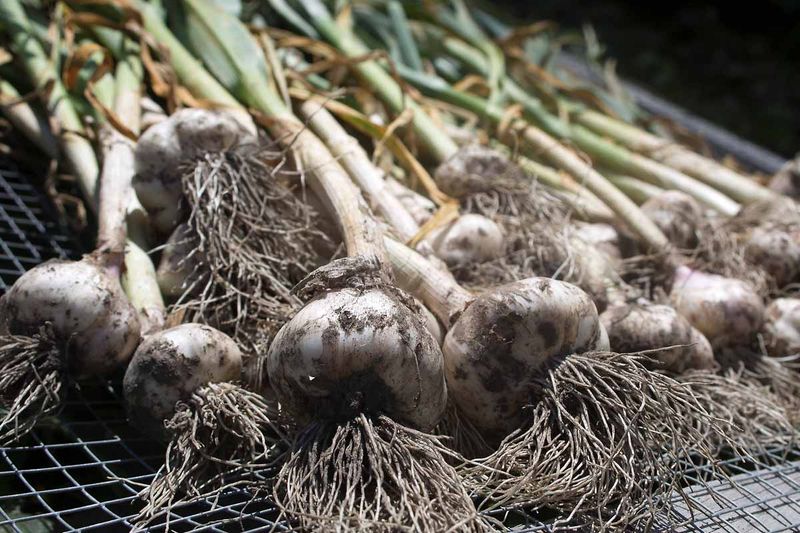
Garlic absolutely demands good drainage to produce healthy bulbs. Standing water or constantly soggy soil creates an environment where cloves rot rather than grow.
Michigan’s clay-heavy soils in many areas make drainage a particular concern that gardeners must address before planting.
Heavy clay holds water like a sponge, preventing oxygen from reaching plant roots. Garlic roots need air pockets in the soil to breathe and function properly.
When water fills all available spaces, roots suffocate and decline rapidly, often taking the entire plant with them.
Raised beds offer an excellent solution for Michigan gardeners dealing with poor drainage. Building beds eight to twelve inches high ensures excess water drains away from garlic roots.
Fill these beds with a mixture of topsoil, compost, and sand to create ideal growing conditions.
Amending existing garden soil improves drainage without building raised structures. Work several inches of compost into clay soil along with coarse sand if needed.
This amendment lightens soil texture, creating channels for water to move through rather than pooling around your garlic.
Test your drainage by digging a hole about one foot deep and filling it with water. If water remains after 24 hours, your drainage needs improvement.
Good garlic soil should drain completely within several hours, allowing roots to access both moisture and oxygen consistently throughout the growing season.
Plant Individual Cloves Pointed Side Up, 2 Inches Deep
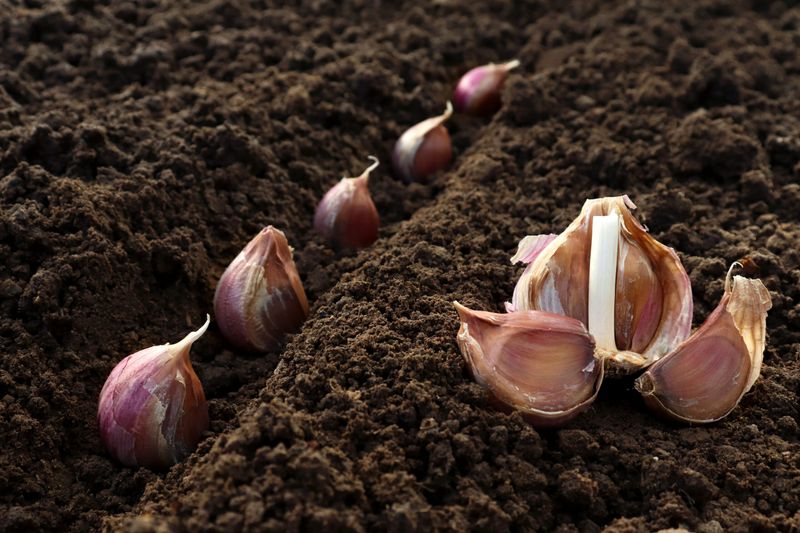
Planting technique affects whether your garlic thrives or struggles from the start. Each clove has a pointed end where shoots emerge and a flat basal plate where roots grow.
Orienting cloves correctly with the pointed end facing upward allows shoots to reach the surface easily without wasting energy growing sideways first.
Two-inch planting depth protects cloves from temperature extremes while keeping them close enough to the surface for easy emergence.
Deeper planting may delay sprouting or weaken plants, while shallow planting exposes cloves to frost damage and drying. This specific depth works best for Michigan conditions and standard-sized garlic cloves.
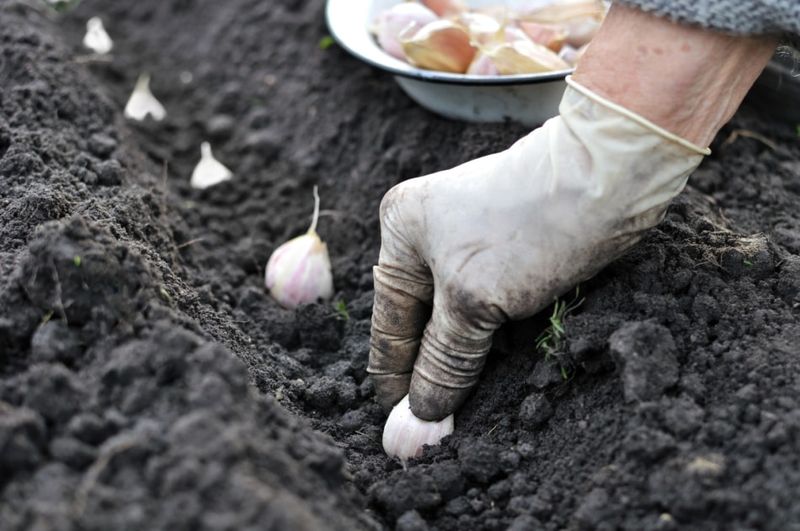
Space your planting holes carefully to ensure each clove has room to develop. Use your finger or a dibber to create holes at the right depth. Drop one clove into each hole, check that the pointed end faces up, then cover with soil and pat gently to eliminate air pockets.
Planting depth becomes even more critical when you consider winter frost penetration in Michigan.
The two-inch depth keeps cloves below the frost line in most winters, especially when combined with proper mulching. This protection ensures cloves remain viable through the coldest months.
Break apart garlic bulbs into individual cloves just before planting rather than days in advance. This timing prevents the cloves from drying out or beginning premature growth. Select the largest, healthiest cloves for planting, and save smaller ones for cooking.
Space Cloves About 4 To 6 Inches Apart
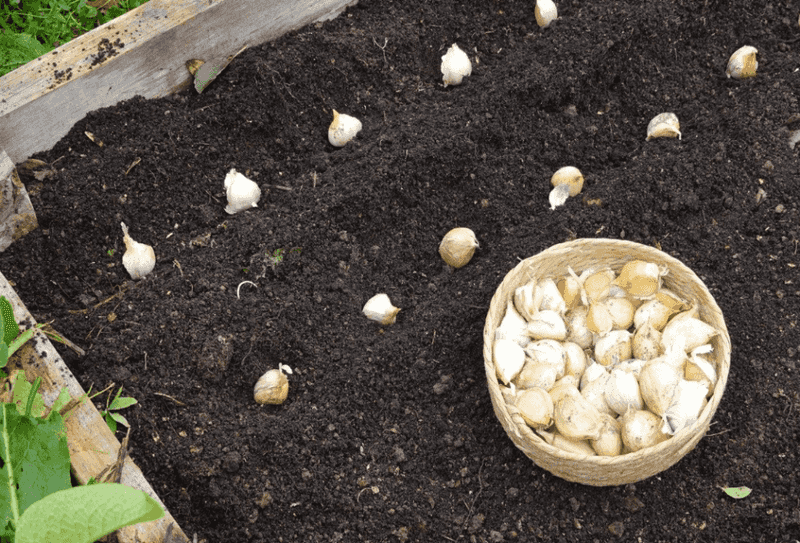
Proper spacing gives each garlic plant room to develop without competing with neighbors. Four to six inches between cloves allows adequate air circulation around developing plants while maximizing your growing space efficiently.
This distance prevents overcrowding that can reduce bulb size and increase disease problems.
Crowded garlic plants compete for sunlight, water, and nutrients throughout the growing season.
When leaves overlap excessively, lower foliage stays damp longer after rain or morning dew. This persistent moisture creates favorable conditions for fungal diseases that can spread quickly through densely planted beds.
Adequate spacing also makes weeding and maintenance much easier throughout the season.
You can reach between plants to pull weeds without damaging garlic foliage. Good access helps you monitor plant health and spot potential problems before they become serious.
Bulb size responds directly to available space and resources. Garlic planted too closely produces smaller bulbs with fewer reserves for storage.
Properly spaced plants develop larger bulbs that store better and provide bigger cloves for cooking or replanting next season.
Arrange your garlic in rows spaced about twelve inches apart to allow comfortable access for maintenance.
Within each row, maintain the four to six inch spacing between individual cloves. This layout provides excellent air circulation while making efficient use of garden space for a productive garlic harvest.
Prepare Garlic Beds With Fertile Soil Before Planting
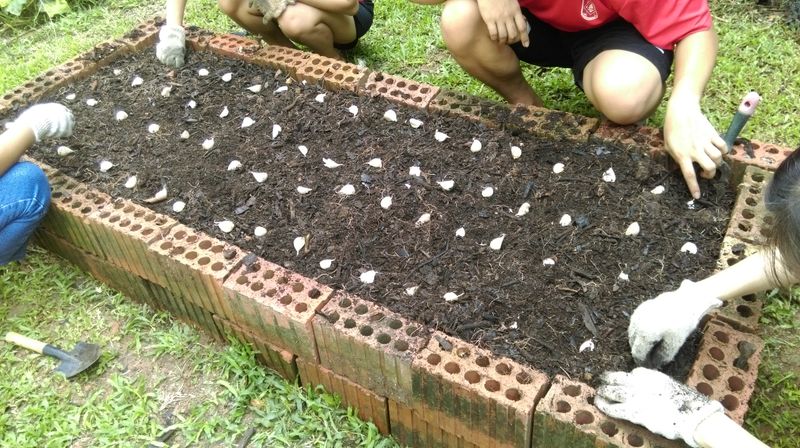
Soil preparation sets the foundation for garlic success long before you plant the first clove. Garlic feeds heavily throughout its growing season, requiring rich soil with balanced nutrients.
Taking time to build soil fertility in late summer or early fall pays off with robust plants and impressive bulbs at harvest time.
Compost provides slow-release nutrients while improving soil structure and water retention.
Work two to four inches of finished compost into your garlic bed several weeks before planting. This amendment enriches the soil and encourages beneficial microorganisms that support plant health.
Balanced fertilizer supplements compost by ensuring adequate nitrogen, phosphorus, and potassium levels.
Garlic needs nitrogen for leaf growth early in the season and phosphorus for strong root development. Potassium supports overall plant health and helps bulbs form properly as the season progresses.
Test your soil pH before planting, aiming for a range between 6.0 and 7.0 for optimal garlic growth.
Most Michigan soils fall within this range naturally, but testing confirms whether you need to adjust pH with lime or sulfur. Proper pH ensures nutrients remain available to plant roots throughout the growing season.
Remove weeds, rocks, and debris while preparing your bed to give garlic a clean start. Break up soil clumps and create a smooth, level surface for planting. Well-prepared beds make planting easier and help ensure consistent growing conditions across your entire garlic crop.