Is It Illegal To Dig A Pond In Michigan Without A Permit? Here’s What You Need To Know
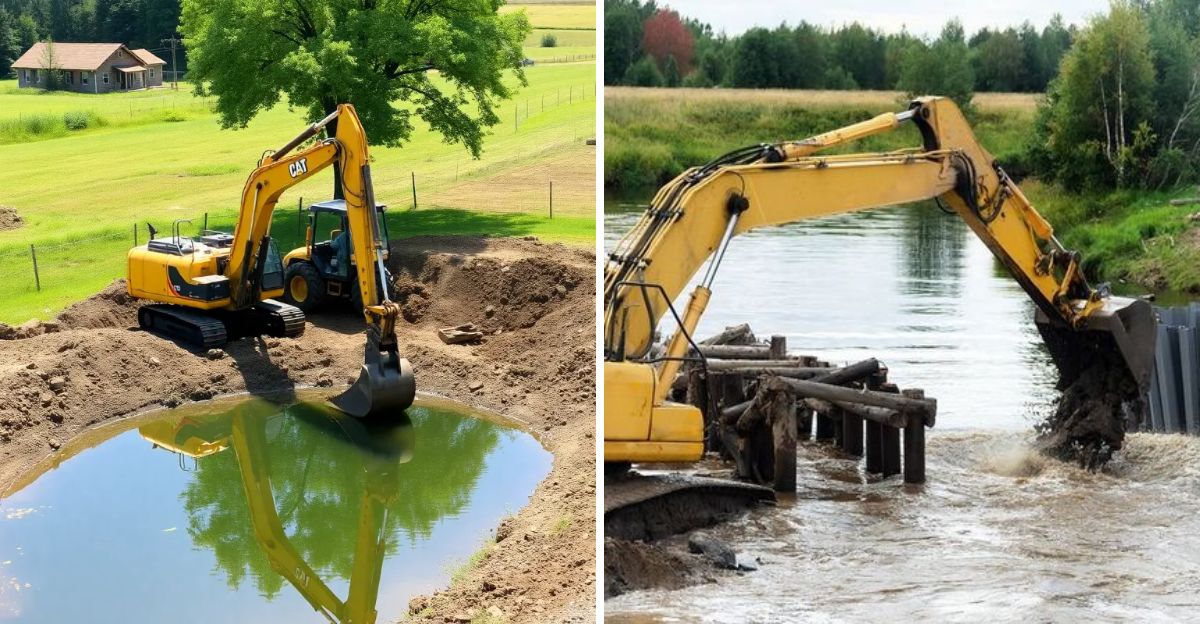
In Michigan, a dream backyard pond can quickly turn into a legal nightmare if you bypass the state’s strict environmental protocols.
The Department of Environment, Great Lakes, and Energy (EGLE) maintains rigorous oversight to protect the Mitten State’s interconnected water table and delicate wetlands.
Under current 2026 regulations, even a small excavation can trigger a mandatory permit if your site is within 500 feet of a lake or stream, or if it impacts a regulated wetland area.
Ignorance of these boundaries is an expensive mistake, with unpermitted projects often facing high daily fines.
Before you break ground, understanding these eight essential compliance facts will ensure your water feature is a peaceful retreat rather than a target for state enforcement.
1. A Permit May Be Required For Pond Construction
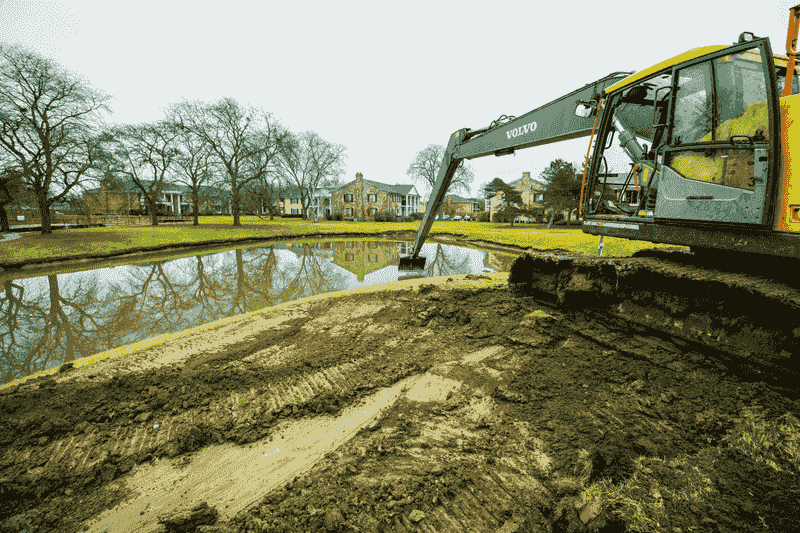
Surprised to learn that digging a pond in Michigan might require government approval? You are definitely not alone.
Many Michigan homeowners assume that since they own the land, they can do whatever they want with it. The reality, though, is a bit more layered than that.
Michigan law requires a permit for pond construction in many situations, especially when the project could affect nearby water resources.
The Michigan Department of Environment, Great Lakes, and Energy, commonly known as EGLE, oversees this entire permitting process.
EGLE reviews applications carefully to make sure that new ponds do not negatively impact the surrounding environment.
A permit is generally needed if your pond will be within 500 feet of a lake, river, or stream. It is also required if your pond connects to any existing waterway or sits inside a regulated wetland or 100-year floodplain.
Ponds with a planned surface area of five acres or more almost always trigger a permit requirement too.
The good news is that EGLE makes the application process relatively straightforward. You can apply using their Joint Permit Application through the MiEnviro online system.
Consulting with EGLE staff before you begin can help you figure out exactly what your specific project needs, saving you from unexpected surprises down the road.
2. Wetland Regulations May Apply To Your Property
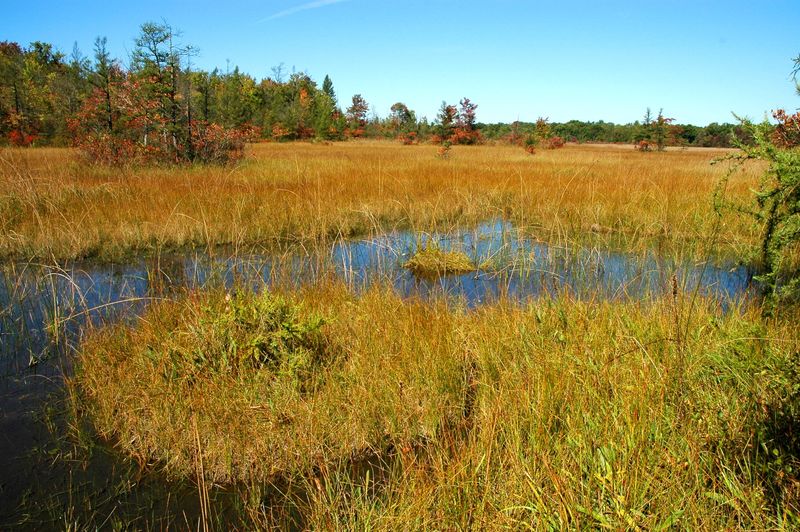
Wetlands might look like soggy, unused land, but Michigan treats them as some of the most valuable natural features in the entire state. They filter water, reduce flooding, and provide critical habitat for wildlife.
Because of this, both state and federal law offer strong protections for wetland areas. If your property contains wetlands, planning a pond there almost certainly means you will need a permit.
Even a pond that is planned for what seems like dry, upland ground can trigger a permit requirement if construction activities impact a nearby wetland ecosystem. Water moves in ways that are not always obvious, and EGLE takes that seriously.
Michigan’s Wetlands Protection law under Part 303 of the Natural Resources and Environmental Protection Act prohibits filling, draining, or otherwise altering regulated wetlands without proper authorization.
Wetlands within 500 feet of a lake or river are automatically regulated, which affects many Michigan properties more than people realize.
Before you make any plans, get a wetland determination done on your property. A certified wetland consultant or EGLE staff member can walk your land and identify any regulated areas.
Skipping this step is one of the most common and costly mistakes Michigan pond builders make, so taking a little time upfront will pay off in a big way.
3. Bigger Ponds Bring Bigger Permit Requirements
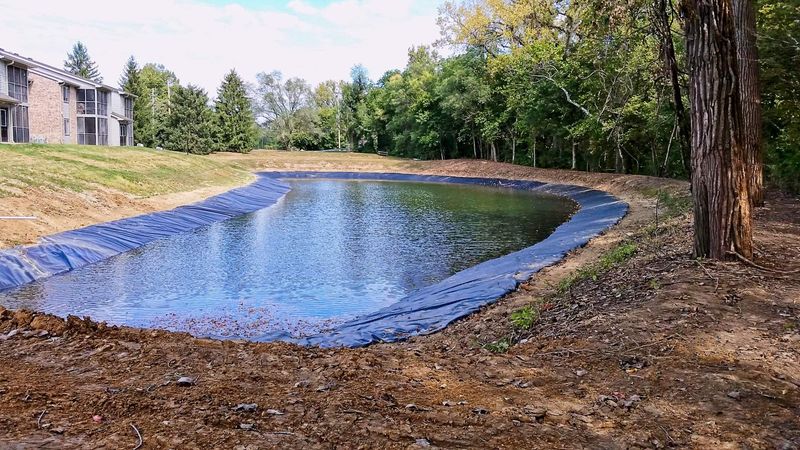
Size matters a lot when it comes to pond permitting in Michigan. A small decorative garden pond is a very different situation compared to a large water feature that could hold thousands of gallons of water and significantly change how water moves across your land.
Ponds with a planned surface area of five acres or more almost always require a full EGLE permit. Beyond just surface area, any pond that significantly alters local water flow, drainage patterns, or hydrology will likely trigger additional review.
Michigan regulators look at how construction might change the natural movement of groundwater and surface water in your area.
Larger ponds are also more likely to affect neighboring properties. If your pond changes how rainwater drains across your land, it could create flooding issues for a neighbor, which opens up a whole other set of legal concerns.
EGLE considers these downstream effects when reviewing permit applications. Planning a larger pond also means thinking carefully about dam construction and water retention.
Michigan strongly discourages creating ponds by damming existing streams, and doing so without approval can result in mandatory removal orders.
Working with a licensed engineer and consulting EGLE early in the planning process will help you design a pond that meets all state requirements without unexpected complications.
4. Streams And Rivers Trigger Special Permit Rules
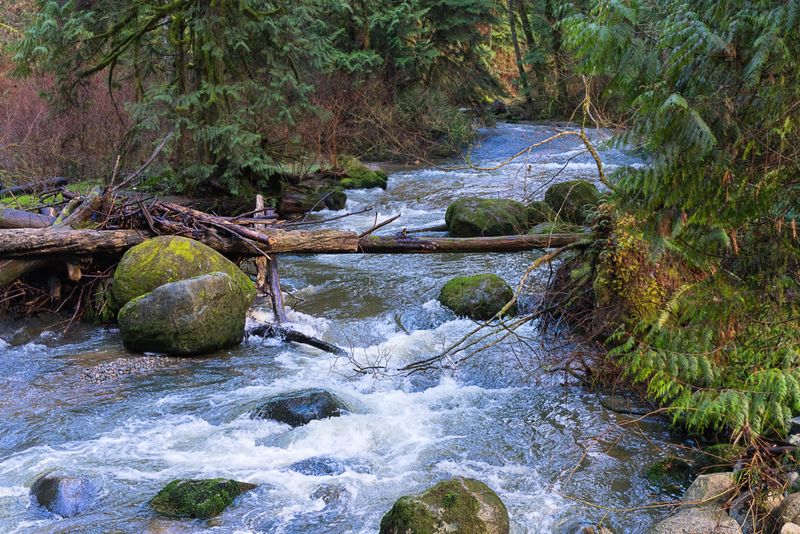
Water connects everything in Michigan, and the state takes that connection very seriously. If your planned pond sits near, connects to, or draws water from a stream or river, you are entering a different level of regulatory oversight that requires specific permits beyond the standard application.
The Michigan Inland Lakes and Streams Act governs activities that affect the natural flow of any river, stream, or lake in the state. Constructing a pond that disrupts or alters how a stream moves its water is considered a major environmental impact.
Even small changes to stream flow can affect water quality, fish migration, and the health of aquatic ecosystems downstream.
EGLE reviews these projects with extra care because streams and rivers in Michigan are interconnected with the Great Lakes basin. Any contamination, sedimentation, or flow disruption can ripple outward far beyond your property.
Because of this, permits for stream-connected ponds often include strict conditions about construction methods and timing.
One practical tip is to avoid any construction activities near streams during fish spawning seasons, which typically run in spring and fall. EGLE may include seasonal restrictions in your permit to protect aquatic life.
Always check with EGLE and the Michigan Department of Natural Resources before breaking ground near any moving waterway on your Michigan property.
5. Local Zoning Rules Can Affect Your Pond Plans
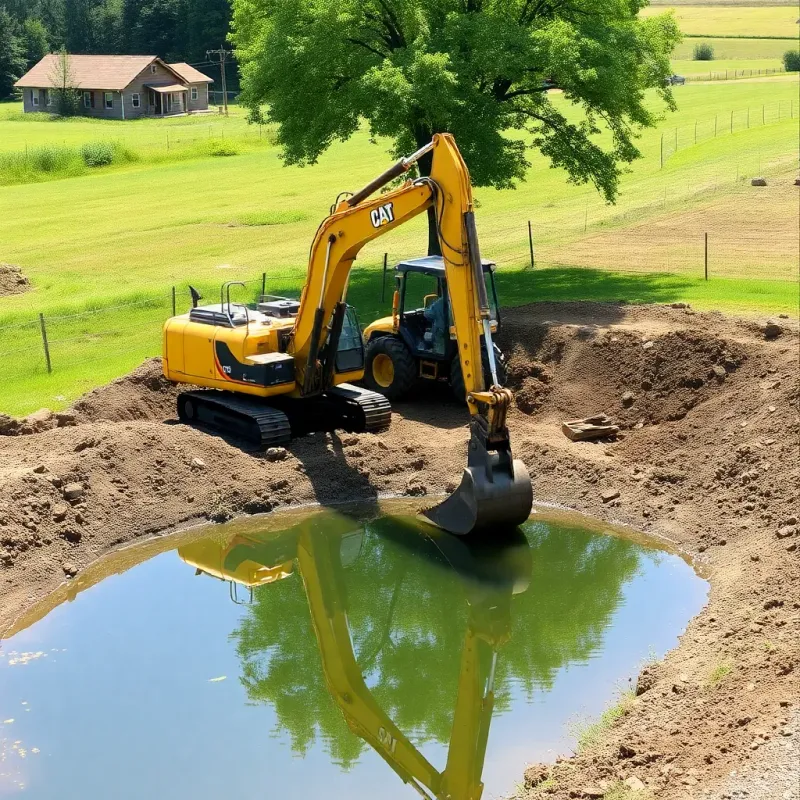
State permits from EGLE are not the only hurdle you might face when planning a pond in Michigan. Local governments have their own set of rules, and ignoring them can shut down your project just as quickly as any state regulation.
Your township, city, or county may have zoning ordinances that directly impact where and how you can build.
For example, Montrose Township in Michigan requires a construction and zoning compliance permit for pond excavation.
Other municipalities across the state have similar requirements, with rules covering pond size, setback distances from property lines, and even the type of liner materials allowed.
These rules exist to protect neighbors and maintain community standards. Zoning regulations can also dictate how close a pond can be to your home, a road, or a neighboring property.
Some areas have restrictions related to stormwater management, especially in communities with older drainage systems that could be overwhelmed by a new large water feature on your land.
Calling your local township or county zoning office before starting any work is one of the smartest moves you can make. Staff there can tell you exactly what local permits you need, what the application fees are, and how long the review process typically takes.
Combining local compliance with your EGLE permit will put your Michigan pond project on solid ground from the very start.
6. Stocking Fish In Your Pond Requires Extra Permits
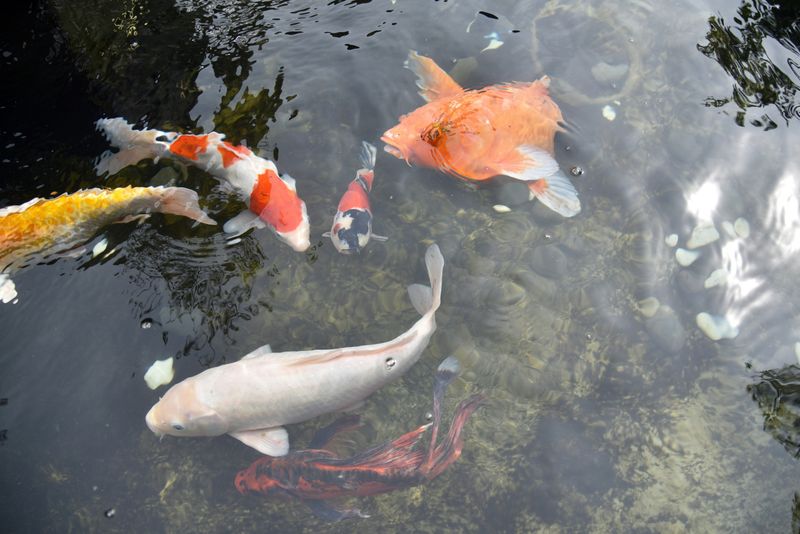
Imagine building your perfect Michigan pond and then filling it with bass, bluegill, or trout. Sounds amazing, right?
Before you call a fish supplier, though, you need to know that stocking fish in Michigan comes with its own set of legal requirements that go beyond your construction permits.
The Michigan Department of Natural Resources regulates the introduction of fish and other aquatic species into private ponds. This oversight exists to prevent invasive species from accidentally entering Michigan’s broader waterways and ecosystems.
Even if your pond is completely private, the DNR takes this risk seriously because ponds can overflow into streams and rivers during heavy rain events.
Non-native fish species are a particular concern. Introducing a species that does not naturally belong in Michigan can outcompete native fish, disrupt food chains, and cause lasting damage to local ecosystems.
The DNR requires specific permits for stocking certain species, and they may restrict which fish you are allowed to introduce based on your pond’s location and water source. Reaching out to the Michigan DNR before purchasing any fish is the right move.
They can walk you through the approved species list, explain the permitting process, and even offer guidance on pond management practices that keep your fish healthy year-round. A well-stocked, properly permitted pond is a joy that you can enjoy for many years to come.
7. Excavation Work Can Trigger Environmental Reviews
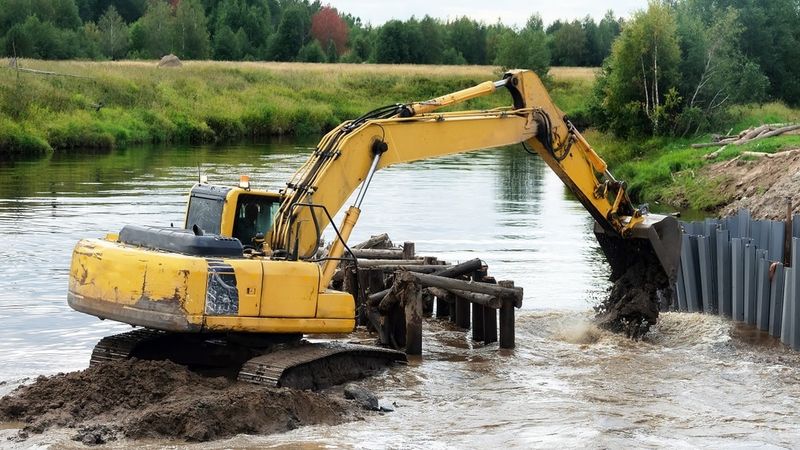
Digging a pond is not just about moving dirt. The excavation process itself can set off a chain of regulatory requirements, especially in Michigan where protecting soil stability and water quality is a top priority.
Even before water fills your pond, the act of moving earth can impact the environment in meaningful ways.
When excavation disturbs a significant amount of soil, it can increase erosion and send sediment into nearby streams or wetlands. Sediment pollution is one of the leading causes of water quality problems in Michigan’s rivers and lakes.
EGLE and the DNR both monitor construction activities that have the potential to introduce this kind of runoff into protected water bodies.
In some cases, a pond project may require a full environmental impact assessment before construction can begin. This is more common for larger projects or those located in environmentally sensitive areas.
The assessment evaluates how the project will affect soil, water, wildlife habitat, and surrounding land use in the region.
To protect your project and the environment, consider implementing erosion control measures from the very first day of excavation. Silt fences, straw wattles, and sediment basins can all help reduce runoff during construction.
Hiring a contractor with experience in Michigan environmental regulations will make a huge difference in keeping your project compliant and on schedule throughout the entire build.
8. Penalties For Building Without A Permit Are Serious
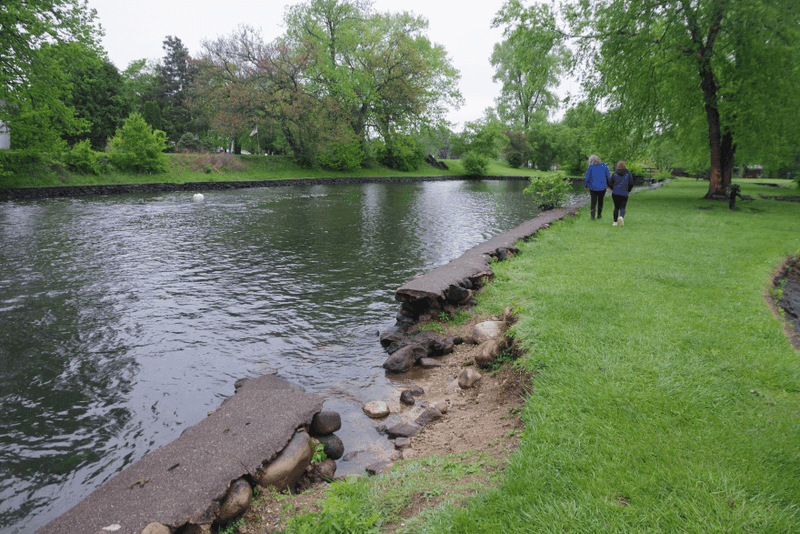
Some Michigan landowners figure they can build first and deal with the paperwork later. That approach can turn into a very expensive lesson.
Constructing a pond without the required permits in Michigan is not just a technicality, it is a violation of state law that carries real consequences.
EGLE has the authority to issue stop-work orders, levy significant fines, and require mandatory restoration of any land or water that was altered without permission.
Restoration orders can be especially painful because they may require you to fill in a pond you already spent thousands of dollars to build.
The cost of undoing unpermitted work often far exceeds what the original permits would have cost.
Violations involving wetlands or regulated waterways are treated with particular seriousness under Michigan law.
The Natural Resources and Environmental Protection Act gives EGLE broad enforcement powers, and the agency actively investigates complaints from neighbors, local governments, and environmental groups.
Michigan takes protecting its water resources personally, and the enforcement record reflects that commitment.
Beyond fines and restoration orders, unpermitted pond construction can also complicate property sales and title transfers. Buyers and lenders increasingly require environmental compliance documentation as part of real estate transactions.
Getting all required permits before you begin is always the smarter, safer, and more cost-effective path forward for any Michigan pond project.