Is It Legal In California To Cut Overhanging Shrubs From A Neighbor’s Yard?
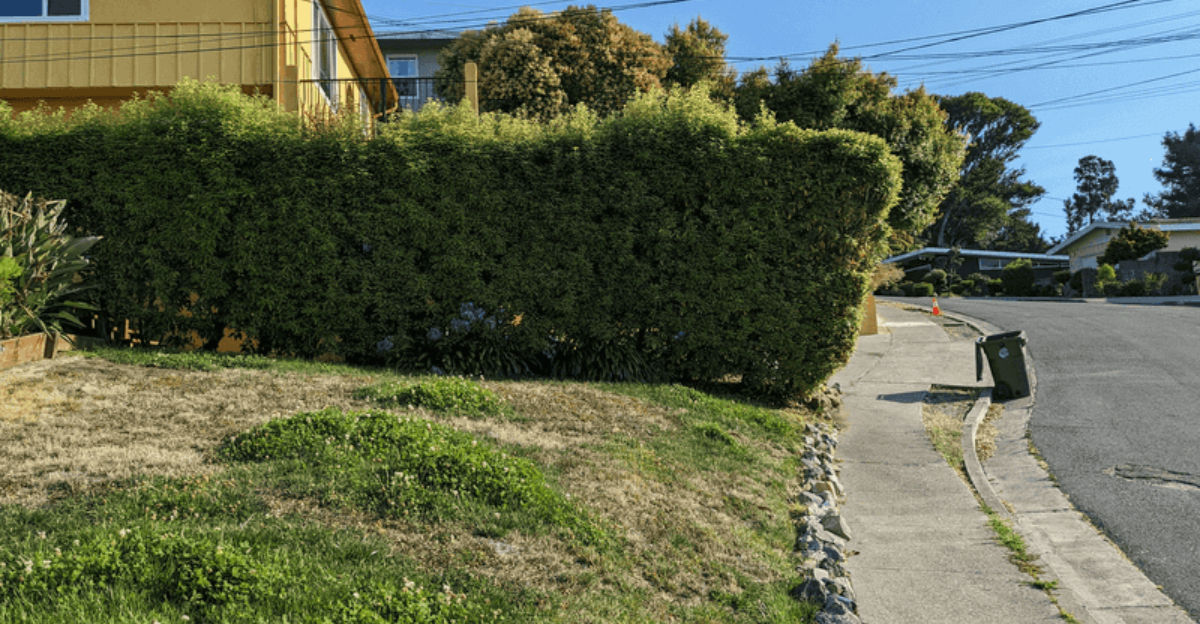
Overhanging shrubs from a neighbor’s yard can be annoying. They block sunlight, drop leaves, and sometimes grow right into your space.
When that happens, many homeowners wonder what they’re actually allowed to do. Can you trim them yourself, or does that cross a legal line?
In California, property boundaries and plant laws can make this situation confusing. What seems like a simple cut can turn into a bigger issue if it’s handled the wrong way.
That’s why it’s important to know the rules before grabbing the pruning shears.
Understanding your rights can help you avoid conflict and protect your property at the same time. It also keeps you from accidentally causing damage that could lead to problems later.
This guide explains what’s allowed, what’s not, and how to handle overhanging shrubs the smart way.
1. Your Right To Trim To The Property Line
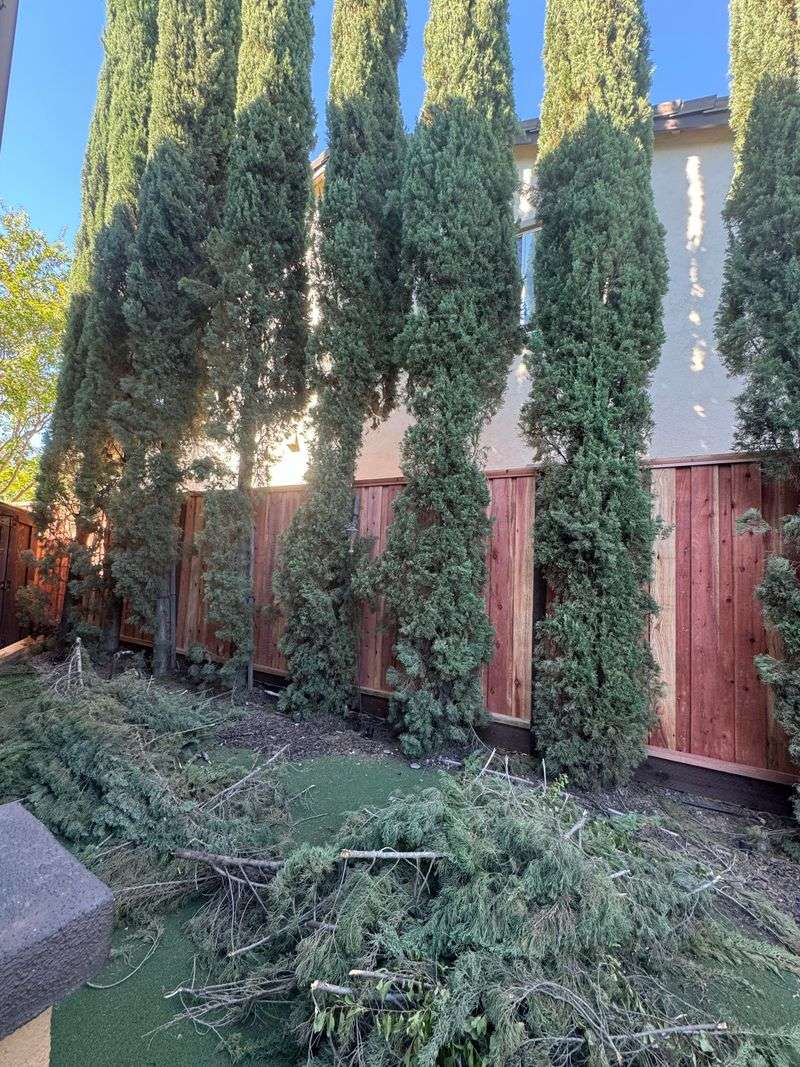
California law generally permits you to trim branches, shrubs, and roots that extend over your property boundary. This principle comes from the concept of self-help, which allows homeowners to address nuisances without going to court first.
Your property line acts as the legal dividing point where your neighbor’s rights end and yours begin.
However, this right comes with important limitations. You can only trim back to the exact boundary line, not beyond it.
Reaching over the fence to cut branches still on your neighbor’s side is trespassing and could result in legal consequences.
Before you start cutting, make absolutely sure you know where your property line actually sits. Many homeowners assume their fence marks the boundary, but fences can be installed incorrectly or shift over time.
Consider hiring a licensed surveyor if there is any doubt about the exact location.
Keep all trimmings that fall onto your property, as you are responsible for disposing of them properly. The tree itself belongs to your neighbor if the trunk is on their property, but the encroaching portions over your property can be cut back (reasonably) to the property line.
This right applies to shrubs, hedges, tree branches, and even roots growing underground beneath your yard.
2. You Cannot Damage Your Neighbor’s Plants
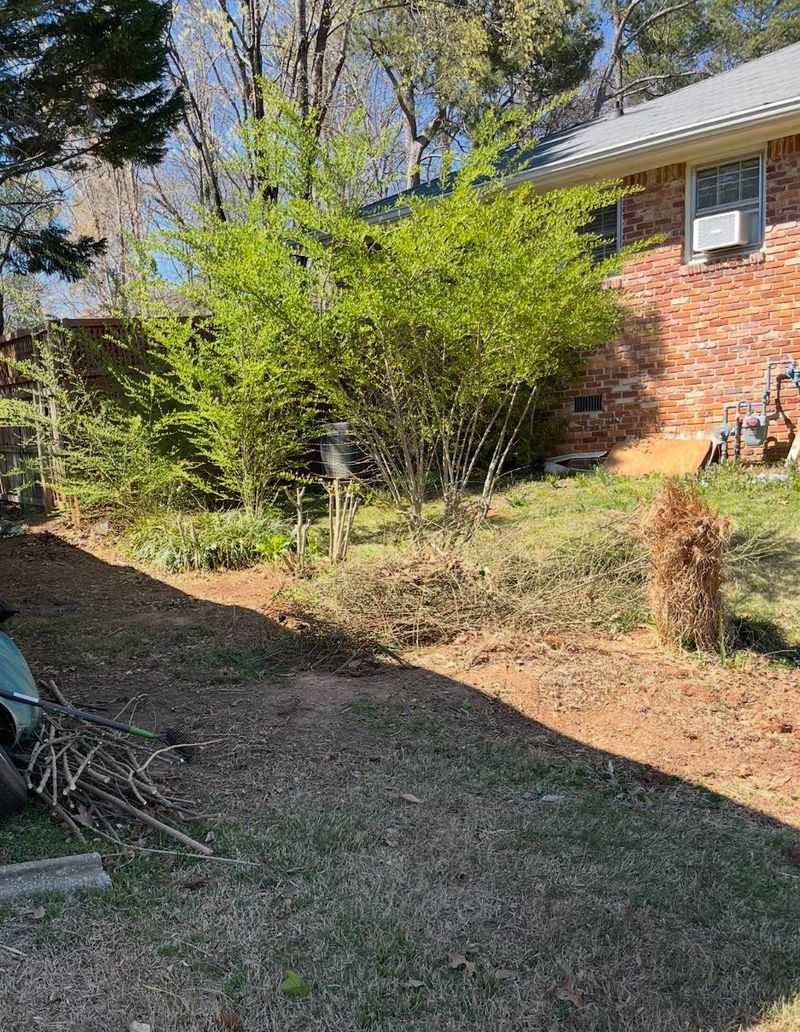
While you have the right to trim overhanging vegetation, California law does not give you permission to harm or destroy your neighbor’s plants in the process. Cutting branches so severely that the shrub or tree dies could make you liable for damages.
Courts have ruled that property owners must exercise reasonable care when trimming.
Plants need their branches and roots to survive. Removing too much foliage at once can stress the plant and cause permanent harm or death.
If your trimming damages an expensive ornamental shrub or mature tree, you could be sued for the replacement value, which can run into thousands of dollars.
Timing matters when it comes to plant health. Pruning during certain seasons can be more harmful than others, depending on the species.
Some plants should only be trimmed during dormancy, while others tolerate year-round pruning better.
If you are unsure how much you can safely remove without causing damage, consult with a certified arborist or landscape professional before making cuts. Taking photos before and after your work can also protect you if a dispute arises later.
Being cautious and informed protects both the plant and your wallet.
3. Roots Can Be Trimmed, But With Extra Caution
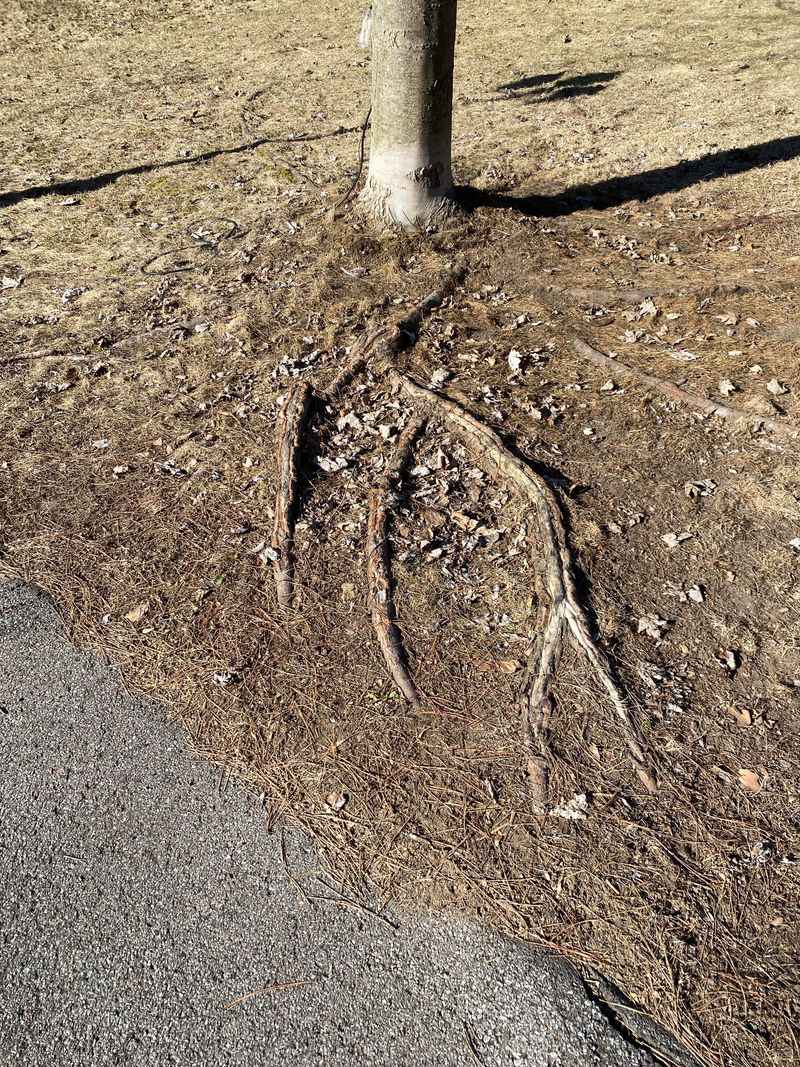
Underground roots that cross your property line can also be trimmed back under California’s self-help rules. Roots often cause more serious problems than branches, including cracked foundations, damaged pipes, and buckled driveways.
Homeowners dealing with these issues may feel justified in cutting roots aggressively.
But roots are even more critical to a plant’s survival than branches. Major roots provide structural support and deliver water and nutrients to the entire plant.
Severing large roots can destabilize a tree, making it more likely to fall during storms or high winds.
If a tree falls because you cut its roots, you could be held responsible for property damage or personal injury. Courts look closely at whether root trimming was done reasonably and carefully.
Cutting roots right at the base of the trunk is far riskier than trimming smaller feeder roots further away.
Always hire a professional arborist before cutting roots from large trees. They can assess whether trimming will compromise the tree’s stability.
Document the damage the roots are causing with photos and repair estimates, as this evidence may be useful if your neighbor disputes your actions later.
4. Some Trees And Plants Are Legally Protected
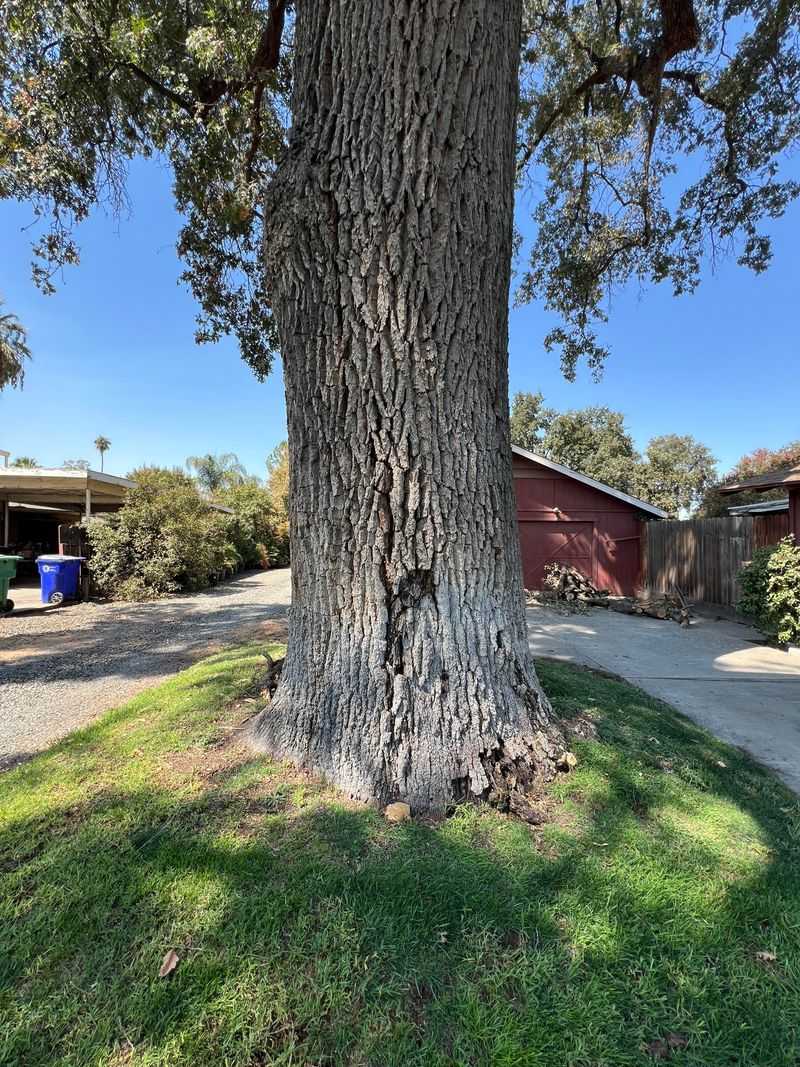
Not all vegetation can be trimmed freely, even when it crosses your property line. Some cities and counties protect certain trees (often oaks or heritage trees) through local ordinances, which can require permits even for significant pruning.
Oak trees, for example, are often covered by strict regulations because they provide important ecological benefits and can live for centuries. Trimming an oak without a permit can result in hefty fines, even if the branches overhang your yard.
Some municipalities protect trees based on size, age, or species regardless of location.
Check with your city or county planning department before cutting any large or old tree. They can tell you whether a permit is required and what restrictions apply.
Violating tree protection ordinances can lead to fines ranging from hundreds to thousands of dollars per tree.
Homeowners associations may also have rules about tree trimming that go beyond state and local laws. Review your HOA guidelines carefully before taking action.
Ignoring these rules could result in fines or legal action from your HOA, adding another layer of complication to an already sensitive situation.
5. Communicate With Your Neighbor
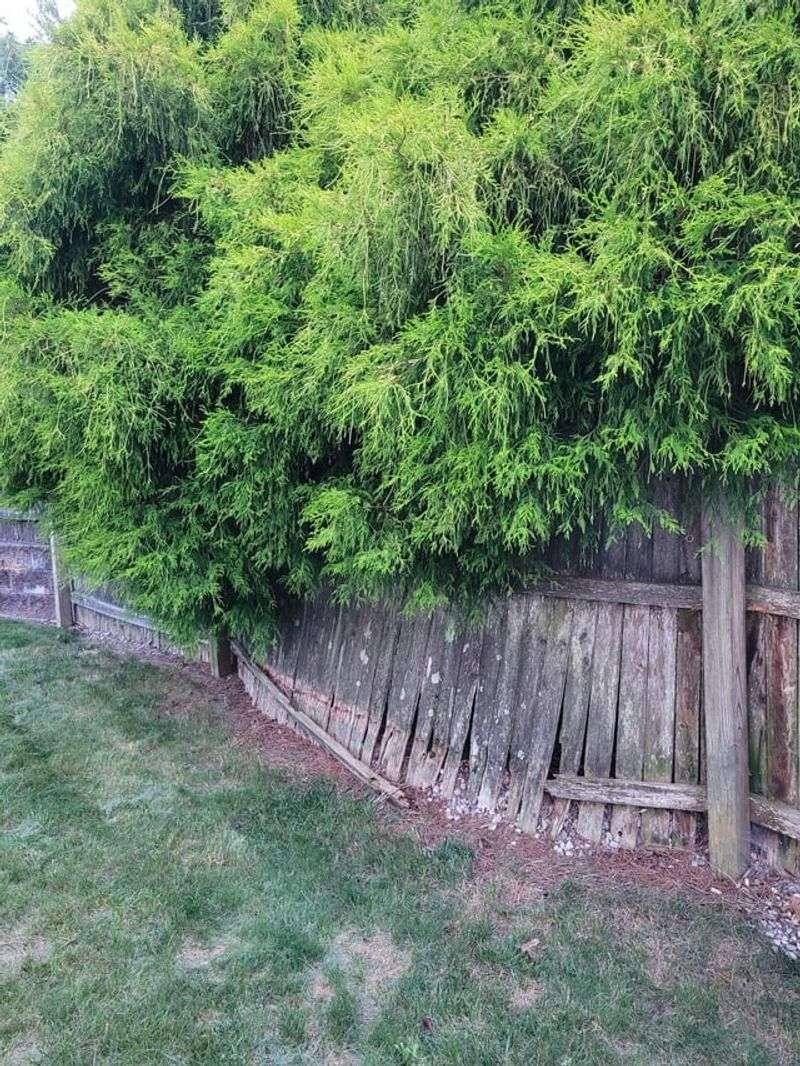
Before you pick up your pruning shears, consider having a friendly conversation with your neighbor. Many disputes over overhanging vegetation can be resolved with a simple discussion.
Your neighbor may not even realize their shrubs are encroaching on your property or causing you problems.
Approach the conversation calmly and respectfully. Explain the specific issue, whether it is blocked sunlight, falling leaves, or obstructed access.
Suggest solutions together, such as splitting the cost of professional trimming or agreeing on a maintenance schedule.
Putting your agreement in writing can prevent misunderstandings later. A simple email or text summarizing what you both agreed to can serve as proof if disagreements arise.
Keeping communication documented also shows good faith if the situation ever escalates to legal action.
If your neighbor refuses to cooperate or becomes hostile, you still have the right to trim back to your property line. However, giving them notice of your plans in writing can help avoid surprises and potential conflict.
Mediation services are available in many California communities if you cannot reach an agreement on your own.
6. Liability Issues From Improper Trimming
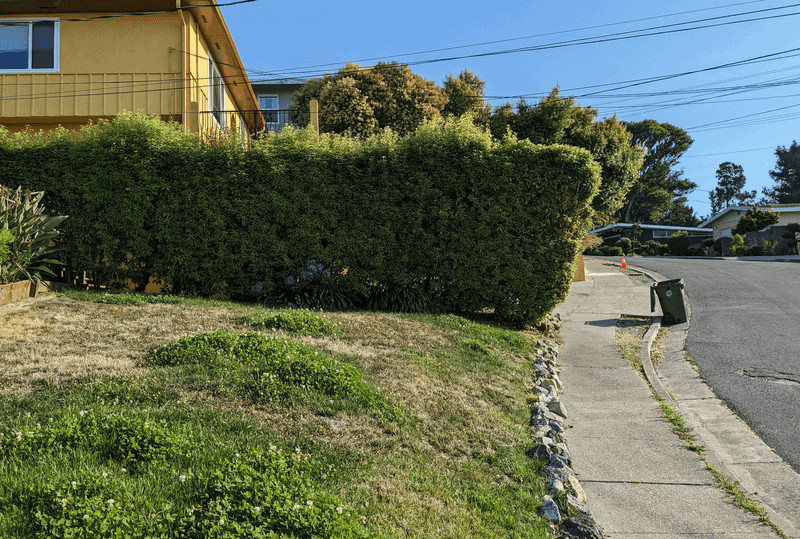
Even though you have the right to trim overhanging vegetation, you can still be held liable if you do it carelessly or improperly. Damaging your neighbor’s property, injuring someone, or destroying a valuable plant can all lead to lawsuits.
California courts expect homeowners to act reasonably and responsibly when exercising self-help remedies.
If branches you cut fall onto your neighbor’s property and cause damage, you could be responsible for repairs. Similarly, if improper trimming causes a tree to become unstable and it later falls and injures someone, you may face liability.
Insurance may not cover these situations if you acted negligently.
Hiring a licensed and insured tree service or landscaper can protect you from these risks. Professionals know how to trim safely and in compliance with local laws.
They also carry liability insurance that covers accidents or damage during the work.
Keep records of all work performed, including contracts, receipts, and before-and-after photos. If a dispute arises, this documentation can demonstrate that you acted responsibly and within your legal rights.
Taking these precautions reduces your risk and shows respect for your neighbor’s property.
7. When To Seek Professional Help
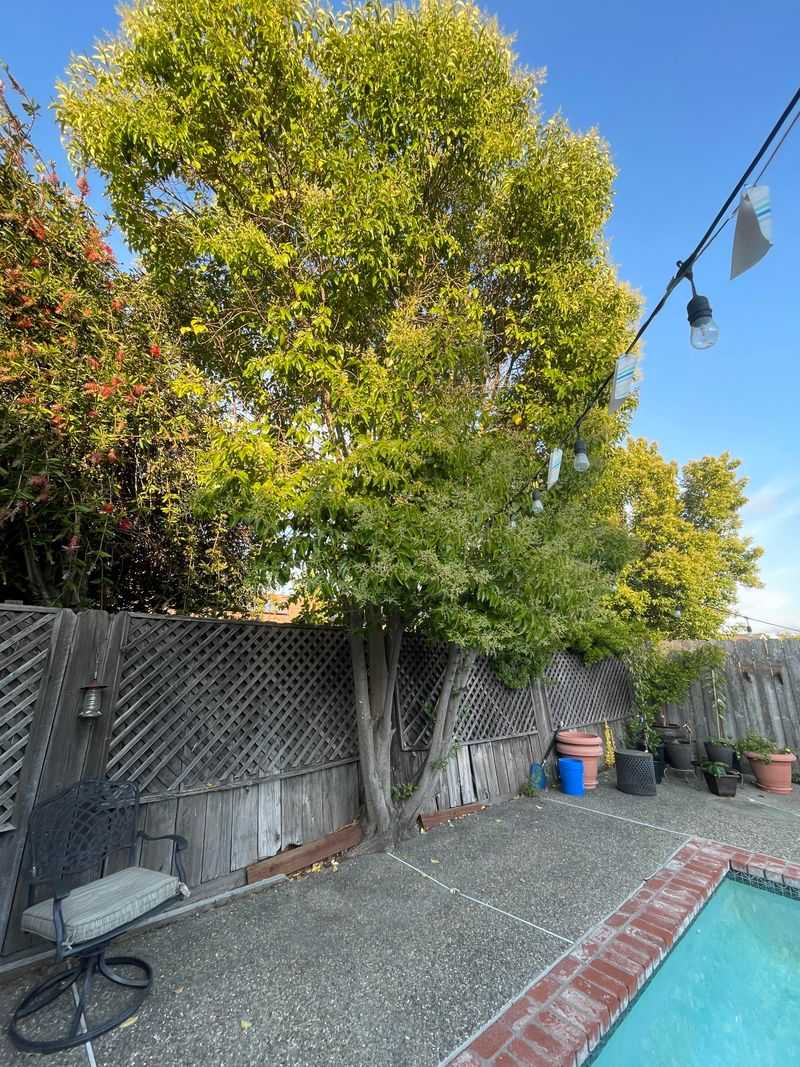
Some situations involving overhanging vegetation are too complicated or risky to handle on your own. If your neighbor threatens legal action, refuses to cooperate, or if the vegetation is causing serious property damage, consulting an attorney may be necessary.
A lawyer experienced in California property law can advise you on your rights and help you avoid costly mistakes.
Legal help is especially important when dealing with protected trees, boundary disputes, or significant property damage. An attorney can review local ordinances, HOA rules, and relevant case law to give you clear guidance.
They can also help negotiate with your neighbor or represent you in mediation or court if needed.
Professional arborists and landscape contractors are essential when dealing with large trees, complex root systems, or plants near structures. They have the expertise to assess risks and perform work safely.
Certified arborists can also provide written reports documenting the condition of trees and the necessity of trimming.
Do not wait until a problem escalates before seeking help. Early consultation can prevent disputes from becoming expensive legal battles.
Many attorneys offer free or low-cost initial consultations, and arborists can provide estimates and advice before you commit to any work.