Is It Legal To Trim A Neighbor’s Overhanging Shrub In New York
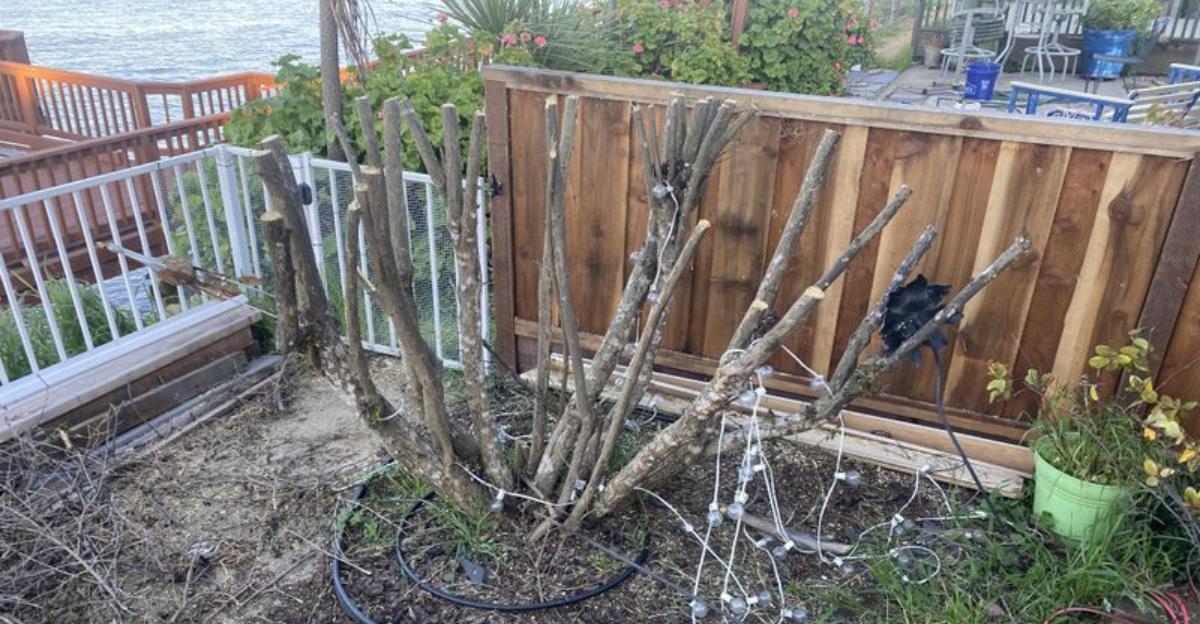
Have you ever looked out your window and noticed your neighbor’s shrub creeping over onto your property?
Maybe branches are blocking your view, dropping leaves in your yard, or making it hard to maintain your own garden.
Understanding your legal rights when dealing with overhanging plants can save you from awkward confrontations and potential legal trouble.
New York has specific laws about property boundaries and vegetation, and knowing these rules helps you handle the situation properly while keeping good relationships with those living next door.
1. You Can Trim Branches On Your Property Line
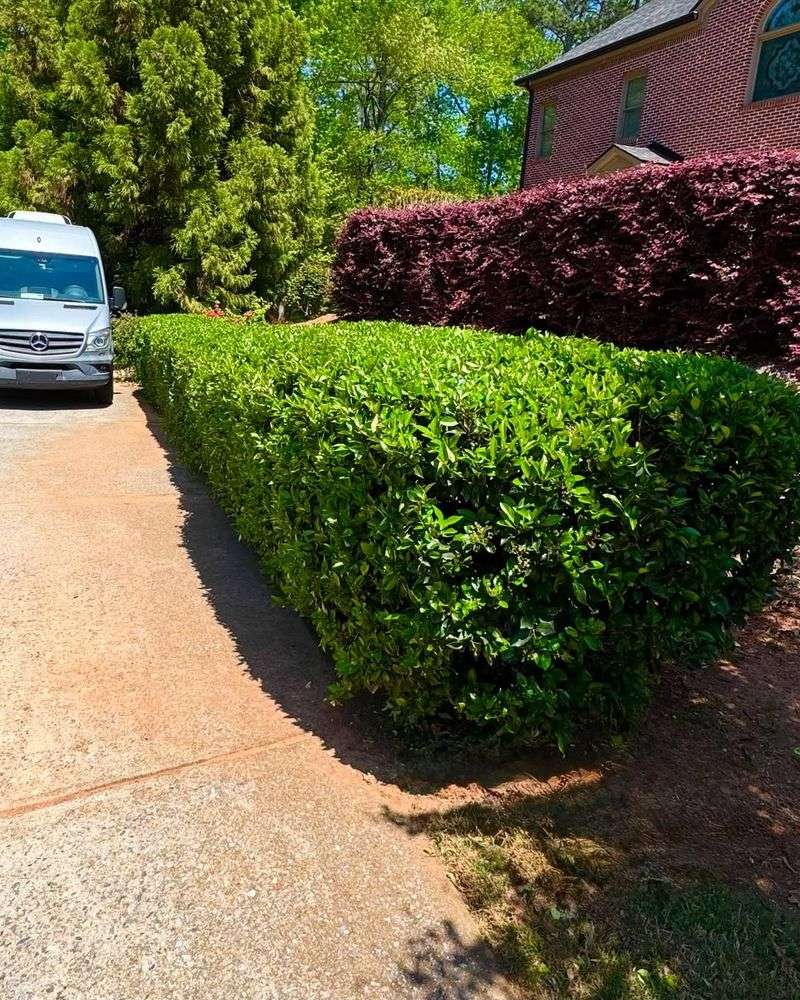
New York law gives property owners the right to trim vegetation that crosses onto their land.
When branches, leaves, or shrubs extend past the property boundary, you legally can cut them back to the exact line where your property ends.
This right exists because your neighbor’s plants should not interfere with your use and enjoyment of your own space.
However, you must be extremely careful to trim only what extends onto your side.
Crossing over to their property to cut branches, even if they hang over your yard, counts as trespassing.
The best approach involves measuring your property line accurately before doing any cutting.
Many homeowners use their property survey or hire a surveyor to mark boundaries clearly.
Taking photos before you start trimming provides documentation of where branches were located.
Remember that while you have the right to trim, you should still try talking to your neighbor first.
A friendly conversation often resolves the issue without anyone needing to grab pruning shears.
Good fences and good communication both make good neighbors.
2. Property Damage Changes Everything
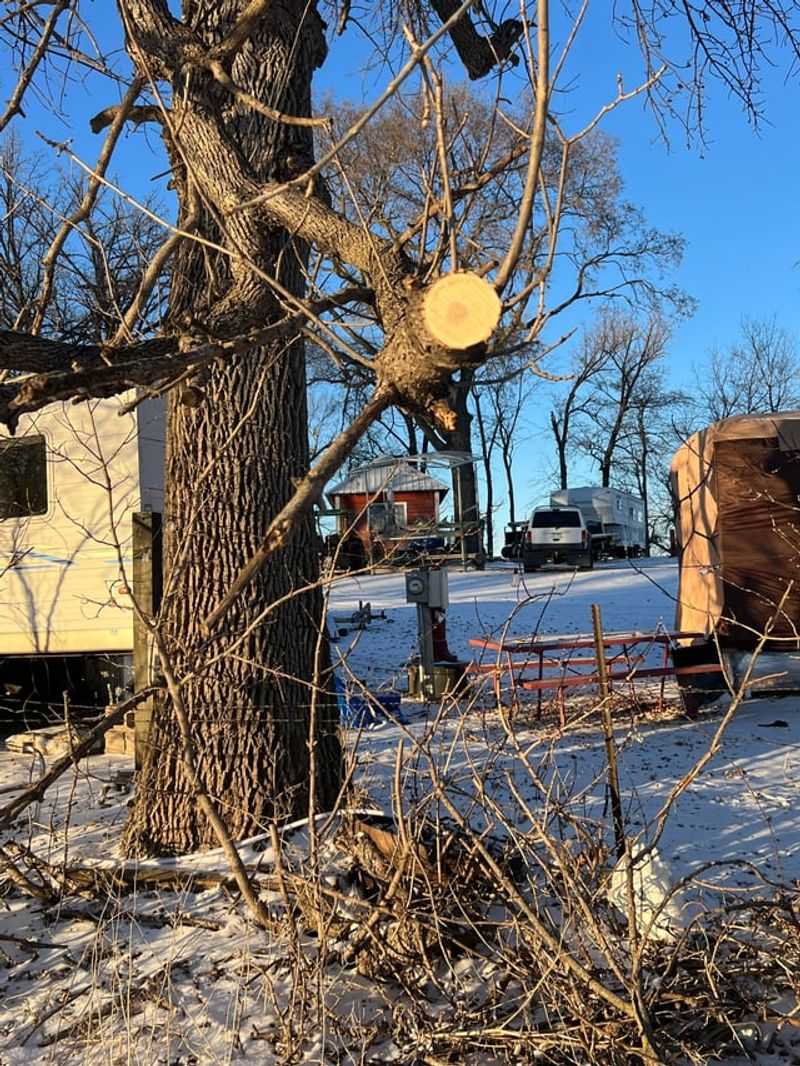
Cutting branches becomes a legal problem when your trimming causes serious harm to the plant.
If your pruning destroy the shrub or damages it so badly that it cannot recover, your neighbor might successfully sue you for the plant’s value.
New York courts have awarded money to property owners whose trees and shrubs were damaged by overzealous neighbors.
The key question becomes whether you trimmed reasonably or went too far.
Removing every branch that crosses the line might technically be legal, but if that action destroys a mature, expensive shrub, you could face financial consequences.
Judges look at whether you acted with reasonable care when cutting.
Hiring a professional arborist or landscaper shows you took the matter seriously and tried to minimize harm.
These experts know how to trim without destroying the plant’s health.
Documenting your careful approach protects you if disputes arise later.
Taking before and after pictures helps demonstrate you only removed what was necessary.
The replacement cost of mature landscaping can reach thousands of dollars, making caution worthwhile.
3. Roots Present Different Challenges

Underground roots create more complicated situations than visible branches.
While you can trim roots that invade your property, cutting major roots might destabilize or destroying the entire plant.
New York law recognizes that roots are harder to deal with because you cannot see them spreading beneath the soil.
Courts generally allow property owners to remove invasive roots that cause actual damage.
Examples include roots cracking your foundation, breaking through pipes, or buckling your driveway.
Documenting the damage before cutting roots provides important evidence of why action was necessary.
Professional assessment becomes even more critical with root issues than with branch trimming.
An arborist can determine which roots you can safely cut without destroying the plant.
Some roots serve as anchors or main pathways for water and nutrients.
Severing these critical roots might topple the tree or cause it to wither slowly.
Your neighbor could hold you responsible for the full replacement value if your root cutting destroys their plant.
Getting expert advice before taking action protects both the plant and your wallet.
4. Communication Prevents Legal Battles
Lawyers and judges repeatedly stress that most property disputes could be avoided through simple conversation.
Before you start cutting anything, knock on your neighbor’s door and explain the situation politely.
Many people genuinely do not realize their shrubs have grown beyond property lines.
Opening with friendly communication shows respect and often leads to quick solutions.
Your neighbor might immediately agree to trim the vegetation themselves, saving everyone time and potential conflict.
Some might even appreciate you pointing out overgrowth they had not noticed.
Approaching the conversation calmly and without accusations makes cooperation more likely.
Bringing photos or pointing out the specific areas helps keep discussions factual rather than emotional.
Offering to share trimming costs or help with the work can turn a potential conflict into a bonding opportunity.
Written agreements, even simple ones, protect both parties if memories differ later.
Email confirmations of your conversation create helpful records.
Building positive relationships with neighbors pays dividends far beyond any single property issue.
Courts look favorably on people who tried reasonable communication before taking action.
5. Municipal Codes Add Extra Rules
Local governments throughout New York State have their own ordinances about vegetation and property maintenance.
These municipal codes sometimes restrict when, how, or what you can trim, even on your own property.
Cities and towns create these rules to preserve community character, protect historic trees, or maintain neighborhood aesthetics.
Some communities require permits before removing or significantly trimming certain plants.
Protected species or trees above specific sizes might have special regulations.
Violating local codes can result in fines, required replanting, or orders to restore what you removed.
Checking with your town or city clerk’s office before trimming saves potential headaches.
Many municipalities now post their codes online for easy reference.
Homeowners associations add another layer of rules in many neighborhoods.
HOA covenants might restrict trimming, require approval, or mandate specific landscaping standards.
Reading your HOA documents carefully prevents violations that could lead to fines or liens.
When state law, local codes, and HOA rules all apply, you must follow the most restrictive requirements.
Taking time to understand all applicable rules protects you from multiple sources of trouble.
6. Spite Fences And Malicious Trimming
New York recognizes that some property actions stem from malice rather than legitimate maintenance needs.
Courts can intervene when someone trims vegetation primarily to annoy or harm their neighbor rather than for any practical reason.
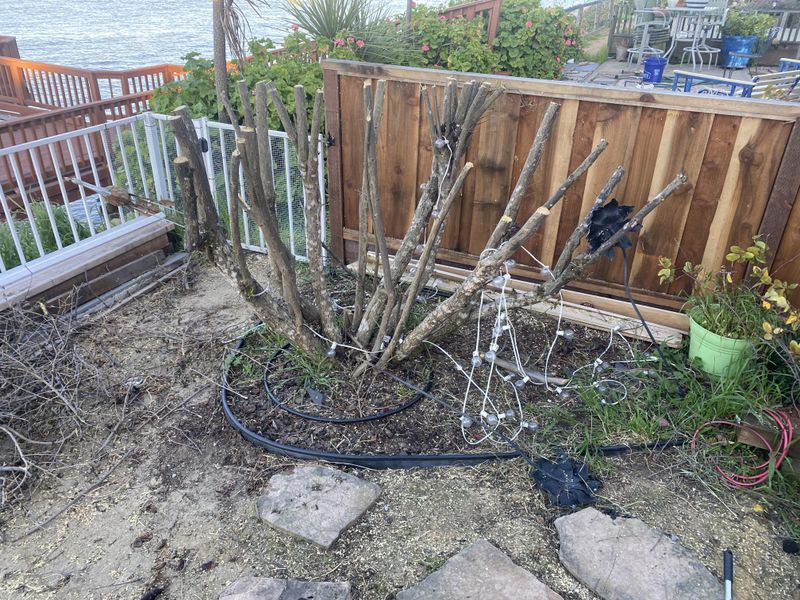
Malicious trimming means cutting plants in ways designed to damage them or upset the owner rather than simply maintaining your property.
Judges look at your motivation and whether your actions were reasonable given the actual problem.
Cutting back branches that barely cross the line but doing so in a way that ruins the plant’s appearance might be considered malicious.
Similarly, trimming at times of year when plants are most vulnerable shows possible bad intent.
The legal concept of spite fences extends to vegetation disputes in some cases.
Actions taken primarily to block views, create ugliness, or antagonize neighbors can be prohibited even if technically legal.
Courts balance property rights against the requirement that owners act reasonably and without malice.
Your history with the neighbor matters in these cases.
Previous conflicts or documented hostility might influence how judges view your trimming actions.
Acting from legitimate property maintenance needs rather than anger keeps you legally safe.
7. Liability For Falling Branches
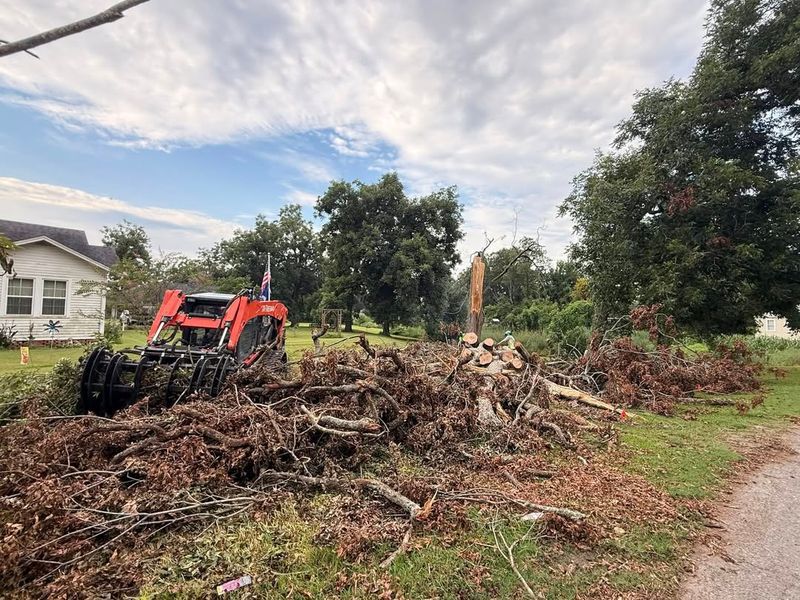
Determining who bears responsibility when branches fall and cause damage depends on several factors.
Generally, tree and shrub owners must maintain their plants in reasonably safe condition.
If a diseased or obviously dangerous branch hangs over your property and you warned your neighbor, they might be liable for resulting damage.
However, if a healthy branch breaks during a storm, your own homeowner’s insurance typically covers damage to your property.
New York follows general negligence principles in these situations.
Proving negligence requires showing the owner knew or should have known about the danger.
Sending written notice about hazardous branches creates important documentation.
Certified mail with return receipt proves your neighbor received the warning.
After proper notice, if they fail to address the danger and damage occurs, you have stronger legal grounds.
Photographs of obviously withered, diseased, or damaged branches support your case.
Professional arborist reports about hazardous conditions provide expert evidence.
Your own responsibility includes taking reasonable steps to protect your property when you know danger exists.
Courts might reduce damages if you failed to act reasonably after becoming aware of obvious hazards.
8. Shared Trees Require Cooperation
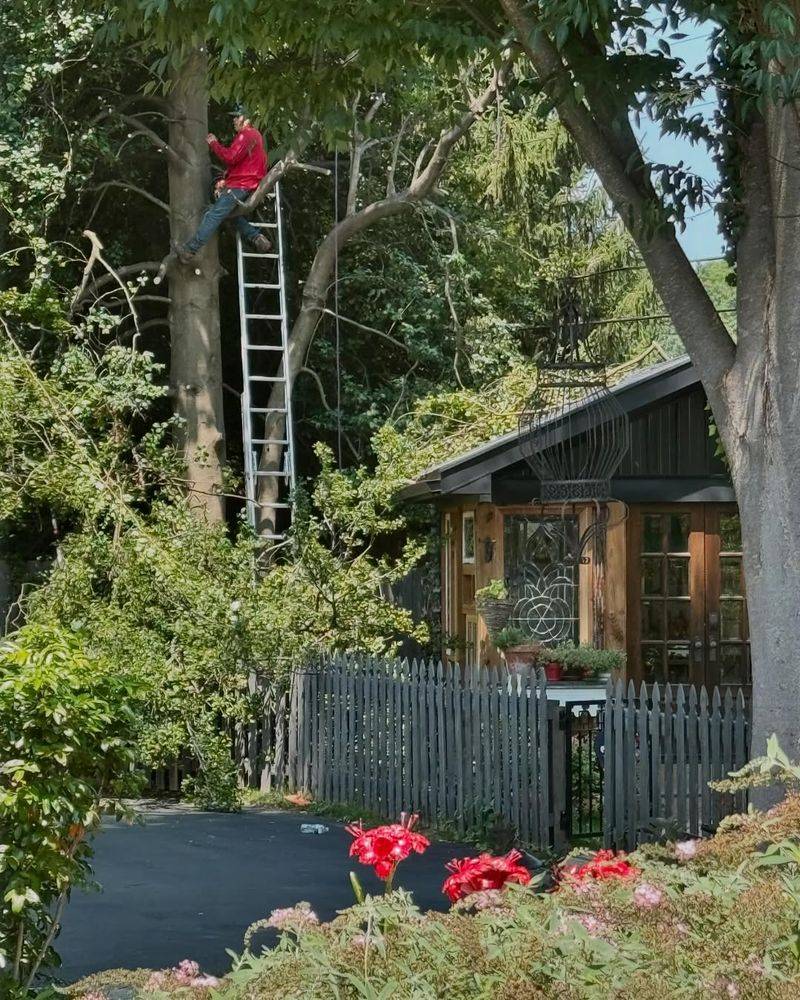
Sometimes shrubs or trees grow directly on the property line, with trunks straddling both properties.
These boundary plants legally belong to both neighbors equally under New York law.
Neither owner can remove or significantly alter a boundary plant without the other’s permission.
Both parties share responsibility for maintenance and both have rights to the plant.
Decisions about major pruning, treatment, or removal require agreement from both property owners.
If one neighbor wants to remove a boundary tree and the other objects, courts generally protect the tree.
The preference in law favors preserving vegetation when owners disagree.
Costs for maintaining boundary plants should be split fairly between neighbors.
This includes expenses for professional trimming, disease treatment, or necessary removal.
When a boundary tree becomes dangerous, both owners share potential liability.
Proper maintenance protects both properties and prevents legal disputes.
Written agreements about boundary plant care prevent future conflicts.
Surveying precisely where the property line runs determines whether plants are truly on the boundary or clearly on one side.
Small differences in location create big differences in legal rights and responsibilities.
9. Fruit And Nuts Belong To Tree Owner
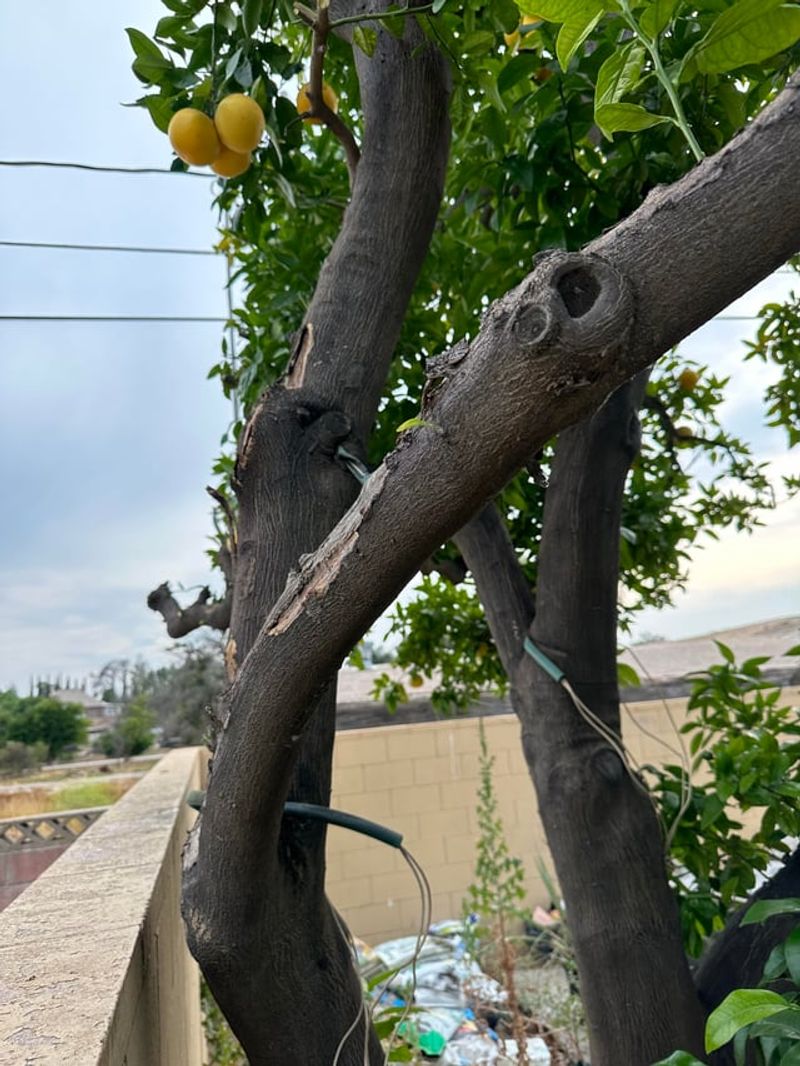
Branches producing apples, pears, or nuts that hang over your property create interesting legal questions.
Traditional common law, which New York generally follows, says fruit belongs to the tree owner regardless of where it falls.
Technically, taking fruit from overhanging branches could be considered theft.
However, practical enforcement of this rule rarely happens in residential neighborhoods.
Most neighbors appreciate when you harvest fruit from branches on your side rather than letting it rot.
Falling fruit that creates mess, attracts pests, or damages property presents legitimate concerns.
You can ask your neighbor to address problems caused by their fruit-bearing plants.
Documenting issues like wasp infestations, rodent problems, or staining from fallen fruit supports your position.
Some municipalities have nuisance ordinances that apply to unmaintained fruit trees.
Reporting persistent problems to local code enforcement might prompt action.
The best solution involves neighborly cooperation about harvesting and cleanup.
Offering to share harvested fruit often works better than demanding they pick everything themselves.
Remember that you can trim fruit-bearing branches back to the property line just like any other vegetation.
This removes the source of falling fruit on your side.
10. Professional Help Protects Everyone
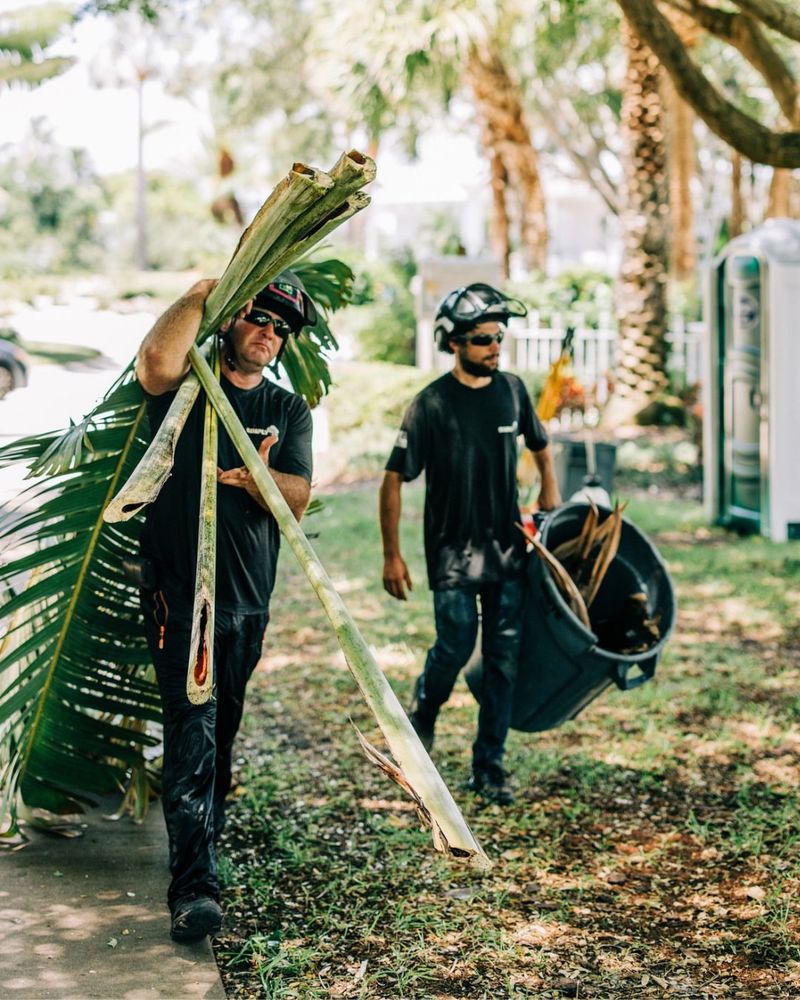
Hiring qualified professionals for significant trimming work benefits all parties involved.
Licensed arborists understand plant biology and proper pruning techniques that minimize damage.
Their expertise helps ensure your trimming stays within legal bounds while protecting plant health.
Professional work also demonstrates to courts that you acted responsibly if disputes arise later.
Arborists carry insurance that covers accidental damage during their work.
This protection shields you from liability if something goes wrong during trimming.
Getting written estimates from professionals provides documentation of reasonable costs.
Some situations absolutely require professional help, like large trees, dangerous branches, or power line proximity.
Attempting these jobs yourself risks serious injury or property damage.
Professionals also provide valuable advice about whether trimming will harm the plant.
Their assessment can guide your decisions and support your position if legal issues develop.
Costs for professional services seem high initially but pale compared to lawsuit expenses or medical bills from accidents.
Many arborists offer consultations where they assess the situation and provide recommendations.
This professional opinion helps you understand your options before committing to expensive work.
Investing in expert help preserves both plants and neighbor relationships.