Is Paying For Lawn Service Really Worth It For Georgia Homeowners
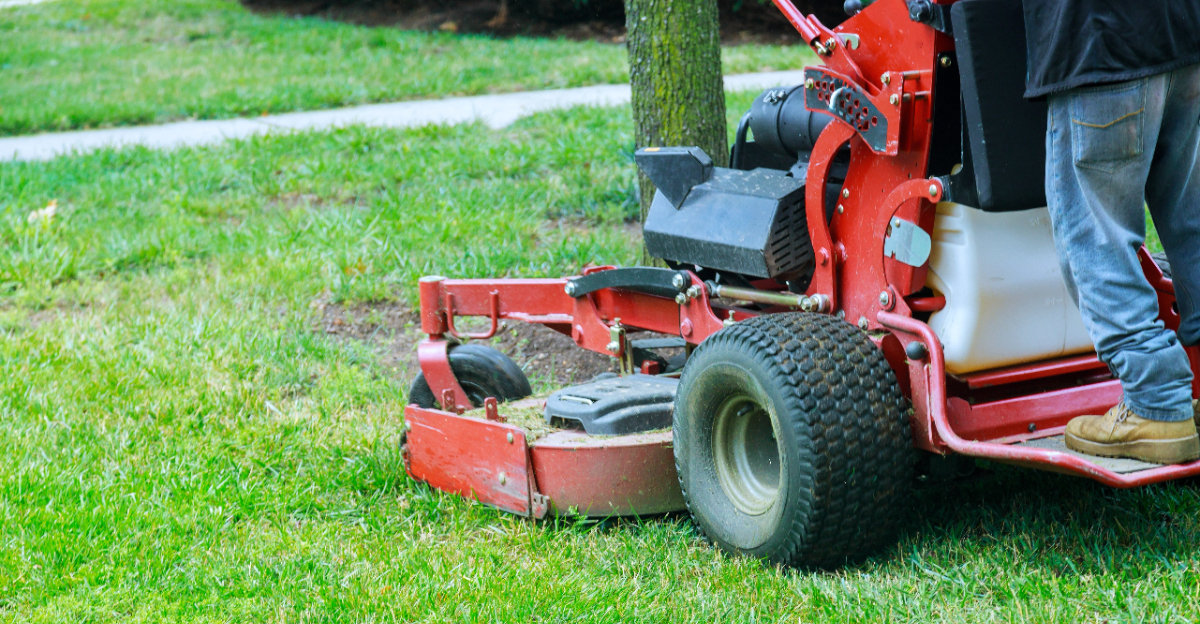
Are you staring at your Georgia lawn wondering if it’s time to hand it over to a pro? When the grass starts growing faster than you can mow it and weeds creep in overnight, that question hits hard.
Paying for lawn service sounds like a luxury at first. But during Georgia’s long, humid growing season, it can start to feel like survival.
From thick spring growth to summer heat that stresses even the toughest turf, lawns here demand consistency. Miss a few weeks, and it shows.
The real question is not just about money. It’s about time, equipment, and whether the results match the effort.
Before you decide if lawn service is worth it, it helps to understand what Georgia lawns actually require and where the value truly shows up.
1. For Many Georgia Homeowners The Investment Pays Off During Peak Growth
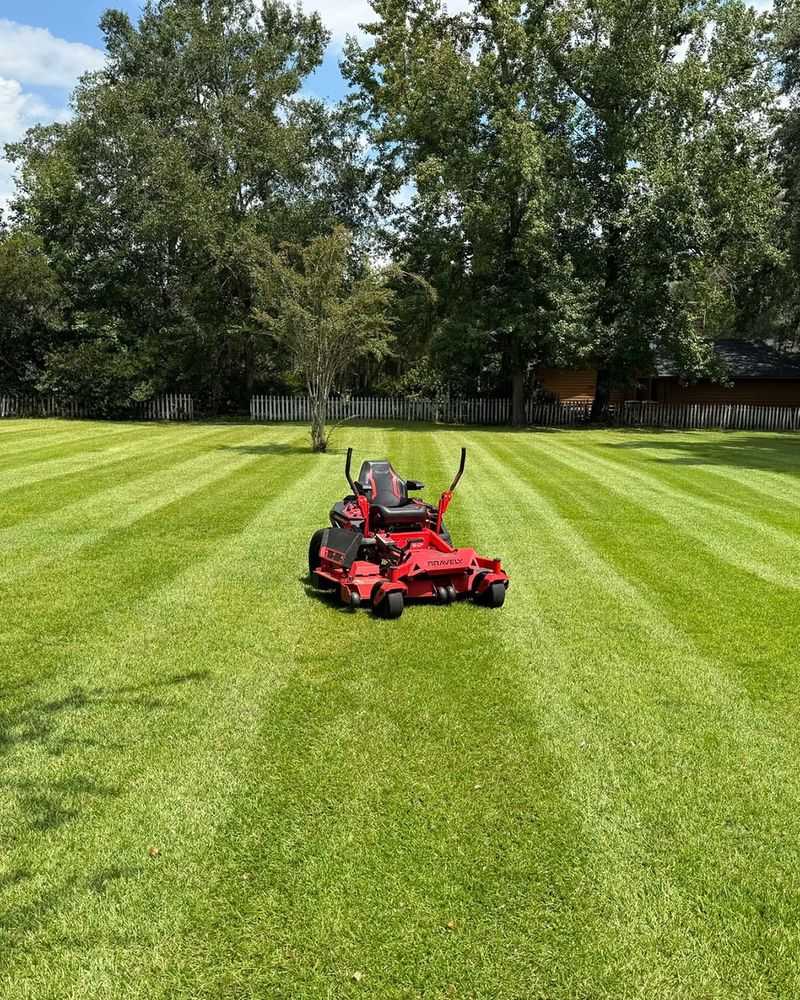
Spring hits Georgia fast and hard. One week your lawn looks manageable, and the next week it resembles a jungle that grew three inches overnight.
Bermuda and Zoysia lawns in Georgia can need mowing twice weekly during peak season. Missing even one cut creates a shaggy mess that takes twice as long to fix.
Lawn companies build their schedules around growth patterns, not your personal calendar. They arrive with commercial mowers that cut faster and cleaner than residential equipment.
Their crews finish an average yard in fifteen minutes, a job that might take you an hour with breaks.
The real payoff shows up in consistency. Your grass stays at the ideal height, which helps it grow thicker and crowd out weeds naturally.
Professionals also spot problems early, like brown patches or insect damage, before they spread across your entire yard.
Georgia’s humid climate means growth does not stop cleanly at summer’s end either. Warm-season grasses keep pushing new blades well into September.
Having a service handle this extended season means weekends feel like weekends again.
2. Georgia’s Long Warm Season Demands Consistent Maintenance
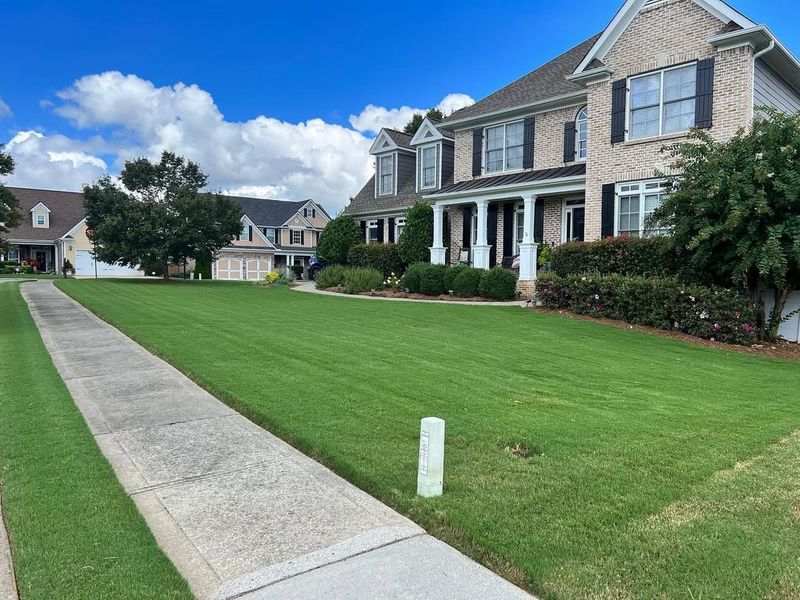
Most states get a break from lawn care by late September. Georgia laughs at that idea.
Warm-season grasses here typically grow from April through October, depending on region.
This extended season creates a maintenance marathon, not a sprint. Fertilizing schedules stretch across eight months instead of four.
Weed pressure never truly stops because something always finds conditions good enough to sprout. Your mower gets more use in Georgia than it would in states with hard freezes.
Professional services spread their costs across this longer season, which actually improves value compared to northern states where you pay similar prices for half the year of work.
They adjust treatments based on what your grass needs each month, switching from growth promotion in spring to stress protection during July’s brutal heat.
Doing it yourself means remembering what to do when. Apply pre-emergent too early and it wears off before weeds germinate.
Wait too long and crabgrass already took over. Lawn companies run on proven schedules refined over years of working specifically in Georgia’s climate.
The consistency factor matters more here than in cooler states. A lawn that looks great in May but turns brown and patchy by August because you got busy shows the challenge of DIY maintenance across Georgia’s demanding growing season.
Professional care removes the guesswork and maintains results from spring through fall.
3. Clay Soil And Compaction Make Proper Aeration Essential
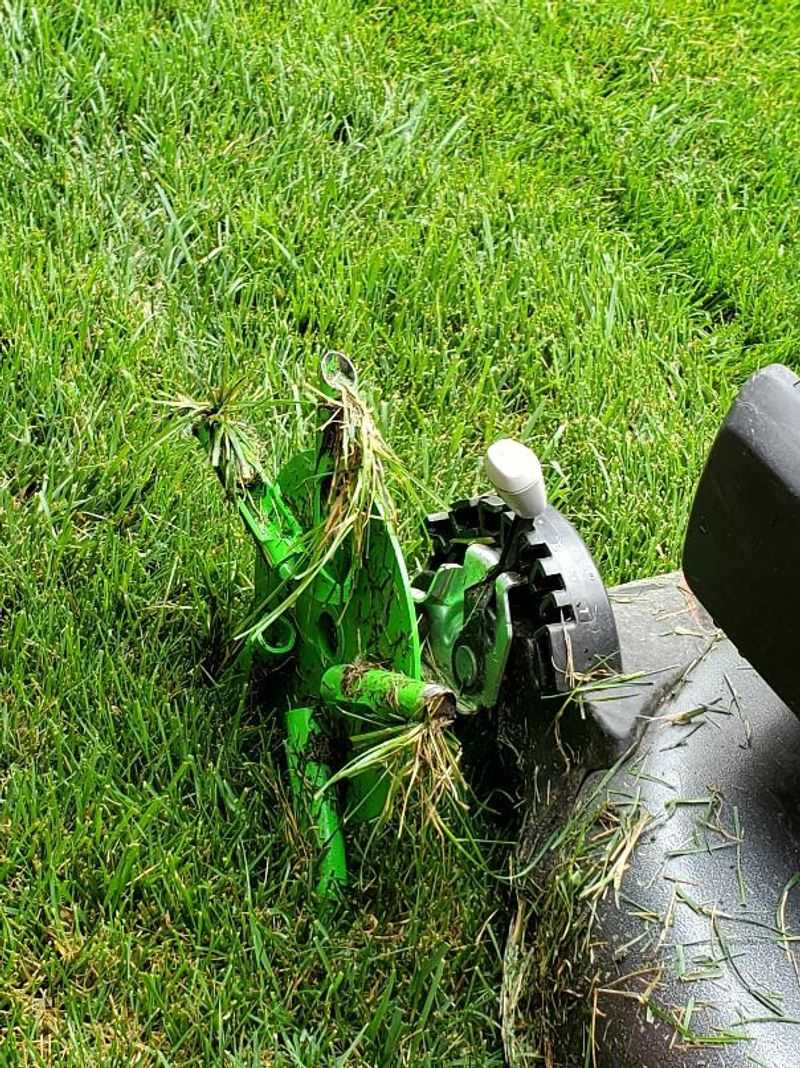
Georgia’s notorious red clay soil packs down harder than concrete after a few years of foot traffic and mower passes. Grass roots cannot push through compacted soil no matter how much you water or fertilize.
Aeration punches thousands of small holes that let air, water, and nutrients reach the root zone where they actually help your grass.
These machines are heavy, expensive, and only needed once or twice yearly. Renting one costs money and requires hauling it home, figuring out how to use it, and returning it the same day to avoid extra fees.
Their commercial aerators pull deeper, cleaner plugs than rental machines. Crews know exactly when Georgia lawns need aeration based on grass type and soil conditions, typically late spring for warm-season varieties.
Clay soil also affects how fertilizer and treatments work. Products sit on top of compacted ground instead of soaking in.
Regular aeration dramatically improves how well your lawn responds to everything else you do for it. The difference shows up as thicker grass, fewer bare spots, and better drought resistance.
Trying to maintain a healthy lawn in Georgia without addressing soil compaction is like trying to fill a bucket with a lid on it. Aeration removes that lid, and professionals handle this specialized task far more efficiently than most homeowners manage on their own.
4. Heat And Humidity Increase Weed And Disease Pressure
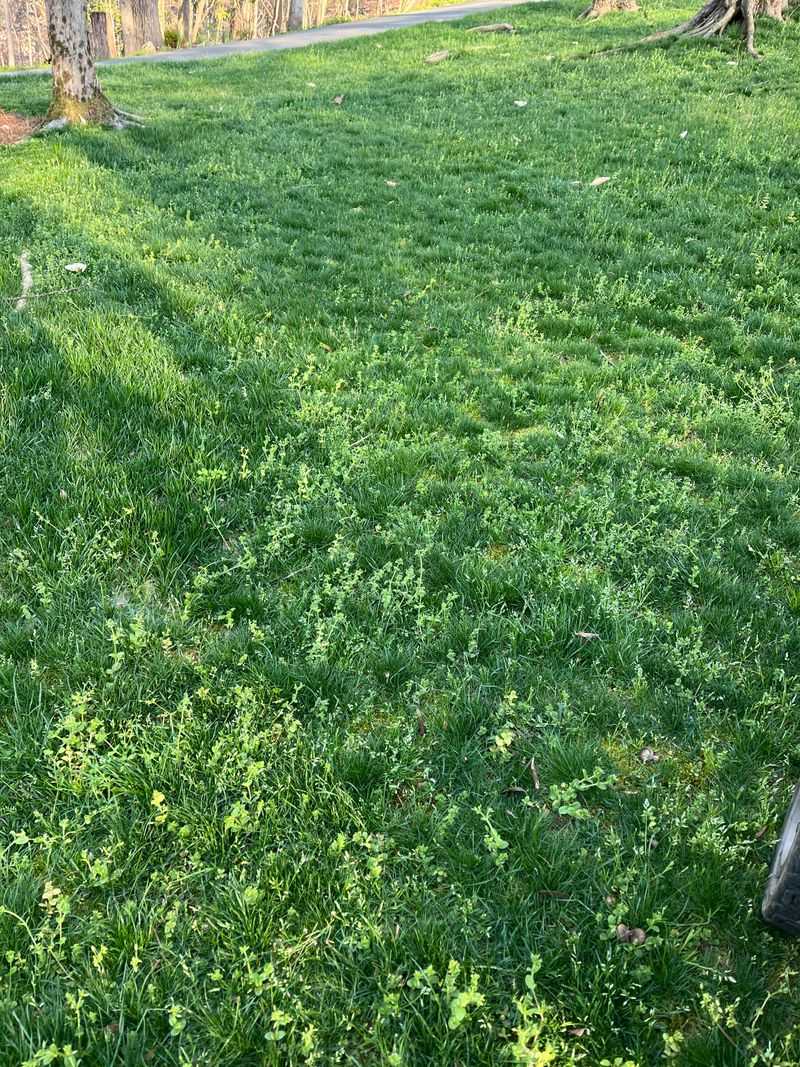
Summer in Georgia creates perfect conditions for lawn problems to explode overnight. Fungal diseases love humidity.
Weeds thrive in stressed grass. Insects multiply faster in heat.
Your lawn faces threats from multiple directions simultaneously, and timing your response correctly makes the difference between a small issue and a yard-wide disaster.
They put down pre-emergent herbicides in early spring that stop weeds from germinating. Fungicide applications go down before disease pressure peaks, not after brown patches already cover half your lawn.
Homeowners typically react to problems after they appear, which costs more and works less effectively. Spotting early signs of disease requires knowledge most people lack.
That slight discoloration might be drought stress, fungus, or insect damage, and each needs completely different treatment.
Georgia’s weed varieties include tough customers like doveweed and Virginia buttonweed that laugh at generic weed-and-feed products from big-box stores. Professionals use commercial-grade herbicides applied at correct rates and times.
They know which products work on specific weeds without harming your particular grass type.
The humidity factor cannot be overstated. Morning dew sits on Georgia lawns for hours, creating ideal fungal conditions.
Brown patch and dollar spot spread incredibly fast during humid stretches. Lawn services monitor weather patterns and adjust treatment schedules accordingly, providing protection your grass needs before you even notice the threat building.
5. Smaller Low Maintenance Yards Often Do Not Require Professional Care
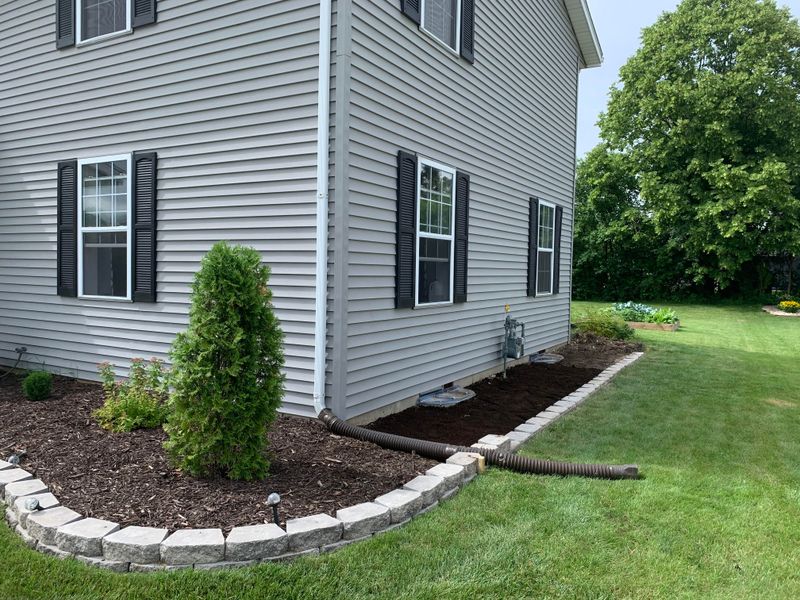
Not every Georgia homeowner benefits from professional lawn service. Small yards under 3,000 square feet take minimal time to maintain, especially if you chose low-maintenance landscaping when your home was built.
A simple push mower handles these spaces in twenty minutes, and basic fertilizing twice yearly keeps grass looking acceptable.
Homeowners who actually enjoy yard work find satisfaction in doing it themselves. Mowing provides exercise and outdoor time.
Seeing immediate results from your own effort feels rewarding. If you have time, energy, and genuine interest, DIY lawn care costs much less than hiring help.
Not everyone wants a golf-course lawn. If you are happy with grass that is mostly green and mostly weed-free, basic maintenance you handle yourself achieves those goals.
Save your money for priorities you care about more.
Renters and people planning to move soon gain little value from investing in professional lawn care. The benefits build over time through improved soil health and thicker grass.
Short-term residents should do the minimum required by their lease and spend their budget elsewhere.
Retired homeowners with flexible schedules often prefer handling their own lawns. They have time during weekday mornings when weather is cooler.
Physical activity benefits their health. The cost savings matter more on fixed incomes.
For this group, professional service might feel like paying someone to do something they can and want to do themselves, which makes the expense hard to justify.
6. Time, Equipment, And Consistency Drive The True Cost
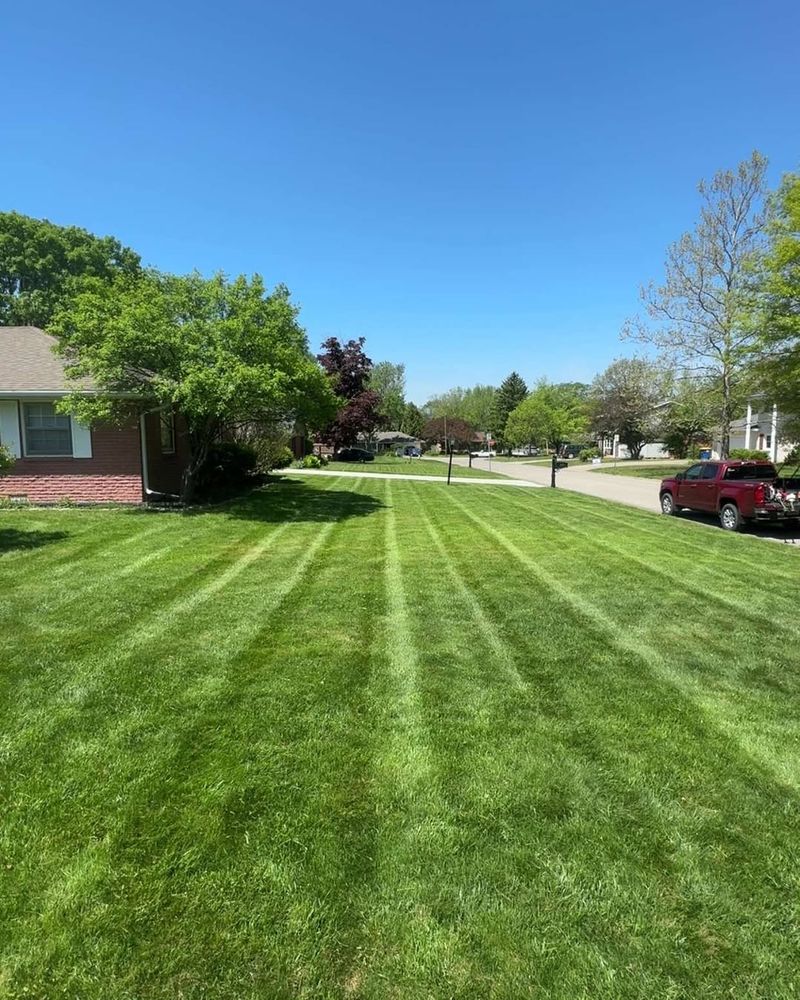
Comparing professional lawn care to doing it yourself requires honest math. A basic lawn service in Georgia may seem expensive at first glance, especially once you consider how many times your yard needs attention throughout the growing season.
When you add up those regular visits over an entire year, the total can feel significant. But a closer look at DIY costs often reveals that the gap is not as wide as many homeowners assume.
Quality equipment requires an upfront investment and ongoing care. A dependable mower is only the starting point.
Once you add a trimmer, edger, fertilizer spreader, and weed sprayer, the initial setup becomes more substantial before you even purchase a single lawn product.
Equipment also needs fuel, oil changes, blade sharpening, repairs, and eventual replacement.
Lawn care products add another layer of expense. Fertilizer, pre-emergent and post-emergent weed control, fungicide, and insect treatments are all part of maintaining a healthy Georgia lawn.
Choosing quality products matters, because cheaper options often struggle to perform in Georgia’s heat, humidity, and heavy clay soil.
Time carries value as well, even if you never assign it an hourly rate. Spending several hours each week mowing, trimming, edging, and applying treatments adds up quickly over the course of a year.
That is time that could be spent with family, pursuing hobbies, earning extra income, or simply resting.
Consistency may be the most overlooked cost. Skipping applications or delaying mowing during busy weeks allows weeds, pests, or turf problems to gain ground, and those issues are usually more expensive to correct later.
Professional services remove that burden. They show up on schedule, regardless of vacations, long workweeks, or how motivated you feel about yard work that particular weekend.
7. Starting Service Early In Spring Maximizes Value
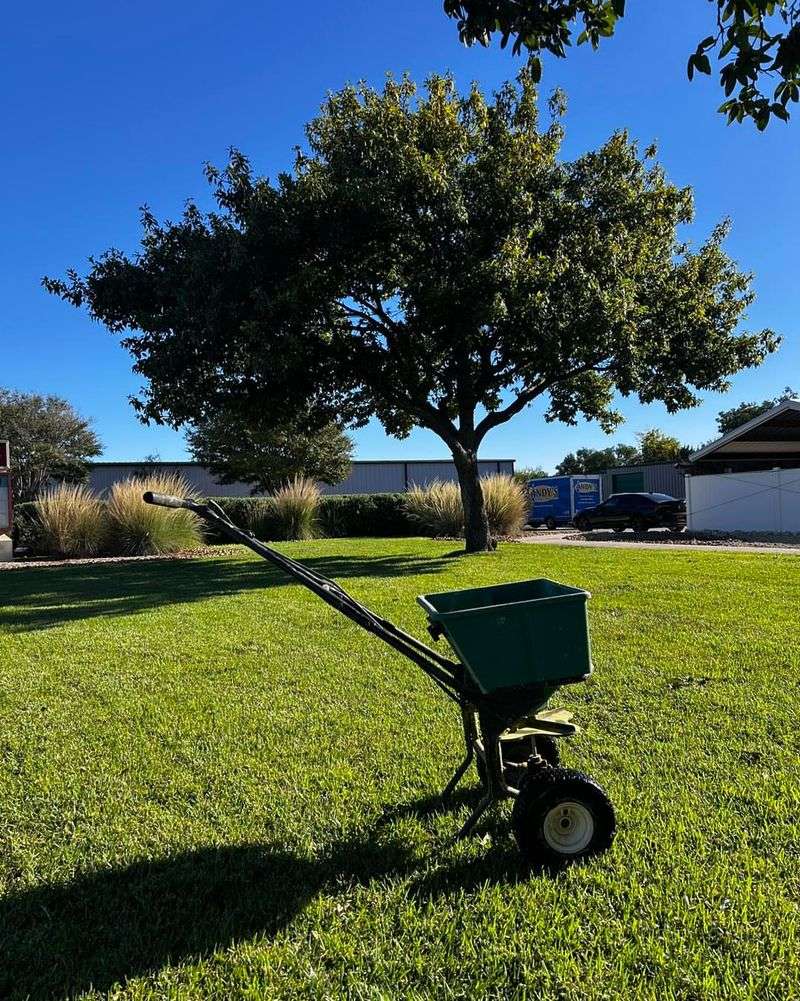
Starting in late February to early March with pre-emergent treatments, then waiting for full green-up before fertilizing, sets the tone for the entire season. Applied at the right time, pre-emergent stops thousands of weeds before they ever show up.
Many homeowners wait until the lawn already looks rough before calling for help. By then, crews are fixing damage instead of preventing it.
An overgrown, weedy yard always costs more to correct than a healthy one does to maintain. Early spring work strengthens the soil and builds deeper roots before summer stress hits.
Fertilizer timed with green-up supports steady growth, and soil amendments perform better before extreme heat arrives. Getting ahead is always easier than catching up.
Full-season packages usually cost less per visit and secure your place during peak demand. In Georgia, early starts matter.
Warm spells in late winter can trigger weeds fast. Waiting until April often means they are already established.
Starting in March turns the season into maintenance instead of recovery.