Is Paying For Lawn Service Worth It For North Carolina Homeowners?
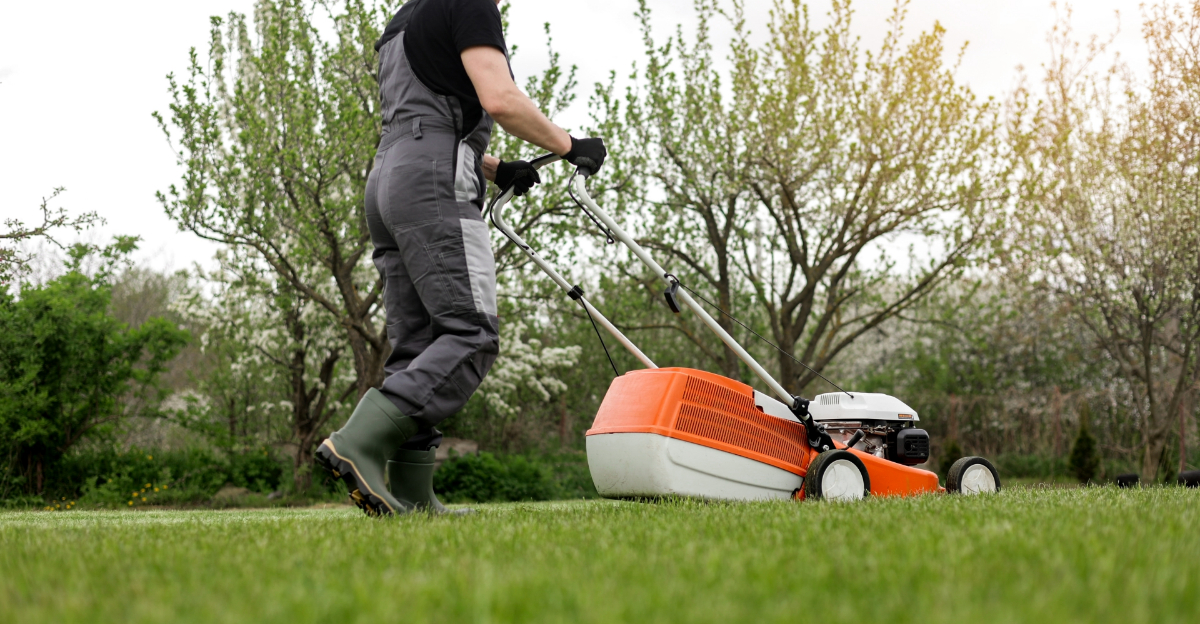
There comes a point when keeping up with the lawn starts to feel like a second job. Weekends fill up with mowing, edging, and trying to stay ahead of fast-growing grass, especially during North Carolina’s long growing season.
What begins as a simple routine can turn into hours of work just to keep things looking decent. That is when the idea of hiring a lawn service starts to sound a little more appealing.
Still, it is not always a clear decision. Cost, convenience, and expectations all come into play, and what works for one homeowner may not make sense for another.
Before handing over the job, it helps to take a closer look at what you are really getting and where the trade-offs start to show.
1. Lawn Size And Layout Can Change The True Cost Quickly

Square footage is just one piece of the pricing puzzle when it comes to lawn care in North Carolina. A flat, open yard with simple edges is much easier and cheaper to maintain than one filled with flower beds, trees, slopes, or tight corners.
Lawn care companies typically charge based on the total area they need to cover, but the layout of your yard plays a huge role in the final price.
For example, a half-acre lot with lots of obstacles might cost more to service than a full acre of open grass. Many homeowners in Charlotte or Durham are surprised when they get quotes because their yards look smaller than they actually are.
Tight spaces require special equipment and extra trimming time, which drives up the labor cost.
Before calling a lawn service, it helps to know your property’s measurements and any unique features that could affect pricing. Ask companies to give you a walkthrough estimate rather than just a phone quote.
Some North Carolina homeowners have found that breaking up services, like only hiring out the mowing while handling edging themselves, can keep costs manageable.
Understanding your yard’s layout gives you real power when comparing quotes and deciding what level of service actually makes sense for your specific property.
2. North Carolina Grass Types Require Different Care Schedules
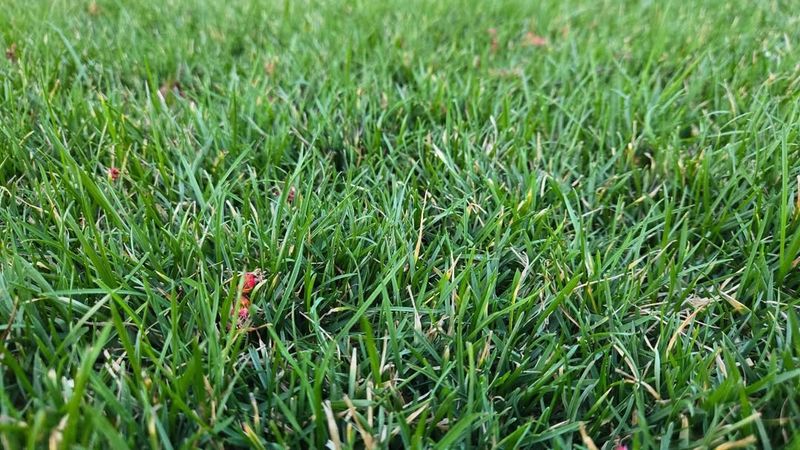
Not all grass is created equal, and North Carolina proves that point perfectly. The state sits in what turf experts call the “transition zone,” meaning both warm-season and cool-season grasses can grow here depending on where you live.
Bermuda and Zoysia are popular in the Piedmont and coastal areas, while Tall Fescue is more common in the cooler foothills and mountain regions near Boone and Brevard.
Each grass type has its own care calendar. Bermuda grass needs heavy feeding and frequent mowing during summer but goes dormant in winter.
Fescue, on the other hand, thrives in fall and spring and needs overseeding every year to stay thick and healthy. Getting the schedule wrong can lead to a thin, patchy lawn that takes seasons to recover.
Professional lawn services in North Carolina are trained to recognize which grass type you have and build a care plan around it. That expertise alone can save homeowners from costly mistakes like applying the wrong fertilizer at the wrong time.
If you have ever wondered why your neighbor’s lawn looks greener despite similar conditions, the answer often comes down to grass-specific timing and treatment.
Knowing your grass type is step one toward deciding whether professional help is worth the investment for your yard.
3. Weekly Mowing Costs Add Up Faster Than Expected
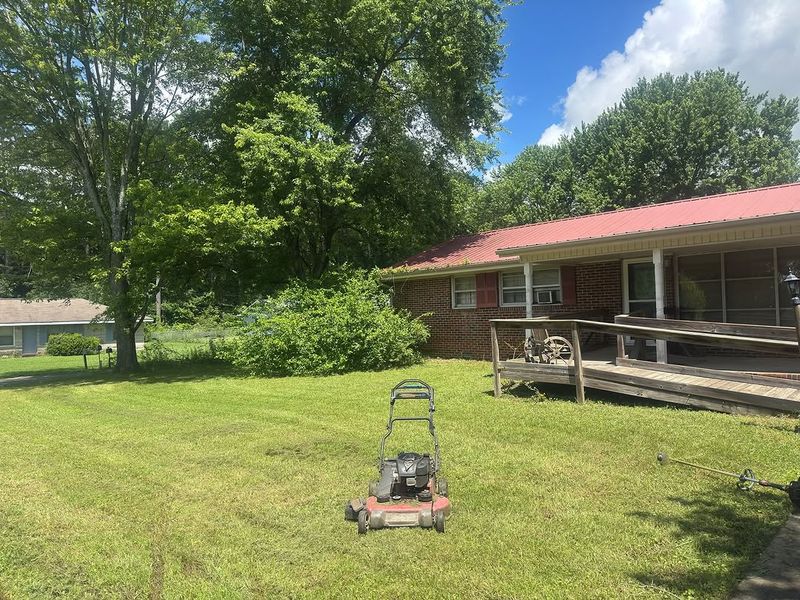
At first glance, paying around $50 per mowing visit in North Carolina sounds reasonable. But when you multiply that by the number of weeks your grass actively grows, the annual total can catch homeowners off guard.
During peak growing season, which runs from roughly April through October in most parts of the state, grass can need cutting every five to seven days.
That means you could be looking at anywhere from $600 to $1,000 or more just for basic mowing over the course of a year.
Add in edging, trimming around fences and trees, and blowing off driveways and walkways, and the price per visit can climb higher depending on your provider.
Some companies offer discounted monthly packages that bring the per-visit cost down, which is worth asking about.
Comparing that number to the cost of buying and maintaining your own equipment helps put things in perspective. A decent self-propelled mower can run $300 to $600, and that does not include gas, oil changes, blade sharpening, or replacement parts.
For homeowners in fast-growing areas like Cary or Huntersville, where lawns grow aggressively in the humid summer heat, the weekly mowing cost from a pro might actually be competitive once you factor in your own time and equipment expenses.
4. Equipment, Fuel, And Maintenance Versus Hiring It Out
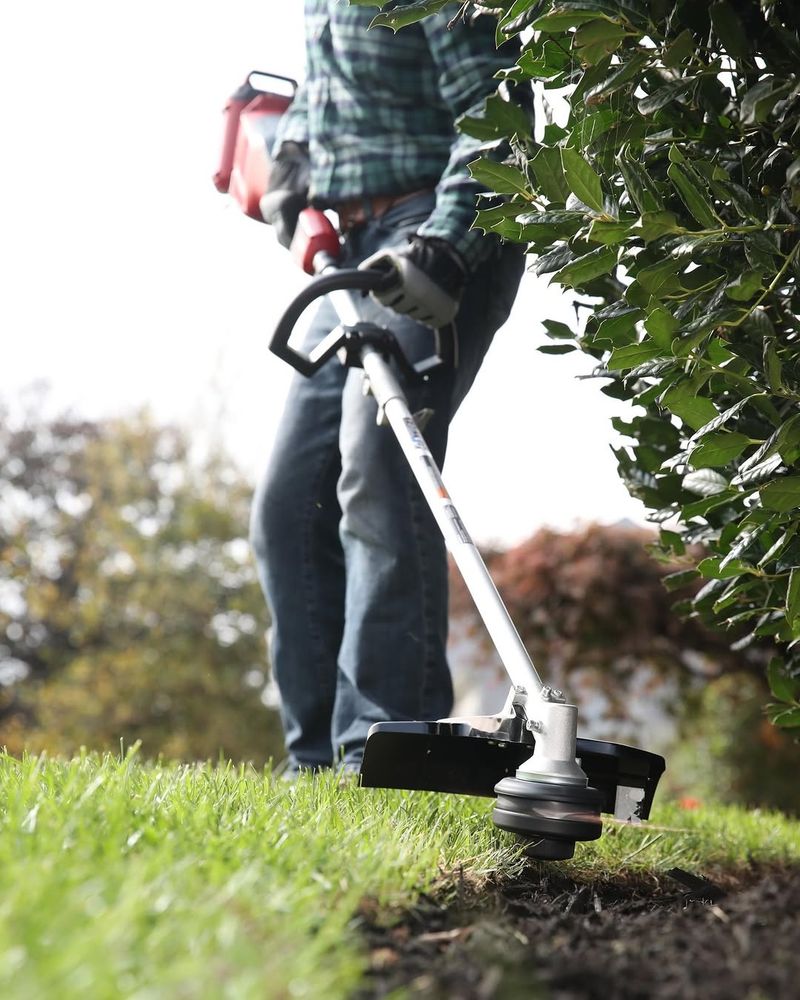
Many homeowners underestimate just how much it costs to maintain a full set of lawn care tools. A quality push mower, riding mower, string trimmer, edger, and leaf blower can easily add up to $2,000 to $4,000 or more when purchased new.
That is before you factor in the annual costs of fuel, replacement blades, spark plugs, air filters, and oil.
Storage is another overlooked expense. Keeping equipment in good shape means protecting it from the elements, which often requires shed space or garage room.
In humid parts of North Carolina, like the coastal plain near Wilmington or New Bern, moisture can rust and degrade tools faster than in drier climates. Regular maintenance is not optional if you want your equipment to last.
When you hire a professional lawn service, all of those costs disappear from your budget. The company brings commercial-grade equipment that cuts faster and more cleanly than most consumer models.
They handle all maintenance, fuel, and repairs themselves. For homeowners who only have a small lot and do not mind the work, DIY can still make financial sense.
But for larger properties or anyone juggling a busy schedule, outsourcing the equipment burden to a professional service often comes out ahead financially when you add up all the hidden costs of doing it yourself in North Carolina.
5. Seasonal Tasks Like Aeration And Overseeding Matter More Than You Think
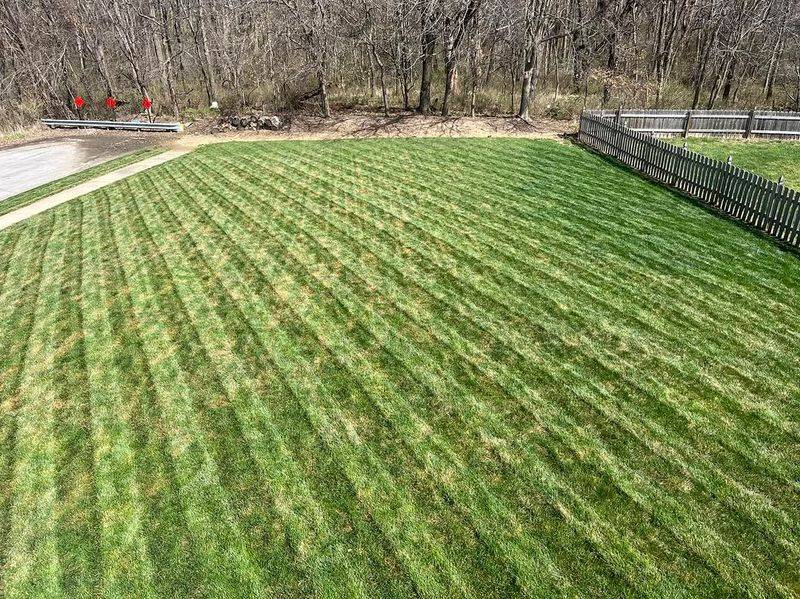
Mowing is just the beginning of what a healthy North Carolina lawn actually needs throughout the year. Seasonal services like aeration and overseeding are often what separate a truly lush lawn from one that looks tired and thin.
Aeration involves pulling small plugs of soil from your yard to reduce compaction and allow air, water, and nutrients to reach the roots more effectively.
For Fescue lawns in the Piedmont and western regions of North Carolina, fall is the ideal time to aerate and overseed. Skipping this step year after year leads to a lawn that thins out and becomes vulnerable to weeds and bare patches.
Bermuda and Zoysia lawns benefit from spring aeration to kick off the growing season strong. Timing these tasks correctly makes a noticeable difference in how your lawn looks by summer.
Professional lawn services know when and how to perform these seasonal treatments for the specific grass types common across North Carolina. Renting an aerator on your own costs around $80 to $100 per day, and running it correctly takes practice.
Overseeding requires choosing the right seed blend and applying it at the right rate. Getting either step wrong wastes money and time.
Trusting a professional with seasonal care often leads to faster results and a healthier lawn without the guesswork involved in doing it yourself.
6. Time Savings Versus Hands-On Lawn Control
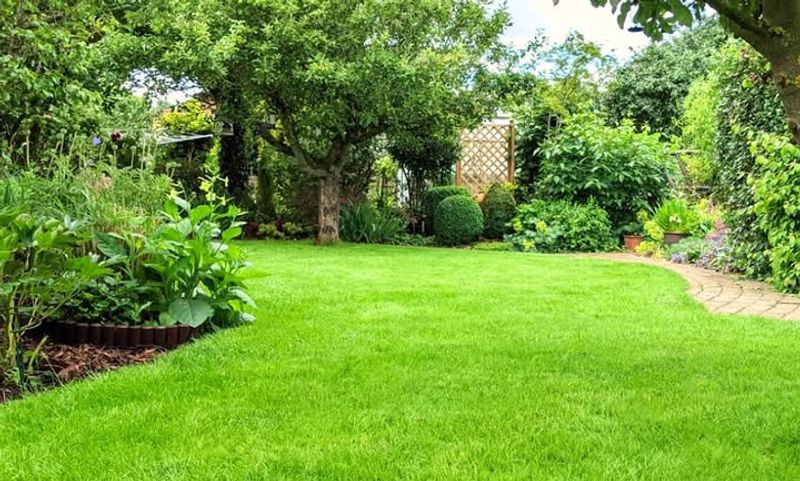
Saturday mornings have a way of disappearing fast when lawn care is on the to-do list. Between mowing, edging, trimming, and cleanup, a typical yard can take two to four hours depending on size and condition.
For homeowners in busy areas like Wake Forest or Morrisville, that time often feels impossible to find between work, family, and everything else life demands.
Hiring a lawn service gives that time back. Some homeowners use those recovered hours for exercise, hobbies, or simply spending time with family.
Others put the time toward home improvement projects or side income. The value of your free time is personal, but it is a real factor worth putting a number on when comparing DIY versus professional lawn care costs.
On the flip side, some homeowners genuinely enjoy working in their yard. There is real satisfaction in pushing a mower across fresh grass and seeing clean lines at the end of a good afternoon.
Hands-on lawn control also means you notice problems early, like a developing weed patch or a dry spot that needs attention. If lawn care feels like a hobby rather than a chore, the case for doing it yourself becomes much stronger.
The honest answer is that the time equation looks different for every homeowner, and your personal lifestyle in North Carolina should guide the decision.
7. When Hiring A Pro Actually Makes More Sense
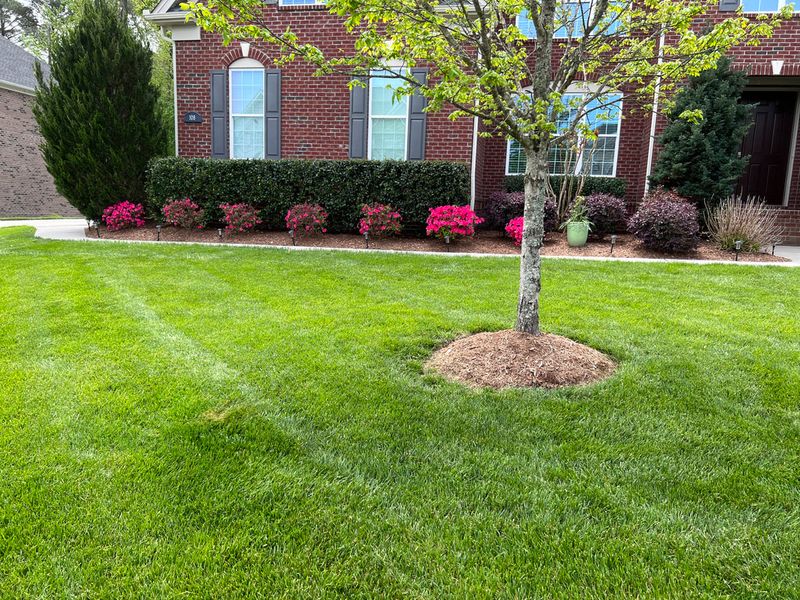
There are certain situations where hiring a professional lawn service is not just convenient but genuinely the smarter financial move. If you are preparing to sell your home in North Carolina, curb appeal matters enormously.
Real estate professionals often note that a well-maintained lawn can help attract buyers and may contribute to a stronger asking price. A pro can get your yard looking its best quickly and consistently.
Physical limitations are another big reason homeowners turn to professional services. Pushing a mower in the July heat of Greensboro or Fayetteville is genuinely demanding work.
For older homeowners or anyone dealing with health challenges, outsourcing lawn care is not a luxury but a practical necessity. The cost of a lawn service is far less than the cost of an injury from overexertion in the heat.
New homeowners who are still learning about their specific soil, grass type, and drainage patterns can also benefit greatly from professional guidance. A good lawn care company will not just maintain your yard but can educate you on what it needs long-term.
Rental property owners managing multiple homes across North Carolina often find that professional lawn services are simply the only realistic way to keep every property looking sharp without spreading themselves too thin. In cases like these, the value of professional lawn care clearly outweighs the cost.