Is There Hope For Plants That Didn’t Recover From Freeze By April In Arizona
Some plants push out new growth right on time, while others stay completely unchanged, with bare stems and no clear response. After a freeze, that contrast stands out quickly and raises questions about what actually survived.
It is easy to assume that no visible progress means they are already gone. In Arizona conditions, recovery can be uneven, and certain plants take longer to respond, especially when cold exposure affected deeper tissues.
Before removing anything, it would be best to take a closer look. They can still hold life below the surface even when the top shows no change.
There are a few reliable signs that help you tell the difference and make the right call at the right time.
1. Late Bud Break Can Still Occur In Heat-Loving Plants
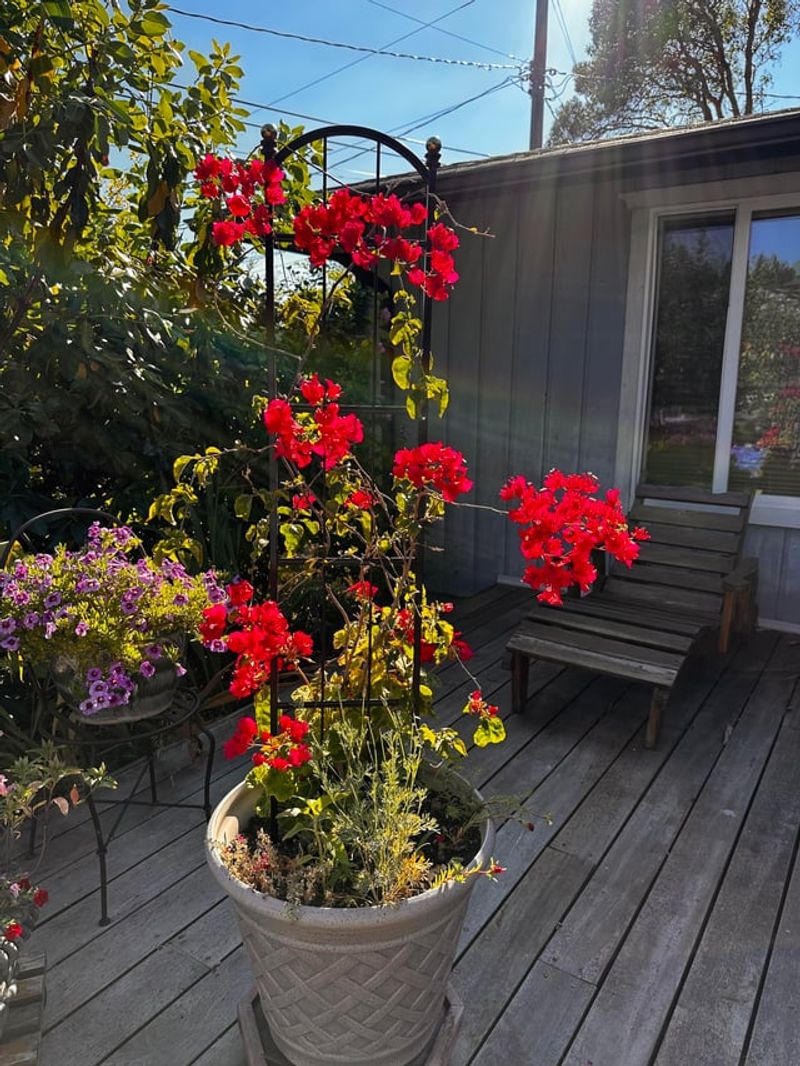
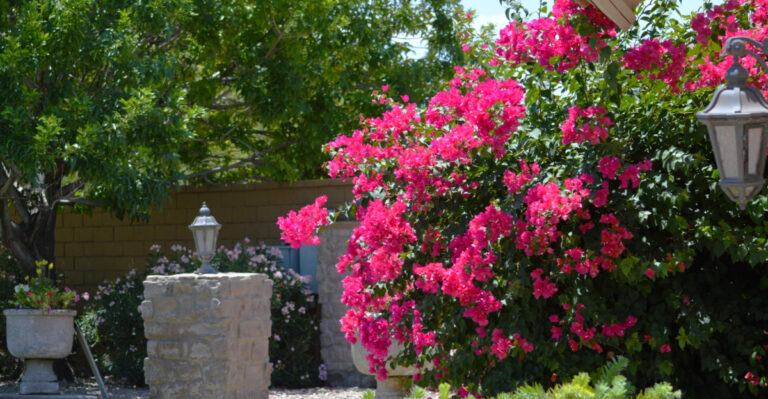
Some plants just run on their own schedule. In Arizona’s low desert, heat-loving species like bougainvillea, lantana, and yellow bells often stay completely dormant well past what feels like a reasonable recovery window.
Seeing nothing by early April doesn’t automatically mean a plant is beyond saving.
These plants are wired to respond to soil warmth, not calendar dates. After a hard freeze, their internal systems essentially hit pause.
Bud break won’t happen until the roots feel consistently warm soil temperatures, which in places like Phoenix can vary depending on how much shade a plant gets and how cold the ground actually got during winter.
A plant that looks totally bare in late March might surprise you with fresh green growth by mid-April or even into May. Gardeners in the Tucson area especially report this with citrus and tropical-origin shrubs that experienced heavy cold damage.
Patience is genuinely useful here, not just a platitude.
Avoid the urge to overwater or fertilize to force growth. Adding fertilizer to a stressed plant can actually work against you by pushing the plant to spend energy it doesn’t have.
Keep watering on a consistent but moderate schedule, and let the warming temperatures do the real work of triggering that delayed bud break naturally.
2. Scratch Test Shows If Stems Are Still Alive Beneath The Surface
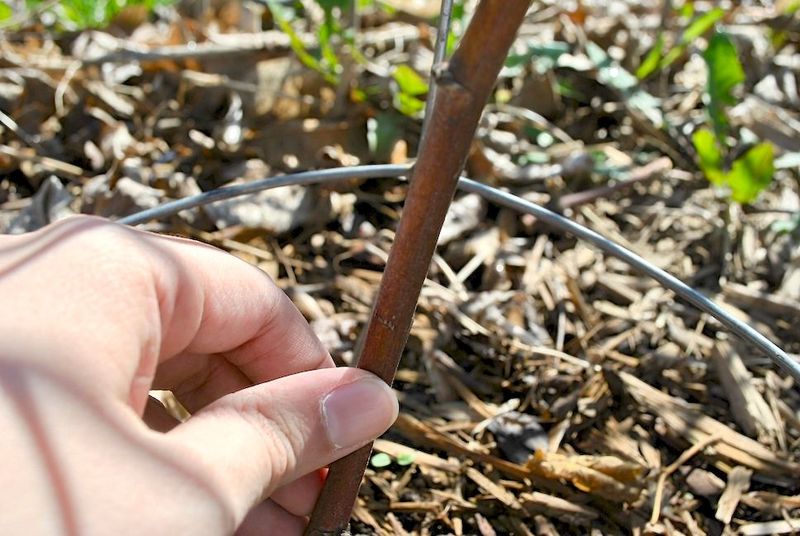
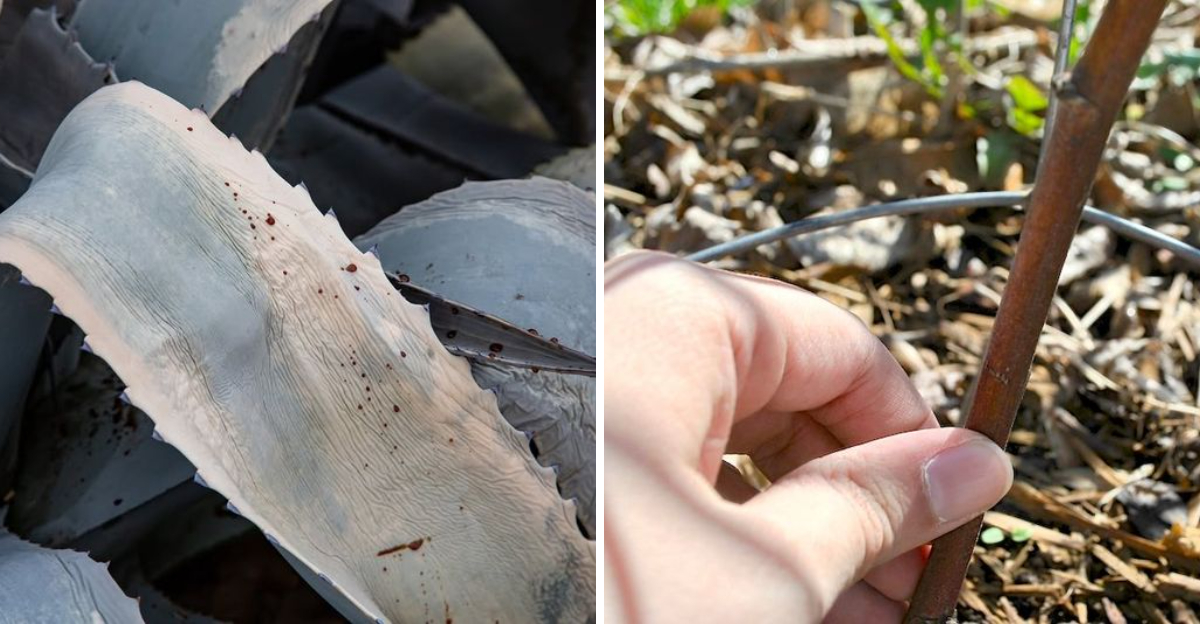
Before you pull anything out of the ground, grab your fingernail or a small pocket knife and do a scratch test. It takes about ten seconds and gives you real information instead of guesswork.
Scratch lightly into the outer layer of a stem and look at what’s underneath.
Green and slightly moist tissue means that part of the stem is still functional. Brown, dry, or hollow tissue usually means that section didn’t make it through the freeze.
Work your way down from the tips toward the base of the plant. You’ll often find that the upper stems are damaged but the lower portions are still green and viable.
In Arizona, this test is especially useful on plants like desert willow, red bird of paradise, and various salvias that tend to look completely finished after cold snaps but often hold live tissue closer to the crown. The damage pattern can be surprising — sometimes two-thirds of a stem is brown, but the bottom third is perfectly healthy.
Mark the lowest point where you find green tissue with a piece of tape or a twist tie so you remember where to prune later. Doing this test across multiple stems gives you a clearer picture of how much of the plant actually survived.
Results vary stem by stem, so check several spots before making any final decisions about whether the plant is worth keeping.
3. Root Systems Often Survive Even When Top Growth Looks Lost
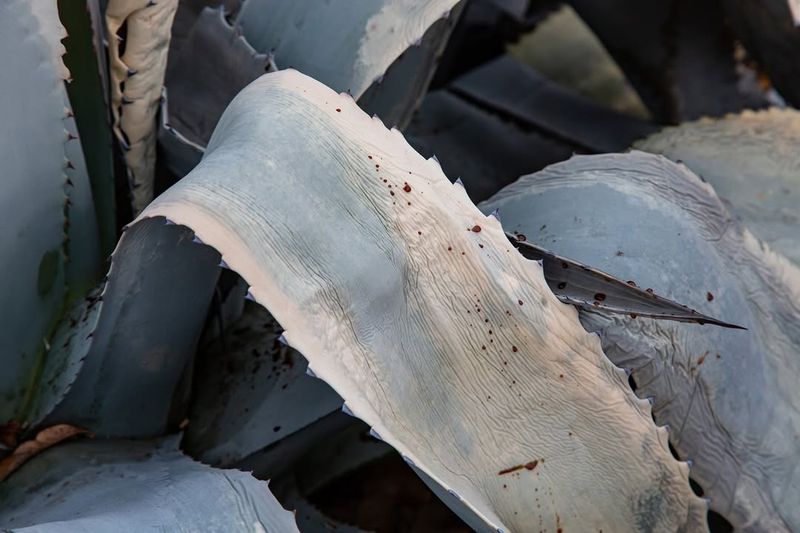
Above-ground damage from a freeze can look alarming, but what’s happening underground is often a completely different story.
Root systems are insulated by the soil itself, and in Arizona’s low desert, ground temperatures rarely drop as severely as air temperatures during a freeze event.
That protection can mean the difference between a plant that recovers and one that doesn’t.
Established shrubs and perennials that have been in the ground for a year or more tend to have deep enough root systems to ride out cold snaps that wipe out all visible top growth.
The crown of the plant, where the roots meet the stem base, is frequently the last part to sustain damage.
If that crown survived, regrowth is a real possibility.
Plants like Texas sage, desert marigold, and even some agave varieties in the Phoenix area have been known to push out entirely new top growth from intact root systems after losing everything above the soil line.
It’s not a guaranteed outcome, but it happens regularly enough that waiting through April is worth it before making removal decisions.
Check the soil around the base of the plant and look for any small green shoots emerging near the crown. Even a single tiny sprout is a meaningful sign.
Roots that are still active will eventually push energy upward, though the timeline depends on soil temperature, sun exposure, and how established the plant was before the freeze hit.
4. Delayed Recovery Is Common After Freeze Damage
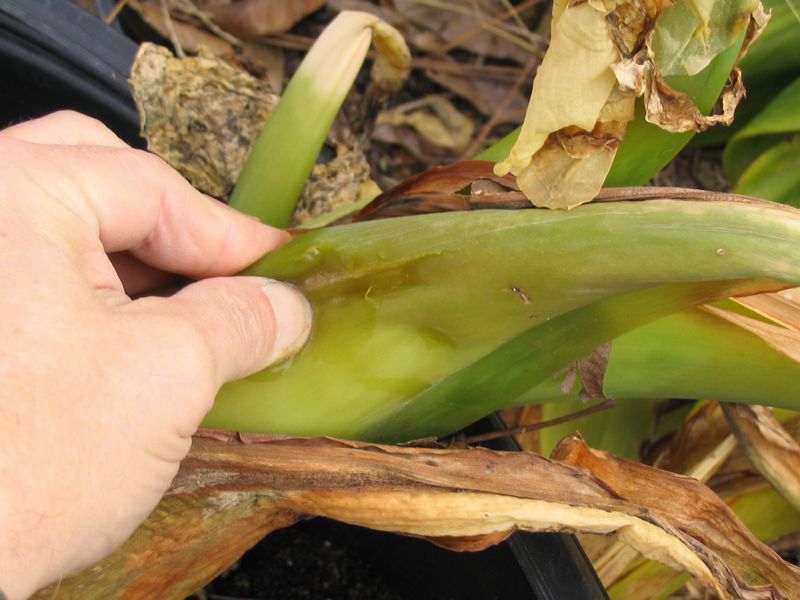
Freeze recovery rarely follows a neat timeline, and that surprises a lot of gardeners. A plant might show zero visible progress for six to eight weeks after a cold event, then suddenly push out a flush of new growth when conditions align.
In Arizona’s low desert, this delayed pattern is actually pretty normal for a wide range of landscape plants.
Part of what causes the delay is that the plant is essentially doing internal triage. Resources get redirected to the root system first, and visible above-ground growth comes later.
If a plant experienced significant stem damage, it takes additional time to build new vascular pathways before you’ll see anything happening at the surface.
Tucson and Phoenix gardeners often report that their frost-hit bougainvilleas, lantanas, and sages look completely unchanged through March, then bounce back noticeably in the second or third week of April once daytime temperatures consistently hit the mid-70s and above. Soil temperature is the real trigger, not air temperature alone.
Tracking soil temperature with an inexpensive thermometer can help you set realistic expectations. Most heat-loving plants in Arizona start showing recovery activity when the soil at a four-inch depth reaches around 60 to 65 degrees Fahrenheit consistently.
If your soil is still running cooler than that in early April, give the plant more time before drawing any conclusions about whether it’s coming back or not.
5. New Growth At The Base Signals Possible Recovery
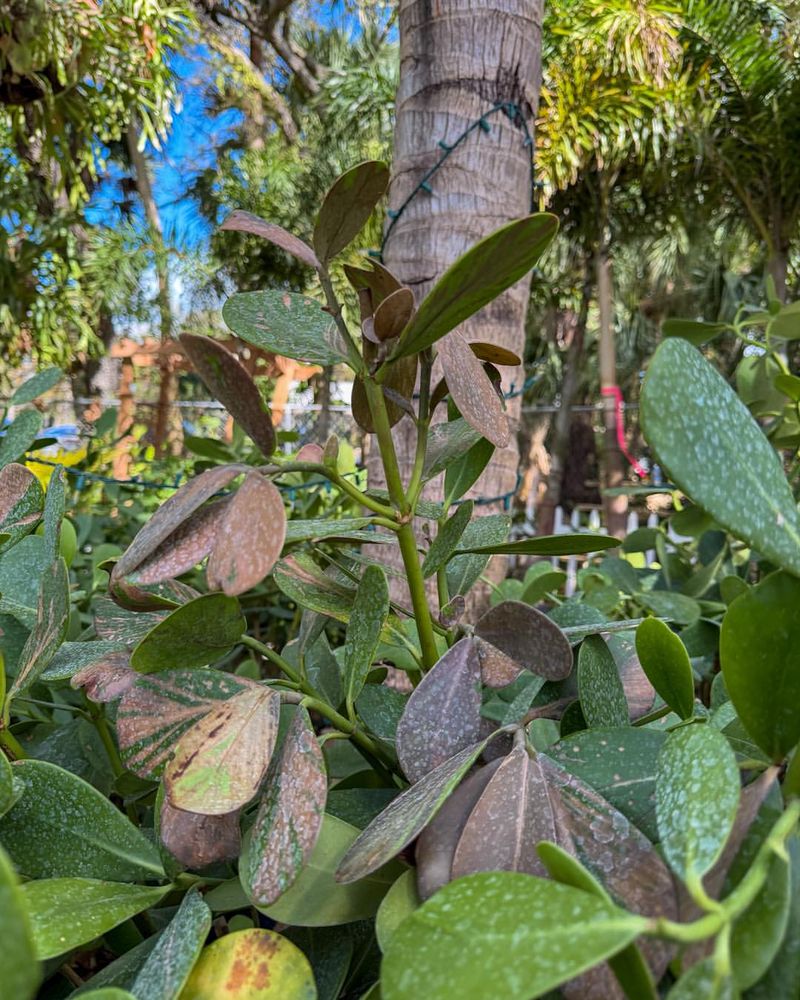
Spotting a small cluster of green near the soil line on what looked like a completely gone plant is one of the most encouraging things you’ll see in an Arizona spring garden.
New growth at the base is a reliable indicator that the root system is still active and pushing energy upward.
It doesn’t mean full recovery is certain, but it’s a meaningful sign worth paying attention to.
Base sprouting shows up most often on plants that experienced heavy top damage but had their crown protected by soil insulation during the freeze. Species like salvia, turpentine bush, and globe mallow are known to regrow from the base after losing their entire upper structure.
The new growth usually starts as small, tightly packed shoots that gradually unfurl as temperatures climb.
Those damaged stems can actually provide a small amount of protection and shade to the tender new growth below. Wait until the base shoots are a few inches tall and clearly established before cutting back the damaged portions above them.
Water consistently and avoid heavy fertilization right away. New base growth is fragile at first, and pushing it too hard with nutrients can stress it further.
In the Phoenix and Tucson areas, April’s warming temperatures naturally support this kind of recovery without needing much intervention beyond steady, moderate watering and some patience during those first few critical weeks.
6. Pruning Too Early Can Remove Viable Growth
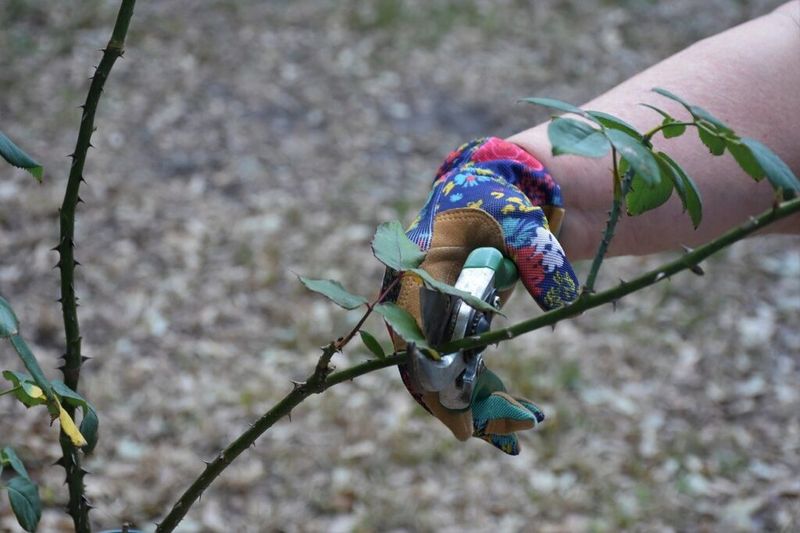
Cutting back freeze-damaged plants too soon is one of the most common mistakes Arizona gardeners make after a cold winter.
It feels productive, and the brown crispy stems are genuinely unsightly, but premature pruning can remove sections of the plant that were actually still alive and preparing to push out new growth.
The damaged outer tissue on many plants actually serves a protective function in the weeks following a freeze.
It acts as a buffer layer that slows moisture loss from the stems below and provides minor insulation against any secondary cold snaps that can still occur in Arizona through mid-February and occasionally into early March.
A good general guideline for Arizona’s low desert is to hold off on any significant pruning until you’ve had at least two to three weeks of consistently warm daytime temperatures and you can clearly see where live growth ends and true damage begins.
That boundary becomes much more obvious once the plant starts actively trying to recover.
Use scratch test results to identify exactly where green tissue stops, and make cuts just above those points rather than cutting back based only on outer appearance.
Sharp, clean pruning cuts made in the right location give the plant a better shot at channeling recovery energy efficiently. In Tucson and Phoenix, mid-to-late April is often the sweet spot for making those final cleanup cuts without risking additional setbacks to the plant’s recovery effort.
7. Warm Soil Conditions And Established Roots Support Natural Regrowth
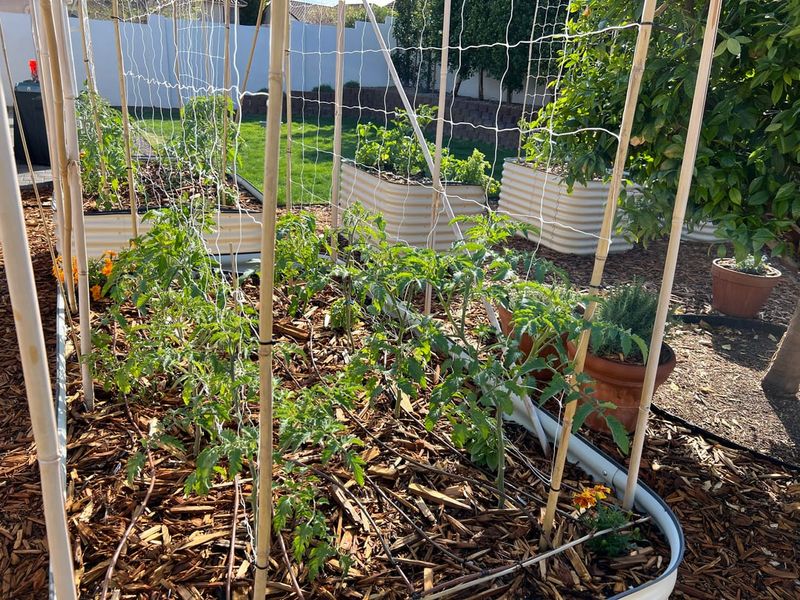
Soil temperature plays a bigger role in plant recovery than most gardeners realize. In Arizona’s low desert, the soil warms up relatively quickly once spring arrives, and that warmth is what actually triggers root activity and pushes regrowth.
A plant sitting in warm, well-drained soil with an intact root system has a solid foundation to work from, even after significant freeze damage above ground.
Established plants with root systems that have been developing for multiple seasons have a clear advantage here. Deeper roots access warmer soil layers and stored nutrients that recently planted specimens simply don’t have yet.
If a plant in your Phoenix or Tucson yard has been in the ground for two or more years and had visible freeze damage, there’s a reasonable chance those roots are still functional and capable of driving recovery.
Adding a two-to-three inch layer of organic mulch around the base of damaged plants can help retain soil moisture and moderate temperature swings that are common in Arizona’s spring weather.
Keep mulch a few inches away from the actual stem base to avoid creating conditions that could promote rot at the crown.
Consistent, moderate watering matters more than any other intervention during this period. Roots need moisture to transport nutrients and support new cell development, but waterlogged soil can set back recovery just as much as drought stress.
Water deeply and let the soil dry out slightly between sessions, which encourages roots to stay active and reach outward rather than sitting in oversaturated conditions.