8 “It” Plants Michigan Gardeners Are Choosing For A Low-Maintenance Yard In 2026
Michigan gardeners face the challenge of maintaining a beautiful yard through scorching summers, freezing winters, and everything in between. But the right plants can do most of the work for you.
In 2026, more homeowners are turning to resilient, low-maintenance plants that thrive with minimal care. Whether you have a sunny front yard or a shaded backyard, there are plants that can handle Michigan’s unpredictable weather and still look stunning.
These eight standout choices are making landscaping easier and more stylish, providing beauty without the constant upkeep.
If you’re looking to create a garden that looks great with less effort, these tough and beautiful plants are the perfect addition to your yard this year.
1. Little Bluestem Grass
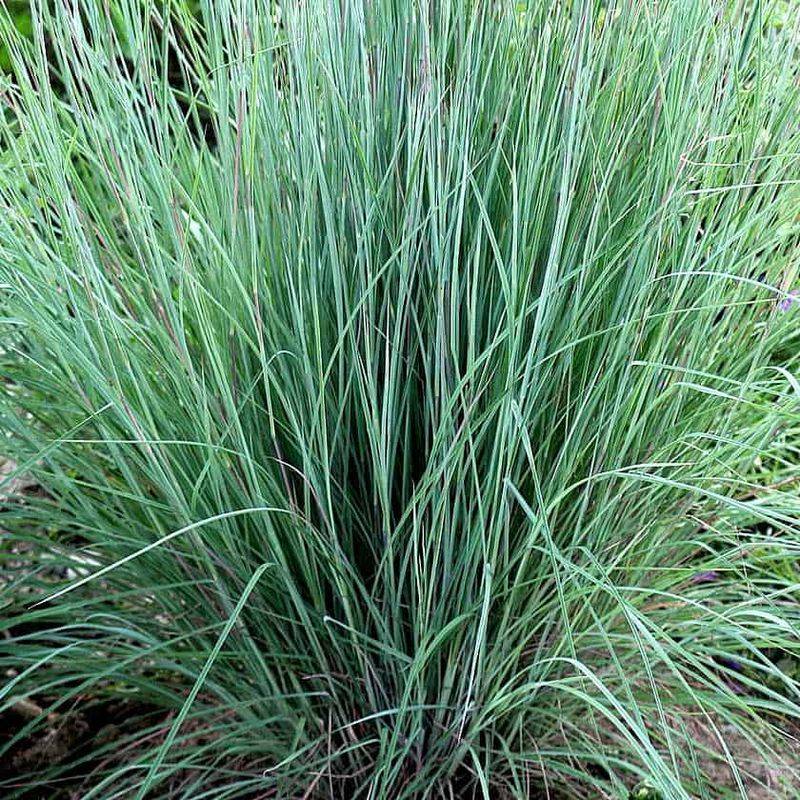
Few plants put on a show quite like Little Bluestem, especially when Michigan autumn rolls around.
This native ornamental grass, known botanically as Schizachyrium scoparium, starts the season with a cool blue-green color that shifts into stunning shades of copper, orange, and burgundy by fall.
It is genuinely one of the most eye-catching grasses you can grow in a Michigan yard.
What makes it such a winner for low-maintenance gardening is its deep-rooted toughness. Once established, Little Bluestem thrives in poor, dry soils where many other plants struggle.
It needs no fertilizing, very little watering, and almost no attention from season to season. Michigan gardeners dealing with sandy or clay-heavy soils will find this grass surprisingly forgiving and adaptable.
Growing two to four feet tall, it adds great vertical interest without becoming invasive or overwhelming. Birds love the feathery seed heads that develop in late summer, giving your yard a lively, natural feel through winter.
It performs best in full sun and well-drained soil, making it ideal for open Michigan landscapes. Simply cut it back in early spring before new growth appears, and it will reward you beautifully all over again.
For a truly no-fuss yard, Little Bluestem is an unbeatable starting point.
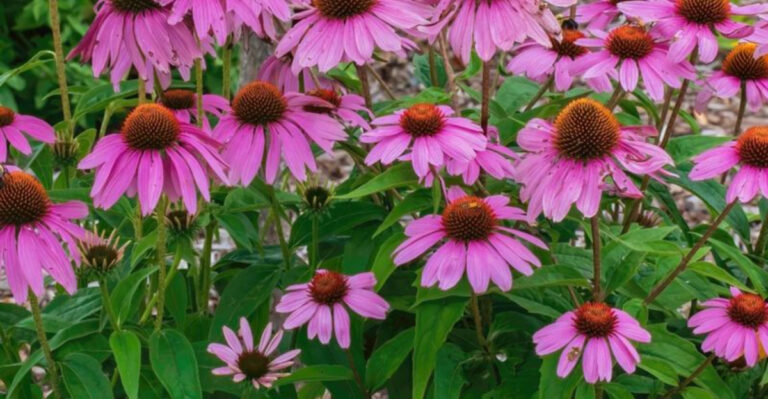
2. Coneflower
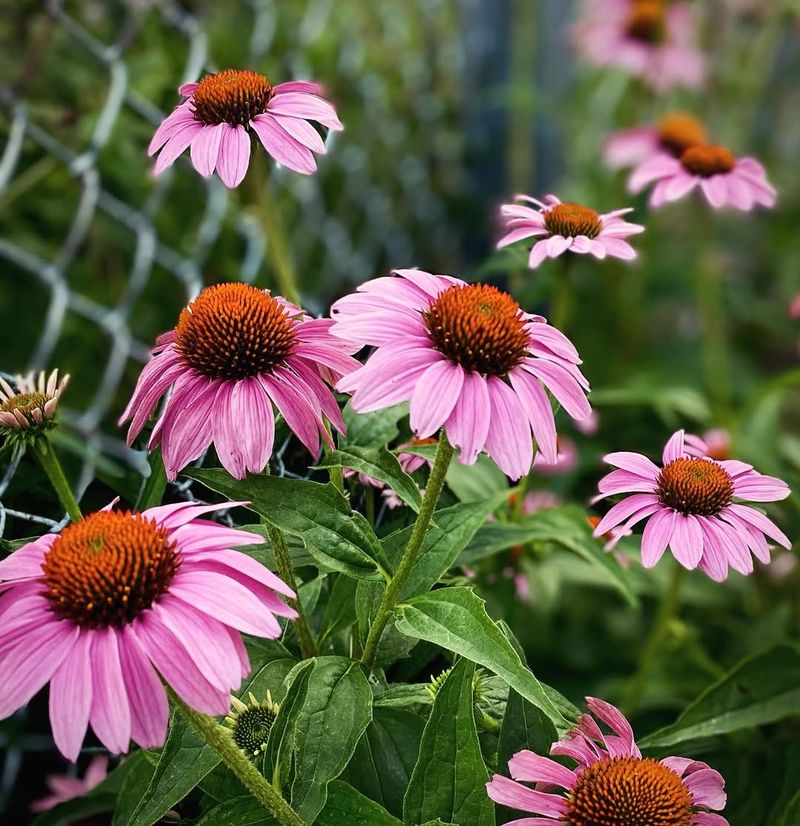
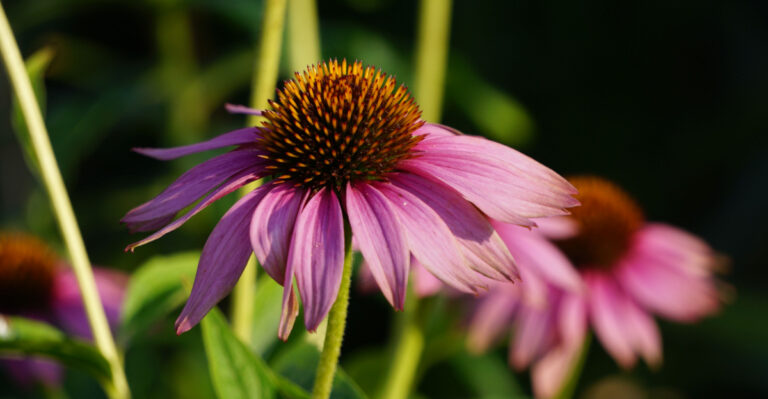
Coneflowers have earned their reputation as one of Michigan’s most beloved perennials, and for very good reason. Echinacea species come back reliably year after year, asking for almost nothing in return.
Gardeners across Michigan count on them to brighten up borders, pollinator gardens, and sunny beds from midsummer well into early fall without constant watering or feeding.
Pollinators absolutely love coneflowers. Bees, butterflies, and even goldfinches flock to them throughout the growing season, turning your yard into a buzzing, colorful ecosystem.
Beyond their wildlife value, coneflowers are genuinely tough plants. They handle Michigan heat, occasional dry spells, and even heavy clay soils far better than many other flowering perennials.
Echinacea purpurea, the classic purple variety, grows two to four feet tall and produces dozens of daisy-like blooms with raised orange-brown centers.
Newer cultivars now come in shades of white, yellow, orange, and red, giving Michigan gardeners plenty of options to match any yard style.
Plant them in full sun with decent drainage, and they will mostly take care of themselves. Deadheading is optional since the seed heads are actually beautiful left standing through winter.
Divide clumps every three to four years to keep plants healthy and flowering at their best. Coneflowers are simply one of the smartest low-effort investments a Michigan gardener can make.
3. Hydrangea (Panicle Types)
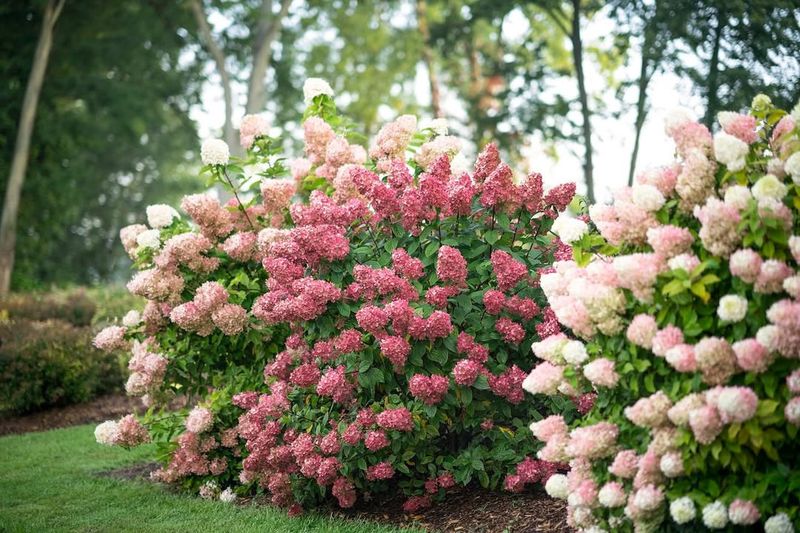
Panicle hydrangeas are having a major moment in Michigan yards, and it is easy to see why. Varieties like Limelight and Little Lime produce enormous cone-shaped flower clusters that start creamy white in summer, then shift to soft pink and antique rose as fall arrives.
The color show is genuinely stunning, and the best part is that these shrubs do it year after year with very little help from you.
Unlike some hydrangea types that struggle with Michigan winters, panicle hydrangeas are exceptionally cold hardy, typically surviving in USDA zones 3 through 8.
That means Michigan gardeners from the Upper Peninsula to the southern Lower Peninsula can grow them with confidence.
They bloom on new wood, so even if winter causes some stem damage, fresh growth still produces flowers each season.
Pruning needs are minimal. A light trim in late winter or early spring is all it takes to keep the shape tidy and encourage strong blooms.
Panicle hydrangeas prefer full sun to partial shade and perform well in most Michigan soil types with moderate moisture. They range from compact three-foot shrubs to larger eight-foot specimens, offering options for every yard size.
Fertilizing once a year in spring is plenty. For a low-effort shrub that delivers big, season-long color in a Michigan landscape, panicle hydrangeas are absolutely worth every inch of garden space.
4. Black Eyed Susan
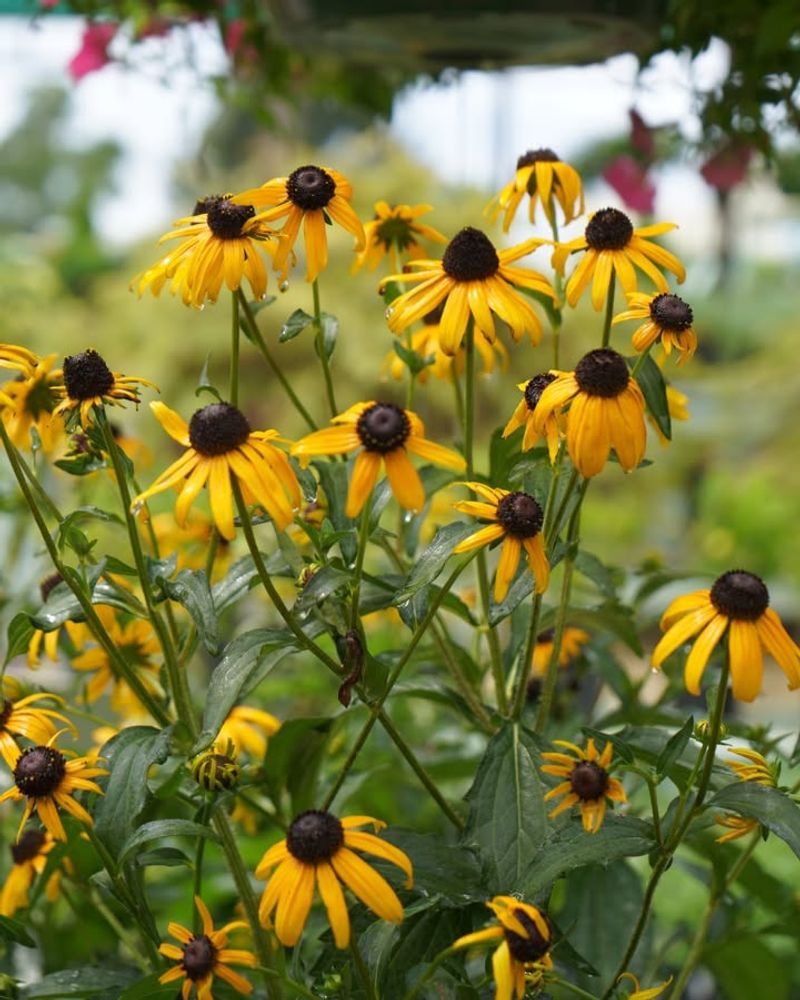
Bright, cheerful, and nearly indestructible, Black Eyed Susan is the kind of plant that makes Michigan gardening feel effortless.
Rudbeckia hirta produces bold yellow flowers with dark chocolate-brown centers that bloom from mid-summer through early fall, painting the yard in warm, sunny color exactly when you want it most.
These plants have been a Michigan garden staple for generations, and their popularity is only growing in 2026. Heat, drought, and less-than-perfect soil? No problem.
Once Black Eyed Susans are established in a Michigan yard, they handle tough conditions without skipping a beat. They grow best in full sun but tolerate some light shade, and they adapt well to sandy, loamy, or even clay-heavy Michigan soils.
Watering needs drop significantly after the first season, making them a truly set-it-and-forget-it plant.
Growing one to three feet tall, they work beautifully as a mid-border plant or scattered through a naturalistic meadow-style garden. Pollinators are crazy about them, so expect bees and butterflies to visit regularly throughout the bloom season.
Leaving the seed heads standing through fall and winter provides food for birds and adds interesting texture to the landscape. Cut plants back in early spring to encourage fresh, vigorous growth.
Black Eyed Susans spread gently over time, gradually filling gaps and creating a lush, cottage-style look with almost zero effort from you.
5. Japanese Forest Grass
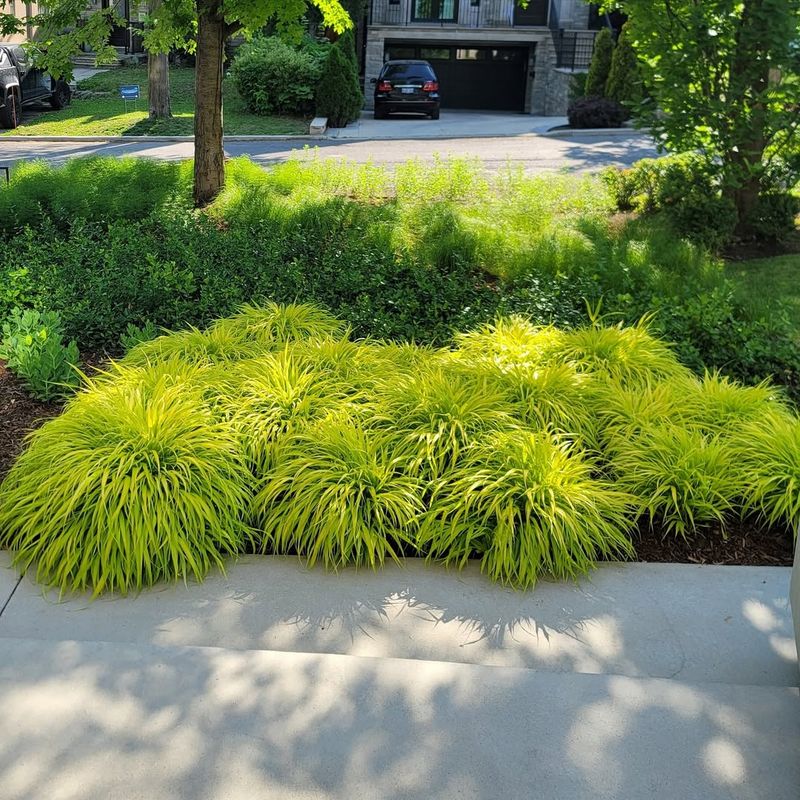
Shady yards in Michigan can be tricky to plant, but Japanese Forest Grass makes it look easy.
Hakonechloa macra is a graceful, slow-growing ornamental grass that forms soft, arching mounds of cascading foliage, bringing texture and movement to spots where most flowering plants simply refuse to grow.
It is one of the most elegant low-maintenance options available for Michigan homeowners dealing with dense shade.
The most popular variety, Aureola, features bright gold and green striped leaves that practically glow in shaded garden beds. Even on cloudy Michigan days, this plant adds warmth and light to dark corners.
The foliage takes on beautiful peachy-pink tones in autumn, extending the visual interest well beyond summer. It grows slowly and stays tidy, rarely needing division or cutting back.
Japanese Forest Grass prefers moist, well-drained, humus-rich soil and does best in partial to full shade. It handles Michigan winters well when planted in a sheltered spot, and it pairs beautifully with hostas, ferns, and astilbes for a layered shade garden look.
Plants grow about one to two feet tall and wide, making them perfect for borders, pathways, or containers on shaded Michigan patios.
Water regularly during the first growing season to help roots establish, and after that, this grass becomes surprisingly self-sufficient. For shady Michigan yards, it is simply one of the best choices available.
6. Sedum (Stonecrop)
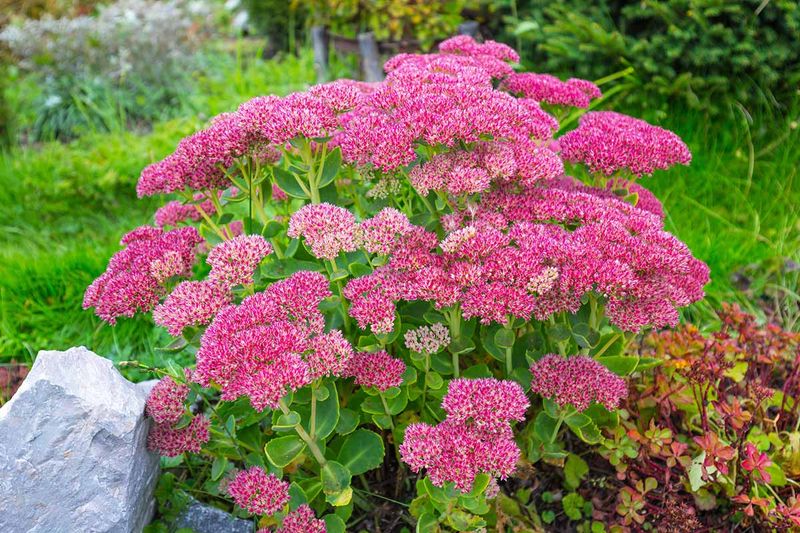
Sedum, commonly called Stonecrop, is the ultimate survivor plant for Michigan gardens.
Upright varieties like Autumn Joy are cold hardy, drought tolerant, and practically maintenance-free, making them a top pick for homeowners who want maximum impact with minimum effort.
The thick, succulent-like foliage looks attractive from spring through summer, even before the flowers appear.
In late summer and early fall, Autumn Joy produces large, flat-topped flower clusters in shades of dusty rose and deep burgundy.
These blooms are irresistible to butterflies and bees, turning your Michigan yard into a late-season pollinator haven right when other plants are winding down.
The flower heads gradually dry and turn a warm russet-brown, holding their shape beautifully through winter and adding structure to the garden during Michigan’s colder months.
Sedum grows best in full sun with very well-drained soil. It absolutely thrives in the sandy or gravelly soils found in many parts of Michigan, and it handles hot, dry summers far better than most perennials.
Overwatering or overly rich soil can actually cause stems to flop, so lean soil and minimal watering work best. Plants grow one to two feet tall and spread gradually into tidy clumps.
Cut stems back in early spring, and the plant bounces back vigorously. For a truly hands-off Michigan garden, few perennials match the reliable, season-long appeal of Sedum.
7. Dogwood (Red Twig)
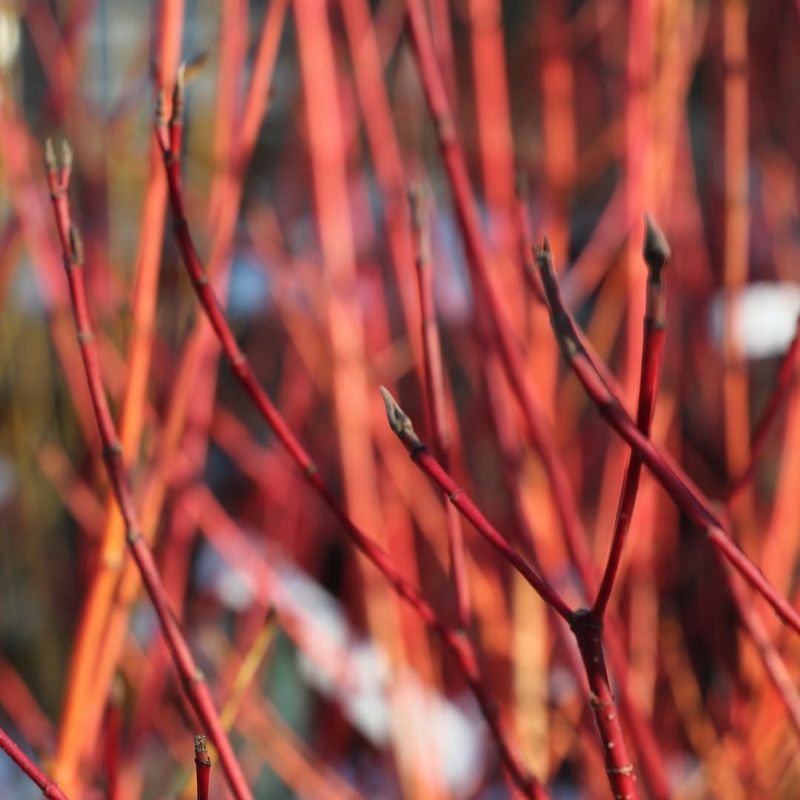
When everything else in a Michigan yard goes quiet for winter, Red Twig Dogwood steps into the spotlight in the most dramatic way.
Cornus sericea produces vivid, fire-engine red stems that stand out brilliantly against snow and gray winter skies, giving your landscape a bold, artistic quality that most shrubs simply cannot offer.
It is one of those plants that actually looks its best when Michigan winters are at their harshest.
Beyond the winter show, Red Twig Dogwood earns its place in the yard through the rest of the year too. Spring brings clusters of small white flowers, followed by white berries that birds love.
Summer foliage is lush and green, and fall color adds another layer of seasonal interest. This shrub adapts to a wide range of Michigan soil types, including wet or poorly drained areas where other plants struggle.
Once established, Red Twig Dogwood needs very little care. It tolerates full sun to partial shade and handles Michigan’s climate zone variations without complaint.
To keep the stem color vivid, cut about one-third of the oldest stems back to the ground in early spring every few years. This encourages fresh new growth, which always produces the brightest red color.
Plants typically grow six to nine feet tall and wide, so give them room to spread naturally. For a four-season, low-maintenance Michigan shrub, Red Twig Dogwood is genuinely hard to beat.
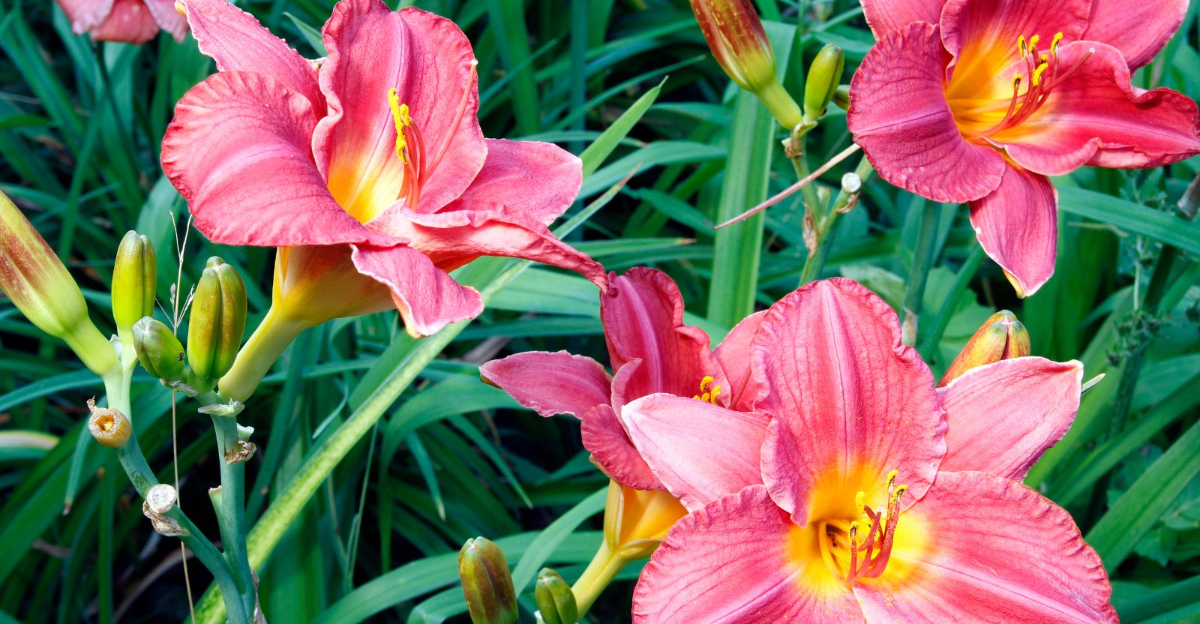
8. Daylilies
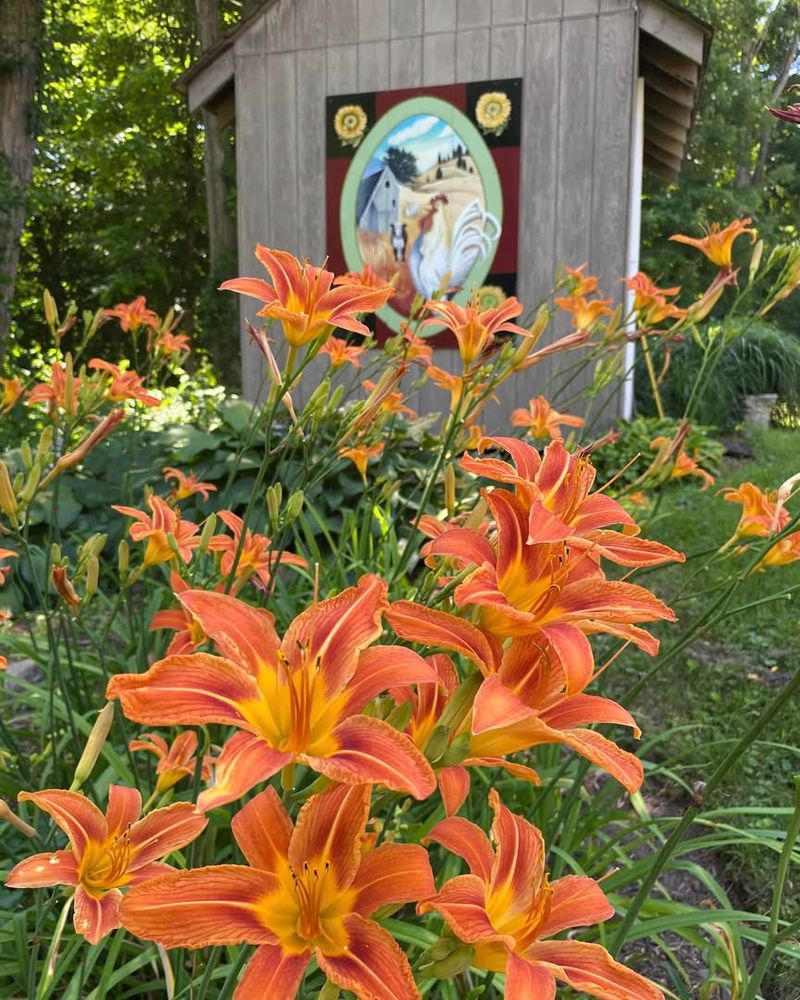
Ask any experienced Michigan gardener which perennial they would never give up, and daylilies will come up in nearly every conversation.
Hemerocallis varieties have built a legendary reputation for being almost completely carefree, thriving in a huge range of soil conditions, surviving Michigan winters without protection, and producing gorgeous blooms season after season with minimal input from the gardener.
Each flower lasts only one day, but plants produce so many buds that the bloom season stretches across weeks, sometimes running from late spring through midsummer depending on the variety.
Modern cultivars come in an extraordinary range of colors, from classic orange and yellow to deep red, lavender, and cream.
Mixing early, mid-season, and late-blooming varieties keeps color flowing through much of the Michigan growing season.
Daylilies grow best in full sun but manage well in partial shade, producing slightly fewer blooms. They tolerate clay, sandy, and loamy Michigan soils alike, and established plants handle summer dry spells without needing supplemental watering.
Fertilizing once in spring gives them a nice boost, but even skipping that step rarely causes problems. Divide clumps every four to five years when they become crowded to keep flowering vigorous and plants healthy.
Daylilies spread at a manageable pace, gradually filling garden beds with lush, strap-like foliage. For Michigan gardeners who want reliable, colorful, and truly low-maintenance plants, daylilies are an absolute must-have.