9 ‘It’ Plants You Can Rely On For Easy-Care Yards In Arizona
Easy-care yards matter more in Arizona than almost anywhere else. Heat, sun, and dry air quickly expose plants that look good on paper but fail once summer settles in.
The result is often a yard that feels like constant work instead of something that runs smoothly on its own.
“It” plants earn their reputation by staying attractive with minimal input. They hold their shape, color, and health while using less water and asking far less from you day to day.
When the right plants are in place, an Arizona yard looks intentional, not stressed or patchy.
The most reliable landscapes are built around plants that fit desert conditions from the start. With the right selections, your yard stays clean, balanced, and easy to manage through long, hot seasons without constant fixes.
1. Texas Sage Thrives On Heat With Almost No Attention
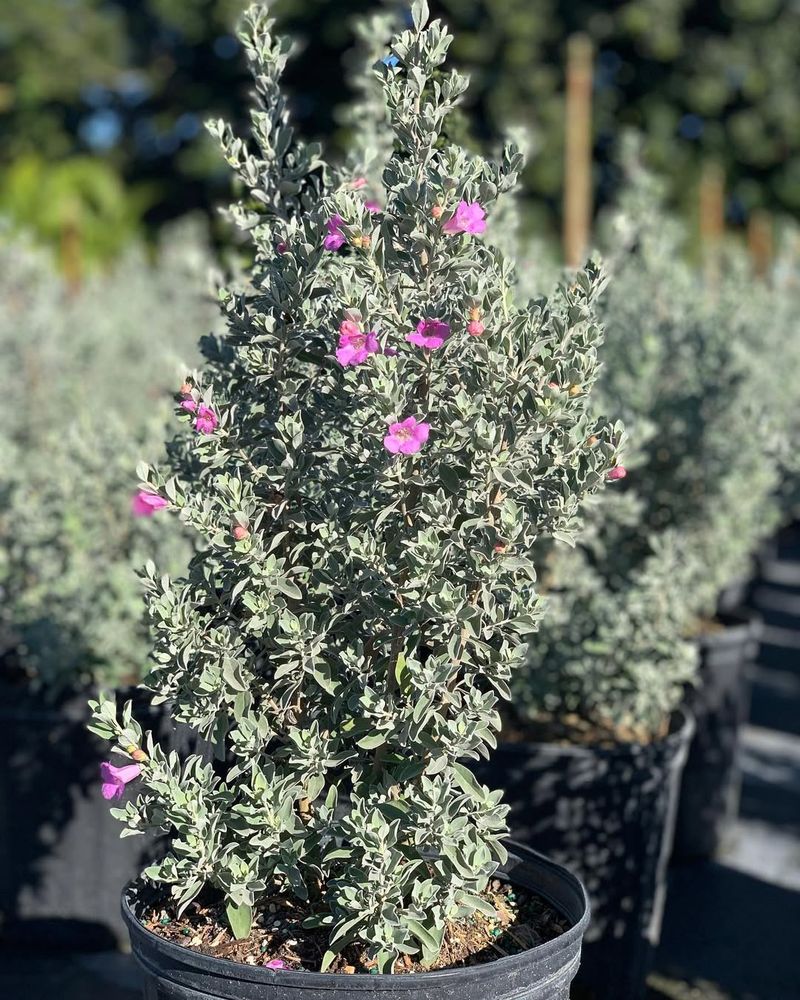
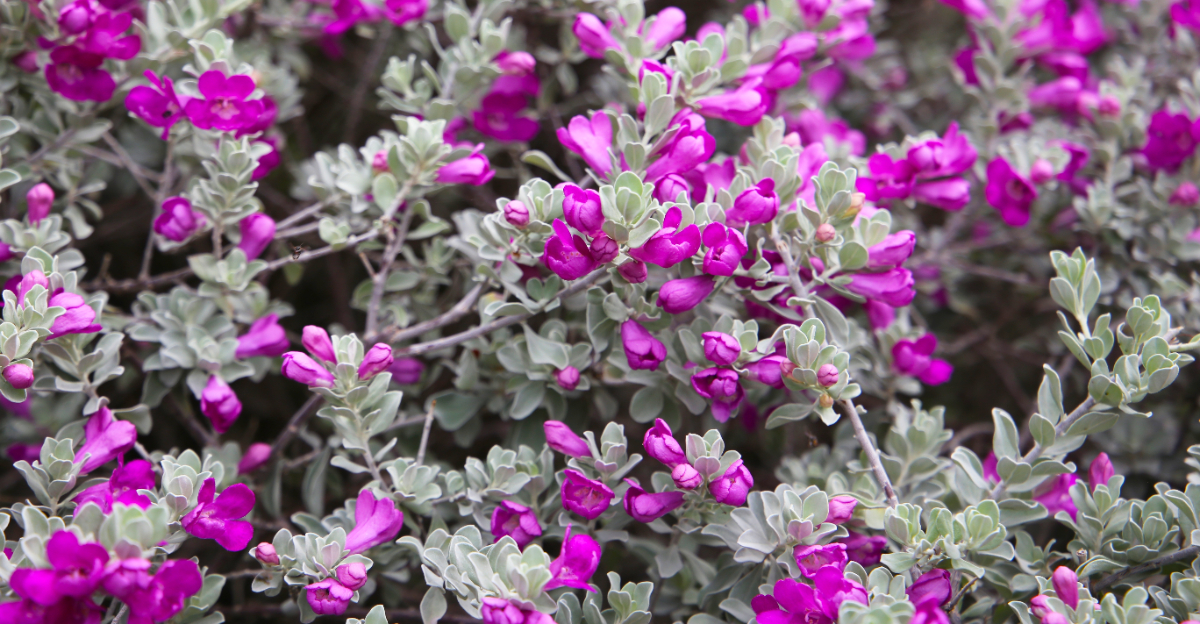
Silvery leaves shimmer in the afternoon sun, and then suddenly, after a summer storm rolls through, the entire shrub explodes with purple blooms.
Texas Sage reads humidity in the air and flowers right before monsoon rains arrive, earning it the nickname “barometer bush.” Gardeners across Tucson and Phoenix plant it along property lines where nothing else survives.
This tough shrub asks for almost nothing once established. Water it deeply every two weeks during the first summer, then back off completely.
Arizona’s natural rainfall patterns provide enough moisture for mature plants. The roots dig deep into caliche-heavy soil without complaint, and extreme heat only makes the foliage more compact and attractive.
Pruning happens once a year, if that. Some homeowners skip it entirely and let the natural rounded shape develop on its own.
The plant reaches about five feet tall and equally wide, creating perfect screening along fences or patios. Deer walk right past it, and insects rarely bother with the aromatic leaves.
Several varieties offer different flower colors, from deep magenta to soft pink and even white. All perform equally well in Arizona landscapes, blooming multiple times between June and September whenever moisture levels shift in the atmosphere.
2. Red Yucca Handles Sun And Drought Without Flinching
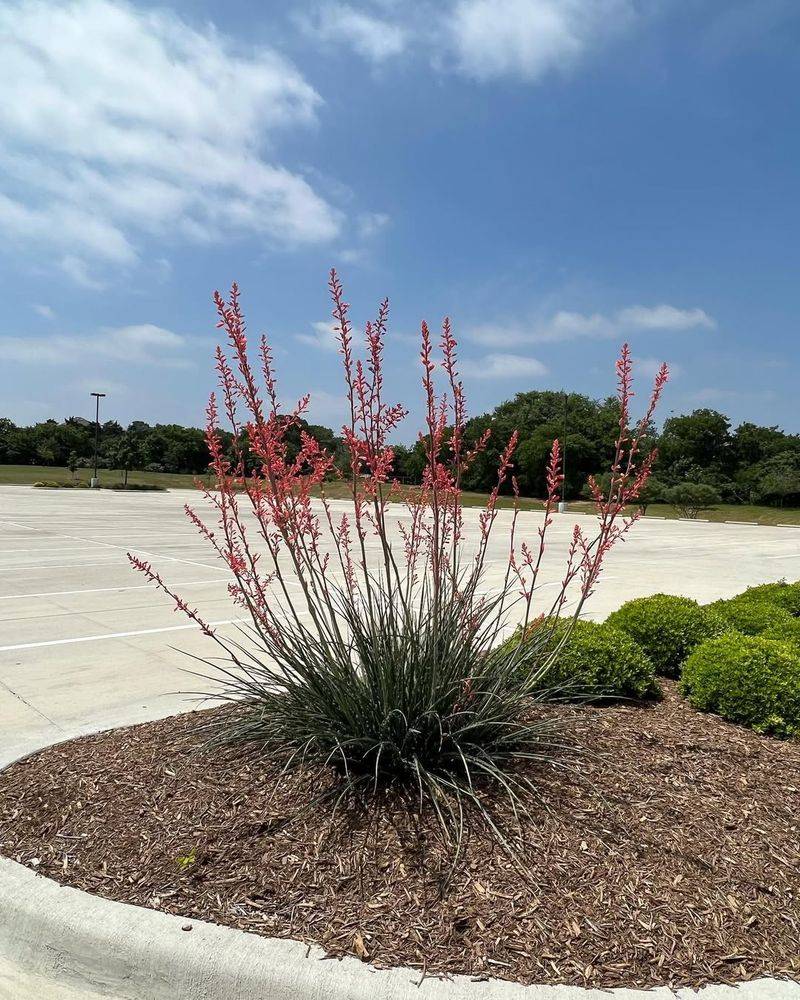
Coral-colored flower spikes shoot up three feet above spiky foliage, and hummingbirds arrive within minutes. Red Yucca isn’t actually a yucca at all, but it shares that famous desert toughness.
The grass-like leaves form dense clumps that stay evergreen year-round, even when temperatures swing from freezing nights to scorching afternoons.
Plant it once and forget about it. Red Yucca survives on rainfall alone after the first growing season, making it ideal for water-conscious neighborhoods throughout Arizona.
The roots establish quickly in well-draining soil, and the plant actually performs worse with too much attention. Overwatering causes root problems, so leaving it alone produces the best results.
Blooming starts in late spring and continues through fall, with tubular flowers that hummingbirds can’t resist. Each flower spike lasts several weeks, and new ones keep emerging from the center of the plant.
Spent stalks snap off easily at the base, though many gardeners leave them standing because they continue feeding birds.
Red Yucca fits equally well in formal landscapes or natural desert settings. Space plants three feet apart for groundcover effect, or use single specimens as accent points near boulders or entryways.
The blue-green foliage provides year-round texture that contrasts beautifully with darker shrubs.
3. Bougainvillea Delivers Color While Tolerating Neglect
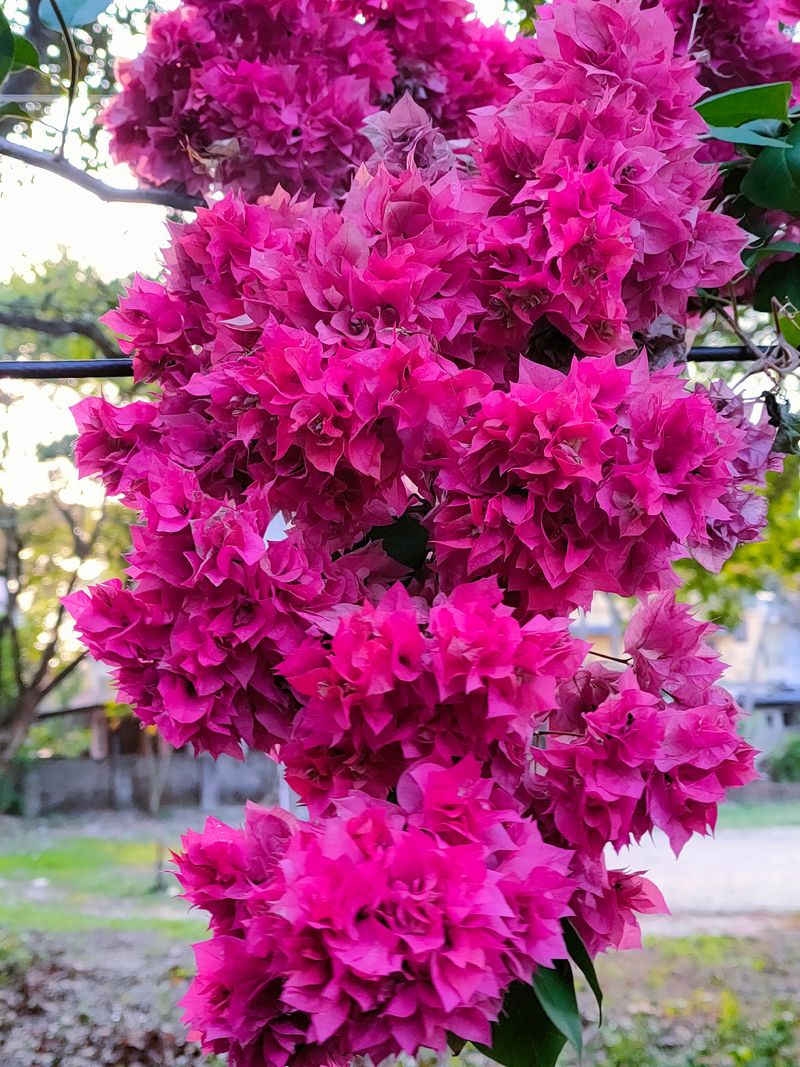
Magenta, orange, or white papery bracts cover entire walls and trellises for months at a time. Bougainvillea puts on a show that stops traffic, yet it thrives on neglect in Arizona’s desert climate.
The more you ignore it, the better it performs. Stress from heat and dry conditions triggers the most impressive flowering displays across Phoenix and Scottsdale yards.
Established plants need water only once every two or three weeks during summer, and even less frequently the rest of the year. The woody stems grow fast, covering ugly walls or creating privacy screens in a single season.
Thorns along the branches help the plant climb and also discourage anyone from getting too close, making it perfect for security purposes along property boundaries.
Blooming peaks in spring and fall when temperatures moderate slightly, but Arizona’s long growing season means color appears almost year-round.
The actual flowers are tiny and white; those brilliant colors come from modified leaves called bracts that surround the flowers.
They hold their color for weeks without fading, even in direct sun.
Pruning controls size and shape, but timing matters. Cut back after flowering cycles finish to avoid removing developing buds.
Bougainvillea tolerates hard pruning and bounces back quickly, making it forgiving for beginners learning desert gardening techniques.
4. Desert Marigold Blooms Freely With Minimal Water
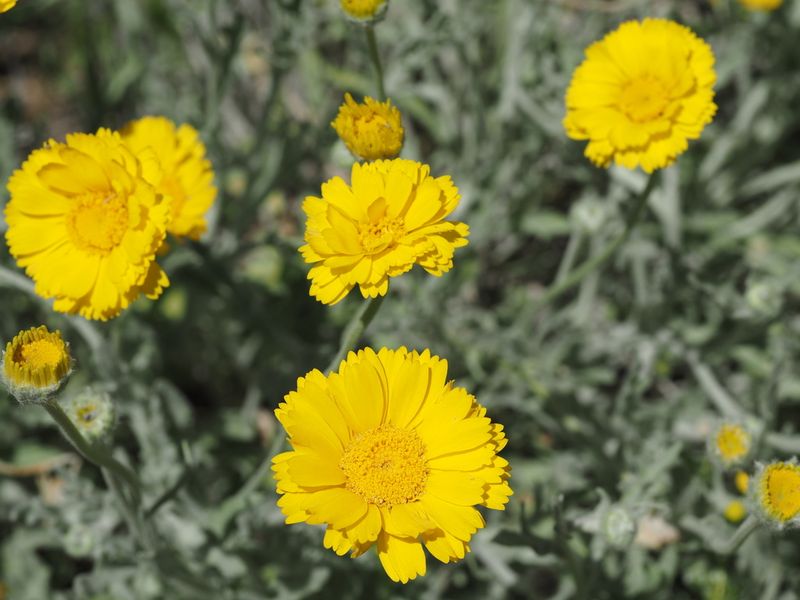
Cheerful yellow daisies pop up everywhere, and they just keep coming. Desert Marigold blooms nearly year-round in Arizona, taking only brief breaks during the coldest weeks of winter.
The flowers glow against silvery-green foliage that stays low and compact, making this native wildflower perfect for borders, rock gardens, or anywhere you want reliable color without constant care.
Native to the Sonoran Desert, this plant already knows how to handle Arizona conditions. It germinates easily from seed scattered in fall, or you can plant nursery transplants in spring.
Either way, it establishes quickly with minimal help. Water deeply once a week during the first month, then cut back to every two weeks.
Mature plants survive on natural rainfall, though occasional summer watering extends the blooming period.
Each plant spreads about a foot wide and reaches eight to twelve inches tall. The flowers attract native bees and butterflies, creating movement and life in the garden.
Deadheading isn’t necessary because new buds constantly develop, but removing spent flowers does keep the plant looking tidy if you prefer a more manicured appearance.
Desert Marigold reseeds itself freely, filling in bare spots and naturalizing across Arizona landscapes. If it spreads too much, seedlings pull up easily when young.
This generous habit makes it valuable for covering large areas quickly without buying dozens of plants.
5. Lantana Keeps Flowering Through Long Hot Seasons
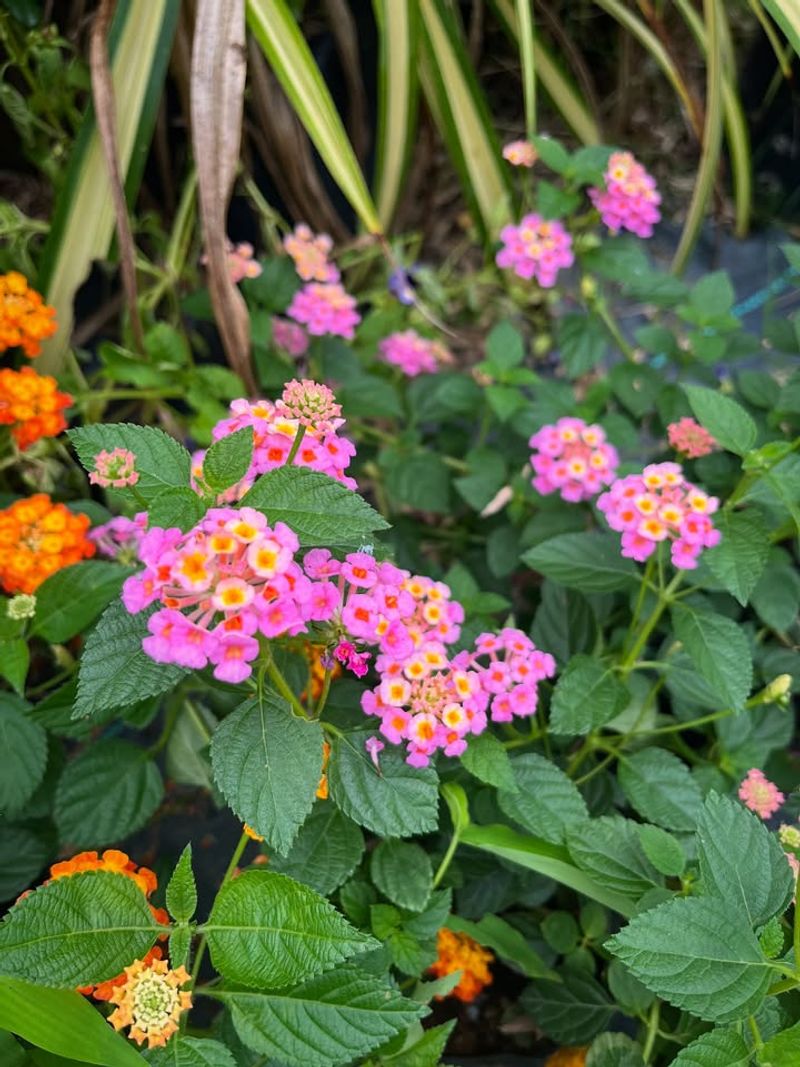
Clusters of tiny flowers shift from yellow to orange to pink, all on the same plant at once. Lantana creates a rainbow effect that butterflies find irresistible, and it blooms nonstop from April through October across Arizona.
The plant shrugs off 115-degree days and keeps producing flowers when everything else looks stressed and tired.
Two growth habits are available: trailing varieties that spread along the ground and upright types that form rounded shrubs. Both need the same minimal care.
Water weekly during summer heat, then stretch it to every two weeks once fall arrives. Lantana actually flowers more profusely when slightly stressed, so backing off on water and fertilizer produces better results than pampering it.
Pruning in late winter removes frost-damaged stems and encourages fresh growth. Cut the entire plant back by half, and it bounces back quickly once warm weather returns.
Some Arizona gardeners skip pruning entirely and let Lantana develop its natural form, which works fine if you have the space.
The rough-textured leaves release a strong scent when brushed, which deer dislike. This makes Lantana useful in areas where browsing animals are a problem.
Plant it along walkways where people will appreciate the constant butterfly activity, or use it as a colorful groundcover on slopes where other plants struggle.
6. Damianita Forms A Tough Low Profile Groundcover
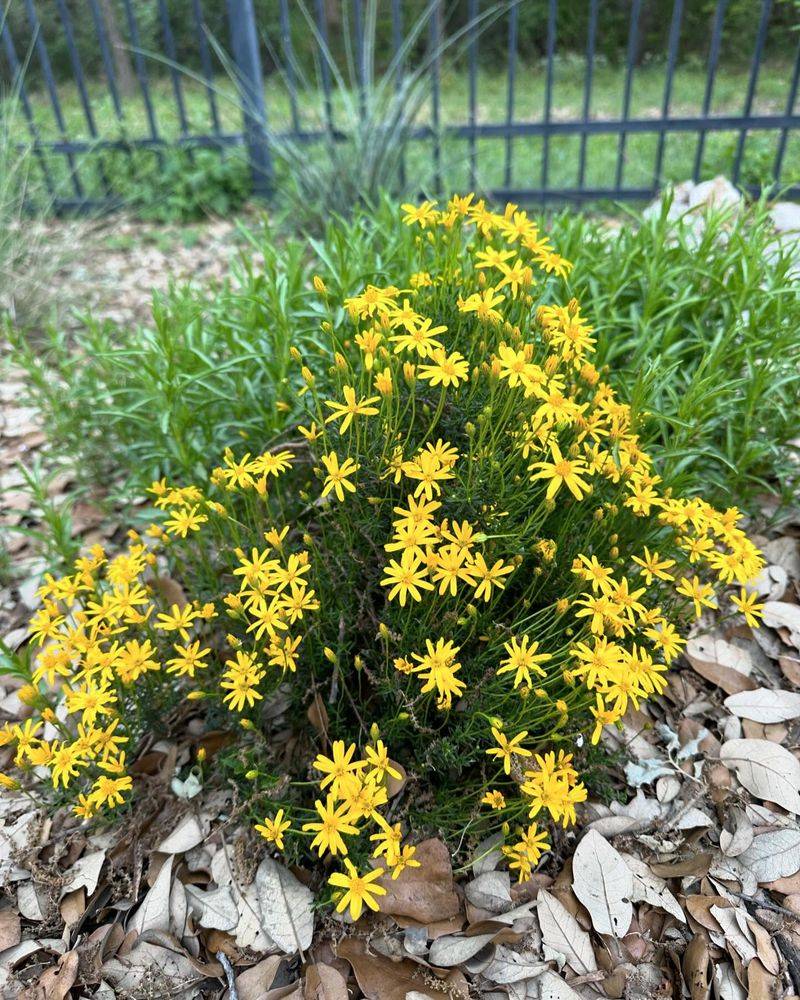
Golden flowers blanket compact mounds of fine-textured foliage twice a year. Damianita stays under a foot tall and spreads slowly into neat, rounded clumps that never need trimming.
The needle-like leaves smell pleasantly resinous when touched, and the entire plant glows with yellow blooms in spring and again in fall throughout Arizona landscapes.
This native shrub tolerates reflected heat from pavement and walls better than almost anything else. Plant it along driveways, in parking strips, or anywhere the sun beats down relentlessly.
Once established, Damianita survives entirely on rainfall in most Arizona locations. Supplemental water every three weeks during extreme summer heat keeps it looking its best, but the plant won’t complain if you forget.
Flowers appear suddenly, covering the entire plant so densely that foliage almost disappears beneath the blooms. Each flowering period lasts several weeks, and the show repeats reliably every year.
Between bloom cycles, the fine-textured evergreen foliage provides consistent color and texture that works well with boulders, gravel, and other desert hardscape elements.
Damianita grows slowly, which some gardeners see as a drawback but others appreciate for its permanence. Space plants eighteen inches apart for eventual coverage, or use single specimens as small accent points.
7. Pink Muhly Grass Adds Texture Without Extra Care
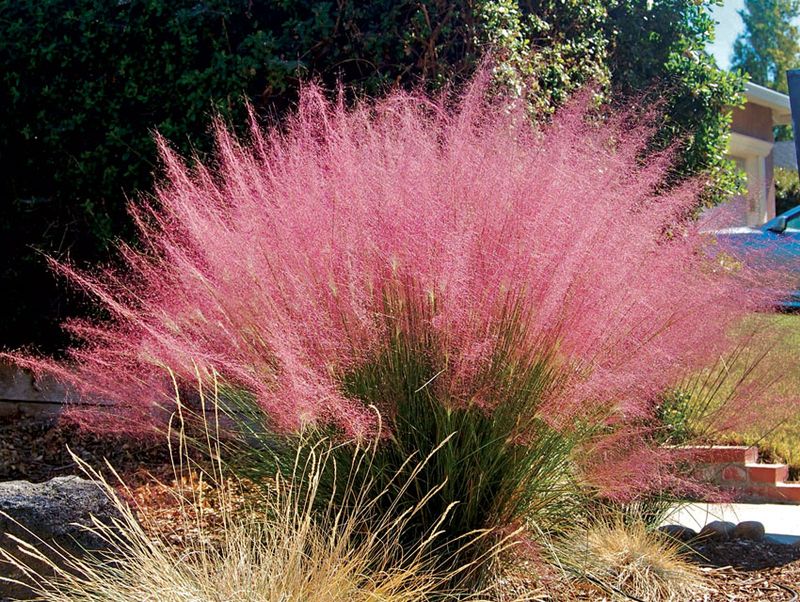
Clouds of pink float above the landscape each fall when Pink Muhly Grass sends up its feathery flower plumes. The grass itself stays green and tidy year-round, forming neat clumps that never flop or spread aggressively.
This ornamental performs beautifully in Arizona yards, adding softness and movement that contrasts perfectly with the rigid forms of cacti and succulents.
Plant it in full sun where the pink plumes will catch late afternoon light and practically glow. The grass tolerates reflected heat and grows well in amended or native soils as long as drainage is decent.
Water weekly during the first summer, then reduce frequency once roots establish deeply. Mature clumps handle Arizona’s dry conditions with only occasional deep watering during extended drought periods.
The pink color appears in September and October, lasting six to eight weeks before gradually fading to tan. Some gardeners cut the plumes for dried arrangements, while others leave them standing through winter for continued visual interest.
In late winter, cut the entire clump back to six inches above ground level to make room for fresh spring growth.
Pink Muhly Grass works well as a specimen plant, in mass plantings, or mixed with other drought-tolerant perennials. It grows two to three feet tall and equally wide, creating substantial presence without overwhelming smaller spaces.
Deer leave it alone, and it requires no fertilizer or pest control throughout Arizona.
8. Ocotillo Fits Arizona Landscapes Without Constant Input
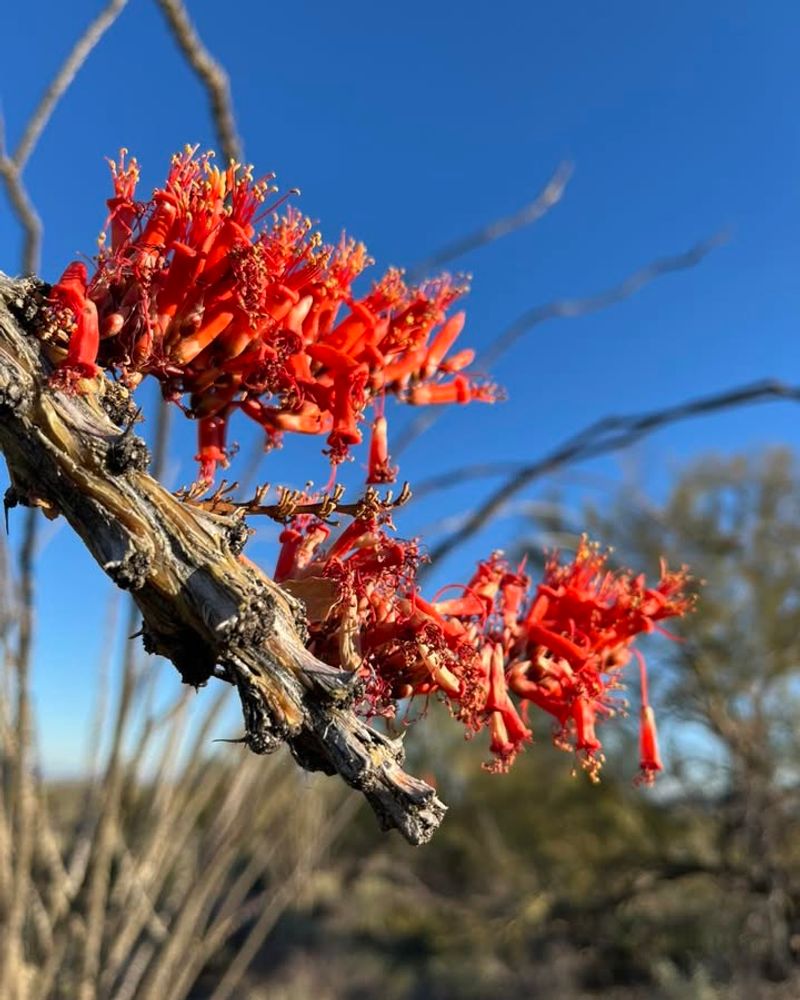
Tall gray stems reach skyward like natural sculptures, then suddenly burst into leaf after rains arrive. When moisture appears, tiny green leaves cover every branch within days, and bright red-orange flowers tip each stem.
This iconic Arizona native requires almost no maintenance once planted in the right spot.
Give Ocotillo full sun and excellent drainage, then step back. The plant survives entirely on natural rainfall patterns across most of Arizona.
Roots spread wide but shallow, grabbing moisture quickly when storms pass through. Supplemental water during summer can encourage more frequent leafing, but it’s completely optional.
The plant thrives on neglect.
Hummingbirds mob the tubular flowers that appear in spring, and sometimes again after summer monsoons. Each bloom cluster lasts several weeks, creating brilliant color at the tips of otherwise bare branches.
Between flowering periods, the sculptural form provides architectural interest that works equally well in modern or traditional desert landscapes.
Ocotillo rarely needs pruning, though you can remove damaged or crossing stems if desired. The thorny branches discourage people and animals from getting too close, making it useful as a natural barrier along property lines.
Plant it where its dramatic silhouette will show against walls or sky for maximum visual impact throughout Phoenix, Tucson, and surrounding Arizona communities.
9. Blue Palo Verde Grows Strong With Natural Rain Patterns
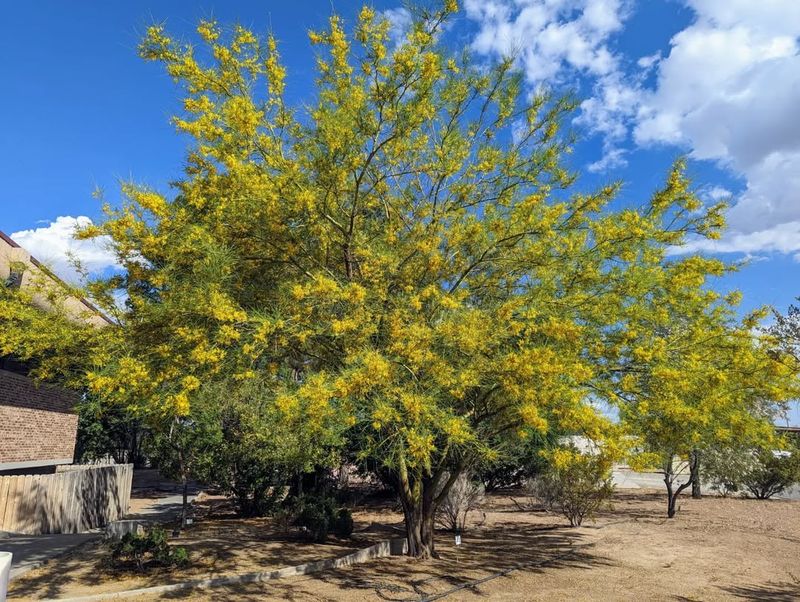
Smooth green bark photosynthesizes even when leaves drop, making this Arizona native tree incredibly efficient. Blue Palo Verde produces clouds of bright yellow flowers each spring that cover the entire canopy and carpet the ground below.
The tree grows fast, providing shade and habitat for desert wildlife while asking almost nothing in return from homeowners.
This is Arizona’s state tree for good reason. It evolved here and knows exactly how to handle local conditions.
Plant it in full sun with plenty of space, because mature trees reach twenty-five feet tall with equally wide canopies. Water deeply every two weeks during the first two summers to help roots establish, then let natural rainfall take over completely.
Mature Blue Palo Verde trees throughout Phoenix and Tucson thrive without any supplemental irrigation.
The tree drops its tiny leaves during dry periods to conserve water, but the green bark continues producing energy through photosynthesis. This adaptation allows it to survive extended droughts that would stress or damage other trees.
When rains return, new leaves appear quickly, and the tree resumes normal growth.
Minimal pruning maintains shape and removes crossing branches, but heavy pruning isn’t recommended. The tree’s natural form is graceful and open, casting filtered shade that allows understory plants to grow beneath.
Yellow flowers attract bees in spring, and the seed pods that follow provide food for birds and small mammals across Arizona’s desert ecosystems.