8 Items You Can’t Install On Your Property In California Without A Permit

California homeowners often assume that anything placed in their yard is fair game—but state and local regulations draw firm lines.
Installing certain structures or making significant changes without a permit can lead to fines, forced removal, or costly delays.
Commonly regulated items include larger sheds, fences above a certain height, pools, and permanent decks, as well as solar panels, irrigation systems tied to municipal water, and major hardscape features.
Even seemingly minor upgrades, like retaining walls or outdoor kitchens, may require approval depending on size and location.
Make sure to know the rules before the idea you shaped for your backyard gets a hefty fine.
1. Swimming Pools And Hot Tubs

Backyard pools transform ordinary yards into private resorts, but California takes pool safety very seriously.
Any swimming pool or hot tub installation requires a building permit, regardless of whether it sits above ground or gets built into the earth.
The permit process ensures your pool meets safety standards, including proper fencing, drainage systems, and electrical work.
Pool barriers must stand at least five feet tall with self-closing gates to prevent unsupervised access by young children.
Electrical components near water pose serious risks, so inspectors verify that all wiring follows strict codes.
Your pool also needs proper drainage to avoid flooding your property or your neighbor’s yard during heavy rains.
Without a permit, you risk facing penalties that cost thousands of dollars.
Insurance companies may refuse to cover accidents or damage related to unpermitted pools.
When you eventually sell your home, buyers will discover the unpermitted pool during inspections, which could tank your sale or force you to remove it entirely.
The permit process takes time and money upfront, but it protects everyone who uses your pool.
Contact your local building department before breaking ground to understand specific requirements in your area.
2. Room Additions And Garage Conversions
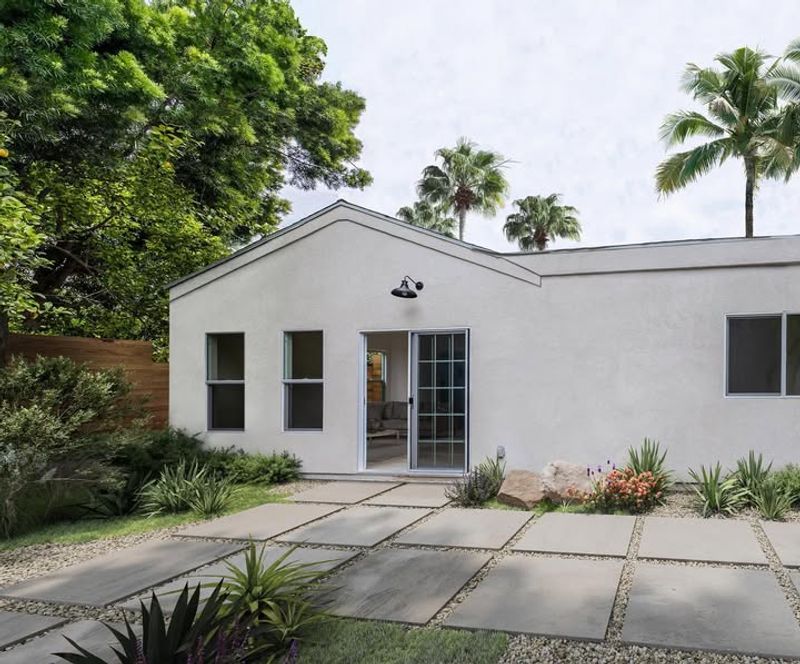
Families outgrow their homes and need more space for growing kids, home offices, or aging relatives.
Converting your garage into a bedroom or adding a room onto your house seems like a practical solution.
California law requires permits for any project that changes your home’s footprint or purpose of existing rooms.
Room additions must meet current building codes for foundation strength, wall construction, and roof integrity.
Garage conversions involve even more complexity because you lose required parking spaces and must add proper heating, ventilation, and emergency exits.
Electrical systems need upgrades to handle additional outlets and lighting in new living spaces.
Plumbing work becomes necessary if you add bathrooms or kitchenettes to converted areas.
Unpermitted additions create massive problems when you sell your home because appraisers cannot include that square footage in your home’s value.
Banks may refuse to finance homes with unpermitted construction, leaving potential buyers unable to purchase your property.
Your local tax assessor will eventually discover the addition and charge back taxes plus penalties.
Getting caught with unpermitted work means paying for permits retroactively, plus fines, plus potential reconstruction if your work does not meet code.
3. Fences Over Six Feet Tall
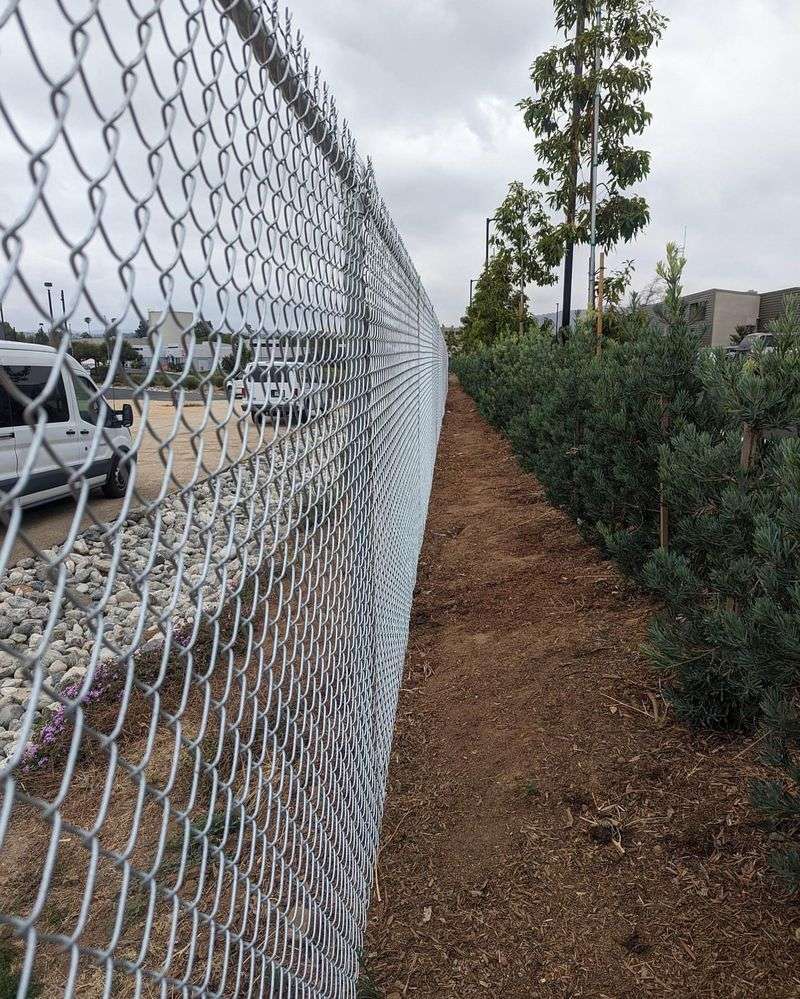
Good fences make good neighbors, but tall fences in California require official approval.
Any fence exceeding six feet in height needs a building permit before installation.
This rule exists because tall fences can create safety hazards, block views, and cause disputes between neighbors.
Your fence cannot obstruct driver visibility at street corners, which creates dangerous blind spots for traffic.
Some neighborhoods have homeowner associations with additional restrictions on fence height, style, and color.
Before building your fence, check property lines carefully to avoid accidentally placing it on your neighbor’s land.
Permit applications require site plans showing exactly where your fence will stand and how tall it will reach.
Building departments review these plans to ensure your fence complies with setback requirements and does not interfere with utility easements.
Utility companies need access to power lines, water mains, and sewer pipes that might run through your yard.
Unpermitted fences can lead to removal orders, especially if neighbors complain about blocked sunlight or obstructed views.
The permit process protects you from costly mistakes and proves you followed proper procedures if disputes arise later.
Always measure twice and apply for permits before installing any fence taller than six feet.
4. Decks And Elevated Platforms
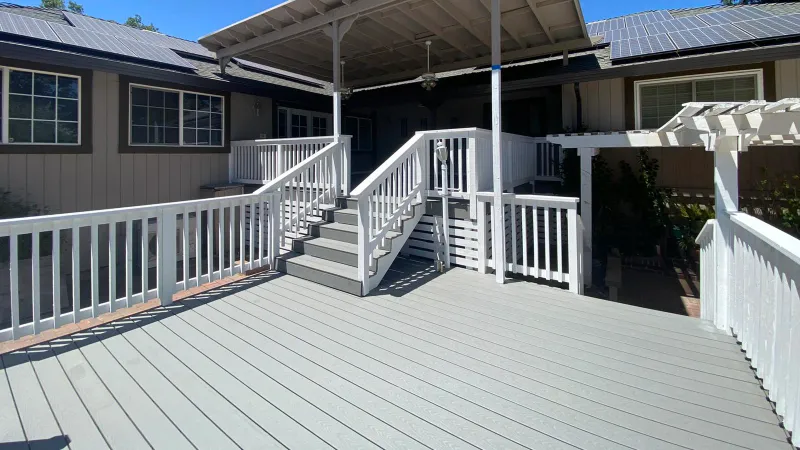
Outdoor decks extend your living space and provide perfect spots for relaxation and entertainment.
California requires permits for decks that stand more than 30 inches above ground level or attach to your house structure.
Elevated platforms need strong foundations and proper support beams to safely hold people, furniture, and sometimes hot tubs.
Deck collapses cause serious injuries when construction cuts corners or ignores engineering requirements.
Your permit application must include detailed plans showing beam sizes, post spacing, and how the deck attaches to your home.
Inspectors check that your deck can handle required weight loads and that railings meet safety standards.
Railings must stand at least 36 inches tall with balusters spaced close enough to prevent small children from slipping through.
Stairs need proper rise and run measurements to prevent tripping hazards.
Weather exposure means your deck must resist rot, termites, and earthquake forces common in California.
Unpermitted decks create liability issues if someone gets injured on your property.
Insurance companies may deny claims related to unpermitted structures.
Future home buyers will demand permits for decks during their inspection period, potentially derailing your sale.
5. Electrical Panel Upgrades And Rewiring
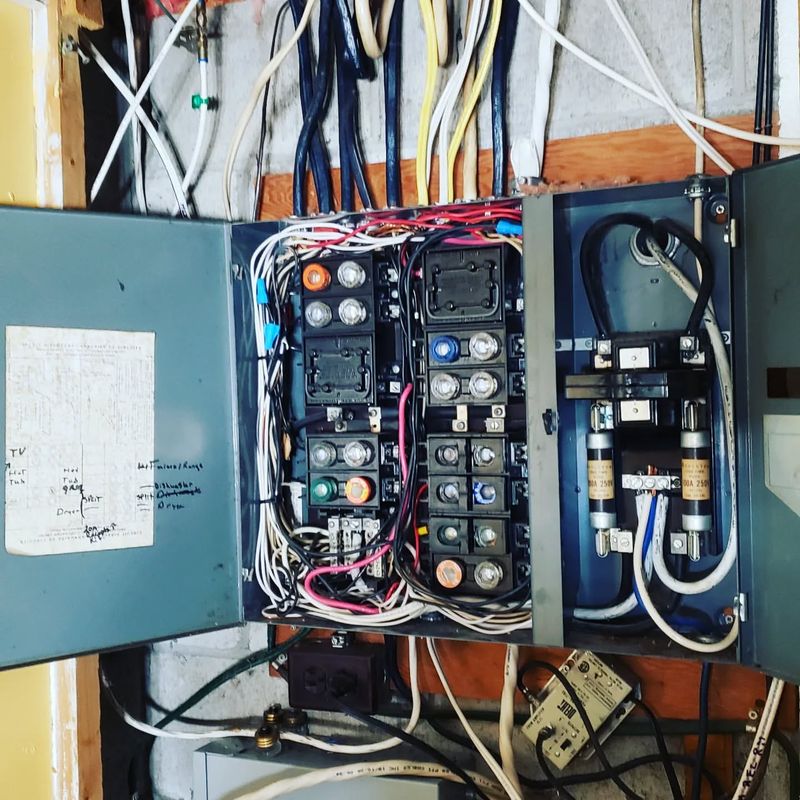
Modern homes use far more electricity than houses built decades ago.
Upgrading your electrical panel or rewiring parts of your home requires permits because electrical work poses serious fire and shock hazards.
Only licensed electricians should perform major electrical work, and they must pull permits before starting.
Permit inspections verify that all connections follow current electrical codes and that your panel can safely handle your home’s power demands.
Older homes often have outdated wiring systems that cannot support air conditioning, electric vehicle chargers, or modern appliances.
Panel upgrades typically involve increasing capacity from 100 amps to 200 amps or more.
This work requires coordination with your utility company to install new service lines.
Unpermitted electrical work can void your homeowner’s insurance if a fire occurs.
Insurance investigators routinely check for proper permits after electrical fires.
Faulty wiring causes thousands of house fires annually in California.
Selling your home with unpermitted electrical work creates disclosure requirements and potential liability.
Buyers may demand that you bring everything up to code before closing, which costs far more than getting permits originally.
Always hire licensed electricians and ensure they obtain proper permits for your project.
6. Water Heaters And HVAC Systems
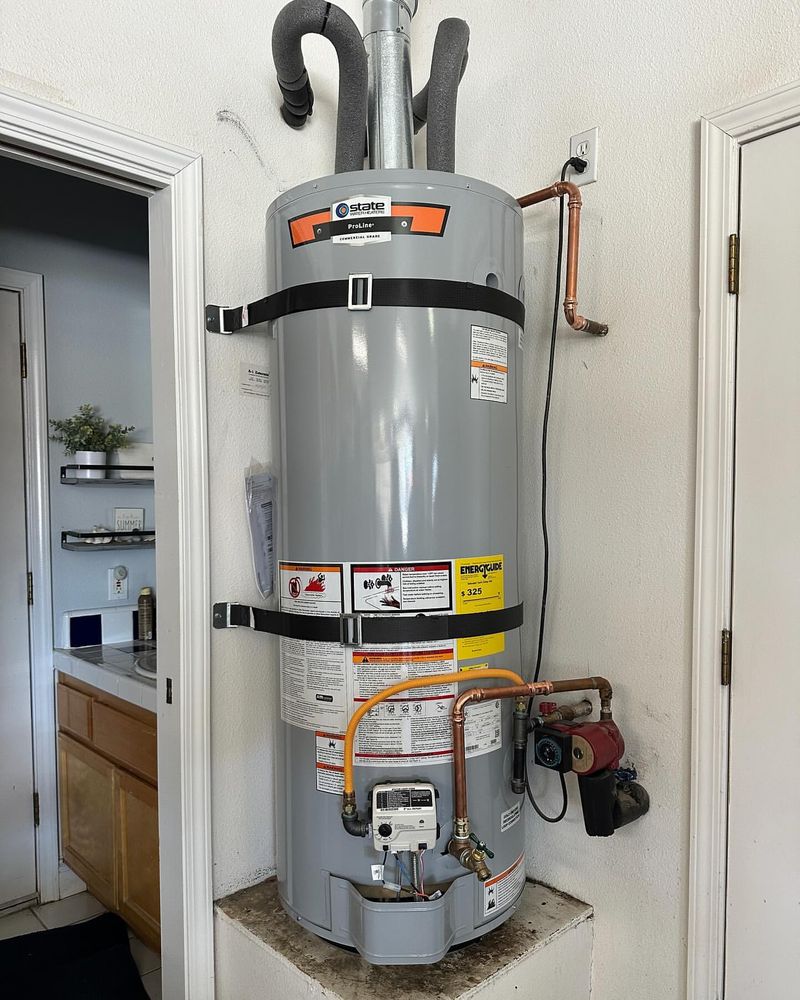
Replacing your water heater or installing a new heating and cooling system might seem straightforward, but permits protect you from dangerous installations.
Gas water heaters and furnaces can produce carbon monoxide, a colorless and odorless gas that causes serious health problems.
Permit inspections ensure proper venting so dangerous gases exit your home safely.
Water heaters must have earthquake straps in California because seismic activity can topple unsecured units and rupture gas lines.
HVAC systems require proper sizing calculations to efficiently heat and cool your home.
Oversized or undersized systems waste energy and create uncomfortable temperature swings.
Ductwork modifications need permits when you change your heating or cooling system capacity
Refrigerant lines must meet environmental standards to prevent harmful chemical releases.
Unpermitted HVAC work often fails inspections when you sell your home.
Buyers may request credits or refuse to purchase homes with unpermitted mechanical systems.
Your homeowner’s insurance may deny claims related to fires or carbon monoxide incidents caused by unpermitted installations.
Professional contractors should always pull permits for water heater and HVAC work.
If a contractor offers to skip permits to save money, find someone else who follows proper procedures.
7. Retaining Walls Over Four Feet
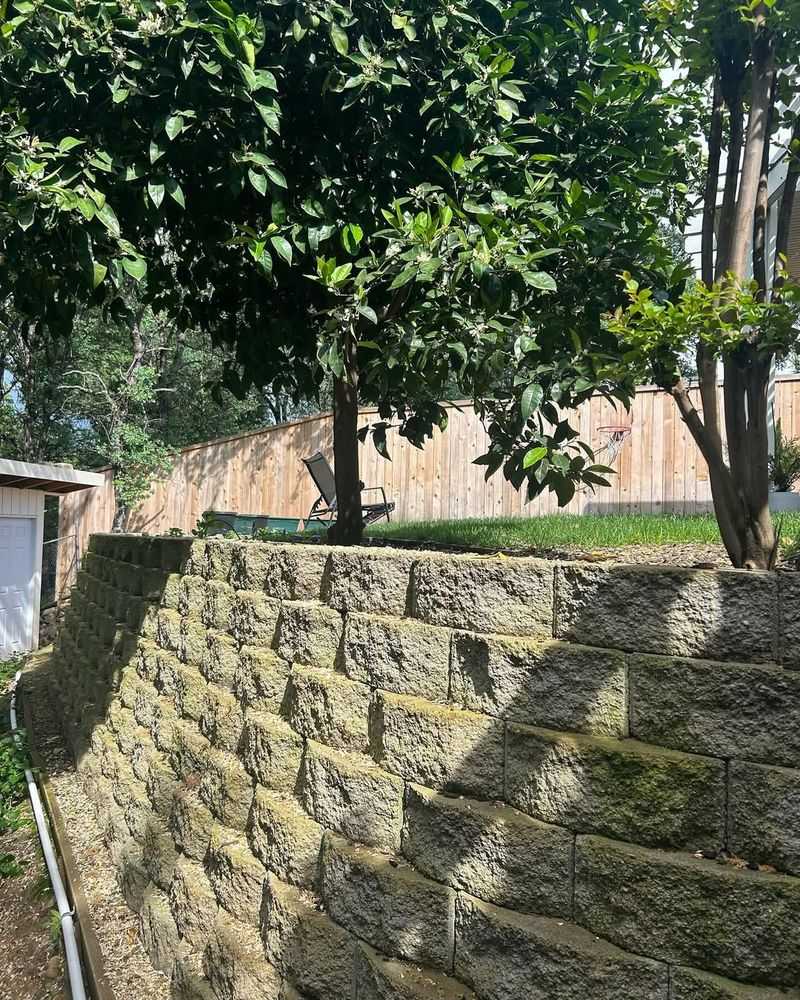
Sloped properties throughout California need retaining walls to prevent soil erosion and create usable yard space.
Retaining walls taller than four feet require building permits because they must withstand enormous pressure from soil and water.
Poorly designed walls can collapse during heavy rains or earthquakes, causing property damage and potential injuries.
Engineers must calculate the forces acting on your wall and design proper drainage systems.
Water buildup behind retaining walls creates pressure that can push walls over.
Drainage pipes and gravel backfill allow water to escape safely instead of accumulating behind the wall.
Foundation depth matters tremendously for wall stability.
Taller walls need deeper foundations to resist tipping and sliding forces.
California’s earthquake activity adds another layer of complexity to retaining wall design.
Walls must flex slightly during tremors without cracking or collapsing.
Unpermitted retaining walls create liability if they fail and damage neighboring properties.
Your homeowner’s insurance will likely deny claims related to unpermitted wall failures.
Future buyers may demand expensive engineering reports to verify wall safety, or they might walk away from the purchase entirely.
Always obtain permits and hire qualified contractors for retaining wall projects.
8. Solar Panel Systems

Solar panels help California homeowners reduce electricity bills and support environmental goals.
Every solar installation requires building and electrical permits to ensure safe and proper connections.
Roof-mounted panels add significant weight that your home’s structure must support.
Permit applications include engineering calculations proving your roof can handle the additional load.
Older roofs may need reinforcement before solar panel installation can proceed safely.
Electrical connections between panels and your home’s power system must meet strict safety codes.
Solar systems connect to the utility grid, which requires coordination with your power company.
Improperly installed solar panels can cause roof leaks, electrical fires, or system failures.
Many solar companies handle permit applications as part of their installation service.
Unpermitted solar systems create problems when you apply for rebates or tax credits.
Government incentive programs require proof of permitted installation before releasing funds.
Selling your home with unpermitted solar panels complicates the transaction.
Buyers cannot assume existing solar loans or leases without proper permits and inspections.
Always verify that your solar installer obtains all necessary permits before work begins on your property.