Jane Magnolia Is Blooming Across North Carolina And It’s Still A Good Time To Plant One
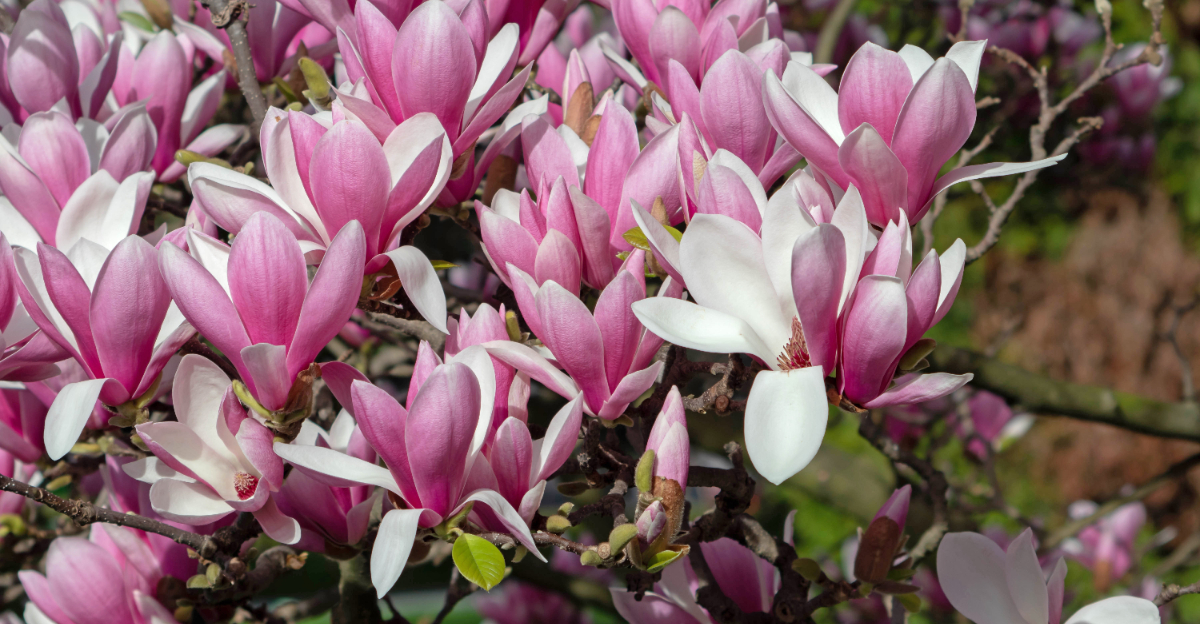
Just as winter begins to loosen its grip on North Carolina, one tree suddenly steals the spotlight. Jane Magnolia bursts into deep purple pink blooms before most gardens fully wake up, turning quiet yards into scenes that look almost painted.
For many gardeners, it is one of the first true signs that spring has finally arrived. Across the Piedmont, Coastal Plain, and even parts of the Mountain region, this compact magnolia has become a favorite landscape tree.
It offers the beauty of classic magnolias without the massive size that can overwhelm smaller yards. The tree stays manageable, handles North Carolina weather well, and delivers a reliable burst of color every spring.
For homeowners who want an early season showstopper without complicated care, Jane Magnolia is hard to beat. It is one of the most rewarding flowering trees you can add to a North Carolina garden.
1. Early Spring Flowers Brighten North Carolina Landscapes
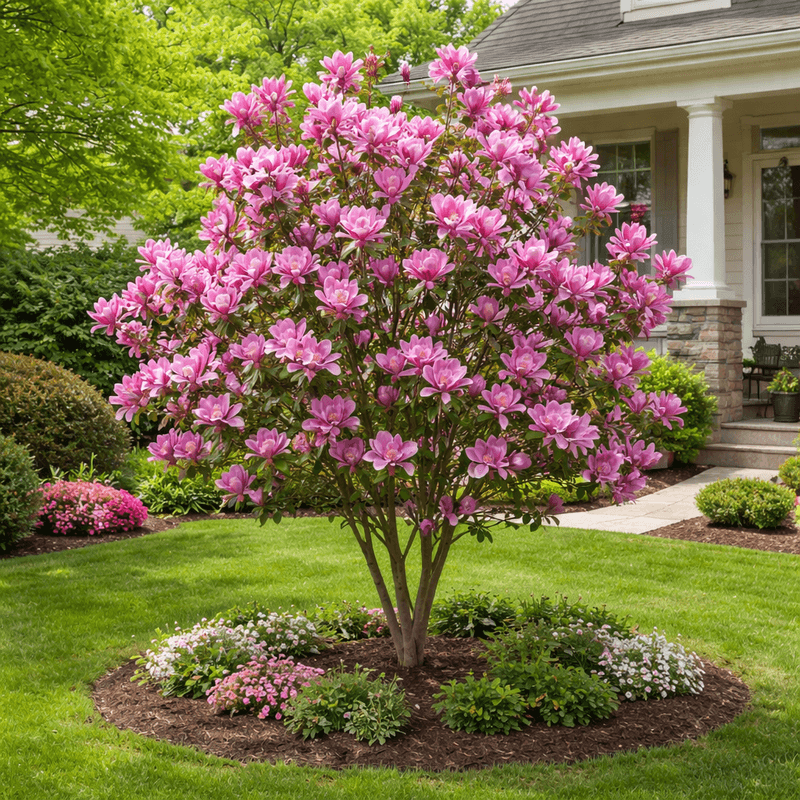
Picture waking up one morning in late March and seeing your yard transformed overnight by dozens of large, tulip-shaped blooms in rich purple and soft pink. That is exactly what Jane Magnolia delivers to North Carolina homeowners every single spring.
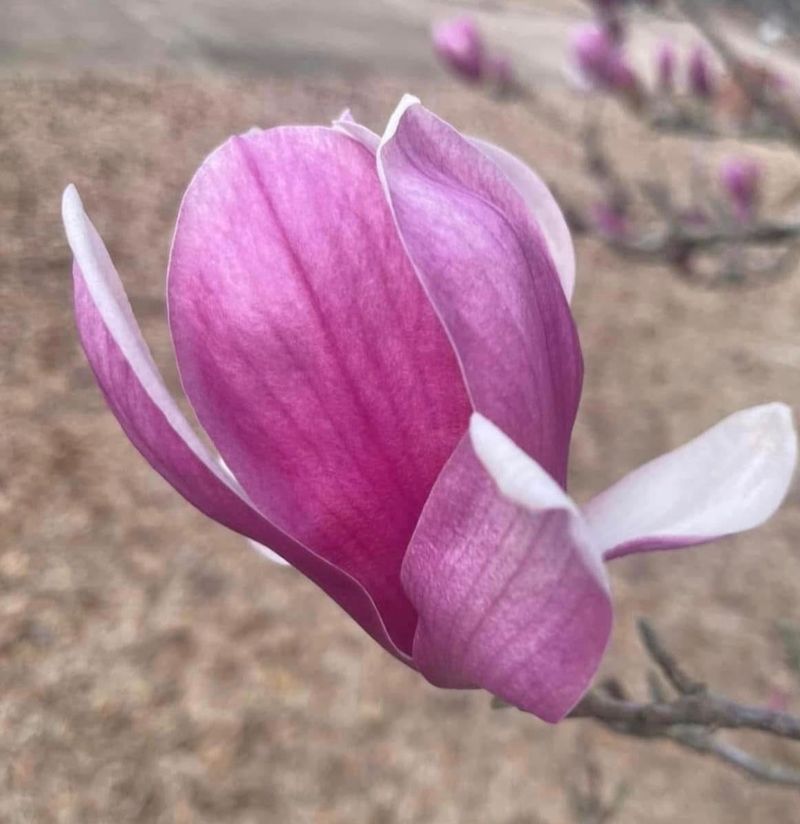
The flowers open in shades of deep reddish-purple on the outside and pale pink on the inside, creating a two-tone display that stops neighbors in their tracks.
What makes this tree even more dramatic is that the blooms appear before a single leaf shows up. The bare branches suddenly erupt in color, giving the whole plant a bold, almost theatrical look.
Across North Carolina, from Raleigh to Charlotte and beyond, Jane Magnolia has become a go-to tree for front yards and garden beds because of this early, eye-catching show.
Homeowners who plant it near a walkway or driveway get the full effect every time they come home. The blooms typically last for a couple of weeks, depending on temperatures, and the flowers carry a light, pleasant fragrance.
For a state that loves its flowering trees, Jane Magnolia fits right in. It pairs beautifully with early spring bulbs like daffodils and creates a layered color display that feels fresh, cheerful, and completely worth the wait after a long winter.
2. Jane Magnolia Handles North Carolina Winters Well
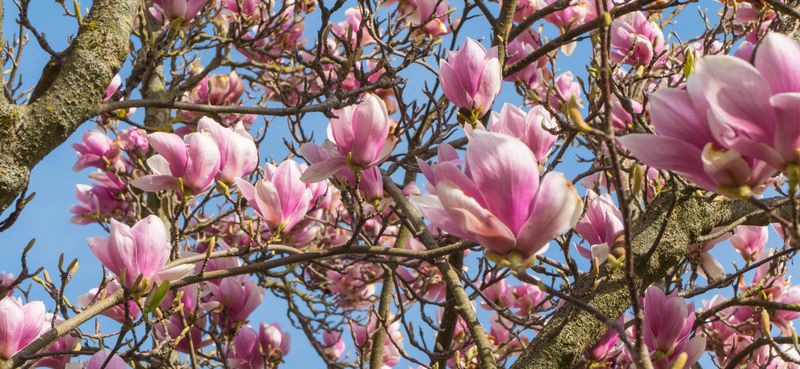
Not every flowering tree can handle the unpredictable winters that roll through North Carolina, but Jane Magnolia has earned a solid reputation for toughness.
It thrives in USDA Hardiness Zones 4 through 8, which covers the entire state from the mountains to the coastal plain.
That kind of range is impressive and means gardeners in Asheville, Greensboro, and Wilmington can all count on it.
One of the biggest reasons Jane Magnolia performs so well here is that its flower buds are more cold-tolerant than those of many other magnolia varieties.
Some magnolias push out buds early and then lose them to a late cold snap, leaving you with nothing but bare branches and disappointment. Jane Magnolia was bred to be more resistant to that exact problem.
The National Arboretum actually developed the Jane hybrid specifically to improve cold hardiness in ornamental magnolias, and the results speak for themselves.
Across North Carolina, gardeners have watched this tree come back strong year after year, even after winter temperatures dipped lower than expected.
The flower buds hold tight and wait for the right moment. That kind of reliability is what makes Jane Magnolia such a smart long-term investment for any yard in the state, whether you are gardening in the foothills or right along the coast.
3. Late Blooming Helps Avoid Spring Frost Damage
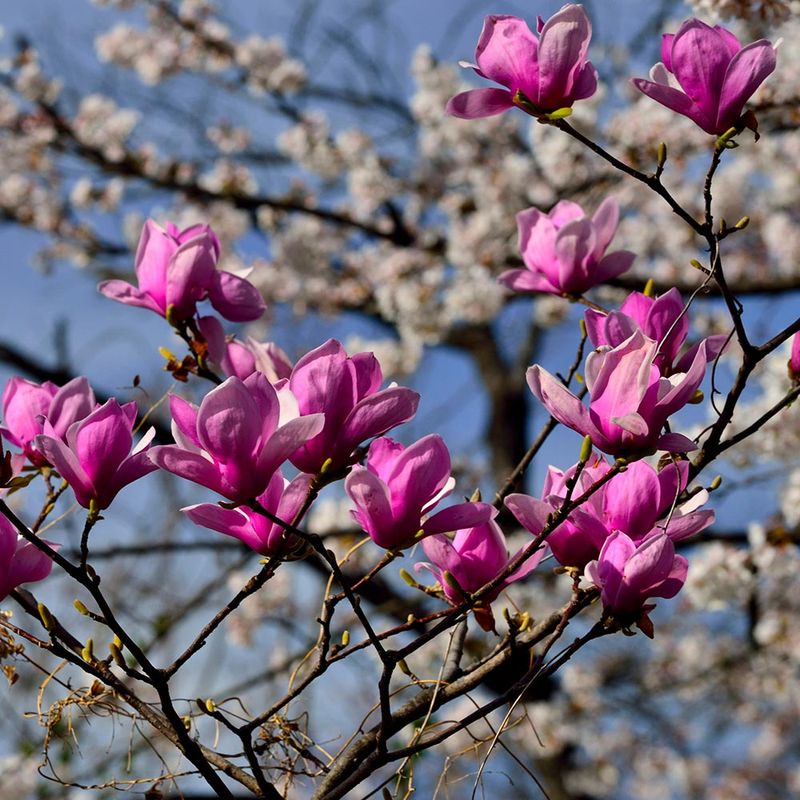
Timing is everything in the garden, and Jane Magnolia has it figured out. One of its most practical advantages is that it blooms slightly later than the popular saucer magnolia, usually waiting until mid-April rather than pushing flowers out in late February or early March.
That delay might seem small, but it makes a real difference when late frosts are still possible across North Carolina.
Saucer magnolias are gorgeous, but gardeners across the Piedmont and foothills know the frustration of watching those beautiful flowers turn brown overnight after a surprise frost. Jane Magnolia sidesteps that problem by simply waiting a little longer.
By the time its blooms open, the worst of the cold weather has usually passed, and the flowers get to show off without the threat of frost damage cutting the show short.
For gardeners in areas like Burlington, Hickory, or Sanford, this trait alone makes Jane Magnolia the smarter choice over other early-blooming magnolias.
The coastal plain of North Carolina also benefits from this timing, since late-season cold snaps can still sneak in from the north.
Choosing a tree that naturally works with the local climate rather than against it saves a lot of heartache. Reliable blooms every spring, year after year, are exactly what most gardeners are looking for when they plant an ornamental tree.
4. Compact Size Fits Many North Carolina Yards
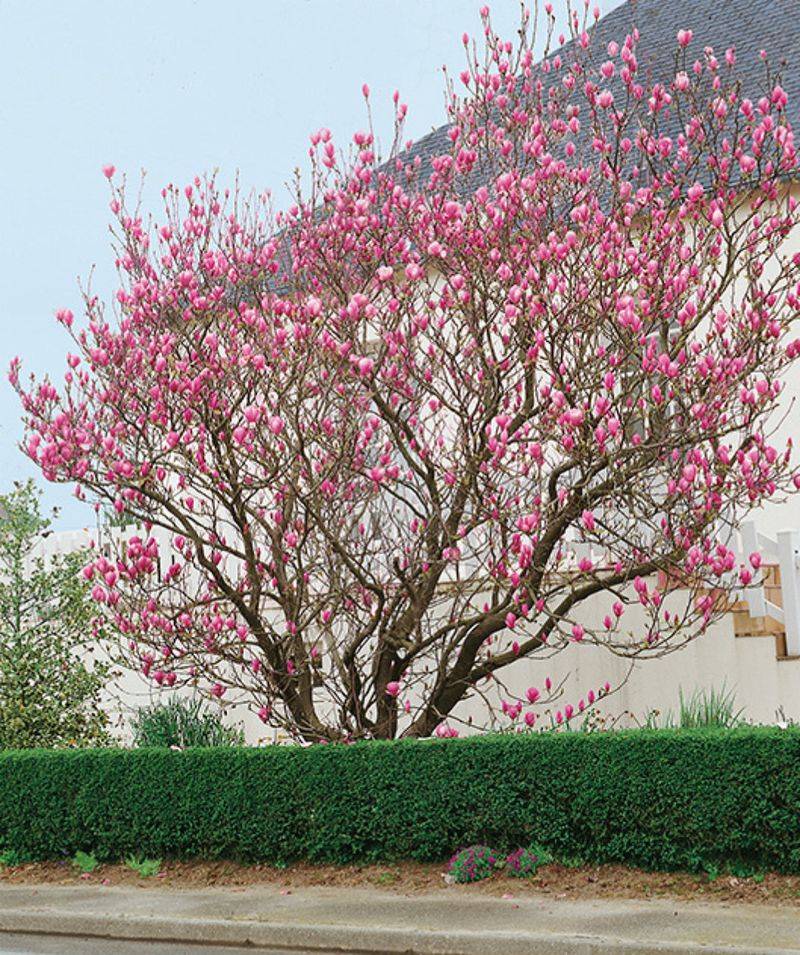
Not everyone has acres of land to work with, and that is perfectly fine when you have Jane Magnolia on your planting list.
This tree grows to about 10 to 15 feet tall and spreads roughly 8 to 12 feet wide at maturity, making it a realistic option for the average suburban yard found all across North Carolina. You do not need a sprawling estate to enjoy it.
Its naturally compact, multi-stem form gives it a lot of flexibility in the landscape. You can grow it as a large, rounded shrub by leaving the lower branches in place, or you can gradually shape it into a small ornamental tree by removing the lower stems over time.
Either way, it fits beautifully in tight spaces where a large shade tree simply would not work.
Neighborhoods throughout the Research Triangle, the Charlotte metro area, and smaller towns across the state have embraced Jane Magnolia as a go-to choice for front yard plantings.
It works well near foundations, along fences, and beside patios without growing so large that it causes problems with roots or overhead lines.
Homeowners who want big seasonal impact without committing to a massive tree will find that Jane Magnolia strikes exactly the right balance. It is bold enough to be a showstopper and small enough to stay manageable for many years with very little effort.
5. Spring Planting Works Well In North Carolina Soil
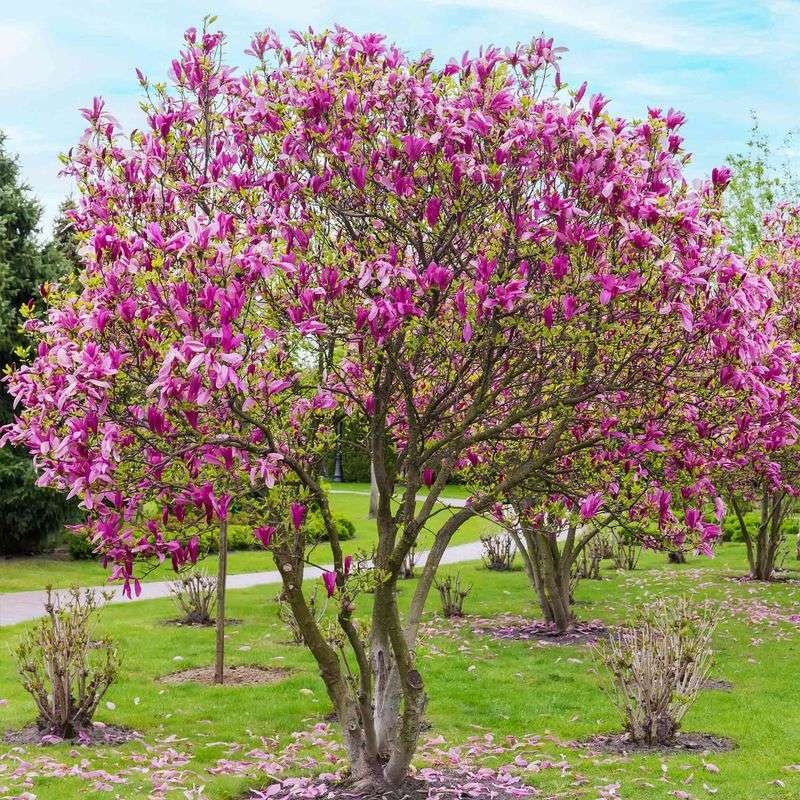
Right now is one of the best windows of the year to get a Jane Magnolia in the ground across North Carolina.
Early spring gives the tree a chance to establish its root system before summer heat arrives, and that head start makes a noticeable difference in how well the tree settles in.
Nurseries across the state are stocked and ready, so finding a healthy specimen is easy.
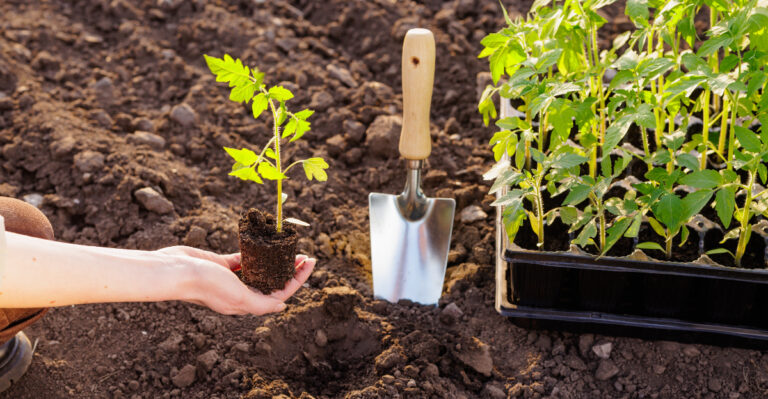
When you dig the planting hole, make it about two to three times as wide as the root ball but no deeper than the root ball itself.
Mixing in some compost with the native soil helps the roots get off to a strong start, especially in areas where the ground is dense or compacted.
After planting, water deeply and thoroughly to settle the soil around the roots and eliminate any air pockets.
Applying two to three inches of mulch around the base of the tree is one of the most helpful things you can do after planting. Mulch keeps soil moisture in, moderates soil temperature, and reduces competition from grass and weeds.
Keep the mulch a few inches away from the trunk to prevent rot. Water the tree once or twice a week during the first growing season, especially if rainfall is low.
North Carolina summers can get hot and dry, so consistent moisture during that first year sets the tree up for long-term success.
6. Full Sun To Light Shade Produces The Best Flowers
Sunlight is one of the most important factors in getting Jane Magnolia to bloom its best, and the good news is that this tree is fairly flexible.
It performs well in full sun, which means at least six hours of direct sunlight per day, and it also tolerates partial shade without losing too much of its flowering power.
That flexibility makes it easy to fit into many different yard layouts across North Carolina. Full sun tends to produce the most abundant blooms, so if you have a spot that gets strong morning and midday light, that is your best bet.
However, in the hotter parts of the state, like the lower Piedmont and the coastal plain, a little afternoon shade can actually protect the flowers from scorching during the warmest weeks of spring.
Finding that balance is easier than it sounds, and most yards have at least one good candidate spot.
Avoid planting Jane Magnolia in deep shade, where the lack of light will reduce flowering significantly and cause the tree to grow unevenly toward whatever light it can find.
A spot near the corner of a house, beside an open fence, or at the edge of a patio where light is strong for most of the day works beautifully.
North Carolina has plenty of sunshine to go around, and Jane Magnolia knows exactly how to make the most of it every single spring.
7. The Flowers Provide Early Nectar For Pollinators
Spring in North Carolina is not just beautiful for people. Native bees and other early pollinators are waking up and searching for food, and Jane Magnolia gives them exactly what they need.
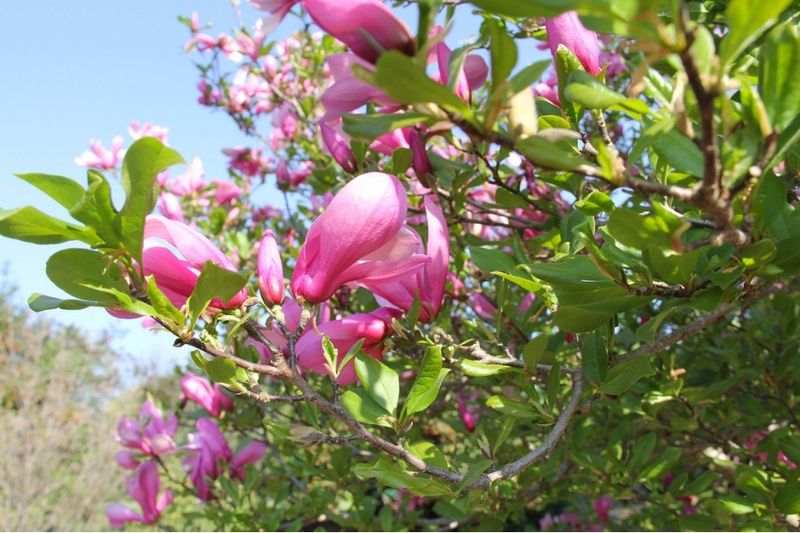
The large, open cup-shaped flowers are easy for bees to access, and they provide both nectar and pollen at a time when very few other plants are blooming. That early availability makes this tree genuinely valuable in the garden ecosystem.
Most gardeners think of magnolias as purely ornamental, but their ecological role is worth recognizing. Magnolias are considered ancient flowering plants, and their flowers evolved before bees even existed, originally attracting beetles for pollination.
Today, native bees are among the most common visitors to Jane Magnolia blooms in North Carolina yards, buzzing from flower to flower on warm spring mornings.
Planting Jane Magnolia alongside other early bloomers like native redbuds, serviceberries, or witch hazel creates a spring buffet for pollinators that supports the local food web from the ground up.
If you want a yard that is both gorgeous and genuinely helpful to the environment, this tree checks both boxes without any extra effort on your part.
Across North Carolina, gardeners who pay attention to pollinators have noticed that flowering trees like Jane Magnolia attract noticeably more bee activity than many smaller perennials, making them a high-impact choice for any wildlife-friendly landscape.
8. Minimal Pruning Keeps The Natural Shape
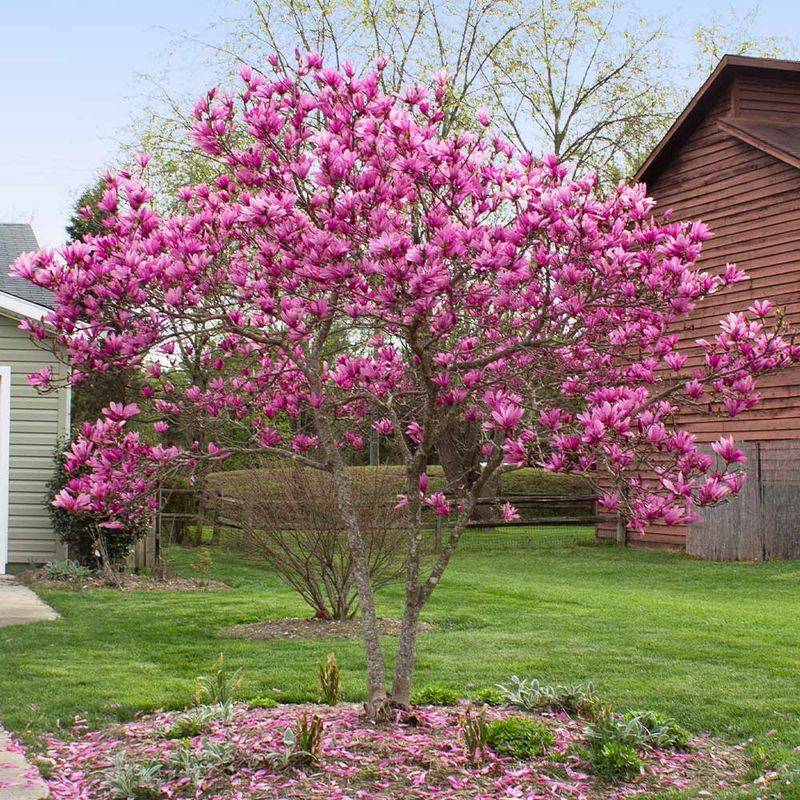
One of the most refreshing things about growing Jane Magnolia is how little work it asks of you once it is established. Unlike some ornamental trees that require constant shaping to look their best, Jane Magnolia develops a naturally attractive, rounded form on its own.
For most gardeners in North Carolina, the main job is simply stepping back and letting it do its thing each spring.
If you do want to prune, timing matters more than technique. The best window is immediately after the flowers fade in spring, before the tree starts forming next year’s flower buds.
Jane Magnolia sets those buds during summer, so pruning in late summer or fall means cutting off the blooms before they ever get a chance to open. That is a mistake that is easy to avoid once you understand how the tree operates.
Light pruning right after flowering can help remove any crossing branches, open up the center for better airflow, or simply tidy up the overall shape. Heavy pruning is rarely necessary and can stress the tree if done aggressively.
Removing any damaged or weak branches as you spot them throughout the season is perfectly fine.
North Carolina gardeners who treat Jane Magnolia with a light hand at pruning time consistently end up with healthier, fuller trees that bloom more reliably season after season. Less really is more with this particular tree.
9. Jane Magnolia Tolerates Many North Carolina Soil Types
North Carolina has a wide range of soil types depending on where you are in the state, and Jane Magnolia handles that variety surprisingly well.
Gardeners in the Piedmont deal with heavy clay soils that drain slowly and compact easily, while those near the coast often work with sandier ground.
Jane Magnolia adapts to both ends of that spectrum, as long as the planting site does not stay waterlogged for long periods.
Good drainage is the one thing this tree truly needs. Standing water around the roots for extended periods can cause problems, so if your yard has a naturally wet low spot, that is not the right location for Jane Magnolia.
Raised beds or slightly elevated planting areas work well in spots where drainage is questionable.
For gardeners planting in the heavy clay soils common throughout the Piedmont, mixing compost into the planting hole before putting the tree in the ground makes a meaningful difference.
Compost improves drainage in clay, adds organic matter that roots love, and helps the tree establish faster.
You do not need to amend a huge area, just the planting zone itself. Once Jane Magnolia gets its roots into the surrounding native soil, it becomes quite self-sufficient.
Across North Carolina, this tree has proven it can thrive in conditions that would challenge other ornamentals, making it a reliable and low-maintenance addition to almost any yard in the state.
10. It Works Beautifully As A Focal Tree In Spring
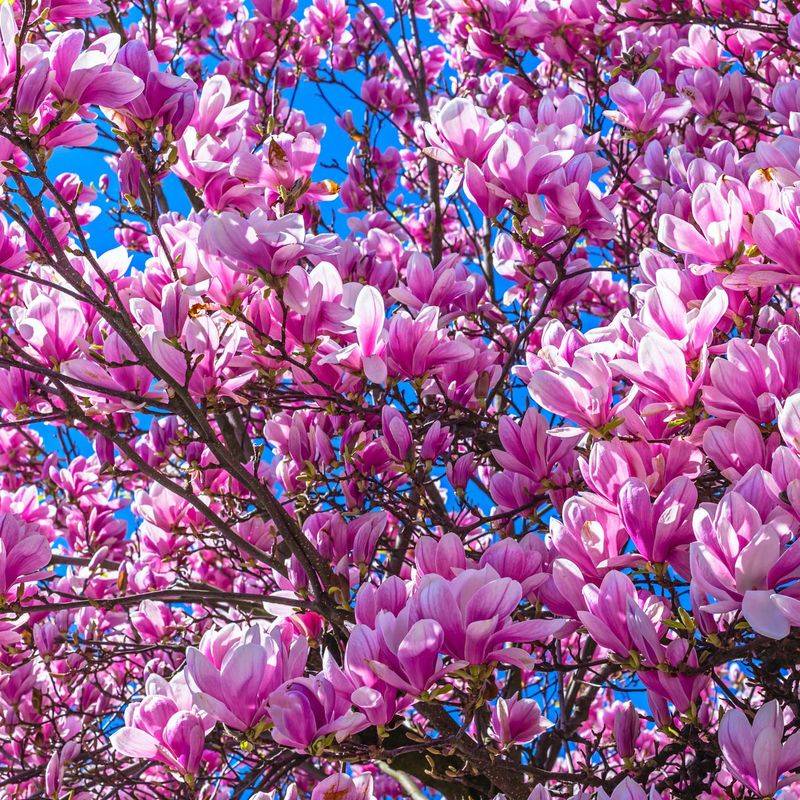
Some trees blend into the background, and then there is Jane Magnolia, which absolutely refuses to go unnoticed in spring.
When it blooms, the entire tree is covered in large, richly colored flowers before a single leaf appears, and that bare-branch-plus-blooms combination creates one of the most dramatic focal points any North Carolina garden can offer.
Placed near a front door, driveway, or patio, it becomes the undeniable star of the yard. Landscape designers across the state frequently recommend Jane Magnolia as a specimen planting precisely because of this early-season impact.
Most plants are just waking up in March and April, and Jane Magnolia steps in to fill that color gap with something truly spectacular.
It gives the entire property a polished, intentional look that takes very little effort to maintain year after year.
Pairing it with spring bulbs planted beneath its canopy, like tulips, daffodils, or grape hyacinths, creates a layered display that makes the whole scene feel even more lush and designed.
The tree’s compact size means it never overwhelms a front yard or patio area, and its flowers create a warm, welcoming atmosphere that makes a great first impression.
For North Carolina homeowners who want their landscape to start the gardening season with a bold statement, planting a Jane Magnolia is one of the most rewarding decisions you can make for your outdoor space.