January Plants That Bring Life Back To South Carolina Gardens
January can make South Carolina gardens feel quiet and paused, but beneath that stillness there are plants ready to bring movement, color, and purpose back into the landscape.
Even during cooler days, certain plants seem to understand this climate well enough to grow, bloom, or quietly strengthen roots while everything else rests.
Gardeners across the state often notice that January reveals which plants truly belong here, showing resilience instead of fading away with the season.
There is something reassuring about stepping outside and seeing signs of life when winter is supposed to be dull and uneventful.
These plants do more than survive, as they soften bare beds, fill empty corners, and restore a sense of rhythm to the garden.
South Carolina’s mild winters allow specific favorites to shine during January, rewarding gardeners who know where to look.
The return of fresh foliage or early blooms can completely change how the season feels, turning waiting time into growing time.
Many of these plants have been trusted for years because they handle cool temperatures without demanding constant care or attention.
Their presence reminds gardeners that winter does not have to mean giving up on color, texture, or progress outdoors.
January becomes far more interesting once these life-bringing plants start quietly reshaping South Carolina gardens again.
1. Winter Jasmine

Bright yellow blooms appear on arching stems long before spring arrives, making this plant a cheerful sight during gray winter days in gardens.
South Carolina gardeners appreciate how winter jasmine tolerates various soil types and thrives even when temperatures occasionally dip below freezing for short periods.
This vigorous grower spreads quickly along fences, walls, or slopes, creating cascades of golden flowers that brighten any landscape with minimal care required.
Pruning after flowering helps maintain a tidy shape, but this plant forgives neglect and continues blooming reliably year after year without fuss.
Pollinators like early bees visit these flowers eagerly, making your garden an important food source when few other plants offer nectar available.
Winter jasmine works beautifully as ground cover, especially on banks where erosion control matters, and its flexible branches root wherever they touch soil.
Sunlight requirements are flexible, though more light produces heavier flowering, and partial shade still yields decent blooms throughout the coldest weeks of January.
Established plants need little water, making them drought-tolerant once roots settle in, and they resist most pests and diseases common in southern regions.
Pairing winter jasmine with evergreens creates stunning contrast, as the yellow flowers pop against dark green foliage, transforming ordinary corners into eye-catching displays.
2. Hellebores
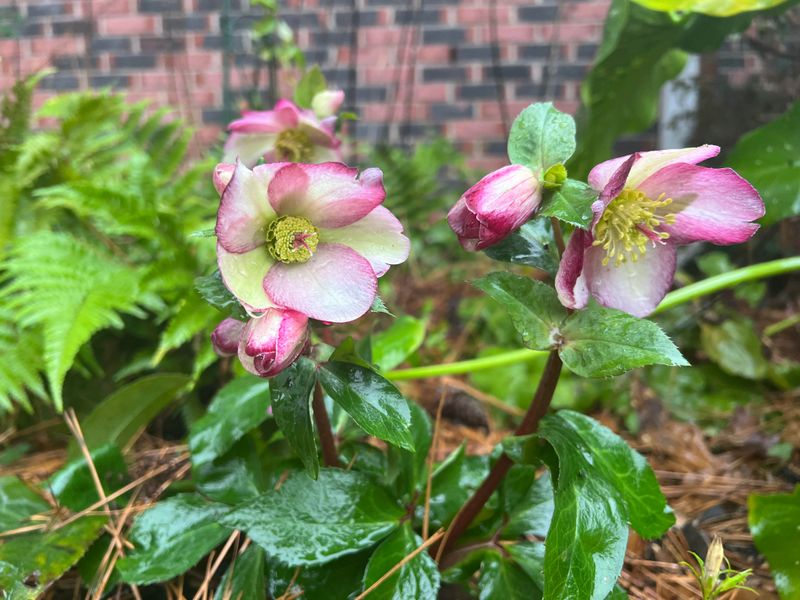
Often called Christmas roses or Lenten roses, hellebores produce elegant blooms in shades ranging from white and pink to deep purple and maroon.
These perennials thrive in South Carolina’s mild winters, preferring shaded or partially shaded spots where they can avoid harsh afternoon sun during warmer months.
Leathery evergreen foliage remains attractive throughout the year, providing structure and texture even when flowers fade, making hellebores valuable for year-round garden interest.
Flowering begins in late December and continues through February, offering a long display that few other plants can match during the coldest season.
Deer and rabbits typically avoid hellebores because of their toxic properties, which makes them ideal for gardens where wildlife browsing poses a persistent problem.
Once established, these plants require minimal maintenance and tolerate dry shade better than most flowering perennials, thriving under mature trees where others struggle.
Dividing clumps every few years encourages vigorous growth, though hellebores resent disturbance, so it’s best to leave them undisturbed once they settle in.
Pairing hellebores with ferns and hostas creates layered woodland gardens that feel natural and inviting, with blooms appearing when little else shows color.
South Carolina gardeners find hellebores particularly rewarding because they self-sow modestly, gradually expanding colonies without becoming invasive or overwhelming nearby plantings in shaded beds.
3. Camellia
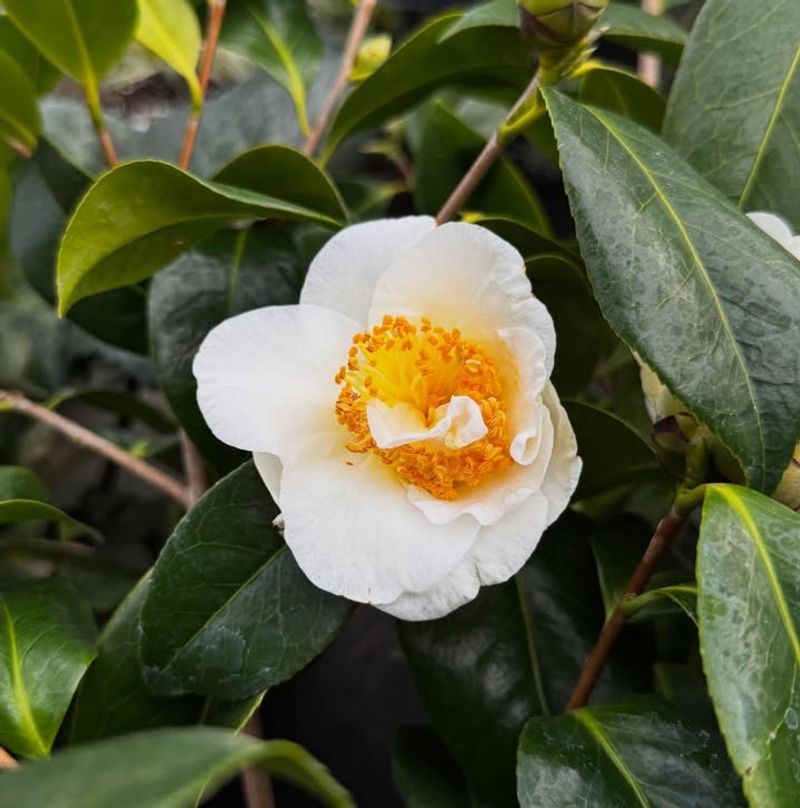
Blooming spectacularly through the winter months, these southern classics produce large, rose-like flowers in shades of red, pink, white, and striking variegated combinations.
South Carolina’s climate suits camellias perfectly, as they prefer acidic soil and moderate temperatures, avoiding the extreme cold that damages buds in northern regions.
Glossy evergreen leaves provide year-round beauty, while winter blooms offer a stunning contrast against the dark foliage, creating focal points in any landscape design.
Hundreds of varieties exist, ranging from compact shrubs to towering specimens, allowing gardeners to choose sizes that fit specific spaces and design needs perfectly.
Morning sun with afternoon shade works best, protecting delicate blooms from scorching while providing enough light for healthy growth and abundant flower production each season.
Mulching around the base helps retain moisture and keeps roots cool, which is especially important during dry spells that occasionally occur even in winter months.
Camellia flowers attract early pollinators and provide visual interest when most other plants remain dormant, making them indispensable for winter gardens throughout the state.
Pruning should occur after flowering finishes, as next year’s buds form quickly, and cutting too late removes potential blooms that would appear the following winter.
Pairing camellias with azaleas and rhododendrons creates stunning acid-loving plant combinations that thrive together, offering sequential blooms from winter through spring in South Carolina landscapes.
4. Pansies
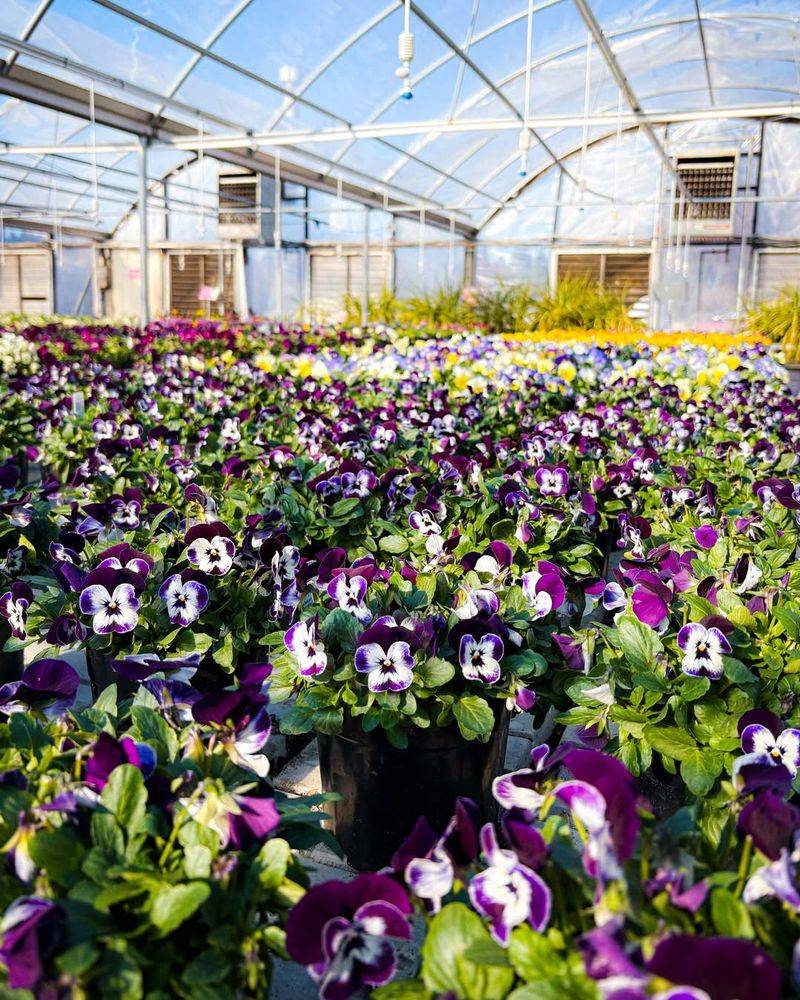
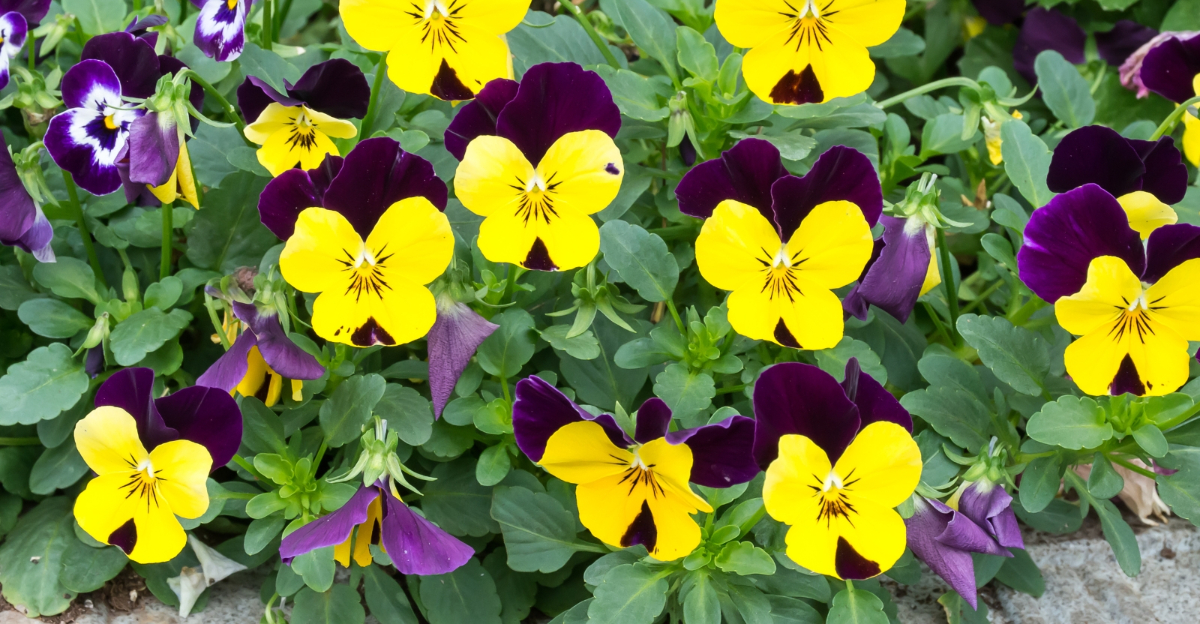
Cheerful, face-like blooms brighten garden beds and containers all winter long, thriving in South Carolina’s cool January temperatures while offering vibrant color choices.
These hardy annuals tolerate light frosts without damage, continuing to bloom even after cold snaps that would wilt more tender plants completely overnight.
Available in nearly every color imaginable, pansies allow gardeners to create custom color schemes, from subtle pastels to bold, contrasting combinations that catch attention.
Planting pansies in fall gives them time to establish strong roots before winter, resulting in more vigorous growth and heavier flowering throughout January.
Regular deadheading encourages continuous blooming, though modern varieties often shed spent flowers naturally, reducing maintenance while keeping beds looking tidy and fresh always.
Pansies prefer full sun but tolerate partial shade, making them versatile for various garden locations, from sunny borders to containers on partially shaded porches.
Combining pansies with ornamental kale and dusty miller creates textured winter displays that remain attractive even during occasional warm spells that interrupt typical cold patterns.
South Carolina gardeners appreciate how pansies provide reliable color when perennial beds look bare, filling gaps with cheerful blooms that last until spring annuals arrive.
Fertilizing monthly with balanced liquid fertilizer keeps pansies blooming vigorously, and well-drained soil prevents root rot that sometimes occurs during extended rainy periods common here.
5. Ornamental Kale
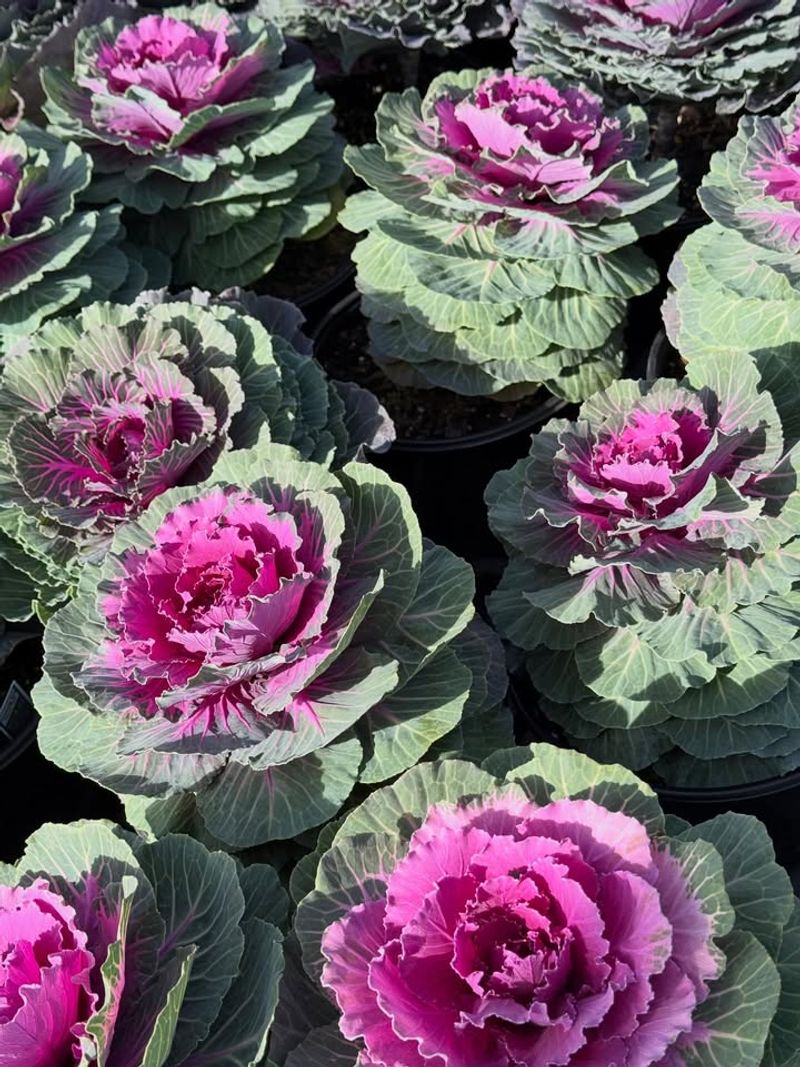
Bold rosettes of ruffled leaves in shades of purple, pink, white, and green bring striking texture and color to winter gardens without relying on traditional flowers.
Cold temperatures actually enhance the colors, causing leaves to develop deeper, more vibrant hues as January progresses, making them increasingly beautiful throughout winter months.
South Carolina gardens benefit from ornamental kale’s tolerance of both cold and occasional warm spells, as these plants adapt easily to fluctuating winter temperatures here.
Planting ornamental kale in groups creates dramatic impact, especially when combined with contrasting foliage plants or colorful pansies that complement their unique leaf patterns.
These plants prefer full sun but tolerate light shade, and they require well-drained soil to prevent rot during rainy periods that sometimes occur in winter.
Ornamental kale works beautifully in containers, allowing gardeners to create portable displays for porches, patios, or entryways where visual interest matters most during cold months.
Unlike many annuals, ornamental kale maintains its appearance for months without deadheading, making it a low-maintenance choice for busy gardeners seeking reliable winter color.
Pairing ornamental kale with evergreen shrubs creates layered designs that feel polished and intentional, with the colorful foliage drawing eyes toward carefully planned focal points.
South Carolina gardeners find ornamental kale particularly valuable because it bridges the gap between fall and spring, offering continuous interest when flower options feel limited.
6. Snapdragons
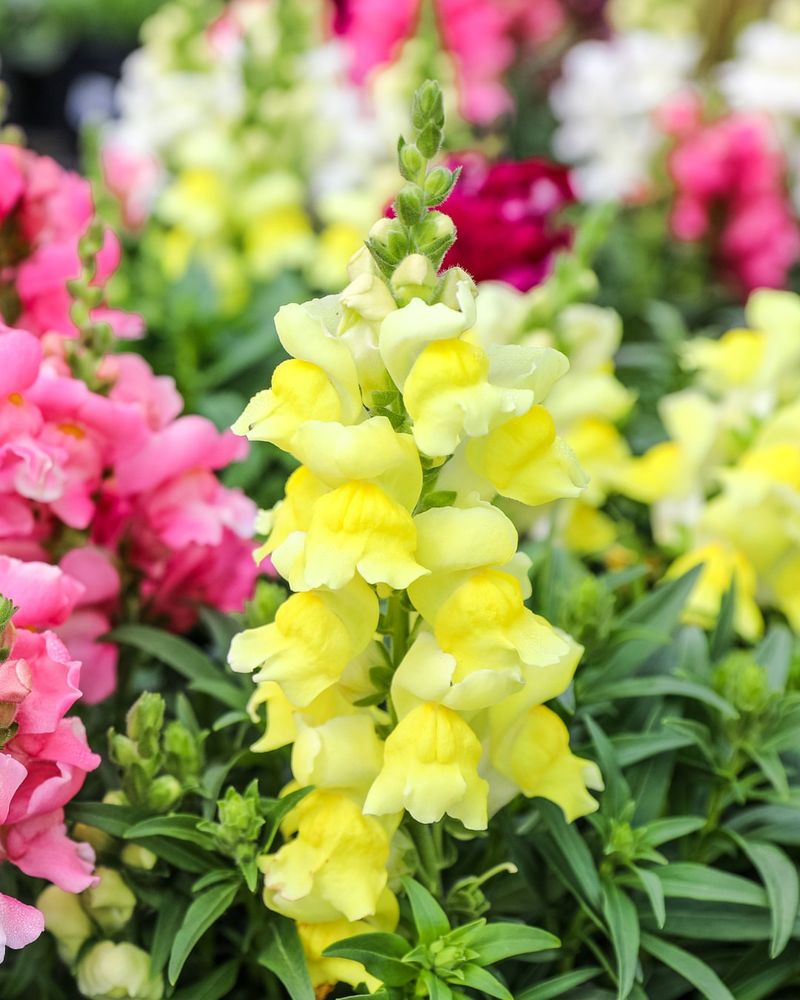
Tall spikes covered with colorful blooms resemble tiny dragon faces, opening and closing when gently squeezed and delighting both children and adults alike.
South Carolina’s mild January temperatures allow snapdragons to thrive, as these cool-season annuals prefer temperatures between forty and seventy degrees for optimal flowering performance.
Available in heights ranging from dwarf varieties perfect for edging to tall types ideal for cutting gardens, snapdragons offer flexibility for various landscape designs.
Colors span the spectrum, including reds, pinks, yellows, whites, and bi-colors, allowing gardeners to coordinate with existing color schemes or create bold new combinations.
Pinching back young plants encourages bushier growth and more flower spikes, resulting in fuller displays that last longer and provide more visual impact in beds.
Snapdragons prefer full sun and well-drained soil, though they tolerate partial shade, especially during warmer winter days when afternoon sun feels particularly intense here.
These flowers attract bees and other pollinators, making gardens more ecologically valuable while providing beauty, and they work wonderfully as cut flowers for indoor arrangements.
Planting snapdragons in succession every few weeks extends the blooming season, ensuring continuous color from fall through spring when temperatures remain within their preferred range.
South Carolina gardeners appreciate how snapdragons fill vertical space in borders, adding height and structure that contrasts beautifully with lower-growing pansies and ornamental kale nearby.
7. Sweet Alyssum
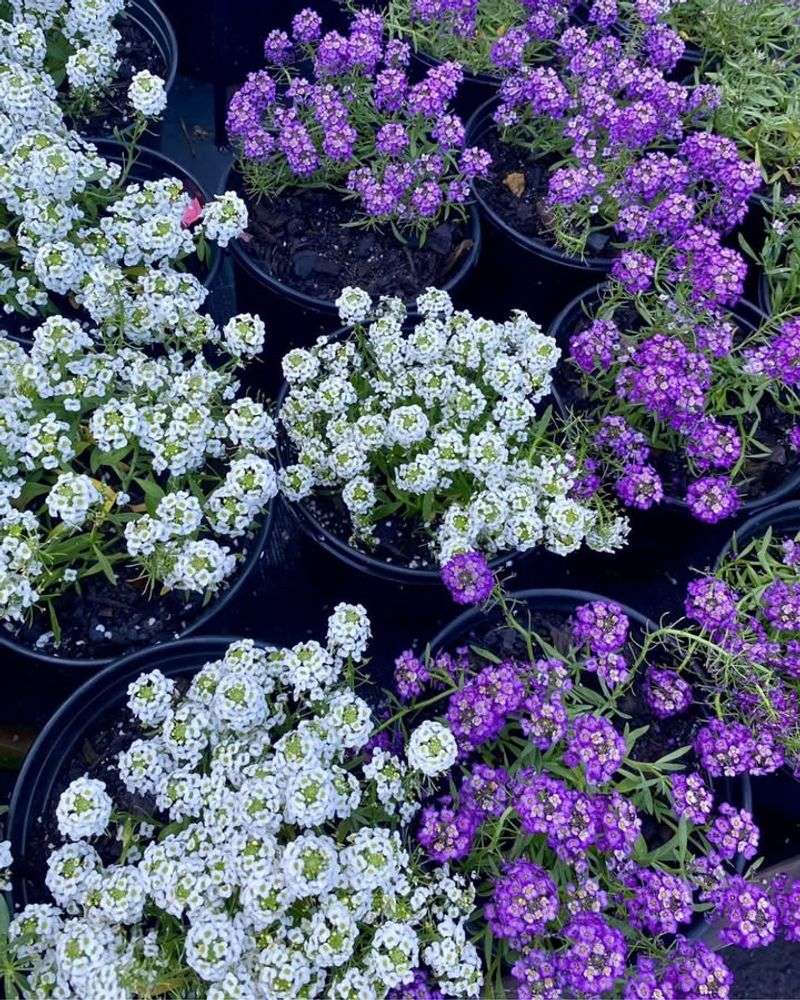
Low mounds of tiny flowers release a gentle, honey-like fragrance that becomes especially noticeable during warm afternoons when sunlight intensifies the scent.
Cool-weather performance makes sweet alyssum a favorite among South Carolina gardeners, as it blooms prolifically throughout January and tolerates light frosts without showing any damage whatsoever.
White is the most common color, but varieties also come in shades of purple, pink, and lavender, offering options for various garden color schemes.
This plant works exceptionally well as edging along pathways or borders, creating soft, flowing lines that soften hard landscape features like stone or brick.
Sweet alyssum self-sows readily, returning year after year in favorable conditions, though it never becomes invasive or difficult to control in well-maintained garden beds.
Combining sweet alyssum with taller plants like snapdragons or pansies creates layered designs with varied heights, textures, and colors that feel professional and thoughtfully planned.
These flowers attract beneficial insects, including hoverflies and parasitic wasps, which help control aphids and other garden pests naturally without chemical interventions needed.
Sweet alyssum tolerates poor soil better than many annuals, making it ideal for challenging spots where other plants struggle, though it performs best with regular watering.
South Carolina gardeners appreciate how sweet alyssum fills gaps quickly, providing fast coverage that prevents weeds while adding beauty and fragrance to winter landscapes effortlessly.
8. Flowering Cabbage
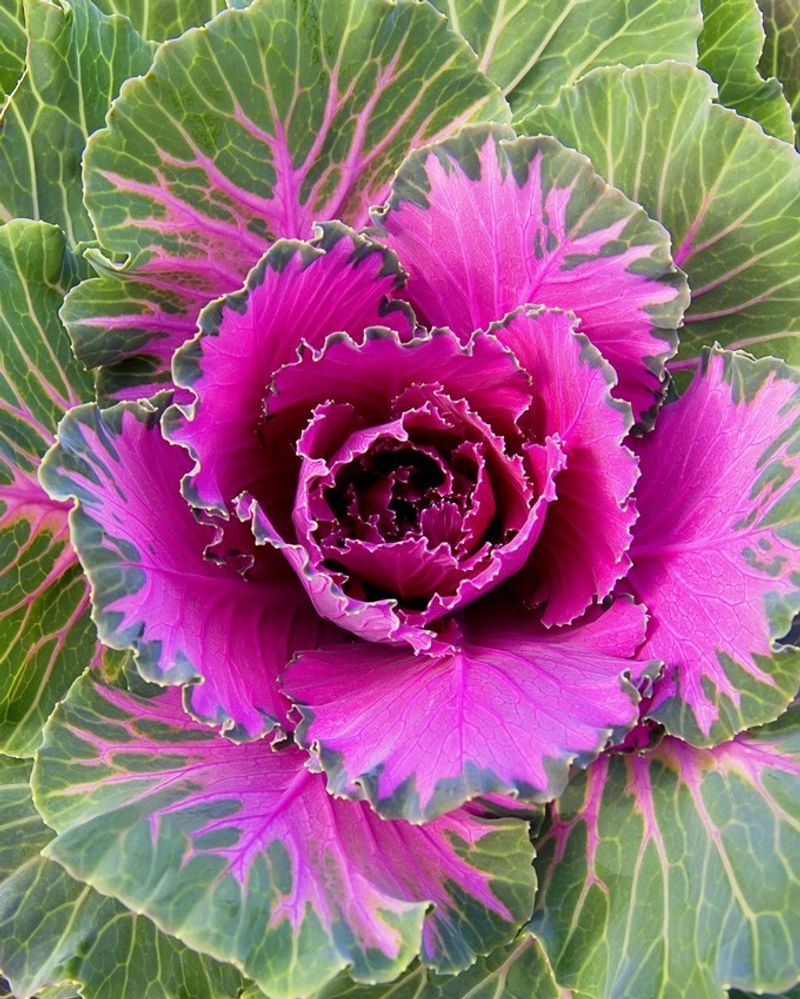
Smooth, tightly layered rosettes resemble giant roses blooming in winter garden beds, offering a softer, more refined look than their ornamental kale relatives.
South Carolina’s January temperatures bring out the best colors in flowering cabbage, as cold weather intensifies the purples, pinks, and whites at the center.
These plants tolerate both cold snaps and occasional warm spells, making them reliable choices for unpredictable southern winters that fluctuate between mild and chilly temperatures.
Flowering cabbage works beautifully in formal designs, where its symmetrical form adds structure and elegance, or in casual cottage gardens where it provides unexpected whimsy.
Planting flowering cabbage in containers creates portable displays that can be moved to prominent locations for special occasions or rearranged as garden designs evolve.
These plants prefer full sun and well-drained soil, though they tolerate partial shade, and they require consistent moisture to maintain their lush, colorful foliage throughout winter.
Flowering cabbage pairs wonderfully with evergreen shrubs, ornamental grasses, and other cool-season annuals, creating compositions that feel balanced and visually interesting from multiple angles.
Unlike traditional flowers, flowering cabbage provides color through foliage rather than blooms, offering a different aesthetic that adds variety and uniqueness to winter garden displays.
South Carolina gardeners find flowering cabbage particularly valuable for filling large spaces quickly, as mature plants can reach impressive sizes that create immediate impact in beds.
9. Dianthus
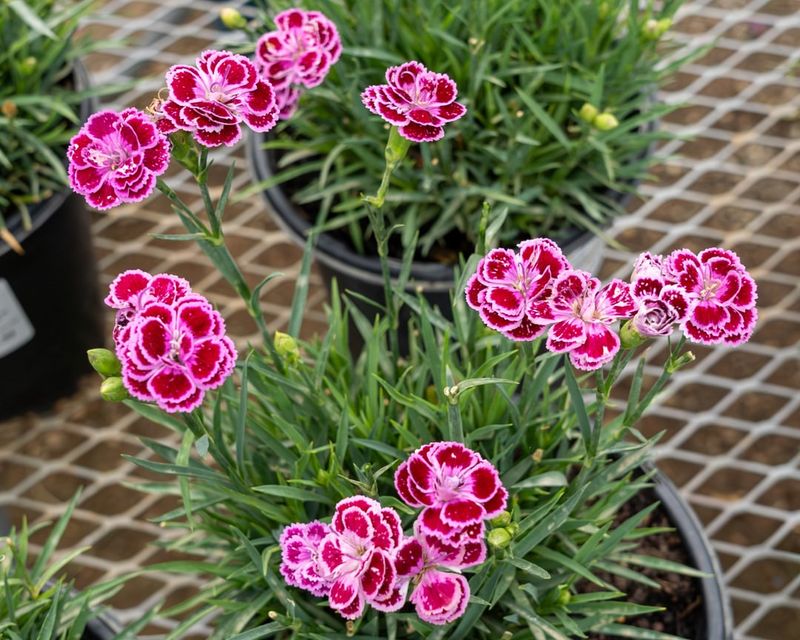
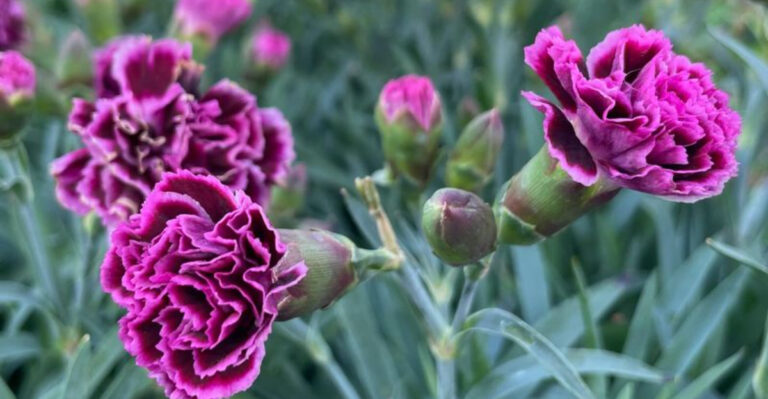
Cheerful blooms with delicately fringed petals and a spicy, clove-like fragrance add unexpected sensory interest to winter gardens everywhere.
Cool January weather in South Carolina creates ideal conditions for steady growth and heavy blooming, as these plants perform best in temperatures between forty and sixty degrees.
Colors range from pure white to deep red, with many varieties featuring bi-color patterns or contrasting edges that create eye-catching displays in borders and containers.
Dianthus prefers full sun and well-drained soil, making it ideal for raised beds or sloped areas where drainage naturally occurs without additional amendments needed.
These plants attract butterflies and other pollinators, providing valuable nectar sources when few other flowers bloom, making gardens more ecologically beneficial during winter months here.
Deadheading spent blooms encourages continuous flowering, though many modern varieties are self-cleaning, shedding old flowers naturally and maintaining tidy appearances without constant maintenance required.
Dianthus works beautifully as edging along pathways or borders, creating neat, colorful lines that define garden spaces and guide visitors through landscape designs with intention.
Combining dianthus with pansies and sweet alyssum creates varied textures and heights, resulting in layered displays that feel professionally designed rather than randomly planted together.
South Carolina gardeners appreciate how dianthus tolerates both cold and occasional warm spells, continuing to bloom reliably regardless of temperature fluctuations common in southern winter weather.