January Wisteria Pruning Tips Kentucky Gardeners Use For Bigger Blooms
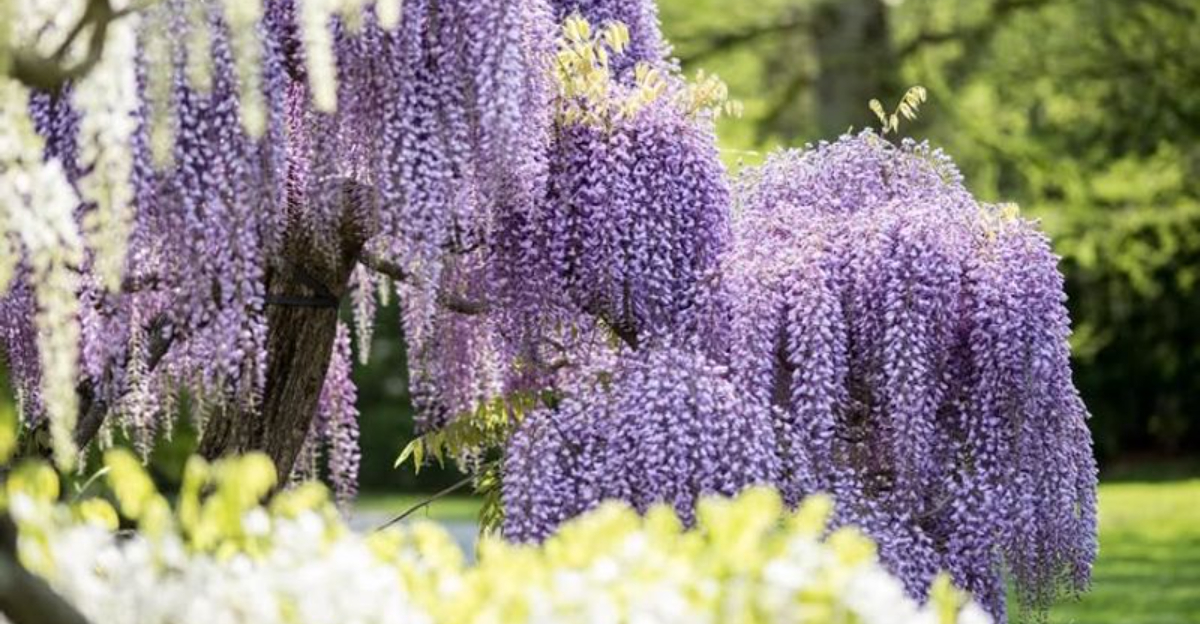
January might feel like a slow month in the garden, but for Kentucky gardeners, it’s the perfect time to prune wisteria. What you do now can shape how big and beautiful your blooms will be later in the year.
Winter pruning sets the stage for stronger flowers. A few smart cuts can change everything.
Wisteria grows fast and wild if left alone, which often leads to lots of leaves but fewer blooms. Pruning in January helps control growth and directs energy into flower production.
Bigger blooms start with better timing. And this timing matters more than most gardeners realize.
Kentucky’s winter conditions make January an ideal window to trim vines without stressing the plant. With the right technique, you can improve air flow, strengthen branches, and encourage healthier growth.
If you want thick clusters of flowers and a cleaner-looking vine, learning these pruning tips is the smartest move you can make this season.
1. Cut Back Summer Growth To Five Or Six Buds
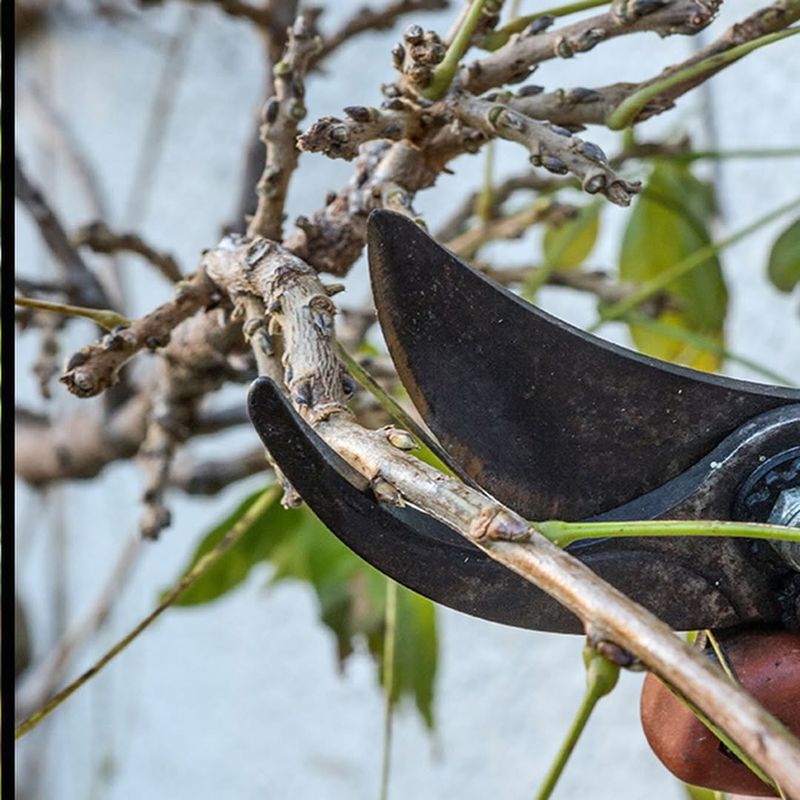
Long whippy shoots that grew wild during the previous summer need serious attention in January if you want more flowers come spring.
Kentucky gardeners know that wisteria puts out vigorous green growth during warm months, and these lengthy stems rarely produce blooms unless you trim them back significantly.
Look for the shoots that extended from the main framework during last year’s growing season, which usually appear lighter in color and more flexible than older wood.
Count five to six buds from where each shoot emerges from the main stem, then make your cut just above that point using sharp, clean pruning shears.
This technique redirects the plant’s energy from producing more leafy growth to developing fat flower buds along the shortened stems. Those remaining buds will swell and eventually burst into gorgeous bloom clusters that make wisteria famous throughout Kentucky gardens.
The key is being ruthless with your cuts because leaving stems too long encourages the vine to keep growing leaves instead of flowers.
January’s cold temperatures in Kentucky make this task more comfortable than summer pruning, and you can easily see the vine’s structure without foliage blocking your view.
Don’t worry about cutting too much because wisteria is incredibly vigorous and will recover quickly once spring arrives.
Many experienced gardeners in Louisville, Lexington, and other Kentucky cities swear by this method for doubling or even tripling their bloom production.
The shortened spurs you create become the foundation for spectacular floral displays that neighbors will admire for weeks each spring.
2. Remove Tangled And Crossing Branches For Better Air Circulation
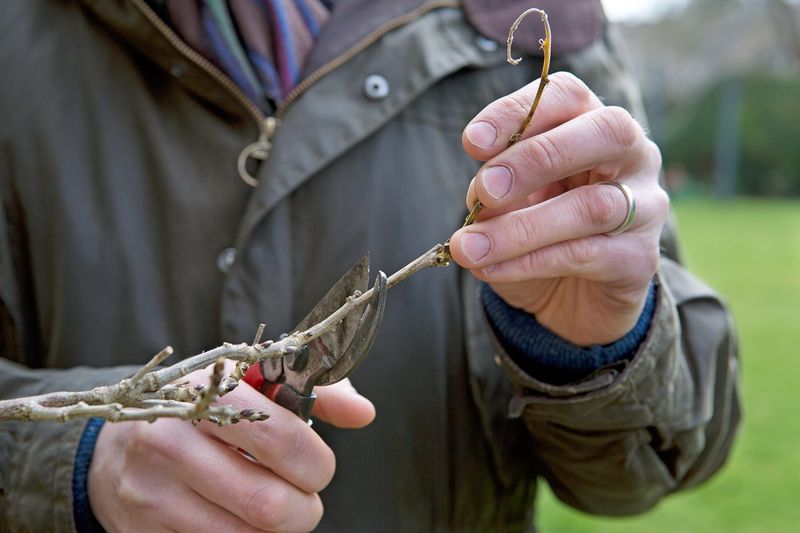
Wisteria vines naturally twist and wind around themselves, creating dense tangles that block sunlight and trap moisture between branches.
Kentucky’s humid climate makes air circulation especially important because poor airflow invites fungal problems and reduces flowering potential throughout the growing season.
Start by stepping back and looking at your vine’s overall structure, identifying areas where branches cross over each other or grow in conflicting directions that create crowded conditions.
Choose which branch to keep based on its position and health, then remove the weaker or poorly placed one completely at its base. This opens up the canopy and allows light to penetrate deeper into the plant, which stimulates more flower bud formation on interior branches.
Better air movement also helps foliage dry faster after Kentucky’s frequent spring rains, reducing the likelihood of disease issues that can weaken the plant.
Gardeners in areas like Bowling Green and Owensboro find this step makes a noticeable difference in bloom quality and plant vigor. The process might seem tedious, but taking time in January to untangle your wisteria pays off with healthier growth and more flowers.
Use loppers for thicker branches and hand pruners for smaller ones, making clean cuts that heal quickly when growth resumes. Remember that a well-spaced framework allows each remaining branch to receive adequate sunlight and produce its full potential of flower clusters in spring.
3. Identify And Preserve Fat Flower Buds During Cutting
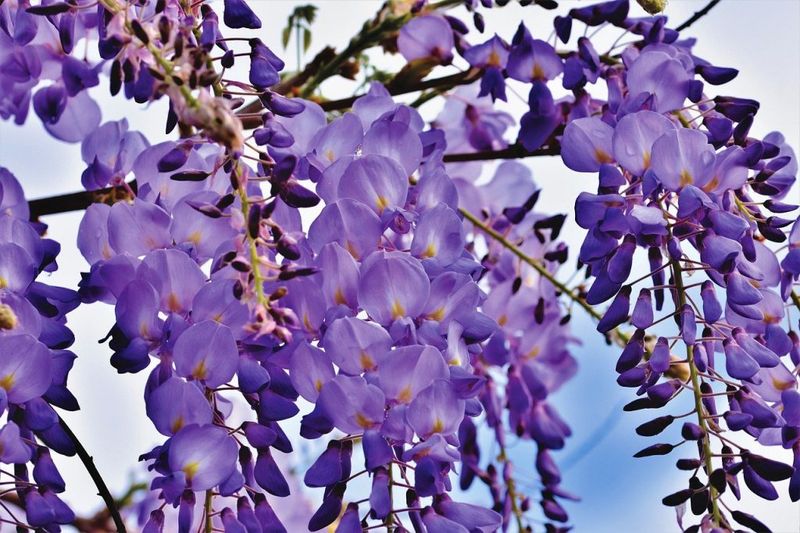
Learning to distinguish between leaf buds and flower buds ranks among the most valuable skills for Kentucky wisteria enthusiasts aiming for spectacular spring displays.
Flower buds appear noticeably plumper and rounder than the smaller, flatter leaf buds that develop along the same stems during winter dormancy.
Take a moment to examine your vine closely in good light, running your fingers along the stems to feel the difference between these two bud types before making any cuts.
Flower buds typically form on shorter spurs that grew during the previous season, and they cluster together more densely than leaf buds. When you prune in January, your goal is to preserve as many of these fat buds as possible while removing excess growth that only produces leaves.
Make your cuts just above a flower bud cluster rather than randomly chopping through the middle of a stem where you might accidentally remove developing blooms.
This careful approach ensures you don’t accidentally sacrifice the very flowers you’re trying to encourage through your pruning efforts.
Gardeners across Kentucky from Paducah to Ashland have learned this lesson through trial and error, and passing along this knowledge helps newcomers avoid disappointment.
The difference becomes more obvious with practice, and after a season or two, you’ll quickly spot flower buds without hesitation.
Protecting these precious buds while removing unnecessary growth strikes the perfect balance for maximum bloom production in your Kentucky garden.
4. Maintain A Strong Main Framework Of Permanent Stems
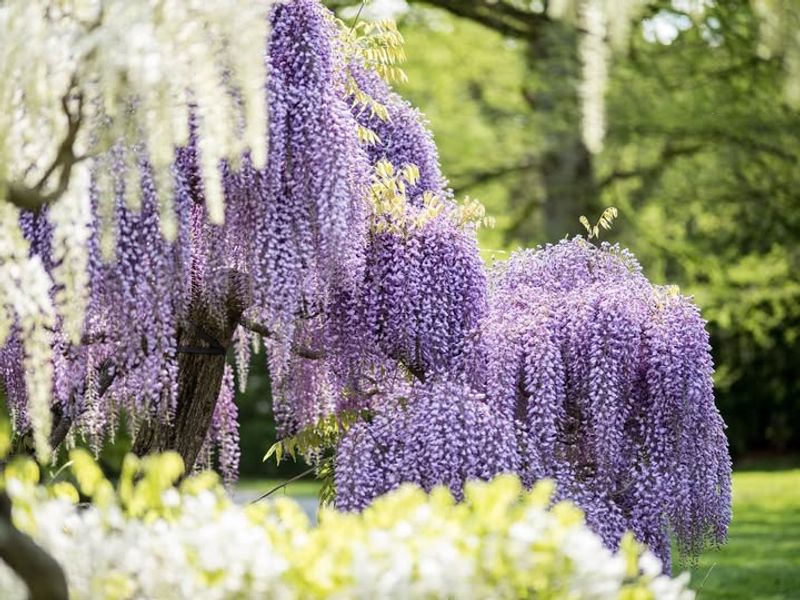
Every successful wisteria needs a solid skeleton of main stems that forms the permanent structure supporting all future growth and flowers. Think of these primary branches as the bones of your plant, providing the framework from which flowering spurs will emerge year after year in your Kentucky garden.
In January, focus on identifying and preserving the strongest, best-positioned stems that create an attractive shape on your support structure, whether that’s a fence, arbor, or pergola.
These framework branches should be evenly spaced and trained in the directions you want the vine to grow, creating a balanced appearance that showcases blooms effectively.
Remove any competing stems that threaten to overtake or crowd out your chosen framework, cutting them back to the base where they emerge.
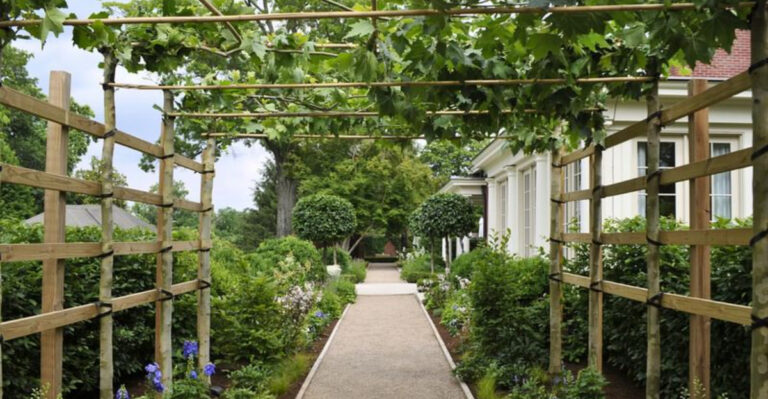
Kentucky gardeners often train their wisteria framework horizontally along the top of a pergola or in a fan shape against a wall, which maximizes flowering potential by encouraging spur development along the entire length.
Once you establish this permanent structure, all your future pruning becomes much simpler because you’ll just be maintaining the spurs and shoots that grow from these main stems.
Young plants need several years to develop a strong framework, but mature vines benefit from occasional renewal of aging framework branches that become less productive.
The investment in creating and maintaining this structure pays dividends in spectacular bloom displays that make wisteria one of Kentucky’s most beloved flowering vines.
5. Prune On A Dry Day To Prevent Disease Spread
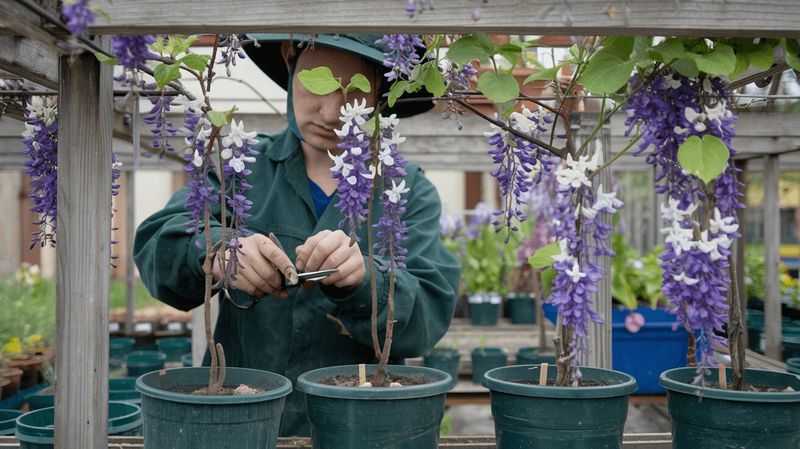
Timing your January pruning session for dry weather might seem like a minor detail, but it significantly impacts your wisteria’s health in Kentucky’s variable climate.
Wet conditions create the perfect environment for disease organisms to spread from plant to plant on your pruning tools, and moisture on cut surfaces invites infection before wounds can seal properly.
Check the weather forecast and choose a day when rain hasn’t fallen recently and none is expected for at least twenty-four hours after you finish pruning.
Dry weather allows cut surfaces to begin healing immediately, forming protective barriers against pathogens that might otherwise invade the fresh wounds.
This precaution becomes especially important in Kentucky where winter weather can shift quickly from dry to wet, creating conditions that favor fungal and bacterial problems.
Clean your pruning tools with rubbing alcohol or a bleach solution between cuts on different plants to avoid accidentally transferring diseases through your garden.
Gardeners in Frankfort, Richmond, and other Kentucky communities have learned that this simple timing adjustment reduces plant health issues throughout the growing season.
The practice also makes your work more pleasant since you won’t be standing in mud or dealing with wet branches that are harder to cut cleanly.
Sharp, clean tools combined with dry conditions create the ideal scenario for successful pruning that promotes plant health rather than compromising it. Your wisteria will reward this attention to detail with vigorous growth and abundant flowers when spring arrives in Kentucky.
6. Shorten Root Suckers And Unwanted Basal Shoots Immediately
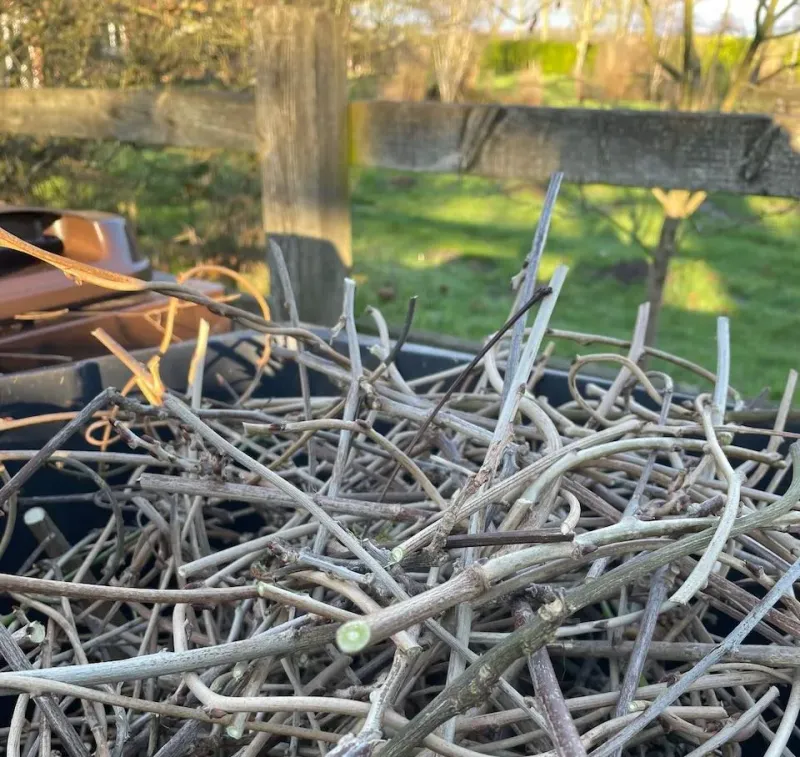
Wisteria’s aggressive nature shows itself through numerous shoots that emerge from the base of the plant or even from roots spreading underground in Kentucky gardens.
These vigorous growths steal energy from the main vine and rarely produce flowers, making them pure deadweight that reduces overall bloom production if left unchecked.
January offers the perfect opportunity to spot and remove these unwanted shoots while the plant is dormant and before they’ve invested significant resources into growing.
Look around the base of your wisteria and in the surrounding soil for new shoots that emerge separately from the main framework you’re trying to maintain.
Cut these completely at ground level or, better yet, dig down slightly to remove them at their point of origin from the root system.
Some Kentucky gardeners find their wisteria sends up shoots several feet away from the main plant, especially if the roots encountered broken areas or disturbance that triggered new growth.
Removing these suckers forces the plant to concentrate its energy on the established framework where you want flowers to develop.
If you have a grafted wisteria, any shoots emerging below the graft union need immediate removal because they represent the rootstock variety, which may not bloom as attractively or at all.
Regular attention to this task throughout the year helps, but January’s dormant season makes it easier to see what needs removal in gardens across Kentucky from Henderson to Somerset.
7. Apply Balanced Fertilizer After Pruning To Support Bloom Development
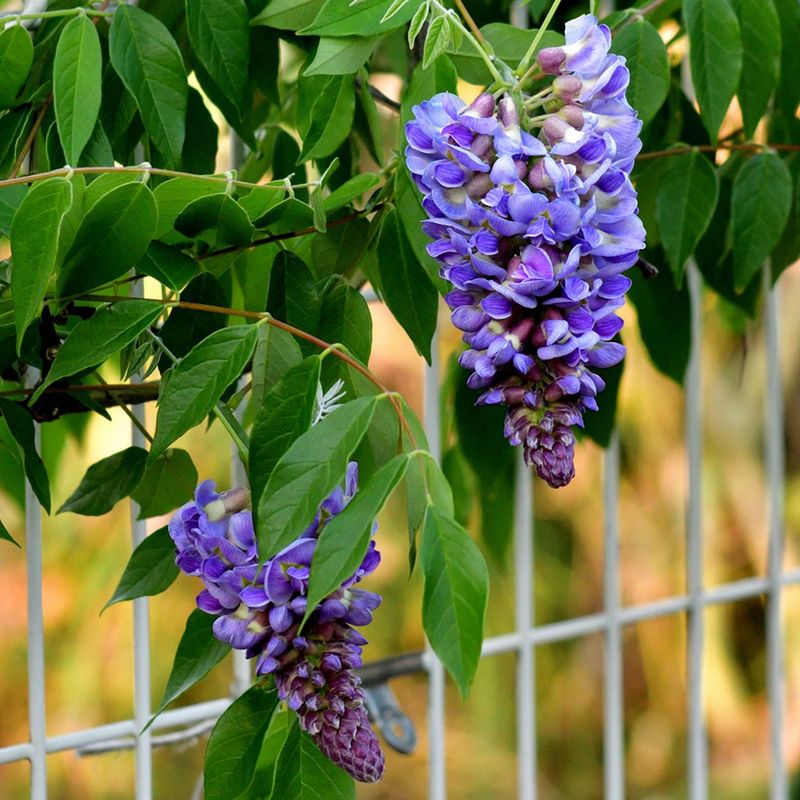
Proper nutrition following your January pruning session gives your wisteria the resources it needs to transform all those carefully preserved flower buds into stunning spring blooms.
Kentucky soils vary considerably across the state, but most benefit from a balanced fertilizer application that provides essential nutrients without promoting excessive leafy growth at the expense of flowers.
Choose a formula with equal or similar numbers for nitrogen, phosphorus, and potassium, such as 10-10-10, which supports overall plant health without overstimulating vegetative growth.
Apply the fertilizer according to package directions around the base of your wisteria, spreading it evenly within the root zone but keeping it a few inches away from the main trunk.
Water thoroughly after application if the ground isn’t frozen, which helps move nutrients into the soil where roots can access them as the plant breaks dormancy.
Avoid high-nitrogen fertilizers that encourage lush leaf production because wisteria already grows vigorously enough without that extra push.
The phosphorus in balanced fertilizers particularly supports flower development, helping those fat buds you preserved during pruning reach their full potential.
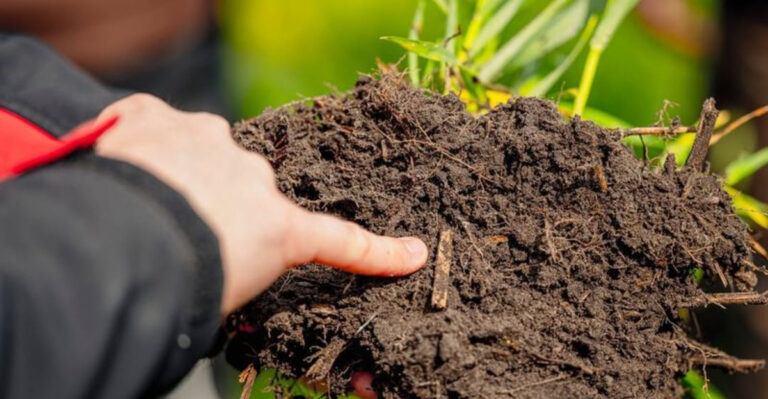
Many experienced Kentucky gardeners also add a layer of compost around their wisteria in late winter, which provides slow-release nutrition and improves soil structure for better root health.
This combination of careful pruning and appropriate fertilization creates ideal conditions for the spectacular bloom displays that make wisteria such a treasured addition to Kentucky landscapes from Newport to Hopkinsville and everywhere in between.