Keep Your Pennsylvania Garden Weed-Free All Year Long With This Stunning Plant
Keeping weeds out of your Pennsylvania garden can feel like a never-ending battle. No matter how often you pull them, they always seem to come back stronger and faster.
But what if there was a beautiful plant that could help solve this problem naturally? Instead of spending hours weeding, many gardeners are choosing smart ground-cover plants that block weeds while adding color and texture to their landscapes.
This simple solution not only saves time, but also keeps soil healthier and gardens looking neat all year long. Even better, it works in many different garden spaces, from flower beds to borders and walkways.
If you’re tired of fighting weeds season after season and want a low-effort way to keep your garden looking great, this stunning plant might be exactly what your Pennsylvania yard needs.
1. Why Weeds Are A Year-Round Problem In Pennsylvania Gardens
Pennsylvania’s climate creates perfect conditions for weeds to thrive every single month of the year. Spring arrives with warming soil that triggers thousands of dormant weed seeds to sprout just when your garden plants are trying to grow.
The combination of April showers and May sunshine gives these unwanted plants everything they need to establish deep roots before you even notice them.
Summer brings its own set of challenges with both annual and perennial weeds competing for space. Annual weeds like crabgrass spread quickly across bare soil, producing thousands of seeds before the season ends.
Perennial troublemakers such as dandelions and plantain send down taproots that make them incredibly difficult to remove completely from Pennsylvania gardens.
Fall seems like a quieter time, but weeds are actually preparing for next year’s invasion. Many species drop seeds that lie dormant through winter, waiting for spring warmth.
Cool-season weeds like chickweed and henbit actually germinate in autumn and survive Pennsylvania’s cold months as small plants ready to explode with growth come spring.
The biggest problem facing Pennsylvania gardeners is bare soil itself. Any empty patch of ground becomes an open invitation for weed seeds carried by wind, birds, and even on your shoes.
Without something covering the soil, sunlight reaches the surface and activates those waiting seeds. Traditional lawns create this problem because grass often thins out under trees or on slopes, leaving gaps that weeds quickly colonize.
Breaking this cycle requires covering soil with plants that naturally prevent weeds from getting started in the first place.
2. What Is Pennsylvania Sedge And Why It’s So Effective
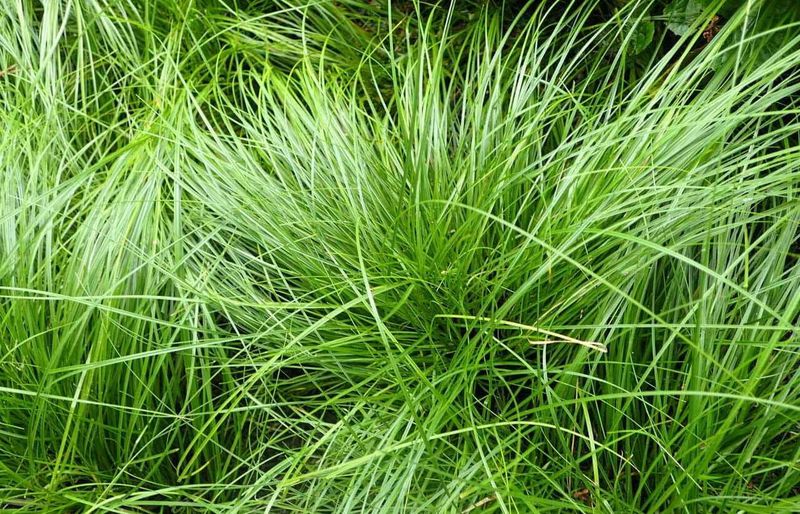
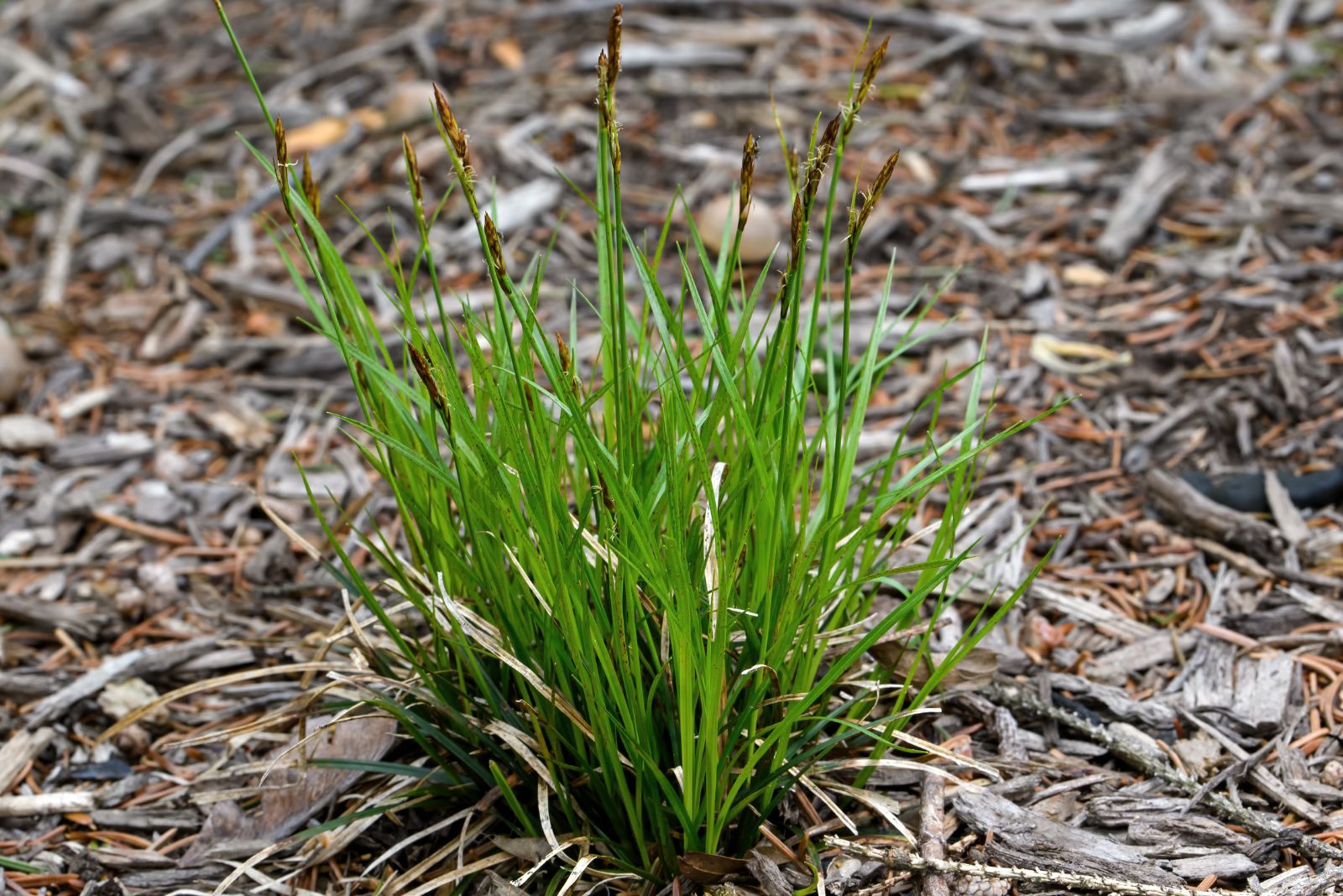
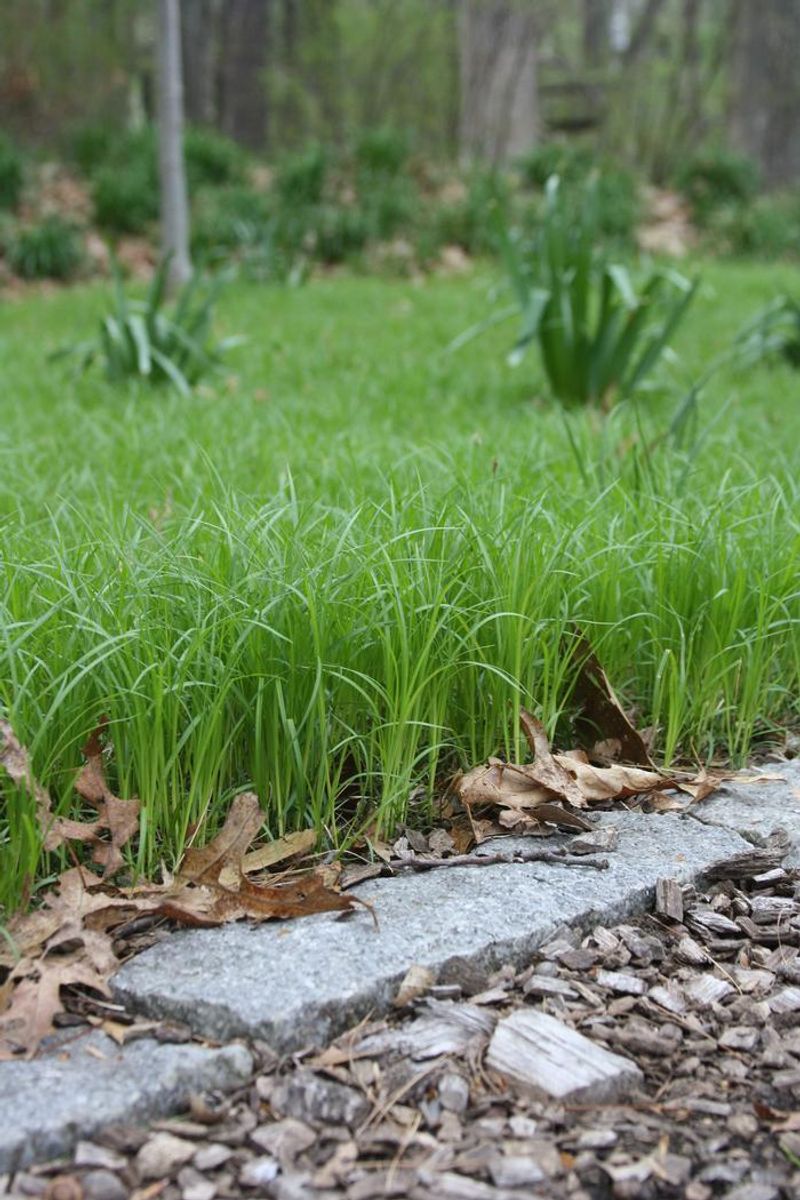
Pennsylvania sedge grows naturally in woodlands throughout the state, making it perfectly adapted to local conditions. This native groundcover looks like a soft, fine-textured grass but actually belongs to the sedge family.
Its delicate green blades create a lush carpet that stays attractive from spring through fall and often remains semi-evergreen during mild Pennsylvania winters.
The plant spreads through underground rhizomes that slowly expand outward to form dense colonies. Unlike aggressive invasive plants, Pennsylvania sedge spreads at a manageable pace that fills in garden beds without taking over areas where you don’t want it.
This growth habit is exactly what makes it so effective at blocking weeds from establishing in your landscape.
Pennsylvania sedge evolved in the state’s native ecosystems, which means it naturally outcompetes many common weeds. The plant thrives in the same shady, moist conditions found under tree canopies and along woodland edges where traditional grass struggles.
Its root system creates a thick underground network that uses available soil nutrients and moisture, leaving little for weed seedlings trying to germinate nearby.
The semi-evergreen nature provides year-round benefits that regular grass cannot match. While most lawns go completely dormant and brown in winter, Pennsylvania sedge often retains its green color during milder months.
This continuous ground coverage means weeds have fewer opportunities to establish during warm winter spells when other plants have disappeared.
The plant’s natural range spans the entire state, from Philadelphia to Pittsburgh, making it reliable for Pennsylvania gardeners in every county.
3. How Pennsylvania Sedge Blocks Weeds Naturally
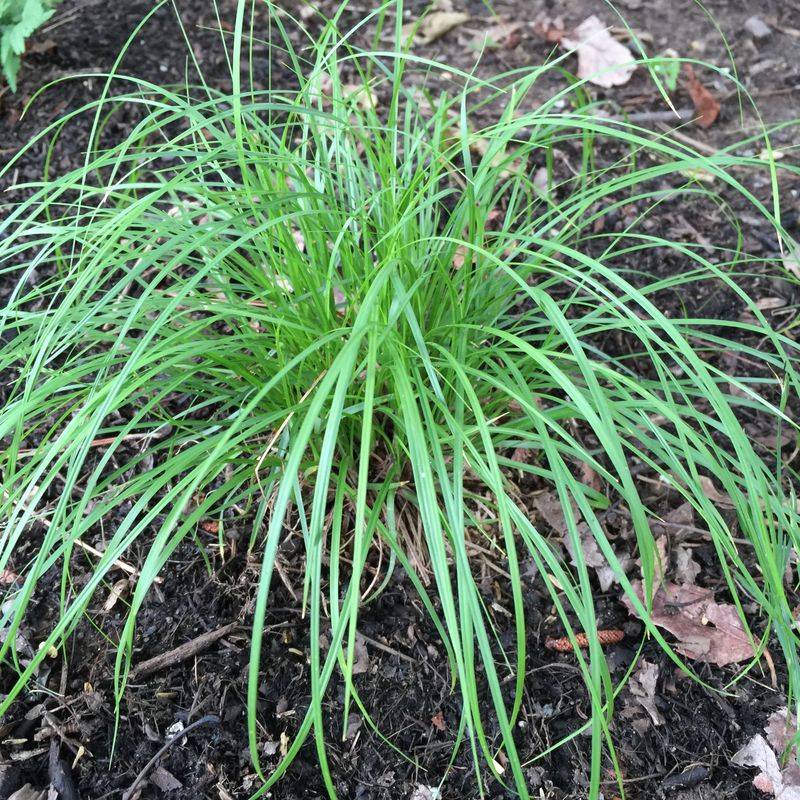
The secret to Pennsylvania sedge’s weed-blocking power lies beneath the soil surface where you cannot see it working. The plant develops an incredibly dense network of roots and rhizomes that physically occupies the space where weed roots would normally grow.
These underground structures intertwine to create a barrier that makes it nearly impossible for weed seedlings to push through and establish themselves.
Above ground, the sedge creates a different kind of barrier through shade. The fine blades grow thick enough to block sunlight from reaching bare soil underneath.
Most weed seeds need direct sunlight to germinate and begin growing. By keeping the soil surface shaded, Pennsylvania sedge prevents those seeds from ever sprouting in the first place.
Even if a few weed seeds manage to germinate, they face immediate competition for resources. Pennsylvania sedge roots efficiently absorb available water and nutrients from the soil.
Young weed seedlings simply cannot compete with the established sedge system and typically fade away before becoming visible problems in your garden.
The reduced space for weed growth becomes more effective each year as the sedge matures. First-year plantings provide some weed suppression, but the real benefits appear in years two and three when the sedge has completely filled in.
Once established, the dense groundcover creates a stable ecosystem that naturally resists weed invasion without any chemical treatments.
Long-term soil stabilization adds another layer of weed control. The extensive root system holds soil in place, preventing erosion that would expose fresh soil where weeds could take hold.
This stability is especially valuable on Pennsylvania slopes and under trees where soil disturbance often creates opportunities for weeds to invade gardens throughout the state.
4. Where Pennsylvania Sedge Grows Best In PA Landscapes
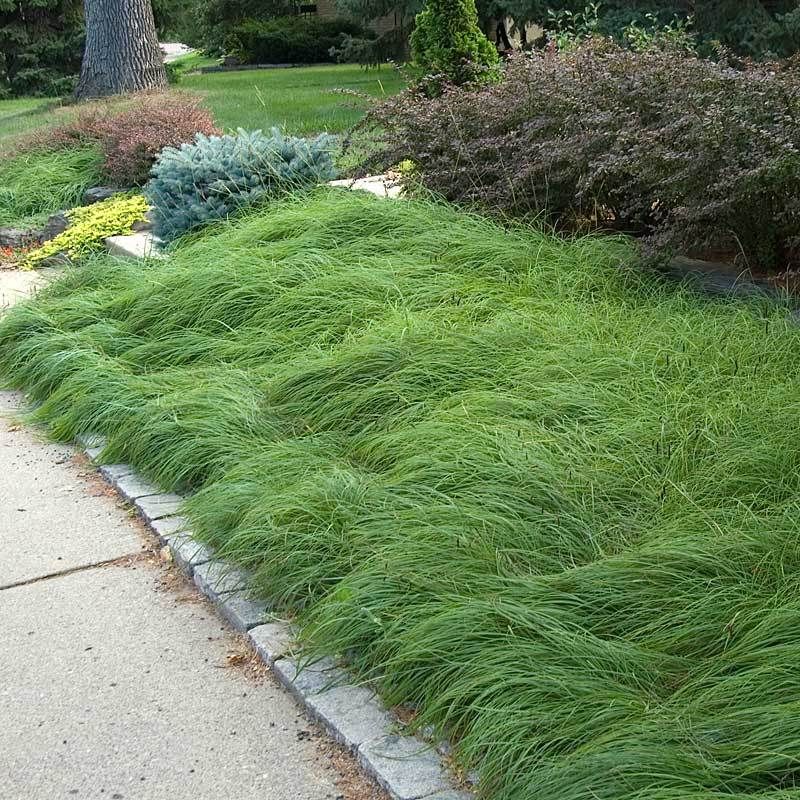
Shade is where Pennsylvania sedge truly shines compared to traditional lawn grass. The plant evolved in woodland environments and performs beautifully under tree canopies where grass struggles and weeds typically take over.
Full shade under mature oaks, maples, and other Pennsylvania trees creates ideal conditions for this native groundcover to thrive and spread.
Partial sun locations also work well, giving you flexibility in placement throughout your landscape. Morning sun with afternoon shade or dappled light filtering through tree branches provides enough energy for healthy growth.
The sedge adapts to varying light levels, though it stays shorter and denser in shadier spots compared to sunnier areas.
Soil type matters less than you might expect with this adaptable native plant. Pennsylvania sedge tolerates the clay soils common in many parts of the state, though it also grows well in loamy garden soil.
The plant prefers consistent moisture but established clumps handle typical Pennsylvania summer dry spells better than you would guess for a woodland species.
Under tree canopies represents the most common and successful use in Pennsylvania gardens. The sedge solves the age-old problem of what to grow beneath trees where grass refuses to thrive.
Woodland edges transitioning from lawn to forest also benefit from Pennsylvania sedge plantings that create a natural-looking buffer zone.
Slopes and borders present additional opportunities where this groundcover excels. Hillsides that are difficult to mow become low-maintenance beauty spots when planted with sedge.
Garden borders along walkways and patios benefit from the soft texture and neat appearance.
Lawn alternatives are gaining popularity across Pennsylvania, with entire yards being converted from high-maintenance grass to sustainable sedge meadows that require minimal care while keeping weeds away.
5. How To Plant And Establish Pennsylvania Sedge Successfully
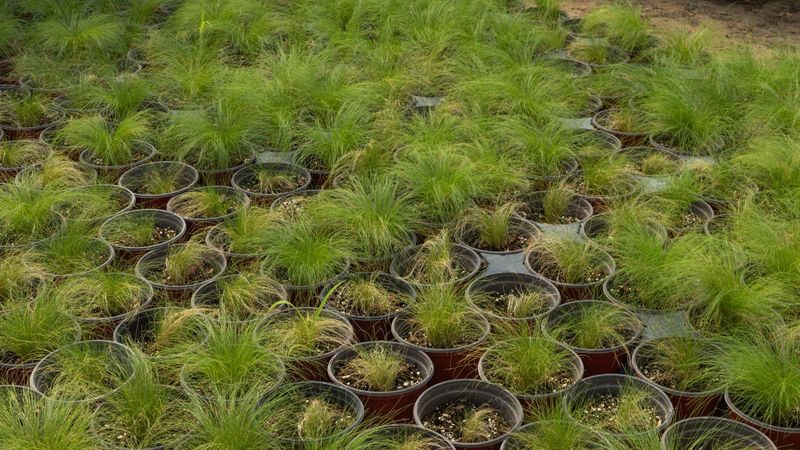
Timing your planting correctly makes a huge difference in how quickly Pennsylvania sedge establishes in your garden. Spring planting from April through May gives the sedge an entire growing season to develop roots before winter arrives.
Early fall planting in September works equally well in Pennsylvania, taking advantage of cooler temperatures and autumn rains while soil remains warm enough for root growth.
Spacing determines how fast you will achieve complete coverage that blocks weeds. Plant sedge plugs or divisions 12 to 18 inches apart for coverage within two growing seasons.
Closer spacing at 8 to 12 inches fills in faster but requires more plants and higher initial cost. Wider spacing at 24 inches takes three years to fill but works fine if you are patient and willing to do some weeding during establishment.
First-year watering is critical even though mature Pennsylvania sedge tolerates dry conditions. Water new plantings regularly during their first spring and summer, keeping soil consistently moist but not waterlogged.
Pennsylvania’s natural rainfall often provides enough moisture in spring and fall, but you will need to supplement during summer dry spells. Plan to water deeply once or twice weekly if rain is scarce.
Mulching around new plants accelerates establishment while suppressing weeds during the vulnerable first year. Apply 2 to 3 inches of shredded bark or leaf mulch between sedge plugs, keeping mulch away from plant crowns.
The mulch conserves moisture, moderates soil temperature, and prevents weed seeds from germinating in bare spots. As the sedge spreads and fills in, it will eventually replace the mulch as your permanent weed barrier.
Remove any weeds that appear promptly during the first year so they don’t compete with your establishing Pennsylvania sedge.
6. Maintenance Tips To Keep It Looking Great All Year
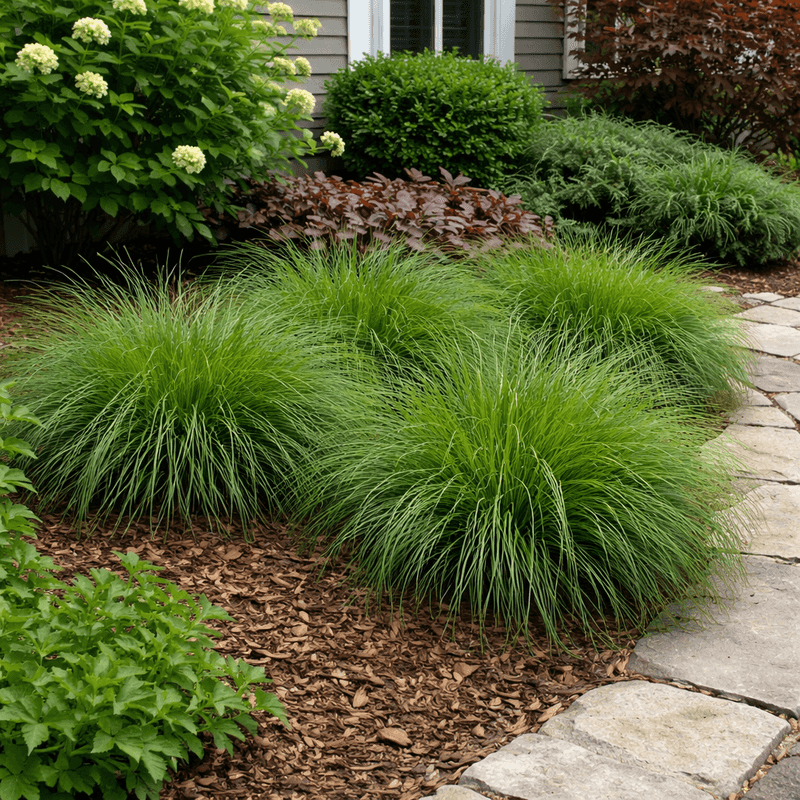
Pennsylvania sedge requires remarkably little maintenance once established, which is part of its appeal for busy gardeners. An optional spring trim in March or early April removes any brown blades from winter and encourages fresh green growth.
Simply mow the sedge to 3 or 4 inches using your mower’s highest setting, or use string trimmers for smaller areas. Many Pennsylvania gardeners skip this step entirely and the sedge looks fine without it.
Watering becomes unnecessary after the first year except during extreme drought. Established Pennsylvania sedge develops deep roots that access moisture unavailable to shallow-rooted weeds.
During typical Pennsylvania summers with occasional rain, the sedge stays green without any supplemental watering. Even if it browns slightly during severe drought, it quickly greens up when rain returns.
Fertilizer is not needed and actually works against your goals. Pennsylvania sedge evolved in nutrient-poor woodland soils and thrives without fertilizer applications.
Adding fertilizer encourages weeds to grow faster than the sedge, defeating the purpose of using this groundcover. The plant obtains everything it needs from natural soil processes and decomposing leaf litter.
Long-term weed control expectations should be realistic but optimistic. During the first year, expect to remove some weeds as the sedge establishes.
Year two brings dramatically fewer weeds as coverage increases. By year three, established Pennsylvania sedge blocks most weeds naturally, requiring only occasional removal of stray weeds that blow in from neighboring properties.
The sedge essentially becomes self-maintaining in Pennsylvania landscapes. It never needs mowing if you prefer the natural 6 to 8 inch height.
Fallen leaves can be left in place to decompose naturally, enriching the soil. The groundcover spreads slowly to fill any gaps, maintaining dense coverage that keeps your garden weed-free year after year with minimal effort on your part.