Key Reasons Why You Should Buy A Witch Hazel This Winter In Virginia
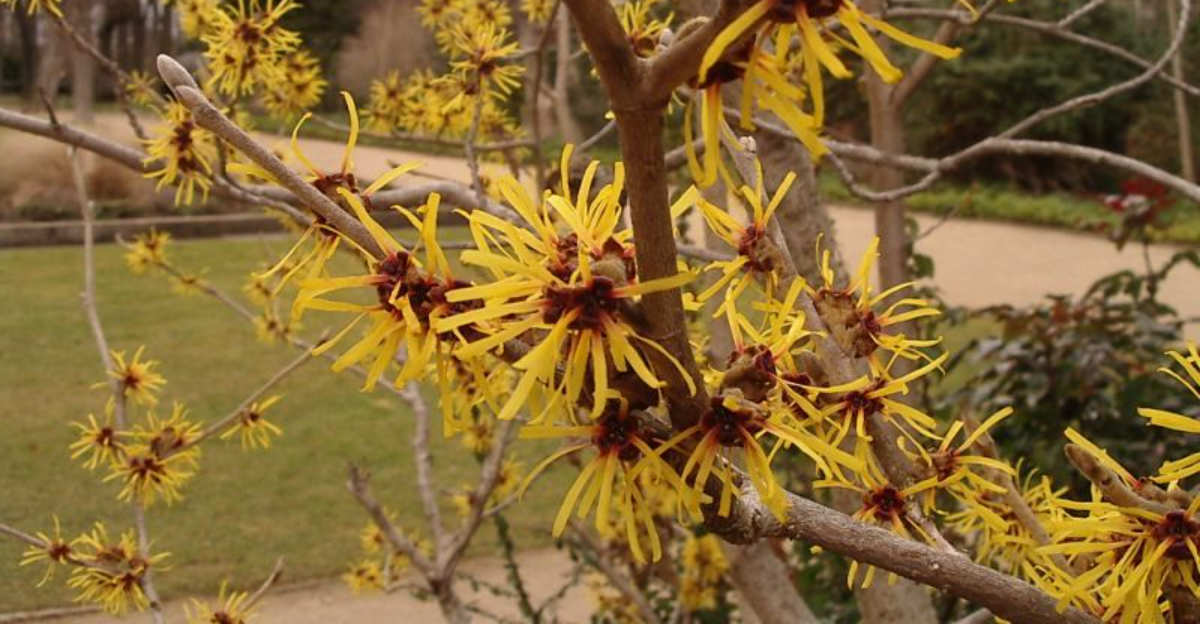
Winter gardens in Virginia do not have to look dull and empty, even when most plants have gone quiet.
One plant that stands out during the cold months is witch hazel, known for its bright, ribbon like flowers that bloom when little else will.
While many shrubs wait until spring, witch hazel brings color, light, and gentle fragrance right in the middle of winter.
That is why more Virginia gardeners are starting to see it as a must have plant for their yards.
Witch hazel is not just beautiful, it is also tough and well suited to Virginia’s changing winter weather.
It can handle cold nights, warming days, and even light snow without losing its charm.
Once planted, it adds interest to the garden year after year with very little effort.
It also fits nicely into many types of landscapes, from small home gardens to larger outdoor spaces.
Choosing witch hazel means giving your winter garden something special to enjoy when everything else feels asleep.
When you see those bright blooms on a gray winter day, it is easy to understand why this plant is growing in popularity across Virginia.
1. Stunning Winter Blooms Brighten The Coldest Days
Imagine looking out your window on a gray January morning in Virginia and seeing bright ribbons of color dancing in your garden.
Witch hazel delivers this exact experience with its spectacular winter flowers that appear when virtually nothing else is blooming.
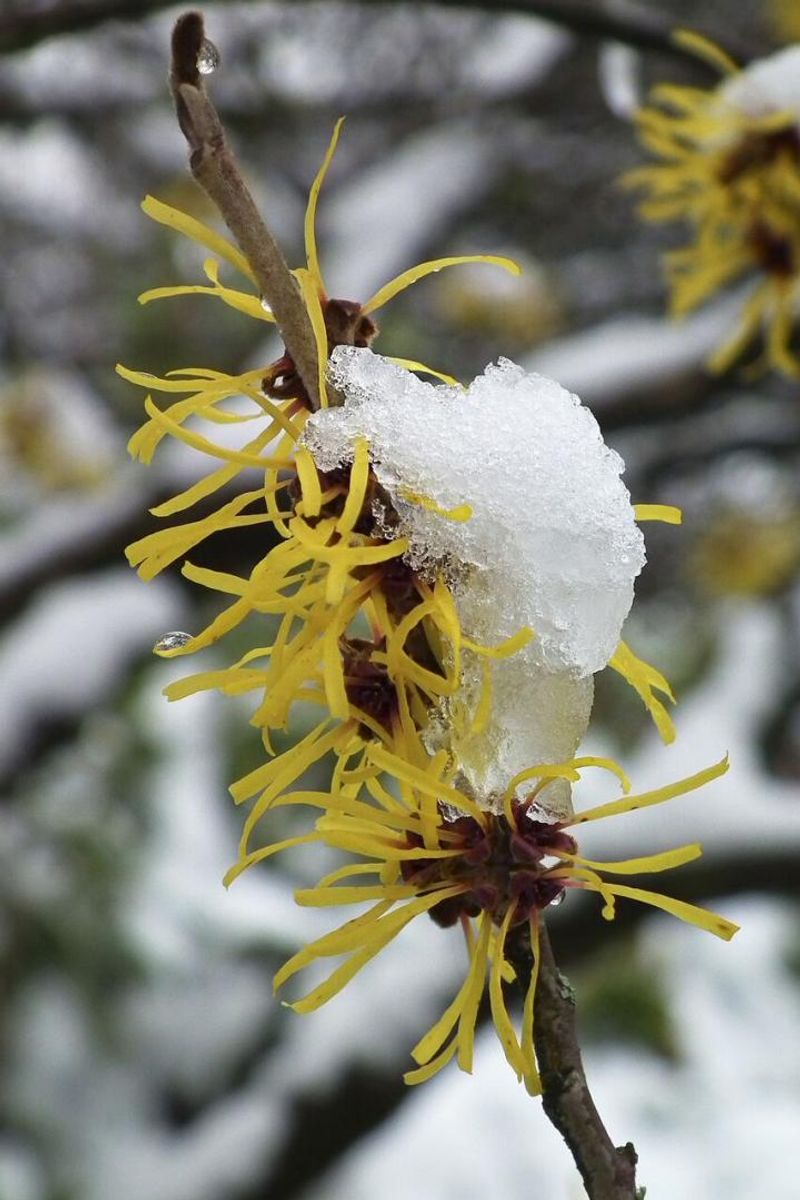
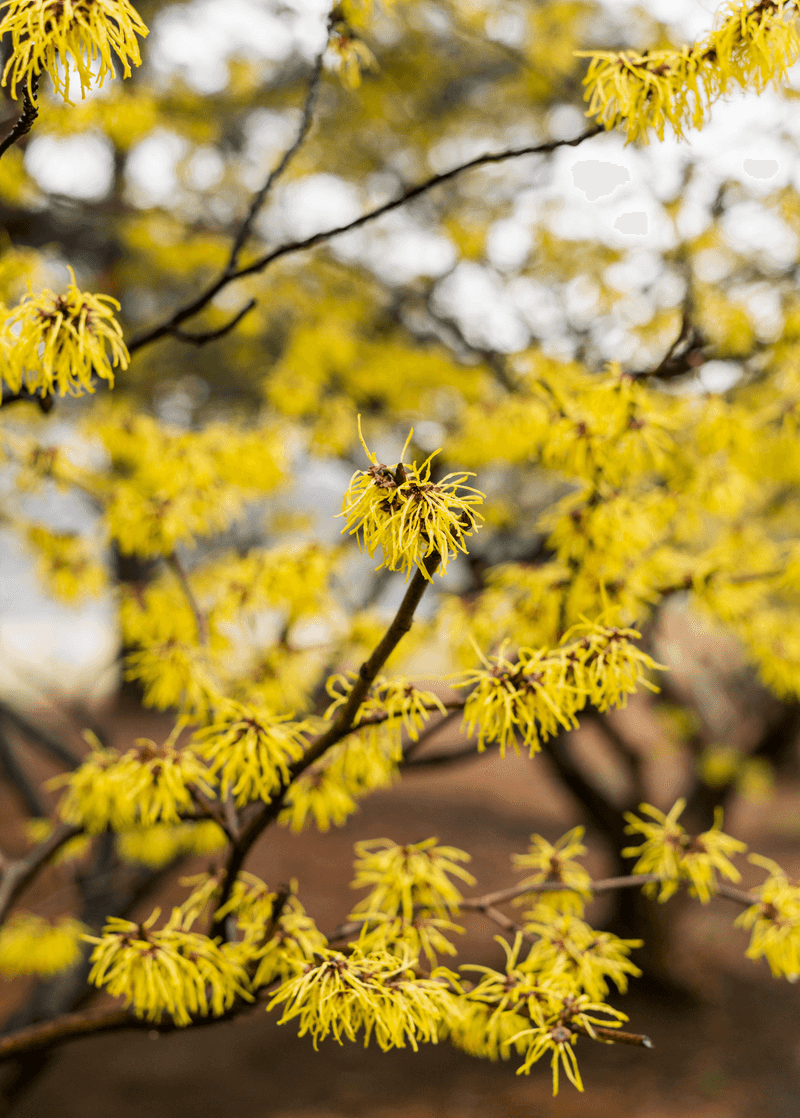
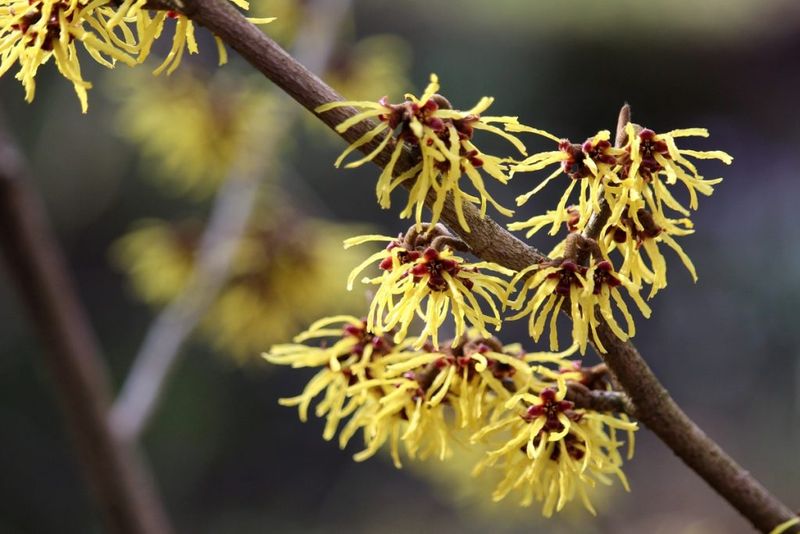
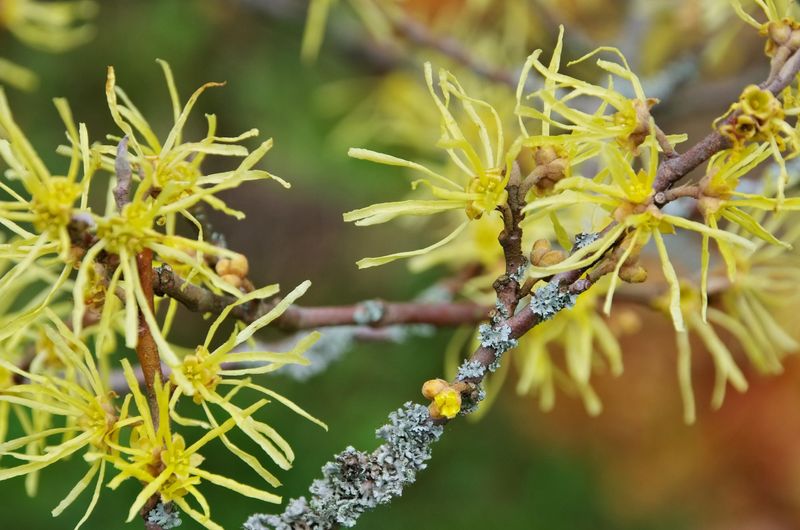
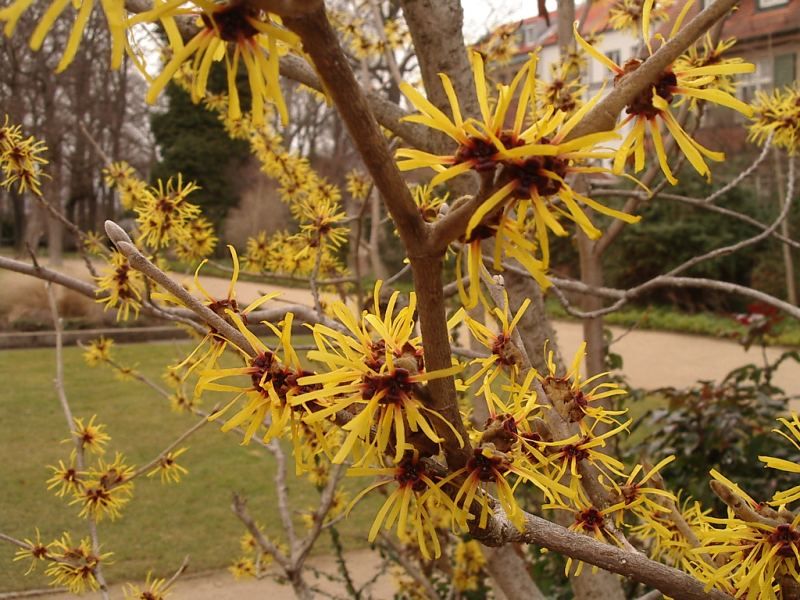
The fragrant blossoms emerge in shades ranging from bright yellow to deep orange and rich red, creating a striking contrast against bare branches and snow-covered ground.
These unique flowers feature thin, ribbon-like petals that curl up during freezing temperatures to protect themselves, then unfurl again when conditions warm slightly.
The blooming period typically extends from late December through February in Virginia, giving you months of visual interest during the dreariest season.
Unlike spring bloomers that compete with countless other flowers for attention, witch hazel stands alone as a winter star performer.
The fragrance is another delightful bonus, with a sweet, spicy scent that carries surprisingly well in cold air.
Some varieties smell like citrus while others have notes reminiscent of honey or clove.
For Virginia gardeners tired of looking at brown, dormant landscapes all winter, witch hazel provides a much-needed splash of life and energy.
The plant blooms reliably year after year without requiring any special treatment or protection from cold weather.
Birds and early-emerging pollinators also appreciate these winter flowers as a rare food source.
Planting witch hazel means transforming your winter garden from dull and lifeless into a vibrant, engaging space that brings joy during the coldest months of the year.
2. Incredibly Low Maintenance And Easy To Grow
Busy homeowners across Virginia will appreciate witch hazel’s easygoing personality and minimal care requirements.
Once established in your garden, this shrub practically takes care of itself without demanding constant attention or specialized treatments.
The plant adapts well to various soil types common throughout Virginia, from clay to loam, as long as drainage is decent.
You won’t need to fuss with complicated fertilizing schedules or worry about constant pruning to keep it looking good.
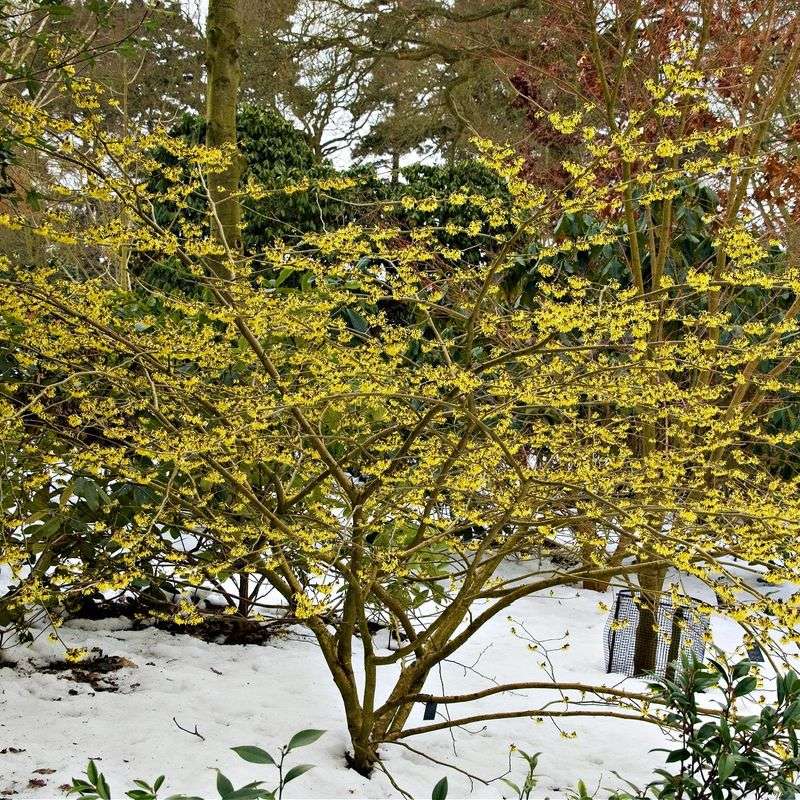
Witch hazel naturally develops an attractive vase-shaped or rounded form without much intervention from you.
Occasional light pruning right after flowering is all that’s needed to maintain shape or remove any damaged branches.
The shrub tolerates both full sun and partial shade, making it versatile for different spots in your landscape.
Virginia’s climate suits witch hazel perfectly since the plant is native to eastern North America and thrives in similar conditions.
Disease and pest problems are rare with witch hazel, so you won’t be constantly battling issues that plague more finicky ornamental plants.
Deer tend to leave witch hazel alone, which is a significant advantage for Virginia gardeners dealing with browsing wildlife.
The shrub is also drought-tolerant once its roots are established, meaning you won’t need to water constantly during dry spells.
For gardeners who want maximum beauty with minimum effort, witch hazel delivers exactly that combination.
The plant rewards your minimal investment of time and energy with decades of reliable performance and seasonal interest that makes your landscape shine year after year.
3. Provides Year-Round Visual Interest In Your Landscape
Beyond its famous winter blooms, witch hazel offers something special to admire during every season in Virginia.
Spring brings fresh green leaves that unfold in attractive patterns, creating a lush backdrop for other flowering plants in your garden.
The foliage has a pleasant texture with slightly wavy edges that catch light beautifully throughout the growing season.
Summer sees the shrub maintaining its healthy green appearance, providing a reliable anchor in your landscape design while other plants come and go.
Fall is when witch hazel really shows off its foliage talents, transforming into a spectacular display of yellow, orange, and sometimes purple hues.
Virginia’s autumn weather triggers this color change, creating a second season of ornamental value that rivals many trees specifically planted for fall color.
The leaves often hold their color for several weeks before dropping, extending the show well into November in many areas.
Even after the leaves fall, witch hazel’s branching structure remains attractive through winter, with interesting zigzag patterns and smooth gray bark that adds architectural interest to your garden.
This four-season performance makes witch hazel an exceptional value compared to plants that only look good for a few weeks each year.
Virginia gardeners can enjoy continuous benefits from a single planting, maximizing the impact of every square foot in their landscape.
The shrub works well as a specimen plant where its seasonal changes can be fully appreciated, or as part of mixed borders where it provides shifting interest throughout the year.
4. Attracts Beneficial Wildlife To Your Garden
Wildlife enthusiasts in Virginia will find witch hazel to be a magnet for interesting creatures throughout the year.
The winter blooms provide critical nectar and pollen for early-emerging bees and other pollinators that venture out during warm spells in January and February.
These hardy insects desperately need food sources during this lean period, and witch hazel delivers exactly what they require.
Small birds visit the flowers looking for tiny insects that also feed on the blooms, creating a miniature ecosystem right in your garden.
During spring and summer, the foliage supports various caterpillar species that serve as important food for songbirds raising their young.
Many native moths use witch hazel as a host plant, completing their life cycles on the shrub without causing noticeable damage.
Goldfinches, chickadees, and titmice are frequent visitors to witch hazel plantings, foraging among the branches for insects and occasionally using the shrub for nesting sites.
The dense branching structure provides excellent cover and protection for small birds seeking shelter from predators or harsh weather.
Fall brings migrating birds that appreciate the shrub’s structure as a resting spot during their long journeys through Virginia.
By planting witch hazel, you’re contributing to the local ecosystem and supporting biodiversity in your neighborhood.
The wildlife activity around witch hazel adds another layer of interest and enjoyment to your garden experience.
Watching birds and pollinators interact with your plants creates a deeper connection to nature right in your own backyard, making your outdoor space feel more alive and dynamic throughout every season.
5. Offers Natural Medicinal And Skincare Properties
Growing your own witch hazel in Virginia means having access to a plant with remarkable healing properties that people have valued for centuries.
The bark, leaves, and twigs contain natural compounds called tannins that have astringent and anti-inflammatory effects.
Native Americans taught early settlers about witch hazel’s medicinal uses, and modern science has confirmed many of these traditional applications.
Commercial witch hazel extract, commonly found in drugstores, comes from this very plant that you can cultivate in your own garden.
The extract works wonderfully for treating minor skin irritations, reducing inflammation from insect bites, and soothing sunburns that Virginia’s summer sun can cause.
Many people use witch hazel as a natural toner for their face, as it helps tighten pores and reduce oiliness without harsh chemicals.
The natural astringent properties make it effective for treating minor cuts and scrapes, helping to stop bleeding and prevent infection.
You can make your own witch hazel extract at home by steeping twigs and bark in water or alcohol, though this requires some knowledge and care.
Even if you don’t harvest your plant for medicinal purposes, knowing you have this useful resource growing in your yard provides a sense of self-sufficiency and connection to traditional plant knowledge.
The presence of witch hazel in Virginia gardens represents a link between ornamental beauty and practical utility that few other landscape plants can match.
Having this versatile plant readily available means you’re prepared to address minor health concerns naturally, using resources from your own property rather than relying entirely on store-bought products.
6. Adapts Perfectly To Virginia’s Climate And Conditions
Native to eastern North America, witch hazel is supremely well-suited to Virginia’s particular climate challenges and seasonal patterns.
The plant thrives in USDA hardiness zones 3 through 9, and Virginia falls comfortably within this range, meaning witch hazel will handle both the state’s cold winters and warm, humid summers with ease.
Unlike exotic ornamentals that struggle with Virginia’s variable weather, witch hazel has evolved over thousands of years to flourish in exactly these conditions.
The shrub tolerates Virginia’s clay soils better than many landscape plants, though it appreciates some organic matter mixed in at planting time.
Once established, witch hazel develops a deep root system that helps it withstand periods of drought that sometimes occur during Virginia summers.
The plant also handles temporary flooding or heavy rains without suffering root rot or other moisture-related problems.
Virginia gardeners in different regions of the state, from the mountains to the coastal plain, can successfully grow witch hazel with equally good results.
Winter hardiness is particularly impressive, with witch hazel blooming reliably even after severe cold snaps that would damage less adapted plants.
The flowers can withstand temperatures well below freezing, simply curling up temporarily and then reopening when conditions improve.
This resilience means you don’t need to worry about protecting your investment during harsh weather.
Choosing plants naturally adapted to your region always makes gardening easier and more successful, and witch hazel exemplifies this principle perfectly for Virginia landscapes.
The shrub’s regional appropriateness means less work, fewer problems, and better long-term results than you’d get from plants better suited to different climates.
7. Increases Property Value With Mature Landscaping
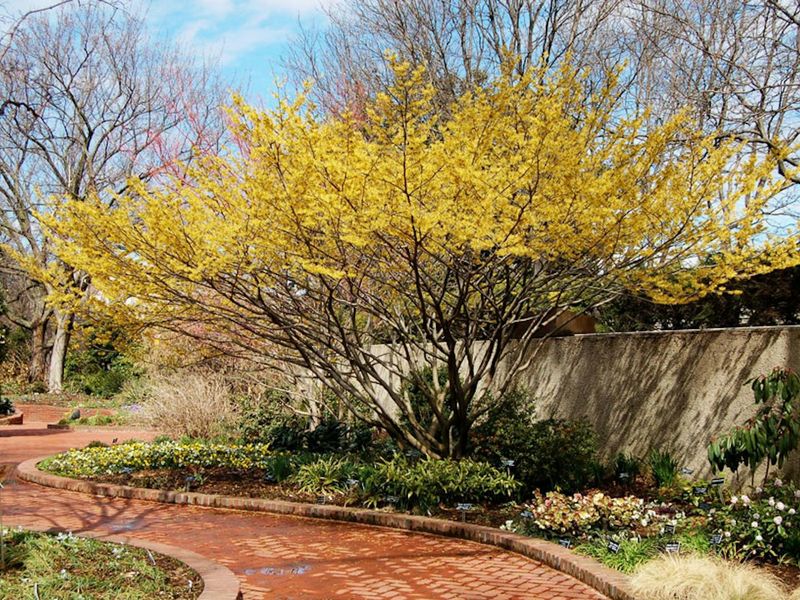
Real estate professionals consistently note that well-designed landscaping significantly boosts property values, and witch hazel contributes substantially to this effect in Virginia neighborhoods.
Mature shrubs that provide year-round interest signal to potential buyers that a property has been thoughtfully maintained and invested in over time.
Witch hazel’s combination of winter blooms, fall color, and attractive form makes it a standout feature that appraisers and buyers notice during property evaluations.
The shrub’s mature size, typically reaching 10 to 15 feet tall and wide, creates substantial presence in a landscape without overwhelming smaller properties.
This scale makes witch hazel suitable for foundation plantings, property borders, or as specimen plants that anchor garden designs.
Buyers appreciate mature plantings because they provide immediate enjoyment without the years of waiting required for newly planted landscapes to develop.
Virginia homeowners who plant witch hazel now are making an investment that will pay dividends both in personal enjoyment and eventual resale value.
Landscaping with native or regionally appropriate plants like witch hazel also appeals to environmentally conscious buyers who value sustainable gardening practices.
The low-maintenance nature of witch hazel means future owners won’t face expensive upkeep costs, making the property more attractive overall.
Curb appeal matters tremendously in real estate, and witch hazel contributes to that critical first impression year-round, not just during peak growing season.
For Virginia homeowners thinking about long-term value and enjoyment, witch hazel represents smart landscaping that keeps giving benefits for decades, making it one of the wisest plant investments you can make for your property this winter.