Key Signs Your Houseplants Are Struggling Wigh Winter Light In Washington
Winter light in Washington can look bright through the window, but for many houseplants, it is not nearly enough to stay healthy.
Shorter days, cloudy skies, and low sun angles change how much energy plants can make from the light they receive.
Even plants that seemed fine in summer may begin to slow down, stretch, or fade as winter moves in.
Many plant owners do not realize anything is wrong until the damage is already happening.
Houseplants often show clear signs when they are not getting enough light, but those signals are easy to miss.
Leaves may turn pale, stems may grow long and weak, and new growth can look smaller than usual.
In Washington homes, where winter days are often gray, these problems can sneak up quickly.
Knowing what to watch for helps you take action before plants lose their strength.
With a few simple adjustments, you can give your houseplants the light they need to survive the darkest months of the year.
When you understand these warning signs, you can protect your plants and keep your indoor garden looking its best all winter long.
1. Leaves Turning Yellow And Dropping Off
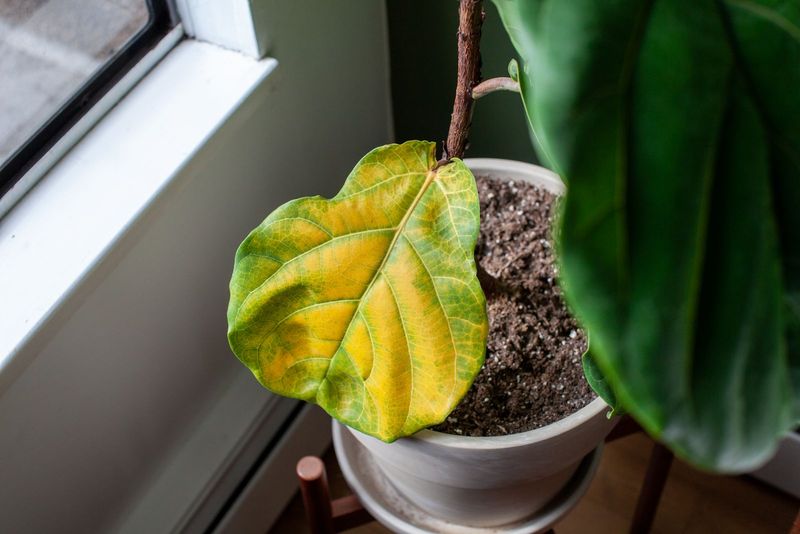
Yellow leaves are one of the most common distress signals your houseplants send when they’re not getting enough light during Washington’s gray winter months.
Plants rely on sunlight to produce chlorophyll, the green pigment that helps them make food through photosynthesis.
When light levels drop too low, chlorophyll production slows down, and leaves start turning yellow from the bottom up.
This yellowing often begins with the older, lower leaves because the plant redirects whatever energy it has to the newer growth at the top.
You might notice one or two yellow leaves at first, but if the light situation doesn’t improve, more will follow.
In Washington, where winter days are notoriously cloudy and short, even plants sitting near windows might not receive adequate light.
The angle of the sun changes dramatically in winter, meaning spots that were bright in summer might be quite dim now.
If your plant is shedding yellow leaves regularly, it’s time to reassess its location.
Consider moving it closer to a south-facing window where it can capture the most available light during the day.
You can also supplement with a grow light to boost the light intensity your plant receives.
Keep in mind that not all yellowing is caused by low light, so check the soil moisture and temperature too.
Addressing the light issue quickly can prevent further leaf loss and help your plant recover before spring arrives.
Washington winters are long, so taking action early makes a big difference in keeping your plants healthy and vibrant throughout the cold season.
2. Leggy Growth With Long Stems
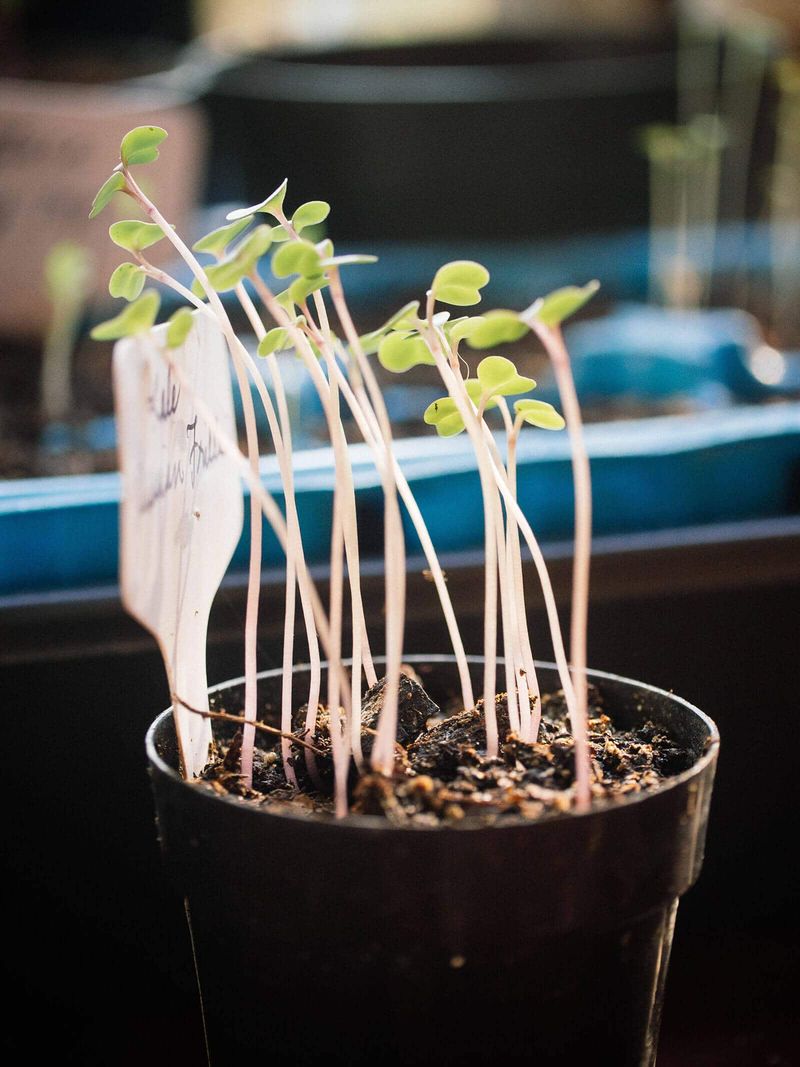
When your houseplant starts stretching out with long, thin stems and sparse foliage, it’s reaching desperately for more light.
This phenomenon, called etiolation, happens because the plant is trying to grow toward any available light source.
Instead of producing compact, healthy growth, it puts all its energy into elongating its stems in search of brighter conditions.
The result is a plant that looks tall and gangly rather than full and lush.
The spaces between leaves, known as internodes, become unusually long, giving the plant an unattractive, stretched-out appearance.
Washington’s winter gloom is notorious for causing this problem, especially for sun-loving plants like succulents, herbs, and tropical varieties.
Even if your plant was thriving in the same spot during summer, the reduced daylight hours and weaker sun angle in winter can trigger leggy growth.
Once a stem has grown leggy, it won’t revert back to its compact form on its own.
You’ll need to prune back the stretched stems to encourage bushier growth from the base.
Moving your plant to a brighter location is essential to prevent further legginess.
South or west-facing windows tend to offer the best light during Washington winters, though supplemental grow lights can be a game-changer for light-hungry species.
Rotating your plant regularly ensures all sides receive equal light exposure, promoting more balanced growth.
Catching legginess early helps you maintain attractive, healthy plants even during the darkest months of the year in the Pacific Northwest.
3. New Leaves Growing Smaller Than Usual
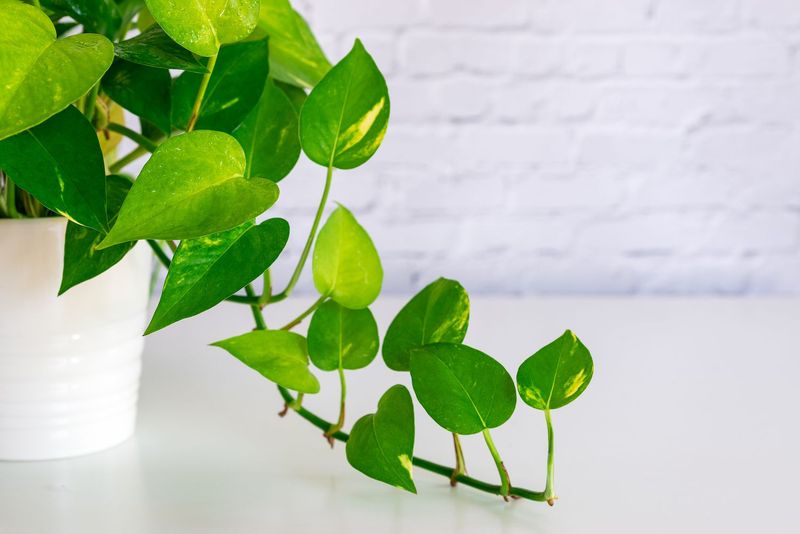
Have you noticed that the new leaves emerging on your houseplant are noticeably smaller than the older ones?
This size difference is a telltale sign that your plant isn’t receiving enough light to support robust growth.
Plants need adequate light to fuel photosynthesis, which provides the energy necessary for producing full-sized, healthy leaves.
When light is limited, as it often is during Washington winters, plants conserve energy by producing smaller foliage.
The new growth may also appear pale or lighter in color compared to the mature leaves, another indicator of insufficient light.
This problem is particularly noticeable in fast-growing plants like pothos, philodendrons, and monsteras.
During the bright summer months, these plants might have produced large, impressive leaves, but come winter, the new growth looks stunted and disappointing.
The weak winter sun and frequent overcast days in Washington mean that even well-placed plants can struggle to get what they need.
If you’re seeing consistently small new leaves, your plant is telling you it needs a brighter spot.
Try relocating it to the brightest window in your home, preferably one facing south.
If that’s not possible, adding a grow light can make a significant difference in helping your plant produce normal-sized foliage.
Remember that plants won’t replace their small leaves with larger ones; they’ll simply start producing bigger leaves once conditions improve.
Being proactive about light levels during winter ensures your plant continues to develop attractive, full-sized growth rather than a collection of undersized, weak leaves that detract from its overall appearance.
4. Plant Leaning Heavily Toward The Window
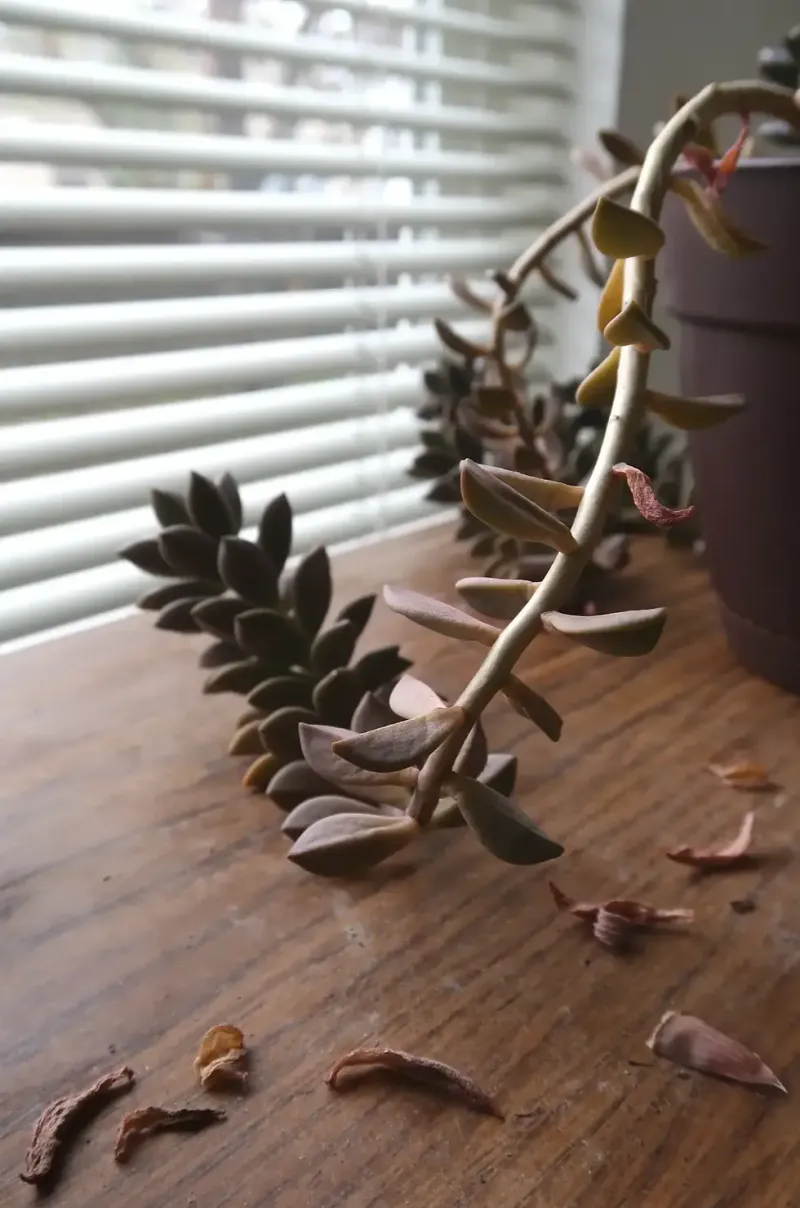
Plants naturally grow toward light sources through a process called phototropism, but when your houseplant is dramatically leaning or bending toward the window, it’s a clear cry for more light.
During Washington’s dim winter months, plants will angle themselves in whatever direction offers the most brightness.
You might find your once-upright plant now tilted at an awkward angle, with all its leaves facing one direction.
This leaning becomes more pronounced as winter progresses and the days stay consistently gray and short.
The plant is literally reaching for every photon of light it can capture, which causes uneven growth on one side.
If left unchecked, this lopsided growth can become permanent and may even cause the plant to become unstable or topple over.
The side facing away from the window often develops slower and may have fewer or smaller leaves.
The solution is twofold: first, rotate your plant a quarter turn every week or so to ensure all sides receive equal light exposure.
This encourages balanced growth and prevents that dramatic lean from developing.
Second, consider whether your plant needs to be moved closer to the window or to a brighter location altogether.
In Washington, where winter light is so limited, placing plants directly in windowsills often works best.
Some plant owners also find that using a grow light positioned above the plant helps it grow straight up rather than sideways.
Taking these steps will help your plant maintain an attractive, upright form throughout the winter season instead of looking like it’s about to fall over.
5. Loss Of Variegation In Colorful Leaves
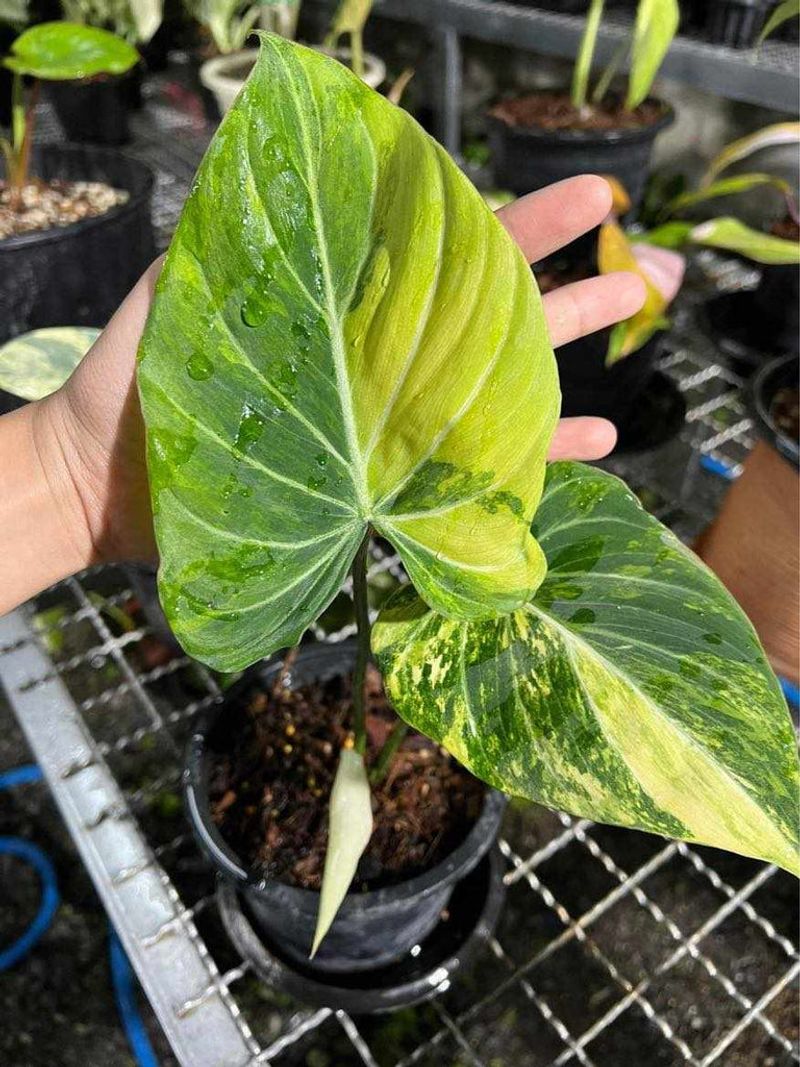
Variegated plants with beautiful patterns of white, cream, pink, or yellow markings are especially sensitive to light levels.
When these plants don’t receive enough light during Washington’s dark winter season, they often lose their stunning variegation and start producing plain green leaves instead.
This happens because the plant is trying to maximize its chlorophyll production to compensate for the low light conditions.
Chlorophyll is what makes leaves green, and since variegated portions of leaves contain less chlorophyll, the plant prioritizes producing more green tissue when light is scarce.
You might notice that new leaves come in mostly or entirely green, lacking the characteristic patterns that made your plant so attractive.
Popular variegated plants like pothos, monsteras, and rubber trees are particularly prone to this issue.
The stunning white or cream sections that once decorated their leaves gradually disappear, replaced by solid green growth.
Once variegation is lost, those plain green leaves won’t regain their patterns; you’ll have to wait for new, properly variegated growth to emerge under better lighting conditions.
To prevent this problem, variegated plants need brighter light than their solid-green counterparts, even in winter.
In Washington, this often means placing them in the absolute brightest spot available or supplementing with artificial lighting.
South-facing windows are ideal, though even these may not provide enough light on particularly cloudy days.
Many plant enthusiasts in the Pacific Northwest invest in quality grow lights specifically for their variegated plants during winter.
Maintaining adequate light levels ensures your plant keeps producing those gorgeous patterned leaves that make it special.
6. Slowed Or Stopped Growth Completely
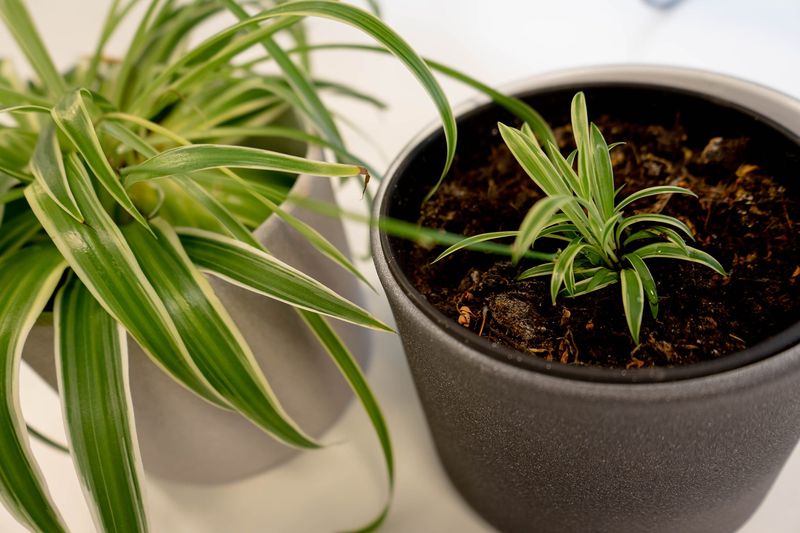
Most houseplants naturally slow down their growth during winter as they enter a period of dormancy or semi-dormancy.
However, if your plant has completely stopped producing any new leaves or stems, especially early in the winter season, inadequate light may be the culprit.
Plants need light energy to fuel all their growth processes, and without sufficient light, they essentially go into survival mode.
In this state, they stop expanding and focus solely on maintaining their existing foliage.
Washington’s notoriously gray winters can push plants into this stalled state earlier than they would naturally enter dormancy.
You might notice that plants which were actively growing in autumn suddenly seem frozen in time once the days get shorter and cloudier.
While some slowdown is normal and healthy, a complete halt in growth for months on end can leave plants weakened and more vulnerable to pests and other problems.
Tropical plants, which don’t have a true dormancy period, are especially affected by this issue.
They’re accustomed to consistent light year-round, so Washington winters can be particularly challenging for species like calatheas, ferns, and prayer plants.
If your plant has stopped growing entirely, evaluate its light situation carefully.
Moving it to a brighter window or adding supplemental lighting can sometimes coax it back into producing new growth.
Keep in mind that even with better light, growth will likely be slower than during the spring and summer months.
The goal is to keep your plant healthy and lightly active rather than pushing for rapid growth, which isn’t realistic during the short, dark days of a Pacific Northwest winter.
7. Lower Leaves Becoming Pale Or Faded
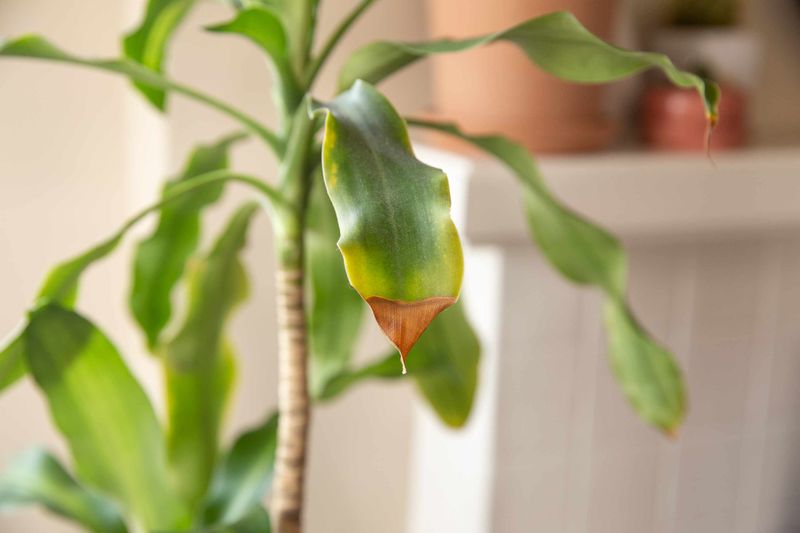
Pale, washed-out leaves are another way your houseplants signal that they’re not getting enough light during Washington’s dreary winter months.
When light levels drop, chlorophyll production decreases, causing leaves to lose their rich, vibrant green color and take on a pale, yellowish-green or faded appearance.
This fading typically starts with the lower, older leaves since the plant prioritizes sending resources to the newer growth at the top.
The difference can be subtle at first, but over time, the contrast between the pale lower leaves and the slightly darker upper foliage becomes more obvious.
In severe cases, the entire plant may look washed out and dull rather than healthy and vibrant.
This problem is common in Washington because the winter sun is not only less intense but also arrives at a lower angle, meaning less direct light reaches indoor plants.
Even plants positioned near windows may receive only indirect or filtered light on cloudy days, which dominate the season.
Faded leaves won’t regain their deep color once they’ve paled, but improving the light situation will help new growth come in with richer, healthier coloring.
Consider moving your plant closer to a window or investing in a grow light designed for houseplants.
Full-spectrum LED grow lights are particularly effective and energy-efficient for supplementing natural light during winter.
Position the light about 12 to 18 inches above your plant and run it for 10 to 12 hours daily to mimic natural daylight.
With better lighting, you should see new leaves emerging in a much healthier, darker green shade, signaling that your plant is finally getting what it needs to thrive.
8. Increased Susceptibility To Pests And Problems
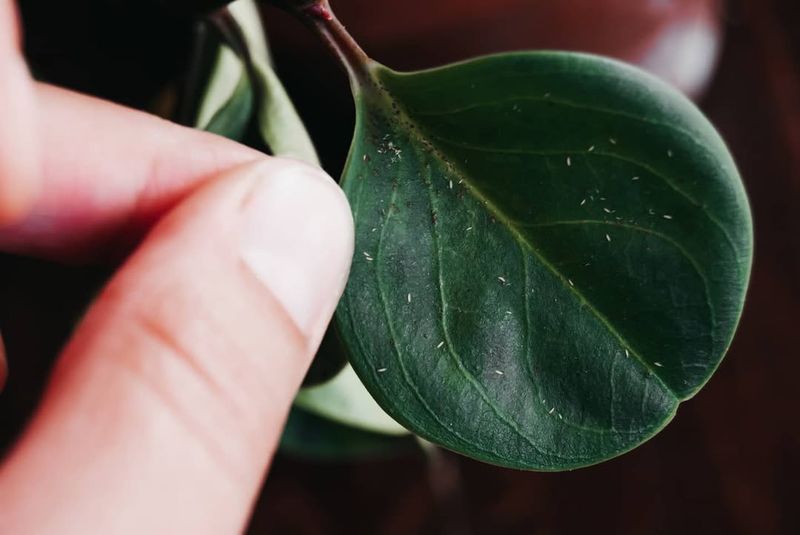
Plants weakened by insufficient light become much more vulnerable to pests and diseases, making winter a particularly risky time for houseplants in Washington.
When a plant isn’t getting enough light, its overall health and immune system decline, leaving it unable to defend itself effectively against common indoor pests like spider mites, fungus gnats, mealybugs, and scale insects.
These pests tend to thrive in the indoor conditions of winter when homes are heated and air circulation is reduced.
A stressed plant with low light is an easy target, and infestations can quickly spiral out of control.
You might notice webbing on leaves, tiny flying insects around the soil, or sticky residue on stems, all signs that pests have moved in.
Additionally, plants struggling with low light often develop root problems because they’re not using water efficiently, leading to soggy soil that invites fungal issues and root rot.
The combination of weak growth, poor water uptake, and compromised defenses creates a perfect storm for plant health problems.
Washington’s long, dark winters mean plants are under stress for extended periods, increasing the likelihood of these issues developing.
Regular inspection of your plants is crucial during winter months.
Check the undersides of leaves, along stems, and around the soil surface for any signs of pests.
If you spot any problems early, they’re much easier to address with insecticidal soap or neem oil.
Improving light conditions is one of the best ways to strengthen your plants’ natural defenses.
Healthier plants with adequate light are far better equipped to resist pests and recover from any issues that do arise during the challenging winter season.