Key Things To Do When An Armadillo Is Digging Holes In Your Louisiana Yard
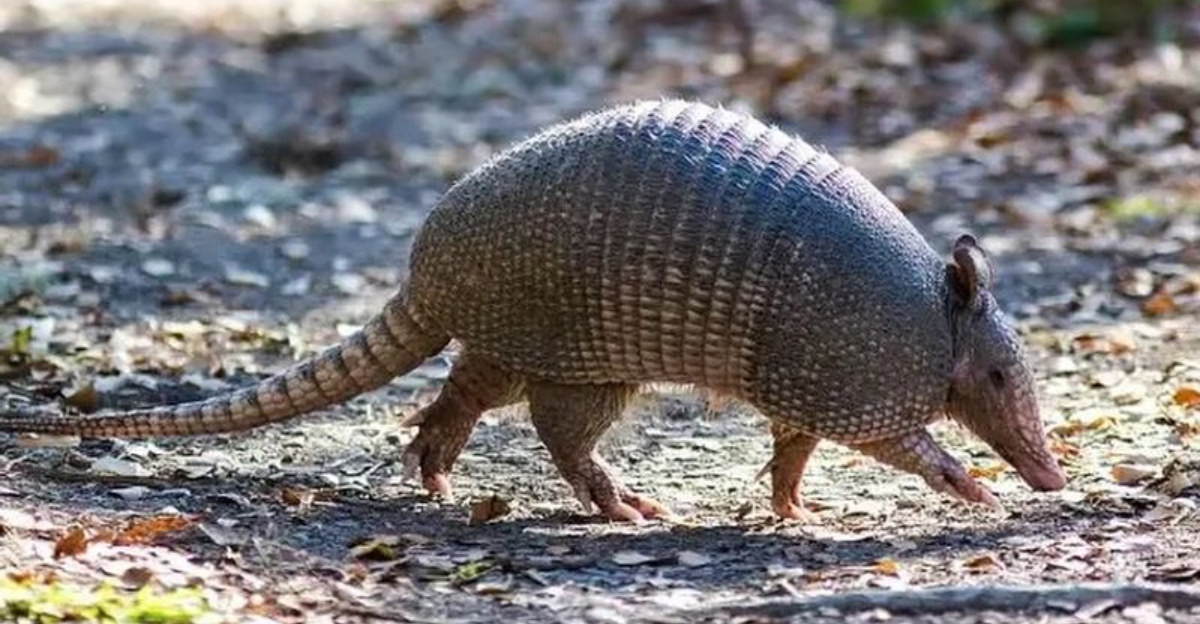
Seeing fresh holes pop up in a Louisiana yard can feel like waking up to a bad joke.
One day the lawn looks fine, and the next it resembles Swiss cheese.
When an armadillo moves in, it does not waste time.
These nighttime diggers root around like they own the place, tearing up grass, flower beds, and anything else in their path.
It is enough to make a homeowner lose sleep.
Armadillos dig for food, not trouble, but the damage adds up fast.
Shallow holes can trip people, wreck landscaping, and turn a tidy yard into a patchwork mess.
Ignore the problem, and it usually snowballs.
The longer an armadillo sticks around, the more comfortable it gets, and the harder it becomes to send it packing.
Dealing with armadillo damage is not about quick fixes or wild guesses.
Smart steps taken early can save time, money, and frustration.
From spotting the warning signs to knowing what actually works, the right approach can stop the digging before it gets out of hand.
In Louisiana yards, acting fast and playing it smart makes all the difference when an armadillo starts calling your lawn home.
1. Identify The Damage And Confirm It’s Actually An Armadillo
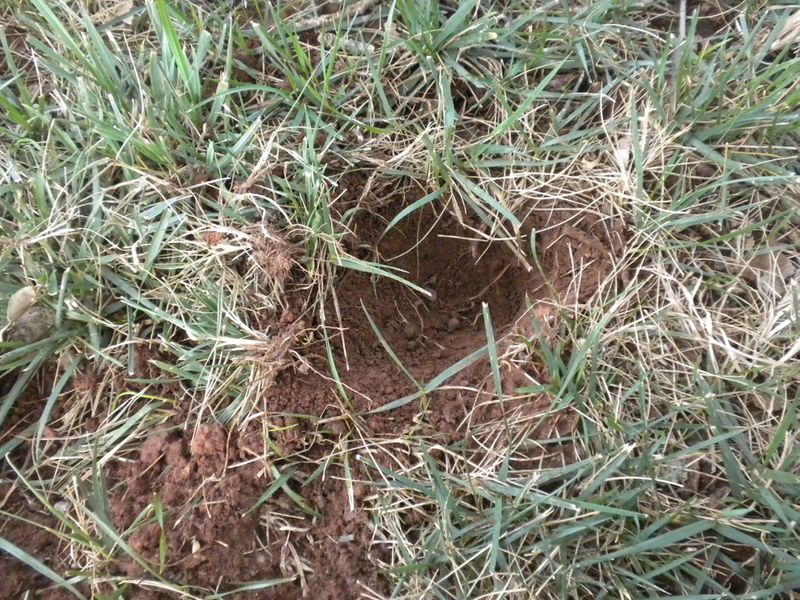
Before you start any control measures, you need to make absolutely sure that an armadillo is causing the problem in your Louisiana yard.
Armadillo holes typically appear as cone-shaped burrows about three to five inches wide and several inches deep.
These animals dig while searching for insects, earthworms, and grubs that live just below the surface of your lawn.
The holes often appear in clusters because armadillos methodically work through an area looking for food.
You might also notice small tracks with four toes on the front feet and five on the back feet near the damaged areas.
Armadillos are most active during the evening and early morning hours, so you might spot one if you look outside during these times.
Other animals like skunks, raccoons, or moles can also create holes in your yard, but their digging patterns look different.
Skunks make smaller, more scattered holes, while moles create raised tunnels that run beneath the grass.
Raccoons tend to roll back sections of sod when searching for grubs rather than digging individual holes.
Once you confirm that armadillos are responsible for the damage, you can move forward with appropriate solutions.
Taking photos of the holes and any tracks can help if you decide to contact a wildlife professional later.
Understanding exactly what you are dealing with makes it much easier to choose the right approach for protecting your Louisiana property from further damage.
2. Remove Their Food Source By Treating Your Lawn For Insects
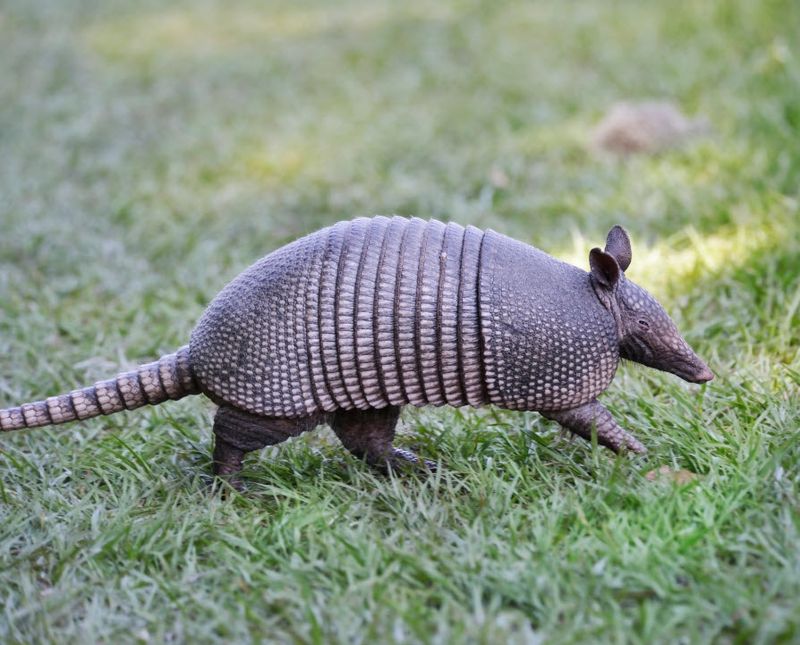
Armadillos visit your yard for one main reason, and that reason is food.
These hungry creatures feast on insects, grubs, beetles, and other bugs living in your soil.
By reducing the insect population in your lawn, you make your property much less attractive to armadillos looking for their next meal.
Applying an insecticide specifically designed to target grubs and soil-dwelling insects can significantly reduce the armadillo activity around your Louisiana home.
You can find these treatments at most garden centers and home improvement stores.
Follow the application instructions carefully, and consider treating your entire yard rather than just the damaged sections.
Timing matters when treating your lawn for insects that attract armadillos.
The best time to apply grub control products in Louisiana is typically during late spring or early summer when grubs are young and most vulnerable.
Some products work as preventatives, while others target existing infestations, so read labels carefully before purchasing.
Keep in mind that reducing the insect population will not provide instant results.
It may take several weeks before armadillos notice that food has become scarce and decide to search elsewhere.
Maintaining a healthy lawn through proper watering, mowing, and fertilizing also helps because strong grass is naturally more resistant to both insect damage and armadillo digging throughout the growing season in Louisiana.
3. Install Physical Barriers Like Fencing Around Vulnerable Areas
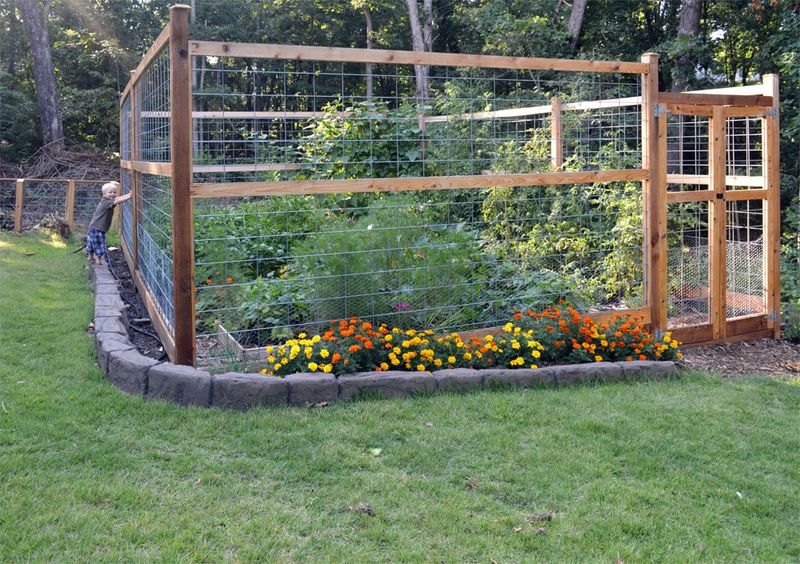
Physical barriers provide one of the most effective long-term solutions for keeping armadillos out of specific areas in your Louisiana yard.
These animals are surprisingly good diggers, so any fence you install needs to extend below ground level to prevent them from burrowing underneath.
A fence that only sits on top of the soil will not stop a determined armadillo from accessing your flower beds or vegetable garden.
For best results, bury wire mesh or hardware cloth at least 12 to 18 inches deep around the perimeter of areas you want to protect.
The fence should also extend at least two feet above ground to prevent armadillos from climbing over.
Choose sturdy materials like welded wire or heavy-gauge hardware cloth that armadillos cannot easily tear through with their strong claws.
Installing barriers works particularly well around gardens, flower beds, and foundation plantings where armadillo damage can be especially frustrating.
You can also create barriers around air conditioning units or other structures where armadillos might try to dig burrows.
The initial installation requires some effort and expense, but it provides reliable protection that lasts for years.
Some Louisiana homeowners choose to fence their entire yard, though this approach can become expensive depending on property size.
Focusing on the most vulnerable or valuable areas often makes more practical and financial sense.
Remember to check your barriers periodically for any damage or gaps that might allow armadillos to sneak through.
4. Use Motion-Activated Sprinklers Or Lights To Scare Them Away
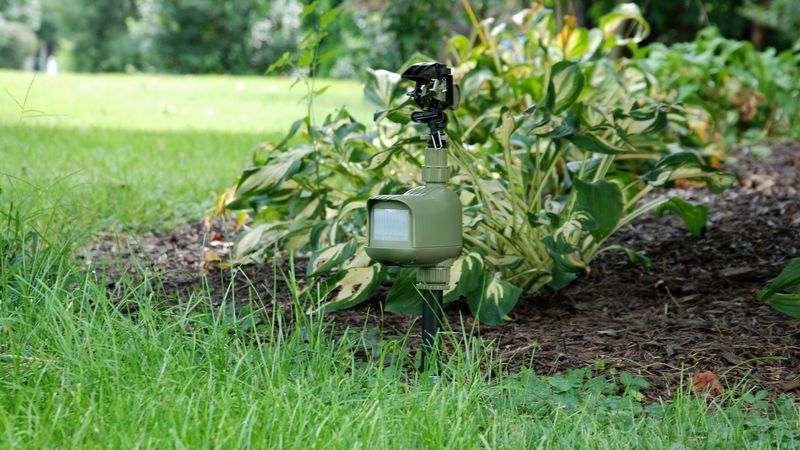
Armadillos startle easily, which makes motion-activated devices an excellent tool for discouraging them from visiting your Louisiana property.
These devices detect movement and respond with sudden bursts of water or bright lights that frighten armadillos away.
The surprise factor teaches armadillos that your yard is not a safe or comfortable place to forage for food.
Motion-activated sprinklers work especially well because armadillos dislike getting wet unexpectedly.
You can position these sprinklers in areas where you have noticed the most digging activity.
Many models allow you to adjust the sensitivity and spray pattern to cover the exact areas where armadillos enter your yard.
Motion-activated lights offer another option, particularly if you want to avoid the water usage that comes with sprinklers.
Bright, sudden illumination can startle armadillos and make them uncomfortable enough to leave.
Some homeowners in Louisiana use both lights and sprinklers together for maximum effectiveness.
The main advantage of motion-activated devices is that they work automatically without requiring you to stay up watching for armadillos.
They also will not harm the animals, making them a humane choice for wildlife control.
One potential downside is that armadillos might eventually become accustomed to these deterrents if they desperately need food, so combining this method with others often produces the best results for protecting your Louisiana yard from persistent diggers.
5. Apply Natural Repellents That Armadillos Find Unpleasant
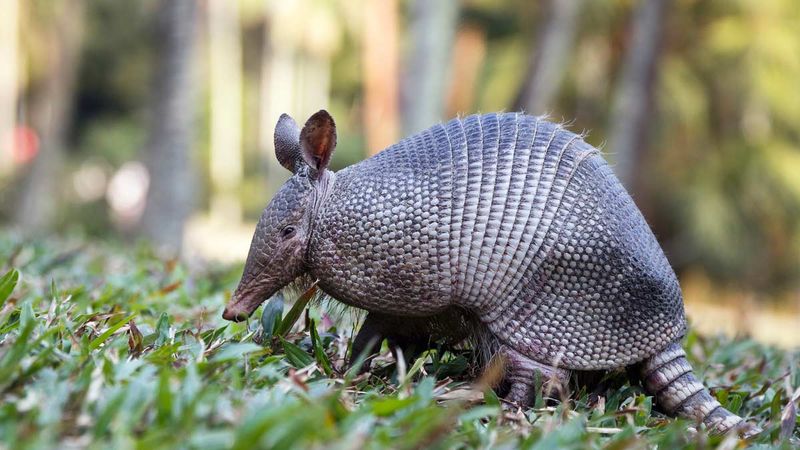
Natural repellents offer a non-toxic way to discourage armadillos from digging in your Louisiana yard.
These products typically contain ingredients that armadillos find offensive to their sensitive noses.
Castor oil-based repellents are particularly popular because armadillos strongly dislike the smell and taste of this substance.
You can purchase commercial armadillo repellents at garden centers, or you can make your own solution at home.
A simple homemade mixture combines castor oil with dish soap and water, which you then spray across your lawn.
The soap helps the oil stick to grass blades and soil, making the repellent more effective and longer-lasting.
Application timing and frequency matter when using natural repellents in Louisiana.
You will need to reapply these products after heavy rain because water washes away the active ingredients.
Most repellents work best when applied every two to three weeks during peak armadillo season, which typically runs from spring through fall in Louisiana.
Some people also report success with scattering cayenne pepper, garlic powder, or predator urine around their yards.
These substances create an environment that armadillos prefer to avoid.
While natural repellents rarely provide a complete solution on their own, they work well as part of a broader strategy that includes other control methods like reducing food sources and installing barriers around your Louisiana property.
6. Fill In Existing Holes And Repair Lawn Damage Promptly
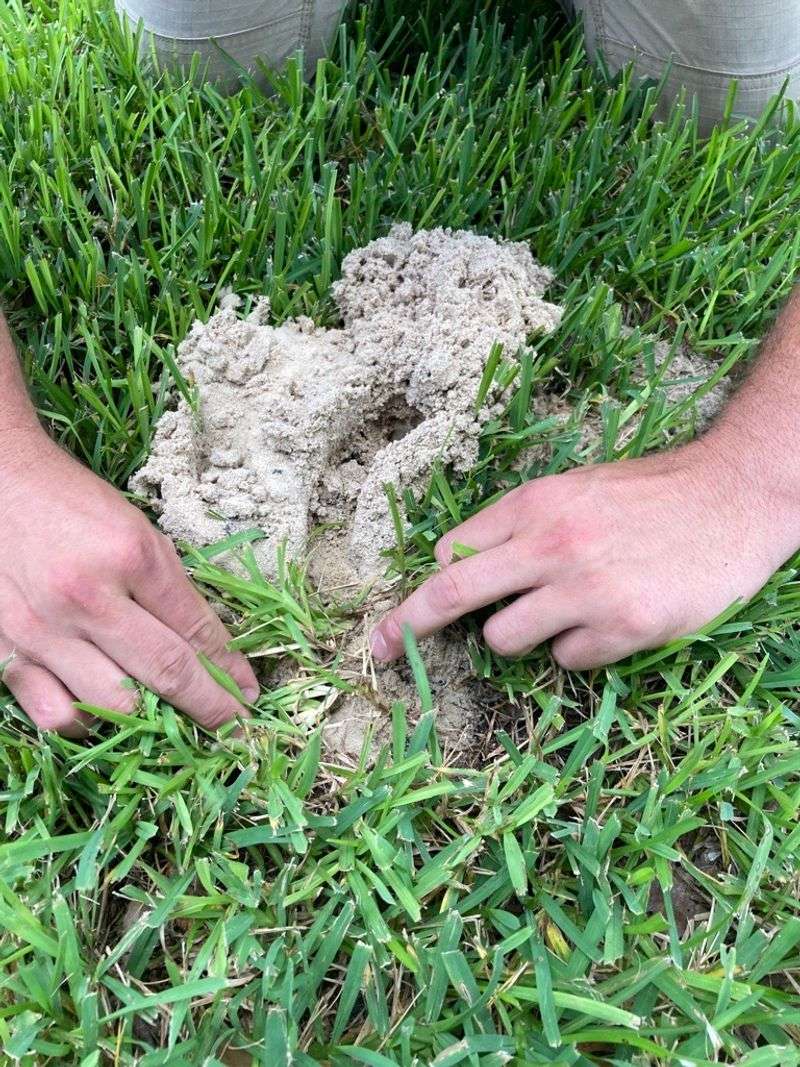
Repairing the damage that armadillos leave behind is important for both appearance and lawn health.
Leaving holes unfilled can lead to additional problems like twisted ankles, uneven mowing, and further soil erosion.
Prompt repairs also help prevent other animals from using the existing holes as starting points for their own digging projects.
Start by filling each hole with quality topsoil that matches your existing lawn composition.
Pack the soil down firmly to prevent settling, then add a bit more soil to create a slight mound.
The mound will settle over time and eventually level out with the surrounding lawn.
After filling the holes, overseed the repaired areas with grass seed that matches your existing lawn type.
Louisiana homeowners typically grow warm-season grasses like Bermuda, St. Augustine, or Zoysia.
Water the repaired spots regularly until new grass becomes established, which usually takes several weeks depending on weather conditions.
Consider applying a starter fertilizer to help new grass grow quickly and fill in bare spots.
Faster recovery means your Louisiana lawn will look better sooner and become more resistant to future damage.
If armadillos continue visiting your yard, you may need to repeat this repair process multiple times while implementing other control methods.
Regular lawn maintenance also helps your grass recover more quickly from armadillo damage.
Healthy, well-fertilized grass grows more vigorously and can better withstand the stress of being disturbed by digging animals throughout the year.
7. Contact A Wildlife Professional If The Problem Persists
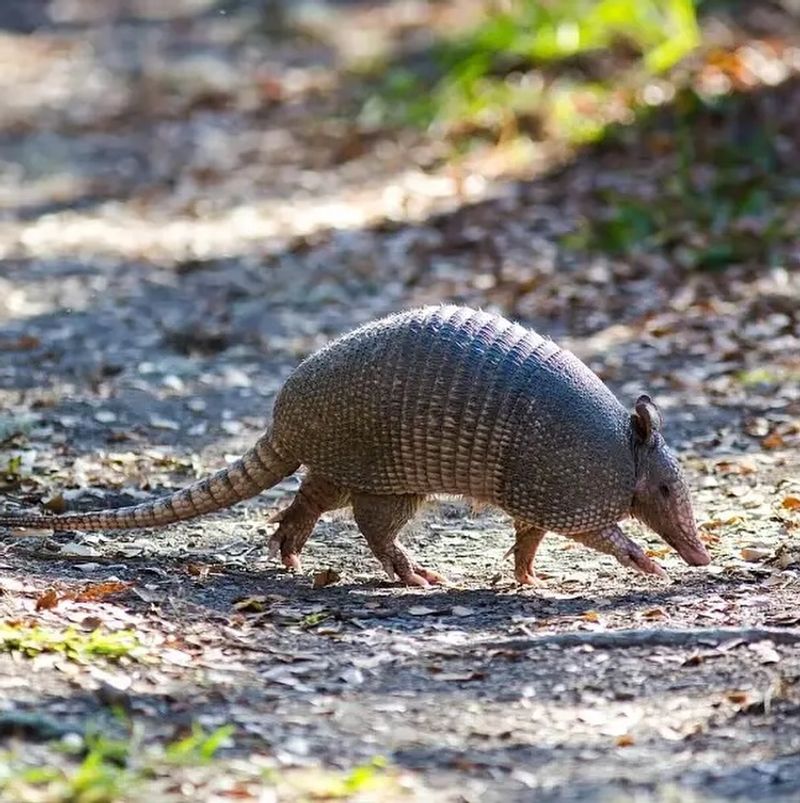
Sometimes armadillo problems become too difficult or time-consuming for homeowners to handle alone.
If you have tried multiple control methods without success, reaching out to a licensed wildlife professional might be your best option.
These experts have specialized knowledge, equipment, and experience dealing with armadillo issues specifically in Louisiana.
Wildlife professionals can assess your property to determine why armadillos keep returning and recommend customized solutions.
They understand armadillo behavior patterns and know the most effective techniques for discouraging these animals from making your yard their regular dining spot.
Many professionals offer both removal services and prevention strategies to keep armadillos from coming back.
Professional services typically include humane trapping and relocation when necessary.
Louisiana has specific regulations regarding wildlife trapping and relocation, so working with a licensed professional ensures you stay within legal boundaries.
Attempting to trap and relocate armadillos yourself without proper permits can result in fines or other legal consequences.
The cost of professional wildlife control varies depending on the severity of your armadillo problem and the methods required.
Many companies offer free inspections and estimates, so you can understand the costs before committing to service.
While hiring a professional represents an additional expense, it often saves money in the long run by preventing ongoing lawn damage and eliminating the need for repeated DIY attempts that may not work effectively for your Louisiana property.