10 Landscaping Design Choices That Could Soon Face Rules In Arizona
Arizona landscapes are shaped as much by climate pressure and growth as by personal taste, and that balance is starting to shift.
Design choices that once felt routine are now being viewed through lenses of water use, safety, and neighborhood impact.
As drought concerns continue and communities expand, outdoor aesthetics are increasingly tied to shared responsibility rather than individual preference.
Many homeowners are surprised to learn that popular landscaping features may soon attract closer attention from local guidelines.
What worked a decade ago can suddenly feel out of step with current priorities shaped by heat, scarcity, and sustainability.
Arizona’s extreme conditions amplify the consequences of outdoor decisions, making design choices more visible and more debated.
Conversations about landscaping are moving beyond style and into long-term practicality and environmental limits.
HOAs and municipalities are paying closer attention as outdoor trends evolve faster than regulations.
This creates uncertainty for homeowners who want attractive yards without future complications or costly changes.
Understanding which design choices may face rules helps Arizona residents stay ahead of shifting expectations before changes arrive.
1. Traditional Grass Lawns
Water scarcity continues pushing Arizona officials toward stricter lawn regulations that could limit how much turf homeowners can install on properties.
Many cities already encourage desert landscaping, but upcoming rules might actually prohibit large grass areas in new residential developments across the state.
Current proposals suggest limiting turf to small functional areas like play spaces while requiring native plants for most of the yard.
Homeowners who love green lawns may need to switch to drought-tolerant alternatives that require far less irrigation and maintenance throughout the year.
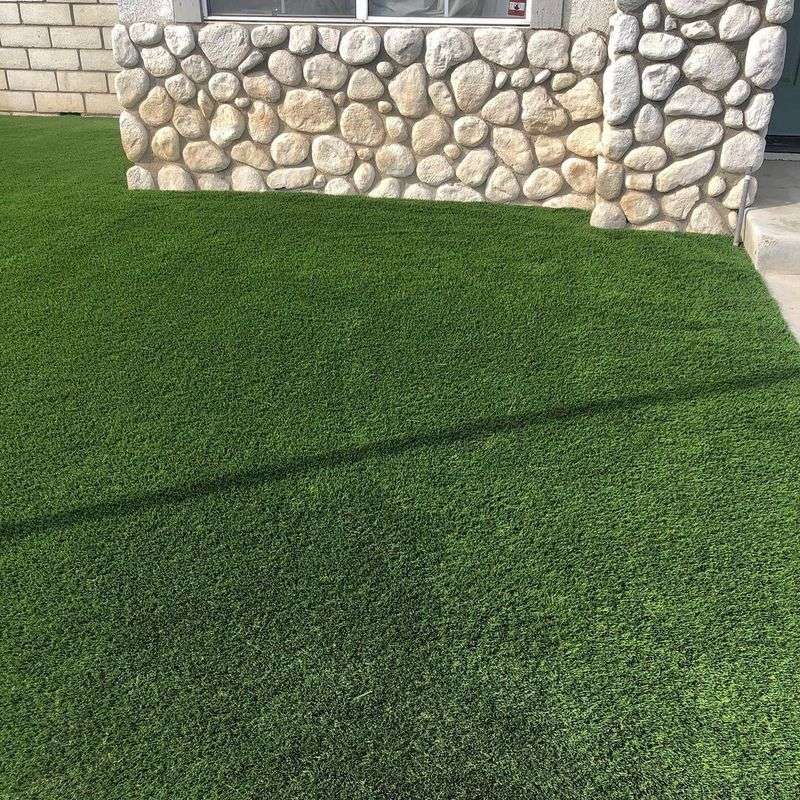
Artificial turf offers one solution, though Arizona regulators are also examining whether synthetic grass creates heat island effects in neighborhoods.
Some communities might allow grass only in backyards, keeping front yards entirely devoted to water-wise desert plants and rock features.
Changing your lawn now before mandates arrive could save money on future retrofitting costs and help you avoid compliance headaches down the road.
Native groundcovers provide beautiful green alternatives that use a fraction of the water while supporting local wildlife and reducing your maintenance workload.
HOAs and municipalities may also introduce incentives or rebates to help homeowners transition away from traditional lawns more easily.
These shifts signal a broader move toward landscapes designed to match Arizona’s climate rather than fight against it.
2. Non-Native Ornamental Trees
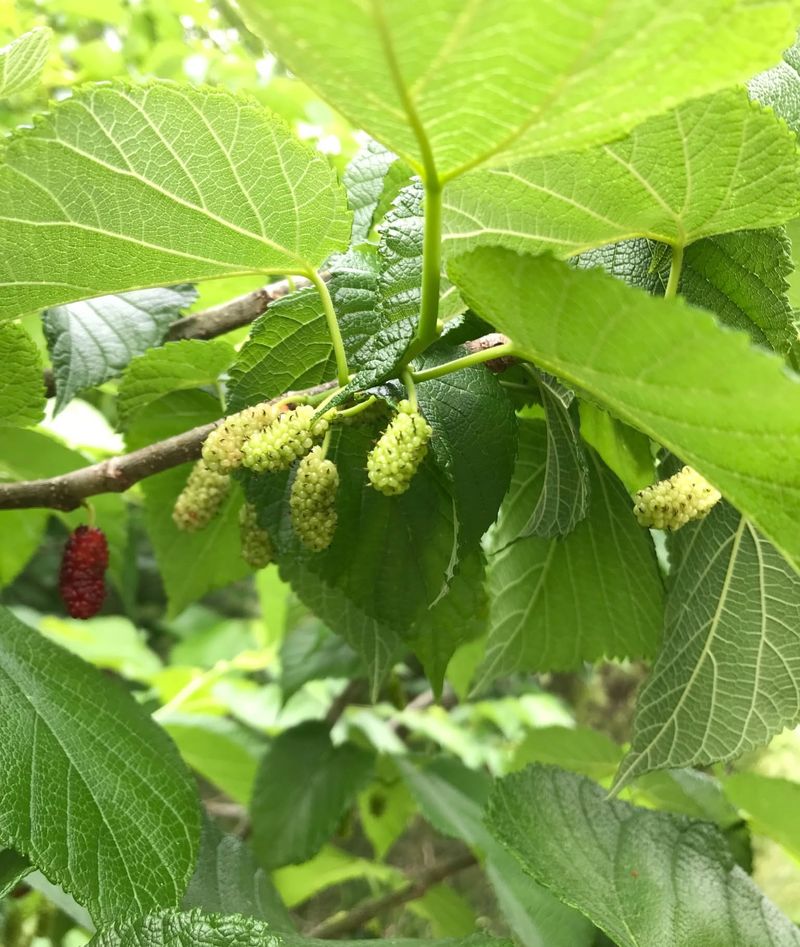
Popular shade trees from other climates often struggle in Arizona heat while consuming enormous amounts of precious water resources throughout their lifespan.
Mulberry trees, ash trees, and certain palm varieties might face planting bans because they require constant irrigation and offer limited ecological benefits.
State officials worry that non-native species crowd out indigenous trees that naturally thrive in desert conditions without excessive watering or special care.
Future regulations could require homeowners to choose from approved lists of native trees like mesquite, palo verde, and ironwood for all landscaping.
These indigenous options provide excellent shade, require minimal water once established, and support birds, bees, and other important pollinators across Arizona.
Removing existing non-native trees might not be mandatory, but replacing them with desert-adapted species could become required when they eventually expire.
Planning ahead by planting native trees now demonstrates environmental responsibility while ensuring your landscape complies with upcoming standards in the state.
Native trees also drop less debris, need less pruning, and resist local pests better than imported species that never adapted to Arizona.
3. Water Features and Fountains
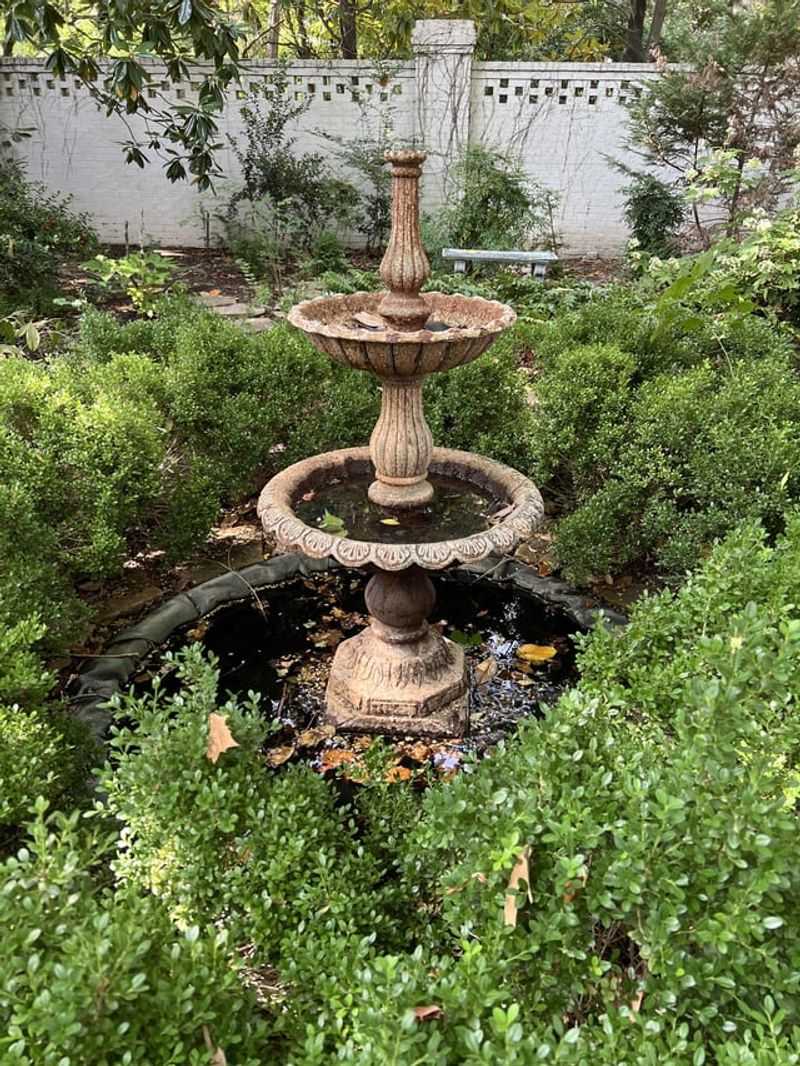
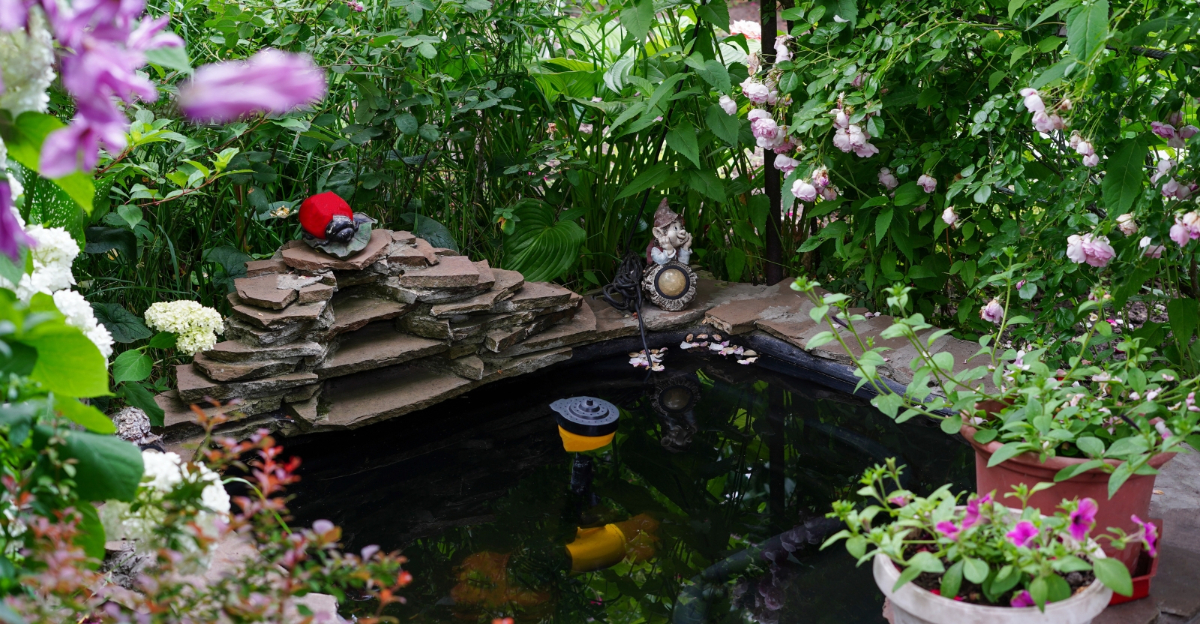
Decorative ponds, cascading waterfalls, and elaborate fountains add beauty to yards, but they waste tremendous water through evaporation in Arizona’s climate.
Proposed regulations might ban or severely restrict new water features unless they use recirculating systems with covers that minimize evaporation losses.
Some municipalities are considering requiring permits for any water feature, with strict guidelines about size, water source, and conservation measures in place.
Homeowners who already have fountains might need to retrofit them with timers, covers, or more efficient pumps to meet new standards.
Smaller water features that use minimal water and incorporate native plants could still be allowed under proposed rules across various Arizona communities.
Birdbaths and shallow dishes that provide water for wildlife while using very little liquid might remain exempt from the strictest regulations.
Removing or modifying existing water features before mandates take effect gives you more control over the process and potentially reduces compliance costs.
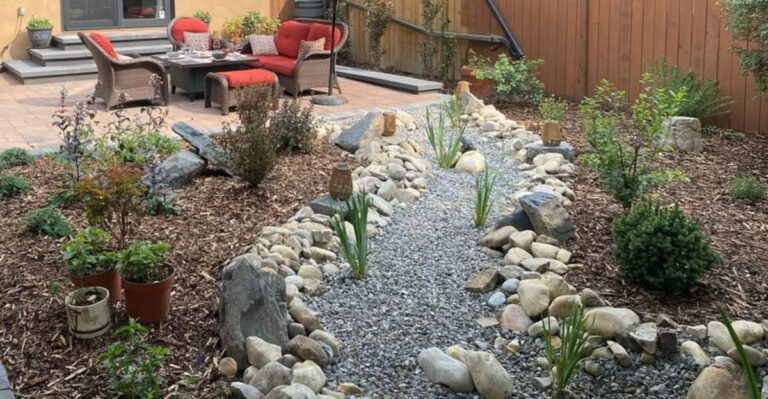
Dry creek beds and rock features that mimic water without actually using it offer attractive alternatives that capture the aesthetic without waste.
These alternatives still create movement and visual interest while aligning with Arizona’s long-term water conservation goals.
As rules tighten, landscapes that suggest water rather than rely on it are likely to become far more common across the state.
4. Decorative Rock and Gravel
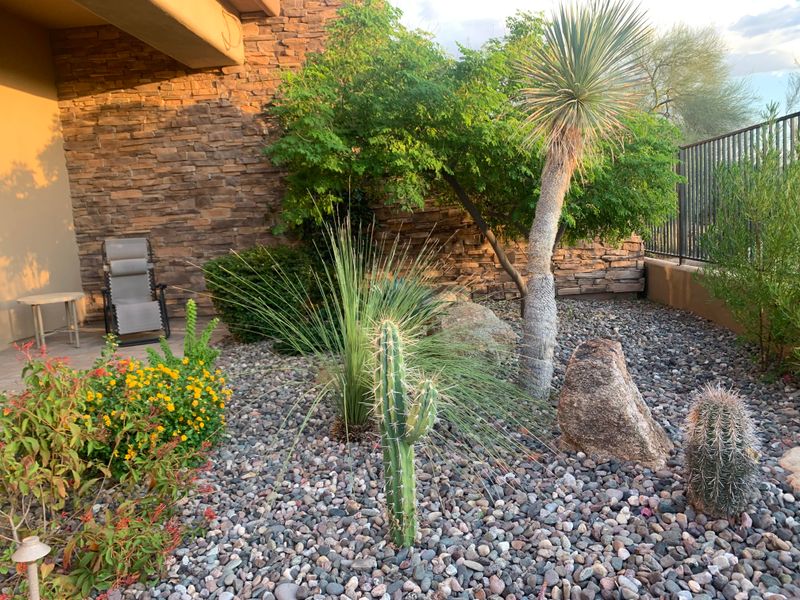
Rock landscapes have become incredibly popular in Arizona, but officials now worry that too much hardscaping creates excessive heat and runoff problems.
Future rules might limit how much of your yard can be covered with rock, requiring a minimum percentage of living plants instead.
Bare rock absorbs and radiates heat, making neighborhoods hotter and increasing energy costs for cooling homes throughout the long Arizona summers.
Proposed regulations could require trees or shrubs to cover at least thirty or forty percent of residential lots to provide shade and cooling.
Permeable hardscaping materials that allow rainwater to soak into the ground might be favored over solid rock that creates runoff and drainage issues.
Combining rocks with native plants creates attractive landscapes that meet both aesthetic goals and emerging environmental standards across the state.
Some communities are considering color restrictions on rock, prohibiting very light colors that reflect excessive heat into surrounding areas and homes.
Balancing rock with vegetation now positions your property to comply with future rules while maintaining the low-maintenance appeal that Arizona homeowners love.
5. Invasive Plant Species
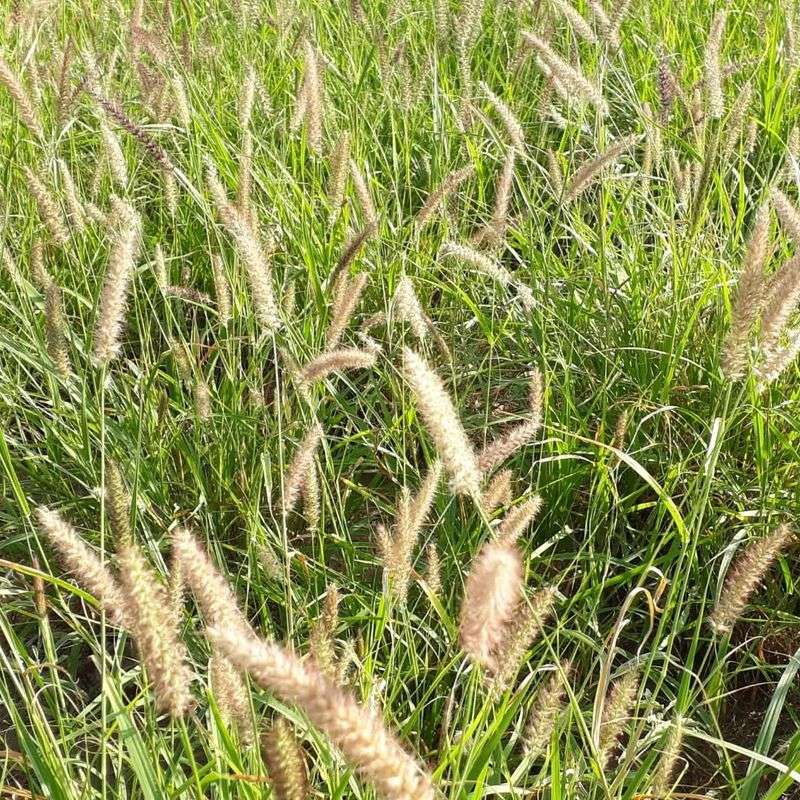
Certain aggressive plants spread rapidly through Arizona ecosystems, choking out native vegetation and disrupting wildlife habitats across the entire state.
Buffelgrass, fountain grass, and tamarisk trees are among the invasive species that could face complete planting bans in residential landscapes soon.
These plants often arrived decades ago as ornamentals but escaped into wild areas where they now threaten native species and increase wildfire risks.
New regulations would likely prohibit selling, planting, or transporting invasive species, with penalties for homeowners who fail to remove existing problem plants.
Some invasive species look attractive in yards, which makes the potential bans frustrating for homeowners who already invested in these landscaping choices.
Removing invasive plants before mandates arrive helps protect Arizona’s natural environment while ensuring your property avoids future compliance issues and potential fines.
Native alternatives offer similar beauty without the ecological damage, and local nurseries can recommend appropriate substitutes for any invasive species currently growing.
Understanding which plants count as invasive helps you make better choices when adding new vegetation to your Arizona landscape moving forward.
Early action also gives homeowners more time to plan removals gradually instead of rushing under regulatory deadlines.
These changes reflect a growing effort to protect Arizona’s landscapes before invasive plants cause even greater long-term damage.
6. Spray Irrigation Systems
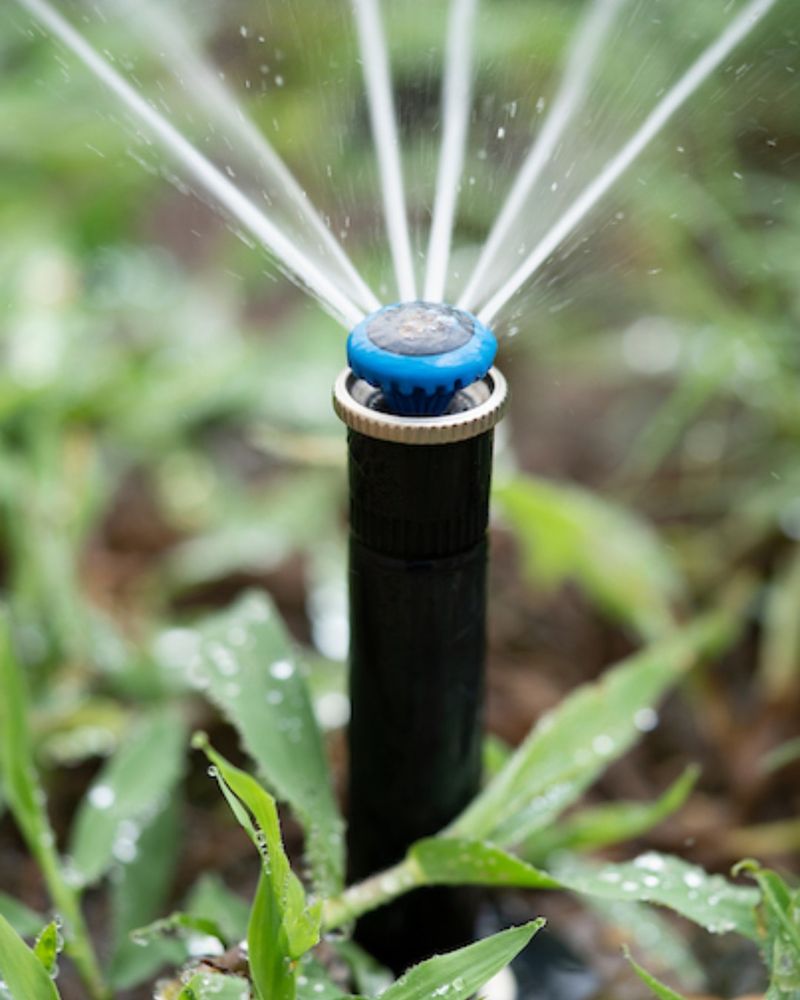
Traditional sprinkler systems waste enormous amounts of water through overspray, evaporation, and inefficient coverage patterns that irrigate sidewalks and driveways too.
Arizona communities are considering rules that would require drip irrigation or other high-efficiency watering methods for all new landscape installations statewide.
Drip systems deliver water directly to plant roots, reducing waste by up to seventy percent compared to conventional spray sprinklers in desert conditions.
Existing spray systems might need to be retrofitted or replaced within certain timeframes once new regulations take effect across various municipalities.
Smart irrigation controllers that adjust watering based on weather conditions could become mandatory equipment for all residential irrigation systems in Arizona.
Homeowners who upgrade their watering systems voluntarily might qualify for rebates or incentives that offset some of the installation and equipment costs.
Proper irrigation helps plants thrive while conserving water, making the switch beneficial even without regulatory pressure from local or state authorities.
Consulting with irrigation professionals now helps you understand your options and plan upgrades before deadlines create rushed, expensive compliance projects in Arizona.
7. Swimming Pool Designs
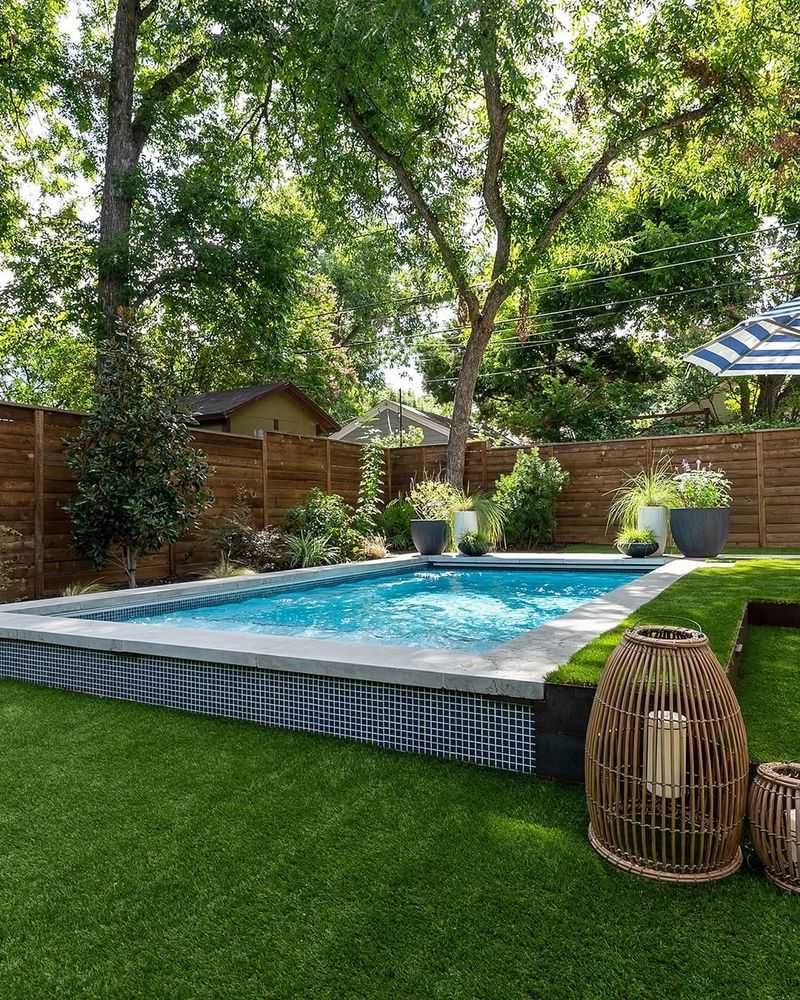
Pools remain popular in Arizona, but new rules might require covers, efficient pumps, and water-saving features for all new residential pool installations.
Evaporation from uncovered pools wastes thousands of gallons annually in Arizona’s dry climate, prompting officials to consider mandatory cover requirements for homeowners.
Future regulations could also restrict pool size, limit water features like spillover spas, or require saltwater systems that reduce chemical and water usage.
Some communities are examining whether to allow new pools at all in areas with severe water shortages or groundwater depletion problems.
Existing pools might need retrofitting with energy-efficient pumps, LED lighting, and other upgrades to meet new standards within specified compliance timeframes.
Pool covers not only reduce evaporation but also keep water cleaner, lower heating costs, and improve safety for families throughout Arizona.
Homeowners planning pool installations should research emerging regulations in their specific communities to avoid costly modifications after construction finishes in the state.
Natural pools that use plants for filtration instead of chemicals represent one innovative option that might gain favor under new environmental standards.
Planning ahead allows homeowners to weigh whether a pool still makes sense as water policies continue evolving statewide.
In many cases, smarter designs and conservation-focused upgrades will determine which pools remain viable in Arizona’s future landscapes.
8. Artificial Turf Installations
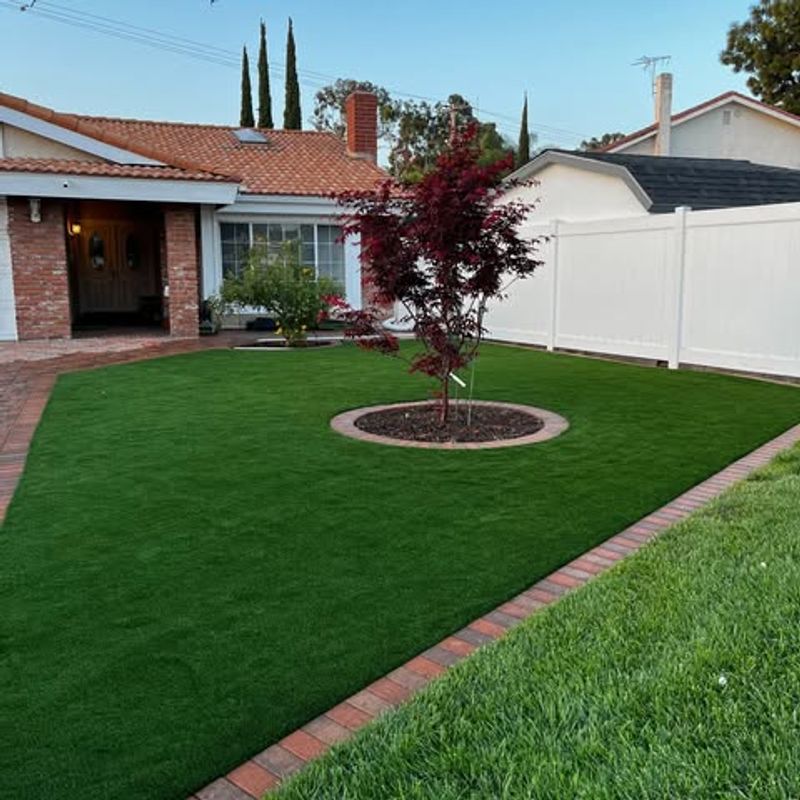
Synthetic grass seems like a perfect water-saving solution, but concerns about heat retention, runoff, and microplastics are prompting regulatory scrutiny in Arizona.
Some studies show artificial turf can become dangerously hot during summer, creating surfaces that reach temperatures far exceeding those of natural ground.
Proposed rules might require permeable backing, cooling infill materials, or shade coverage for any artificial turf installed on residential properties across the state.
Environmental groups worry that synthetic grass contributes to stormwater pollution when tiny plastic fibers wash into drainage systems during Arizona’s monsoon season.
Future regulations could limit artificial turf to specific areas like play spaces while prohibiting its use as a wholesale replacement for natural landscaping.
Quality synthetic grass products that address heat and environmental concerns might remain acceptable, while cheaper options face restrictions or outright bans statewide.
Homeowners considering artificial turf should research products carefully and check local regulations before investing in installations that might not meet future standards.
Native groundcovers offer living alternatives that provide many benefits of turf without the environmental concerns that worry Arizona officials and environmental advocates.
9. Decorative Lighting Systems
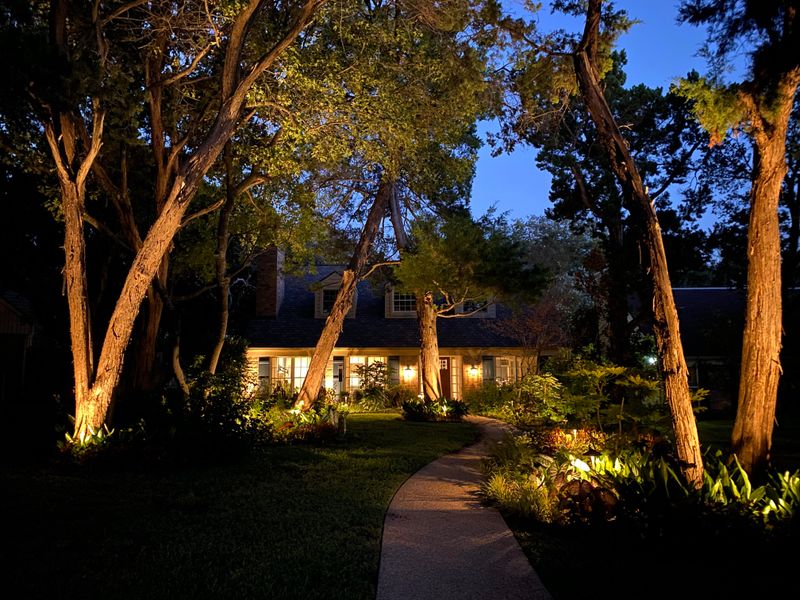
Outdoor lighting enhances security and beauty, but excessive illumination creates light pollution that disrupts wildlife and wastes energy throughout Arizona communities.
Dark sky ordinances already exist in some areas, and expanded rules might soon require shielded fixtures, motion sensors, and reduced lighting levels.
Proposed regulations could limit the brightness, color temperature, and hours of operation for decorative landscape lighting on residential properties across the state.
Upward-facing lights that illuminate trees or architectural features might be restricted or banned because they contribute significantly to sky glow problems.
Energy-efficient LED systems with timers and controls could become mandatory for all new landscape lighting installations in Arizona municipalities with dark sky rules.
Wildlife, especially nocturnal species, suffers when artificial lighting disrupts natural behaviors and migration patterns in desert ecosystems throughout the region.
Homeowners can maintain attractive outdoor lighting while complying with regulations by choosing lower-intensity fixtures that direct light downward where it’s actually needed.
Consulting lighting professionals familiar with Arizona’s dark sky initiatives helps you design systems that balance beauty, safety, and environmental responsibility moving forward.
These adjustments often improve nighttime ambiance by reducing harsh glare and creating softer, more intentional lighting effects.
As awareness grows, thoughtful lighting design is becoming a key part of responsible landscaping across Arizona neighborhoods.
10. Impermeable Hardscaping
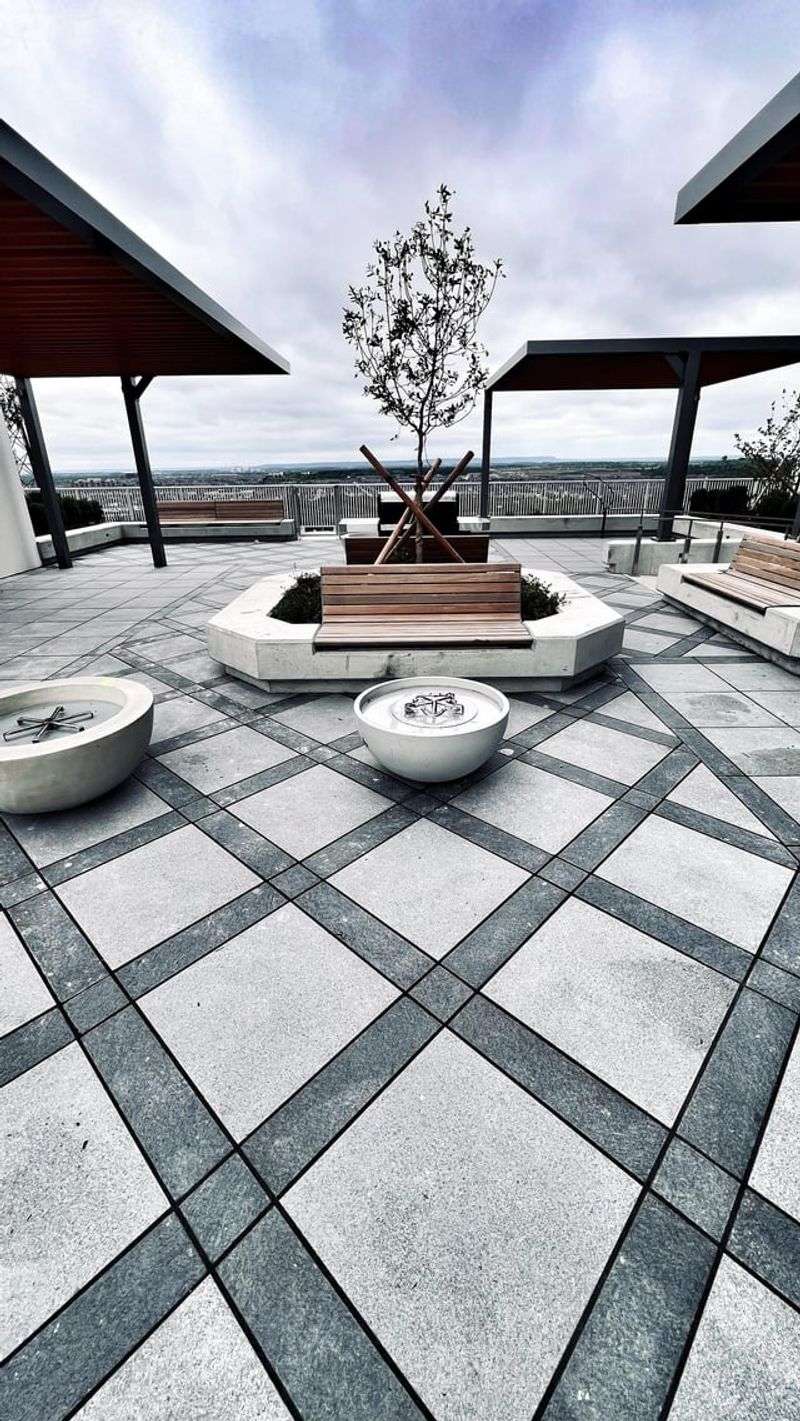
Patios, walkways, and driveways made from solid concrete or asphalt prevent rainwater from soaking into the ground, creating runoff problems in Arizona.
New regulations might require permeable paving materials that allow water to filter through, reducing strain on stormwater systems during monsoon season.
Permeable pavers, decomposed granite, and porous concrete offer alternatives that maintain functionality while letting rainwater naturally replenish groundwater supplies across the state.
Future rules could limit the percentage of your property that can be covered with impermeable surfaces, especially in areas with drainage concerns.
Proper grading and drainage features might become required components of any hardscaping project to manage water flow and prevent erosion on properties.
Homeowners planning patios or walkways should explore permeable options now, as retrofitting existing hardscaping later proves expensive and disruptive to established landscapes.
Permeable materials often cost slightly more initially but provide environmental benefits and help your property comply with emerging stormwater management standards in Arizona.
Consulting with landscape professionals about drainage-friendly hardscaping ensures your outdoor spaces meet both current needs and future regulatory requirements throughout the state.
Designing hardscapes with water movement in mind also helps protect nearby plantings and foundations from damage caused by uncontrolled runoff.