11 Landscaping Practices That Could Face Possible Restrictions In Virginia Neighborhoods
Landscaping usually feels personal, like an extension of your home that reflects your taste, effort, and time spent outside.
In many Virginia neighborhoods, that sense of freedom can disappear quickly once rules and expectations come into play.
What begins as a simple plan to improve curb appeal can quietly cross into restriction territory without any clear warning.
I have seen homeowners pour real money and weekends into their yards, only to get pushback they never expected.
Some landscaping practices look harmless on the surface but raise concerns about safety, drainage, or shared neighborhood appearance.
Others fall into gray areas where guidelines exist but rarely come up until someone finally speaks up.
That uncertainty can turn what should be an exciting project into a stressful guessing game.
Virginia’s mix of historic communities and newer developments makes landscaping rules especially inconsistent and confusing.
Knowing which practices might face limits gives you a chance to plan with confidence instead of fixing problems later.
Take a moment to look through these eleven landscaping practices so your next yard decision feels intentional, informed, and stress free.
1. Excessive Lawn Watering During Drought Periods
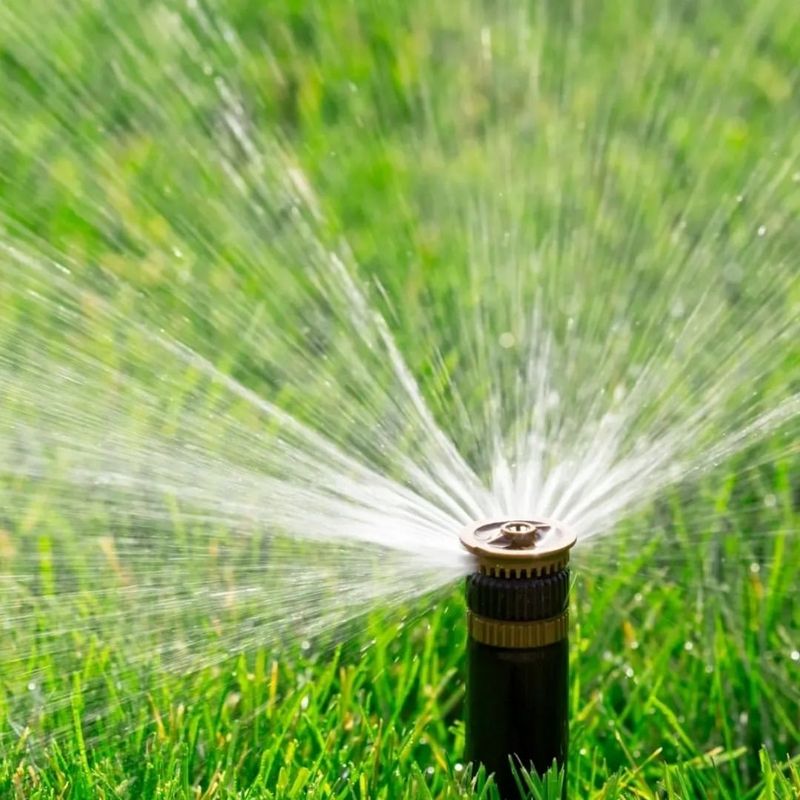
Water restrictions are becoming more common across Virginia as communities work to conserve this precious resource during hot summer months.
Many neighborhoods now limit when and how often you can water your grass, especially when rainfall drops below normal levels.
Automatic sprinkler systems might need adjustments to comply with odd-even watering schedules that many Virginia towns are adopting for residential areas.
Your lush green lawn could face penalties if you water on the wrong days or during prohibited afternoon hours.
Conservation efforts mean homeowners should consider drought-resistant grass varieties that need less frequent watering throughout the growing season in Virginia.
Native grasses adapted to local conditions can stay healthy with minimal irrigation compared to traditional turf that demands constant moisture.
Smart irrigation controllers that adjust based on weather conditions are becoming essential tools for maintaining compliant landscapes in regulated Virginia communities.
These devices help you avoid violations while keeping your yard looking attractive and healthy all season long.
Some homeowners are also turning to rain sensors and drip irrigation systems to reduce water use while still maintaining healthy lawns and landscaped areas.
2. Non-Native Invasive Plant Species in Garden Beds
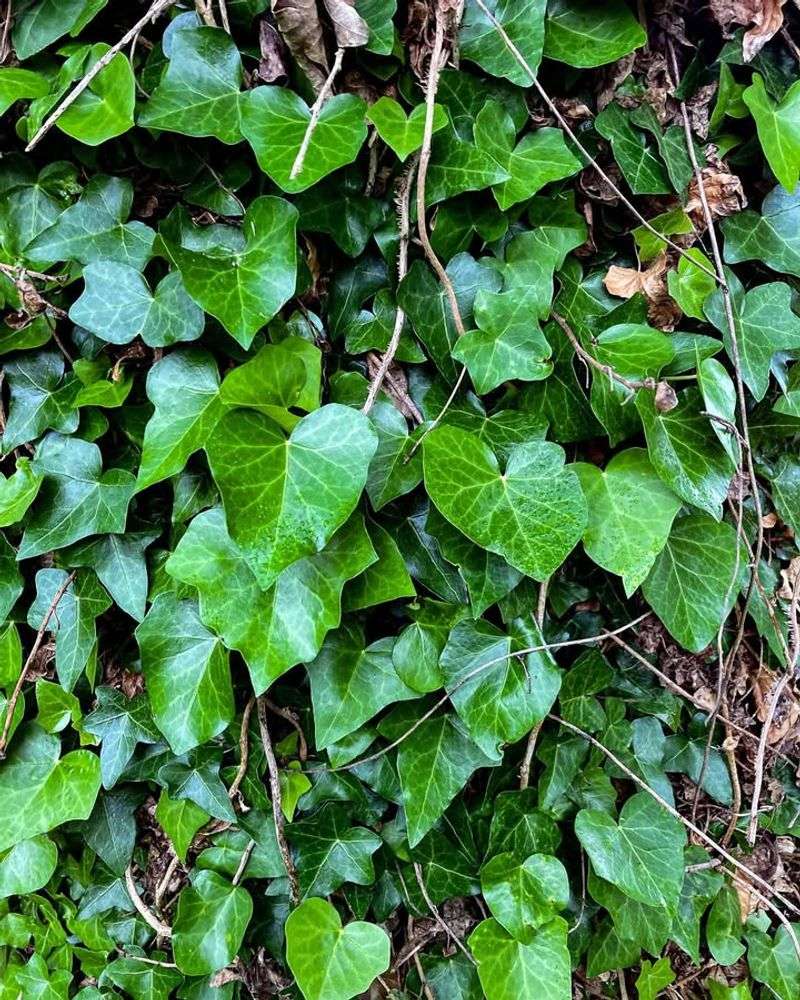
Invasive plants like English ivy and Bradford pear trees are facing increased scrutiny from Virginia environmental agencies because they harm local ecosystems.
These aggressive species spread rapidly beyond property lines, choking out native vegetation that wildlife depends on for food and shelter.
Homeowner associations in Virginia are beginning to prohibit certain ornamental plants that have proven problematic in natural areas throughout the region.
Popular landscaping choices from past decades are now recognized as ecological threats that require removal and replacement with better alternatives.
Bradford pear trees, once beloved for their spring blossoms, are now banned in some Virginia communities due to their invasive nature.
Their weak branches break easily during storms, and their offspring spread into forests where they outcompete valuable native species.
Choosing native Virginia plants for your landscaping projects ensures compliance with emerging regulations while supporting local birds, butterflies, and beneficial insects.
Native options are often hardier and require less maintenance than exotic species that struggle in regional climate conditions anyway.
3. Artificial Turf Installation in Front Yards
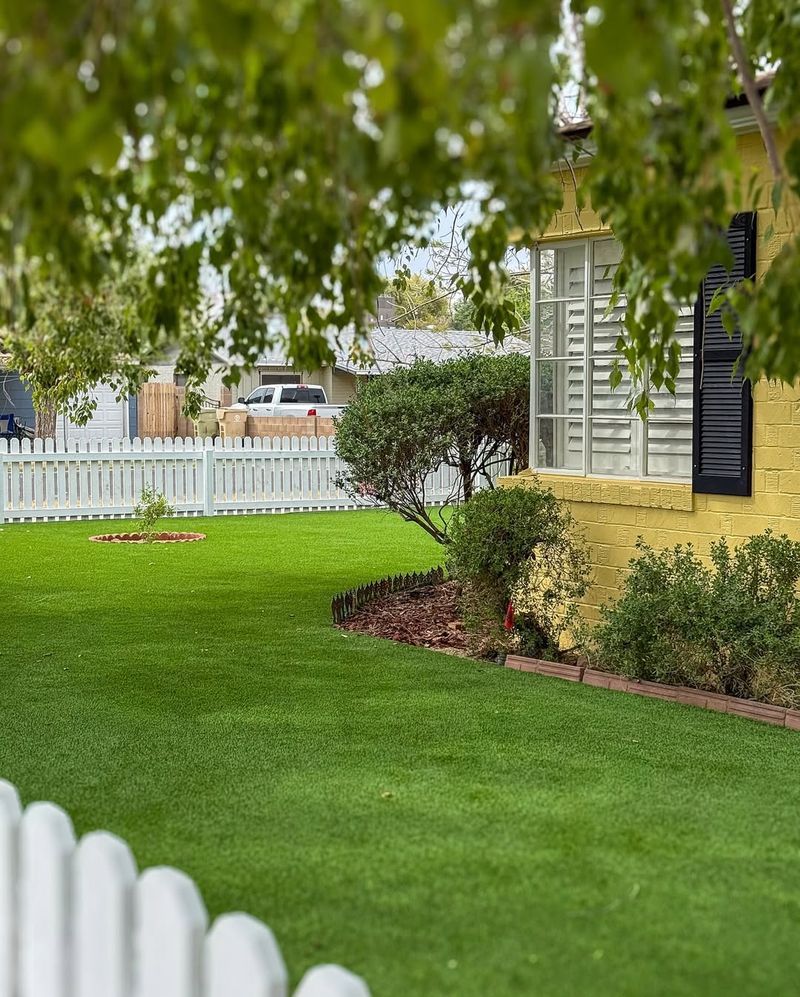
Synthetic grass is gaining popularity for its low maintenance appeal, but many Virginia neighborhoods are establishing rules against its use in visible areas.
Homeowner associations often view artificial turf as visually unappealing and inconsistent with the natural aesthetic they want to maintain in communities.
Front yard installations face the most resistance because they impact the overall appearance of entire streets and can affect property values.
Backyards typically have more flexibility, but front-facing synthetic lawns are increasingly restricted by covenant rules across Virginia residential developments.
Environmental concerns also drive opposition to artificial turf since it contributes to urban heat islands and prevents rainwater absorption into soil.
Virginia municipalities worried about stormwater management may limit synthetic surfaces that increase runoff and strain drainage systems during heavy rainfall.
Some communities allow artificial turf only if it closely mimics natural grass and meets specific quality standards for color and texture.
Before investing in synthetic lawn installation, check with your Virginia neighborhood association to avoid expensive removal requirements later on.
4. Tall Privacy Fences Exceeding Height Regulations
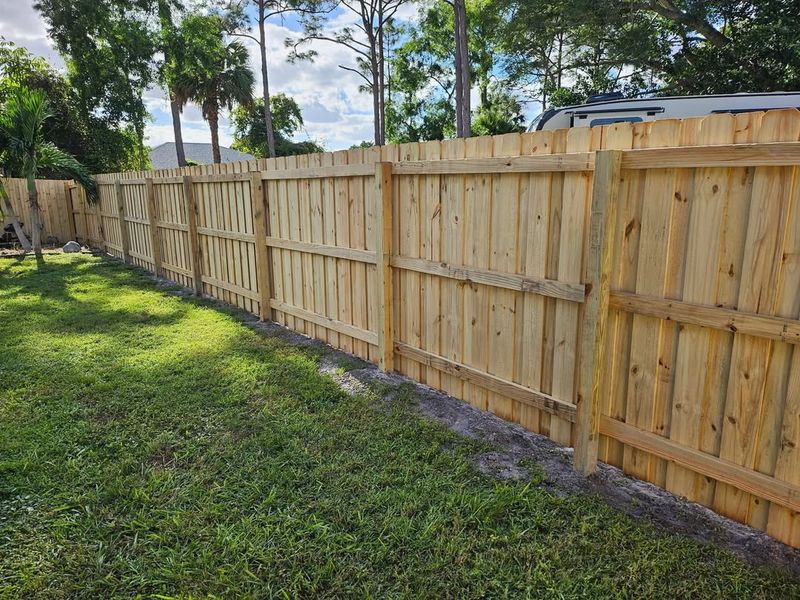
Privacy fences offer seclusion but often violate Virginia neighborhood codes when they exceed maximum height limits set by local zoning ordinances.
Most communities restrict front yard fences to three or four feet, while backyard structures can reach six feet in designated areas.
Corner lots face additional restrictions because tall fences can create dangerous blind spots for drivers and pedestrians navigating intersections throughout Virginia.
Safety concerns motivate these rules, which aim to maintain clear sightlines at street corners where accidents are most likely.
Homeowners who install fences without proper permits may receive violation notices requiring expensive modifications or complete removal of non-compliant structures.
Virginia county offices and homeowner associations actively enforce fence regulations through inspections and neighbor complaints about boundary encroachments.
Before building any fence, research your specific Virginia neighborhood covenants and county ordinances to understand setback requirements and material restrictions.
Some communities only allow certain fence styles or colors that match the established architectural character of surrounding properties.
Checking local rules ahead of time can save homeowners from costly surprises and help ensure new fences meet both safety standards and neighborhood expectations.
5. Excessive Hardscaping That Increases Stormwater Runoff
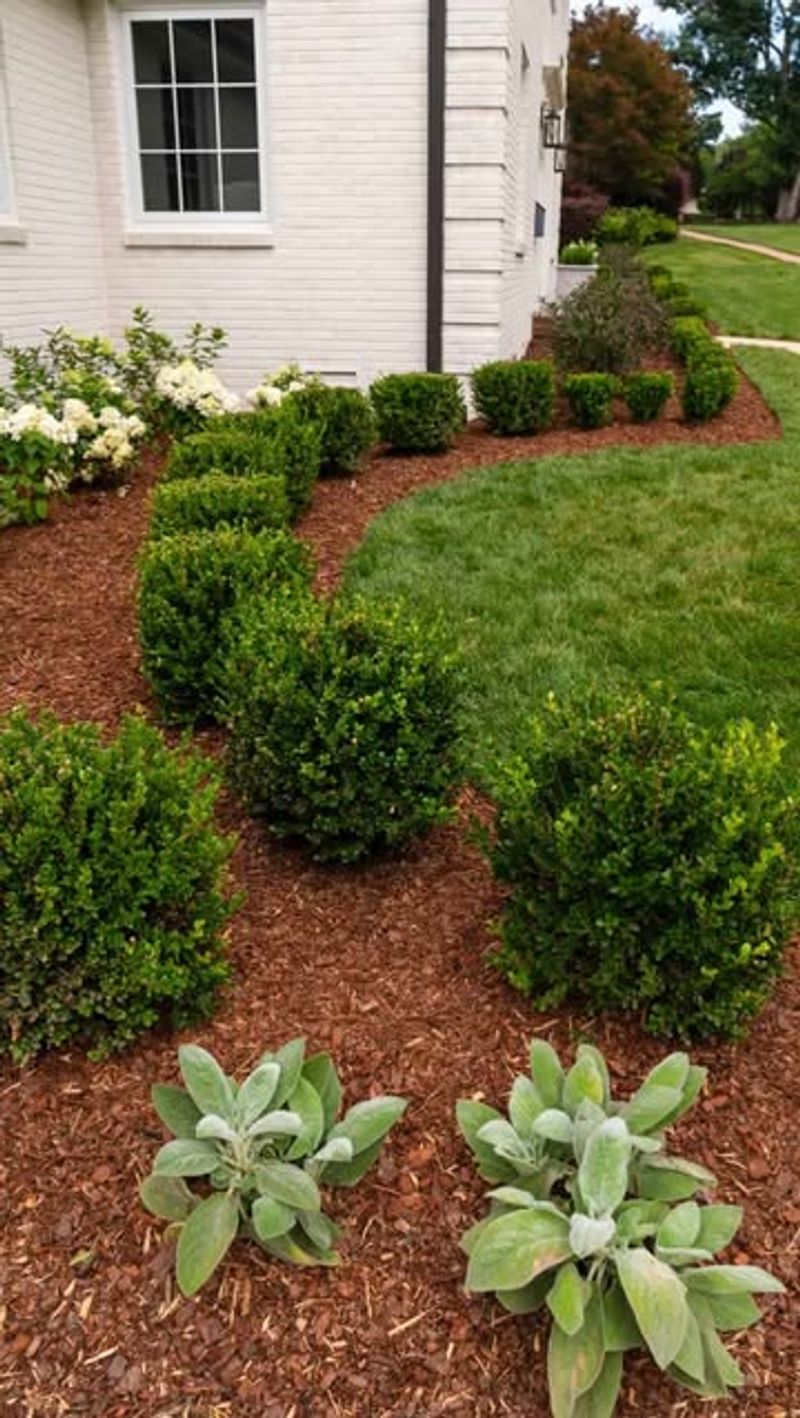
Large patios, driveways, and walkways made from impermeable materials are facing new restrictions as Virginia addresses stormwater management challenges in developed areas.
Excessive concrete and asphalt prevent rainwater from soaking into the ground, sending it rushing into storm drains and local waterways.
New regulations in some Virginia counties limit how much of your property can be covered with impervious surfaces that contribute to flooding.
Homeowners planning major hardscaping projects may need to incorporate permeable pavers or rain gardens to offset the environmental impact of solid surfaces.
Chesapeake Bay protection efforts are driving many of these changes since stormwater runoff carries pollutants into streams that eventually reach this critical.
Virginia takes its watershed responsibilities seriously, implementing stricter controls on residential development that affects water quality throughout the entire region.
Permeable alternatives like gravel paths and porous pavement allow water infiltration while still providing functional outdoor living spaces for Virginia residents.
These eco-friendly options may even qualify for incentive programs that offset installation costs in communities focused on environmental sustainability goals.
6. Bright Outdoor Lighting That Creates Light Pollution
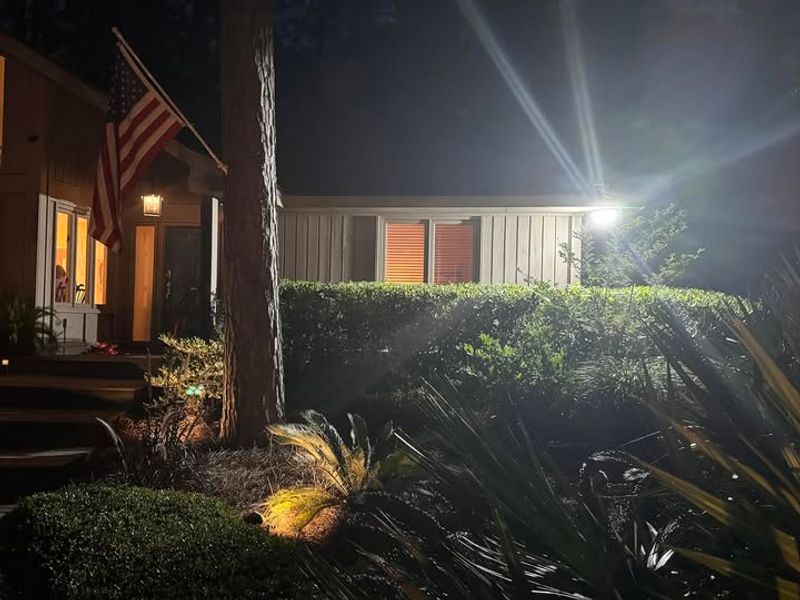
Overly bright landscape lighting and security floodlights are becoming targets of new ordinances aimed at reducing light pollution in Virginia communities.
Excessive nighttime illumination disrupts wildlife behavior, wastes energy, and bothers neighbors who value dark skies for sleeping and stargazing activities.
Homeowner associations in Virginia are establishing guidelines about fixture placement, brightness levels, and lighting hours to minimize unwanted glare beyond property boundaries.
Motion-activated lights are generally acceptable, but constantly burning bright lights that shine into neighboring windows often violate community standards.
Dark sky initiatives are gaining momentum across Virginia as residents recognize the value of natural nighttime environments for human health and ecosystems.
Properly designed outdoor lighting directs illumination downward where needed rather than scattering light upward into the sky wastefully.
Shielded fixtures and warm-colored LED bulbs provide adequate security and visibility without creating the harsh glare that characterizes poorly planned lighting.
Virginia homeowners should consider how their outdoor lighting affects neighbors and local wildlife when planning landscape illumination projects for properties.
7. Vegetable Gardens in Highly Visible Front Yard Areas
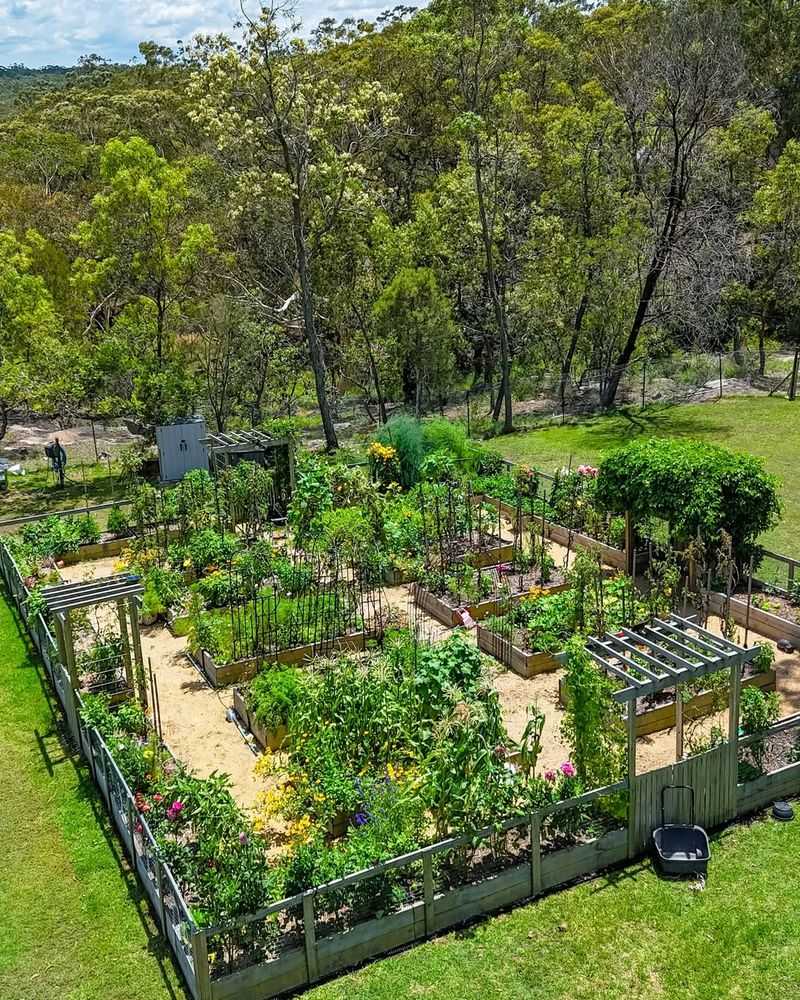
Growing your own food is economical and rewarding, but some Virginia homeowner associations restrict vegetable gardens in front yards for aesthetic reasons.
Traditional covenants were written when ornamental landscaping was considered the only appropriate use for spaces visible from the street.
These restrictions are increasingly controversial as more people embrace sustainable living and food security through home gardening in Virginia neighborhoods.
Some residents are challenging outdated rules that prohibit edible plants while allowing decorative flowers that provide no practical benefit.
Virginia law now protects vegetable gardens in some circumstances, limiting how much homeowner associations can restrict food production on private property.
Recent legislation recognizes the importance of home food production and prevents associations from completely banning gardens in all yard locations.
Compromise solutions include attractive raised beds with neat borders that blend vegetable growing with ornamental landscaping in Virginia front yards.
Many gardeners successfully incorporate edibles into mixed plantings that satisfy aesthetic requirements while still producing tomatoes, peppers, and herbs throughout seasons.
8. Decorative Rock Gardens Replacing Traditional Lawns
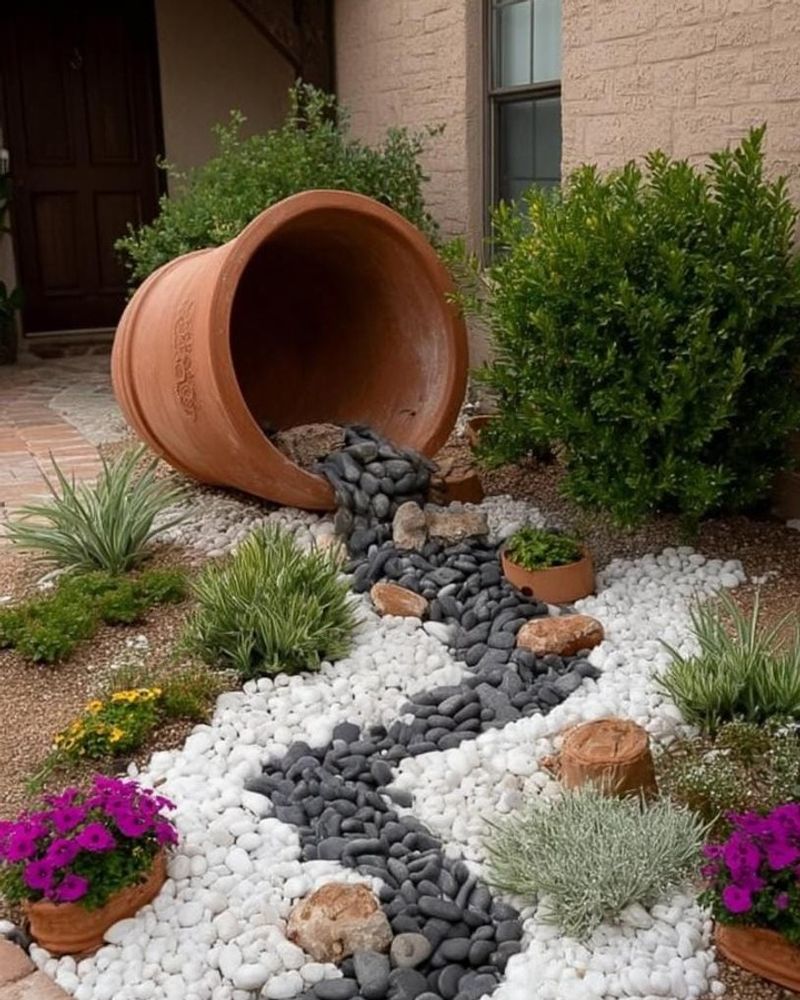
Rock gardens and xeriscaping with stones are water-wise alternatives to grass, but they face opposition in some Virginia neighborhoods that value greenery.
Homeowner associations may view extensive rock coverage as unattractive or inconsistent with the lush landscape character they want to preserve.
Traditional covenants often require a certain percentage of living plant coverage, which rock-heavy designs may not satisfy in Virginia communities.
These rules were created to prevent neglected, barren yards but can inadvertently discourage creative, low-maintenance landscaping that actually requires thoughtful planning.
Cultural preferences for green lawns remain strong in many Virginia areas despite the environmental benefits of reducing turf grass acreage.
Homeowners choosing rock gardens should incorporate plenty of attractive plants and shrubs to soften the appearance and maintain neighborhood harmony.
Well-designed rock gardens with native Virginia plants can be more visually interesting than plain grass while requiring far less water and maintenance.
Strategic plant placement among decorative stones creates texture and seasonal color that satisfies aesthetic concerns while reducing environmental impact significantly.
9. Unmanaged Natural Areas That Neighbors Consider Overgrown
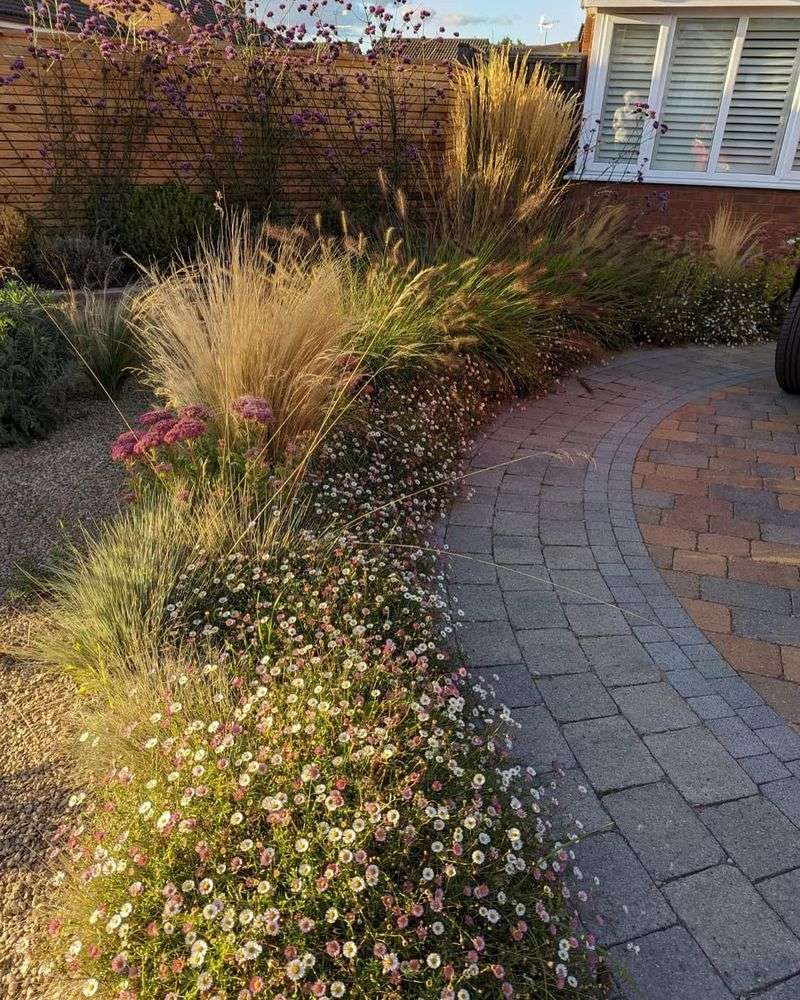
Allowing portions of your property to return to a natural state supports biodiversity but may violate Virginia neighborhood maintenance standards.
What ecologically-minded homeowners call wildlife habitat, neighbors and associations might label as neglected, weedy, or unkempt landscaping that lowers values.
Most Virginia communities have ordinances requiring property owners to control vegetation height and prevent the spread of weeds to adjacent lots.
Natural landscaping advocates argue these rules are outdated and prevent environmentally beneficial practices that support pollinators and native species.
The key to successful natural areas in regulated Virginia neighborhoods is intentional design that clearly distinguishes habitat zones from neglect.
Defined borders, mowed edges, and informational signs help neighbors understand that your wildflower meadow is a deliberate ecological choice.
Many Virginia homeowners successfully maintain natural areas by keeping front yards more traditional while converting backyards to wildlife-friendly spaces.
This compromise satisfies neighborhood appearance standards while still providing valuable habitat for birds, butterflies, and other creatures that benefit ecosystems.
10. Chicken Coops and Backyard Poultry Keeping
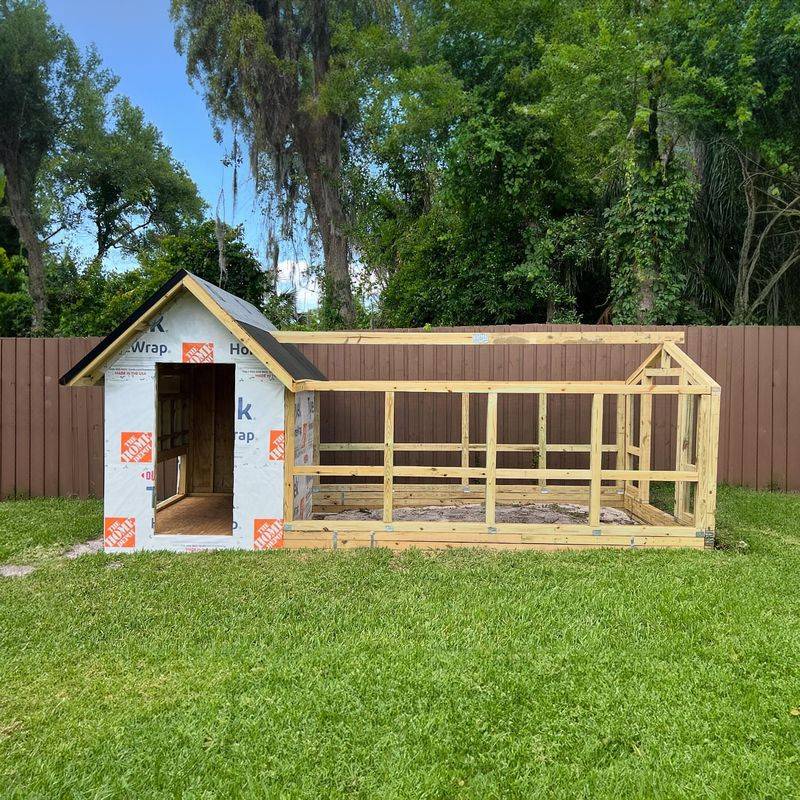
Raising backyard chickens has surged in popularity, but many Virginia neighborhoods maintain strict prohibitions against keeping poultry on residential properties.
Concerns about noise, odors, and predators drive these restrictions even in areas where county ordinances might technically allow small flocks.
Homeowner association covenants often ban livestock of any kind, and chickens typically fall into this category regardless of their small size.
Virginia residents interested in backyard eggs must carefully review all applicable rules before investing in coops and birds for properties.
Some progressive Virginia communities are updating their rules to allow small hen flocks under specific conditions that address neighbor concerns.
Restrictions typically include limits on flock size, coop placement, and prohibitions on roosters that create early morning noise disturbances.
Properly maintained chicken coops with regular cleaning and predator-proof construction can be unobtrusive additions to Virginia backyards that provide fresh eggs.
Educating neighbors about the benefits and addressing their concerns proactively can help gain support for rule changes in communities considering updates.
Clear communication and a willingness to follow guidelines often make the difference between denied requests and successful approval in tightly regulated Virginia neighborhoods.
11. Decorative Yard Art and Lawn Ornaments Exceeding Size Limits

Garden statues, fountains, and decorative features add personality to landscapes but may violate Virginia neighborhood rules about ornament size and placement.
Homeowner associations often restrict yard art that they consider excessive, garish, or inconsistent with community aesthetic standards and architectural guidelines.
What constitutes acceptable decoration varies widely between Virginia communities, with some allowing creative expression while others maintain strict minimalist standards.
Before installing that charming fountain or whimsical sculpture, review your specific covenant restrictions to avoid forced removal of beloved features.
Holiday decorations typically receive more flexibility than permanent installations, but even seasonal displays can face limits in some Virginia neighborhoods.
Communities may restrict display duration, lighting intensity, and inflatable decoration sizes to maintain cohesive appearance throughout residential streets and developments.
Subtle, tasteful yard art that complements your home’s architectural style is less likely to generate complaints than bold, quirky pieces.
Virginia homeowners with artistic inclinations should seek pre-approval for significant decorative installations to ensure compliance with community standards and expectations.