2026 Landscaping Trends California Gardens Are Starting To Embrace
California gardens are stepping into 2026 with a wave of fresh trends that feel more expressive, more climate aware, and more creative than anything seen in recent years.
Homeowners are beginning to lean toward designs that look effortless but still feel intentional, giving outdoor spaces a sense of easy character.
Many of these new ideas blend beauty with practicality, which is why they’re spreading quickly through both small yards and larger landscapes.
California’s changing weather patterns are pushing gardeners to rethink their plant choices and layouts, and that shift is inspiring some surprisingly bold updates.
Interest in sustainable materials and natural textures is growing fast, reshaping how paths, borders, and garden beds come together.
Two sentences fit here because this trend movement is about more than appearances, it’s about building yards that actually function better throughout the year. These choices help gardens stay attractive even through long dry spells or sudden bursts of heat.
Designers are also noticing a rise in softer, more organic shapes that bring movement and warmth to spaces that once felt rigid or overly structured.
As these trends settle in across the state, 2026 is shaping up to be a year where California gardens feel more personal, more resilient, and far more inspiring than seasons past.
1. Native Plants Are Taking Center Stage In California Landscapes
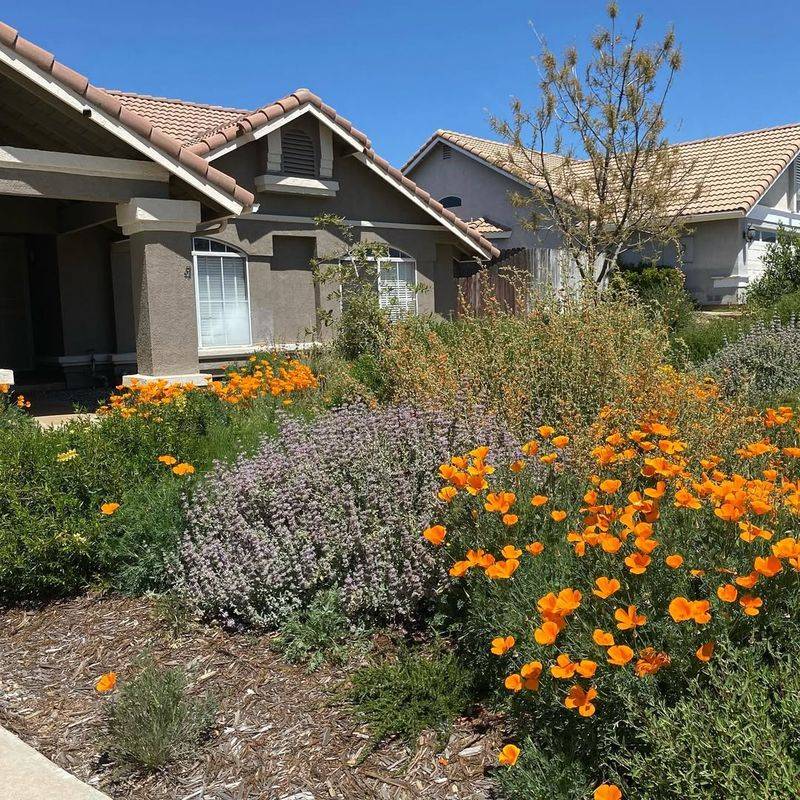
Gardeners all over the state are realizing that working with what already belongs here makes everything easier. California native plants have adapted over thousands of years to local soils, seasonal rain patterns, and temperature swings, so they naturally require less water and maintenance than imports from other regions.
Once established, these plants can survive dry summers without constant irrigation, which saves both time and money.
Choosing natives also means supporting local wildlife in ways that exotic plants simply can’t match. Birds, butterflies, and beneficial insects have co-evolved with these species, relying on them for food and shelter.
When you plant California lilac, manzanita, or toyon, you’re creating habitat that helps the entire ecosystem thrive.
Another bonus is that native plants often have striking textures, colors, and forms that bring unique beauty to any garden. From the silvery leaves of California sagebrush to the vibrant blooms of penstemon, these species offer endless design possibilities.
They fit perfectly into modern, cottage, or wildflower garden styles.
More nurseries across California are stocking native varieties, making them easier to find than ever before. Local chapters of native plant societies also offer sales, advice, and community support.
This growing availability is helping homeowners transition away from thirsty lawns and high-maintenance beds.
Using natives also reduces the need for chemical fertilizers and pesticides, which can harm soil health and water quality. These plants are naturally resistant to local pests and diseases, so they thrive without much intervention.
That means healthier gardens and healthier communities.
2. Water-Wise Gardens Are Becoming The New Standard
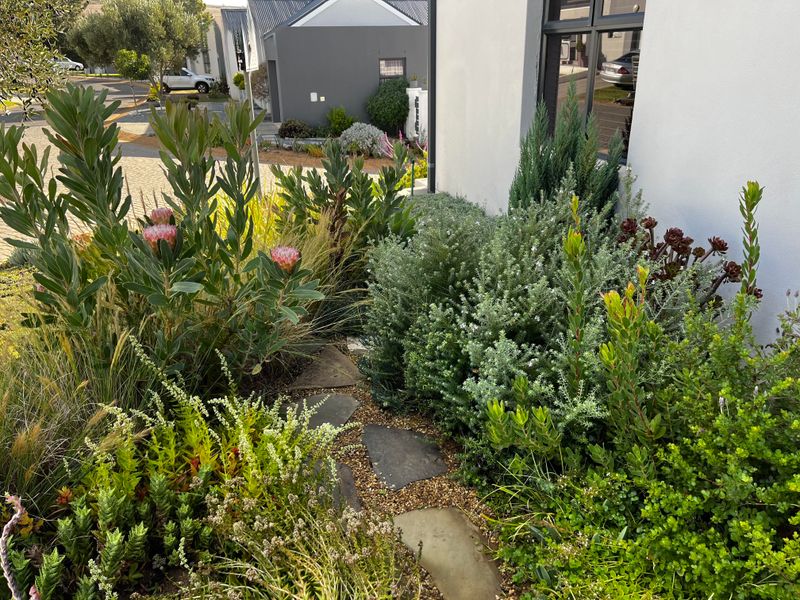
Drought isn’t just a possibility in California—it’s a recurring reality that shapes how people think about outdoor spaces. Water-wise gardening, also called xeriscaping, focuses on reducing irrigation needs while still creating beautiful, functional yards.
This approach combines smart plant choices, efficient watering systems, and thoughtful design to maximize every drop.
Homeowners are replacing traditional lawns with low-water alternatives like clover, dymondia, or artificial turf that looks natural and stays green year-round. These substitutes cut water use dramatically while still providing usable space for kids, pets, and gatherings.
The shift away from grass is one of the most visible changes in California neighborhoods.
Drip irrigation and smart controllers are becoming standard equipment in water-wise gardens. These systems deliver water directly to plant roots, minimizing evaporation and runoff.
Smart controllers adjust watering schedules based on weather conditions, so plants get exactly what they need without waste.
Mulching plays a huge role in conserving moisture by covering soil and reducing evaporation. Organic mulches like wood chips or compost also improve soil health as they break down.
A thick layer of mulch can cut water needs by up to fifty percent, making it one of the easiest and most effective strategies.
Grouping plants with similar water needs, a practice called hydrozoning, ensures that each area of the garden gets appropriate care. This prevents overwatering drought-tolerant plants and underwatering thirsty ones.
It’s a simple concept that makes a big difference in overall water efficiency.
Many California cities now offer rebates for homeowners who remove lawns or install water-saving irrigation systems. These incentives make it more affordable to transition to water-wise landscaping.
Taking advantage of these programs can significantly offset upfront costs.
Designing with hardscaping elements like gravel paths, stone patios, and decorative boulders reduces the amount of planted area that needs watering. These features add structure and visual interest while cutting maintenance.
They also help manage stormwater by allowing it to soak into the ground instead of running off.
3. Pollinator-Focused Planting Is Expanding Across Yards
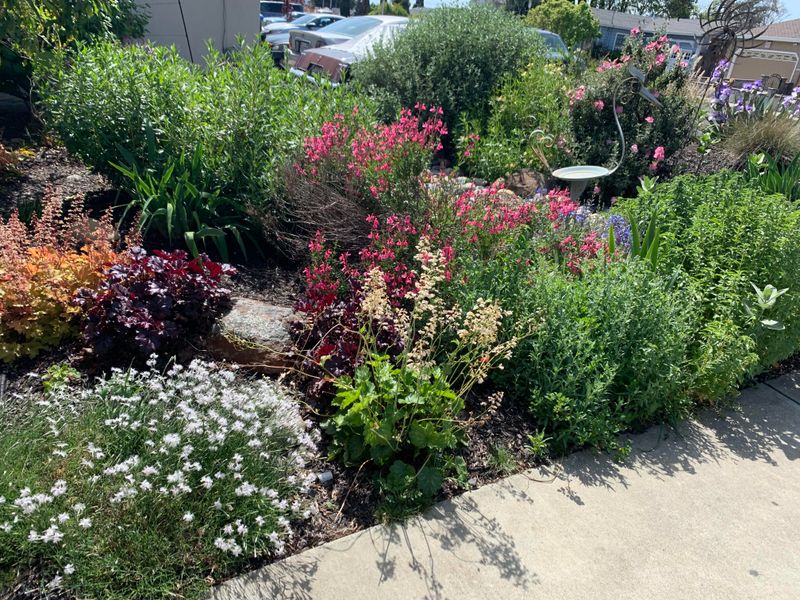
Bees, butterflies, hummingbirds, and other pollinators are essential to healthy ecosystems, and California gardeners are rolling out the welcome mat for them. Pollinator-focused planting means choosing flowers, shrubs, and trees that provide nectar, pollen, and habitat throughout the year.
This trend is about creating gardens that support life beyond just looking pretty.
Many people don’t realize how much pollinators depend on residential gardens, especially as natural habitats shrink. Every yard planted with pollinator-friendly species becomes a vital link in a larger network.
In California, where urban sprawl has reduced wild spaces, home gardens are more important than ever.
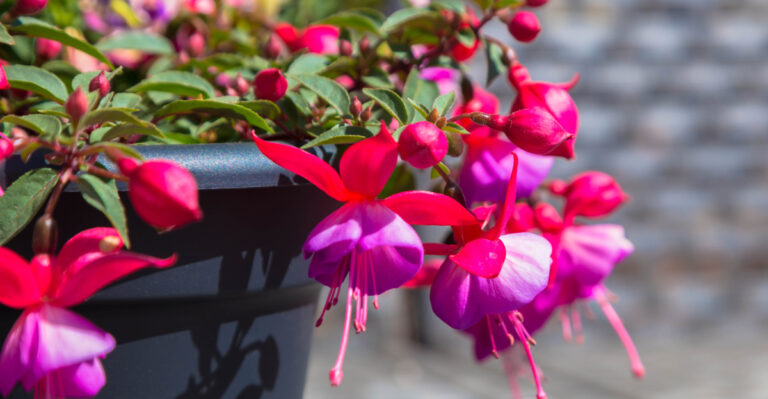
Native plants are often the best choice for attracting local pollinators because they’ve evolved together. California fuchsia, ceanothus, and milkweed are favorites among butterflies and bees.
Planting a variety of species ensures that something is blooming from early spring through late fall.
Avoiding pesticides is crucial in pollinator gardens because even small amounts can harm beneficial insects. Organic gardening methods, like encouraging natural predators and using physical barriers, protect pollinators while managing pests.
Healthy soil and diverse plantings also reduce pest problems naturally.
Providing water sources, like shallow dishes with stones for landing, helps pollinators stay hydrated. These simple additions make gardens even more inviting.
A birdbath or small fountain can serve the same purpose while adding a decorative element.
Leaving some areas of the garden a bit wild, with leaf litter and bare ground, gives pollinators places to nest and overwinter. Not every corner needs to be perfectly manicured.
These untidy spots are actually critical for supporting the full lifecycle of many beneficial insects.
4. Edible Plants Are Blending Into Decorative Landscapes
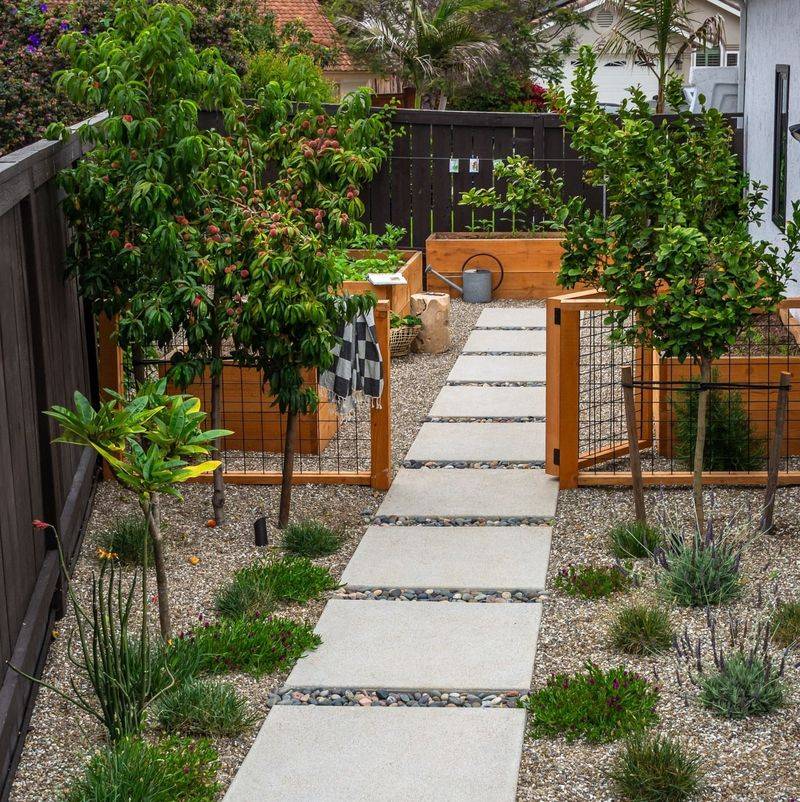
Growing your own food doesn’t mean sacrificing curb appeal anymore. Edible landscaping combines fruit trees, vegetables, and herbs with ornamental plants to create gardens that are both productive and beautiful.
California’s mild climate and long growing season make this trend especially practical and rewarding.
Fruit trees like citrus, figs, and pomegranates double as shade providers and focal points in the landscape. Their blossoms are gorgeous in spring, and their fruit adds seasonal interest.
Planting them strategically near patios or pathways makes harvesting easy and enjoyable.
Vegetable beds no longer need to be hidden in the backyard. Raised beds with clean lines and attractive materials like cedar or metal fit beautifully into front yards and side gardens.
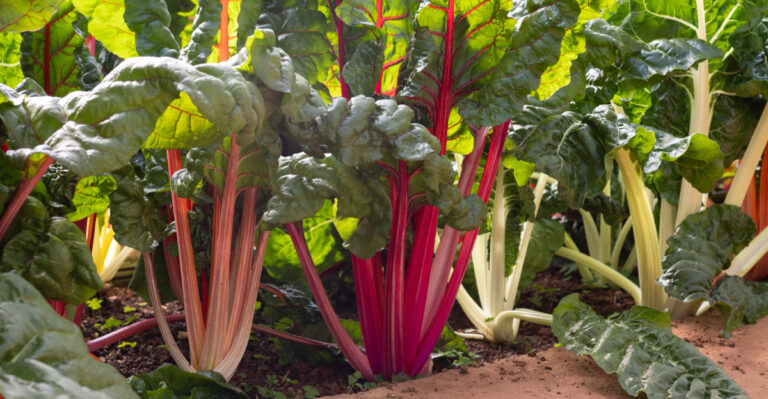
Mixing colorful chard, kale, and lettuce with flowers creates visual interest while providing fresh greens.
Herbs are natural stars in edible landscaping because they’re attractive, fragrant, and useful. Rosemary, thyme, and oregano make excellent border plants or groundcovers.
They’re also drought-tolerant and low-maintenance, which aligns perfectly with California’s water-wise gardening goals.
Edible plants attract pollinators and beneficial insects, adding another layer of ecological value to the garden. Tomatoes, squash, and beans produce flowers that bees love.
This creates a vibrant, buzzing garden that’s alive with activity.
Vertical growing techniques, like trellises for beans or espalier for fruit trees, save space and add architectural interest. These methods are ideal for smaller California yards where every square foot counts.
They also make harvesting easier and keep plants healthier by improving air circulation.
Incorporating edibles into existing landscapes is easier than starting from scratch. You can replace a struggling shrub with a blueberry bush or swap out annual flowers for colorful lettuces.
Small changes add up to big harvests over time.
5. Layered, Lush Planting Is Replacing Sparse Designs
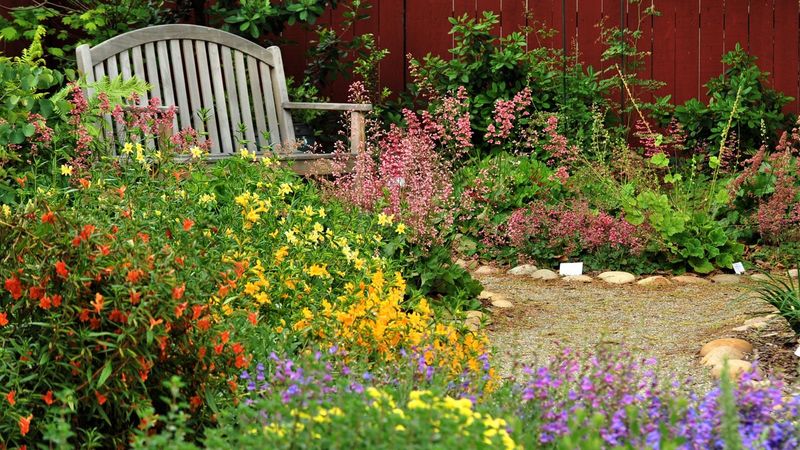
California gardens are getting fuller, greener, and more textured as homeowners move away from minimalist, sparse layouts. Layered planting mimics natural ecosystems by combining groundcovers, perennials, shrubs, and trees in a way that creates depth and interest.
This approach makes gardens feel abundant and alive, even in small spaces.
The key to layered planting is thinking vertically and using plants of different heights and forms. Tall grasses or shrubs in the back, mid-height perennials in the middle, and low groundcovers in front create a sense of dimension.
This structure guides the eye through the garden and makes it feel larger.
Mixing textures—like feathery grasses, broad-leafed hostas, and spiky agaves—adds visual richness without relying solely on flowers. Foliage becomes the star, providing year-round interest.
California’s climate allows for diverse plant combinations that stay attractive through all seasons.
Layered gardens also support more wildlife by providing varied habitats. Birds nest in shrubs, insects shelter under groundcovers, and pollinators visit flowers at different levels.
This biodiversity makes gardens healthier and more resilient.
Dense planting reduces weeds by shading the soil and leaving little room for unwanted plants to establish. This cuts down on maintenance time and the need for herbicides.
A well-layered garden essentially takes care of itself once it’s mature.
Water efficiency improves in layered plantings because the canopy of leaves reduces evaporation from the soil surface. Plants also create microclimates that help each other thrive.
Taller plants provide shade for those that prefer cooler conditions, while groundcovers keep roots cool and moist.
6. Fire-Resilient Landscaping Is Being Planned From The Start
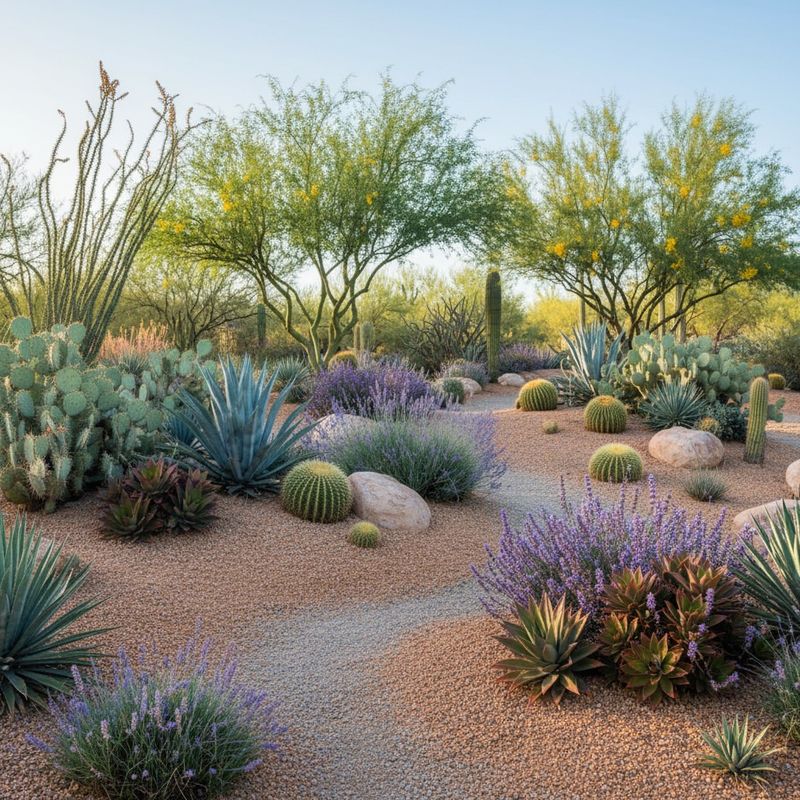
Wildfires are an unavoidable part of California’s reality, and smart homeowners are designing their gardens with fire safety in mind from day one. Fire-resilient landscaping doesn’t mean giving up beauty—it means making strategic choices that reduce fuel for flames while keeping yards attractive and functional.
This trend is about protecting homes and families without sacrificing the joy of outdoor living.
Creating defensible space around structures is the foundation of fire-resilient design. This involves maintaining zones of progressively reduced vegetation density as you move away from buildings.
The first five feet should be kept clear of flammable materials like dry leaves, mulch, and dense plantings.
Choosing fire-resistant plants is crucial. Species with high moisture content, low resin or oil levels, and open branching structures are less likely to ignite.
Succulents, ice plant, and certain native shrubs fit this profile. Avoiding highly flammable plants like juniper and eucalyptus near homes is equally important.
Hardscaping plays a big role in fire-resilient landscapes. Gravel paths, stone patios, and concrete retaining walls act as fire breaks that slow or stop flames.
These features also reduce the amount of plantable area, which naturally lowers fire risk.
Proper plant spacing and regular maintenance keep fire danger low. Overgrown, tangled vegetation creates continuous fuel that allows fire to spread quickly.
Keeping plants pruned, removing fallen branches, and clearing gutters are simple but effective steps.
Irrigation systems can double as fire defense tools. Well-watered plants are less likely to ignite, and having hoses or sprinklers ready can help protect structures during a fire event.
Some homeowners are installing rooftop sprinkler systems as an added precaution.
7. Rain-Smart Designs Are Gaining Ground In Urban Gardens
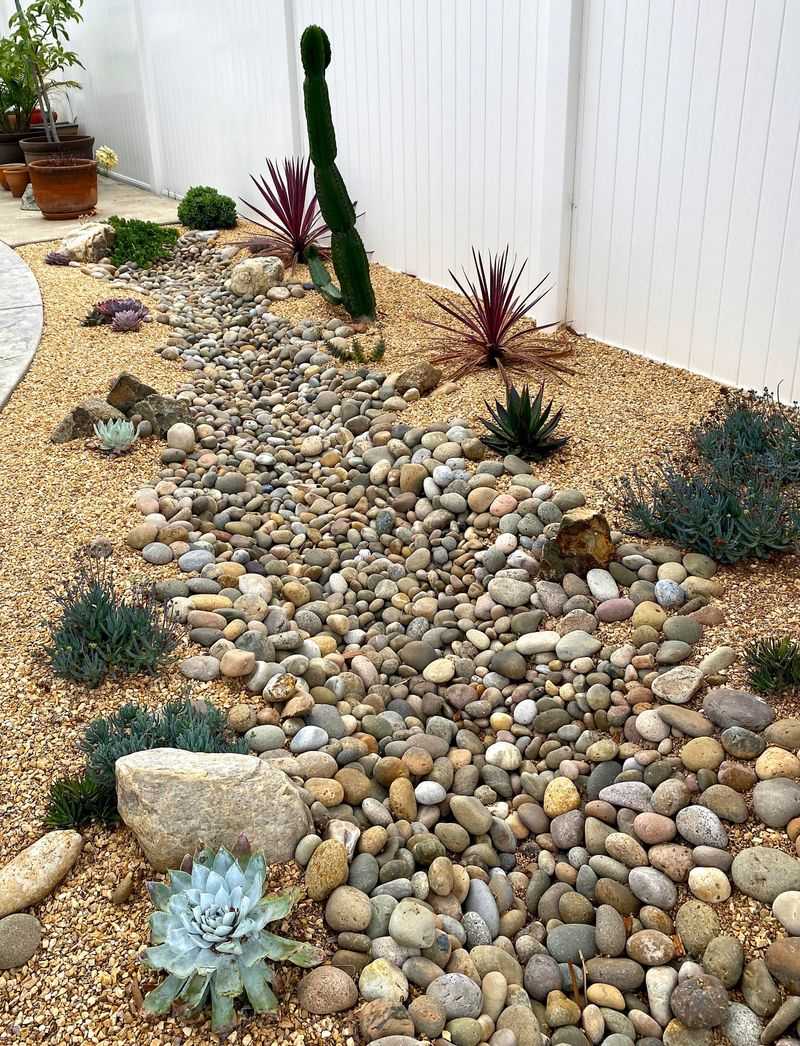
Managing stormwater is becoming a priority in California cities, where paved surfaces send millions of gallons of runoff into storm drains instead of letting it soak into the ground. Rain-smart landscaping, also called rain gardens or bioswales, captures and filters rainwater on-site.
This trend helps recharge groundwater, reduce flooding, and improve water quality.
Rain gardens are shallow, planted depressions designed to collect runoff from roofs, driveways, and patios. Native grasses, sedges, and flowering perennials filter pollutants and allow water to infiltrate slowly.
These gardens look beautiful and function like natural sponges.
Urban homeowners across California are installing rain gardens in parking strips, side yards, and front yards. These spaces are often underutilized and perfect for capturing street runoff.
Transforming them into rain-smart landscapes benefits both the property and the community.
Permeable paving materials like gravel, pavers with gaps, or porous concrete allow water to pass through instead of running off. These alternatives are ideal for driveways, walkways, and patios.
They reduce runoff while still providing durable, attractive surfaces.
Directing downspouts into planted areas instead of storm drains is a simple but effective strategy. This free water source can irrigate gardens during dry spells.
Adding a rain chain or decorative channel makes the flow of water a visual feature.
Bioswales are linear rain gardens that move water slowly through planted areas, filtering it along the way. They’re commonly used along driveways or property edges.
Bioswales combine function with beauty, often featuring grasses and wildflowers that attract pollinators.
California cities are offering incentives for homeowners who install rain-smart features, recognizing their role in reducing strain on aging stormwater infrastructure. Grants, rebates, and technical assistance make these projects more accessible.
Taking advantage of these programs benefits both your wallet and the environment.
8. Bold Foliage And Texture Are Replacing Flower-Only Beds
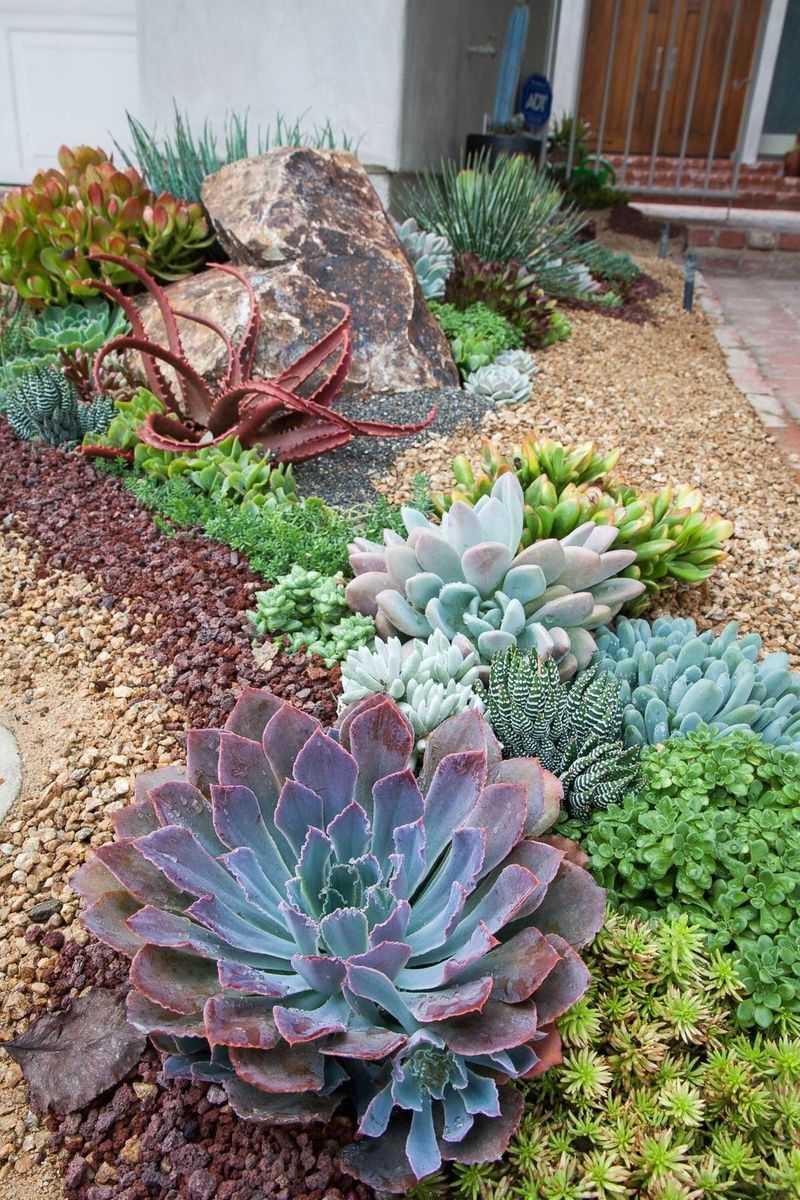
California gardeners are shifting their focus from fleeting blooms to plants with striking foliage and texture that deliver visual impact all year long. Bold leaves, interesting forms, and contrasting textures create gardens that never look dull, even when nothing is flowering.
This trend celebrates structure and permanence over temporary color.
Plants like elephant ears, banana plants, and large-leafed hostas bring a tropical vibe to California gardens. Their dramatic foliage makes a statement and works beautifully alongside more restrained plants.
Even in winter, these bold forms keep the garden interesting.
Grasses are stars in texture-focused gardens, offering movement, sound, and changing colors through the seasons. Varieties like Mexican feather grass, blue fescue, and fountain grass add softness and grace.
They sway in the breeze and catch the light in ways that flowers simply can’t.
Succulents provide sculptural interest with their geometric shapes and fleshy leaves. Agaves, aloes, and echeverias come in a stunning range of colors and sizes.
They’re perfect for California’s climate and require almost no water once established.
Mixing plants with different leaf sizes, shapes, and colors creates a tapestry of texture that’s endlessly engaging. Pairing fine, delicate foliage with broad, bold leaves adds contrast and depth.
This approach makes gardens feel curated and intentional.
Foliage-focused gardens require less deadheading, staking, and replanting than flower-heavy designs. Plants chosen for their leaves tend to be lower maintenance and more forgiving.
This makes them ideal for busy homeowners who still want a beautiful yard.
Seasonal changes in foliage color—like the red tones of Japanese maples in fall or the silvery sheen of dusty miller—add interest without relying on flowers. These shifts keep the garden dynamic and connected to the rhythm of the year.
California’s mild climate allows many foliage plants to look good year-round.
9. Gardens Are Being Designed With Clear Purpose And Function
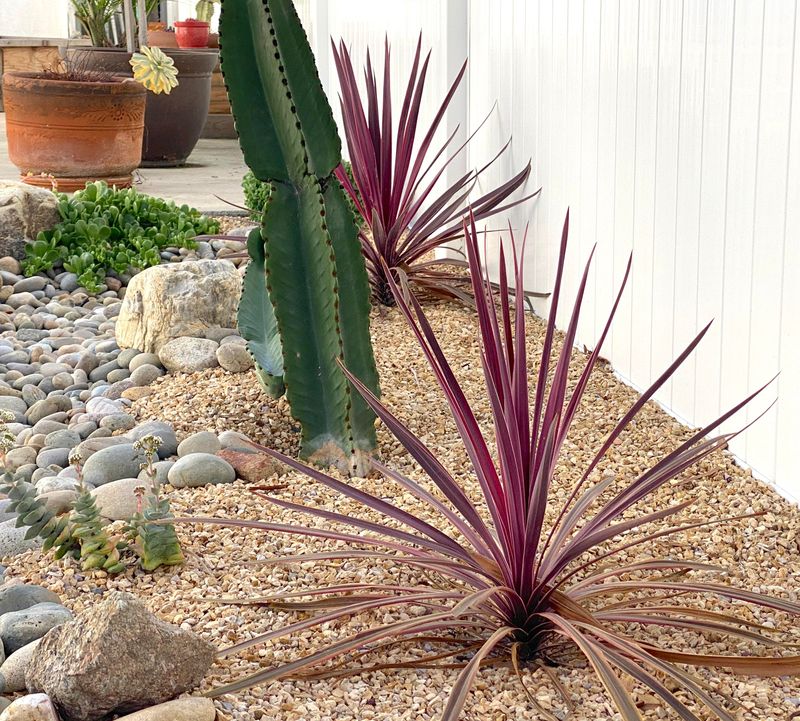
California homeowners are moving away from generic, one-size-fits-all gardens and creating outdoor spaces tailored to their specific needs and lifestyles. Purpose-driven design means thinking carefully about how you’ll actually use the space—whether it’s for entertaining, growing food, providing play areas, or creating quiet retreats.
This trend makes gardens more meaningful and enjoyable.
Outdoor living areas with comfortable seating, shade structures, and cooking facilities are becoming standard in California gardens. These spaces extend the home’s footprint and get used year-round thanks to the mild climate.
Designing them with intention ensures they’re functional and inviting.
Families with kids are creating designated play zones with durable turf alternatives, sandboxes, and natural play features like logs and boulders. These areas are integrated into the overall design rather than feeling like afterthoughts.
Purpose-built play spaces keep children engaged while parents relax nearby.
Meditation gardens and quiet corners offer refuge from busy lives. Simple benches, water features, and calming plantings create spots for reflection and relaxation.
Even a small corner can become a sanctuary with thoughtful design.
Vegetable and herb gardens are being planned as functional areas with easy access, good sun exposure, and convenient water sources. Raised beds, tool storage, and composting areas make these spaces efficient and enjoyable to work in.
California’s growing season allows for nearly year-round production.
Pet-friendly gardens consider the needs of dogs and cats with secure fencing, durable surfaces, and safe plants. Pathways, shaded resting spots, and water features keep pets comfortable and happy.
Designing with pets in mind prevents damage and makes outdoor time more enjoyable for everyone.